


Worn suspension bushing symptoms usually show up as new noises, vague steering feel, and a “loose” reaction over bumps—because the bushing can no longer isolate movement the way it should.
Beyond comfort, the bigger risk is control: bad bushings can let suspension geometry shift under load, which may translate into uneven tire wear, longer stopping distances, or a car that feels unsettled mid-corner.
Many drivers also want clarity on diagnosis: which symptoms point to the bushing itself versus ball joints, links, mounts, or tires, so you can avoid replacing good parts by accident.
To start, “Giới thiệu ý mới”: we’ll map symptoms to likely locations, explain why the noises happen, and show a practical inspection flow so you can confirm the root cause before you spend money.
What worn suspension bushing symptoms point to bad bushings?
Answer: Yes—worn suspension bushing symptoms typically include clunks over bumps, squeaks at low speed, steering wander, and uneven tire wear because the rubber no longer fills the gap between moving parts and allows extra play.
To begin, the most useful way to read symptoms is to separate what you hear, what you feel, and what you can see—because bad bushings often start as a noise problem before they become a handling problem.

Noise symptoms: clunk, knock, squeak, creak
Clunks usually happen when a suspension arm shifts quickly and the bushing’s inner sleeve “taps” the bracket or bolt under load. Squeaks and creaks are more common when rubber dries, cracks, or allows metal-to-metal micro-movement, especially at parking-lot speeds and over driveway ramps.
Cụ thể, listen for patterns: a single heavy knock over sharp bumps suggests larger compliance change (often control arm or subframe bushings), while repetitive creaks over small ripples can suggest sway bar or strut mount-related isolation issues.
Feel symptoms: loose steering, drift, harshness, delayed response
When bushings degrade, you may feel a “delay” between steering input and vehicle reaction, or a small “squirm” as the wheel re-centers after a bump. That’s the bushing allowing geometry to shift momentarily—especially toe changes—before the tire regains a stable contact patch.
Ngược lại, if the car feels tight but still noisy, the sound may be from links, mounts, or brakes; however, combining noise + vague steering is a classic bushing story.
Visible symptoms: cracking, separation, off-center sleeves, leaking fluid
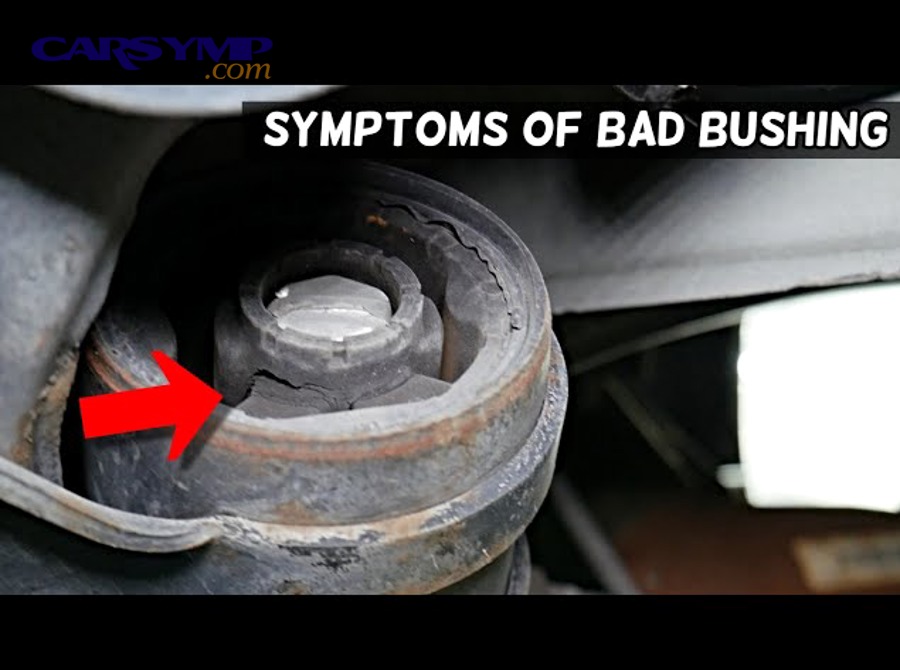
Many bushings are rubber bonded to an inner sleeve and outer shell; as they wear, you may see radial cracks, torn rubber, or separation where rubber pulls away from the sleeve or housing. Some modern hydraulic bushings can leak, leaving oily residue and a softer, unstable feel afterward.
The “quick win” is to compare left vs right: asymmetry is suspicious because bushings usually live similar lives on both sides unless a curb hit, pothole impact, or fluid contamination targeted one corner.
One-sentence evidence to anchor expectations
Theo nghiên cứu của Cars.com từ Editorial Department, vào 06/2025, worn suspension bushings were linked to rattles/creaks over bumps, loose-feeling steering, uneven tire wear, and poor wheel alignment when the bushing no longer fills the gap between parts.
How do bad bushings create clunks, squeaks, and vibration?
Answer: Bad bushings can cause clunks, squeaks, and vibration for three main reasons: increased clearance (impact noise), altered stiffness (new resonance), and friction from torn rubber or sleeve movement—so the suspension transmits energy instead of isolating it.
To understand why your car suddenly “talks” more, it helps to think of a bushing as both a spacer and a spring: it holds parts centered and filters vibration.

Reason 1: Impact noise from extra clearance
When rubber compresses permanently, tears, or separates from the sleeve, the arm can shift farther before load is resisted. That “free travel” turns bumps into a hard contact event—creating a clunk that often feels like it comes from deep under the floor.
Ví dụ, acceleration and braking loads can rock the control arm fore/aft; if the bushing is weak, you may hear a thunk as the arm repositions, especially during stop-and-go driving.
Reason 2: Resonance and “tuned” vibration changes
Suspensions are tuned for NVH (noise, vibration, harshness). A bushing’s stiffness and damping help set what frequencies are absorbed vs transmitted. As the rubber ages, its stiffness curve changes, so vibration that used to be filtered can start showing up in the steering wheel, seat, or pedals.
In practice, you may notice vibration at a narrow speed range (like 40–55 mph) that feels different from wheel imbalance—more “buzz” than “shake,” and often worse on rougher pavement.
Reason 3: Friction and stick-slip squeaks
Rubber that is cracked or contaminated can grab and release (stick-slip) as the suspension moves slowly—producing squeaks that are louder when cold or after rain dries road film into the bushing surfaces. That’s why squeaks often show up first in low-speed turns, speed bumps, and driveways.
Quan trọng hơn, a temporary quieting from lubricant spray doesn’t prove the bushing is healthy; it only means friction was part of the sound.
Evidence sentence (why “premature” failures happen)
Theo nghiên cứu của MOOG Parts từ Technical Content team, vào 2022, repeated stretching/compression in certain OE-style vertical bushings can lead to rubber separating from the sleeve or housing in as little as 30,000 miles.
How can you confirm worn bushings without guesswork?
Answer: You can confirm worn bushings with a 3-step check: reproduce the symptom safely, inspect visually for cracks/separation, then test for abnormal movement using controlled leverage—because true bushing failure shows both damage and excess compliance.
To start, treat diagnosis like a funnel: begin wide (road test cues), then narrow (corner-specific inspection), then validate with a movement test.
Step 1: Road-test pattern recognition (safe, repeatable)
Pick a short route with (1) a gentle curve, (2) a few small bumps, and (3) a light-braking zone. Note whether the noise is tied to suspension travel (bumps), load transfer (brake/accelerate), or steering angle (turn-in).
Dưới đây is a practical mapping: bump-only clunks often point to arms/links; brake/accel thunks often point to control arm or subframe compliance; steering-angle squeaks can implicate sway bar bushings or strut mounts.
Step 2: Visual inspection (what “failure” actually looks like)
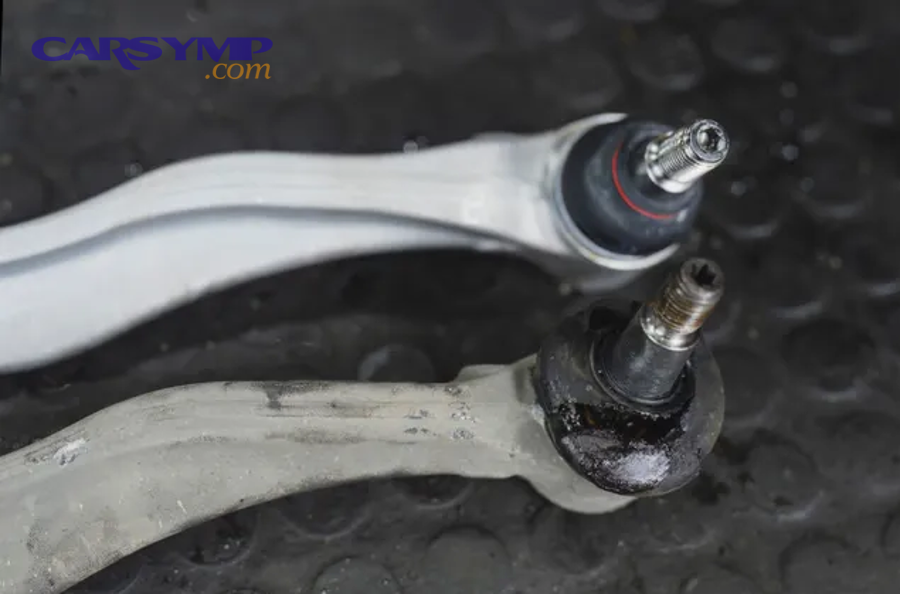
With the car safely lifted, look for torn rubber, void collapse, offset sleeves, or shiny witness marks where the sleeve has shifted. Compare left vs right: a healthy side is your built-in control sample.
If a bushing is hydraulic, check for wetness or staining around the bushing body, which can indicate internal fluid leakage and a sudden drop in damping.
Step 3: Controlled movement test (pry-bar logic)
Use controlled leverage to move the arm near the bushing while observing the rubber. Normal bushings deflect smoothly and rebound; failed bushings show abrupt movement, sleeve shift, or separation. The key is not “movement exists” (all rubber moves) but “movement is excessive, uneven, or metal-to-metal.”
To avoid false positives, apply force in the same direction the arm sees on-road: fore/aft for control arms, up/down for sway bar mounts, and lateral for subframe mounts.
Evidence sentence (why visual + feel must match)
Theo nghiên cứu của Slovak University of Technology in Bratislava từ Faculty of Mechanical Engineering, Institute of Transport Technology and Engineering Design, vào 2022, measured bushing dynamic stiffness differed significantly by frequency—showing that small material/condition changes can alter vibration behavior even before catastrophic tearing is obvious.
Which bushing locations fail most often, and how do the symptoms differ?
Answer: There are four common bushing zones with distinct symptoms: control arms (thunks and wander), sway bars (rattle/squeak), subframes (whole-body looseness), and steering rack mounts (drift/loose on-center); the “feel” depends on load direction and stiffness.
Next, we’ll use a location-first approach so you can connect symptom patterns to the most likely failure points—then verify with inspection rather than guessing.
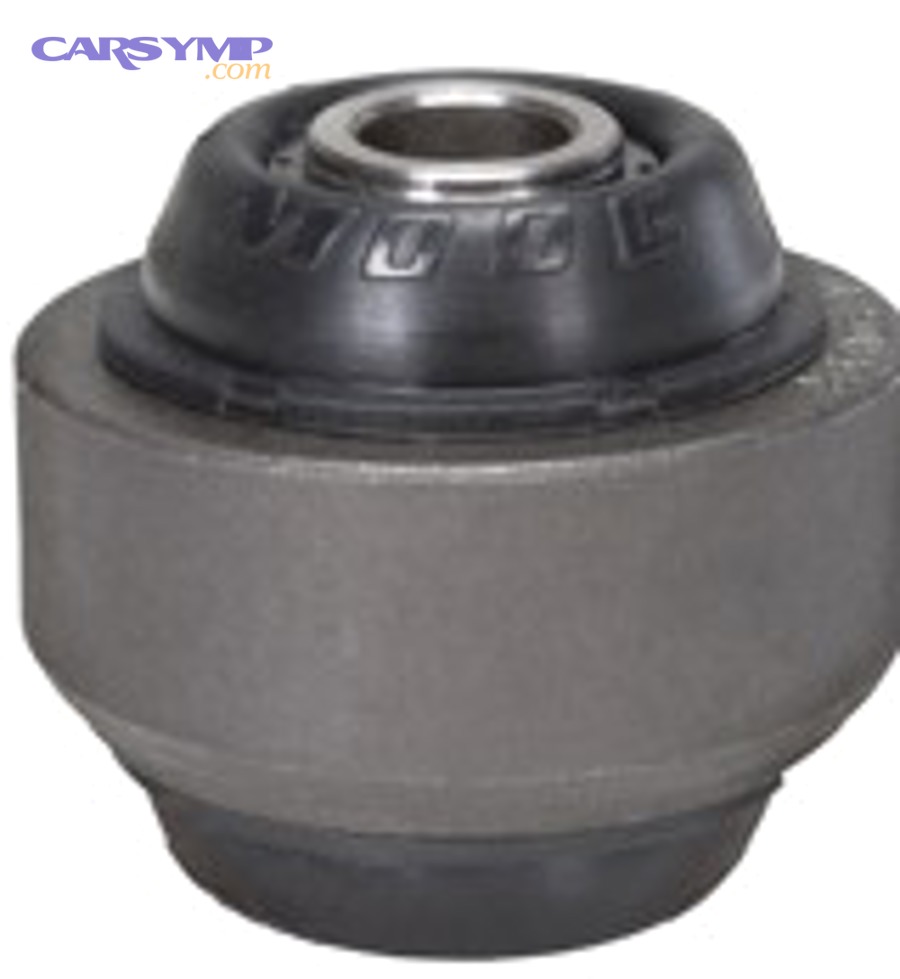
Control arm bushings: thunks under braking/acceleration, steering wander
Control arms guide the wheel through its arc. When their bushings soften or tear, the wheel can shift fore/aft under braking and acceleration, creating a thunk and an unstable, “floating” steering feel. Drivers may also notice the car pulling slightly when transitioning on/off throttle.
This is also where many “alignment won’t hold” complaints start, because toe and caster can change dynamically under load even if the static alignment numbers look fine on the rack.
Sway bar bushings: repetitive rattle, low-speed squeak, small-bump chatter
Sway bar bushings clamp the bar to the chassis and let it rotate. When they wear, they can squeak (stick-slip) or rattle (clearance). Symptoms often appear over small repetitive bumps and during slow turns where the bar twists gradually.
However, if the sound is sharper and more metallic, sway bar links may be the culprit—so use inspection to confirm whether the bushing is ovalized or the link has play.
Subframe and rear trailing arm bushings: whole-body looseness, rear steer
Subframe bushings isolate the entire suspension carrier. When worn, the car can feel like it “moves around” over road crowns, and you may feel a delayed rear response (rear steer sensation) in lane changes or sweeping curves.
On some vehicles, rear trailing arm bushings also create braking instability—where the rear feels twitchy as load transfers forward.
Steering rack bushings: drift, vague on-center, shimmy over roughness
Loose steering rack bushings can mimic alignment issues because the rack itself shifts slightly as you steer, causing a delayed response and inconsistent steering effort. On rough surfaces, this can show up as a shimmy that feels more like “steering system movement” than wheel imbalance.
To tie it together, when you see drift + vague steering plus underbody noise, bushings deserve a top spot on your checklist.
Evidence sentence (location-to-symptom mapping)
Theo nghiên cứu của NAPA Know How từ Editorial team, vào 09/2020, worn control arm bushings were noted to contribute to abnormal tire wear and pulling under acceleration or braking, while worn sway bar bushings were associated with abnormal clunking over uneven surfaces.
Can worn bushings affect alignment, tire wear, and braking stability?
Answer: Yes—worn bushings can affect alignment, tire wear, and braking stability because they allow dynamic geometry changes (especially toe) under load, which scrubs tires, destabilizes braking, and makes the vehicle feel inconsistent even after an alignment.
To understand the “why,” remember that alignment specs are static measurements, but your car spends its life in motion under acceleration, braking, bumps, and cornering.

Dynamic toe change: the hidden tire killer
When a control arm bushing is soft, braking forces can pull the arm backward, changing toe and caster briefly. That creates tire scrub you won’t necessarily see in a quick visual, but over thousands of miles it can produce feathering, cupping, or rapid inner/outer shoulder wear.
In many cases, drivers chase tire balance and rotations while the root cause is compliance—so the wear pattern keeps returning.
Braking stability and “confidence”
During braking, the suspension must resist fore/aft movement to keep the tire contact patch stable. With worn bushings, the wheel can shift, which may feel like a subtle wiggle, a steering correction need, or a car that doesn’t settle smoothly as you slow down.
This does not always show as a dramatic pull, but it can reduce confidence—especially in emergency braking or wet conditions.
Alignment that won’t stay “set”
If a shop aligns the car and it still wanders, ask whether bushing play was checked under load. Alignment racks measure angles, but they can’t “fix” components that move. That’s why replacing worn bushings often needs to happen before the final alignment for a lasting result.
For a grounded reference, worn bushings are frequently cited alongside poor wheel alignment and uneven tire wear when the gap-filling function is lost.
A practical table to connect symptoms to likely geometry effects
This table helps you translate what you feel into the most likely bushing zone and the most common driving consequence (alignment/tire/braking), so you can prioritize inspection efficiently.
It’s most useful when your symptoms overlap—because multiple worn components can stack together.
| What you notice | Most suspicious bushing zone | Common consequence | Fastest confirmation |
|---|---|---|---|
| Thunk under braking or acceleration | Front control arm (rear bushing) / subframe | Dynamic toe change, braking instability | Pry test fore/aft + compare left/right |
| Rattle on small bumps + squeak in slow turns | Sway bar bushings | NVH increase, minor handling inconsistency | Inspect clamp area + bar movement in bushing |
| Wandering on highway, vague on-center | Steering rack bushings / control arms | Drift, frequent corrections, tire scrub | Observe rack movement while steering |
| Rear feels like it “steers” in lane changes | Rear trailing arm / subframe | Rear steer sensation, uneven rear tire wear | Visual tear check + loaded movement test |
Evidence sentence (clunk + tire wear linkage)
Theo nghiên cứu của NAPA Know How từ Maintenance Editorial team, vào 03/2023, clunking over bumps was described as a key symptom when suspension joints/bushings cannot control movement, and uneven tire wear was highlighted as a common outcome of suspension looseness.
Is it safe to keep driving with worn suspension bushing symptoms?
Answer: It depends—mild noise-only symptoms can sometimes be monitored briefly, but if you have steering wander, braking thunks, rapid tire wear, or any metal-to-metal knock, the safe choice is to limit driving because loss of control can worsen quickly.
Next, use a simple risk filter: “Is this only annoying, or is it affecting stability?” because safety isn’t about the sound alone—it’s about what the sound represents.
Green zone: monitor briefly (with conditions)
If the symptom is a light squeak or occasional creak with no steering drift, no braking instability, and no abnormal tire wear, you may be able to schedule service without immediate risk. Still, you should inspect soon, because early-stage wear can accelerate after the rubber tears further.
To keep it responsible, set a short timeline: check within days/weeks, not months, and re-evaluate after any harsh pothole impact.
Yellow zone: reduce speed, avoid long trips
If you notice inconsistent steering feel, the car feels “loose” at highway speed, or tire wear is appearing quickly, reduce highway driving. Dynamic geometry change at speed can turn small compliance into big corrections, especially in crosswinds or on grooved pavement.
In this zone, you want an inspection and likely repair soon—because the cost of extra tires and repeated alignments can exceed the repair itself.
Red zone: stop driving and inspect immediately
Stop driving if you hear a heavy knock that gets worse rapidly, feel steering “shift” under braking, see a bushing sleeve displaced, or notice a sudden change in vehicle direction over bumps. These can indicate near-complete separation where the arm is no longer being located correctly.
Also stop if the wheel appears to sit differently in the arch (odd camber/toe look) after a pothole hit—because that can signal structural or joint failure beyond just bushings.
Evidence sentence (why worn bushings can escalate)
Theo nghiên cứu của Cars.com từ Editorial Department, vào 06/2025, worn bushings were associated not only with noise and steering looseness but also with poor wheel alignment and even broken components when the gap between parts is no longer controlled.
What fixes solve the root cause—and how do you avoid repeat problems?
Answer: The best fix is to replace the failed isolator at the correct location, torque fasteners at ride height, and follow with an alignment when geometry-locating bushings are involved—because installation method matters as much as the part itself.
After that, you’ll want to prevent repeat wear by addressing contamination, incorrect torque, and the “stacked” causes that overload bushings (bad shocks/struts, bent arms, or chronic pothole impacts).
Repair strategy: replace what is actually worn, not what is convenient
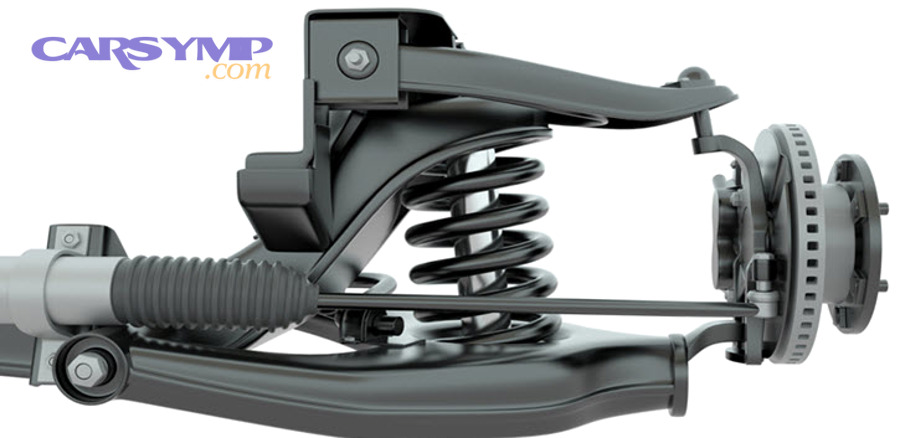
Some vehicles allow pressing in a new bushing; others are designed around replacing the full arm assembly. Either can be correct—the decision is about labor time, condition of the arm, availability of quality parts, and whether other joints on the arm are near end-of-life.
Here’s the key: if you replace only the cheapest part but leave a worn ball joint or bent arm, the new bushing can be stressed abnormally and fail early.
Installation details that change outcomes
Many rubber bushings are “bonded” designs that twist internally; if you torque them with the suspension hanging, the bushing is preloaded at rest and tears sooner. The best practice is to snug hardware, load the suspension to ride height, then torque to spec.
Also, avoid petroleum-based lubricants on rubber unless explicitly approved; oil contamination can soften rubber and accelerate cracking.
Money-saving logic: fix the geometry first, then align once
If the worn bushing affects toe/caster/camber location, align after repairs—otherwise you may pay twice. If tires are already unevenly worn, consider whether a new alignment alone can save them; many feathered tires will stay noisy even after the root cause is fixed.
Cụ thể hơn, if a shop proposes repeated alignments without addressing bushing play, treat that as a red flag for incomplete diagnosis.
Where the required phrases belong (in-body only)
Most repairs are straightforward bushing replacement once the exact location is confirmed, but the long-term result depends on correct torque-at-ride-height and addressing any related loose joints or worn dampers.
Evidence sentence (mileage expectations and why planning matters)
Theo nghiên cứu của NAPA Know How từ Editorial team, vào 08/2017, many vehicles in the 100,000–120,000-mile range were described as nearing the usable life for multiple suspension bushings and joints, supporting the idea that clustered wear is common and should be inspected as a system.
Contextual Border: From here, we move beyond “what’s wrong and how to confirm it” into micro-level choices that change ride quality, noise, and durability—so you can pick the right solution for your driving style and expectations.
Supplementary: Material choices, tradeoffs, and post-repair expectations
Rubber comfort vs performance-oriented alternatives
Rubber bushings generally prioritize comfort and NVH control, while stiffer alternatives can improve precision at the cost of more noise and vibration transfer. In a real-world Polyurethane vs rubber bushing comparison, the “best” choice depends on whether you value compliance and quietness (daily driving) or sharper response (spirited driving, towing stability, track use).
Theo nghiên cứu của DSPORT Magazine từ The Tech editorial team, vào 09/2016, rubber was highlighted as superior for vibration dampening and road-noise reduction, while polyurethane was noted to resist abrasions/cuts/tears better for longevity tradeoffs.
How to avoid misdiagnosis between common bushing types
A frequent confusion is Control arm bushing vs sway bar bushing diagnosis: control arm issues often show up as load-transfer thunks and wander, while sway bar bushing issues skew toward repetitive small-bump noise and low-speed squeaks during gentle twists. If you only chase the loudest noise, you may miss the bushing that is actually changing geometry.
Practical tip: if the sound changes dramatically with braking/acceleration, suspect arms/subframes; if it’s almost identical whether you brake or coast, suspect sway bar mounts/links.
Durability factors most drivers overlook
Heat, road salt, and chemical exposure are silent accelerators of bushing aging. Oil leaks (engine, power steering, CV grease) can soften rubber; salt can corrode sleeves and brackets; and chronic potholes can tear voided bushings faster than smooth-highway miles ever would.
Theo nghiên cứu của Rezekne Academy of Technologies từ Faculty of Engineering, Department of Mechanical Engineering, vào 2024, measured stiffness deviations after polyurethane material testing suggested that material properties and aging conditions can materially shift stiffness behavior—supporting why environment matters to real-world durability.
FAQ: quick answers drivers ask
Can worn bushings cause vibration that feels like tire balance? Yes—bushings can change NVH filtering, so you may feel a speed-specific buzz; confirm by checking tire balance and then testing for bushing compliance and sleeve shift.
Will new bushings instantly fix all noise? Often, but not always—unevenly worn tires can stay noisy, and multiple worn components can “stack,” so confirm links, joints, and mounts during inspection.
Should you replace one side or both? If one side is clearly failed, inspect both; many shops recommend pairs on the same axle for consistent compliance and predictable handling.
Is lubrication a real fix? Usually no—spray may mask squeaks briefly, but it rarely restores geometry control once the rubber is torn or separated.