


Routine plumbing maintenance is the most reliable way to prevent costly water leaks before they escalate into structural damage, mold growth, or emergency repair bills. A consistent schedule of inspections, pressure checks, and fixture upkeep allows homeowners to catch the early signs of pipe failure, worn seals, and appliance hose deterioration — problems that are inexpensive to fix early but devastating when ignored. The difference between a $15 washer replacement and a $5,000 water damage restoration often comes down to one thing: whether or not you looked.
Understanding what causes leaks is just as important as knowing how to stop them. High water pressure, pipe corrosion, seasonal temperature swings, and deteriorating appliance hoses are among the most common culprits behind household water damage. Each of these failure points has a clear maintenance solution — and none of them require professional expertise to monitor on a weekly or monthly basis.
For homeowners focused on long-term savings, the math is straightforward. The average plumbing leak repair costs between $125 and $800, and that figure does not account for secondary damage to flooring, drywall, insulation, or personal belongings. A single undetected pipe drip behind a wall can silently generate hundreds of dollars in mold remediation costs. Routine maintenance turns an unpredictable emergency expense into a manageable, scheduled task.
Beyond the finances, early leak detection protects your household’s health. Hidden moisture encourages the growth of mold and mildew, which can worsen allergies, trigger asthma episodes, and introduce airborne bacteria into living spaces. Next, this guide walks through every layer of a complete, practical maintenance routine — from foundational pipe checks to advanced detection strategies — so you can protect your home from the inside out.
What Is Routine Plumbing Maintenance and Why Does It Prevent Leaks?
Routine plumbing maintenance is a scheduled, proactive system of inspections, cleaning, and upkeep designed to preserve the integrity of a home’s entire water system and prevent leaks from forming. It encompasses pipe condition monitoring, fixture servicing, appliance hose replacement, water pressure management, and seasonal preparation — all performed at regular intervals before problems become visible.
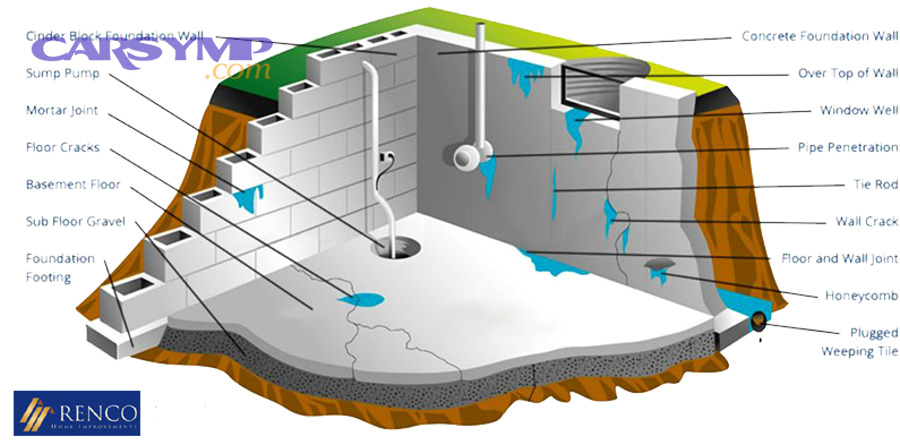
To better understand why this matters, consider what happens inside a plumbing system that receives no attention. Over months and years, mineral deposits build up inside pipes, reducing internal diameter and increasing water pressure on weakened joints. Rubber washers inside faucets crack from repeated thermal cycling. Supply hoses behind washing machines develop micro-fractures that widen with every load cycle. None of these issues announce themselves loudly — until the day they do.
How Does Neglecting Plumbing Maintenance Lead to Water Damage?
Neglecting plumbing maintenance creates a predictable chain of failure. A minor drip from a faucet washer, left unrepaired, increases the moisture load on the surrounding cabinet floor. Within weeks, wood begins to soften and warp. Within months, mold spores colonize the damp space behind the cabinet wall. By the time a homeowner notices the discoloration or odor, the damage has spread far beyond the original leak point.
The progression follows a consistent pattern:
- Stage 1 – Minor leak: A dripping faucet, loose pipe fitting, or hairline crack develops. Water loss is minimal and largely invisible.
- Stage 2 – Structural saturation: Surrounding materials — wood, drywall, insulation — absorb moisture repeatedly, weakening their structural integrity.
- Stage 3 – Biological contamination: Mold, mildew, and bacteria establish colonies in damp areas, creating health hazards for residents.
- Stage 4 – Systemic damage: Water migrates through floors and walls, affecting adjacent rooms or lower floors, compounding restoration costs dramatically.
Each stage could have been interrupted by a simple inspection. Checking under kitchen and bathroom sinks monthly — running a dry cloth along the trap fittings and looking for staining or soft flooring — takes less than five minutes and breaks this chain at Stage 1.
Is Routine Plumbing Maintenance Enough to Prevent All Leaks?
Yes, routine plumbing maintenance is enough to prevent the vast majority of household water leaks — specifically those caused by wear, pressure fluctuation, corrosion, and aging components. However, it does not eliminate the risk of sudden, force-related pipe failures caused by earthquakes, extreme freezing events, or manufacturing defects, which require additional protective measures.
To be precise, plumbing experts generally divide household leaks into two categories: preventable leaks and unpredictable failures. Preventable leaks account for the overwhelming majority of residential water damage claims. These include faucet drips, toilet flapper failures, washing machine hose bursts, water heater corrosion leaks, and supply line deterioration — all of which are directly addressable through routine maintenance. Unpredictable failures, such as sudden pipe bursts from acute freezing or seismic ground movement, are less common and require structural or emergency-response strategies rather than maintenance alone.
The realistic takeaway is this: a homeowner who performs consistent monthly and annual plumbing maintenance will avoid nearly all of the leaks that cause the most common and most expensive residential water damage. The protection is not absolute, but it is highly effective.
What Are the Most Common Causes of Household Water Leaks?
There are five primary categories of household water leak causes: pipe-related deterioration, fixture wear, appliance hose failure, structural pressure issues, and environmental factors — each driven by a distinct failure mechanism that routine maintenance directly addresses.
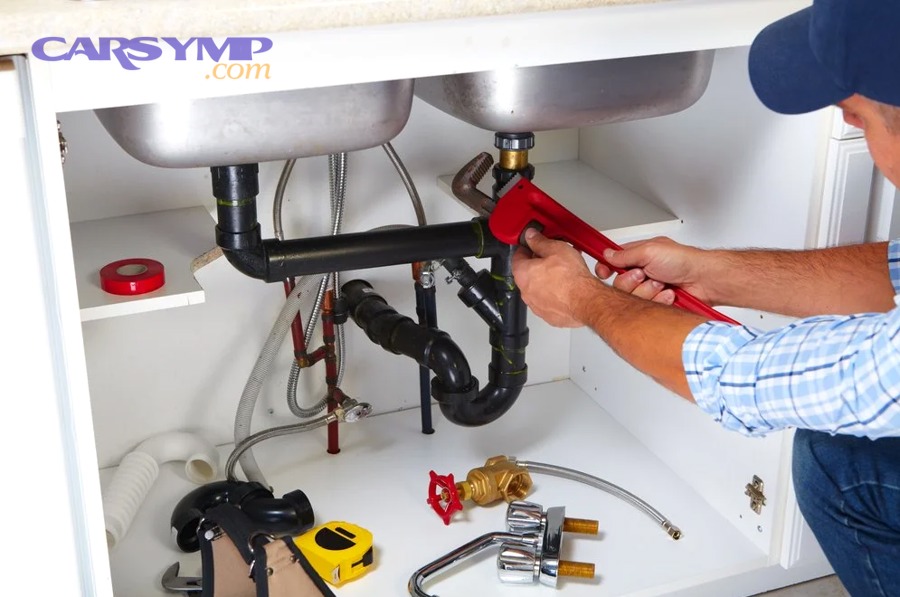
Specifically, most residential leaks do not originate from catastrophic events. They build quietly from gradual degradation. Understanding the failure category helps homeowners prioritize which parts of their plumbing system deserve the most attention and how frequently each area should be inspected.
The table below summarizes each cause category, its primary mechanism, and the maintenance action that prevents it:
| Cause Category | Primary Mechanism | Preventive Maintenance Action |
|---|---|---|
| Pipe deterioration | Corrosion, age, chemical damage | Annual visual inspection; pH monitoring |
| Fixture wear | Worn washers, O-rings, valve seats | Semi-annual faucet and toilet checks |
| Appliance hose failure | Cracking, bulging, loose fittings | Replace hoses every 3–5 years |
| High water pressure | Excess PSI stresses joints and valves | Install pressure regulator; test PSI quarterly |
| Environmental factors | Freezing temps, tree root intrusion | Pipe insulation; annual sewer line inspection |
Which Household Areas Are Most Vulnerable to Plumbing Leaks?
There are four household zones most vulnerable to plumbing leaks: the kitchen, bathrooms, laundry room, and basement or attic — each presenting a unique combination of high water use, aging components, and limited visibility.
Kitchen: The kitchen contains multiple water connections in a compact space — sink trap and drain, dishwasher supply and drain lines, refrigerator ice maker line, and garbage disposal connection. Inspect the drain pipes monthly by running a dry cloth along the trap beneath the sink. Examine supply lines behind the dishwasher for cracking or moisture. Discoloration on the sink cabinet floor or a persistent musty odor are two of the earliest indicators that a hidden kitchen leak is developing.
Bathrooms: Toilets are responsible for a disproportionate share of household water waste. A silent toilet leak — where water seeps from the tank into the bowl without visible dripping — can waste up to 200 gallons per day. The food coloring tank test (adding a few drops to the tank and watching whether color appears in the bowl without flushing) is a simple, cost-free diagnostic. Faucets, showerheads, and caulking around tubs and shower pans should be inspected semi-annually for drips, staining, and seal degradation.
Laundry room: Washing machine supply hoses are among the highest-risk components in any home. Because the machine runs multiple cycles per week and hoses are under constant pressure, the rubber degrades faster than most homeowners realize. Standard rubber hoses should be replaced every five years at minimum. Steel-braided hoses with built-in auto-shutoff mechanisms offer significantly better protection and are a recommended upgrade for any laundry room maintenance plan.
Basement and attic: These areas contain exposed pipes that are especially vulnerable to temperature extremes. Insulated pipe sections in garages, crawlspaces, and attics are a primary target for winter maintenance. Any pipe running along an exterior wall or through an unheated space should be wrapped with foam insulation or heat tape before the first hard freeze of the season.
Does High Water Pressure Cause Plumbing Leaks?
Yes, high water pressure directly causes plumbing leaks by placing sustained mechanical stress on pipe joints, hose connections, and valve seats — forcing them to fail faster than their rated service life under normal conditions.
Water pressure above 80 psi is considered damaging to residential plumbing systems. At elevated pressure, every time a faucet opens or closes, the resulting pressure wave (known as water hammer) travels through the system, vibrating and loosening fittings over time. Supply hoses, which are the weakest link in most residential systems, are particularly vulnerable — a hose rated for 60 psi operating at 100 psi will fail years ahead of schedule.
Checking home water pressure requires only a water pressure gauge, available at hardware stores for under $15. The recommended safe range is 40 to 60 psi. Pressure readings consistently above 80 psi warrant the installation of a pressure-reducing valve (PRV), which is a straightforward plumbing modification that pays for itself by extending the service life of every fixture, appliance, and pipe in the home.
On the other hand, pressure that reads consistently below 30 psi may indicate that a leak has already occurred somewhere in the system, as water escaping through a breach reduces overall system pressure. Both extremes deserve prompt investigation.
What Does a Complete Routine Plumbing Maintenance Checklist Include?
A complete routine plumbing maintenance checklist includes three tiers of tasks: monthly visual inspections, quarterly mechanical checks, and annual professional or deep-maintenance tasks — together covering every major failure point in a residential plumbing system.
Below is a breakdown of each tier, organized by frequency and scope. Homeowners who follow this structure address the full range of pipe, fixture, appliance, and drainage vulnerabilities before they develop into active leaks.
How Do You Inspect Pipes and Fixtures to Prevent Leaks?
Inspecting pipes and fixtures to prevent leaks involves a systematic visual and tactile check of all accessible plumbing components — including exposed pipes, under-sink areas, faucets, toilets, and showerheads — performed at least once per month.
Begin with exposed pipes in utility areas. Look for:
- Corrosion indicators: Green or white mineral deposits on copper pipes; orange rust streaks on galvanized steel
- Physical damage: Bulging, pinhole pitting, cracks, or sections wrapped in old repair tape (a sign of a previous fix that may not have held)
- Moisture presence: Damp insulation, water rings on concrete beneath pipes, or condensation that persists after ambient humidity drops
Move to under-sink cabinets in both kitchen and bathrooms. Run your finger along drain trap fittings to check for moisture. Press the cabinet floor firmly — softness or bounce indicates long-term water saturation. Staining or discoloration on the back wall of the cabinet is a reliable sign of a slow drip from a supply line or drain connection.
For toilets, perform the food coloring test quarterly. Add 5–10 drops of food coloring to the toilet tank. Do not flush. Wait 15 minutes. If color appears in the bowl, the flapper valve is not sealing correctly and is silently leaking water from the tank — a repair that costs under $10 in parts and 20 minutes of time.
For faucets and showerheads, inspect the base of each handle for moisture during use. A dripping faucet typically indicates a worn washer or O-ring inside the valve. Removing the showerhead annually and soaking it in white vinegar dissolves mineral buildup that can increase internal pressure and accelerate seal wear.
How Do You Maintain Appliances and Hoses to Stop Water Leaks?
Maintaining appliances and hoses to stop water leaks requires a scheduled replacement program for washing machine and dishwasher hoses, annual water heater servicing, and regular visual inspections of all appliance water connections.
Washing machine: Inspect the hot and cold supply hoses every year for signs of cracking, bulging, or brittleness. Replace standard rubber hoses every five years regardless of apparent condition — rubber degrades from the inside out, and visible exterior condition does not reliably predict interior integrity. Upgrading to steel-braided hoses with an integrated auto-shutoff mechanism provides an additional layer of protection, automatically cutting water flow if a hose ruptures.
A transmission fluid leak in a vehicle follows a similar diagnostic principle to an appliance water leak at home — both are easily overlooked until they cause serious downstream damage. When a leak indicates internal transmission damage, the cost of repair escalates dramatically. The same principle applies to your water heater: what appears as a minor seep around the base may signal internal corrosion that will lead to a full tank failure. Adding fluid safely and correct type to a vehicle’s transmission is analogous to using the right maintenance product for your plumbing system — the wrong material accelerates deterioration rather than preventing it.
Water heater: Drain the water heater tank once per year to flush accumulated sediment from the bottom. Sediment insulates the burner from the water, increasing energy consumption and accelerating corrosion of the tank floor. Check the pressure relief valve (PRV) annually — lift the lever briefly to confirm it operates freely. Inspect the tank exterior, connections, and base for rust streaks, moisture rings, or bulging. Tank-type water heaters have an average service life of 10–12 years; tankless units can reach 20 years with proper maintenance.
Dishwasher and refrigerator: Inspect the supply line to the dishwasher (typically located under the kitchen sink) for cracking or moisture annually. Upgrading to a steel-braided dishwasher supply line is a worthwhile improvement. For refrigerators with ice makers, check the plastic or copper supply line at the wall connection and behind the unit — this line is frequently kinked or pinched when the refrigerator is pushed back into position after cleaning.
How Does Drain Cleaning Prevent Plumbing Leaks?
Drain cleaning prevents plumbing leaks by reducing back-pressure inside drain pipes, which relieves stress on pipe joints and trap connections that can work loose or crack under sustained load.
When drains run slowly due to accumulated grease, soap scum, hair, or debris, water backs up and sits in the drain line longer than intended. This increases static pressure at every joint in the drain assembly. Over time, that sustained pressure loosens threaded fittings and accelerates the degradation of pipe cement at glued PVC connections.
The most effective drain maintenance practices include:
- Install drain strainers in every sink, shower, and tub to catch hair, food particles, and debris before they enter the drain
- Flush drains monthly with hot (not boiling) water to dissolve light grease and soap accumulation
- Avoid chemical drain cleaners — products containing sodium hydroxide (lye) or sulfuric acid dissolve clogs but also attack the pipe material itself, particularly older PVC, ABS, and metal pipes
- Use enzymatic drain treatments monthly as a gentler alternative that breaks down organic buildup without chemical pipe damage
- Schedule professional drain snaking annually for kitchen drains and any drain with a history of recurring slow flow
How Often Should You Schedule a Professional Plumbing Inspection?
A professional plumbing inspection should be scheduled at least once per year, with additional inspections recommended for homes over 25 years old, properties with known hard water issues, or homes that have recently experienced a significant leak or pressure event.
A licensed plumber brings diagnostic tools that go beyond what a homeowner can perform visually. Key areas covered in a professional inspection include:
- Sewer line assessment using a camera inserted through a cleanout port to check for root intrusion, pipe separation, or blockage
- Water pressure measurement at multiple points in the system to identify zones of abnormal pressure differential
- Water heater evaluation including anode rod condition (the sacrificial rod that prevents tank corrosion), which most homeowners never check
- Slab and foundation areas where pipes run beneath the concrete floor — inaccessible without professional equipment
According to the Insurance Information Institute, water damage and freezing account for nearly 24% of all homeowners insurance claims, and a significant portion of these claims involve leaks that developed gradually in areas not visible during routine homeowner inspection. Annual professional inspections specifically address the blind spots in DIY maintenance and are the most reliable way to catch problems before they become insurance claims.
How Does Pipe Insulation Prevent Leaks and Water Damage?
Pipe insulation prevents leaks and water damage by creating a thermal barrier around pipes that eliminates the temperature-driven expansion and contraction cycle — the physical mechanism responsible for the majority of cold-weather pipe failures and many year-round joint stress fractures.

Specifically, when water freezes inside a pipe, it expands by approximately 9% in volume. That expansion generates internal pressure of up to 2,000 psi — far beyond the tolerance of standard residential pipe materials. Even pipes that do not fully freeze experience repeated micro-stress as they contract in cold air and expand when warm water flows through them. Over years, this cycling weakens the material at joints and bends, eventually producing cracks or connection failures.
Do Frozen Pipes Always Cause Leaks or Burst Pipes?
No, frozen pipes do not always cause leaks or burst pipes — but the risk is substantial, and the outcome depends on how completely the pipe freezes, for how long, and whether the pressure buildup has a relief path.
A pipe that freezes partially, with an open faucet providing pressure relief, is less likely to burst than a fully sealed section with no outlet. However, even partial freezing creates microscopic fractures in copper and PVC that may not produce an active leak until the pipe thaws and full water pressure resumes — sometimes days or weeks after the freezing event.
Prevention steps that significantly reduce frozen pipe risk include:
- Foam pipe insulation: Closed-cell foam sleeves are the most common and cost-effective solution. Available in standard pipe diameter sizes, they slide over pipes and are secured with tape or manufacturer-provided closures.
- Heat tape (electrical heat cable): Used in extreme cold zones where foam insulation alone is insufficient. Heat tape wraps around the pipe and uses low-level electrical resistance to maintain pipe temperature above freezing.
- Cabinet door technique: For pipes running along exterior kitchen or bathroom walls, leaving cabinet doors open during cold snaps allows interior warm air to circulate around the pipes.
- Controlled trickle method: Allowing a slow, continuous trickle from both hot and cold faucets during periods of extreme cold keeps water moving, which significantly reduces the likelihood of complete freezing.
- Thermostat consistency: Maintaining indoor temperature at 55°F or above at all times — even when a home is vacant — is the single most effective structural prevention measure.
Priority insulation zones include: basements, garages, crawlspaces, attics, and any pipe running along an uninsulated exterior wall.
What Is the Best Pipe Material to Minimize Leak Risk Long-Term?
PEX wins in flexibility and freeze resistance, copper is best for longevity and reliability in stable environments, PVC is optimal for drain and low-pressure lines, and galvanized steel should be avoided in new installations due to its high corrosion risk in modern water systems.
The following comparison covers the four most common residential pipe materials:
| Material | Average Lifespan | Leak Risk | Best Use Case | Maintenance Demand |
|---|---|---|---|---|
| PEX | 40–50 years | Low | Whole-home supply lines | Low |
| Copper | 50–70 years | Low–Medium | Hot/cold supply lines | Medium (mineral buildup) |
| PVC | 25–40 years | Low | Drain, waste, vent lines | Low |
| Galvanized Steel | 20–50 years | High (older pipes) | Legacy systems only | High |
However, material selection alone does not determine leak risk — installation quality, water chemistry, and maintenance consistency are equally important variables. A PEX system installed with improperly crimped fittings will fail earlier than a well-maintained copper system. Homes with older galvanized steel pipes and a history of low water pressure or discolored water should prioritize a professional pipe assessment and consider whole-home repiping with PEX or copper.
According to the American Society of Home Inspectors, homes built before 1970 with original galvanized steel plumbing have a statistically significantly higher rate of active leaks and water damage claims than homes with updated pipe materials, reinforcing the value of material upgrades as a long-term maintenance investment.
What Are the Early Warning Signs of a Plumbing Leak You Shouldn’t Ignore?
There are six early warning signs of a plumbing leak that homeowners should act on immediately: an unexplained spike in water bills, musty or moldy odors, damp spots or discoloration on walls and ceilings, the sound of running water with all fixtures off, low water pressure, and visible surface staining or paint bubbling.
Each of these signals represents a different detection pathway — some financial, some sensory, some structural — and together they form a comprehensive early-warning system that does not require any special tools to use. The key is knowing what baseline normal looks like so that deviations are noticeable.

How Do You Use a Water Meter to Detect Hidden Leaks?
Using a water meter to detect hidden leaks involves a simple three-step process: shut off all water-using fixtures and appliances, record the meter reading, wait two hours without using any water, and re-read the meter — any movement confirms an active leak in the system.
This method works because the water meter measures all water flowing into the home’s plumbing system. With every outlet closed, a moving meter dial indicates that water is exiting through a breach somewhere between the meter and the fixtures.
Here is the step-by-step process:
- Shut off all water sources: Turn off faucets, dishwasher, washing machine, ice maker, and irrigation systems. Do not flush toilets during the test window.
- Record the baseline reading: Note all digits shown on the meter display, including the low-flow indicator (typically a small triangle or star that rotates with even minimal flow).
- Wait two hours: The longer the test window, the smaller the detectable leak. A two-hour window can detect leaks as slow as 0.1 gallons per hour.
- Re-read the meter: If any digits have changed or the low-flow indicator has moved, water has been consumed — indicating a leak.
- Isolate the zone: If a leak is confirmed, use zone shut-off valves (typically located under sinks or behind toilets) to isolate sections of the system and narrow down the leak location.
For leaks confirmed by the meter test but not identifiable through visual inspection, a professional leak detection service using acoustic listening equipment or thermal imaging can locate the leak non-invasively through walls and floors.
Is a High Water Bill Always a Sign of a Plumbing Leak?
No, a high water bill is not always a sign of a plumbing leak — but it is the most statistically common first indicator that a hidden leak is present, and any unexplained increase of 20% or more in monthly water consumption warrants immediate investigation.
Alternative explanations for elevated water bills include: seasonal increases in irrigation use, a new household member, a recently installed water-using appliance, rate increases by the utility provider, or a malfunctioning irrigation system running outside its programmed schedule.
To isolate whether a leak is responsible:
- Compare three to six months of bills to establish a usage baseline and identify when the increase began
- Check for seasonal correlation — an increase that aligns with summer irrigation startup is likely irrigation-related, not a pipe failure
- Perform the water meter test (described above) to confirm whether active consumption is occurring with all fixtures off
- Review the ATF color and smell guide analogy for fluids: just as a transmission fluid leak can be identified by the color and odor of the fluid — pink/red for new ATF, brown/burnt for degraded fluid — water leaks often leave their own visual signatures: yellowish staining from mineral deposits, green algae streaks on exterior concrete, or rust-colored rings on ceiling drywall
If the bill increase began without a clear seasonal or usage explanation and the water meter test shows movement, treat it as a confirmed leak until a professional inspection proves otherwise.
What Are the Advanced and Specialized Leak Prevention Strategies Homeowners Often Overlook?
Beyond standard maintenance checklists, there are four advanced leak prevention strategies that most homeowners overlook: smart leak detection technology, slab leak prevention, seasonal maintenance scheduling, and water pH monitoring for corrosion control — each addressing a failure mode that routine visual inspection alone cannot catch.
Moreover, these strategies are especially relevant for older homes, properties in high-risk climate zones, and homeowners who have already experienced a significant water damage event and want to ensure it does not happen again. Together they form the micro-semantic layer of a truly comprehensive plumbing protection plan.
How Do Smart Leak Detection Devices Enhance Routine Plumbing Maintenance?
Smart leak detection devices enhance routine plumbing maintenance by providing continuous, real-time monitoring of water flow, pressure, and moisture — capabilities that extend far beyond what scheduled manual inspections can deliver, especially for leaks that develop between inspection intervals.
There are three primary categories of smart leak detection technology:
- Point-of-use moisture sensors: Small, battery-powered devices placed on the floor beneath sinks, behind appliances, and near water heaters. They trigger an audible alarm and (in connected models) send a smartphone notification when moisture is detected. Entry-level units cost $15–$30 each.
- Whole-home water flow monitors: Devices installed on the main supply line that analyze flow patterns and identify anomalies — such as water running at 2 a.m. when no fixtures should be active. Leading systems can detect leaks as small as one drop per minute. These systems typically cost $200–$500 installed.
- Automatic shut-off valves: Integrated with whole-home monitors, these valves close automatically when an anomalous flow pattern or moisture event is detected, stopping water damage at the source even when no one is home. This is particularly valuable for vacation properties or homes with absent owners.
The ROI on smart leak detection is compelling. According to data published by the Water Research Foundation, homes equipped with automatic shut-off systems experience water damage events that are, on average, dramatically lower in remediation cost compared to homes where leaks were discovered manually — because the leak duration is measured in minutes rather than hours or days.
What Is a Slab Leak and How Can Routine Maintenance Help Prevent It?
A slab leak is a water or sewer line leak that occurs in the pipes running beneath a home’s concrete foundation slab — one of the most structurally damaging and costly leak types a homeowner can face, with repair costs commonly ranging from $500 to over $15,000 depending on severity and access difficulty.
Slab leaks develop from several distinct causes:
- Improper original installation: Pipes that were kinked, improperly bedded, or laid against abrasive materials when the foundation was poured develop friction-based wear points over decades
- Water pressure fluctuations: Repeated pressure surges from city water supply systems gradually fatigue pipe walls at stress points beneath the slab
- Soil movement: Expansion and contraction of clay soils due to moisture changes, as well as seismic micro-movement, shifts the concrete slab and creates lateral stress on embedded pipes
- Corrosion: Copper pipes in contact with alkaline soil or concrete accelerate electrochemical corrosion from the outside in
Routine maintenance can reduce slab leak risk through three practices: annual whole-home water pressure monitoring to prevent surge-induced fatigue, professional sewer camera inspection every two to three years to identify cracks or separation before they become active leaks, and soil moisture management around the foundation perimeter to minimize expansion-contraction cycling.
Signs of an active slab leak include: warm spots on the floor (from a hot water line), the sound of water running beneath flooring with all fixtures off, unexplained spikes in water bills, and cracks appearing in interior walls or floor tiles without an obvious structural cause.
How Does Seasonal Plumbing Maintenance Prevent Leaks Year-Round?
Seasonal plumbing maintenance prevents leaks year-round by aligning specific inspection and preparation tasks with the environmental conditions that create the highest risk for each type of failure — addressing freeze risk in winter, pressure fluctuation in summer, and storm drainage in fall before each threat season arrives.
The following seasonal maintenance calendar provides a structured framework:
Spring:
- Inspect all outdoor spigots and hose bibs after winter — freeze damage often does not become visible until water pressure returns in spring
- Test the sump pump before the rainy season by pouring water into the pit and confirming the float activates the pump
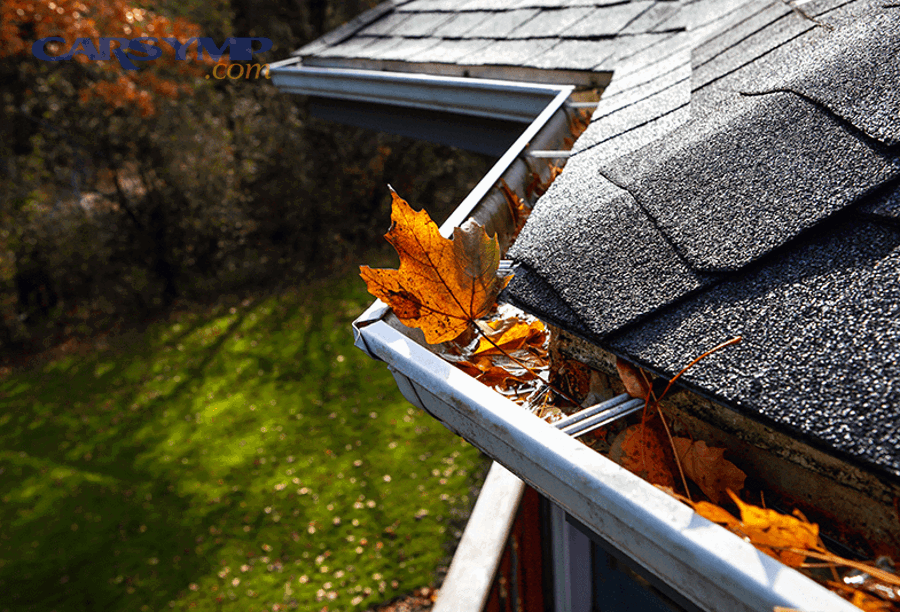
- Inspect the roof and gutters for winter damage that could allow water infiltration at the roofline
Summer:
- Monitor irrigation system lines for drips, misaligned heads, and pressure irregularities — irrigation systems are responsible for a significant percentage of summer water waste and foundation moisture issues
- Check outdoor supply lines to garden hoses and pool fill systems for UV-induced cracking, which accelerates in high-heat climates
- Test water pressure quarterly — summer municipal demand can alter supply pressure in some regions
Fall:
- Insulate all exposed pipes before the first freeze, prioritizing exterior walls, garages, crawlspaces, and attics
- Shut off and drain outdoor water supply lines and irrigation systems before freezing temperatures arrive
- Service the water heater — sediment flush, anode rod inspection, and PRV test — before winter heating demands increase its operating load
Winter:
- Maintain indoor thermostat at 55°F minimum, even in unoccupied homes
- Apply trickle-flow technique to vulnerable faucets during extreme cold snaps
- Check that cabinet doors beneath kitchen and bathroom sinks remain open during sustained cold to allow warm air circulation around supply pipes
How Does Monitoring Water pH Levels Prevent Pipe Corrosion and Leaks?
Monitoring water pH levels prevents pipe corrosion and leaks by identifying water chemistry conditions that accelerate the chemical breakdown of pipe interiors — a slow-moving but highly destructive process that operates invisibly inside walls and floors until a pipe fails completely.
The ideal pH range for residential water supply is 6.5 to 8.5, as established by the U.S. Environmental Protection Agency’s secondary drinking water standards. Water outside this range causes distinct and progressive damage:
- Low pH (acidic water, below 6.5): Acidic water leaches copper ions from copper pipes, causing pinhole corrosion from the inside. Early signs include blue-green staining around faucet aerators, a metallic taste in tap water, and red or blue staining on porcelain fixtures.
- High pH (alkaline water, above 8.5): Alkaline water causes calcium and magnesium mineral deposits (scale) to accumulate inside pipes, gradually narrowing the interior diameter, restricting flow, and increasing system pressure at downstream fixtures.
pH testing kits suitable for home use are available at hardware and home improvement stores for under $20. For a more comprehensive baseline, a full water quality test through a certified laboratory provides pH, hardness, mineral content, and corrosion index data in a single panel.
Corrective measures for pH imbalance include:
- Acid neutralizer filters (calcite or magnesium oxide media) for low-pH water — raise pH by dissolving alkaline minerals into the water stream
- Water softeners for high-hardness, high-pH water — exchange calcium and magnesium ions for sodium through an ion exchange resin
- Whole-home carbon filtration for water with organic acid content driving pH down
Integrating pH monitoring into an annual plumbing maintenance routine transforms water chemistry from an invisible threat into a managed variable — one that, when addressed early, can add decades to the functional life of copper and metal pipe systems throughout the home.