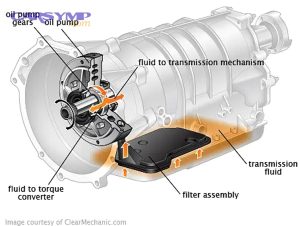
Transmission Fluid Leak: Top Causes, Warning Signs, and How to Stop the Drip for Good
A transmission fluid leak is one of the most urgent mechanical problems a vehicle owner can face — and also one of the most misunderstood. Transmission fluid (ATF) is the lifeblood of your vehicle’s gearbox, serving as a lubricant, coolant, and hydraulic activator all at once. When it starts escaping the sealed system, the consequences can escalate from a minor inconvenience to a catastrophic — and expensive — transmission failure if not addressed promptly.
Understanding what causes a transmission fluid leak is the first step toward protecting your vehicle. The most common culprits include worn seals and gaskets, a damaged transmission pan, cracked fluid cooler lines, and a failing torque converter. Each source has distinct characteristics, and knowing how to trace the leak to its origin point can mean the difference between a $200 repair and a $6,000 transmission replacement.
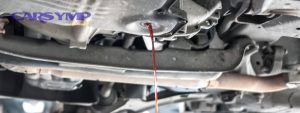
Recognizing the warning signs early is equally critical. Beyond the obvious puddle of reddish fluid on your driveway, a leak often announces itself through subtler Car Symptoms: delayed gear shifts, slipping gears, unexpected RPM surges, or a faint burning smell while driving. These signs appear before the fluid level drops dangerously low — making awareness your most powerful diagnostic tool.
Once you have identified the source and confirmed the severity, the question becomes how to stop the drip for good — whether through a straightforward DIY fix like replacing a pan gasket or tightening a drain plug, or through professional repair of a more complex internal leak. Next, this guide walks you through every layer of this problem, from first identification to permanent resolution, so you can act confidently and protect your transmission for the long haul.
What Is a Transmission Fluid Leak?
A transmission fluid leak is a condition in which automatic transmission fluid (ATF) escapes the sealed transmission system through a compromised component — such as a gasket, seal, pan, or fluid line — reducing the fluid level needed for safe operation.
To better understand why this matters so much, it helps to first understand what transmission fluid actually does inside your vehicle.

Transmission fluid performs three simultaneous jobs: it lubricates the dozens of moving metal components inside the gearbox to prevent friction and wear; it generates the hydraulic pressure that activates gear changes in an automatic transmission; and it dissipates the enormous heat produced during operation. Remove any meaningful portion of this fluid, and all three functions degrade at once. The transmission begins to overheat, gears slip or fail to engage cleanly, and metal components that should never touch begin grinding against each other.
A leak does not need to be dramatic to be dangerous. Even a slow seep — a few drops per day — will gradually lower the fluid level over days or weeks. Because most drivers do not check their transmission fluid with the same regularity as engine oil, a slow leak can quietly drain the system to a critical level before any obvious symptoms appear. This is precisely why Transmission fluid leak signs and identification matter so much: catching the problem early keeps repair costs manageable and prevents internal damage.
What Does Transmission Fluid Look Like When It Leaks?
Transmission fluid has a highly distinctive appearance that sets it apart from every other fluid in your vehicle. Fresh ATF is bright red or pink, with a thin, slightly oily consistency and a faintly sweet smell — similar in some ways to a mild solvent. As the fluid ages and degrades from heat cycling, it darkens progressively: from red to reddish-brown, then to a dark brown, and eventually to a near-black color with a distinctly burnt odor.
This ATF color and smell guide is one of the fastest ways to confirm you are dealing with a transmission leak rather than another type of fluid loss:
| Fluid | Color | Consistency | Smell |
|---|---|---|---|
| Fresh ATF | Bright red / pink | Thin, slightly oily | Mildly sweet |
| Aged ATF | Dark brown / black | Thicker, sludgy | Burnt, acrid |
| Engine oil | Amber to black | Thick, viscous | Oily, slightly acrid |
| Coolant | Green, orange, or pink | Watery | Sweet, antifreeze-like |
| Power steering fluid | Light amber to brown | Thin | Slightly burnt |
| Brake fluid | Clear to yellow | Thin, slippery | Faintly chemical |
The table above provides a quick reference for distinguishing transmission fluid from other common vehicle fluid leaks. If the puddle under your car is thin and red, you are almost certainly looking at a transmission fluid leak. If it is dark brown and thick, it may be engine oil — though heavily degraded ATF can also appear dark brown, making the smell test a helpful secondary confirmation.
Manual transmission vehicles use a different fluid entirely — gear oil, which is typically amber to dark brown, much thicker in viscosity, and has a distinctly sulfurous smell. Manual transmission leaks are therefore harder to distinguish from engine oil by color alone, making leak location the more reliable diagnostic clue.
Where Does Transmission Fluid Leak From?
Transmission fluid leaks originate from several specific points in the system, and the location of the puddle under your vehicle is one of the most reliable clues about the source. The transmission is typically located in the center-front of the vehicle (for front-wheel-drive cars) or slightly toward the rear center (for rear-wheel-drive vehicles).
The most common leak origin points include:
- Transmission pan and pan gasket — located at the very bottom of the transmission housing; the most frequent source
- Input and output shaft seals — where the driveshaft or axle connects to the transmission
- Selector shaft seal — where the gear shift linkage enters the transmission
- Transmission fluid cooler lines — metal or rubber lines running from the transmission to the radiator or an external cooler
- Torque converter — the large donut-shaped coupling between the engine and transmission
- Drain plug — the threaded plug at the base of the pan, which can loosen over time
- Transmission housing itself — rare, but possible in cases of significant impact or severe corrosion
If the puddle appears directly under the center of the vehicle and is relatively contained, the pan or pan gasket is the most likely source. If fluid trails toward the front wheels or along the undercarriage, a cooler line or axle seal is more likely. For vehicles without a transmission dipstick (sealed-system transmissions found in many newer models), a technician will need to access the fill plug beneath the vehicle to check fluid level and confirm a leak.
What Are the Most Common Causes of a Transmission Fluid Leak?
There are 5 primary causes of a transmission fluid leak: worn seals or gaskets, a damaged transmission pan, cracked or corroded fluid lines, a failing torque converter, and — in rare cases — a cracked transmission housing. Each cause has its own failure pattern, severity level, and repair approach.

Specifically, most leaks can be traced back to one of these five root failure points, and identifying the correct one early determines whether you face a simple DIY repair or a significant professional overhaul.
Can a Worn Seal or Gasket Cause a Transmission Fluid Leak?
Yes, a worn seal or gasket is one of the most common causes of a transmission fluid leak, for at least three key reasons: seals are made from rubber compounds that degrade with heat, they are subjected to constant pressure cycles, and they receive very little routine maintenance attention until a leak is already visible.
The transmission relies on multiple seals and gaskets to keep fluid contained within a pressurized system. The pan gasket forms the seal between the transmission pan and the housing. The input shaft seal prevents fluid from escaping where the engine meets the transmission. The output shaft seal seals the connection to the driveshaft. The selector shaft seal keeps fluid in at the gear shift linkage entry point.
Over time — typically beyond 60,000 to 100,000 miles — these rubber components become brittle and begin to shrink, crack, or harden. Heat is the primary accelerant of this degradation. Vehicles used for frequent towing, stop-and-go city driving, or aggressive acceleration cycles run hotter and wear seals faster than vehicles used for steady highway driving. A slow, steady seep around the transmission pan edge or along the rear of the gearbox is the classic signature of a gasket or seal failure.
Can a Damaged Transmission Pan Cause a Leak?
Yes, a damaged transmission pan can absolutely cause a transmission fluid leak, and it does so through three primary failure modes: physical impact from road debris, corrosion over time, and loose or improperly seated hardware.
The transmission pan is the metal reservoir that holds the transmission fluid at rest. It sits exposed at the bottom of the vehicle, making it vulnerable to gravel, road debris, and speed bumps. A direct impact can crack or puncture the pan. In regions where road salt is used during winter, the pan is also susceptible to progressive rust corrosion that eventually creates pinhole leaks along the pan’s edge or base.
Additionally, the drain plug at the bottom of the pan — used during fluid changes — can become loose due to engine vibration, or its sealing washer can become damaged, creating a dripping leak that appears to come from the bottom-center of the transmission. This is one of the most straightforward oil leak repair scenarios: a new drain plug washer and correct torque application is often all that is needed.
Pan-related leaks are generally the most accessible and affordable to fix. Replacing a pan gasket is a DIY-achievable task for a mechanically confident owner and typically costs between $20 and $80 in parts.
Can Cracked Transmission Fluid Lines Cause a Leak?
Transmission fluid cooler lines carry heated ATF from the transmission to the radiator or an external cooler, then return the cooled fluid back to the gearbox. These lines are typically made of high-grade steel or aluminum, with rubber hose sections at the connection points.
Despite their durability, these lines are vulnerable to two distinct failure modes. Metal lines suffer from corrosion — particularly in cold-climate regions where road salt accelerates oxidation. Over years of use, small rust pockets develop along the line, eventually creating hairline cracks that allow fluid to seep out gradually. Rubber hose sections degrade from heat cycling and ozone exposure, becoming brittle and developing cracks especially near the clamp connection points.
A cooler line leak is often identified by a trail of reddish fluid along the undercarriage of the vehicle rather than a contained puddle, since the fluid drips as the car moves. The connection fittings at the radiator or external cooler are particularly prone to loosening over time and should be inspected first during a leak diagnosis on this area of the system.
Can a Failing Torque Converter Cause a Transmission Fluid Leak?
Yes, a failing torque converter can cause a transmission fluid leak, and it is among the more serious causes because it often signals broader internal transmission stress rather than a simple external seal failure.
The torque converter is a fluid coupling device that connects the engine’s rotational force to the transmission. It operates under significant pressure and heat, and it contains its own internal seals and bearings. When the needle bearings inside the converter wear out, they can score the converter body and allow fluid to escape. Hairline cracks in the converter housing itself — caused by metal fatigue or impact — also produce leaks that appear around the bellhousing area, between the engine and transmission.
What makes a torque converter leak particularly concerning is the repair pathway: accessing the torque converter requires removing the transmission from the vehicle, a labor-intensive process that significantly increases repair costs. A leak originating at the torque converter area almost always warrants professional diagnosis, and in some cases may indicate that the transmission is already experiencing internal damage from insufficient lubrication.
What About a Cracked Transmission Housing?
A cracked transmission housing is the rarest and most severe cause of a transmission fluid leak. The housing — the main structural shell of the transmission — is engineered to withstand decades of use under normal conditions. Cracks in the housing typically result from significant physical impact (such as a collision or severe road impact), catastrophic internal failure that generates abnormal pressure, or severe untreated corrosion on very high-mileage vehicles.
When the housing itself is compromised, the leak is usually substantial and rapid rather than a slow seep. In most cases, a cracked housing means the transmission must be replaced entirely rather than repaired, making this the worst-case scenario in any transmission fluid leak diagnosis.
What Are the Warning Signs of a Transmission Fluid Leak?
There are 6 primary warning signs of a transmission fluid leak: a visible puddle of reddish fluid, difficulty or delay in shifting gears, slipping during acceleration, abnormally high RPMs without corresponding speed, a burning smell, and dashboard warning lights — all of which indicate that Overheating and slipping due to low ATF may already be occurring.

To better understand each signal, it is important to recognize that many of these symptoms appear before the fluid level drops to a critically low level, giving attentive drivers an early warning window.
What Does a Transmission Fluid Leak Feel Like While Driving?
A transmission fluid leak makes itself felt through four key driving sensations that are distinct from normal vehicle behavior:
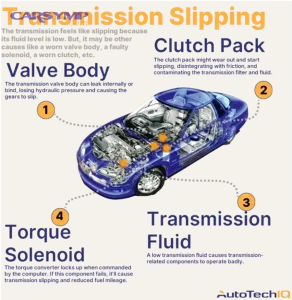
Delayed or jerky gear shifts are typically the first sensation a driver notices. When ATF levels drop, the hydraulic pressure available to activate gear changes weakens. The result is a noticeable pause between moving the gear selector and actually feeling the transmission engage — or a jarring lurch when a gear finally catches. This is one of the clearest car symptoms pointing to low transmission fluid.
Gear slipping occurs when the transmission briefly disengages and re-engages during driving without the driver initiating a shift. It feels like the car momentarily loses traction or “drops” out of gear, then suddenly grabs again. This is caused by insufficient fluid pressure to maintain a firm gear lock, and it is particularly common during highway acceleration or when climbing inclines.
RPM surging without speed gain is a closely related phenomenon. The engine revs climb noticeably on the tachometer, but the vehicle does not accelerate proportionally. This “slipping clutch pack” feeling indicates that fluid-starved friction elements inside the transmission are no longer transferring power efficiently.
A burning smell — either inside the cabin or noticeable when stepping out of the vehicle — signals that transmission fluid is contacting hot exhaust or drivetrain components. This is a serious warning that should prompt an immediate stop and inspection.
What Dashboard Warnings Indicate a Transmission Fluid Leak?
Dashboard warning lights can provide an important secondary confirmation of a transmission fluid leak, though they are not a reliable primary detection method because many leaks develop too gradually to immediately trigger electronic sensors.
The Check Engine Light (CEL) may illuminate if transmission-related sensors detect abnormal behavior, such as erratic pressure readings or unexpected gear ratios. Many modern vehicles also have a dedicated Transmission Temperature Warning Light — typically represented by a thermometer icon within a gear symbol — which activates when the transmission fluid overheats. Since low ATF volume directly causes overheating, this light is a strong indicator that fluid levels are critically low.
Some late-model vehicles with advanced transmission management systems will display a specific text warning such as “Transmission Overheating” or “Service Transmission” on the driver information display. These messages should never be dismissed as minor alerts — by the time the system triggers a warning, the transmission may already be operating under damaging thermal stress.
Importantly, the absence of any dashboard warning does not mean the transmission is fine. Slow leaks that develop over weeks may never trigger a sensor alert until fluid loss is severe. Regular visual inspections — checking both the fluid level via dipstick (where available) and looking under the vehicle — remain essential regardless of what the dashboard shows.
How Serious Is a Transmission Fluid Leak — Can You Still Drive?
A transmission fluid leak ranges from moderate to critically serious depending on the leak rate, and in most cases it is not safe to continue driving without addressing it — because the risk of progression from a minor seal failure to complete transmission destruction is both real and rapid.

The severity assessment depends on distinguishing between three stages of leak intensity.
Is It Safe to Drive With a Transmission Fluid Leak?
No, it is generally not safe to drive with a transmission fluid leak, for three critical reasons: the fluid level will continue to drop with every mile driven, the transmission will begin to overheat once fluid falls below the minimum operating level, and overheating directly accelerates internal component wear in a cycle that is difficult to reverse.
However, the practical answer carries nuance. A very slow seep — producing only a few drops per day — may allow limited, monitored driving in the short term, provided the fluid level is checked before each trip and topped off as needed. Adding fluid safely and using the correct type for your specific vehicle (consult your owner’s manual or the OEM specification on the transmission dipstick cap) is essential during this temporary management period. Using the wrong ATF formulation can damage seals and friction materials further.
An active drip — visible fluid falling from the vehicle when parked for even a short period — represents a more urgent situation. At this leak rate, a single long drive could drop the fluid level from normal to critically low, triggering overheating and potential clutch pack damage within the same trip.
A major leak — a steady stream or large puddle forming rapidly — means the vehicle should not be moved under its own power. The transmission can reach damaging temperature levels within minutes of operation without adequate fluid.
What Happens If You Ignore a Transmission Fluid Leak?
Ignoring a transmission fluid leak sets in motion a predictable and increasingly costly damage sequence. The progression follows a clear pattern:
- Low fluid → inadequate lubrication — Metal components begin operating with direct metal-to-metal contact in areas normally protected by a fluid film
- Friction → heat generation — Operating temperatures rise beyond the design range of the transmission
- Overheating → seal degradation — Existing seals accelerate their failure rate in the elevated heat environment, worsening the leak that caused the problem
- Component wear → clutch pack failure — Friction plates, bands, and planetary gear components begin to wear prematurely
- Clutch failure → transmission rebuild or replacement required — The damage moves beyond what sealing and fluid replacement can fix
The Transmission fluid leak repair cost estimate reflects this escalation dramatically. A pan gasket replacement typically costs $150 to $400 including labor. An axle seal replacement runs $200 to $500. Torque converter replacement rises to $500 to $1,200. A full transmission rebuild ranges from $1,500 to $3,500, while complete transmission replacement can reach $3,000 to $8,000 or more depending on vehicle make and model. Every mile driven with a known, active leak narrows the window for the less expensive repair options.
How Do You Fix a Transmission Fluid Leak?
Fixing a transmission fluid leak follows a 3-stage method — identify the source, select the correct repair approach (DIY or professional), and verify the repair with a post-fix fluid check — with the expected outcome being a fully sealed transmission restored to proper fluid level and operating temperature.

Specifically, the repair strategy should always begin with a thorough leak source diagnosis before any parts are purchased or fluid is added.
Which Transmission Fluid Leaks Can You Fix Yourself?
Three categories of transmission fluid leaks are reasonably within reach for a mechanically confident DIY repair:
Pan gasket replacement is the most common DIY transmission repair. The process involves draining the remaining ATF, removing the pan bolts, dropping the pan, cleaning the mating surfaces, installing a new gasket, reinstalling the pan with bolts torqued to specification (typically 10–15 ft-lbs — check your service manual), and refilling with the correct ATF type to the correct level.
Drain plug replacement or re-sealing requires even less disassembly. If the drain plug is loose, it can often be re-torqued. If the sealing washer is damaged, replacing it with a correct-specification washer (aluminum or copper, depending on the vehicle) eliminates the leak.
Cooler line fitting tightening or line replacement is accessible on most vehicles with basic hand tools. If the line itself is cracked, replacement lines are available as aftermarket parts and can be swapped with line wrenches to avoid rounding the fittings.
For all DIY repairs, the process of adding fluid safely requires using the exact ATF specification listed in your owner’s manual — not a universal fluid unless the manufacturer explicitly approves it. Common specifications include Dexron VI, Mercon V, Toyota WS, Honda DW-1, and ZF Lifeguard 8, among others. Mixing incompatible fluids degrades friction modifier chemistry and can damage seals over time.
When Should You Take a Transmission Fluid Leak to a Mechanic?
Professional repair is required in four specific scenarios where DIY access is either mechanically impossible or where the repair demands specialized tools and expertise:
Input or output shaft seal replacement requires removing the driveshaft or axle shaft to access the seal behind it — a task that demands proper vehicle support, a seal puller/installer kit, and knowledge of driveshaft alignment procedures.
Torque converter leaks require full transmission removal, placing this firmly in professional territory. The labor alone on a torque converter R&R typically runs 6 to 10 hours.
Valve body or solenoid-related leaks involve internal transmission disassembly and are not appropriate for home repair without a transmission rebuild background.
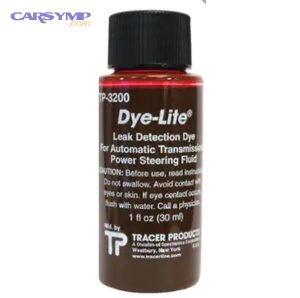
Any leak accompanied by slipping, delayed engagement, or overheating symptoms should be diagnosed by a professional before repair, since these car symptoms suggest the transmission may already have sustained internal damage that a simple seal replacement will not correct. In this scenario, a mechanic may recommend a UV dye test for ATF leaks — a process in which a fluorescent dye is added to the ATF and the vehicle is driven briefly before the undercarriage is scanned with a UV light. The dye illuminates at the exact leak origin point, providing a precise diagnosis even when multiple potential sources exist. This Leak at pan vs axle seal vs cooler line diagnosis method is the most accurate available for ambiguous leak locations.
How Do You Prevent a Transmission Fluid Leak From Coming Back?
Preventing leaks with maintenance is the most cost-effective long-term strategy, and it centers on four core practices: regular fluid changes, driving habit adjustments, periodic visual inspections, and immediate response to early warning signs.
Fluid change intervals matter significantly. Most manufacturers recommend changing automatic transmission fluid every 30,000 to 60,000 miles for vehicles under normal driving conditions, and every 15,000 to 30,000 miles for severe-duty use (frequent towing, mountainous terrain, stop-and-go urban driving). Fresh fluid maintains its viscosity and seal-conditioning additives; degraded fluid accelerates seal wear and deposit buildup.
Driving habits directly impact transmission longevity. Avoiding sudden hard stops, aggressive acceleration from a standstill, and rocking the vehicle between Drive and Reverse (common when stuck in mud or snow) all reduce the stress placed on seals and gaskets.
Visual inspections — simply looking under the vehicle once a month when it has been parked overnight — allow early detection of any new drip before it becomes a damaging fluid loss situation. A clean driveway is one of the simplest transmission health indicators available.
According to data published by the American Transmission Rebuilders Association, vehicles that receive regular transmission fluid services at the manufacturer-recommended intervals experience transmission failures at a rate approximately 40% lower than vehicles that use “lifetime fluid” without ever servicing the transmission.
Is a Transmission Fluid Leak Different Depending on Your Transmission Type?
Yes, a transmission fluid leak does differ meaningfully depending on the transmission type — automatic, manual, and CVT transmissions each use different fluids, have different internal architectures, and experience leaks at different locations and with different degrees of urgency.

To better understand these distinctions, it is helpful to examine each transmission type’s specific leak profile side by side.
How Is an Automatic Transmission Fluid Leak Different From a Manual Transmission Leak?
Automatic and manual transmissions differ in fluid type, leak location, and visual identification in ways that change both the diagnosis and the repair approach.
Automatic transmissions use ATF — a thin, red hydraulic fluid that performs lubrication, cooling, and pressure functions simultaneously. Automatic transmission leaks are more immediately serious because ATF also maintains the hydraulic pressure required to activate gear changes. A drop in fluid level affects shifting performance almost immediately, making leak identification faster but the damage window shorter.
Manual transmissions use gear oil — a much thicker, amber-to-brown lubricant (typically GL-4 or GL-5 rated) that primarily lubricates synchronizers, gears, and bearings. Manual transmission leaks most commonly occur at the input shaft seal (front), output shaft seal (rear), or drain and fill plugs. Because manual gear oil does not serve a hydraulic function, a slow leak may not produce noticeable driving symptoms as quickly as an ATF leak — but the long-term damage from running a manual transmission low on oil is equally severe.
The practical takeaway: if your vehicle has a manual transmission and you see a thick, dark oil leak from the gearbox area, treat it with the same urgency as an ATF leak. The fluid type is different, but the consequences of ignoring it are not.
Do CVT Transmissions Leak Differently Than Traditional Automatic Transmissions?
CVT (Continuously Variable Transmission) leaks present a distinct set of concerns compared to conventional automatic transmissions, primarily because CVT fluid is a specialized formulation that is not interchangeable with standard ATF, and CVT internal components are more sensitive to fluid degradation.
A CVT uses a belt-and-pulley system rather than traditional gear sets, and the fluid must maintain very precise friction characteristics to allow the belt to grip the pulleys correctly. Most manufacturers specify a dedicated CVTF (such as Nissan NS-3, Toyota CVT Fluid FE, or Subaru Lineartronic CVTF). Using standard ATF in a CVT — even as a temporary top-off — can cause the belt to slip on the pulleys, resulting in rapid and irreversible internal wear.
CVT leak points include the front and rear shaft seals, the fluid cooler line connections, and the pan gasket. Because the belt and pulley system operates under continuous variable pressure, even moderate fluid loss causes perceptible CVT performance issues — including a rubbery or sluggish acceleration feel — earlier than equivalent fluid loss in a conventional automatic.
Repair costs for CVT leaks tend to run higher than comparable automatic transmission repairs due to the specialized nature of the components and fluid. A CVT replacement, when required, commonly costs $3,500 to $8,000 depending on the vehicle brand.
Can a Transmission Fluid Stop-Leak Additive Actually Fix a Leak?
No, a transmission fluid stop-leak additive cannot reliably fix a transmission fluid leak as a permanent solution, for three important reasons: it only works on very minor seal seepage caused by seal shrinkage, it is incompatible with some OEM fluid specifications, and it does nothing for mechanical leak sources such as cracks, loose bolts, or damaged pans.
Stop-leak additives work by causing rubber seals to absorb the additive’s conditioning compounds, causing the seal material to swell slightly and regain some of its original flexibility. Products such as Bar’s Leaks Transmission Stop Leak and ATP AT-205 Re-Seal have genuine utility for a very narrow use case: a slow seep from a slightly dried-out or mildly hardened seal on an older vehicle.
However, these products will not repair a torn pan gasket, a cracked cooler line, a loose drain plug, or a failing torque converter seal. Applying a stop-leak additive to a mechanical leak source delays proper diagnosis while the underlying problem worsens. Additionally, some manufacturers — particularly those with CVT specifications or proprietary ATF formulations — explicitly warn against adding any aftermarket fluid additives, as doing so may void the transmission warranty and degrade fluid performance.
The practical guidance: use stop-leak additives only as a very short-term bridge to a proper repair appointment, and only after confirming compatibility with your vehicle’s ATF specification.
What Is the Environmental Impact of a Transmission Fluid Leak?
A transmission fluid leak carries meaningful environmental consequences that extend beyond the inconvenience of a stained driveway. Transmission fluid is a petroleum-based product containing chemical additives — including friction modifiers, anti-wear agents, and antioxidants — that are toxic to soil microorganisms, aquatic life, and groundwater.
When ATF drips onto a driveway or parking lot, rainwater carries it into storm drains, which in many municipalities discharge directly into rivers, streams, or groundwater systems without treatment. A single quart of oil or transmission fluid can contaminate up to 250,000 gallons of drinking water, according to environmental data referenced by the U.S. Environmental Protection Agency.
Responsible handling of transmission fluid includes:
- Collecting drained fluid in a sealed container during fluid changes or repairs rather than allowing it to run onto the ground
- Disposing of used ATF at an automotive parts retailer (most accept used fluid for recycling at no charge), a certified recycling center, or a municipal hazardous waste facility
- Cleaning up driveway spills with an absorbent material (cat litter, commercial oil absorbent) before hosing down, to prevent contaminated runoff from entering storm drains
- Repairing leaks promptly rather than allowing ongoing fluid loss to contaminate the environment over time
Several U.S. states have specific regulations governing the disposal of used motor oil and transmission fluid, with penalties for illegal dumping. Beyond legal compliance, prompt oil leak repair is simply the most environmentally responsible choice — and it protects your transmission at the same time.
A transmission fluid leak is rarely a problem that resolves on its own. Whether the source is a worn pan gasket, a cracked cooler line, or a failing torque converter seal, the fluid will continue to escape until the compromised component is repaired or replaced. The good news is that most transmission leaks — caught early — are straightforward and affordable to fix. The cost of a pan gasket, a drain plug washer, or a cooler line fitting is a fraction of what a full transmission rebuild will cost if the leak is left to run its course. Know your fluid color, know your warning signs, and act the moment you spot that characteristic red puddle under your vehicle.