


A transmission leak is never just a minor inconvenience — when specific warning signs appear alongside that fluid loss, it almost always means internal transmission damage is already underway. Drivers who recognize these signals early can prevent a repairable problem from escalating into a complete transmission failure. The difference between a $300 seal repair and a $4,000 rebuild often comes down to how quickly you act after noticing the right symptoms.
Not every transmission leak carries the same level of danger, and understanding what separates a surface-level drip from a serious internal failure is the first step toward making a smart repair decision. External leaks — from pan gaskets, cooler lines, or output shaft seals — are visible, predictable, and relatively inexpensive to fix. Internal leaks are a different story: they often leave no puddle under your car, yet they silently destroy clutch packs, valve bodies, and hydraulic circuits from the inside out.
Knowing when to stop driving, what questions to ask your mechanic, and what repair options exist based on severity helps drivers avoid being caught off guard by a sudden breakdown or an overwhelming repair bill. A Transmission fluid leak repair cost estimate can range from under $200 for a simple external seal to well over $3,500 for a full internal rebuild — making early diagnosis one of the most financially valuable skills a driver can have.
Beyond cost, there is a safety dimension to internal transmission damage that rarely gets discussed. A transmission that slips gears unexpectedly, fails to engage, or locks up at highway speed creates genuine road hazards. Next, this article will walk through every key warning sign, explain the internal anatomy behind each symptom, and give you a clear action plan so you know exactly what to do at every stage of the problem.
What Is Internal Transmission Damage Caused by a Leak?
Internal transmission damage caused by a leak is a condition where fluid loss from within the transmission’s sealed hydraulic circuits degrades or destroys load-bearing and pressure-sensitive components — including clutch packs, bands, the valve body, and drum seals.
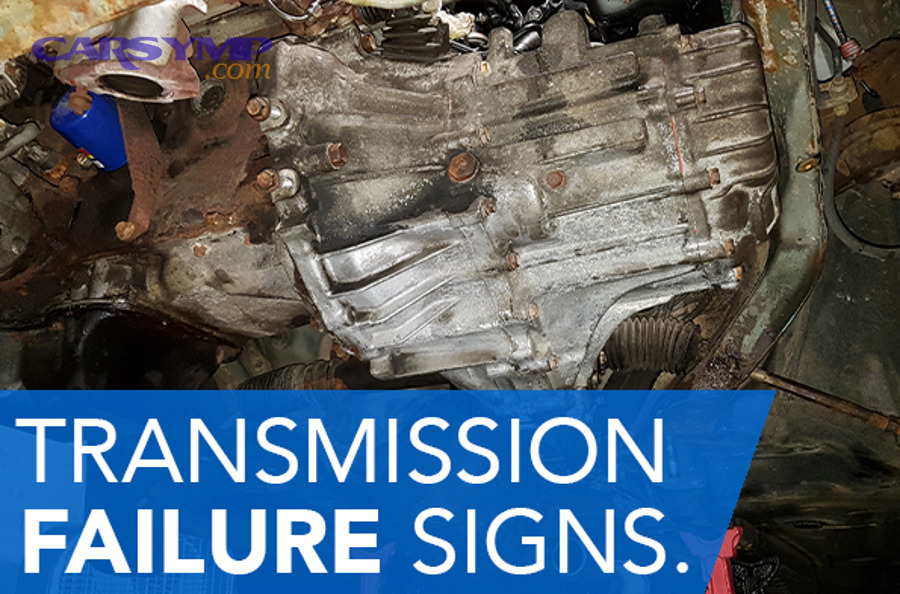
To better understand why this matters, it helps to separate what “internal” actually means in this context from the more commonly understood external leak.
What Does a Transmission Leak Actually Mean for Your Vehicle?
A transmission leak means the sealed fluid system that powers gear changes is losing hydraulic fluid — but where that fluid is escaping from determines everything about how serious the situation is.
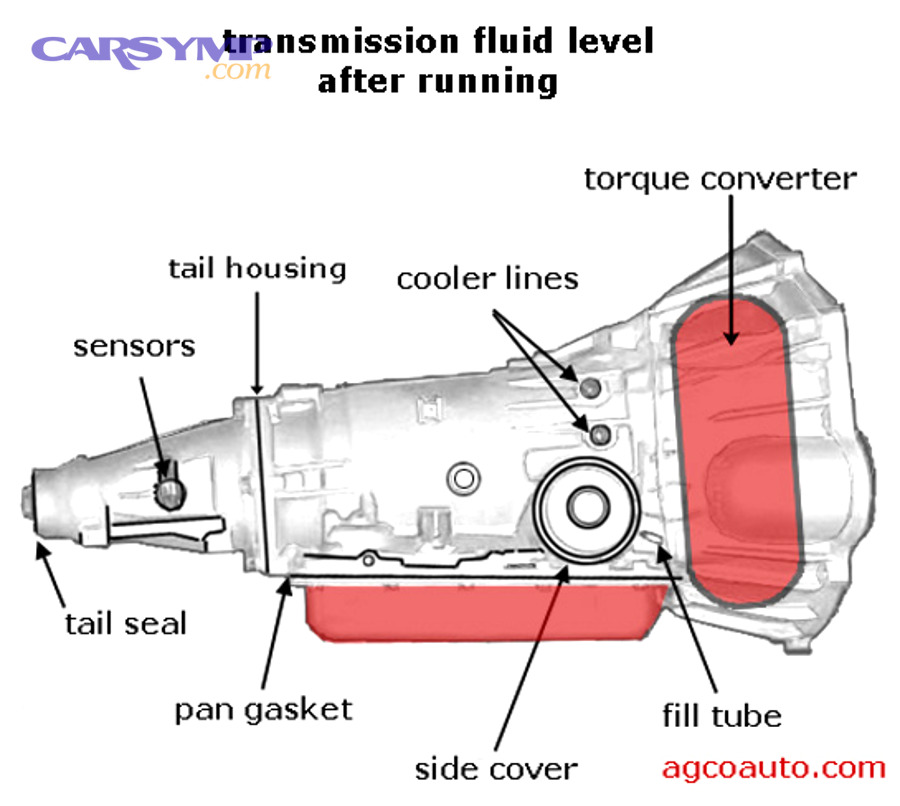
External leaks occur at accessible boundary points: the pan gasket where the transmission oil pan meets the case, the front or rear output shaft seals, or the rubber transmission cooler lines. These leaks produce visible puddles under the vehicle — typically a reddish or brownish fluid — and are generally repaired by replacing the leaking seal or gasket without opening the transmission itself.
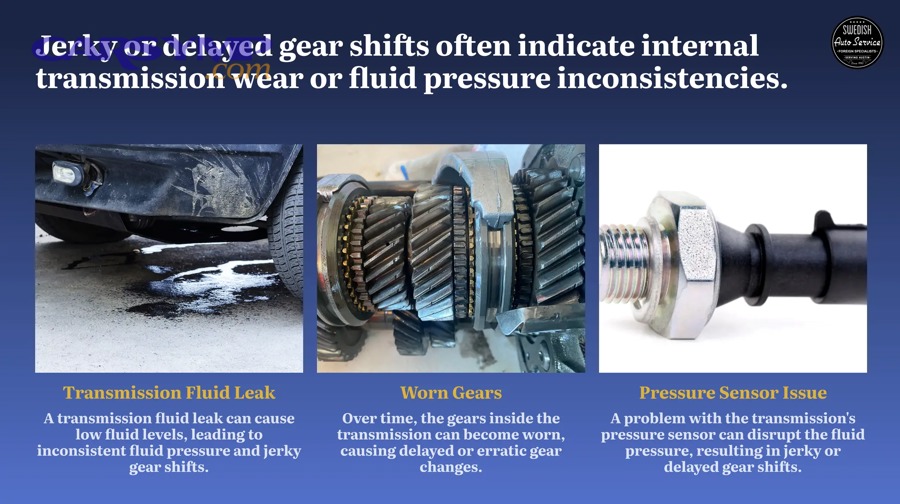
Internal leaks are fundamentally different. They occur when fluid bypasses internal sealing rings, pistons, or passages within the transmission body. Because the fluid stays inside the casing rather than dripping to the ground, drivers often see no puddle at all — yet fluid pressure is dropping, components are running dry, and heat is building inside the unit. This is the scenario where a transmission fluid leak transitions from a maintenance item into a structural emergency.
The practical takeaway is straightforward: if you check your transmission dipstick and fluid level is dropping consistently — but you see no puddle under the car and no wet spots on the transmission exterior — an internal leak is the most likely explanation, and the clock is already running on component damage.
How Does a Transmission Leak Lead to Internal Damage Over Time?
The progression from a minor internal leak to catastrophic transmission failure follows a predictable chain, and understanding each link in that chain makes the urgency of early intervention much clearer.
Stage 1 — Seal or ring failure: An internal sealing ring, piston seal, or drum seal develops a crack or loses elasticity. Fluid begins bypassing the seal instead of flowing through the intended hydraulic circuit.
Stage 2 — Pressure loss: Because automatic transmissions operate entirely on hydraulic pressure to engage clutch packs and shift gears, even a modest pressure drop causes the system to underperform. Gear engagement becomes sluggish or inconsistent.
Stage 3 — Heat buildup: Transmission fluid does double duty as both a hydraulic medium and a coolant. As fluid volume drops and pressure falls, heat rises. Overheating and slipping due to low ATF becomes a compounding problem — the heat degrades the remaining fluid, which accelerates wear on every component the fluid touches.
Stage 4 — Component wear: Clutch packs begin slipping because they cannot receive full hydraulic clamping force. Metal-on-metal contact produces fine metallic particles that contaminate the remaining fluid, spreading abrasive debris throughout the valve body and pump.
Stage 5 — Catastrophic failure: Left unaddressed, the transmission reaches a point where internal components seize, strip, or fracture. What began as a failed $15 sealing ring becomes a transmission that requires complete removal and rebuilding — or full replacement.
According to the Automatic Transmission Rebuilders Association (ATRA), the majority of transmission failures that reach full rebuild status began with fluid-related issues that were either misdiagnosed or ignored at an early stage.
What Are the Warning Signs a Transmission Leak Indicates Internal Damage?
There are six primary categories of warning signs that a transmission leak has crossed into internal damage territory: fluid condition, driving behavior changes, abnormal sounds, unusual smells, warning lights, and erratic gear engagement patterns.
Specifically, each of these categories signals a different internal failure mechanism — and recognizing which combination of symptoms you are experiencing helps narrow down how far the damage has progressed.
Is Dark, Burnt, or Contaminated Fluid a Sign of Internal Transmission Damage?
Yes — dark, burnt, or metallic-particle-laden transmission fluid is one of the clearest indicators of internal transmission damage, because healthy ATF does not change color or smell without a specific cause.
Healthy automatic transmission fluid (ATF) is translucent red or light pink, with a slightly sweet mineral smell. When you pull the dipstick and find any of the following conditions, internal damage is likely already present:
| Fluid Condition | What It Indicates | Severity Level |
|---|---|---|
| Dark brown or black fluid | Severe overheating, oxidized fluid | High |
| Burnt smell | Clutch pack slippage burning the fluid | High |
| Milky or foamy fluid | Coolant contamination via failed cooler | Critical |
| Metallic particles visible | Internal component wear (gears, clutch plates) | Critical |
| Dark fluid with gritty texture | Friction material breakdown from clutch packs | High |
The table above maps each fluid abnormality to its most probable internal cause and assigns a severity level to help drivers prioritize urgency. Any condition rated “High” warrants same-day professional inspection; “Critical” means you should not drive the vehicle at all until it has been assessed.
More specifically, burnt fluid is particularly significant because it confirms that the internal leak has already advanced to the heat-escalation stage. The clutch packs are slipping under insufficient hydraulic pressure, generating enough friction heat to scorch the ATF itself. At this point, the contaminated fluid circulates through the valve body and pump — spreading abrasive carbon residue to every hydraulic component it passes through.
According to diagnostic guidelines published by the National Institute for Automotive Service Excellence (ASE), burnt or darkened ATF combined with a persistent fluid level drop is among the top diagnostic indicators for internal clutch pack or torque converter damage.
What Driving Symptoms Indicate a Transmission Is Leaking Internally?
Four primary driving symptoms indicate an internal transmission leak: gear slipping, delayed or harsh engagement, unexplained shuddering during acceleration, and erratic or unpredictable shifting behavior.
These symptoms emerge because an automatic transmission is a hydraulically-operated machine. Every gear change depends on precise, pressurized fluid delivery to specific clutch packs and bands. When internal leaks reduce fluid volume or allow pressure to bleed across circuits, the hydraulic commands that trigger gear changes become imprecise, slow, or incomplete.
- Gear slipping feels like the engine revving higher than expected for a given speed, as though the transmission momentarily disconnects from the drivetrain. This happens when a clutch pack cannot receive enough hydraulic clamping pressure to maintain engagement.
- Delayed engagement is the pause between shifting into Drive or Reverse and actually feeling the vehicle move. A healthy transmission responds in under one second; delays of two seconds or more suggest significant pressure loss.
- Shuddering during acceleration — particularly between 30–45 mph — often points to torque converter clutch issues exacerbated by low or degraded fluid.
- Erratic shifting — unexpected downshifts, missed gears, or the transmission hunting between gears — reflects the valve body receiving inconsistent hydraulic pressure due to internal bypass leaks.
Car Symp diagnostics often list these four behavioral patterns as the earliest drivability indicators of internal transmission issues, appearing even before a driver notices any fluid loss or warning light.
What Sounds and Smells Signal Internal Transmission Damage from a Leak?
Three distinct sound categories and two smell types reliably signal internal transmission damage connected to fluid loss: whining or humming noises, clunking during gear changes, grinding sounds under load, a burnt fluid smell, and a general overheating odor from the transmission tunnel area.
Whining or humming — particularly a high-pitched whine that increases with vehicle speed or engine RPM — typically points to the transmission pump working harder to maintain pressure against an internal leak. The pump is designed to move a specific volume of fluid at a given RPM; when internal bypasses reduce circuit pressure, the pump overworks and generates noise.
Clunking during gear changes indicates that clutch packs are engaging abruptly rather than smoothly, which happens when hydraulic pressure builds unevenly due to internal leaks disrupting circuit timing.
Grinding under load is the most serious sound on this list. It suggests metal-to-metal contact inside the transmission — meaning lubrication has failed to a point where hardened steel components are wearing against each other directly.
On the smell side, a burnt odor from beneath the vehicle — distinct from exhaust smell and located more centrally under the floorboard — almost always corresponds to overheating ATF. If this smell appears while driving normally (not towing or climbing a steep grade), it confirms that the transmission is running hotter than its operating range due to fluid loss.
Can a Small Transmission Leak Still Cause Serious Internal Damage?
Yes — even a slow, small transmission leak can cause serious internal damage over time, because the transmission’s hydraulic system is calibrated to operate within a very specific fluid volume and pressure range that even minor depletion disrupts.
This is one of the most common and costly misconceptions in routine vehicle maintenance. Many drivers notice a small spot on their garage floor, check the dipstick, find the level only slightly low, and conclude the situation is manageable. However, the transmission does not operate well at “slightly low” — it operates correctly only when fluid is at the correct level and in good condition.
A leak that drops ATF level by just half a quart can reduce line pressure enough to cause intermittent slipping in high-demand situations (highway merging, towing, inclines). Over weeks or months, that same small leak also allows air into the hydraulic circuits as fluid volume decreases, introducing aeration — tiny air bubbles that make fluid compressible and hydraulically inconsistent. Preventing leaks with maintenance, including regular fluid level checks and scheduled ATF changes, is the most effective way to catch small leaks before they escalate.
According to transmission specialists at ATRA-affiliated shops, a significant proportion of transmissions arriving for major rebuild have a documented history of “small leaks” that owners monitored but did not repair — with internal damage progressing undetected over an extended period before the transmission failed completely.
How Do You Know If a Transmission Leak Is Internal or External?
An external transmission leak produces visible fluid under the vehicle and wet spots on identifiable seal points; an internal transmission leak shows no external puddle, drops fluid level without visible cause, and manifests through driving symptoms and fluid condition changes instead.

However, the distinction between these two leak types is not always obvious from a visual inspection alone, which is why understanding the specific anatomy of each matters.
Where Is the Leak Coming From? External vs. Internal Transmission Leak Locations
External and internal transmission leaks originate from entirely different structural zones, and identifying which zone is affected determines both the repair approach and the cost.
The table below summarizes the most common leak origin points in each category:
| Leak Type | Origin Point | Visible Externally? | Typical Symptom |
|---|---|---|---|
| External | Pan gasket | Yes — puddle under car | Fluid spots on driveway |
| External | Output shaft seal | Yes — near driveshaft | Fluid on undercarriage |
| External | Cooler line connection | Yes — near radiator | Drips near front of engine bay |
| External | Dipstick tube seal | Yes — under hood area | Fluid smell when hot |
| Internal | Drum seals / piston seals | No | Slipping, delayed shifts |
| Internal | Valve body passages | No | Erratic shifting, pressure loss |
| Internal | Torque converter seal | Sometimes — front of trans | Shudder, whine, fluid burn |
| Internal | Internal cooler (in radiator) | No — coolant mixes with ATF | Milky ATF, overheating |
This table is intended to help drivers and technicians quickly cross-reference observed symptoms with probable leak origin points before a formal diagnosis. Note that torque converter seal leaks occupy a middle ground — they can sometimes produce external weeping at the front of the transmission bell housing, but the primary damage they cause is internal.
Moreover, the diagnostic approach differs significantly between the two types. External leaks are typically confirmed with a UV dye test and blacklight inspection or a simple visual check of known seal locations. Internal leaks require pressure testing, fluid analysis, and often a partial disassembly to confirm the source.
Is a Transmission Leak With No Visible Puddle a Sign of Internal Damage?
Yes — a transmission leak with no visible puddle is a strong indicator of internal damage, because internal bypass leaks allow fluid to escape between hydraulic circuits without ever reaching the exterior of the transmission case.
This is a particularly important point for drivers who use the “check the floor of the garage” method as their primary leak detection strategy. Internal leaks can drain a transmission to critically low levels while leaving the garage floor completely clean. There are two primary mechanisms by which this happens:
Internal bypass leaking occurs when worn sealing rings or piston seals allow ATF to bleed from a high-pressure circuit into a low-pressure return circuit. The fluid remains inside the transmission but bypasses the components it was supposed to pressurize — causing functional failure without any external fluid loss.
Fluid burning internally occurs when ATF reaches the clutch packs in insufficient quantities, causing the clutch material to run dry and generate heat that vaporizes or carbonizes the remaining fluid. The fluid is consumed rather than leaked — disappearing from the system without producing a ground-level puddle but creating the burnt smell and darkened fluid described in earlier sections.
How Serious Is a Transmission Leak Indicating Internal Damage — And What Should Drivers Do Next?
A transmission leak indicating internal damage is a serious mechanical emergency that ranges from urgently repairable to potentially requiring full transmission replacement, depending on how long the leak has persisted and which internal components have been affected.
The severity framework below helps drivers quickly assess which category their situation falls into and what action to take immediately.
When Should You Stop Driving a Car With a Transmission Leak?
Yes — you should stop driving immediately if your transmission leak is accompanied by any of the following: fluid level below the minimum mark, a slipping or shuddering transmission, a burning smell, a gear engagement warning light, or any visible metallic contamination in the ATF.
Continuing to drive a vehicle with these symptoms accelerates internal damage at an exponential rate. Each additional mile driven under low fluid or low pressure conditions adds heat, wear, and contamination to components that may still be salvageable if the vehicle is stopped now. Specifically, the thresholds that require immediate action are:
- Fluid level: Any reading below the MIN mark on the dipstick, especially without an obvious external leak source
- Slipping gears: Any gear slip during normal driving — not just under load or at highway speed
- Burning smell: Any burnt ATF odor during normal operation at operating temperature
- Transmission warning light: Dashboard transmission temperature or malfunction indicator
- Delayed engagement over 2 seconds: Particularly in Reverse, which uses a separate hydraulic circuit and often shows internal pressure loss first
If multiple symptoms are present simultaneously, the vehicle should be towed — not driven — to a transmission specialist. The cost of a tow is negligible compared to the cost differential between repairing a partially damaged transmission and replacing one that has seized.
What Are the Repair Options and Costs for Internal Transmission Damage From a Leak?
There are three main repair tiers for internal transmission damage caused by a leak: targeted internal seal replacement, partial transmission rebuild, and complete transmission rebuild or replacement — each corresponding to a progressively higher level of internal damage and cost.
A transmission fluid leak repair cost estimate varies significantly depending on which tier the damage falls into. The following breakdown helps set realistic expectations:
| Repair Tier | What It Addresses | Approximate Cost Range |
|---|---|---|
| Internal seal / ring replacement | Early-stage internal bypass leaks with no component damage | $300 – $800 |
| Valve body repair or replacement | Valve body wear causing pressure loss and erratic shifting | $500 – $1,200 |
| Partial rebuild (soft parts) | Clutch packs, bands, seals, gaskets — no hard part damage | $1,200 – $2,500 |
| Full rebuild | All soft and hard components reconditioned or replaced | $2,500 – $4,500 |
| Remanufactured transmission | Complete replacement with factory-rebuilt unit | $3,000 – $5,500+ |
This table is provided as a general reference; actual costs vary by vehicle make, model, transmission type, and regional labor rates. The most important takeaway is that each stage of delayed repair moves the likely outcome one row further down this table — making early intervention the single most cost-effective decision a driver can make.
How Does Internal Transmission Leak Damage Differ Across Transmission Types and Components?
Internal transmission leak damage manifests differently across transmission types — conventional automatics, CVTs, and dual-clutch units — because each platform uses distinct hydraulic architectures, sealing systems, and pressure management approaches that fail in unique ways when fluid integrity is compromised.
What Are the Signs of a Torque Converter Leak Causing Internal Damage?
A torque converter leak causing internal damage produces three characteristic symptoms: a shudder at highway cruise speeds (typically 40–55 mph), a high-pitched whine that tracks with engine RPM rather than vehicle speed, and ATF that shows signs of aeration or foaming.
The torque converter is a sealed, fluid-filled coupling unit that sits between the engine and transmission. Because it is a closed internal unit with no externally replaceable seals during normal service intervals, leaks within or around the torque converter’s neck seal — where it passes through the transmission front pump — are among the most commonly misdiagnosed internal leak sources.
When the torque converter seal fails, two problems occur simultaneously: fluid pressure at the front pump drops, reducing overall line pressure throughout the transmission; and the torque converter itself may partially drain back into the transmission pan when the vehicle is parked, causing a delayed engagement condition on cold starts as the converter refills.
How Does Valve Body Damage Relate to Internal Transmission Leaks?
Valve body damage is both a consequence and an accelerant of internal transmission leaks — contaminated or low-pressure ATF degrades the precision-machined surfaces of the valve body, and a damaged valve body then allows fluid to bypass its intended circuits, creating secondary internal leaks throughout the hydraulic system.
The valve body is the transmission’s hydraulic control center: a cast aluminum block containing dozens of passages, check balls, solenoids, and spring-loaded valves that route pressurized ATF to specific clutch packs on command. Its tolerances are measured in thousandths of an inch, making it uniquely vulnerable to the abrasive metallic particles produced by internal component wear.
When internal leaks reduce fluid pressure or introduce contamination into the valve body, solenoids begin receiving inconsistent hydraulic signals, check balls fail to seat properly, and passages allow cross-circuit fluid leakage. The practical driving experience is a transmission that shifts erratically, hunts between gears, or defaults to “limp mode” — a protective state where the transmission locks into a single gear to prevent further damage.
Can a Transmission Solenoid Failure Be Caused by an Internal Leak?
Yes — transmission solenoid failure can be directly caused by an internal leak, because solenoids depend on clean, correctly pressurized ATF to operate, and internal leaks compromise both the cleanliness and the pressure of the fluid that flows through them.
Solenoids are electro-hydraulic valves that open and close in response to signals from the transmission control module (TCM). Each solenoid controls fluid flow to a specific clutch pack or valve body circuit. They are precision devices with very small internal orifices — typically less than 1mm in diameter — that are easily blocked or damaged by the metallic particles and carbon deposits that internal leaks introduce into the ATF.
Beyond contamination, internal leaks reduce the line pressure that solenoids rely on to move their internal plungers. A solenoid that receives the correct electrical signal but insufficient hydraulic backing pressure will fail to fully open or close — producing the same symptom as a failed solenoid even though the electrical component itself is undamaged. This is why replacing solenoids without first addressing the underlying internal leak almost always results in repeat solenoid failures.
Does Internal Transmission Damage from Leaks Affect CVT and Automatic Transmissions Differently?
CVT transmissions are more vulnerable to internal leak damage than conventional automatics in the early stages, but conventional automatics sustain more severe structural damage in advanced failure stages — making the comparison dependent on how quickly the leak is caught and addressed.
Conventional automatic transmissions use fixed gear sets, clutch packs, and bands to achieve discrete gear ratios. Internal leaks reduce clamping pressure on clutch packs and bands — causing slip and heat — but the hard parts (planetary gears, drums, shafts) remain intact unless the situation reaches the metal-to-metal contact stage. This means there is a relatively wide window during which a rebuild of soft parts (seals, clutch discs, bands) can fully restore the transmission.
CVT transmissions rely on a continuously variable steel belt or chain running between two variable-width pulleys, with the pulley width controlled entirely by hydraulic pressure. Because CVT operation is hydraulically dependent at every moment — not just during gear changes — even a modest internal pressure drop immediately affects how the belt tracks across the pulleys. A CVT experiencing leak-induced hydraulic failure often accelerates belt slip, which rapidly scores the pulley surfaces. Unlike clutch packs in a conventional automatic, scored CVT pulleys typically require full pulley replacement rather than a simple soft-parts rebuild, making leak-induced CVT damage disproportionately expensive relative to the size of the original leak.
In both cases, preventing leaks with maintenance — specifically adhering to manufacturer ATF change intervals and inspecting transmission seals during routine service — remains the most effective strategy for avoiding the internal damage cascade described throughout this article. The cost and inconvenience of a scheduled ATF service is a fraction of even the most conservative internal repair estimate, making proactive maintenance the clearest financial and mechanical priority for any driver who wants to protect their transmission long-term.