


To extend bushing life, focus on three levers: reduce impact loads, keep suspension geometry in spec, and slow rubber aging from heat, chemicals, and salt. Done consistently, you’ll cut the stress cycles that create cracks, tears, and looseness over time.
Next, you’ll learn what driving behaviors quietly destroy bushings (and what to do instead), so you protect comfort and handling without babying the car.
After that, we’ll connect alignment, tires, and worn components to bushing wear—because a small geometry error can multiply forces that bushings must absorb.
Finally, Giới thiệu ý mới: you’ll get an inspection-and-maintenance playbook (plus advanced climate tips) that turns bushing longevity into a repeatable routine.
How long do suspension bushings last, and what shortens their life?
Most bushings last longest when impacts are minimized, alignment stays correct, and rubber is kept away from heat and contaminants; they fail sooner when shocks, misalignment, and chemical aging stack up. Tiếp theo, let’s define the biggest “life-shorteners” so you know what to prioritize first.
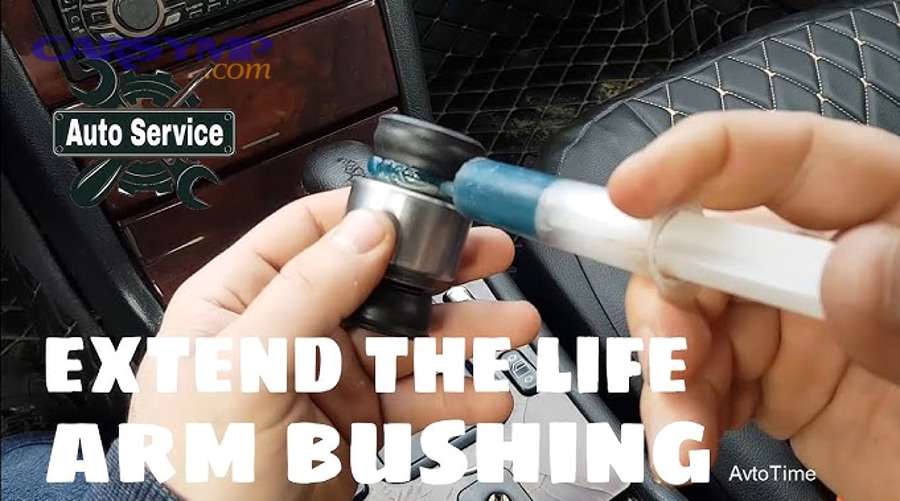
Bushing lifespan is not a fixed mileage number because it depends on duty cycle: city potholes vs smooth highways, hot climates vs mild, and heavy loads vs light commuting. A bushing is an elastomer isolator designed to flex thousands of times; what kills it is excessive deflection, high-frequency vibration, and environmental attack that hardens or cracks rubber.
Here are the most common factors that shorten life:
- Impact loading from potholes, speed bumps, curb strikes, and rough roads.
- Geometry stress from toe/camber errors, worn tires, or bent components that force bushings to “work overtime.”
- Heat + ozone + UV that accelerate rubber aging and stiffness changes.
- Chemicals such as oil, fuel, solvents, and some degreasers that swell or weaken elastomers.
- Corrosion binding where rusted sleeves/bolts increase friction and tearing at the rubber-metal interface.
The “why” is fatigue: rubber under fluctuating loads forms micro-cracks that grow over time. In a state-of-the-art review on rubber fatigue, researchers emphasize that fatigue behavior is influenced by mechanical loading history and environmental exposure, among other factors. Theo nghiên cứu của MDPI Polymers từ Polymers (Basel), vào March 2025, rubber fatigue trends highlight how cyclic loading plus environmental exposure strongly shapes durability.
Practical takeaway: if you want to extend bushing life, your first wins come from reducing impacts and fixing geometry—before you ever touch a wrench.
How to extend bushing life with smarter driving habits?
You extend bushing life by cutting peak impacts and limiting aggressive load transitions in 5 repeatable habits: slow for impacts, avoid curb hits, drive smoother, reduce overload, and choose routes wisely. Cụ thể, start with impact management—because one hard hit can do months of fatigue damage in seconds.

1) Slow down for potholes and speed bumps (and don’t brake mid-impact)
Hard braking right before a bump transfers weight forward and compresses the front suspension more, increasing bushing deflection when the wheel hits. Instead, brake early, release slightly as the wheel climbs the bump, then roll over smoothly.
2) Avoid curb strikes and “parking by feel”
Touching curbs with the tire can shove suspension arms sideways. That sideways shove is transmitted through bushings as shear load—exactly the kind of load that accelerates tearing at the rubber-to-sleeve bond.
3) Smooth acceleration and steering
Abrupt throttle-on/throttle-off and sharp steering at low speeds create large torsional movements in control arms and subframe mounts. Smooth inputs mean fewer high-strain events per trip.
4) Reduce chronic overload
Constantly carrying heavy cargo increases static bushing deflection. More deflection means less “reserve travel” when bumps happen, so bushings see higher strain peaks. If you routinely haul, consider adjusting load distribution and keeping tires properly inflated (per the door placard) to reduce harsh impacts.
5) Choose roads that reduce frequency of hits
Even if you drive carefully, a rough route can triple the number of suspension shock events. A slightly longer smoother route can be cheaper than early suspension wear.
Why this works is captured well by research on mounts and bushings: ride comfort and component demands rise when the suspension must handle adverse road conditions like potholes and surface roughness. Theo nghiên cứu của Chalmers University of Technology từ Department of Mechanics and Maritime Sciences, vào July 2018, road potholes and surface roughness increase vertical movement demands that mounts and bushings must absorb.
Before you move on, use this quick checklist to hardwire the habits:
This table summarizes the driving habits that reduce bushing fatigue and how often to apply them.
| Habit | Why it helps bushings | When to apply |
|---|---|---|
| Brake early, release slightly over bumps | Lowers peak deflection and shear at impact | Every bump/pothole |
| Avoid curb hits | Reduces sideways shear that tears rubber bonds | Parking/turning |
| Smooth steering and throttle | Reduces torsional fatigue cycles | Every drive |
| Manage cargo weight | Less constant deflection = more “reserve travel” | Weekly/hauling days |
| Prefer smoother routes | Fewer shock events per mile | Commute planning |
Để bắt đầu seeing faster results, pair these habits with alignment and tire health—because those control the “baseline forces” bushings must fight every mile.
How does wheel alignment and tire condition affect bushing wear?
Yes—alignment and tire condition directly affect bushing life because they change the constant side-load and scrub forces your suspension must absorb; keeping toe/camber within spec is one of the fastest ways to reduce bushing stress. Hơn nữa, you don’t need severe misalignment to create big long-term damage.

Think of bushings as force filters. If toe is off, tires “scrub” slightly sideways as they roll. That scrub force travels through tie rods, control arms, and subframes—right into the bushings. Over time, bushings heat up, fatigue faster, and may tear or separate.
What to watch for:
- Steering wheel off-center (may indicate toe/camber issues).
- Uneven tire wear (inside or outside edge wear can suggest camber; feathering can suggest toe).
- Pulling or wandering (geometry error, tire conicity, or worn parts that shift under load).
Alignment diagnosis is best done by measurement rather than guessing by tread patterns. In a Hunter Engineering industry insight document, camber measurement in addition to total toe revealed substantially more alignment opportunities in their dataset. Theo nghiên cứu của Hunter Engineering Company từ Industry Insights, vào March 2022, including camber measurements “discovers over 30% more alignment opportunities,” based on audited wheel measurements.
How this extends bushing life: correct alignment reduces constant lateral load, which lowers the “mean strain” bushings live under all the time. Lower mean strain makes each bump less damaging because the bushing starts from a less-stressed position.
Ngoài ra, tires matter too: underinflated tires increase impact harshness and let the wheel move more during hits; overinflated tires transmit more shock into the suspension. The sweet spot is the manufacturer placard pressure for your normal load.
What maintenance checks prevent bushing damage before it spreads?
You prevent premature bushing failure by doing a monthly visual check plus twice-yearly hands-on inspection, catching small cracks, sleeve movement, and corrosion before they become tearing and looseness. Để hiểu rõ hơn, focus on the failure modes that predict “rapid decline.”

Monthly (5 minutes, no tools):
- Look for rubber cracking, “dry rot,” or chunks missing near control arms and sway bar mounts.
- Check for fluid contamination: oil leaks drip onto rubber and accelerate swelling/softening.
- Scan for rust bloom around bushing sleeves/bolts—corrosion can cause binding and tearing.
Twice a year (or every 10,000–15,000 miles):
- Pry-bar check (carefully): with the vehicle safely supported, apply gentle leverage to see if the bushing has excessive play or sleeve movement.
- Torque and fastener integrity: loose hardware allows micro-movement that “saws” the rubber.
- Compare left vs right: asymmetry often signals a bent component or uneven loading.
Rubber fatigue is driven by how loads repeat and what environment the material experiences. Theo nghiên cứu của MDPI Polymers từ Polymers (Basel), vào March 2025, rubber fatigue is influenced by mechanical loading history and environmental exposure, reinforcing why both driving impacts and contamination control matter.
Quan trọng hơn, add a simple undercarriage wash habit if you drive where roads are salted or muddy; it’s one of the cheapest “longevity mods” you can do for rubber and metal together.
Which bushing materials and designs last longer for your use?
Rubber is best for comfort and broad durability, polyurethane often lasts longer under abrasion but can transmit more vibration, and hydraulic/voided designs can excel at isolation but may be more sensitive to tears if overloaded—so the “best” choice depends on your priority. Tuy nhiên, choosing the wrong material for your roads can shorten life even if it’s “upgraded.”

Rubber (OEM-style): usually the best balance of NVH (noise, vibration, harshness) and long-term comfort. Rubber also tolerates a wide temperature range and is engineered for compliance that protects other parts.
Polyurethane: can resist deformation and abrasion better in some applications, often feeling tighter. But it may increase transmitted vibration and squeaks if not designed and lubricated appropriately, and higher stiffness can shift stress elsewhere.
Hydraulic/voided bushings: engineered cavities and fluid channels can isolate certain vibration bands well, improving comfort. The tradeoff is complexity and sometimes reduced tolerance for extreme deflection events.
Material choice affects vibration behavior in measurable ways. Theo nghiên cứu của TechSys 2025 (Engineering Proceedings, MDPI) từ Technical University of Sofia, vào May 2025, a comparative study examined vibrations in suspension components using bushings made from different materials.
This table compares common bushing options so you can match the choice to your driving reality.
| Type | Strength | Tradeoff | Best for |
|---|---|---|---|
| OEM rubber | Comfort + balanced durability | Can soften with heat/age | Daily driving, mixed roads |
| Polyurethane | Sharper response, wear resistance | More NVH, potential squeaks | Sporty feel, mild track use |
| Hydraulic/voided | Excellent vibration isolation in targets | Can be sensitive to extreme deflection | Comfort-focused vehicles |
Bên cạnh đó, the “design around the bushing” matters too: if springs/struts are worn, bushings see larger movements; fixing the damping restores the environment bushings were designed for.
How do heat, ozone, and chemicals age bushings—and what can you do?
You extend bushing life by slowing rubber aging: keep bushings clean, prevent oil/solvent exposure, reduce heat soak, and avoid long-term UV/ozone exposure where possible; these steps keep rubber flexible and less crack-prone. Cụ thể hơn, treat rubber like a “material that lives or dies by its environment.”

Heat accelerates oxidation and stiffness changes. Frequent stop-and-go in hot weather, or parking after hard driving with heat trapped around suspension near exhaust routing, can speed aging in nearby mounts.
Ozone and UV promote surface cracking (“weather checking”). While underbody parts are shaded, some bushings see airflow exposure, especially in older designs or where liners are missing.
Chemicals are a major hidden killer:
- Engine oil, power steering fluid, fuel can swell rubber, weaken bonding, and change stiffness.
- Harsh degreasers may dry or attack elastomers if not rinsed thoroughly.
- Road salt accelerates corrosion that can bind sleeves and tear rubber during movement.
Rubber durability research repeatedly ties environment to fatigue behavior. Theo nghiên cứu của MDPI Polymers từ Polymers (Basel), vào March 2025, environmental exposure is identified as a key factor influencing elastomer fatigue alongside loading history.
Action steps that actually help:
- Fix leaks quickly—especially anything that drips onto lower control arms, subframes, or sway bar areas.
- Rinse the undercarriage after winter driving or coastal exposure, then let it dry before parking in a warm garage (warmth + salt moisture can accelerate corrosion).
- When cleaning, use rubber-safe products and rinse thoroughly; avoid soaking bushings in strong solvents.
Đặc biệt, if you live in a salted-road region, your best “bushing longevity hack” is a consistent wash routine plus corrosion prevention—because rust and rubber aging often fail together.
How to spot early bushing wear and act before it becomes a bigger repair?
You can catch bushing wear early by watching for three signals—feel, sound, and visual movement—then confirming with a simple inspection before other parts are damaged. Ví dụ, a small tear that’s ignored often becomes arm movement that ruins tires and stresses ball joints.

Feel: vague steering, drifting in crosswinds, or a “floaty” response over bumps can indicate bushings no longer control arm motion properly.
Sound: creaks at low speed, groans when turning into driveways, or a dull knock over sharp edges can suggest compliance is gone or sleeves are shifting.
Visual movement: during an inspection, you may see the inner sleeve rotate or shift excessively compared to the arm—especially under pry-bar load.
When bushings lose their designed vibration isolation role, the vehicle’s vibration behavior can change in ways engineers measure. Theo nghiên cứu của TechSys 2025 (Engineering Proceedings, MDPI) từ Technical University of Sofia, vào May 2025, vibration differences were examined across suspension components using different bushing materials, underscoring how bushing condition/material changes the vibration signature.
Hơn nữa, don’t forget the “multiplier effects”: once a bushing allows extra movement, alignment shifts under load, tire wear accelerates, and the cycle worsens quickly. That’s why early action is one of the most cost-effective ways to extend bushing life overall.
When should you replace bushings instead of trying to extend their life?
No—once a bushing is torn, separated, or allowing sleeve movement beyond design, you can’t “maintain it back” to health; replacement is the safe choice because the bushing has already lost structural integrity. Ngược lại, if the bushing is only surface-cracked and still tight, prevention steps can still pay off.

Replace now if you see any of these:
- Rubber separation from the outer shell or inner sleeve.
- Deep cracks that go beyond surface checking.
- Metal-to-metal contact marks or shiny rub points near the bushing.
- Excessive play confirmed by pry-bar movement.
At this point, extending bushing life shifts into preventing the next set from failing early. That’s where proper installation, correct torque at ride height, and fixing root causes (alignment, shocks/struts, bent arms) matter most.
For readers comparing pathways, you may encounter phrases like bushing replacement in service guides, or “Press-in bushing replacement overview” when discussing shop procedures and tooling—use them as prompts to ask: “Did we fix the underlying loads that killed the old ones?”
If you’re currently dealing with Clunking and vibration from bushings, treat it as a safety and tire-wear risk rather than a comfort annoyance; the longer you wait, the more likely secondary damage becomes (tires, joints, mounts).
And remember: a proper alignment check is often the best “replacement companion,” especially because measurement-based alignment assessment outperforms guessing from tread patterns in large datasets. Theo nghiên cứu của Hunter Engineering Company từ Industry Insights, vào March 2022, their document references a 90,000-vehicle study and highlights the value of wheel measurements for alignment need assessment.
Helpful video: this walkthrough shows common inspection points and what “normal vs worn” looks like on bushings.
Contextual Border: The main content above focuses on practical “how-to” prevention. Below are advanced, micro-level tactics (unique and rare attributes) that matter most in harsh climates and high-load use cases.
Advanced tactics to maximize bushing lifespan in harsh climates and heavy use
How to protect bushings from road salt and corrosion binding?
You protect bushings from salt by rinsing the undercarriage regularly, drying the vehicle when possible, and preventing rust from locking sleeves and bolts into place—because corrosion increases friction and tearing during suspension movement. Sau đây, adopt a seasonal routine.

- Rinse after storms or weekly in winter (especially wheel wells and subframe areas).
- Inspect for rust around sleeves and brackets; address early with appropriate corrosion prevention methods.
- Avoid parking a salt-wet car in a warm garage repeatedly without rinsing—warmth can accelerate corrosion reactions.
Why torque-at-ride-height matters for extending bushing life?
Torque-at-ride-height matters because many bonded rubber bushings are designed to sit at a neutral twist when the car is at normal ride height; tightening them while the suspension hangs can preload the rubber and shorten life. Cụ thể, bonded bushings fail faster when forced to live twisted all the time.

When a bushing is preloaded, every bump adds strain on top of an already-stressed baseline. That amplifies fatigue crack growth. If you’re doing DIY work, use service procedures that specify final tightening at ride height (or simulate ride height with ramps/stands as appropriate and safe).
How to match bushing choice to your priorities: comfort vs control?
Match bushing choice by deciding whether comfort (vibration isolation) or crisp control matters more, then selecting a material/design that supports that goal without overstressing the rest of the suspension. Trong khi đó, the wrong “upgrade” can trade bushing longevity for noise or stress elsewhere.

If your audience is daily drivers, OEM-style rubber often maximizes perceived quality and balanced durability. If your audience is performance-oriented drivers, stiffer options may improve response but require more attentive inspection and correct installation practices.
For readers building a learning hub, you can use a brand-style note like Car Symp to remind users that “comfort vs control” is a tradeoff, not a universal upgrade.
FAQ: Quick answers about extending bushing life
These quick answers reinforce the highest-impact actions so you can make decisions faster. Tóm lại, prioritize impacts, alignment, and contamination control.

- Q: Can I extend bushing life without replacing parts?
A: Yes—if bushings are not torn/separated. Driving habits, alignment, and contamination control can significantly slow fatigue progression. - Q: Does alignment really matter for bushings?
A: Yes. Misalignment increases constant scrub forces that bushings must absorb, accelerating fatigue. - Q: What’s the single biggest habit change?
A: Slow for impacts and avoid curb hits; reducing peak shocks prevents the most damaging strain events. - Q: Which is “better,” rubber or polyurethane?
A: Rubber typically wins comfort and balance; polyurethane can increase control and wear resistance but may raise NVH—match it to your goals.