


If you’re searching for a Polyurethane vs rubber bushing comparison, the core tradeoff is simple: polyurethane usually sharpens control and reduces deflection, while rubber usually filters noise and vibration better for day-to-day comfort.
Beyond that headline, the “right” choice depends on how your suspension is used: commuting, spirited canyon runs, towing, or off-road articulation each pushes bushings in different ways—and the material responds differently under heat, load, and contamination.
This guide breaks the decision into practical questions (ride quality, handling feel, durability, squeaks, serviceability), so you can match bushing material to your goals without surprises after installation.
After that, we’ll introduce one “Giới thiệu ý mới” angle that many shoppers overlook: hardness (durometer) and design style can matter as much as material choice, especially when you’re trying to balance comfort and precision.
What changes when you choose a polyurethane vs rubber bushing comparison for suspension joints?
A polyurethane vs rubber bushing comparison comes down to how much compliance you allow at each joint: rubber prioritizes isolation, while polyurethane typically reduces movement so geometry stays closer to the intended alignment under load.
To begin, think of a bushing as a controlled “buffer” between metal parts: it absorbs energy, allows limited motion, and prevents harshness from traveling into the chassis. Rubber generally does this more quietly; polyurethane generally holds parts more firmly.
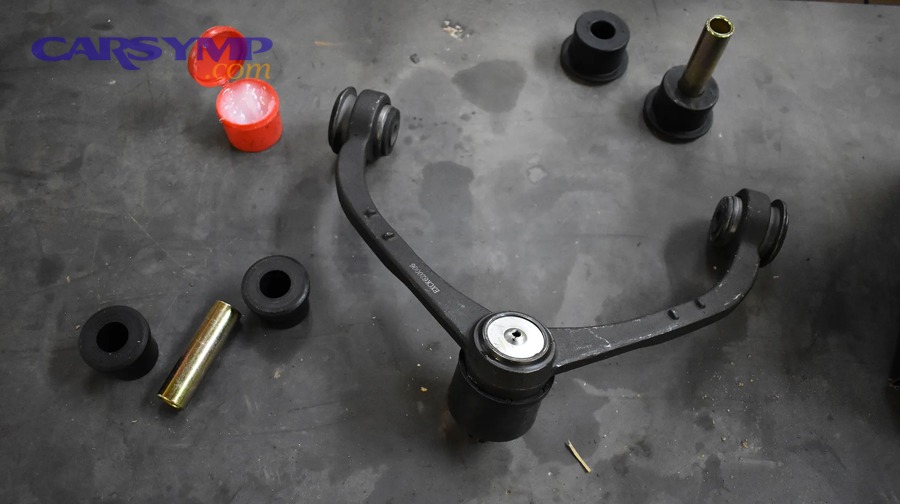
What is rubber doing differently at the microscopic level?
Rubber’s advantage is its ability to dampen small, rapid vibrations—so you feel less “buzz” through the steering wheel and cabin over rough pavement. However, that same softness can let suspension arms shift more during braking, cornering, and acceleration.
Specifically, that extra movement can change effective toe and camber slightly under load, which is why worn rubber bushings often show up as vague steering feel and uneven tire wear. Next, we’ll connect that “movement control” idea to what you actually feel in the cabin.
What does polyurethane change in real driving terms?
Polyurethane is generally stiffer and more resilient, so it tends to reduce bushing deflection and give a more direct, responsive feel—especially in sway bars, control arms, and steering rack mounts. The tradeoff is that it can pass more vibration and noise if the design and hardness are aggressive.
To illustrate, many drivers describe polyurethane as “tighter” or “more connected,” while rubber feels “smoother” and “quieter.” However, the magnitude of the change depends heavily on which joint you replace and how hard the new bushing is. After that, we’ll zoom into ride comfort and NVH in a more structured way.
Theo nghiên cứu của Suspension.com từ Tech/Blog, vào 11/2015, rubber được mô tả “quieter and smoother ride” trong khi polyurethane có xu hướng tăng NVH cho người lái.
Which bushing material delivers better ride comfort and NVH in a polyurethane vs rubber bushing comparison?
Rubber nearly always wins on comfort because it isolates noise and vibration more effectively, while polyurethane usually increases “road feel” and can raise NVH if you go too stiff.
Next, translate NVH into a practical checklist: noise you hear, vibration you feel, and harshness over sharp bumps. A softer bushing reduces all three, but can allow more geometry change under load.
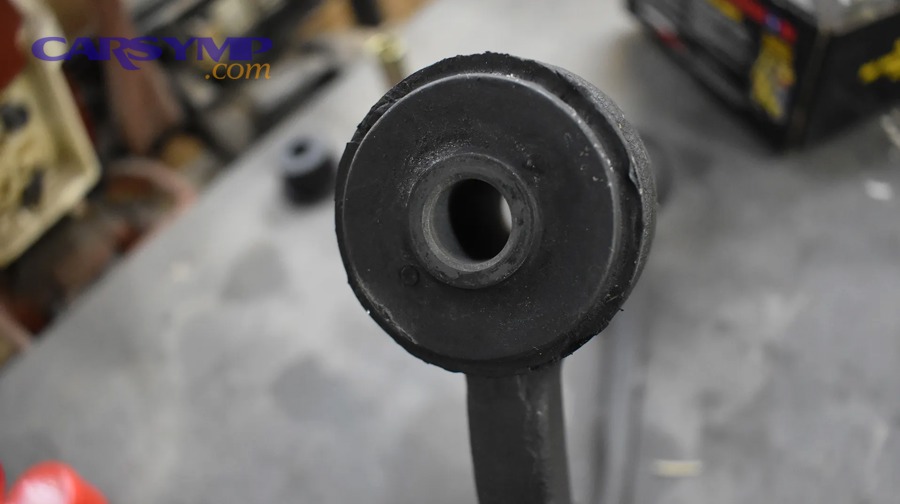
Why rubber feels quieter even when it’s “healthy”
Rubber’s compliance acts like a filter: small inputs from textured pavement are absorbed before they become steering-wheel buzz or cabin resonance. In daily commuting, that can be the difference between “tolerable” and “fatiguing” on long drives.
However, as rubber ages it can crack, soften unevenly, or separate from its sleeve—so you may get the worst of both worlds: more noise and less control. To understand the other side of the scale, we’ll now look at the handling benefits people chase with polyurethane.
When polyurethane comfort is “acceptable” (and when it isn’t)
Polyurethane can be perfectly livable if you select moderate hardness and focus on locations where precision matters most (for example, sway bar bushings), rather than replacing every joint with the hardest compound available.
On the flip side, very hard bushings in sensitive locations (like engine mounts or certain subframe points) can amplify vibration. After that, we’ll connect this directly to steering feel, alignment stability, and how the car behaves under braking.
Theo nghiên cứu của Suspension.com từ Durometer Guide, vào 11/2018, durometer cao hơn thường làm tăng NVH, còn durometer thấp hơn giúp êm hơn nhưng có thể giảm khả năng giữ đúng vị trí hình học.
Which option improves handling, alignment control, and steering feel in a polyurethane vs rubber bushing comparison?
Polyurethane usually improves handling precision because it reduces bushing deflection, helping suspension geometry stay more consistent during cornering, braking, and acceleration.
After that, the key concept is deflection under load: when a tire generates force, the control arm wants to move; a softer bushing allows more movement, which can change toe/camber transiently. Poly typically limits that motion.
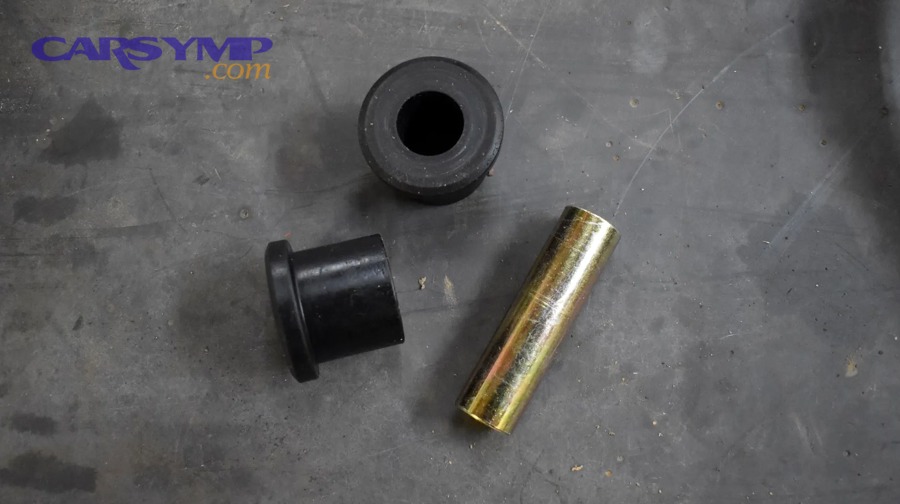
Steering response and “on-center” feel
If you dislike a “rubbery” delay between steering input and chassis response, polyurethane can make the front end feel more immediate—especially when the original bushings are old or heavily voided.
However, improved response isn’t always improved quality: if you increase stiffness too much, you may feel more kickback over potholes. Next, we’ll compare how each material behaves when temperatures rise and chemicals get involved.
Braking stability and cornering consistency
Under hard braking, soft bushings can let arms shift slightly, which can feel like wander or instability. Polyurethane can help the suspension “hold its shape,” improving consistency through repeated corners or spirited driving.
To illustrate, performance-focused drivers often choose poly where geometry control matters most, while keeping rubber in comfort-critical locations. After that, we’ll look at what really kills bushings over time: heat cycling, road chemicals, and contamination.
Theo nghiên cứu của The Drive từ Guides & Gear, vào 08/2022, polyurethane được mô tả là “stiffer” và giúp tăng responsiveness, nhưng đi kèm tradeoff là ride có thể cứng hơn.
How do heat, chemicals, and weather affect longevity in a polyurethane vs rubber bushing comparison?
Polyurethane is generally more resistant to wear, temperature extremes, and certain chemical exposure than rubber, while rubber can degrade faster in harsh environments like salt, heat, and oil contamination.
Next, think about the underside of a car: road salt, water, oil mist, brake dust, and heat all combine into an abrasive, reactive environment. Rubber’s big strength—soft absorption—can become a weakness when that environment accelerates cracking and aging.
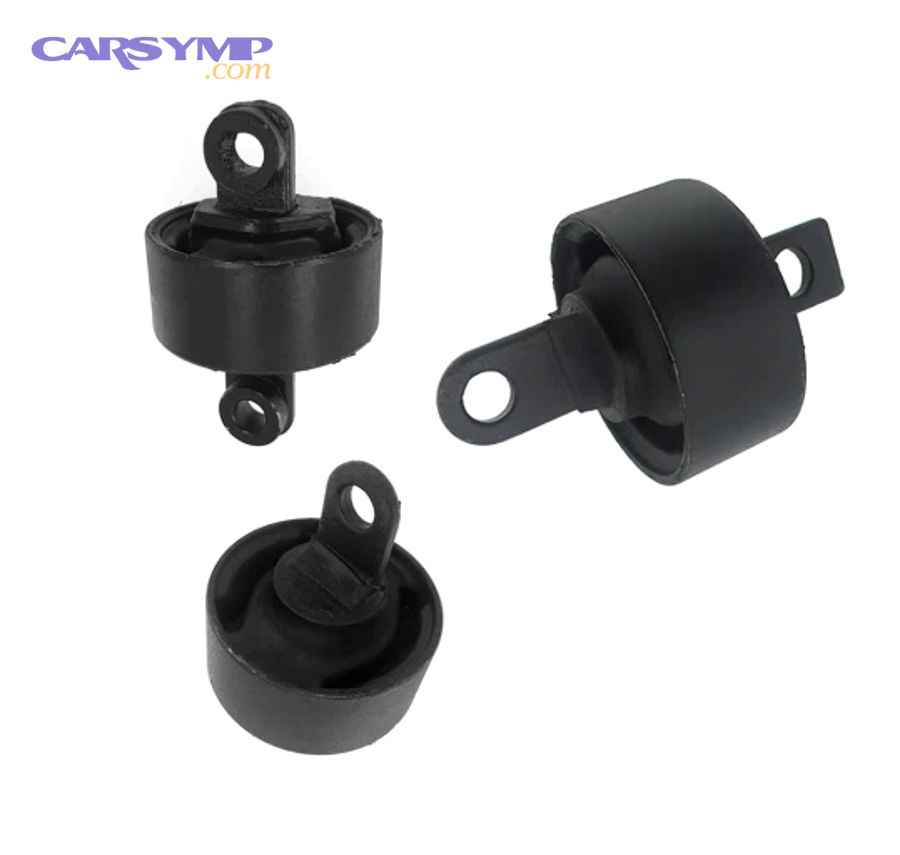
Heat cycling and ozone exposure
Under repeated heat cycles, rubber can harden, crack, or soften unevenly depending on formulation and location. Polyurethane tends to hold its shape better across demanding cycles, which is one reason it’s marketed for performance and harsh environments.
However, “better” still depends on quality: poor polyurethane formulations can still wear, distort, or squeak. After that, we’ll move from durability into daily ownership: noise, lubrication, and squeak prevention.
Chemicals, oils, and road grime
When bushings are exposed to oils and road chemicals, rubber often suffers faster loss of properties, while polyurethane is commonly described as more resilient in that chemical soup. That matters most near leaks or in rust-belt winter conditions.
To illustrate, even a small oil seep can drip onto a bushing and accelerate deterioration. Next, we’ll address the most common complaint people hear about polyurethane: squeaking.
Theo nghiên cứu của Poly-Tek từ Rubber Molding Guidance, vào 02/2019, polyurethane được mô tả “more resistant to wear and tear” và bền hơn trong ứng dụng demanding so với rubber.
Do polyurethane bushings squeak, and how do you prevent it in a polyurethane vs rubber bushing comparison?
Yes, polyurethane can squeak if it isn’t lubricated properly or if the design allows sliding contact, while rubber is typically quiet with little or no maintenance.
After that, treat squeak as a friction problem: polyurethane often uses a separate sleeve and can slide at interfaces, so lubrication and surface condition matter. Rubber usually bonds in a way that doesn’t rely on grease for silence.
What lubrication actually does (and when you’ll notice it)
Grease reduces stick-slip motion that creates squeaks. Many polyurethane kits include grease, and many installers add it during assembly; if squeaking appears later, re-lubrication can quiet it—though access varies by design.
Specifically, if lubrication requires disassembly, you’ll want to pick designs that are easier to service—or accept that occasional noise may be part of the tradeoff. Next, we’ll connect squeak prevention to installation quality and bushing design.
Design choices that reduce squeak risk
Split bushings, rotating sleeves, and proper fitment can reduce binding and noise. On off-road-focused setups, some sources emphasize regular lubrication to prevent noise in “floating” polyurethane designs.
To illustrate, a well-designed kit may rotate at the sleeve rather than grind at the bushing surface, reducing wear and sound. Next, we’ll discuss installation and serviceability so you know what you’re signing up for.
Theo nghiên cứu của Suspension.com từ Tech/Blog, vào 11/2015, polyurethane có khả năng squeaking nếu không được bôi trơn đúng cách, trong khi rubber “makes no noticeable sound” trong đa số trường hợp.
Which is easier to install and service in a polyurethane vs rubber bushing comparison?
Polyurethane kits are often designed for easier installation (especially split designs), while many OEM-style rubber bushings are press-fit and can require more tooling or complete arm replacement.
Next, separate “installation” into two realities: (1) removing the old bushing and (2) fitting the new one without damaging sleeves, arms, or alignment surfaces. Removal is usually the hard part, regardless of material.
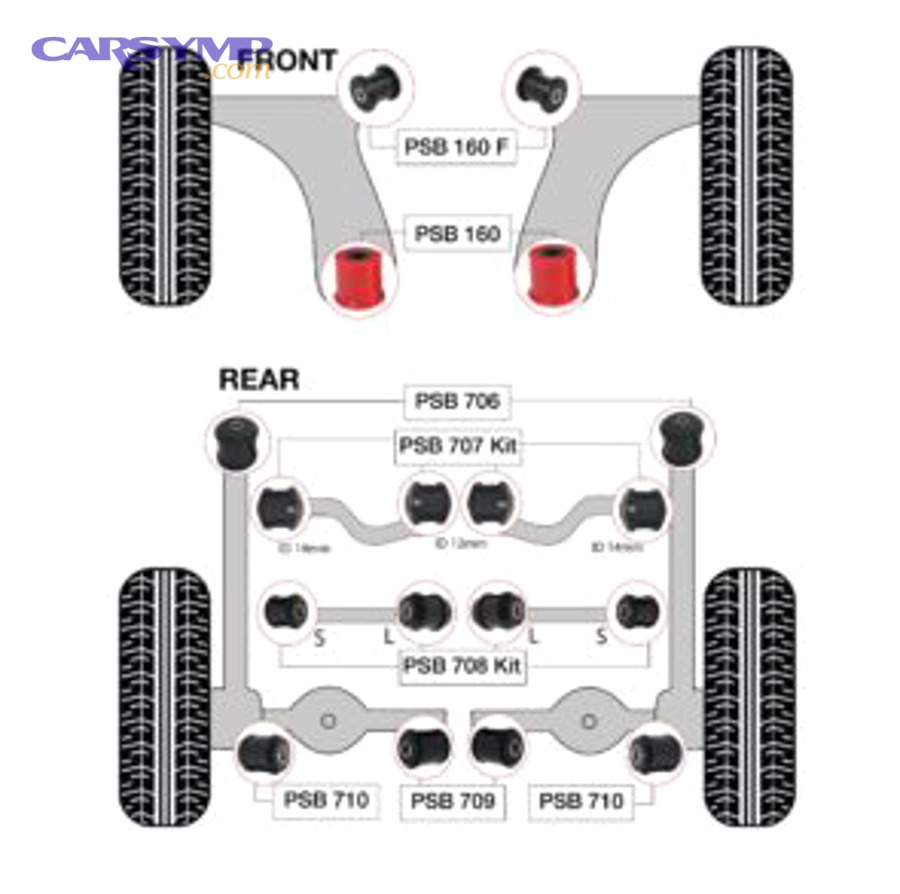
Press-fit rubber vs split polyurethane: what changes in the garage?
Many aftermarket polyurethane bushings are split, letting you install them by hand once the original is out—often with a sleeve inserted afterward. OEM rubber often arrives as a bonded unit and may need a press for clean, square installation.
However, that convenience doesn’t cancel the need for precision: if the bushing isn’t seated correctly or the sleeve is misaligned, you can introduce binding that hurts ride and accelerates wear. Next, we’ll talk about the most overlooked step: tightening at ride height to avoid preloading.
Serviceability and “future you” maintenance
If you anticipate periodic lubrication or inspection, service-friendly designs matter. Some installations make re-greasing easy; others require partial disassembly, which changes the ownership experience.
To illustrate, forum owners often describe recurring squeak fixes as simple when access is good, and frustrating when it isn’t. Next, we’ll shift from installation mechanics to choosing by your driving profile.
Theo nghiên cứu của PSB Bushings từ Product/Tech Description, vào 09/2021, một số polyurethane kit được mô tả có thể lắp “1–5 minutes” sau khi tháo bushing cũ, nhờ thiết kế và sleeve có thể xoay để tăng longevity.
Which is better for daily driving, track use, or off-road in a polyurethane vs rubber bushing comparison?
Rubber is usually best for daily comfort, polyurethane often fits spirited/track-biased street cars, and off-road setups may require careful selection because too-stiff bushings can reduce compliance over terrain.
After that, stop thinking in “one material for the whole car.” A smarter approach is location-based tuning: keep rubber where isolation matters, use polyurethane where geometry control matters, and choose hardness based on your tolerance for NVH.
Daily driver priorities: fatigue, quiet, and predictability
For a commuter, the value of rubber is that it stays quiet and comfortable with minimal upkeep. If you still want sharper response, consider targeted polyurethane in sway bars rather than full replacement everywhere.
However, if the existing bushings are worn, even a fresh rubber set can feel like a major “upgrade” without increasing NVH. Next, we’ll look at track and spirited driving needs where precision is prioritized.
Track/spirited street: repeatability under load
On track or aggressive backroads, polyurethane can help maintain alignment consistency corner after corner. That can improve confidence because the car responds similarly each time you turn in or brake hard.
To illustrate, the “feel” benefit is often most noticeable when the original bushings are soft, voided, or aged. Next, we’ll address off-road and high-articulation scenarios where compliance is not just comfort—it’s traction.
Off-road and harsh environments: flexibility vs durability
Some off-road commentary notes that standard polyurethane may hold imperfections rigidly and can be noisy without regular lubrication, which can be a disadvantage when articulation and absorption matter. That doesn’t mean “never poly,” but it does mean “choose carefully.”
Next, we’ll ground the “poly lasts longer” claim: what actually controls lifespan, and when rubber can still be the rational long-term choice.
Theo nghiên cứu của Offroad-Express từ Technics/Blog, vào 01/2025, polyurethane tiêu chuẩn được mô tả có thể kém hấp thụ mặt đường và cần bôi trơn đều để tránh noisy trong cấu trúc “floating”.
Is polyurethane really “longer lasting” than rubber in a polyurethane vs rubber bushing comparison?
Often yes—polyurethane is commonly described as more resistant to wear and harsh conditions—but real lifespan still depends on design quality, installation, lubrication, and the environment the vehicle lives in.
Next, treat lifespan as a system outcome: a bushing can “fail” by cracking, separating, deforming, squeaking, or binding. Rubber tends to degrade with age and exposure; polyurethane tends to resist degradation but may require upkeep for noise and friction.
When rubber longevity is “good enough”
If your roads are clean, you don’t drive aggressively, and you prioritize comfort, rubber can deliver many years of quiet service—especially when you choose quality OEM-style components. The “best” material is the one that matches your goals over the longest span.
However, if you regularly see salt, heat, or heavy load, rubber can age faster, and polyurethane’s resilience can become a practical advantage. Next, we’ll make this easier to compare with a structured table you can use while shopping.
When polyurethane lifespan advantages show up clearly
Polyurethane tends to shine in high-load, high-deflection areas and in environments that punish rubber (chemicals, heat, repeated stress). Still, polyurethane that’s too hard or poorly lubricated can create its own issues—so longevity isn’t “automatic.”
To illustrate, some guides frame polyurethane as more durable but also more likely to create maintenance considerations (like greasing) that rubber doesn’t require. Next, we’ll put the tradeoffs side-by-side for quick decision-making.
Theo nghiên cứu của Gallagher Corporation từ Engineering Blog, vào 11/2024, rubber thường được nêu mạnh về damping/NVH, trong khi urethane (polyurethane) được nêu mạnh về high-load, high-wear và chemical resistance.
What are the practical tradeoffs you should compare in a polyurethane vs rubber bushing comparison table?
Polyurethane typically leads in precision and durability, rubber typically leads in comfort and quiet, and “best value” depends on where you install them and how you maintain them.
Below, this table summarizes the most decision-relevant criteria—so you can pick material by outcome rather than marketing language.
This table shows how rubber and polyurethane typically compare across comfort, handling, durability, maintenance, and use-case fit, helping you choose by priorities instead of assumptions.
| Criterion | Rubber (Typical) | Polyurethane (Typical) |
|---|---|---|
| Ride comfort & NVH | Quieter, smoother, better vibration damping | More road feel; may increase NVH if stiff |
| Handling precision | More compliance; geometry can shift under load | Less deflection; tighter response and alignment control |
| Durability in harsh conditions | Can degrade faster with heat/chemicals/salt | Often more wear/chemical/temperature resistant |
| Noise risk | Usually silent | Can squeak if dry or binding |
| Maintenance | Low | May need lubrication depending on design |
| Best-fit use cases | Daily comfort, quiet cruising | Performance bias, targeted geometry control |
Next, we’ll turn this table into action: how to decide when a swap is actually worthwhile and what “symptoms” indicate your current bushings are the real problem.
Theo nghiên cứu của Suspension.com từ Tech/Blog, vào 11/2015, polyurethane thường được mô tả thắng về performance và lifespan, còn rubber thường thắng về ride quality và noise control trong sử dụng hằng ngày.
How do you decide when bushings are worn and worth changing in a polyurethane vs rubber bushing comparison?
You should consider changing bushings when you see cracking, separation, excessive play, clunks, wandering alignment, or uneven tire wear—because worn bushings reduce both comfort and control regardless of material choice.
Next, look for a pattern rather than a single symptom: a bushing can look “fine” visually yet still allow enough movement to make steering vague. A simple pry-bar inspection and careful road test can reveal movement and noise.
Symptoms that point to bushing issues (not “mystery suspension”)
- Clunks or knocks over small bumps, especially when turning or braking
- Steering drift or a “wandering” feel that improves briefly after alignment
- Uneven tire wear that looks like geometry changes under load
- Visible cracking, torn rubber, or separation from the sleeve
- Metal-to-metal marks indicating the bushing no longer controls motion
However, confirm the source: ball joints, tie rods, and mounts can mimic bushing symptoms. A good inspection isolates movement at the joint while the wheel is loaded and unloaded. Next, we’ll connect this to planning work realistically—time, scope, and what to replace together.
Planning the job without surprises
If your goal is a smart refresh rather than a gamble, plan around the locations that matter most (front lower control arms, sway bars, steering rack mounts) and replace parts that interact—so you don’t chase alignment changes one component at a time.
To illustrate, many owners treat a suspension refresh as a staged project: fix worn joints first, then fine-tune feel with selective material changes. If you’re scheduling bushing replacement, make sure you pair it with an alignment check afterward when geometry-critical joints were disturbed.
When budgeting, don’t only price the parts—labor time and alignment can dominate, so a Bushing replacement cost estimate should include tools/press work, potential control arm removal, and post-work alignment if applicable.
Theo nghiên cứu của Wikipedia từ Bushing (isolator), vào 06/2024, bushing được mô tả là vibration isolator giúp giảm truyền năng lượng rung giữa hai bộ phận và thường dùng trong hệ thống treo, vì vậy khi xuống cấp có thể ảnh hưởng trực tiếp đến NVH và độ ổn định.
FAQ: Polyurethane vs rubber bushing comparison
These answers address the most common “yes/no” and “which one” questions people ask after reading a polyurethane vs rubber bushing comparison.
Is polyurethane always harsher than rubber?
No—polyurethane isn’t automatically harsh; it depends on durometer, bushing design, and where it’s installed. However, compared to typical rubber, it more often increases road feel and can increase NVH when stiffness is higher.
Next, treat stiffness like a knob rather than a switch: targeted upgrades can deliver precision without making the whole car uncomfortable.
Do polyurethane bushings require grease forever?
Not always, but many do benefit from proper lubrication at install and sometimes periodic re-lubrication depending on design and conditions; rubber typically does not need greasing.
After that, choose service-friendly designs if you want polyurethane but dislike maintenance.
Will polyurethane “fix” sloppy handling by itself?
It can help, but it won’t cure worn ball joints, bad shocks, or incorrect alignment. Polyurethane reduces bushing deflection; it doesn’t replace damaged hard parts or fix geometry problems elsewhere.
Next, diagnose first, then upgrade—otherwise you may spend money and still chase symptoms.
What’s a good middle-ground if you want comfort and control?
A common middle ground is refreshed high-quality rubber or selective polyurethane in key locations (like sway bar bushings), paired with sensible hardness choices. This balances comfort with noticeably improved response.
Theo nghiên cứu của Suspension.com từ Durometer Guide, vào 11/2018, NVH và performance bị ảnh hưởng bởi durometer và design; durometer cao hơn thường tăng NVH, vì vậy “middle ground” thường đến từ chọn độ cứng vừa phải và vị trí lắp hợp lý.
Contextual Border: The sections above answered the main comparison intent (comfort, handling, durability, squeaks, decision triggers). Below, we expand into micro-level factors—durometer and design variants—that often determine whether you love or regret the change.
Supplementary: Durometer, design variants, and hybrid solutions
In practice, hardness and design can matter as much as material, because “polyurethane” and “rubber” each exist in a wide range of stiffness and construction styles.
How do durometer ratings translate to comfort and grip tradeoffs?
Durometer is a hardness scale that strongly influences NVH and control: higher durometer tends to hold alignment and feel tighter, while lower durometer tends to ride smoother and quieter.
Next, choose durometer by application: sway bars can tolerate higher stiffness; control arm bushings often need a more balanced compound to avoid harshness and binding.
Theo nghiên cứu của Suspension.com từ Durometer Guide, vào 11/2018, bushing quá cứng có thể làm xe “rougher” trên đường xấu, còn quá mềm có thể khiến hệ treo mất khả năng giữ alignment tốt.
Are split, offset, and greaseable designs worth prioritizing?
Yes—design can reduce noise and improve serviceability, especially for polyurethane, where lubrication and sleeve movement can determine long-term satisfaction.
To illustrate, if a kit uses sleeves that rotate freely and includes appropriate grease, it may stay quiet longer and wear more evenly. This is one of the simplest ways to reduce the classic “poly squeak” downside.
Theo nghiên cứu của PSB Bushings từ Product/Tech Description, vào 09/2021, thiết kế sleeve “freely rotate” được nêu như yếu tố giúp tăng longevity, đồng thời làm lắp đặt nhanh hơn sau khi tháo bushing cũ.
When upgraded rubber is the smarter “performance” move
Upgraded rubber can deliver a noticeable handling improvement without the NVH jump of stiff polyurethane, especially when the original bushings were highly voided or worn.
Next, consider this as a “synonym strategy” for your goals: if your goal is tighter rather than hard, refreshed or performance rubber can be the right compromise. For long-term results, combine good alignment, clean installation, and sensible load expectations—this is effectively How to extend bushing life without relying on a single material choice.
Theo nghiên cứu của Miata.net Forum từ Owner Discussion, vào 04/2023, một số “high performance rubber” được nhắc đến như giải pháp tăng độ cứng so với OEM mà vẫn ưu tiên street comfort, cho thấy rubber cũng có thể được “tuning” theo mục tiêu.
When to step beyond both: spherical bearings and solid joints
If maximum precision is the only priority (dedicated track builds), spherical bearings or solid joints can outperform both rubber and polyurethane—but they generally increase noise and vibration and reduce isolation dramatically.
To summarize, rubber is the comfort specialist, polyurethane is the precision-and-durability specialist, and spherical/solid solutions are the extreme-performance specialist. Your best choice is the one that fits your daily reality, not just your peak-performance fantasy.
Theo nghiên cứu của Suspension.com từ Tech/Blog, vào 11/2015, polyurethane được đặt như “middle ground” giữa rubber và solid joints: tăng phản hồi hơn rubber nhưng không cực đoan về NVH như khớp kim loại cứng.