


wheel alignment symptoms usually show up before a complete handling problem develops, and the earliest signs are often a car that starts pulling, a steering wheel that no longer sits straight, and tire tread that wears unevenly. For car owners, spotting these changes early matters because misalignment affects how the vehicle tracks, how the tires contact the road, and how quickly routine driving turns into premature tire replacement.
Those early signs become easier to understand when you connect them to everyday driving behavior. A vehicle with poor wheel alignment may drift on a flat road, ask for small steering corrections, or feel less settled at highway speed. Instead of presenting as one dramatic failure, alignment trouble often appears as a pattern of small Car Symptoms that gradually become harder to ignore.
The issue also becomes clearer when you compare alignment symptoms with similar problems. Some drivers confuse misalignment with tire balance, worn suspension parts, or low tire pressure because all of them can affect handling. Still, wheel alignment usually stands out through consistent pulling, off-center steering, and specific tread wear patterns rather than vibration alone.
The next step is knowing when those symptoms justify action. Once you understand what you are seeing, what you are feeling behind the wheel, and what makes alignment different from other front-end issues, you can make better decisions about DIY checks before alignment appointment scheduling and about Preventing alignment problems before they become expensive. Introduce a new idea: the main content below explains each symptom in the order most drivers actually notice it.
What Are Wheel Alignment Symptoms?
Wheel alignment symptoms are the visible and driveable signs that the wheels are no longer pointing at the correct angles relative to the vehicle and the road. To better understand the issue, it helps to separate the symptom from the underlying condition, because drivers usually notice the effects long before they think about camber, toe, or thrust angle.
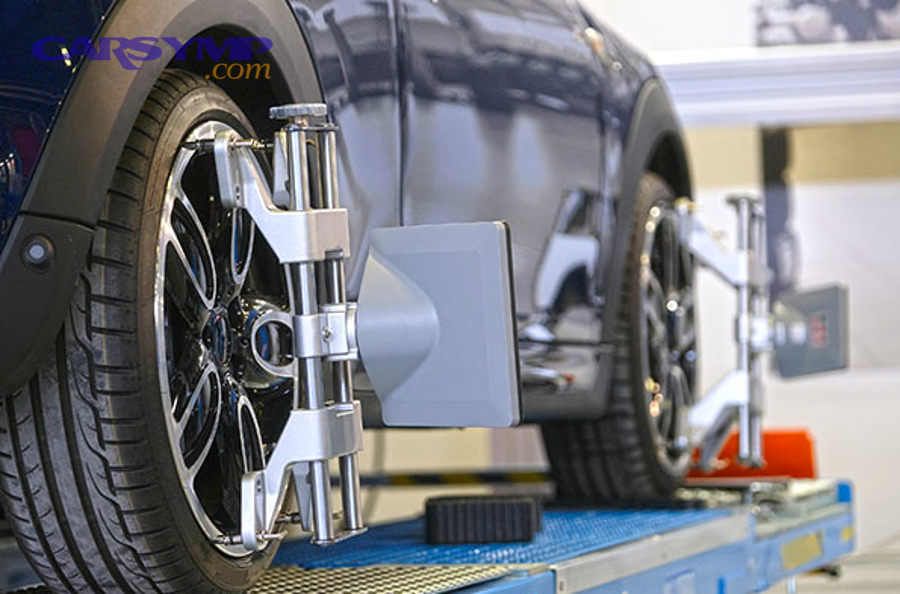
A proper wheel alignment keeps the tires meeting the road at angles set by the manufacturer. When those angles move out of specification, the car may no longer travel straight with minimal steering input. The result is not just a technical adjustment problem; it becomes a driving problem. That is why alignment symptoms are best understood as changes in direction, tire contact, steering position, and road feel.
Are Wheel Alignment Symptoms the Same as a Wheel Alignment Problem?
No, wheel alignment symptoms are not the same as the wheel alignment problem itself, because symptoms are what you notice while the problem is the incorrect wheel geometry causing them. More specifically, the distinction matters because a symptom such as pulling tells you something is wrong, but it does not by itself explain whether the cause is alignment, tires, or worn steering parts.
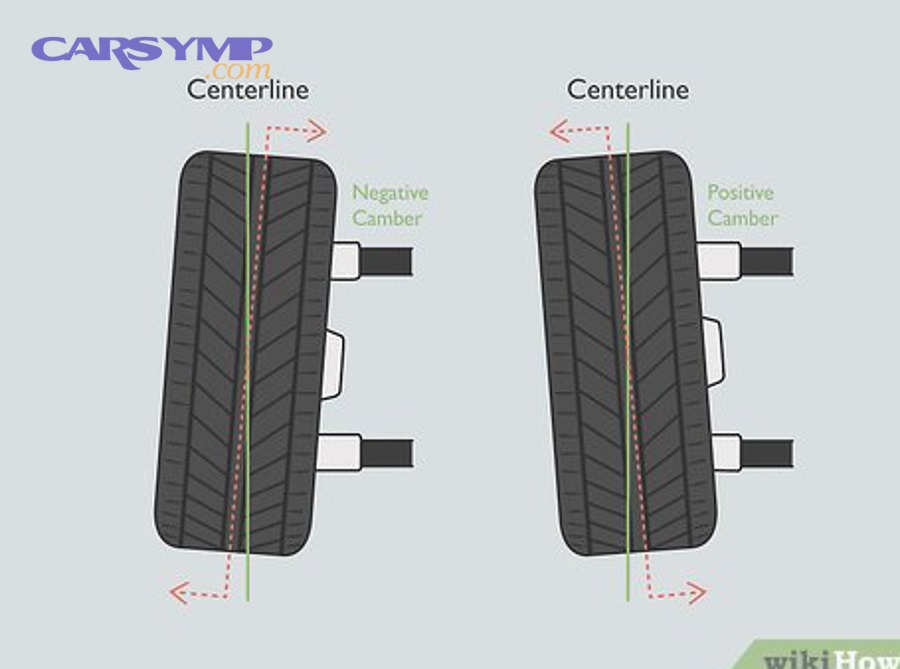
A wheel alignment problem exists when wheel angles such as toe, camber, and caster no longer match the settings the vehicle needs for stable tracking and even tire contact. The symptoms are the clues that surface at the driver level. For example, a steering wheel that sits crooked while the car moves straight is a symptom. The actual problem may be toe misadjustment, a disturbed steering angle, or a shift after hitting a pothole.
Thinking this way helps car owners avoid two common mistakes. The first is ignoring symptoms because the vehicle still “drives okay.” The second is assuming every symptom automatically confirms misalignment. A better approach is to treat symptoms as meaningful evidence that justifies closer inspection.
According to the National Highway Traffic Safety Administration, a wheel alignment maximizes tire life and helps prevent a vehicle from veering to the right or left on a straight, level road. ([nhtsa.gov](https://www.nhtsa.gov/vehicle-safety/tires?))
Which Driving, Steering, and Tire Signs Define Wheel Alignment Symptoms?
There are 5 main types of wheel alignment symptoms: pulling or drifting, uneven tire wear, a crooked steering wheel, repeated steering correction, and reduced straight-line stability. Specifically, these symptoms are grouped by where drivers notice them first: direction, steering position, tire condition, steering effort, and overall handling confidence.
The first group includes directional symptoms. These are the signs that show up when the car no longer wants to go straight. A driver may release some steering effort on a level road and feel the vehicle move left or right. Even when the movement is mild, it often becomes the first clue that wheel alignment needs attention.
The second group includes steering-position symptoms. The classic example is a steering wheel that appears tilted while the car itself is going mostly straight. Some drivers tolerate this for weeks because the vehicle still moves, but the off-center position often signals that alignment angles or steering calibration are no longer correct.
The third group covers tire-related symptoms. This is where uneven wear becomes especially important. When alignment is off, the contact patch no longer spreads load evenly across the tread. Over time, one edge can wear faster than the other, or the tread can develop feathering that you can feel with your hand.
The fourth group includes steering-effort symptoms. These show up as constant small corrections, a car that wanders within the lane, or a wheel that never seems to settle. The fifth group includes broader handling symptoms such as instability in highway tracking and a general sense that the car feels less composed.
What Are the Most Common Signs of Bad Wheel Alignment?
The most common signs of bad wheel alignment are pulling to one side, uneven wear across the tire tread, a crooked steering wheel, lane wandering, and a need for frequent steering correction. Let’s explore these symptoms in the order most drivers notice them, because symptom sequence often reveals how early or advanced the problem has become.
Does a Car Pulling to One Side Mean the Wheels Are Misaligned?
Yes, a car pulling to one side often points to wheel alignment because incorrect wheel angles change tracking, increase side-to-side directional bias, and force the driver to correct constantly. However, the symptom of pulling still needs context, because tire condition, tire pressure, or brake drag can create a similar feel.
When alignment is the cause, pulling tends to feel consistent rather than random. The car may drift in one direction on straight, level pavement even when the driver is not making a turning input. In mild cases, the steering wheel feels like it has a preferred direction. In stronger cases, the vehicle clearly resists staying centered in the lane.
The most important reason this symptom matters is that it changes how the tire meets the road. As the wheel points slightly away from the intended path, the tire scrubs instead of rolling cleanly. That scrubbing does not always look dramatic at first, but over time it turns into heat, wasted tread, and a steady decline in handling precision.
This is also why drivers should pay attention to road conditions during observation. Some roads have a crown that naturally encourages a slight drift. To evaluate the symptom fairly, test the car on a straight, level section of pavement with correct tire pressure before drawing conclusions.
A 2020 NHTSA service bulletin on vehicle pull and off-center steering specifically notes the need to determine whether pulling is caused by alignment or tires and warns that adjustments outside specification can lead to uneven tire wear. ([static.nhtsa.gov](https://static.nhtsa.gov/odi/tsbs/2020/MC-10177781-9999.pdf?))
What Tire Wear Patterns Suggest Wheel Alignment Symptoms?
There are 4 common tire wear patterns that suggest wheel alignment symptoms: inner-edge wear, outer-edge wear, feathering, and rapid uneven tread loss across one axle based on alignment angle changes. To illustrate, each pattern tells a slightly different story about how the tire has been contacting the road.
Inner-edge wear often suggests that the inside shoulder of the tire is doing too much of the work. Outer-edge wear suggests the opposite. While tire pressure and driving style can also affect tread life, alignment becomes more likely when the wear appears uneven side to side or when one edge consistently disappears faster than the rest of the tread.
Feathering deserves special attention because many drivers never check for it. Feathering creates a saw-tooth feel when you run your hand lightly across the tread blocks. One direction feels smoother, and the other feels sharper. That pattern commonly points to toe-related misalignment because the tire is being dragged slightly off its natural rolling direction.
Rapid uneven wear is often the symptom that changes a driver’s behavior. The car may still feel acceptable, but the tires wear out earlier than expected, making the problem visible in dollars rather than just in steering feel. That is why tire inspection is one of the most useful DIY checks before alignment appointment planning. A visual tread check and a hand sweep across the surface can catch early changes before the problem ruins the tire.
According to NHTSA’s tire safety guidance, drivers should inspect tires regularly for uneven wear patterns, and proper alignment helps maximize tire life. ([nhtsa.gov](https://www.nhtsa.gov/sites/nhtsa.gov/files/one.pdf?))
Why Does a Crooked Steering Wheel Signal Alignment Trouble?
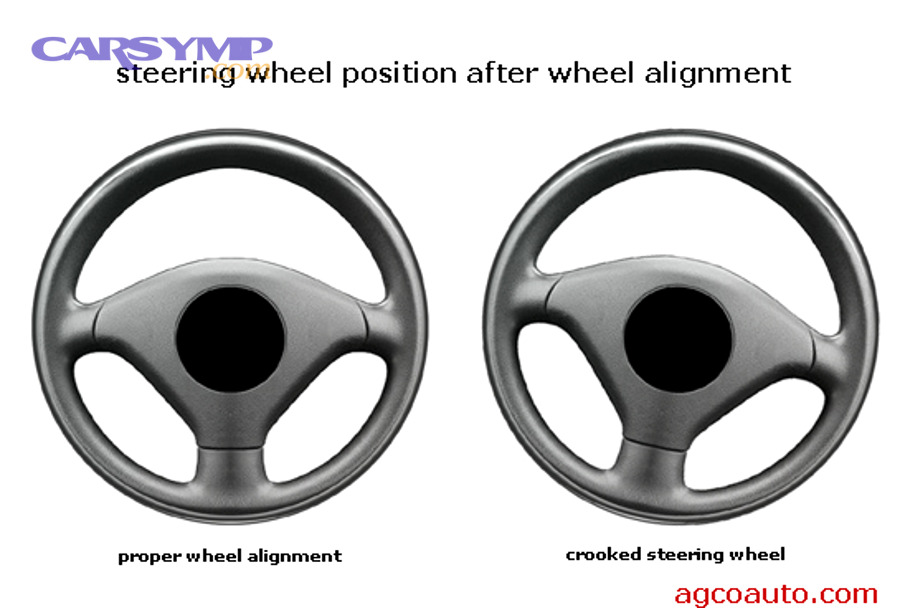
A crooked steering wheel signals alignment trouble because the wheels and steering position are no longer synchronized around a true straight-ahead path. In other words, the vehicle may move mostly straight only when the steering wheel sits off center, which is a classic sign that the geometry has shifted.
This symptom often feels subtle at first. The driver notices that the top of the wheel points slightly left or right during straight travel. Over time, that off-center position becomes normal, which is why some drivers adapt to it instead of addressing it. Still, the symptom matters because it often appears before tire wear becomes severe.
A crooked steering wheel also affects driver confidence. Even if the car does not pull dramatically, the visual mismatch between wheel position and travel direction makes the vehicle feel imprecise. That constant visual cue encourages small corrections and makes longer drives more tiring than they should be.
In practical terms, this is one of the most reliable alignment clues because it is easy to notice without special tools. If tire pressures are correct, the road is flat, and the wheel still sits clearly off-center, the vehicle deserves inspection.
LeSchwab notes that an off-center steering wheel is a common symptom associated with bad alignment, while also recognizing that suspension and steering problems can contribute. )
What Other Symptoms Often Appear with Poor Wheel Alignment?
There are 4 other common symptoms of poor wheel alignment: wandering within the lane, unstable highway tracking, reduced confidence in turns, and repeated minor steering corrections. More importantly, these symptoms often appear together, which is why alignment issues can feel like a “general handling decline” before drivers can name the exact cause.
Lane wandering happens when the car does not hold a straight path easily. The driver keeps making small corrections even in calm conditions. Unstable highway tracking feels similar but becomes more noticeable at speed, where the vehicle should feel planted and predictable. Reduced confidence in turns can show up as hesitation or a vague front-end feel, especially when returning the wheel to center.
Some vehicles also produce extra tire noise or steering-wheel shake, but these signs should be interpreted carefully because they overlap with tire balance, worn components, and road-surface conditions. The stronger alignment pattern is still the combination of pulling, crooked wheel position, and abnormal tread wear.
The Car Care Council identifies uneven tire wear, pulling to one side, noise, and vibration among the main symptoms of wheel alignment or related steering and suspension issues and recommends prompt inspection when they appear. ([carcare.org](https://www.carcare.org/2020/07/cone-zone-season-can-be-tough-on-vehicles/?))
How Do Wheel Alignment Symptoms Feel While Driving?
Wheel alignment symptoms feel like a car that resists driving straight, asks for constant correction, and becomes less settled as speed increases. Next, it helps to describe the experience from the driver’s seat, because many people recognize alignment by feel long before they understand it mechanically.
Does Bad Wheel Alignment Feel Worse at Highway Speeds?
Yes, bad wheel alignment often feels worse at highway speeds because directional errors become more noticeable, steering corrections become more frequent, and vehicle instability becomes easier to detect. Specifically, speed amplifies subtle tracking problems that might seem minor on slower city streets.
At low speed, a driver may only notice a slight drift or a steering wheel that does not look perfectly centered. At highway speed, that same vehicle may start to feel busy, unsettled, or reluctant to stay in its lane without constant supervision. The car is not necessarily swerving; rather, it is asking for more attention than a properly aligned vehicle should.
This matters because highway driving reveals whether the suspension, steering, tires, and wheel alignment are working together efficiently. A healthy setup tracks cleanly. A misaligned setup often feels like it is searching for direction. Many drivers describe this as “it drives fine, but I keep correcting it,” which is one of the most useful real-world clues.
A recent alignment guide from Hofmann notes common signs such as vehicle pull, uneven wear, off-center steering, and steering wheel vibration, especially at highway speed. ([hofmann-equipment.com](https://hofmann-equipment.com/us/wheel-alignment-guide?))
How Can Car Owners Recognize Alignment Symptoms Early During Daily Driving?
Car owners can recognize alignment symptoms early by watching for 4 recurring patterns: directional drift, off-center wheel position, unusual tire wear, and repeated correction during normal commutes. To better understand early detection, the key is consistency rather than severity.
The first practical habit is to notice how the car behaves on familiar roads. If the vehicle starts drifting in a way it did not before, that change matters. The second habit is to glance at steering-wheel position when driving straight. The third is to inspect tires regularly rather than waiting until rotation day or a service appointment.
This is where DIY checks before alignment appointment decisions become useful. You do not need to measure alignment angles at home. Instead, you can do a simple owner-level screening:
- Check all tire pressures when the tires are cold.
- Look for visible inner-edge or outer-edge wear.
- Run your hand lightly across the tread to feel feathering.
- Drive on a flat road and notice whether the car tracks straight.
- Observe whether the steering wheel sits centered.
These checks will not replace a professional rack measurement, but they can tell you whether the pattern is strong enough to justify a shop visit. This owner awareness also supports Preventing alignment problems because small changes are easier to address before they create major tread loss.
How Can You Tell Wheel Alignment Symptoms Apart from Tire Balance or Suspension Problems?
Wheel alignment wins for pulling and tread-wear clues, tire balance is most associated with speed-related vibration, and worn suspension parts are more likely to create looseness, clunks, or inconsistent handling. However, these problems can overlap, so the safest approach is to compare symptom patterns rather than relying on one clue alone.
Is Wheel Misalignment the Same as Unbalanced Tires?
No, wheel misalignment is not the same as unbalanced tires, because misalignment mainly changes tracking and tread wear while imbalance mainly causes shaking or vibration at certain speeds. On the other hand, both can appear together, especially after tire service or impact damage.
A vehicle with balance problems often feels smooth at some speeds and shaky at others, usually through the steering wheel or seat. The car may still track straight. By contrast, a vehicle with wheel alignment problems more often drifts, pulls, or shows uneven wear even when it does not shake much.
This distinction matters because many drivers schedule the wrong service first. If the main complaint is vibration at highway speed with no clear pulling and no visible tread pattern issue, tire balancing becomes more likely. If the main complaint is directional drift and off-center steering, alignment becomes more likely.
NHTSA’s tire guidance explains that tire balancing helps wheels rotate properly and prevents shaking, while alignment helps maximize tire life and prevents veering left or right. ([nhtsa.gov](https://www.nhtsa.gov/vehicle-safety/tires?))
How Are Alignment Symptoms Different from Worn Suspension or Steering Components?
Wheel alignment symptoms differ from worn suspension or steering symptoms because alignment usually shows itself through tracking and tire-wear changes, while worn parts often add looseness, noise, clunks, or inconsistent behavior over bumps. More specifically, worn components can either mimic alignment trouble or cause alignment trouble indirectly.
For example, worn tie rods, ball joints, bushings, or struts can allow wheel angles to shift under load. In that situation, the driver may feel both poor tracking and mechanical looseness. That is why some vehicles do not hold an alignment well even after adjustment: the underlying components no longer support stable geometry.
From the driver’s perspective, the distinction often comes down to consistency. Alignment symptoms usually feel repeatable on the same roads. Worn-component symptoms may appear when braking, cornering, hitting bumps, or changing direction. They can also introduce noises that pure alignment issues may not create.
This comparison matters because alignment service alone cannot fix damaged hardware. If a shop finds worn steering or suspension components, the parts often need repair first so the alignment settings will stay accurate.
Which Symptoms Point More to Alignment Than to Other Front-End Problems?
There are 4 symptoms that point more strongly to alignment than to other front-end problems: steady pulling, a crooked steering wheel on a straight road, feathered tread, and one-sided or edge-focused uneven wear. In short, when these signs appear together, alignment becomes the leading suspect.
A single symptom can mislead. Pulling by itself can come from tires. Uneven wear alone can be influenced by inflation. Vibration alone can point to balance. But when a driver notices pulling, uneven wear, and a tilted steering wheel at the same time, the pattern becomes much more diagnostic.
This is also why a structured observation routine works better than guessing. Instead of asking, “Does this feel wrong?” ask, “Is the car drifting? Is the wheel off-center? Do the tires show edge wear? Do I keep correcting it?” The more “yes” answers appear together, the more likely wheel alignment is central to the issue.
When Should Car Owners Get an Alignment Check?
Car owners should get an alignment check as soon as they notice repeated pulling, a crooked steering wheel, or uneven tire wear, because early service limits tire damage, improves stability, and prevents a small handling issue from becoming an expensive one. Besides, alignment problems rarely improve on their own.
Should You Get the Car Checked as Soon as Wheel Alignment Symptoms Appear?
Yes, you should get the car checked once wheel alignment symptoms appear because tread wear can accelerate quickly, handling can decline gradually without obvious warning, and other front-end issues may be hiding underneath. More importantly, early inspection protects parts that cost far more than an alignment service.
Many drivers wait because the car remains drivable. That is understandable, but drivability is not the same as efficiency or safety margin. A vehicle can still move down the road while slowly consuming tire tread and asking more of the steering and suspension system than necessary.
Early inspection also helps you separate alignment from related issues. A technician can confirm whether the problem is truly geometric or whether it started with tire condition, worn parts, or impact damage. That clarity prevents trial-and-error spending.
The Car Care Council recommends that motorists have vehicles checked immediately when symptoms such as uneven tire wear, pulling, or vibration appear because steering and suspension systems are key safety-related components. ([carcare.org](https://www.carcare.org/2020/07/cone-zone-season-can-be-tough-on-vehicles/?))
What Happens If Wheel Alignment Symptoms Are Ignored?
Ignoring wheel alignment symptoms leads to faster tire wear, less predictable handling, more steering effort, and a greater chance that a minor issue becomes a larger repair bill. Thus, what begins as an annoyance often turns into shortened tire life and a more tiring, less stable driving experience.
The first consequence is usually financial. Tires wear sooner, and the wear is often irregular enough that rotation cannot save them. The second consequence is performance. As tire contact degrades, braking feel, turn-in consistency, and straight-line tracking can all suffer. The third consequence is diagnostic delay. Drivers sometimes assume the vehicle has simply “aged,” when in fact a correctable alignment problem has been getting worse.
Ignored symptoms also make it harder to notice new issues. Once a driver becomes used to a crooked wheel or a slight drift, fresh changes in steering feel become easier to miss. That adaptation can delay the discovery of worn components or impact damage.
Which Wheel Alignment Symptoms Need Immediate Attention?
There are 4 wheel alignment symptoms that need immediate attention: severe pulling, rapid edge wear, a strongly off-center steering wheel, and any sudden change after hitting a pothole or curb. To sum up, urgency depends on both intensity and how suddenly the symptom appeared.
Severe pulling matters because it changes the amount of correction the driver must apply just to stay centered. Rapid edge wear matters because every mile can remove valuable tread. A strongly crooked steering wheel matters because it suggests a significant shift from the vehicle’s normal straight-ahead behavior. A sudden post-impact change matters because road hazards can disturb more than alignment alone.
If one of these symptoms appears after a hard hit, do not treat it as routine drift. Inspect the tire first for visible damage, confirm pressure, and schedule a professional check promptly. The impact may have moved the alignment, bent a wheel, or affected steering and suspension hardware.
What Causes Wheel Alignment Symptoms and in Which Cases Do They Become More Noticeable?
Wheel alignment symptoms are usually caused by impact, wear, or gradual geometry change, and they become more noticeable after potholes, curb strikes, tire replacement, suspension aging, or extended highway driving. In addition, some symptom patterns are mild enough that drivers adapt to them until tread wear or steering position finally makes the problem obvious.
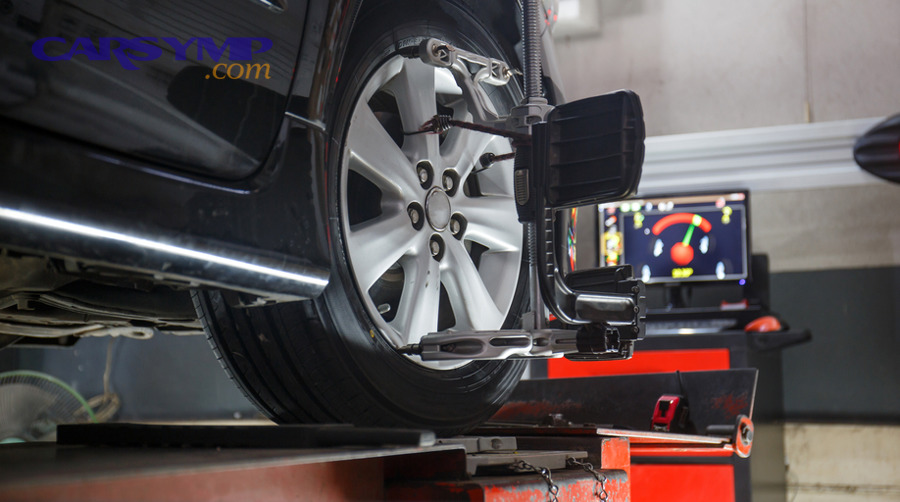
Can a Pothole or Curb Hit Trigger Wheel Alignment Symptoms Suddenly?
Yes, a pothole or curb hit can trigger wheel alignment symptoms suddenly because impact can disturb wheel angles, stress suspension parts, and change the way the vehicle tracks immediately afterward. Specifically, this is one of the most common real-world causes of a car that was fine yesterday but starts pulling today.
After impact, the driver may notice a new drift, an off-center steering wheel, or fresh tire scrub. Even when the damage is small, the change in feel is often immediate because alignment depends on precise geometry. A minor disturbance can still change how the tire meets the road.
This is why post-impact awareness matters for Preventing alignment problems. Every hard hit does not require panic, but every hard hit deserves observation. If the car’s behavior changes afterward, the event is relevant.
How Do Front-End Misalignment and Thrust Angle Misalignment Differ?
Front-end misalignment affects how the front wheels point and steer, while thrust angle misalignment affects whether the rear wheels push the vehicle slightly off-center relative to its intended path. Meanwhile, both can create similar symptoms, which is why some cars feel “crabbed” or crooked even when the steering wheel alone does not explain the whole problem.
Front-end misalignment more directly influences steering-wheel position and initial directional response. Thrust angle issues can make the vehicle’s body path differ from the centerline the driver expects, forcing compensation from the steering system. In practical terms, both can contribute to pulling and uneven wear, but the underlying geometry differs.
For most owners, the takeaway is simple: if the vehicle feels off, a full four-wheel alignment check is more useful than assuming the problem exists only at the front axle.
Why Do Some Drivers Adapt to Wheel Alignment Symptoms Without Noticing Them?
Drivers adapt to wheel alignment symptoms because gradual change becomes normalized, steering correction turns into habit, and tire wear develops slowly enough to escape daily attention. Especially when the change is mild, the brain starts treating a slight pull or a slightly crooked steering wheel as the new normal.
This adaptation explains why some owners are surprised when a technician points out significant tread wear. The symptom did not disappear; the driver compensated for it. That is also why periodic tire inspection matters even when the car “feels okay.”
Regular observation breaks this adaptation loop. If you compare steering-wheel position, tire condition, and straight-line behavior every few weeks, small changes become easier to catch before they become expensive.
Can Modern Driver-Assistance Systems Make Alignment Symptoms Easier or Harder to Notice?
Yes, modern driver-assistance systems can make alignment symptoms both easier and harder to notice because lane-centering features may highlight tracking irregularities while also masking mild drift under certain conditions. In short, assistance technology can change how a symptom feels without removing its cause.
A driver may feel more steering input from the system, notice frequent correction prompts, or sense that the car does not settle naturally when assistance is disengaged. At the same time, mild directional drift may feel less obvious if the system is constantly helping maintain lane position.
That is why owners of newer vehicles should not rely entirely on assistance features as proof that the car is tracking correctly. Tire wear, steering-wheel center position, and road behavior still remain the most practical signs.
In short, wheel alignment symptoms are easiest to manage when you treat them as an early-warning system rather than a minor nuisance. Pulling, uneven wear, and a crooked steering wheel are not isolated annoyances; they are connected signs that the vehicle’s geometry, tire contact, and handling quality are changing. When car owners understand those links, perform simple DIY checks before alignment appointment scheduling, and act early, they protect tire life, improve stability, and reduce the chance that a small problem turns into a costly one.