


Breaking in a new engine correctly during the first 500 miles is the single most important thing you can do to protect your investment and maximize long-term performance. The break-in period works by allowing microscopic surface irregularities on pistons, rings, cylinder walls, and bearings to wear smooth under controlled conditions — and the outcome of those first miles will influence how your engine performs for the next 50,000 or more. Riders and drivers who follow a structured approach during this window consistently report better fuel economy, stronger compression, and fewer mechanical problems over the life of the engine.
Understanding what you should and should not do during break-in is just as important as knowing the correct steps to follow. The most common mistakes — using full throttle too early, lugging the engine in a high gear, or cruising at constant highway speed — are also the hardest to reverse once the damage is done. The first 500 miles offer a window that closes permanently, and the habits formed during that period are reflected in the engine’s behavior for years afterward.
Beyond riding technique, the oil you use and when you change it shapes the entire outcome of the break-in process. Manufacturers pre-fill most new engines with a specific conventional or semi-synthetic blend designed to allow controlled friction during seating. Switching to full synthetic too early or skipping the critical first oil change at 500–600 miles can leave metal debris circulating through the engine long after the bedding-in process should have concluded.
A structured, mile-by-mile break-in schedule removes the guesswork and gives every component the time it needs to seat correctly. In addition, there is a long-running debate in the riding community about whether a “ride it hard” approach produces better results than the factory-recommended conservative method — and understanding why that debate exists, and who is right, is essential context for any new engine owner. With that foundation in place, let’s explore exactly how to break in your new engine the right way.
What Is Engine Break-In and Why Does It Matter for the First 500 Miles?
Engine break-in is the controlled process of seating new internal components — pistons, rings, cylinder walls, and bearings — against each other under carefully managed load and temperature conditions, and it matters most during the first 500 miles because that is when internal friction is at its highest peak.
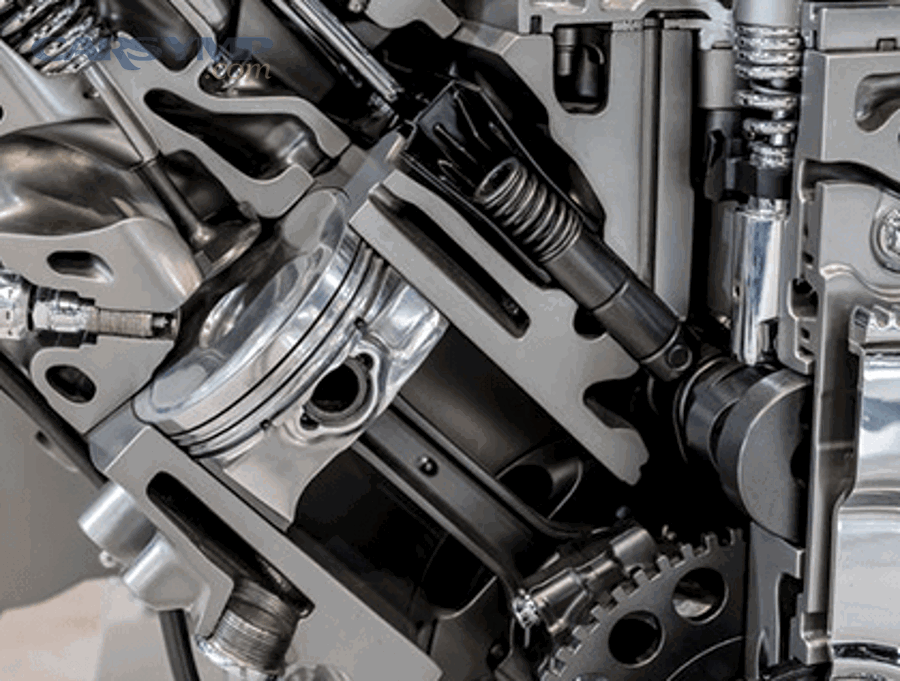
To better understand why this window is so critical, it helps to picture what is happening inside the engine at the microscopic level from the very first ride.
How Does the Engine Seat Itself During the Break-In Period?
Every new engine leaves the factory with components that have been precision-machined to tight tolerances, but “tight” does not mean “perfectly smooth.” Under magnification, the surfaces of piston rings and cylinder walls look more like a mountain range than a polished mirror. The break-in process is the controlled erosion of those peaks — rings press outward against the cylinder bore, and the two surfaces gradually conform to each other’s geometry as miles accumulate.
As this metal-on-metal contact occurs, tiny metallic particles shed into the engine oil. This is entirely normal and is actually the intended function of the factory-fill oil: to carry those particles away from contact surfaces and hold them in suspension until the first oil change flushes them out. The piston ring-to-cylinder wall relationship is the most consequential seating event in the entire process. When rings seat correctly, they form a near-perfect seal that maximizes compression, minimizes oil consumption, and reduces blow-by gases — the unwanted escape of combustion gases past the rings into the crankcase.
Bearings throughout the engine — connecting rod bearings, main bearings, and camshaft bearings — undergo the same micro-level conforming process. Heat, varying load, and changing RPMs all contribute to the proper distribution of wear across these surfaces, which is why sustained constant-speed riding actively works against the break-in process rather than supporting it.
Does a New Engine Really Need a Formal Break-In Period?
Yes, even modern engines require a formal break-in period, because the physical and thermal processes of component seating cannot be fully replicated on the factory floor regardless of how precise the machining is.
The argument against formal break-in usually points to advances in CNC machining, tighter manufacturing tolerances, and computer-controlled quality processes. These improvements are real, and they have shortened the break-in window compared to engines from 30 or 40 years ago. However, they have not eliminated the fundamental metallurgical reality that metal surfaces seat through controlled friction, and that process requires real-world load cycling, heat cycling, and varied RPM inputs to complete correctly. Manufacturer consensus across Honda, Kawasaki, Triumph, and Indian Motorcycle all confirm break-in periods ranging from 500 to 1,500 miles — and no major manufacturer has eliminated the recommendation entirely.
What Are the Key Rules to Follow During the First 500 Miles?
There are five foundational rules to follow during the first 500 miles: manage RPM and throttle carefully, vary your speed and load constantly, control engine heat, avoid sustained highway cruising, and use engine braking actively as a load-cycling tool.
Specifically, these rules work together as a system — violating one often undermines the benefit of following the others. Below is a breakdown of each principle in practical terms.
How Should You Manage RPM and Throttle in the First 500 Miles?
RPM and throttle management is the core discipline of engine break-in, and the rule that most riders struggle with most. The widely recommended guideline is to keep throttle below the ¾ position for the entire first 500–1,000 miles and to respect the RPM ceiling specified in your owner’s manual — which typically falls between 4,000 and 7,000 RPM depending on the engine type and displacement.
Critically, staying below the RPM ceiling does not mean staying at the RPM ceiling. Varying your engine speed constantly — accelerating moderately, decelerating, shifting through gears, and repeating — creates the varied load conditions that seat all internal components evenly. Brief excursions toward the upper rev limit for short periods are actually beneficial, as they press the rings firmly against the cylinder walls and help create an even seat across the full bore diameter. What is harmful is holding that RPM for extended periods, which generates sustained heat and risks creating uneven wear grooves rather than a smooth, uniform seat.
How Should You Vary Speed and Load on the Road?
Varying speed and load during break-in means deliberately seeking out riding conditions that require your engine to work across a range of outputs — and actively avoiding conditions that lock it into a single operating state.
Highway cruising at a constant 65 mph is one of the most common break-in mistakes precisely because it feels like responsible, gentle riding. In reality, maintaining a fixed speed in a high gear creates a single sustained load point on the bearings and rings, which produces uneven seating and can create wear grooves instead of the smooth, distributed surface the break-in process aims for. Twisty back roads, moderate hills, and routes with regular stop-and-go sections are far more effective because they naturally cycle the engine through acceleration, deceleration, compression, and varying throttle positions. Engine braking — downshifting instead of relying solely on the brakes to slow down — is a particularly effective technique because it applies a reversed load through the drivetrain, helping seat components from the opposite direction of the normal power stroke.
How Should You Manage Engine Heat During Break-In?
Managing engine heat during break-in means keeping the engine within its normal operating temperature range at all times, never allowing it to overheat, and never riding hard on a cold engine before it reaches full operating temperature.
New components have tighter clearances than worn ones, and when metal overheats it expands beyond its designed tolerances. Overheating during break-in can cause components to make contact in ways the engineering never intended, creating permanent damage before the engine has had a chance to seat correctly. The correct procedure is to start the engine, allow it to reach operating temperature — typically indicated by the temperature gauge settling into the normal range or the cooling fan cycling once — and only then begin riding. Extended idling, paradoxically, is not a good warm-up method because stationary idling generates heat without the airflow that removes it, especially in air-cooled engines. Keep rides in the first few hours on the shorter side, avoid stop-and-go traffic on very hot days, and give the engine time to cool between long sessions.
What Should You Avoid Doing During the Engine Break-In Period?
There are four critical behaviors to avoid during engine break-in: using full throttle, lugging the engine, holding a constant RPM for extended periods, and performing cold-start hard acceleration.
However, understanding why each of these behaviors is damaging — not just that they are prohibited — makes it far easier to apply the rules correctly in real-world riding situations.
Why Should You Never Use Full Throttle in the First 500 Miles?
Using full throttle before the engine is properly seated creates extreme heat and pressure spikes that force unseated components into contact under conditions far beyond what the break-in process is designed to handle.
When the throttle is pinned wide open on a new engine, the combustion pressure forcing the piston down the cylinder bore is at its maximum. Piston rings that have not yet conformed to the cylinder walls cannot create an effective seal under that pressure, which leads to blow-by — hot combustion gases escaping past the rings into the crankcase. This contaminates the oil, raises crankcase pressure, and causes accelerated wear on surfaces that were supposed to be seating gradually. Beyond the mechanical damage, wide-open throttle operation before ring seating is also grounds for manufacturers to deny warranty claims if subsequent teardown reveals signs of thermal overload or premature wear patterns consistent with improper break-in.
What Does “Lugging the Engine” Mean and Why Is It Harmful?
Lugging the engine means operating in a high gear at low RPM under significant load — for example, being in fifth gear at 25 mph while climbing a hill — and it is harmful because it places maximum stress on bearings, connecting rods, and piston rings before those surfaces have had the chance to seat and distribute load evenly.
When an engine is lugged, it must produce high torque output at low rotational speed. This creates very high cylinder pressure per power stroke and puts enormous stress on the connecting rod bearings and main bearings — surfaces that are still in the early stages of conforming to their respective journal surfaces. The oil film that normally protects these bearings depends on rotational speed to maintain its thickness; at low RPM under high load, that film thins out precisely when the load is at its highest. The practical rule is simple: if the engine feels like it is struggling or vibrating heavily in the current gear, downshift immediately. Never let the engine labor.
Is It Bad to Keep the Engine at a Constant RPM for Long Periods?
Yes, sustaining a constant RPM for extended periods during break-in is genuinely harmful, because it causes rings to seat unevenly — creating microscopic grooves at a fixed position in the bore rather than a smooth, uniform surface across the full cylinder wall.
This is the mechanical explanation behind the advice to avoid long highway stretches during break-in. When the piston reciprocates at a fixed stroke rate for miles at a time, the ring contacts the cylinder wall at the same point in its travel with the same force repeatedly. The result is a wear pattern concentrated at that single operating point rather than distributed evenly across the full bore. Engines broken in with excessive constant-speed cruising often show slightly higher oil consumption throughout their lives because the ring-to-bore seal is never quite as complete as it would have been with proper varied-load break-in. The corrective approach on unavoidable highway sections is to periodically vary your speed by 5–10 mph, shift up and down a gear, or use slight throttle variations to shift the operating load point.
When and Why Should You Change the Oil After the First 500 Miles?
The first oil change at 500–600 miles is the most critical scheduled maintenance action in the entire life of the engine, because by that point the oil is saturated with metal particles shed during the seating process and must be replaced before those particles cause abrasive damage to freshly seated surfaces.
More specifically, this oil change is not simply a routine service interval — it is the conclusion of the break-in process itself, and its timing is as important as everything that came before it.
What Is Factory Break-In Oil and Should You Keep It In Longer?
Factory break-in oil is a conventional or semi-synthetic blend selected specifically to allow controlled friction levels that facilitate proper component seating during the first few hundred miles of engine life, and it should not be kept in the engine beyond the 500–600 mile mark.
The slightly higher friction coefficient of conventional oil compared to full synthetic is intentional — it provides just enough resistance during ring-to-bore contact to promote even seating without generating the excessive heat that would come from running dry. As the break-in process progresses, the oil accumulates a growing concentration of metallic microparticles shed from seating surfaces. These particles are abrasive. The longer they circulate through the engine, the more secondary wear they cause on surfaces that are supposed to be finishing their seating process — not being scratched by debris. Changing the oil and filter at 500–600 miles removes this debris load and gives the freshly seated engine a clean lubricating environment to continue operating in.
Should You Switch to Full Synthetic Oil After the First Oil Change?
Yes, switching to full synthetic oil after the first break-in oil change is generally appropriate and recommended for most modern engines, but the timing of that switch matters and should be confirmed against the owner’s manual for your specific model.
Full synthetic oil offers superior thermal stability, better film strength at high temperatures, and longer service intervals compared to conventional oil — all of which benefit a properly seated engine. The reason for delaying the switch until after break-in is that full synthetic’s very low friction coefficient can, in theory, reduce the quality of ring seating if used from the start. Once seating is complete and the first oil change has been performed, those concerns no longer apply. Some manufacturers — particularly European performance brands — specify full synthetic from the first fill; others, including many Japanese manufacturers, recommend conventional or semi-synthetic through the break-in period before transitioning. The owner’s manual is the authoritative source on this decision for your specific engine.
What Does a Proper Break-In Schedule Look Like Mile by Mile?
A proper break-in schedule follows three distinct phases across the first 500 miles: a conservative initial phase from 0–150 miles focused on gentle familiarization, a progressive middle phase from 150–500 miles with gradually increasing demands, and a first-service checkpoint at 500 miles that formally concludes the break-in process.
The table below summarizes the key parameters for each phase to give you a clear, at-a-glance reference before diving into the detail of each stage.
| Phase | Mileage | RPM Guideline | Throttle Limit | Key Focus |
|---|---|---|---|---|
| Phase 1 | 0–150 miles | Stay below manufacturer’s initial ceiling (often 4,000–5,000 RPM) | Max ½ throttle | Warm-up discipline, gentle acceleration, inspection |
| Phase 2 | 150–500 miles | Gradually increase toward ¾ of redline | Max ¾ throttle | Varied load, moderate hills, controlled bursts |
| Phase 3 | 500-mile service | Full RPM range permissible after service | Full throttle acceptable | Oil change, full inspection, normal operation begins |
What Should You Do in the First 0–150 Miles?
The first 150 miles are the most conservative phase of the break-in period, requiring the lowest RPM ceiling, the shortest individual ride durations, and the greatest attention to warm-up procedure before any demanding riding begins.
During this phase, the primary goal is twofold: allow the engine’s most critical surfaces — piston rings, cylinder walls, and bearings — to begin their initial seating under low stress, and allow yourself as a rider to become familiar with how the new machine handles before pushing it in any direction. Keep individual rides to 30–45 minutes in the early sessions to avoid heat buildup, and always allow a full warm-up before riding in traffic or on inclines. After the first two or three rides, conduct a basic inspection: check for any oil leaks around gaskets and drain plugs, verify that no fasteners on the engine or chassis have vibrated loose, and confirm that the throttle and clutch cables operate smoothly without sticking.
How Should You Ride From Miles 150 to 500?
From miles 150 to 500, gradually increase ride duration, raise the RPM ceiling in small increments, and introduce moderate load through hills, curves, and controlled acceleration bursts — while continuing to vary RPMs constantly and avoiding sustained high-speed cruising.
This is the most active and productive phase of the break-in process. The rings are partially seated from the first phase, and they now benefit from being pressed more firmly against the bore under moderate load to complete their conforming process. Seek out roads with elevation changes, sweeping curves, and regular direction changes. Accelerate to mid-range RPM, hold briefly, then decelerate using engine braking — then repeat. Short bursts toward the upper RPM range are beneficial during this phase, provided they are brief and not sustained. By the time 500 miles appear on the odometer, most of the critical seating will be functionally complete, and the engine will already feel noticeably smoother and more responsive than it did in the first 50 miles.
What Happens at the 500-Mile Service Checkpoint?
The 500-mile service checkpoint marks the formal end of the break-in period and consists of an oil and filter change, a comprehensive mechanical inspection, and the transition to normal operating parameters across all systems.
This service is the most important single maintenance event in the engine’s life. The oil change removes the accumulated metallic debris from the seating process and replaces the factory break-in oil with fresh lubricant — either a quality conventional, semi-synthetic, or full synthetic blend depending on manufacturer guidance. Beyond the oil change, a thorough inspection should cover the following items:
- Chain slack (motorcycles): verify tension is within manufacturer specification after initial chain stretch
- Axle nuts and wheel fasteners: re-torque to specification after initial settling
- Throttle and clutch cables: check for free play and smooth operation
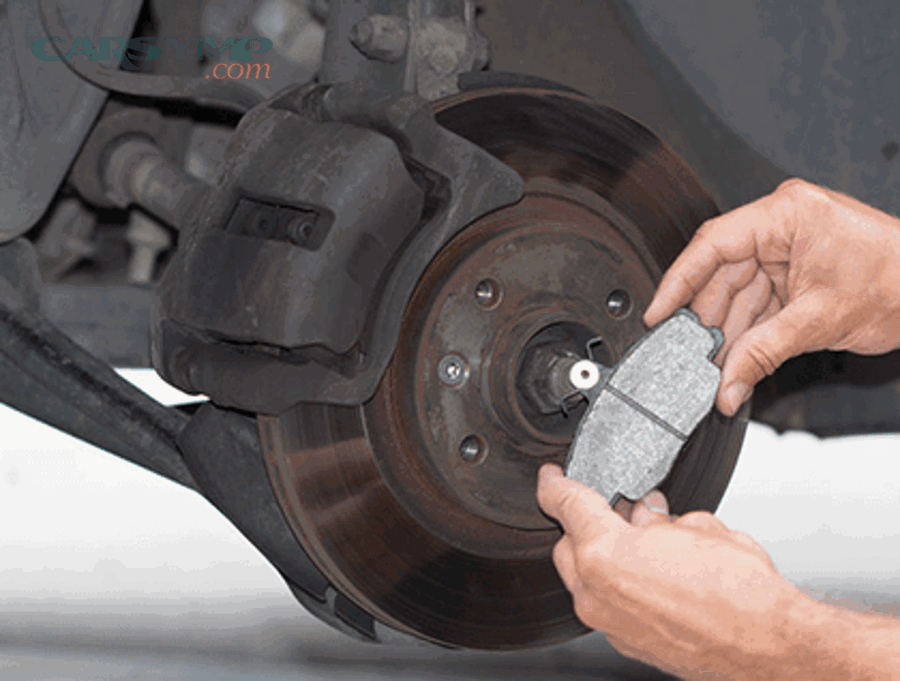
- Brake fluid: inspect level and check for air in the system; new brake pads also need the first 200–250 miles to fully mate with rotors
- Coolant level (water-cooled engines): top up if needed after initial thermal cycling
- All fluid levels: engine oil, brake fluid, clutch fluid (if hydraulic)
After this service is completed and all systems are confirmed in specification, the engine can be operated across its full RPM range and throttle range without restriction.
Does the “Ride It Hard” Break-In Method Actually Work — Or Is It a Myth?
The “ride it hard” break-in method produces acceptable results under very specific conditions but is not superior to the structured factory method for production street engines, and the persistent popularity of the hard break-in theory stems largely from a misapplication of race engine protocols to street engine contexts.

In addition, understanding the specific mechanical situations where harder break-in genuinely applies — versus where it creates unnecessary risk — clarifies why this debate has persisted for decades without a clean resolution.
What Is the Difference Between Breaking In a Production Engine and a Race Engine?
A production engine is built for marathon longevity across tens of thousands of miles, while a race engine is built for maximum sprint performance across a single season before being rebuilt — and these fundamentally different design goals make race break-in protocols inapplicable to street engines.
Race motors operate at sustained redline RPMs, run on specially formulated fuels, use close-clearance components that require deliberate high-load cycling to seat quickly, and are torn down and inspected after every event season. When a race team uses an aggressive break-in protocol — including dyno runs at high load from an early stage — they are doing so with the knowledge that the engine will be rebuilt within months regardless of the outcome. Applying that same logic to a street engine that is expected to deliver 60,000 miles of reliable service introduces unnecessary risk for no meaningful reward. The Nikasil cylinder bore treatment used in many high-performance European engines is a particular case where aggressive early break-in is sometimes specifically recommended — but this applies to the first 10–20 miles of Nikasil break-in, not as a blanket license to rev the engine hard from day one.
How Does Break-In Procedure Differ Between Motorcycles, Cars, and Other Powersports?
Motorcycles require more attentive break-in management than cars primarily because air-cooled engines lack the thermal regulation that water cooling provides, while cars benefit from computer-managed fueling and cooling systems that reduce the sensitivity of the break-in window, and powersports vehicles like snowmobiles and boats face unique seasonal and operational constraints that change how break-in is approached.
For motorcycles, the distinction between air-cooled and water-cooled engines is significant during break-in. Air-cooled engines — common in cruisers and classic bikes — rely entirely on airflow over the cylinder fins to regulate temperature. Stop-and-go city traffic, extended idling, and very hot ambient temperatures all raise the risk of overheating during break-in in air-cooled applications. Water-cooled motorcycle engines behave more like automobile engines in this respect and tolerate moderate traffic conditions better. For cars, the break-in principles are identical — varied load, avoided constant speed, first oil change at 500–1,000 miles — but the consequences of imperfect break-in are somewhat less severe because four-wheeled vehicles rarely operate near redline in normal use. For seasonal-use engines such as snowmobiles and marine outboards, the unique consideration is that break-in may span multiple use seasons if the vehicle is stored before the mileage threshold is reached; in these cases, the first oil change should be performed at the end of the first use season regardless of mileage.
When considering long-term maintenance beyond break-in, tire replacement becomes relevant as part of the broader service lifecycle — and the choice between all-season, performance, and winter tires will influence how the bike or vehicle handles in the years following break-in. Inspecting tires for Tire age and dry rot signs is especially important on vehicles that have been stored during or after the break-in period, as rubber degradation can compromise safety independent of tread depth.
Can a Poorly Broken-In Engine Be “Re-Broken-In” or Is the Damage Permanent?
A poorly broken-in engine cannot be fully re-broken-in through riding alone, because the ring-to-bore seating pattern established in the first 500 miles is largely permanent — however, the severity of the long-term consequence depends on how significantly the break-in protocol was violated.
An engine that was ridden too hard too early will often show elevated oil consumption as its most visible symptom, because rings that did not seat evenly allow more oil to slip past into the combustion chamber. Reduced compression on a cylinder pressure test is another indicator. In cases of severe blow-by or measurable compression loss, a professional engine rebuild that includes cylinder honing and new piston rings can functionally re-set the break-in opportunity — but this is an expensive correction to an avoidable problem. For engines that were moderately over-revved during break-in without extreme heat events, the damage is usually limited, and subsequent careful operation with high-quality oil and regular service intervals can minimize further degradation. The practical takeaway is that the break-in window matters far more than most owners realize, and there is no reliable shortcut to undo a rushed start.
How Does the Break-In Period Affect Your Warranty and Long-Term Engine Reliability?
The break-in period directly affects warranty validity because manufacturers build break-in compliance expectations into their warranty language, and dealers can — and do — assess oil condition and engine wear patterns at the first service to evaluate whether the engine was treated correctly.
Most manufacturer warranties contain language requiring owners to follow the break-in procedures specified in the owner’s manual as a condition of warranty coverage. In practice, proving that a specific break-in violation caused a particular failure is difficult for manufacturers to do conclusively — but a first-service oil sample that is saturated with an abnormal volume of metallic particles, or a teardown that reveals heat damage or uneven ring wear, gives dealers grounds to flag an improper break-in. Beyond the warranty dimension, the long-term reliability data strongly favors correctly broken-in engines: lower oil consumption, stronger compression retention over time, better fuel efficiency, and reduced emissions output across the engine’s service life. According to engine durability research cited by the Society of Automotive Engineers, piston ring seating quality during the initial break-in phase is one of the strongest predictors of long-term compression retention and oil consumption behavior throughout the engine’s operational lifespan.
Breaking in a new engine correctly requires patience, deliberate riding habits, and respect for the mechanical processes happening inside the engine during those critical first 500 miles. Follow a structured phase-by-phase schedule, vary your RPMs constantly, keep throttle input measured, manage heat carefully, and treat the 500-mile oil change as the non-negotiable milestone it is. The riders and drivers who invest that patience into the break-in process consistently get more power, better efficiency, fewer repairs, and a longer-lived engine in return — making the first 500 miles the most valuable miles you will ever put on a new engine.