


When you get a tire quote, the number staring back at you is rarely what you’ll actually pay at the register. A tire quote is an itemized estimate that breaks down the cost of tires plus every service and fee required to get them mounted, balanced, and road-ready on your vehicle. Understanding how to read that quote — line by line — is the single most effective way to avoid surprise charges and walk out of the shop confident you paid a fair price.
Most drivers focus only on the tire price itself, but the real cost is hidden in the additional line items: mounting, balancing, TPMS resets, disposal fees, shop supply charges, and taxes. Each of these is legitimate in principle, but knowing what each one means, what it should cost, and whether it is truly required gives you the power to ask the right questions before you approve the work.
Beyond the fee structure, knowing how to verify that the tire listed on your quote is actually the right tire for your vehicle is equally important. The size code, load index, and speed rating printed on your current tire’s sidewall should match — or exceed — the specifications on the quote. A cheaper tire that carries a lower load index than your vehicle requires is not a deal; it is a safety compromise.
Comparing quotes across multiple shops adds another layer of complexity, because shops structure their fees differently. A shop advertising a lower per-tire price can easily end up costing you more once fees are added. To avoid that trap, the sections below walk through every component of a tire quote, every charge you might encounter, and exactly how to compare totals across shops so you always know what you are really agreeing to pay.
What Is a Tire Quote and What Does It Include?
A tire quote is a structured, itemized estimate — provided by a tire retailer or service center — that lists the cost of the selected tires plus every associated installation service and fee before you commit to the purchase.
To better understand it, think of a tire quote the same way you would a restaurant bill: the menu price of a dish is just one line, and the total at the bottom reflects tax, service, and any add-ons you agreed to. The tire price is the menu item. Everything else is what converts that price into the real amount leaving your wallet.
What Is the Difference Between the Tire Price and the Out-the-Door Price?
The tire price is the per-unit cost of the tire itself — the number most commonly advertised online or on a shop’s website. The out-the-door price is the total amount you will actually pay once every fee, service charge, and tax has been added.
The gap between these two figures can be significant. Consider this real-world breakdown for a set of four tires advertised at $120 each:
The table below shows a typical example of how a $120 advertised tire price becomes a much larger out-the-door total after standard fees are added:
| Line Item | Per Tire | For 4 Tires |
|---|---|---|
| Tire price | $120.00 | $480.00 |
| Mounting fee | $15.00 | $60.00 |
| Balancing fee | $12.00 | $48.00 |
| TPMS reset | $8.00 | $32.00 |
| Tire disposal fee | $4.00 | $16.00 |
| Shop supply fee | — | $12.00 |
| Sales tax (8%) | — | $51.84 |
| Out-the-door total | $699.84 |
That is nearly $220 more than the advertised price for four tires — a difference of almost 46%. Drivers who compare shops based on the advertised tire price alone are not making an accurate comparison.
What Information Appears on a Tire Quote?
A properly structured tire quote includes several key sections that together give you a complete picture of the transaction.
At the top, you will typically find the shop name, address, and the date the quote was generated. Below that is a vehicle information section — year, make, model, and sometimes the VIN — confirming the quote is specific to your car. The core of the document lists the selected tire’s brand, model name, size code, and quantity, followed by the per-unit price.
Below the tire line, each service appears as its own line item with a corresponding charge. After all services are listed, a subtotal appears, followed by any applicable taxes, and then the out-the-door total at the bottom. Some quotes also include an expiration date, because tire prices and availability can change. If you receive a quote online and plan to bring it to a shop, check whether the price is honored in-store and for how long — many shops, such as Tires Plus, allow you to bring a printed quote to pay in person.
Before you accept any quote, cross-reference the tire size listed against the sticker in your driver’s door jamb or your owner’s manual to confirm the spec matches your vehicle’s requirements. This is especially relevant when considering tire replacement, where matching the OEM specification protects both safety and performance.
What Are the Standard Fees on a Tire Quote?
There are five standard fees on a tire quote that appear across virtually every shop: mounting, balancing, tire disposal, TPMS reset, and sales tax — each representing a legitimate service or regulatory requirement.
Specifically, understanding what each of these fees covers helps you confirm you are being charged a fair market rate rather than an inflated one. The sections below explain each fee individually.
What Is a Tire Mounting and Installation Fee?
Mounting is the labor-intensive process of removing your old tire from the wheel rim and pressing the new tire onto it — a task that requires specialized equipment and trained technicians.
This fee is always charged per tire, not per axle or per vehicle. On a standard passenger car, mounting typically costs between $10 and $20 per tire. For low-profile performance tires, run-flat tires, or large-diameter truck and SUV tires, that fee can rise to $25–$45 per tire due to the additional complexity and handling required. When you receive a quote, confirm that the mounting fee is listed per tire and that the quantity matches the number of tires you are purchasing.
What Is a Tire Balancing Fee and Is It Always Necessary?
Yes, tire balancing is always necessary when installing new tires. Balancing is the process of equalizing the weight distribution around the entire wheel-and-tire assembly so it spins without vibration at highway speeds.
Even brand-new tires have microscopic weight variations from the manufacturing process. Without balancing, those variations cause the wheel to wobble at certain speeds, which leads to vibration felt through the steering wheel, uneven tread wear across the tire surface, and premature wear on suspension components. This is particularly relevant during the break-in period — the first 500 miles on new tires — when proper balancing helps the tread settle and seat evenly. Balancing typically costs $10–$15 per tire and should always be included in a complete installation quote.
What Is a Tire Disposal or Recycling Fee?
A tire disposal fee is the charge a shop collects to cover the legal, regulated removal and recycling of your old tires after installation.
Used tires cannot be placed in regular waste streams. Shops are required to use licensed recyclers who shred, grind, or repurpose old rubber into products like playground surfaces, athletic tracks, and road construction materials. This fee typically ranges from $2 to $5 per tire. In some states, a separate government-mandated environmental tire fee is collected on top of the shop’s own disposal charge — these two are distinct and both may appear on your quote. Neither is negotiable, and neither represents shop profit; they cover a real, regulated disposal process.
What Is a TPMS Reset Fee and When Does It Apply?
A TPMS reset fee applies when your vehicle is equipped with a Tire Pressure Monitoring System — which has been federally required on all new U.S. passenger vehicles since 2008 — and the sensors require recalibration after new tires are installed.
When a technician removes your old tires and mounts new ones, the TPMS sensors inside the wheels can lose their calibration signal. A reset reprograms the system to recognize the new tires and resume accurate pressure monitoring. This fee typically ranges from $5 to $15 per tire. However, not every vehicle requires a paid reset — some systems recalibrate automatically after driving a short distance. Before agreeing to a TPMS reset charge, ask the technician whether your specific vehicle requires a manual reset or whether it self-calibrates.
Which Charges on a Tire Quote Are Hidden or Optional?
There are three charges on a tire quote that are legitimate but frequently surprising: the shop supply fee, the road hazard protection charge, and alignment-related upsells — and not all of them are mandatory.
More specifically, knowing which charges you can decline — and which are non-negotiable — gives you meaningful control over the final total before you sign off on the work.
What Is a Shop Supply Fee on a Tire Quote?
A shop supply fee is a percentage-based or flat charge that covers the consumable materials a technician uses during your service — items like valve stems, tire lubricant, bead sealer, cleaning solvents, and similar supplies that are not individually itemized on the invoice.
This fee is common across the automotive service industry and is generally considered legitimate. It is typically calculated as a percentage of the labor total, often around 7%, with a cap — for example, Tires Plus charges a shop supply fee of 7% of labor cost, capped at $30, on invoices over $35. While the fee itself is standard, the rate can vary significantly between shops. It is worth asking upfront how the fee is calculated and whether it is capped, so you are not surprised by a large percentage applied to a high-labor installation.
What Is a Road Hazard Protection Charge and Do You Need It?
Whether you need road hazard protection depends on three factors: how long you plan to keep the tires, the road conditions you regularly drive on, and whether you already have equivalent coverage elsewhere.
Road hazard protection is an optional warranty add-on that covers tire repair or replacement if your new tires are damaged by a nail, pothole, road debris, or similar hazard during normal driving. It typically appears as a one-time per-tire charge on the quote, ranging from $10 to $25 per tire depending on the shop and tire price. If you drive frequently on rural roads, construction zones, or pothole-heavy urban streets, the protection can easily pay for itself after a single incident. However, if your vehicle’s manufacturer warranty, your credit card’s purchase protection, or your auto insurance already includes tire coverage, you may be paying for duplicate protection. Always check your existing coverage before adding this line item.
Can You Refuse Any Fees on a Tire Quote?
Yes, you can refuse certain fees — specifically the optional ones — but mandatory fees required by law or essential to safe installation cannot be waived.
The table below provides a straightforward reference for which fees are required and which are at the customer’s discretion:
| Fee | Required or Optional? | Can You Decline? |
|---|---|---|
| Tire mounting | Required | No |
| Tire balancing | Required (recommended) | Technically yes, not advised |
| Tire disposal fee | Required | No |
| State-mandated tire fee | Required by law | No |
| Sales tax | Required by law | No |
| TPMS reset | Vehicle-dependent | Yes, if self-calibrating |
| Shop supply fee | Shop policy | Ask — sometimes negotiable |
| Road hazard warranty | Optional | Yes |
| Alignment check/upsell | Optional | Yes |
When declining optional fees, be direct and specific: tell the service advisor you understand what the item covers and you are choosing not to add it today. A reputable shop will remove it without pressure.
How Do You Verify the Tire Listed on Your Quote Is Correct for Your Vehicle?
You verify the tire on your quote by checking that the size code, load index, and speed rating listed on the quote match or exceed the specifications shown on the sticker in your driver’s door jamb or in your owner’s manual.
This step is especially critical during tire replacement because installing a tire with lower load capacity or a lower speed rating than your vehicle’s OEM specification is a safety risk — even if the tire physically fits on the rim. Let’s explore each specification individually.
How Do You Read the Tire Size Code on Your Sidewall?
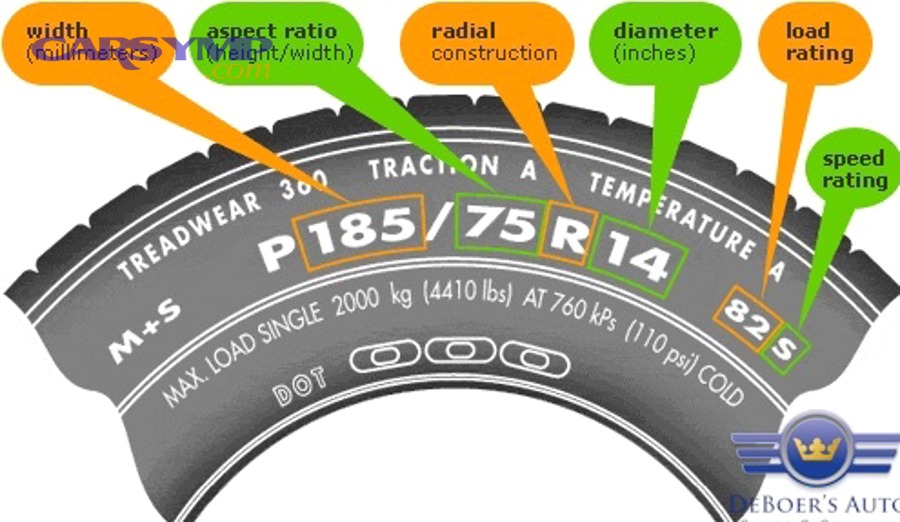
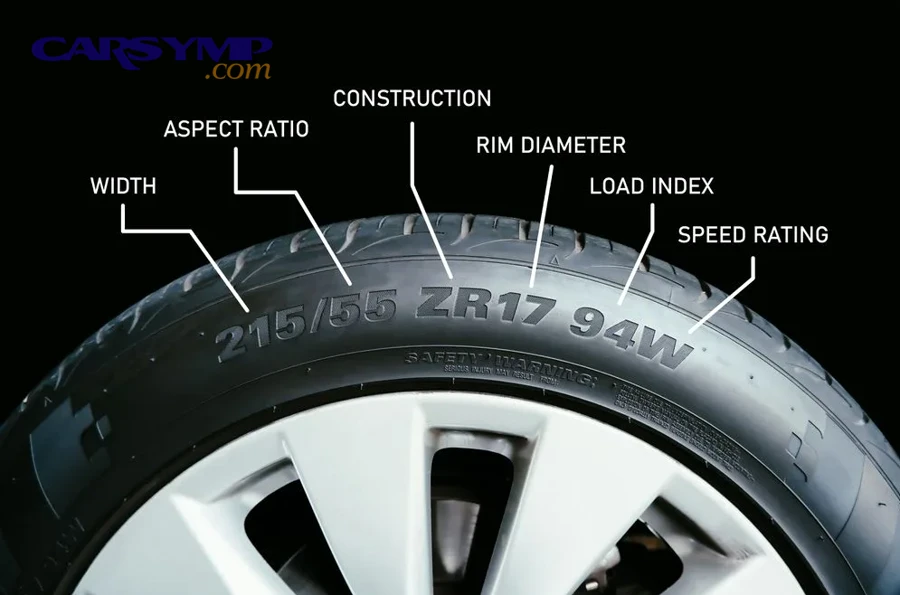
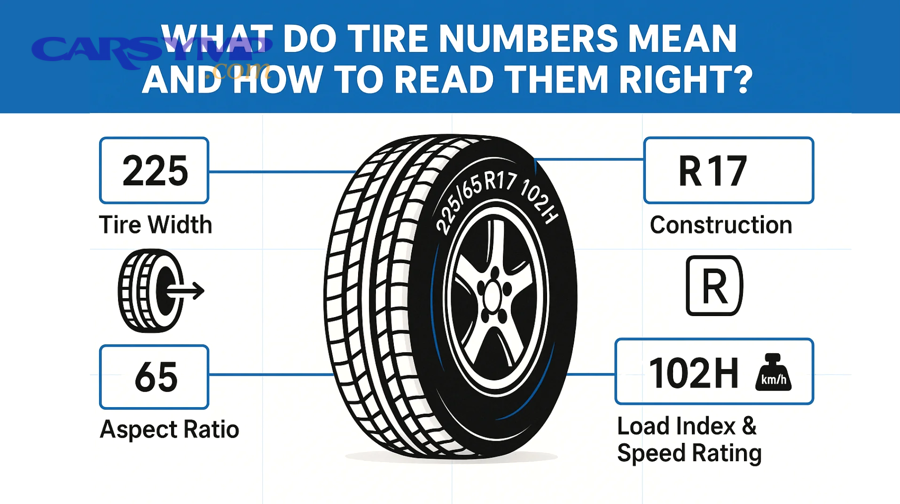
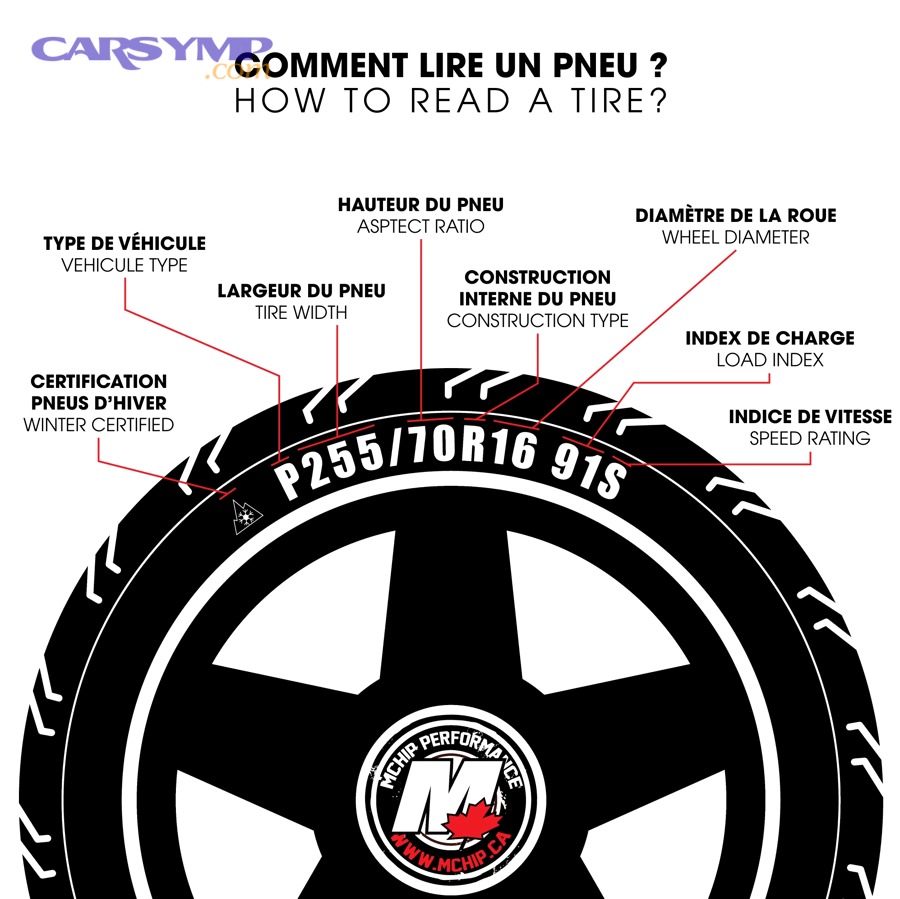
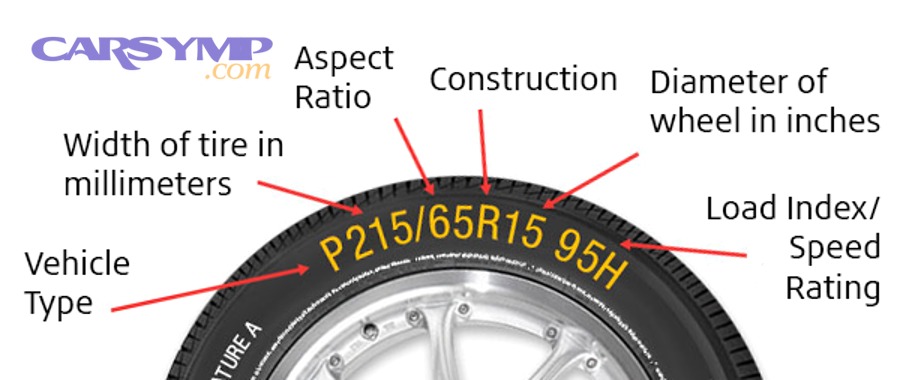
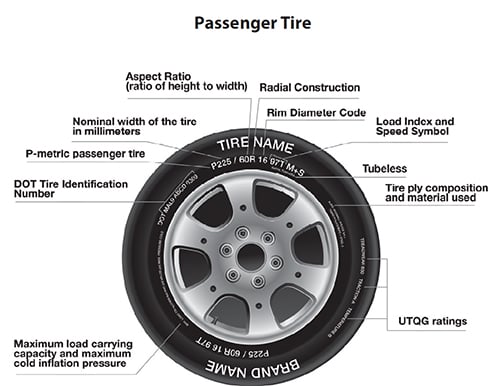
The tire size code is the alphanumeric string molded into the tire’s sidewall — for example, P215/65R16 — and each segment carries a specific meaning that directly affects whether a tire is appropriate for your vehicle.
Here is what each part of that code means:
- P — Service type: “P” stands for passenger car. “LT” indicates light truck. Euro-metric tires omit this letter entirely.
- 215 — Section width in millimeters: the width of the tire from sidewall to sidewall.
- 65 — Aspect ratio: the sidewall height expressed as a percentage of the section width. A ratio of 65 means the sidewall height is 65% of 215mm. Lower numbers (50 or below) indicate a shorter sidewall, typical of performance tires.
- R — Construction type: “R” stands for radial, the industry standard for passenger vehicles for over 25 years.
- 16 — Rim diameter in inches: the wheel size the tire is designed to fit.
When reading your tire quote, confirm that all five components of the size code on the quote match your vehicle’s door jamb sticker exactly. If your shop is recommending a different size as part of an upgrade or substitution, ask them to explain why and confirm the change is compatible before proceeding.
What Do the Load Index and Speed Rating Mean on a Tire Quote?
The load index is a numeric value assigned to each tire that corresponds to a specific maximum weight capacity per tire, while the speed rating is a letter that indicates the maximum sustained speed the tire can safely handle.
For example, a tire listed on your quote as 94H carries a load index of 94 — meaning each tire can support up to 1,477 lbs — and a speed rating of H, meaning it is rated for sustained speeds up to 130 mph. If your vehicle came equipped with tires rated 94V (rated to 149 mph), downgrading to H-rated tires on a vehicle capable of higher speeds is not an appropriate substitution, even if the load index matches.
According to guidance from the National Highway Traffic Safety Administration (NHTSA), drivers should always replace tires with ones that meet or exceed the load and speed ratings specified in the vehicle manufacturer’s documentation, because under-rated tires can experience structural failure under conditions they were not designed to handle.
When mixing tire brands and tread patterns — for instance, replacing only two tires rather than a full set — the load index and speed rating of the new tires must match the remaining tires on the vehicle. Mixing tire brands and tread patterns risks handling imbalance, particularly in wet or emergency braking conditions, if the load and speed ratings differ between axles.
How Do You Compare Tire Quotes From Different Shops?
You compare tire quotes accurately by requesting the out-the-door total from each shop for the exact same tire brand, model, size, and quantity — and then comparing fee lines individually to understand where price differences originate.
However, getting to a true apples-to-apples comparison requires a methodical approach. The section below provides a structured checklist and a real-world example that illustrates why the advertised price is the least reliable number for comparison.
What Should You Look for When Comparing Two Tire Quotes Side by Side?
When comparing tire quotes, there are seven elements you should verify are identical — or directly comparable — across every quote you are evaluating.
Use the following checklist before making a final decision:
- Tire brand, model, and size — The exact same tire must be quoted. A different brand at a lower price is a different product, not a better deal on the same tire.
- Quantity — Confirm all quotes cover the same number of tires (typically four for a full replacement set).
- Mounting fee — Compare per-tire cost across shops.
- Balancing fee — Some shops bundle mounting and balancing; others list them separately. Add them together for comparison.
- TPMS reset — Check whether each shop is charging this and whether your vehicle actually requires it.
- Disposal fee — Compare per-tire rates; note whether a state-mandated fee is also included.
- Warranty terms — A quote with a road hazard warranty included at no extra charge is genuinely more valuable than one without it, even if the base price is slightly higher.
Once you have normalized all seven elements, compare the out-the-door totals. That final number — taxes, fees, and all — is the only figure that tells you which shop is actually offering the better deal.
Does a Lower Tire Price Always Mean a Better Deal?
No, a lower advertised tire price does not always mean a better deal, because shops with lower per-tire prices often recover that margin through higher installation fees, inflated shop supply charges, or mandatory add-ons.
Consider this scenario comparing two shops quoting the same tire for a set of four:
| Line Item | Shop A | Shop B |
|---|---|---|
| Tire price (per tire) | $105 | $120 |
| Tire subtotal (×4) | $420 | $480 |
| Mounting + balancing (×4) | $120 | $80 |
| TPMS reset (×4) | $48 | $20 |
| Disposal fee (×4) | $24 | $16 |
| Shop supply fee | $18 | $10 |
| Sales tax (8%) | $50.40 | $48.48 |
| Out-the-door total | $680.40 | $654.48 |
Shop A advertises a tire price $15 lower per tire — a $60 savings on four tires — yet ends up costing $25.92 more once all fees are included. This scenario is more common than most drivers realize, and it is the primary reason why comparing tire quotes requires looking at every line, not just the headline number.
What Else Can Affect the Total Cost on a Tire Quote?
Beyond standard fees, four additional factors can raise the total on your tire quote: state-mandated environmental fees, studded tire surcharges, fleet pricing structures, and discrepancies between the quoted estimate and the final invoice at pickup.
These factors tend to appear in specific circumstances — particular states, vehicle types, or commercial accounts — but every driver should understand them before finalizing a purchase.
Are There State-Mandated Tire Fees That Must Appear on Your Quote?
Yes, several U.S. states legally require tire retailers to collect a per-tire environmental or recycling fee that is separate from the shop’s own disposal charge — and this fee is non-negotiable.
For example, in Washington State, the Department of Revenue mandates that tire sellers collect a fee on every new replacement vehicle tire sold. As of January 1, 2026, that fee is $4.75 per new tire. Studded tires carry an additional $4.50 studded tire fee. These amounts are set by state law under RCW 70A.205.405, and sellers are personally liable if they fail to collect and remit them. When this fee appears on your quote as a separate line item — distinct from the shop’s own disposal charge — it is legally required and cannot be waived regardless of the shop or the customer’s preference.
What Is a Studded Tire Fee and When Does It Apply?
A studded tire fee is a regulatory surcharge applied specifically to tires equipped with metal studs, which are permitted in certain northern and mountain states during winter months to improve traction on ice.
Studded tires are subject to additional fees because the metal pins cause measurable damage to road surfaces, generating higher infrastructure maintenance costs that the surcharge is intended to offset. In states like Washington, Alaska, and several others where studded tires are permitted seasonally, this fee appears as a separate line item on the quote — on top of both the tire price and the standard disposal fee. If you live in a state where studded tires are not permitted (most southern and mid-Atlantic states ban them entirely), this charge should never appear on your quote, and its presence would be an error worth questioning.
Knowing When to replace tires matters doubly in regions where studded tires are used, because driving studded tires past their legal season or on bare pavement accelerates both the road damage and the tire’s own wear pattern, shortening its usable life.
How Does a Tire Quote Work for Fleet or Commercial Vehicles?
Fleet tire quotes operate under a fundamentally different pricing structure than consumer retail quotes, typically involving volume-based per-unit pricing, negotiated service bundles, and contract terms established between the business and a preferred tire vendor.
For a small business owner managing four or more commercial vehicles, the per-tire price is usually lower than retail because the volume of tires purchased annually gives the buyer negotiating leverage. Individual fees — mounting, balancing, TPMS resets — are often bundled into a per-tire service rate rather than broken out as separate line items. Some fleet agreements waive disposal fees entirely or roll them into the annual contract cost. If you manage a fleet and are receiving consumer-style quotes with full retail fee structures, it is worth requesting a commercial account review, as most major tire retailers offer dedicated fleet pricing programs.
What Is the Difference Between an Estimate and a Final Tire Invoice?
A tire quote or estimate is a good-faith projection of cost based on the information available at the time — but it is not always a binding final price, and the actual invoice can differ under specific circumstances.
The most common reasons a final invoice exceeds the original quote include: discovery of a damaged TPMS sensor that requires full replacement (not just a reset), a valve stem that cannot be reused and must be replaced, or a wheel with corrosion that requires extra labor to properly seat the tire. Reputable shops will contact you before performing any work that falls outside the original quote. To protect yourself, ask the shop before you leave whether the quoted price is a firm estimate and under what conditions it could change. Getting that confirmation in writing — even as a text message or email — gives you a reference point if the final invoice comes back higher than expected.
Understanding the difference between a quote and an invoice is the final step in fully knowing how to read a tire quote from first line to last. Combined with knowing every fee, verifying your tire specifications, and comparing out-the-door totals across shops, this knowledge ensures that tire replacement never catches you off guard — financially or mechanically.