


Most homeowners reach a point where the same leak keeps coming back no matter how many times they patch it. Stopping the cycle of patching and committing to a rebuild is the right decision when the underlying system has deteriorated beyond what surface repairs can fix — when damage is widespread, structural integrity is compromised, or repair costs are accumulating faster than the fix holds. Knowing exactly when that threshold has been crossed is the difference between protecting your home and throwing money at a problem that will never truly go away.
The financial calculus matters here as much as the structural one. Every patch job carries a price tag, and when those costs add up over months or years, many homeowners discover they have already spent enough to have funded a full rebuild. Understanding the cost comparison between repeated leak repairs and a one-time rebuild investment gives you a clearer view of when the smarter financial move shifts from “fix it again” to “rebuild it right.”
Beyond money, there is a safety dimension that often goes underestimated. Water that is allowed to migrate through a structure does not stay in one place — it travels through insulation, soaks into decking, reaches framing, and eventually threatens the structural integrity of the entire system. Recognizing the severity of damage caused by delayed action turns this from a financial question into a safety imperative.
Finally, knowing how much of this assessment you can do yourself versus what requires a professional eye is critical before you sign any contract. Below, this guide walks through every layer of the rebuild decision — from the first warning signs to the final call — so you can act with confidence rather than uncertainty.
What Does It Mean to “Stop Patching” and Commit to a Rebuild?
A rebuild is a systemic, permanent restoration of a failing structure or mechanical system, while patching is a localized, reactive fix that targets the visible symptom of a leak without addressing the condition of the surrounding system. Understanding this distinction is the foundational step in making the right call.
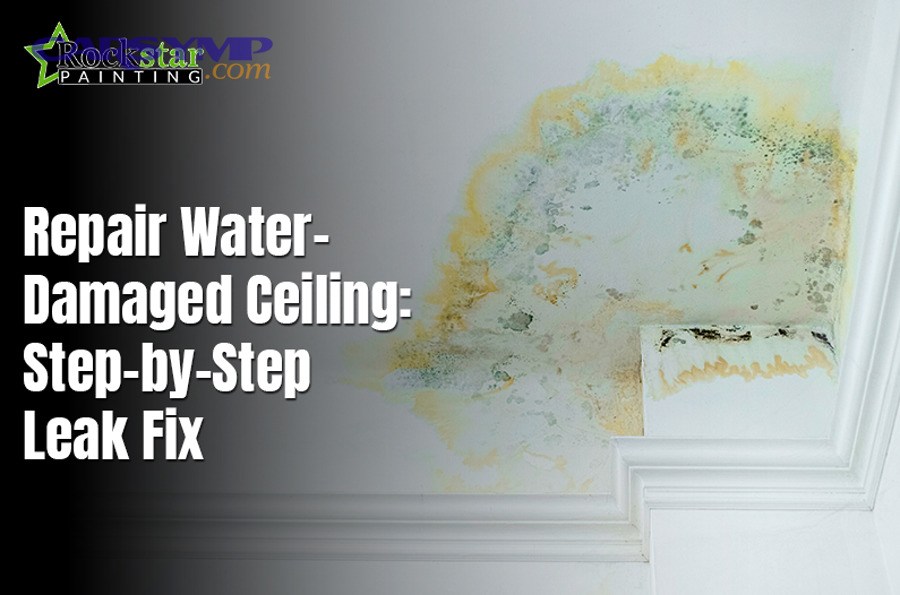
Specifically, the confusion between these two approaches leads many homeowners into years of unnecessary spending. A patch addresses the place where water is currently entering; a rebuild addresses why the entire system can no longer reliably keep water out.
What Is the Difference Between a Leak Repair and a Full Rebuild?
A leak repair is a targeted intervention on one component — a cracked shingle, a failed seal, a loose flashing joint. A full rebuild involves removing and replacing the system comprehensively, restoring it to full structural and functional integrity from the ground up.
To make this distinction concrete, consider a roof scenario:
| Action | Scope | Cost Range | Lifespan Added |
|---|---|---|---|
| Patch single shingle | 1–2 sq ft | $150–$400 | 1–3 years |
| Replace flashing | Isolated joint | $200–$500 | 3–7 years |
| Full roof rebuild | Entire surface + decking | $6,000–$15,000 | 20–30 years |
The table above illustrates why the same leak in different contexts can justify completely different responses. A patch on a 3-year-old roof with one damaged shingle is entirely reasonable. That same patch on a 22-year-old roof showing granule loss, multiple soft spots, and recurring interior staining is a temporary delay of an inevitable rebuild.
Is Fixing a Leak Always a Temporary Solution?
No — fixing a leak is not always temporary. When a system is relatively young, the damage is isolated to one component, and the surrounding materials are structurally sound, a well-executed repair can genuinely solve the problem for years. However, when the system is aging, when the root cause is material fatigue rather than isolated damage, and when leaks have already appeared in multiple locations, patching becomes temporary by definition.
The honest answer hinges on one question: is the leak a symptom of one failed part, or is it a symptom of a system in decline? When it is the latter, every patch is simply buying time until the next failure arrives — often in a slightly different location than the last one.
What Are the Key Warning Signs That Patching Leaks Is No Longer Enough?
There are four primary categories of warning signs that patching leaks is no longer sufficient: recurrence frequency, structural damage indicators, system age relative to lifespan benchmarks, and the type and location of the leak itself.
To better understand how these signals work in practice, each one deserves detailed examination — because missing even one of them can lead to a costly decision made too late.

How Many Times Should a Leak Recur Before You Consider a Rebuild?
Two to three recurrences of a leak in the same location within a 12-to-24-month window is the practical threshold that signals a rebuild should be seriously evaluated. When repairs are not holding, the structural conditions causing the leak are almost certainly getting worse with each rain cycle.
This pattern is sometimes called “chasing leaks” — the homeowner fixes one spot, then another appears nearby, then another. What looks like a series of unrelated small problems is typically a single systemic problem expressing itself in multiple locations. transmission leak repair follows exactly the same logic in mechanical systems: when one seal fails and another follows shortly after, the problem is usually internal pressure, worn gaskets throughout, or fluid degradation — not just one bad part.
- Two or more repairs to the same location within 12 months: evaluate rebuild
- Three or more distinct leak points appearing across the system within 24 months: rebuild is strongly indicated
- Any repair that fails within 90 days of completion: investigate systemic cause immediately
What Structural Damage Signs Indicate a Rebuild Is Necessary?
Structural damage signs that indicate a rebuild is necessary include sagging or soft areas in the roof deck, visible daylight through the structure, rotted or warped framing members, persistent mold presence, and compromised load-bearing elements.
These signs are critical because they represent damage that has moved beyond the surface material and into the skeleton of the structure. At that stage, repairing the surface without addressing what lies beneath is the equivalent of painting over rust — the deterioration continues invisibly while appearing solved.
Key structural indicators to look for:
- From inside the home: Water stains spreading beyond a single point, ceiling sag, soft drywall, mold on wall framing, insulation that is compressed or discolored from repeated saturation
- From outside the home: Visibly uneven roof planes, granule-free shingle patches, wide gaps at flashing joints, fascia boards showing rot or paint failure at the base
When any of these are present alongside an active leak, the rebuild conversation should begin immediately — not after the next patch fails.
Does the Age of the System Determine When to Rebuild Instead of Repair?
Yes — system age is one of the most reliable determinants of when to rebuild instead of repair, because every building material has a defined service lifespan beyond which it becomes structurally unreliable regardless of visible condition.
The following lifespan benchmarks provide a practical reference framework:
| System Type | Expected Lifespan | Rebuild Consideration Zone |
|---|---|---|
| Asphalt shingles (3-tab) | 15–20 years | After year 15 with any leak |
| Architectural shingles | 25–30 years | After year 20 with recurring leaks |
| Flat/membrane roof | 10–15 years | After year 10 with any leak |
| Transmission (vehicle) | 100,000–150,000 miles | After 130k miles with fluid loss |
| Plumbing supply lines | 20–50 years (varies by material) | After year 25 with recurring seepage |
This table makes clear that age and damage work as a combined threshold. A 10-year-old architectural shingle roof with one storm-damaged shingle has a very different rebuild case than a 23-year-old roof with the same symptom. Age compounds the risk because surrounding materials — even those not yet visibly failing — are simultaneously approaching the end of their service life.
Which Types of Leaks Almost Always Require a Rebuild Rather Than a Patch?
Three types of leaks almost always require a rebuild rather than a patch: leaks occurring at multiple simultaneous points across the system, leaks originating from structural joints or the base layer rather than surface materials, and leaks caused by foundational settling or system-wide material fatigue.
These leak types share one defining characteristic — they cannot be resolved by addressing any single component because the failure is distributed across the system. This is especially relevant when evaluating Axle seal leak repair basics in vehicle maintenance: a single axle seal replacement is reasonable when the seal has failed in isolation. But when multiple seals are weeping, when fluid contamination has spread to bearings, and when the axle shows scoring, the rebuild case becomes overwhelming because fixing one seal leaves the others on the edge of the same failure.
How Do You Compare the Cost of Repeated Repairs Against a Full Rebuild?
Repeated repairs win on short-term cash outlay, but a full rebuild is more cost-effective when cumulative repair spending approaches 40–50% of total rebuild cost or when damage escalation costs are factored into the true repair total.

However, the numbers rarely tell the full story at face value — because repair costs are rarely limited to the invoice from the contractor.
At What Point Do Cumulative Repair Costs Justify a Full Rebuild?
The widely accepted financial threshold is when cumulative repair costs reach or exceed 50% of the total rebuild cost — at that point, the financial argument for rebuilding becomes stronger than continuing to repair. A Transmission leak repair cost breakdown follows the same logic: if seal replacements, fluid flushes, and associated labor have consumed $1,800 over two years on a transmission whose rebuild costs $3,200, the rebuild pays for itself in avoided future repairs almost immediately.
For roofing, the numbers look like this in practice:
- Average single roof patch repair: $300–$750 per visit
- Typical homeowner repair cycle before replacement: 3–6 visits over 3–5 years
- Cumulative spend: $900–$4,500 — often 30–60% of a full replacement cost
- Full roof replacement range: $6,000–$15,000 depending on size and materials
When repair spending is mapped against these figures, many homeowners discover they are a few more patches away from having funded a new roof they never got.
What Hidden Costs Make Repeated Leak Repairs More Expensive Than They Appear?
The hidden costs that make repeated leak repairs more expensive than they appear include interior damage remediation, mold treatment, emergency callout premiums, and the depreciated property value caused by documented ongoing leak history.
These costs are rarely included in the contractor’s repair estimate, yet they represent some of the largest financial consequences of delaying a rebuild decision:
- Interior drywall and insulation replacement: $500–$3,000 depending on spread
- Mold remediation: $1,500–$6,000 for moderate infestations
- Emergency or after-hours repair premiums: 25–50% surcharge on standard labor rates
- Property value impact: Buyers routinely discount offers 5–10% when roof repair history is disclosed, and financing complications arise when appraisers flag ongoing leak issues
According to data published by the National Association of Realtors, water damage and roof condition are among the top three concerns cited by home inspectors and buyers in resale transactions, directly affecting negotiated sale prices in a significant portion of affected listings.
Is It Safe to Keep Patching Leaks, or Does Delaying a Rebuild Create Serious Risks?
No — it is not safe to keep patching leaks indefinitely when structural deterioration is present. Delayed rebuilds allow water damage to escalate from a surface nuisance into a structural and health hazard that threatens both the building and its occupants.
The safety dimension of this decision is the one most frequently underestimated by homeowners who are focused on cost.
What Happens to a Structure When Leak Damage Is Left to Accumulate?
When leak damage is left to accumulate, water follows the path of least resistance through every layer of the structure — from surface material to underlayment to decking to framing to interior walls and ceilings — causing progressive deterioration at each layer it penetrates.
The timeline of this escalation is more compressed than most homeowners expect:
- Weeks 1–4: Surface material saturates; underlayment begins absorbing moisture
- Months 1–3: Decking softens; mold spores begin colonizing wet insulation
- Months 3–6: Framing members show early rot; drywall staining becomes visible
- 6+ months: Structural framing integrity is compromised; mold becomes systemic; load-bearing capacity is reduced
Each stage represents a cost multiplier. What costs $750 to fix at Week 2 can cost $12,000 or more to remediate at Month 8.
When Does a Leaking Roof or System Become a Safety Hazard?
A leaking roof or system becomes a direct safety hazard when structural sag develops, when electrical systems are exposed to moisture intrusion, or when mold colonization reaches a level that degrades indoor air quality for occupants.
These are the conditions that move the rebuild decision out of the category of financial planning and into the category of urgent action:
- Ceiling sag or visible deflection indicates that framing or decking has lost load-bearing capacity and poses a collapse risk
- Moisture near electrical panels, junction boxes, or wiring creates shock and fire hazards that require immediate professional intervention
- Mold species such as Stachybotrys (black mold) produce mycotoxins linked to respiratory illness, and their presence in HVAC systems can distribute spores throughout the entire home
From a legal standpoint, homeowners who are aware of structural leak damage and fail to disclose it in a property sale can face significant liability. Insurance carriers also have provisions to deny claims when documented neglect of known damage can be established — making delay a financial and legal risk simultaneously.
Should You Hire a Professional or Can You Self-Assess When a Rebuild Is Needed?
Professional inspection outperforms DIY assessment for rebuild decisions because professionals use diagnostic tools — thermal imaging, moisture meters, load testing — that reveal hidden damage invisible to the naked eye. However, homeowners can and should conduct a preliminary visual assessment before engaging a contractor.

To better understand what each approach covers, the distinction between DIY capability and professional scope is worth examining in detail.
What Can Homeowners Realistically Assess Themselves Before Calling a Contractor?
Homeowners can realistically assess visible surface conditions, interior staining patterns, leak recurrence history, and system age — all of which provide a strong preliminary signal about whether a rebuild conversation is warranted.
A practical DIY assessment checklist includes:
- Interior ceiling and wall scan: Map every water stain by location and track whether they are growing between rain events
- Attic inspection (where accessible): Look for daylight penetration, wet or compressed insulation, dark staining on rafters, and any soft spots in the decking when pressed gently
- Exterior visual check: Missing, curling, or cracked shingles; gaps at flashing joints around chimneys, skylights, or vents; granule accumulation in gutters indicating shingle degradation
- Repair history log: Count the number of times the same location has been repaired and the intervals between repairs
This checklist gives a homeowner enough information to enter a contractor conversation with informed questions rather than relying entirely on the contractor’s assessment.
What Does a Professional Rebuild Assessment Include That a DIY Inspection Misses?
A professional rebuild assessment includes thermal imaging to detect moisture trapped within wall and ceiling cavities, structural load testing on decking and framing, comprehensive flashing and underlayment evaluation, and a full documentation report suitable for insurance purposes.
These capabilities close the gap between what is visible and what is actually happening inside the structure:
- Thermal (infrared) imaging detects temperature differentials caused by wet insulation or saturated wood framing — revealing damage zones that show no visible staining yet
- Moisture meters measure the percentage of water content in wood members, identifying rot risk before it is visible
- Structural evaluation assesses whether decking deflection or framing compromise has crossed the threshold requiring code-compliant replacement
- Written assessment report provides documentation that supports insurance claims and gives leverage in contractor negotiations
Obtaining two independent professional assessments before committing to a rebuild is strongly recommended. The variance between quotes — both in price and in the scope of work recommended — often reveals important information about the true condition of the system and prevents either over-spending on unnecessary work or under-investing in an inadequate solution.
What Else Should Homeowners Know Before and After Deciding to Rebuild?
Beyond the core decision framework, homeowners benefit from understanding four additional dimensions before and after a rebuild: insurance claim eligibility, how material type affects rebuild timing, the optimal seasonal window for scheduling work, and how to prevent the same failures from recurring after the rebuild is complete.

These topics expand the decision from a single event into a long-term strategy for protecting the investment.
Can Homeowners File an Insurance Claim to Cover a Leak-Related Rebuild?
Insurance coverage for a leak-related rebuild depends primarily on whether the damage was caused by a sudden, covered peril — such as a storm or wind event — versus gradual deterioration classified as deferred maintenance.
Key points homeowners need to understand before filing:
- Sudden damage (storm, hail, falling debris): Generally covered under standard homeowner’s policies; document with date-stamped photos and a professional damage report immediately after the event
- Gradual deterioration or neglect: Typically excluded; insurers may deny claims when inspection records show the damage developed over time without repair
- Documenting recurrence: Homeowners who have kept records of repeated leak repairs — dates, contractor invoices, photos — are better positioned to demonstrate that a sudden event was the proximate cause of a final failure even on an aging system
- Premium risk: Filing a claim may result in a rate increase at renewal; obtain a rebuild estimate first and compare it against the deductible and projected premium impact before filing
Does the Type of Roofing or System Material Change When You Should Rebuild?
Yes — material type significantly changes the rebuild threshold because different materials have fundamentally different service lifespans, failure modes, and repair compatibility profiles.
The Seal conditioner myths and realities discussion in automotive maintenance mirrors this exactly. Many drivers apply seal conditioner to a leaking transmission or differential seal hoping to swell the rubber back to a sealing position — a short-term measure that works in limited circumstances but accelerates failure in systems where the seal has already degraded beyond elasticity recovery. The “quick fix” product exists because the rebuild feels expensive, but in cases of advanced seal deterioration, it delays the inevitable while the internal components continue wearing.
Material-specific rebuild timing guidance:
| Material | Repair-Friendly Years | Rebuild Zone | Notes |
|---|---|---|---|
| 3-tab asphalt shingles | Years 1–12 | Years 13+ | Prone to wind lift; granule loss begins early |
| Architectural shingles | Years 1–18 | Years 19+ | Better wind resistance; longer repair window |
| Metal roofing | Years 1–30 | Years 30+ with seam failure | Fastener corrosion is primary failure mode |
| TPO/EPDM flat membrane | Years 1–8 | Years 9+ | Seam separations rarely patch permanently |
| Concrete tile | Years 1–30 | Years 30+ or with underlayment failure | Tile itself rarely fails; underlayment is the rebuild trigger |
This table shows that the same symptom — a water stain on the ceiling — carries a completely different rebuild implication depending on the age and material type of the roof above it.
What Is the Best Time of Year to Schedule a Rebuild After Stopping Leak Repairs?
Late spring through early fall — broadly April through September in most North American climates — is the optimal window for scheduling a rebuild after deciding to stop patching leaks.
Scheduling during this window provides three concrete advantages:
- Material performance: Roofing adhesives, sealants, and membranes cure more reliably in moderate temperatures (50–85°F); cold-weather installations risk improper seating of shingles and seal failures
- Contractor availability and pricing: Mid-winter emergency scheduling commands 25–40% labor premiums; planned spring/summer work is priced competitively and scheduled on the homeowner’s timeline rather than an emergency basis
- Weather exposure gap: Completing a rebuild before peak rainy season or hurricane season eliminates the risk of the failing system being exposed to its highest-stress period while waiting for a contractor slot
Homeowners who decide to rebuild in October or November should consider whether a temporary weatherproofing measure — a professionally installed tarp or spray sealant — is warranted to protect the structure through winter before the full rebuild begins in spring.
How Do You Prevent the Same Leaks From Returning After a Rebuild?
Preventing the same leaks from returning after a rebuild requires addressing the root cause of the original failure — ventilation, drainage, flashing design, or material selection — rather than simply replacing the surface with identical materials installed the same way.
A rebuild that replicates the conditions that caused the original failure will produce the same result on a compressed timeline:
- Ventilation correction: Inadequate attic ventilation is the leading cause of premature shingle failure; ensure the rebuild specification includes soffit-to-ridge ventilation ratios that meet current code
- Drainage design: Flat or low-slope roofs require proper slope-to-drain engineering; rebuilding without correcting pooling zones guarantees accelerated membrane deterioration
- Flashing upgrade: Step flashing, counter flashing, and kick-out flashing at wall-to-roof junctions are the most common entry points for recurring leaks; a rebuild is the right moment to install these correctly with compatible, corrosion-resistant materials
- Post-rebuild maintenance schedule: Annual professional inspections (fall and spring), gutter clearing at least twice yearly, and prompt attention to any new granule accumulation in downspouts extend the rebuilt system’s lifespan to its full rated duration
According to findings published by the Insurance Institute for Business and Home Safety, proper attic ventilation and correctly installed flashing are the two single greatest factors in extending the functional lifespan of a residential roof — reducing premature failure rates by a significant margin in tested installations compared to improperly specified rebuilds.
In short, the decision to stop patching and rebuild is not the end of the process — it is the beginning of a correctly executed long-term solution. Every step from recognizing the warning signs, to calculating the true cost of inaction, to choosing the right materials and scheduling at the right time, to building in post-rebuild maintenance, compounds toward a home that stays dry, structurally sound, and financially protected for decades to come.