


If your car’s A/C smells musty, the fastest at-home win is cleaning the evaporator core inside the HVAC box—because that’s where moisture, dust, and biofilm like to cling. This guide shows a practical, no-dashboard-removal approach so you can restore fresher air and better airflow without specialized shop equipment.
In most vehicles, AC evaporator cleaning can be done through the cabin filter slot, blower opening, or condensate drain access, using a foaming coil cleaner that expands across the fins and carries grime toward the drain.
Beyond odor, you’ll learn how to reduce recurring microbial growth, protect sensitive HVAC plastics and electronics, and avoid common mistakes that leave cleaner residue or cause a wet “swampy” smell to return.
Giới thiệu ý mới: Next, we’ll start by understanding why the evaporator core gets smelly, then move into the safest DIY access paths and the step-by-step cleaning method.
What is a car evaporator core, and why does it get dirty or smelly?
The evaporator core is the A/C “cold coil” inside your HVAC box; it cools air and also condenses moisture, so it becomes a natural trap for dust and microbes. Tiếp theo, understanding the “wet + dust” mechanism will make every DIY cleaning step more effective.
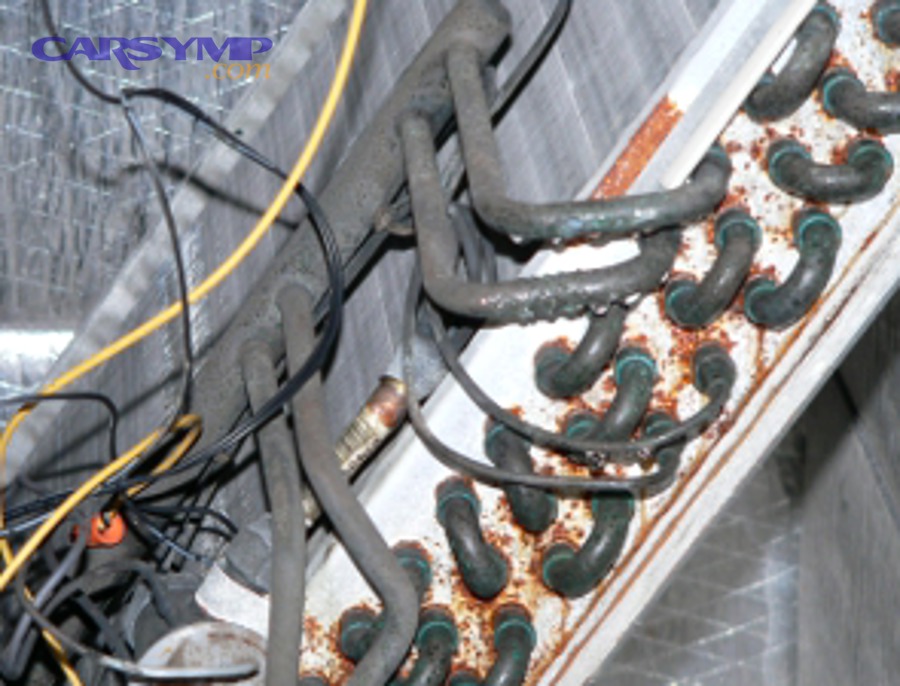
When warm, humid cabin air passes over a cold evaporator, water condenses on the fins and drip-trays into the drain. Dust and pollen stick to that damp surface; over time, microbes can form a thin biofilm that holds odor compounds and reduces heat transfer efficiency.
In automobiles specifically, research has documented persistent biofilms on evaporator fins associated with unpleasant cabin odors, including bacteria and fungi recoverable even after extended “dry” storage. Theo nghiên cứu của Georgia State University (Environmental Research Center) công bố trên Current Microbiology, vào 09/1999, các mẫu fin evaporator từ nhiều xe cho thấy biofilm vi khuẩn và nấm liên quan đến chất lượng không khí khó chịu trong khoang lái.
That’s why spraying fragrance into vents rarely fixes the root cause: the smell source is often behind the vents, right on the wet coil surface.
Is it safe to clean the evaporator core at home without removing the dashboard?
Yes—DIY evaporator-core cleaning is generally safe if you avoid harsh chemicals, protect electronics, and keep liquid out of the blower motor and resistors. Tuy nhiên, “safe” depends on using the right access point, the right foam, and the right drying routine afterward.
Three reasons DIY can be safe:
- Controlled application: Foaming cleaners expand and cling to fins instead of flooding the HVAC box.
- Low mechanical risk: You’re not disassembling the dash or refrigerant lines, so you avoid high-cost breakage.
- Lower exposure risk: You can ventilate the cabin and use PPE while keeping cleaner contact time short.
The most important risk is using a product not intended for HVAC/coil use, or using a disinfectant in a way that creates inhalation exposure. Theo nghiên cứu của U.S. Environmental Protection Agency (Office of Pesticide Programs), vào 07/2025, EPA nhấn mạnh không nên dùng sản phẩm kháng khuẩn/khử trùng cho hệ HVAC nếu nhãn không có hướng dẫn cụ thể cho HVAC vì mô hình phơi nhiễm trong HVAC là “unique use site” và có thể tạo rủi ro cho người dùng và người trong xe.
So the safer DIY approach is: clean (remove dirt/biofilm) first, then only use a labeled product if you choose to disinfect—and keep the cabin ventilated during and after the process.
Which access method should you use for AC evaporator cleaning at home?
Most cars allow at least one DIY path: cabin filter slot, blower-motor opening, or condensate drain line, and the best choice is the one that reaches the evaporator face without soaking electronics. Để bắt đầu, use this quick grouping by access type so you don’t waste cleaner in the wrong spot.
There are 3 main access methods for DIY evaporator cleaning, categorized by how directly they expose the coil:
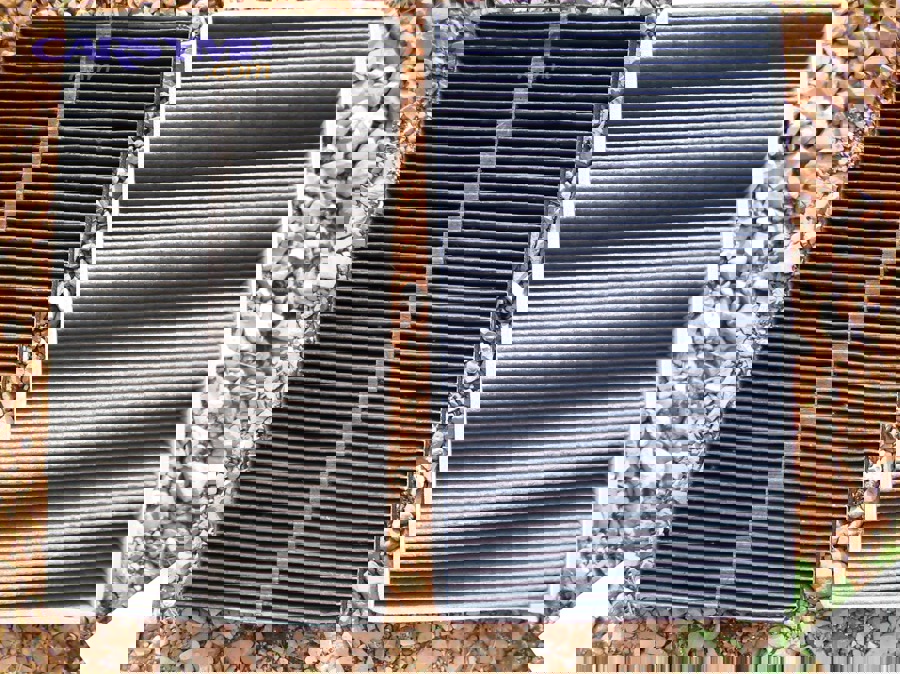
- Cabin air filter slot (most common): Good reach to the evaporator face on many vehicles, minimal disassembly.
- Blower motor opening (best coverage): Often gives a wider spray angle toward the evaporator, but requires careful shielding to avoid soaking the motor/resistor.
- Condensate drain tube (safer for electronics): Works well for rinsing residue or applying foam upward, but coverage can be uneven depending on drain routing.
If you’re unsure, remove the cabin filter and shine a flashlight (or borescope) inward; if you can see fins, the filter slot method is usually enough. If you can’t see fins and you only see plastic ducting, the blower opening may be the better option.
In vehicles where odor is strongly tied to wet-cycle conditions, temperature/humidity swings around the evaporator area can influence odor formation, so access that improves coverage and drainage matters. Theo nghiên cứu của SAE International (SAE International Journal of Passenger Cars), vào 04/2015, nhóm tác giả ghi nhận điều kiện nhiệt quanh evaporator liên quan đến mối quan ngại về mùi trong hệ thống A/C di động.
What tools and products do you need to clean an evaporator core at home?
The simplest kit is a foaming coil cleaner + basic hand tools + a new cabin filter; the goal is to lift grime from fins and let it drain cleanly. Cụ thể, choosing a foam that’s intended for coils and following ventilation/PPE rules is more important than buying many additives.
- Foaming evaporator/coil cleaner: Prefer “no-rinse” or “self-rinsing” formulas designed for evaporator fins.
- PPE: Nitrile gloves, eye protection, and at least a basic mask if you’re sensitive to aerosols.
- Trim tools / screwdriver set: For cabin filter cover or blower access.
- Flashlight or borescope (optional but helpful): Confirms fin coverage and helps avoid spraying electronics.
- Shop towels + plastic sheet: To shield the blower motor, wiring, and carpets.
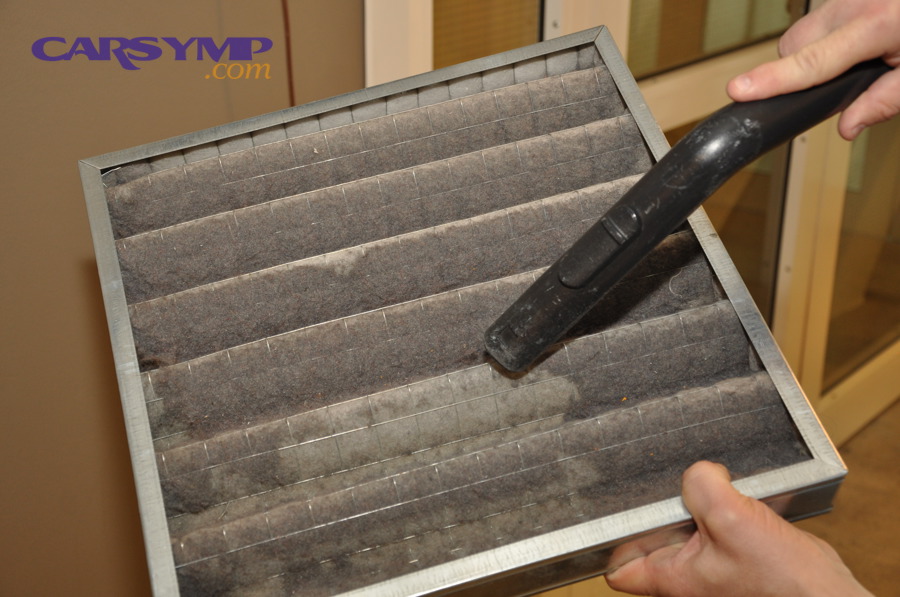
- New cabin air filter: Replace after cleaning so you don’t re-seed the system with old debris.
Below is a quick decision table to help you match product type to your access method and odor severity.
This table helps you choose a cleaner approach based on how you access the coil and how strong the odor is.
| Situation | Best DIY approach | Why it works | Common mistake to avoid |
|---|---|---|---|
| Light musty smell, easy coil visibility from filter slot | Foam through cabin filter slot + drain check | Direct fin contact + controlled expansion | Not replacing the cabin filter afterward |
| Strong odor, coil not visible from filter slot | Foam via blower opening + protect electronics | Wider spray angle improves fin coverage | Soaking the blower motor/resistor |
| Odor returns quickly after rain/humidity | Foam + drain cleaning + drying routine | Addresses moisture retention and poor drainage | Skipping the drying step (fan-only run) |
| Allergies or sensitive occupants | Mechanical cleaning emphasis + labeled products only | Reduces residue and exposure risk | Using unlabeled disinfectants in HVAC paths |
Microbial biofilms on evaporator cores can be surprisingly resilient, so the product must reach the fins and dwell briefly before draining. Theo nghiên cứu của American Society for Microbiology (mSphere) với dữ liệu từ Korea University & Chung-Ang University, vào 01/2020, phân tích DNA cho thấy biofilm trên evaporator core có thể bị chi phối bởi các loài vi khuẩn có khả năng kết tụ và tạo biofilm, nhấn mạnh tầm quan trọng của việc “phủ” đúng bề mặt fin khi vệ sinh.
How to clean the evaporator core at home step-by-step (foam method)
The most reliable DIY method is a foaming cleaner applied in 7 steps: access, shield, spray, dwell, drain, dry, and replace the filter. Sau đây, follow the steps in order because most repeat-odor problems come from skipping drainage and drying—not from “not enough spray.”
Step 1: Confirm your access point and protect the cabin
Choose your access path (filter slot or blower opening), then lay towels and plastic to protect carpets and wiring. Tiếp theo, ensure doors are open or windows down for ventilation.
- Turn the car off, remove the key, and let the HVAC sit 5–10 minutes.
- Remove the cabin filter and inspect for heavy debris or visible mold.
- If using blower access, cover the motor and resistor connector area with plastic.
Step 2: Dry-run the airflow setting you’ll use after cleaning
Before spraying, you want a known “drying routine” to finish the job. Cụ thể, set the HVAC to fresh air (not recirc) and note how to run fan-only.
- Find the fan-only mode (A/C off, temperature warm/neutral, fan medium-high).
- Confirm your vents are open and not blocked.
Step 3: Apply foaming cleaner directly toward the evaporator fins
Insert the straw or applicator toward the evaporator face and spray in short bursts to coat the fin surface. Để minh họa, aim for even coverage rather than flooding one spot.
- Spray 2–4 seconds, pause 3–5 seconds, then repeat while changing angles.
- If using the filter slot, sweep the straw left-right and up-down gently.
- If using blower access, keep the straw above the motor line-of-sight.
Don’t overfill: the foam needs room to expand and then liquefy toward the drain.
Step 4: Let it dwell, then allow it to drain fully
Wait the product’s recommended dwell time—often 10–20 minutes—so the foam can lift grime and biofilm. Hơn nữa, keep the cabin ventilated during this period.
- Watch for drainage under the car (condensate drain outlet).
- If you see no dripping at all, plan to check the drain tube in the next section.
Step 5: Run fan-only to dry the coil and HVAC box
After the dwell period, run the fan-only routine for 10–15 minutes to evaporate residual moisture. Quan trọng hơn, this is the step that reduces recurrence because it shifts the coil away from “near-saturation” conditions where microbes thrive.
- A/C off, fresh air on, fan medium-high, temperature warm/neutral.
- If outside humidity is extreme, extend drying time.
Step 6: Replace the cabin air filter and clean the filter housing
Install a new cabin filter and wipe the housing so old debris doesn’t re-contaminate your work. Tiếp theo, confirm the filter door seals properly to prevent bypass dust.
Step 7: Test for odor and airflow, then repeat only if needed
Start the car, turn on A/C, and smell at startup, then after 5 minutes of cold operation. Tóm lại, one thorough application with proper drying beats multiple quick sprays.
Research on HVAC moisture dynamics highlights that insufficient downtime can keep surfaces wet and encourage microbial growth—so drying is not optional. Theo nghiên cứu của ASHRAE Journal (Technical Feature), vào 11/2023, bài viết chỉ ra khi bề mặt/linh kiện trong hệ HVAC không có đủ thời gian khô, tình trạng ẩm kéo dài có thể khiến vi sinh phát triển mạnh.
How do you clear the condensate drain and prevent water from sitting in the HVAC box?
To prevent repeat odor, you must ensure condensate drains freely; a partially clogged drain keeps the evaporator area damp and re-feeds biofilm. Bên cạnh đó, drain issues can also cause foggy windows or water on passenger carpets in severe cases.
Use this safe drain-check routine:
- Locate the drain outlet: Usually a small rubber elbow or tube on the firewall underside.
- Check for drip after A/C operation: After 5–10 minutes of A/C on a humid day, you should see water dripping.
- Clear gently: Use a soft zip tie or flexible line; avoid metal picks that can puncture the drain grommet.
- Optional rinse: If your foam is “self-rinsing,” the drain flow is often enough. If residue remains, a small amount of clean water can be introduced carefully through the drain (only if you’re confident in routing).
If you frequently notice odor spikes after wet weather, drainage and post-drive drying are the two biggest levers you control at home.
Studies linking automobile evaporator biofilms to cabin air issues reinforce that controlling moisture and surface contamination is key—drain function is the “exit path” for what you lift off the fins. Theo nghiên cứu của Georgia State University công bố trên Current Microbiology, vào 09/1999, các biofilm được ghi nhận ngay trên fin evaporator và liên quan đến chất lượng không khí khó chịu, cho thấy việc loại bỏ/thoát bẩn đúng đường (drain) có vai trò thực tế trong giảm mùi.
How can you clean vents and blower area without causing damage?
You can clean vent outlets and the blower area safely by prioritizing dry methods (vacuum/brush) and using only products labeled for HVAC pathways; the goal is to remove dust reservoirs that hold odor compounds. Ngoài ra, keeping liquids away from electronics prevents the most common DIY mishap.
Start with what’s accessible:
- Vent outlets: Use a soft detailing brush + vacuum to pull dust out of louvers.
- Cabin filter housing: Wipe with a damp microfiber, then dry.
- Blower intake zone: If reachable, vacuum loose debris before any foam step.
Then, if you choose a disinfecting step, only do so with products that explicitly state HVAC/duct/coil use and follow label ventilation instructions. Theo nghiên cứu của U.S. Environmental Protection Agency, vào 07/2025, EPA cảnh báo việc dùng sản phẩm kháng khuẩn/khử trùng không có hướng dẫn HVAC có thể tạo kịch bản phơi nhiễm đặc thù và người dùng không nên giả định “EPA registered” đồng nghĩa an toàn/hiệu quả cho đường HVAC nếu nhãn không cho phép.
For readers searching a precise tactic: Disinfect AC vents without damage is best achieved by cleaning first, minimizing wet sprays, and avoiding aggressive solvents on plastics, foam seals, and blend-door actuators.
How do you stop the musty A/C smell from coming back after cleaning?
To keep odor from returning, focus on three controls: reduce moisture time, reduce incoming dust, and maintain drainage—because odor is often a “wet-surface” problem more than a “dirty vent” problem. Hơn nữa, a short daily habit can outperform repeated chemical treatments.
Use this prevention checklist:
- End-of-drive dry-out: 2–5 minutes before parking, turn A/C off, keep fan on, fresh air, slightly warm temp.
- Replace cabin filter on schedule: More often if you drive dusty roads or urban pollution.
- Keep recirculation in balance: Recirc cools faster, but constant recirc can increase moisture retention and odor persistence for some drivers.
- Watch for water drip: If no drip, suspect a partial drain issue.
Microbial community work on evaporator cores suggests the “ecosystem” can re-establish if the surface repeatedly stays wet and fed by dust/pollen, so prevention is about environment control, not just one-time cleaning. Theo nghiên cứu của American Society for Microbiology (mSphere) với dữ liệu đa quốc gia, vào 01/2020, phân tích cho thấy các loài có khả năng kết tụ/tạo biofilm có thể chi phối cộng đồng vi sinh trên evaporator core, hàm ý rằng điều kiện thuận lợi (ẩm + chất bám) sẽ giúp biofilm quay lại nếu không kiểm soát.
In practical terms, this is the long-game version of Prevent AC smell coming back: dry the coil, keep the filter fresh, and ensure the drain is open.
When should you suspect a deeper problem beyond normal evaporator dirt?
If odor persists after a correct foam clean-and-dry routine, you may be dealing with heavy biofilm, clogged drainage, or water intrusion into HVAC foam insulation, and those often require inspection rather than more chemicals. Đặc biệt, repeated odor spikes can point to humidity cycling or hidden damp materials.
Look for these red flags:
- No water dripping after long A/C use on humid days (possible drain blockage).
- Sweet smell + fogging windows (possible heater core leak, not an evaporator issue).
- Wet carpet on passenger side (drain leak or HVAC box overflow).
- Odor only after rain/humid weather (moisture retention pattern, drainage, or cabin seal leaks).
SAE research on odor generation in mobile A/C systems ties odor concerns to thermal/humidity boundary conditions around the evaporator, supporting the idea that some cases are environmental cycling problems rather than “one-time dirt.” Theo nghiên cứu của SAE International, vào 04/2015, bài báo mô tả mối liên hệ giữa điều kiện nhiệt quanh evaporator và mối quan ngại về mùi trong hệ A/C di động.
If you’re troubleshooting at a content level, you can frame this as Odor after rain or humid weather diagnosis—starting with drain flow, cabin filter saturation, and end-of-drive dry-out behavior before considering deeper disassembly.
For readers mapping symptoms, you may also see this topic referenced under AC bad smell fix pathways in broader maintenance guides, including content hubs like Car Symp that group odor symptoms by moisture and filtration patterns.
Special cases and alternatives for stubborn odors and heavy contamination
When standard foam cleaning doesn’t hold, you need a structured escalation: verify access and drainage, improve coverage, and only then consider professional options—because repeated spraying without diagnosis often worsens residue and dampness. Hãy cùng khám phá four special-case scenarios and what to do next.
What if the foam never reaches the fins effectively?
If you can’t see fins and you’re spraying into ducting, reposition to the blower opening or use a borescope to guide the straw. Cụ thể, coverage matters more than quantity, because biofilm is a surface problem.
What if you have allergies or sensitive passengers?
Prioritize mechanical cleaning (remove dirt/biofilm) and maximize ventilation during/after service. Ngoài ra, avoid strong fragrances and unlabeled disinfectants to reduce irritation risk.
What if the odor returns within 48–72 hours?
That quick return usually indicates retained moisture (drain or drying habit) or a saturated/dirty cabin filter. Quan trọng hơn, adjust the end-of-drive dry-out routine and confirm drain dripping before repeating chemicals.
When is professional service or evaporator replacement reasonable?
If the HVAC box insulation is waterlogged, the drain housing is damaged, or the evaporator is heavily corroded, a shop inspection may be the only durable fix. Tóm lại, replacement is rare but justified when contamination is embedded in materials you cannot clean effectively.
FAQ
Can I use household bleach or strong disinfectants to clean the evaporator core?
It’s not recommended because harsh chemicals can damage aluminum fins, plastics, and seals, and can create inhalation risk. Theo nghiên cứu của U.S. Environmental Protection Agency, vào 07/2025, EPA nhấn mạnh chỉ nên dùng sản phẩm có hướng dẫn HVAC cụ thể vì mô hình phơi nhiễm trong HVAC khác đáng kể so với khử trùng bề mặt cứng thông thường.
How long should I let foaming cleaner sit before turning the fan on?
Follow the label, but 10–20 minutes is typical for foam to break down grime and drain. Cụ thể hơn, turning the fan on too early can blow wet residue into ducts.
Why does my A/C smell worse right after cleaning?
Temporary odor can happen if residue remains wet in the box or if the drain is slow. Tiếp theo, extend fan-only drying and confirm water dripping under the car.
Do I have to replace the cabin air filter every time?
Strongly recommended—an old filter can reintroduce dust, odor compounds, and microbes. Ngoài ra, a fresh filter improves airflow, which helps drying after A/C cycles.
Will cleaning the evaporator improve cooling performance?
It can, especially if the fins were coated with debris that restricted airflow or heat transfer. Theo nghiên cứu của ASHRAE Journal, vào 11/2023, bài viết nhấn mạnh bề mặt ẩm và bẩn trong hệ HVAC có thể thúc đẩy vi sinh và vận hành kém bền vững, ngụ ý rằng kiểm soát ẩm/bẩn hỗ trợ hiệu năng và vệ sinh.
How often should I do evaporator cleaning at home?
For most drivers, once a year or when odor begins is enough; in humid climates or heavy city driving, you may need it more often. Tóm lại, prevention habits (dry-out + filter schedule) reduce frequency.