


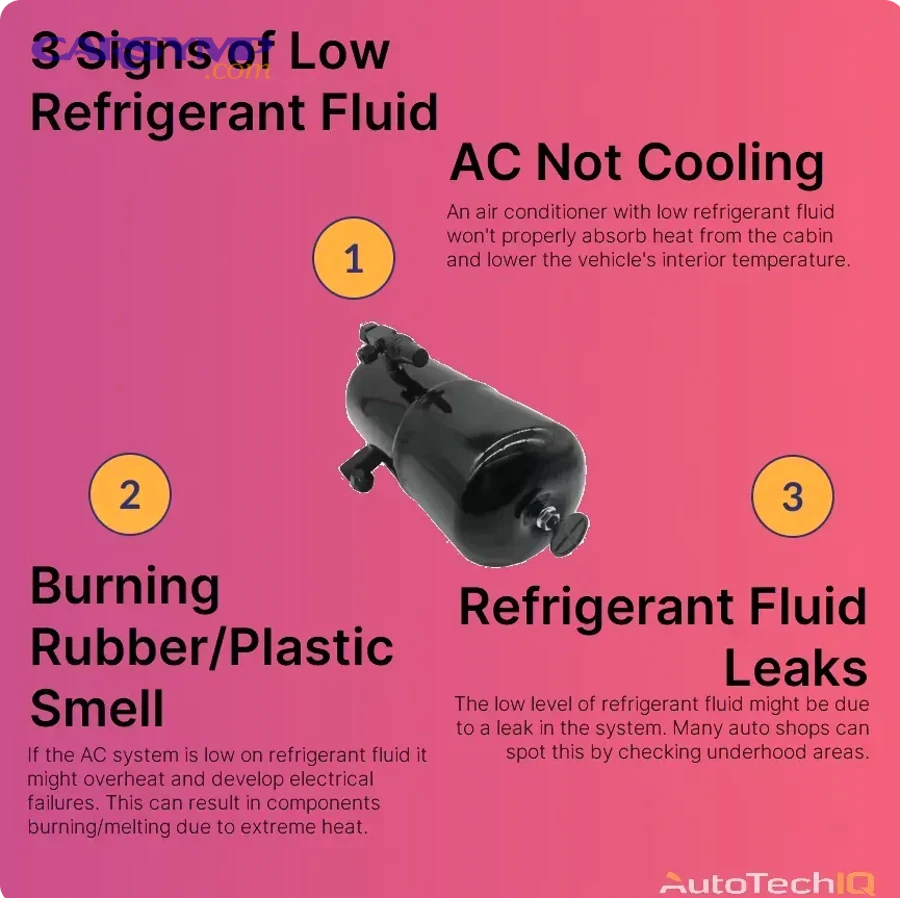
Yes—there are reliable signs you have a leak before recharging, and most of them show up as patterns: oil residue, pressure behavior, and repeat “cooling fade” that comes back too quickly after topping off.
To avoid wasting refrigerant and risking component damage, you’ll learn how to tell the difference between a system that is simply low and one that is actively leaking—using quick visual checks, pressure clues, and confirmation methods.
You’ll also see when “it feels like a leak” is actually a different A/C problem (airflow restrictions, blend door issues, clutch faults), so you don’t chase the wrong fix.
Giới thiệu ý mới: after you spot the early warning signs, you can decide whether to do a basic confirmation yourself or stop and get proper diagnostics before any refill.
What does a refrigerant leak look like before you recharge?
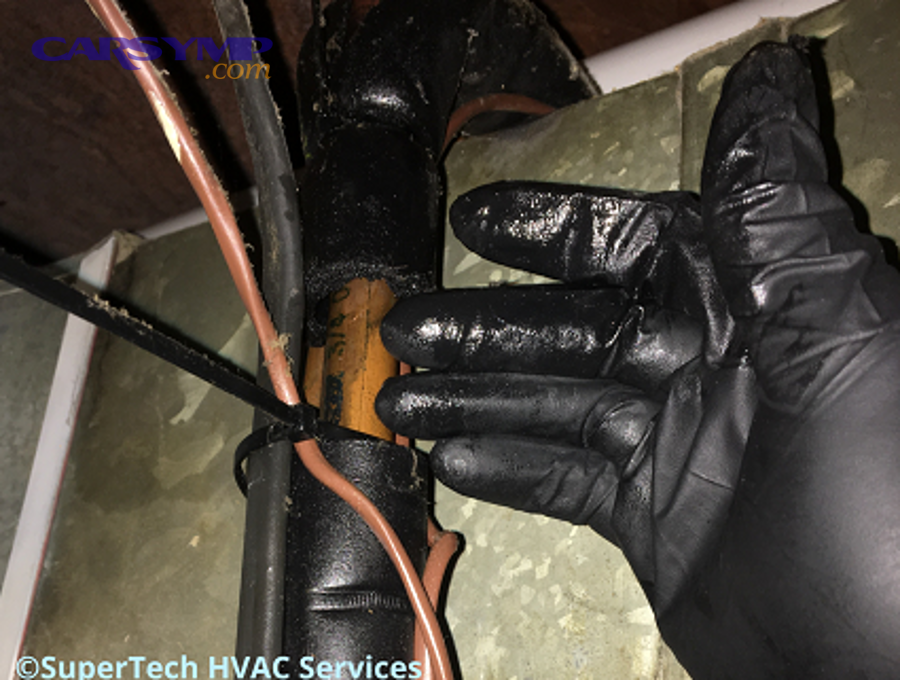
A leak usually looks like refrigerant loss plus oil evidence—because refrigerant carries compressor oil, the escaping mix often leaves a faint oily film, grime “wet spots,” or dye traces around a fitting or component.
To begin, focus on where leaks happen most often: service ports, O-rings at joints, condenser damage up front, and compressor shaft seals—then connect what you see to how the A/C has been behaving.
What the “cooling fade” pattern says
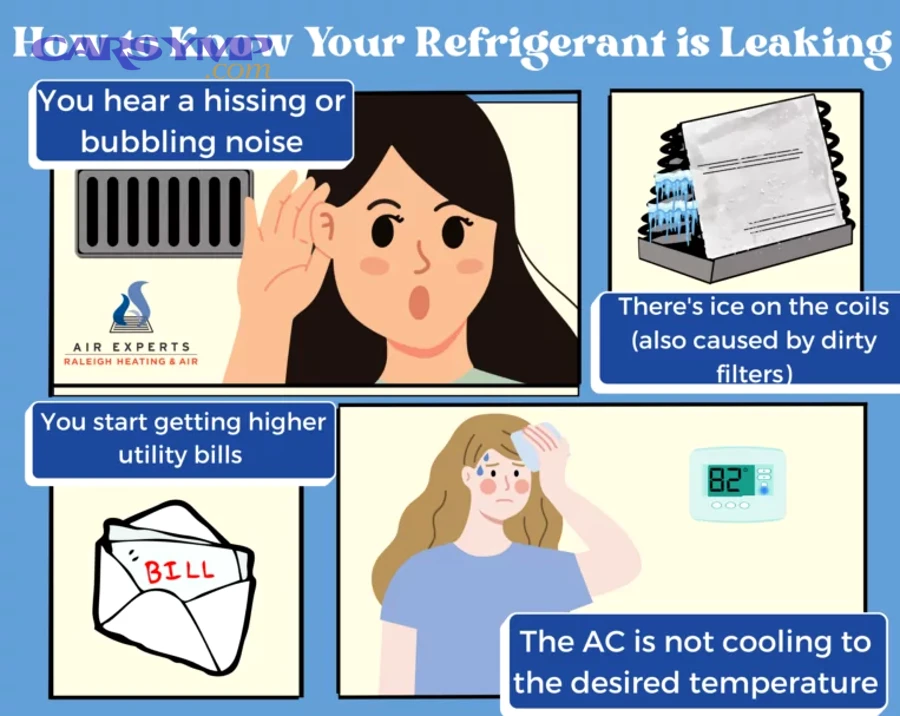
If your A/C cools well right after a top-off but fades within days or a couple of weeks, that pattern strongly suggests a leak rather than normal seasonal variation.
Next, tie the timing to usage: faster fade with more A/C use often means the leak is active under vibration and heat, not just a static seep.
- Fast fade (hours to a few days): larger leak, often at a loose fitting, damaged condenser, or failed seal.
- Slow fade (weeks to months): small O-ring seep, service port core, or aging hose/crimp area.
- Intermittent fade: leak that opens under pressure/heat, or airflow/blend issues that mimic low charge.
Why oil residue matters more than “wetness” alone
Water condensation can make lines look damp, especially on humid days, but oil attracts dust and stays as a grimy, sticky patch.
After that, check the texture: refrigerant/oil residue usually feels slick; pure water dries without leaving a dirt halo.
Typical leak hotspots you can inspect quickly
Most DIY inspections succeed when you look at the right places first rather than scanning everything equally.
In particular, start at connection points and exposed front-end parts that take road impact.
- Low-side and high-side service ports (caps missing or loose, oily ring around the core)
- Condenser face and header area (stone hits, corrosion, rubbed-through spots)
- Compressor body and front seal area (oil sling pattern, grime buildup)
- Hard-line-to-hose crimps (oily dirt band at the crimp)
- Receiver/drier or accumulator seams and switch ports
Can you recharge without fixing the leak first?
No—recharging without addressing a leak is usually a short-lived fix because the refrigerant escapes again, and repeated low-charge operation can overheat the compressor, reduce lubrication, and draw moisture into the system.
However, understanding why it’s risky helps you decide when a small top-off might be a temporary emergency measure versus a mistake that multiplies repair costs.

Reason 1: You lose cooling again and waste refrigerant
A leak means the system cannot hold the specified charge, so performance drops as the charge falls below the engineered range.
Next, the more times you top off, the more likely you are to misjudge the correct amount and create secondary problems.
Reason 2: Low charge can damage the compressor
When refrigerant is low, oil return can be reduced and the compressor may run hotter, especially during long idle periods in high ambient temperatures.
After that, the clutch may cycle rapidly or the compressor may short-cycle, adding wear and raising the chance of failure.
Reason 3: Leaks invite moisture and contamination
As refrigerant escapes, the system can pull in air and moisture through imperfect seals—especially if it sits empty or near-empty.
Then, moisture can react with refrigerant/oil chemistry and contribute to corrosion or acid formation, which harms seals and internal surfaces over time.
When a temporary top-off is still justified
If you need minimal cooling briefly (for safe driving visibility, defogging, or a short trip), a controlled top-off can be a stopgap—but only when you commit to proper leak diagnosis and repair immediately afterward.
Next, keep expectations realistic: if cooling fades again quickly, treat it as confirmation of an active leak, not a cue to keep refilling.
Which quick visual checks catch most leaks in minutes?
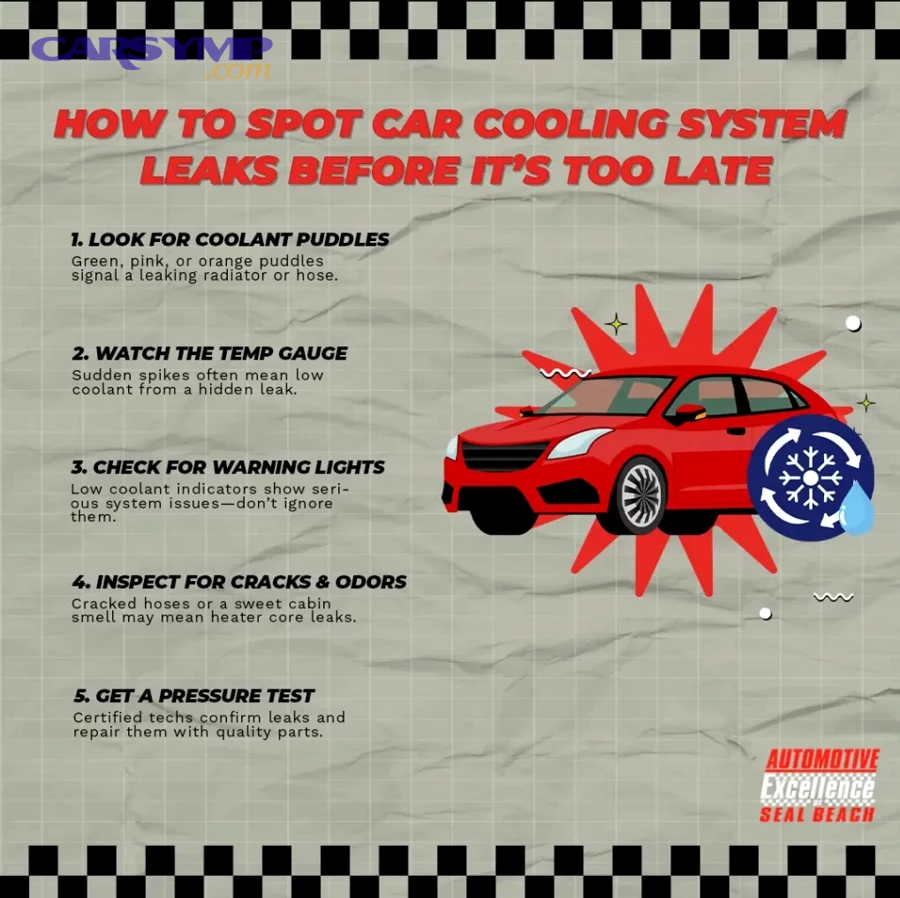
The fastest checks are service port inspection, oil/dirt tracing, and condenser face review—because these areas leak often and are easy to access without tools beyond a flashlight.
To start, clean your observation: use a dry rag or paper towel and a bright light so you can see the difference between normal grime and oily residue.
Check 1: Service ports and caps (small part, big clue)
Look for an oily ring around the valve core and ensure the cap is present and snug, because the cap is a secondary seal that helps prevent slow seepage.
Next, if you suspect a leaking core, don’t over-tighten blindly—plan to replace the core with the correct tool and seal, then evacuate and recharge properly.
- Missing cap or cracked cap seal
- Oily grime concentrated right at the port
- Hissing when you briefly press the core (do this only with caution and eye protection)
Check 2: Condenser and front-end damage
The condenser sits at the front of the car, so it’s vulnerable to stones, road debris, and corrosion—small punctures can leak gradually but steadily.
After that, inspect the corners and tube/header transitions where damage and corrosion often concentrate.
- Impact marks or flattened areas
- Oil-darkened dirt on a specific patch
- Visible corrosion trails at joints or seams
Check 3: Hose crimps and rubbing points
Leaks often form at hose crimps or where a line rubs against a bracket, creating a polished “wear” spot that eventually opens.
Then, follow the line with your eyes and fingers (engine off, cool) to feel for abrasion or damp oily grime.
Check 4: Compressor body and clutch area
A front seal leak can sling oil in a circular pattern near the pulley/clutch area, leaving a distinctive dirty arc.
Next, if you see that pattern, treat it as a high-priority repair because compressor seal leaks can worsen quickly under heat and RPM.
What pressure and temperature clues point to a leak?
A leak is suggested when static pressure is abnormally low for ambient temperature, the system struggles to reach stable operating pressures, and vent temperature rises quickly after short periods of cooling.
To connect the dots, compare pressure behavior to your symptoms instead of relying on a single gauge reading.
Clue 1: Low static pressure after sitting
If the car has been off for a while, pressures should equalize; if the static reading is very low relative to expected conditions, the charge may be insufficient.
Next, remember that static pressure depends on temperature—so “low” means “lower than reasonable for today’s ambient,” not a fixed number.
Clue 2: Rapid cycling and unstable cooling
Low charge can cause the low-pressure switch to cut the compressor on and off, creating rapid cycling and inconsistent vent temps.
Then, if the system cycles frequently even at moderate ambient temperatures, treat it as a sign to confirm leakage before adding more refrigerant.
Clue 3: Frosting patterns on lines
Ice or heavy frosting on the suction line can appear with certain charge/flow problems, but it’s not a leak proof by itself.
However, if frosting appears alongside quick performance fade and oily residue at fittings, it strengthens the leak hypothesis.
Clue 4: Vent temperature that “starts cold, then warms”
When charge is low, vent temperature may drop initially then climb as the system can’t sustain proper evaporator conditions.
After that, if you notice the pattern especially at idle, it may indicate low charge, poor airflow across the condenser, or both—so pair it with a visual inspection.
How can you confirm a slow leak safely at home?
You can confirm a slow leak by using UV dye inspection, mild bubble testing on accessible fittings, or an electronic leak detector, while avoiding open flames and minimizing refrigerant release.
To proceed safely, choose the least invasive method first and confirm with a second method if the first result is ambiguous.
Method 1: UV dye and UV light inspection
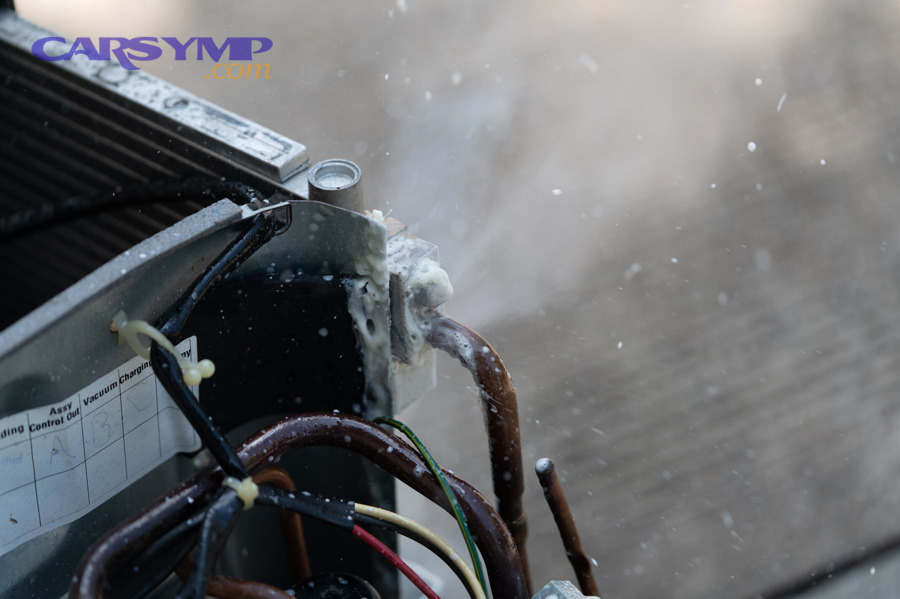
UV dye can reveal the leak location because dye-laced oil exits with refrigerant and glows under UV light, making small leaks easier to trace.
Next, inspect common leak points in a darkened area and look for bright yellow-green traces around fittings, ports, and the condenser face.
- Clean suspected areas first so dye stands out
- Follow the trail “upstream” to the source
- Don’t confuse UV-reactive cleaners with true dye residue
Method 2: Bubble solution on fittings you can reach
On accessible joints, a soapy solution can show bubbles forming where gas escapes, especially on service port cores and flare-style connections.
Then, use patience: small leaks may bubble slowly, so watch for consistent foam growth rather than one-time fizz.
Method 3: Electronic sniffers (leak detectors)
Electronic detectors can sense refrigerant near leak points, which is helpful for evaporator or hard-to-see areas.
After that, reduce false positives by avoiding windy conditions and by moving the probe slowly along suspected seams and joints.
When to leave pressure testing to professionals
Pressurizing with dry nitrogen and using proper regulators can be very effective, but doing it incorrectly can be dangerous and can damage components.
Next, if you can’t control pressure precisely or you’re unsure about safe procedures, let a shop perform the pressure test and documentation.
When do symptoms mimic a leak but aren’t one?
Leak-like symptoms can come from airflow problems, control door faults, condenser fan issues, or sensor/switch behavior, so you should rule these out if you don’t see residue and pressures don’t clearly indicate loss.
To narrow it down, compare “air coldness” to “air volume” and watch for patterns at idle versus highway speeds.
Airflow restriction: clogged cabin filter or debris
If airflow is weak, the vents can feel “not cold” even when the evaporator is doing its job, because you’re not moving enough cooled air into the cabin.
Next, check the cabin air filter and intake area before assuming the system is low on refrigerant.
Blend door or HVAC control issues
A stuck blend door can mix warm air with cold, creating inconsistent temperatures that resemble low charge.
Then, if one side is colder than the other (dual-zone systems), consider actuator or door calibration issues.
Condenser fan problems that worsen at idle
If cooling is weak at idle but improves at speed, the condenser may not be shedding heat because the fan isn’t running properly or airflow is blocked.
After that, check fan operation and condenser cleanliness before adding refrigerant.
Compressor clutch or electrical control faults
A weak clutch, faulty relay, or pressure switch can prevent consistent compressor operation and mimic low charge.
Next, verify that the compressor engages reliably and that cycling patterns match expected behavior for ambient conditions.
What should you do before any recharge to avoid damage?
Before adding refrigerant, you should identify the likely leak, fix it, evacuate air/moisture, and charge by specification—because guessing with partial tools increases the risk of poor cooling and component stress.
Dưới đây is the safe sequence that keeps your system predictable and protects the compressor.
Step 1: Verify the problem is charge loss, not airflow or controls
Start with simple checks: cabin filter, fan operation, condenser airflow, and compressor engagement—then move to leak signs and pressure clues.
Next, if those basics fail, you’ll have stronger justification to invest time in leak confirmation rather than repeating guesswork.
Step 2: Locate and repair the leak
Replace O-rings, tighten or reseal fittings correctly, and address physical damage (like a punctured condenser) instead of trying to “seal” the system with stop-leak additives.
After that, re-check the area for cleanliness so any new residue will be obvious if leakage persists.
Step 3: Evacuate the system to remove air and moisture
Proper evacuation pulls out air and boils off moisture, helping the refrigerant behave correctly and reducing corrosion risk.
Then, once vacuum is held steadily, you gain confidence that major leaks are not present.
Step 4: Charge by specification, not by “feel”
Charging is best done by weight using the vehicle specification, because pressures vary with temperature and can mislead you into over- or under-charging.
Next, this is where the phrase AC recharge matters in practice: it should mean “restore the factory-specified amount after leak repair and evacuation,” not “add until the gauge looks okay.”
When should you stop DIY and visit a shop immediately?
You should stop DIY if there are signs of major leakage, compressor noise, repeated rapid cycling, or uncertainty about safe handling, because the cost of a wrong step can exceed the cost of a professional diagnosis.
More importantly, some conditions indicate a failure mode that needs specialized tools and recovery equipment.

Stop-now signs that suggest a large leak
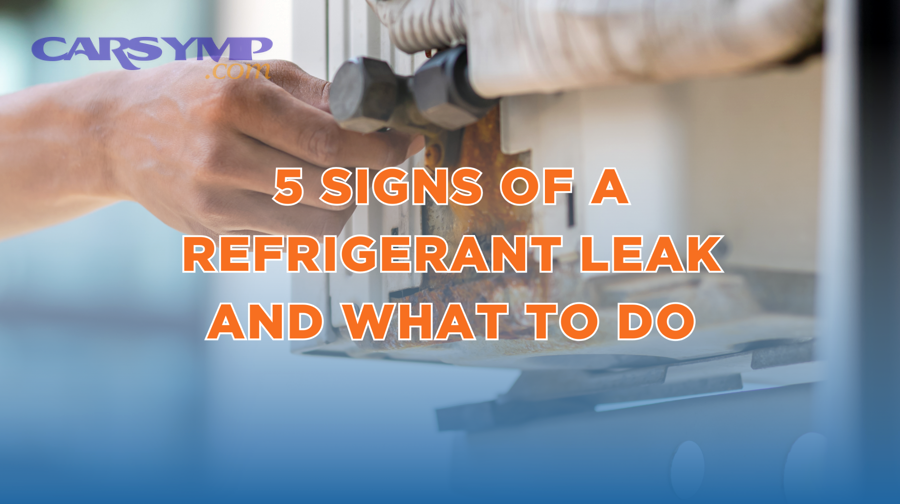
If cooling fails suddenly, you hear a hiss, or you see fresh oil spray near a component, treat it as a significant leak and avoid running the compressor.
Next, a shop can recover remaining refrigerant and pressure-test safely without venting.
- Sudden loss of cooling within minutes
- Fresh oil spray or wet oily streaks
- System won’t hold vacuum at all
Stop-now signs that suggest compressor distress
Grinding, squealing, or metal-on-metal sounds near the compressor, or severe clutch chatter, can signal internal or clutch failure rather than simple low charge.
After that, continuing to run it risks spreading debris through the system, turning a repair into a rebuild.
Stop-now signs related to safety
If you’re tempted to use heat/flame to find leaks, bypass switches, or vent refrigerant intentionally, stop—these are unsafe and can create legal and health hazards.
Then, choose a shop that can recover, test, and charge properly with documentation.
Contextual border: You now know how to spot leak signs and confirm them; next, expand your plan by considering refrigerant selection, overfill risk, and handling responsibilities that change the “best” approach.
How do legality, refrigerant choice, and overcharge risks change your plan?
They change your plan because the “right” fix is not just finding a leak—it’s choosing the correct refrigerant and charge method, preventing overfill, and handling materials responsibly so the system performs as designed and you avoid avoidable risk.
Next, treat the following topics as guardrails: they don’t replace leak diagnosis, but they prevent a good diagnosis from turning into a bad outcome.
Choosing the correct refrigerant and oil depends on your vehicle
Your vehicle’s label under the hood or service manual specifies the refrigerant type and charge weight; mixing types or using the wrong oil can reduce cooling and harm seals.
After that, keep this phrase in mind as a checklist item—not a slogan: Proper refrigerant type by model means you verify the exact specification for your year/engine/HVAC configuration before adding anything.
Overfill risk is real, and it can mimic other problems
Too much refrigerant can raise pressures, reduce efficiency, and cause poor cooling at idle or even compressor protection shutdowns, especially in hot weather.
Next, treat this as a practical warning inside your workflow: Overcharging symptoms and how to avoid becomes simple when you charge by weight, confirm condenser airflow, and stop guessing from a single low-side gauge.
Handling refrigerant has safety and compliance responsibilities
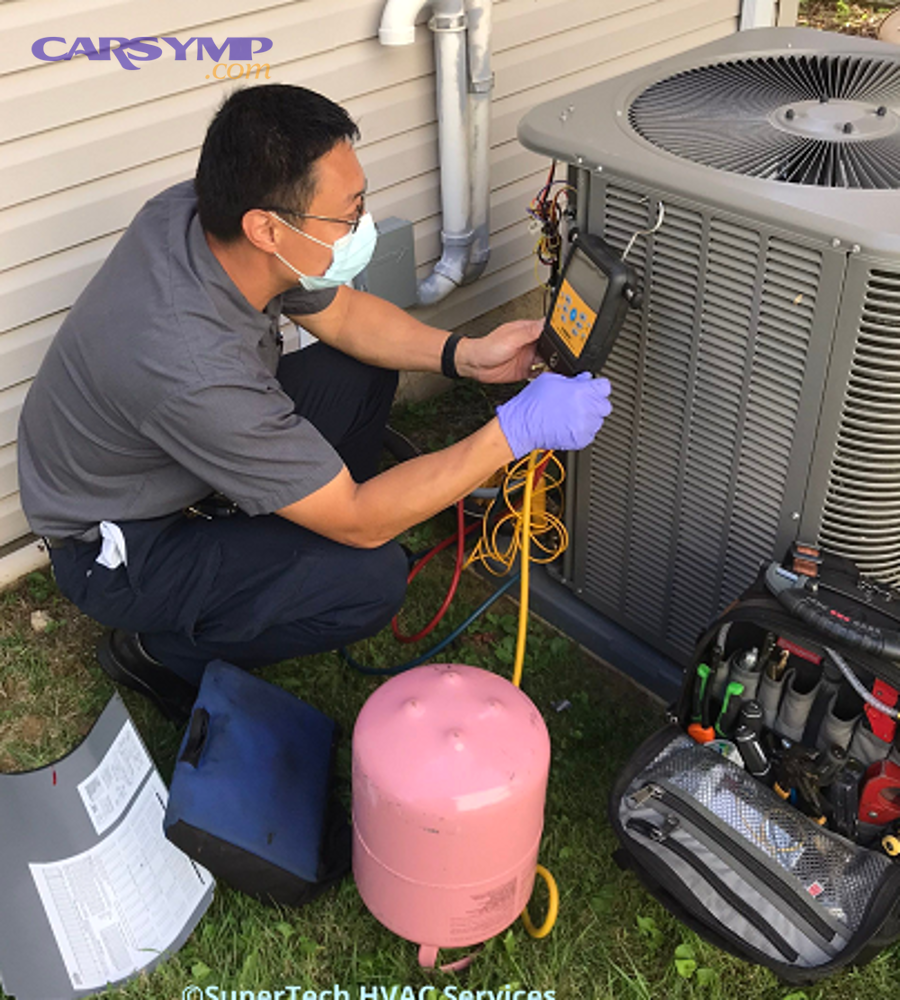
Refrigerants can cause frostbite on contact, displace oxygen in poorly ventilated spaces, and become hazardous if exposed to high heat; the safest path uses proper recovery/evacuation equipment and protective gear.
Then, even if you’re a DIYer, follow the spirit of professional standards: Legal and safety rules for refrigerant handling means don’t vent intentionally, avoid improvising fittings, and prioritize controlled recovery and correct charging practices.
Professional documentation and testing reduce repeat failures
Shops often combine recovery, vacuum hold testing, pressure testing (when appropriate), and a final charge by weight, which reduces repeat comebacks caused by missed small leaks or moisture.
Finally, if your system has had repeated refills, ask for a full diagnostic workflow and a written record of the final charge amount and leak location.
FAQ
The questions below give quick, direct answers to common situations people face when they suspect a leak before recharging, so you can decide the next best step without guessing.
Next, use these answers as decision points—if your case matches the “stop now” conditions, prioritize safe diagnostics over another refill.
Is oily residue always proof of an A/C leak?
No—oil-like grime is a strong clue, but you should confirm it by checking whether the residue is concentrated at a fitting/component seam and by pairing it with performance fade or a detection method like UV or a sniffer.
Why does my A/C get colder while driving but warm at idle?
This often points to condenser airflow problems (fan issue, blocked condenser) rather than a leak, although low charge can contribute; check fan operation and condenser cleanliness before adding refrigerant.
Can I just use a DIY can with a gauge to top off?
You can, but it’s risky if you don’t know the system’s exact specification and you can’t charge by weight; it’s safer to treat a can-gauge top-off as temporary and schedule proper repair and charging.
What’s the simplest first confirmation for a slow leak?
Start with a careful visual inspection of ports, condenser, crimps, and compressor area, then use UV dye inspection or a leak detector to confirm; using two methods reduces false conclusions.
How do I avoid accidentally adding the wrong refrigerant?
Read the under-hood label and match the refrigerant type exactly, and avoid “universal” claims; if you’re unsure, stop and verify via the vehicle documentation before adding anything.
Do stop-leak additives solve leaks?
They rarely solve the root cause and can complicate future service by contaminating equipment; fixing the actual leak point and charging by specification is the more reliable approach.
What should I do if my system is completely empty?
Assume there is a significant leak, avoid running the compressor, and plan for professional recovery/testing and repair—an empty system has a higher chance of moisture intrusion and repeat failure if simply refilled.
What’s the best overall mindset before recharging?
Think “diagnose, repair, evacuate, charge by spec,” not “add until it feels cold”—that mindset prevents overfill, reduces repeat leaks, and protects expensive components.