


Step-by-step car battery replacement is the safest way to restore reliable starts when cranking is slow, accessories flicker, or the battery can’t hold charge—because it prevents short circuits, protects electronics, and reduces the chance of acid exposure.
To replace car battery correctly, you’ll confirm the battery is actually the problem, choose the right size and type, and prepare your vehicle’s settings so you don’t create new issues right after the swap.
You’ll also learn how to remove and install terminals in the correct sequence, secure the battery so it doesn’t vibrate, and check charging voltage so your new unit doesn’t get ruined by an alternator problem.
Tiếp theo, “Giới thiệu ý mới”: you’ll follow a clear, repeatable workflow that works for most cars, plus modern-vehicle notes (memory settings, battery monitoring, and registration) so you can finish the job with confidence.
What should you check before you replace car battery?
Check symptoms and basic electrical clues first so you don’t replace a good battery and miss the real fault (like loose terminals, corrosion, or a charging issue).
Để bắt đầu, confirm the problem is consistent and repeatable, then move from quick visual checks to simple measurements.
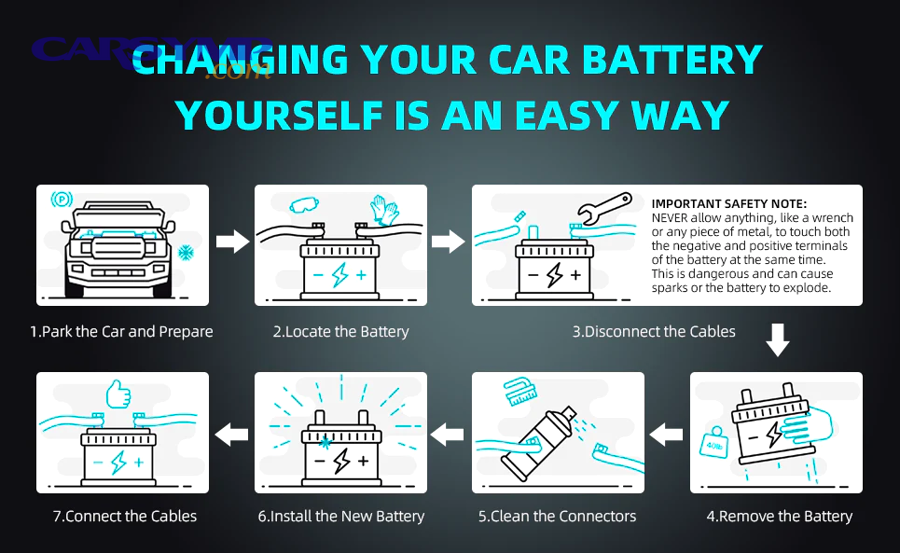
Which symptoms strongly point to a weak battery?
Slow cranking, repeated clicking, dim headlights at idle, and a no-start after sitting are classic signs, especially when they improve after a jump-start or charger session.
Cụ thể, if the starter turns noticeably slower on cold mornings or after the car sits overnight, battery capacity is often the limiting factor rather than fuel or ignition.
- Slow crank that worsens in cold weather.
- Clicks from the starter relay/solenoid with little or no crank.
- Lights brighten when revving (sometimes alternator-related, so keep testing).
- Repeated jump-start dependence even after a longer drive.
How do you do quick visual checks in under two minutes?
Look for loose clamps, heavy corrosion, cracked case, or leaking fluid because these issues can mimic failure or make a healthy battery behave like a dead one.
Ngoài ra, check the hold-down hardware—if the battery can move, vibration can shorten its life and cause intermittent connection problems.
- Ensure both terminal clamps are tight and fully seated.
- Inspect for white/blue corrosion on terminals and cables.
- Look for case swelling, cracks, or wetness around caps/seams.
- Verify the battery is secured with a proper hold-down bracket/strap.
What simple voltage checks prevent wasted money?
A basic multimeter check can separate “battery” from “charging” problems by comparing resting voltage and running voltage.
Để minh họa, a fully charged 12V lead-acid battery typically rests around 12.6V (approximate), while most alternators charge in the 13.8–14.7V range; large deviations suggest you should investigate further before swapping parts.
- Engine off: measure at the battery posts after the car sits for a while.
- Engine running: measure again to see if the alternator is charging.
- Big drop while cranking: suggests weak battery or high resistance at cables.
What tools and supplies should you prepare for a safe battery swap?
Prepare basic hand tools, protection gear, and cleaning supplies so you can work steadily without improvising around acid, sparks, or stuck fasteners.
Bên cạnh đó, having everything laid out reduces mistakes during terminal handling and keeps the job truly “step-by-step.”
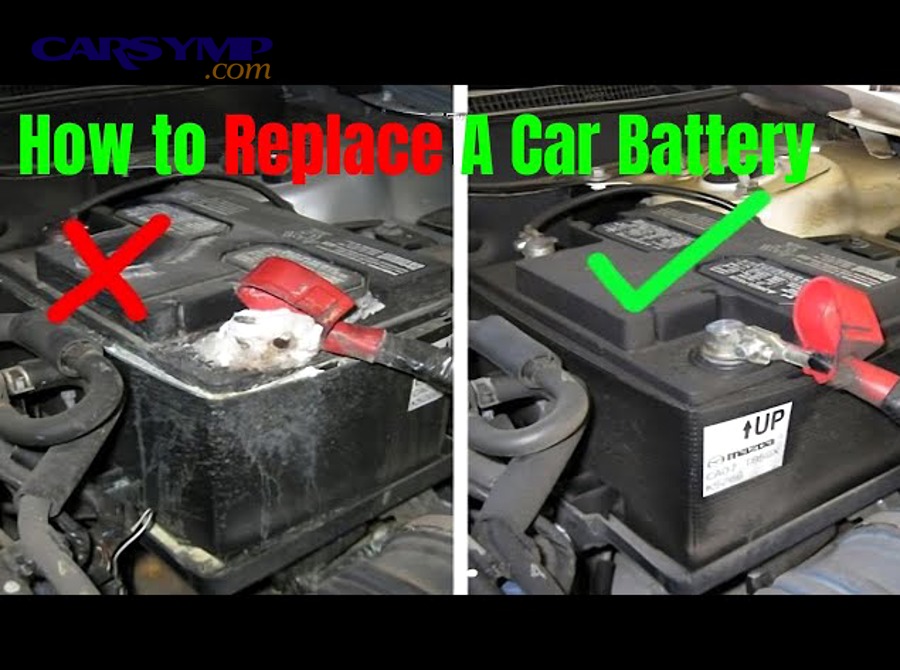
What are the essential tools most cars need?
Most vehicles need only a wrench/socket set and a battery brush because battery terminals and hold-down brackets are typically secured with common sizes.
Cụ thể hơn, many clamps use 10mm hardware, while hold-downs may use 10–13mm (varies by make/model), so a small metric socket set covers many situations.
- Metric socket set (often 8–13mm) and/or combination wrenches
- Ratchet + extension (helps reach recessed hold-down bolts)
- Battery terminal brush or small wire brush
- Gloves and eye protection
- Clean rags/paper towels
Which supplies help prevent corrosion and poor contact?
Terminal cleaner, baking soda solution, and a protective coating help ensure low resistance connections and reduce future corrosion.
Hơn nữa, cleaning the cable ends and battery tray area prevents hidden resistance that can cause slow starts even with a new battery.
- Baking soda + water (neutralizes acid residue)
- Terminal cleaning spray (optional)
- Dielectric grease or battery terminal protectant (thin layer)
- Felt terminal washers (optional)
How do you stage your workspace to avoid mistakes?
Stage the tools on a stable surface and keep metal items away from both terminals to reduce accidental shorts.
Quan trọng hơn, plan where the old battery will go immediately after removal—lead-acid units are heavy, awkward, and should not be tipped unnecessarily.
- Park on level ground, set parking brake, and turn ignition off.
- Remove metal jewelry (rings, watches) before touching terminals.
- Open windows or keep a physical key accessible in case the car auto-locks.
Battery safety and tools checklist: wear eye protection and gloves, keep baking soda/water nearby, use correct socket sizes, and have a secure place to set the battery down before you loosen anything.
Before you move on, this table summarizes what each tool helps you do so you can avoid mid-job surprises.
| Item | What it helps with | Why it matters |
|---|---|---|
| Socket/wrench set | Loosen clamps and hold-down | Prevents rounding bolts and slipping |
| Terminal brush | Clean posts and cable ends | Reduces resistance and starting issues |
| Gloves + eye protection | Protect skin/eyes | Battery acid and corrosion are hazardous |
| Baking soda + water | Neutralize acid residue | Safer cleanup and better connections |
| Protectant/grease | Slow corrosion | Helps terminals stay clean longer |
How do you choose the right replacement battery for your car?
Choose the correct group size, terminal orientation, and capacity so the battery fits securely and delivers enough starting power without stressing cables or the hold-down.
Tiếp theo, match the electrical requirements first, then consider upgrade options that make sense for your climate and driving pattern.
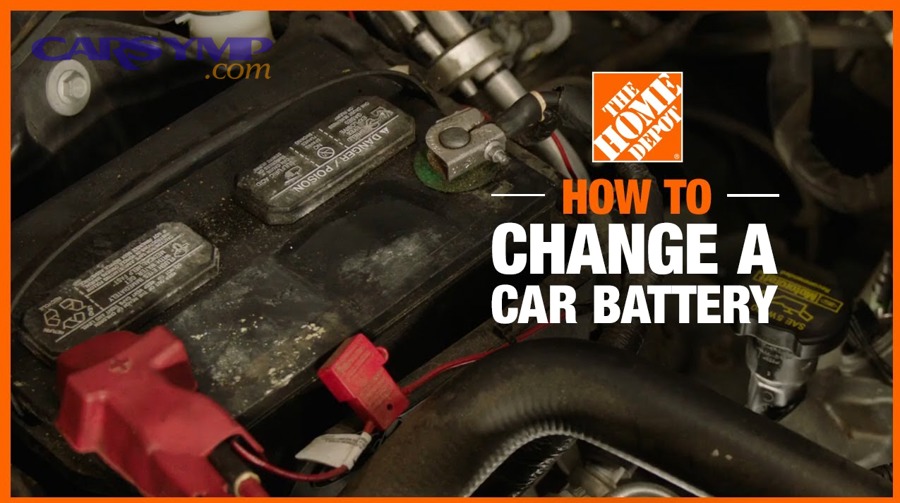
What specs matter most for fit and compatibility?
Group size, terminal layout, and hold-down style matter because even a strong battery can be “wrong” if it doesn’t physically mount and connect correctly.
Cụ thể, check your owner’s manual or the battery label for the group number, and verify the positive terminal location matches your cable routing.
- Group size: ensures correct dimensions and hold-down fit.
- Terminal orientation: prevents cable stretch or crossing.
- Cold cranking amps (CCA): important in cold climates.
- Reserve capacity (RC): helpful for accessory loads and short trips.
AGM vs flooded: which should you pick?
AGM is often better for start-stop systems and high accessory loads, while flooded batteries are usually cheaper and adequate for many standard vehicles if the car was designed for them.
Tuy nhiên, do not “downgrade” from AGM to flooded if your vehicle calls for AGM, because charging strategy and durability expectations may differ.
- AGM: more vibration resistance, faster recharge, often required for start-stop.
- Flooded: lower cost, widely available, good for simpler electrical demands.
When is a higher CCA or capacity upgrade worth it?
Upgrading is worth it when you face cold winters, frequent short trips, or heavy electrical use because those conditions reduce effective battery performance.
Đặc biệt, if you regularly run dashcams, upgraded audio, or long accessory sessions with the engine off, prioritize reserve capacity as well as CCA.
How do you remove the old battery step-by-step without causing sparks?
Remove the negative cable first, then the positive, and lift the battery out only after the hold-down is removed to minimize the risk of shorting a tool from positive to chassis ground.
Để hiểu rõ hơn, the goal is to break the ground path first so accidental contact is less likely to create a direct short.
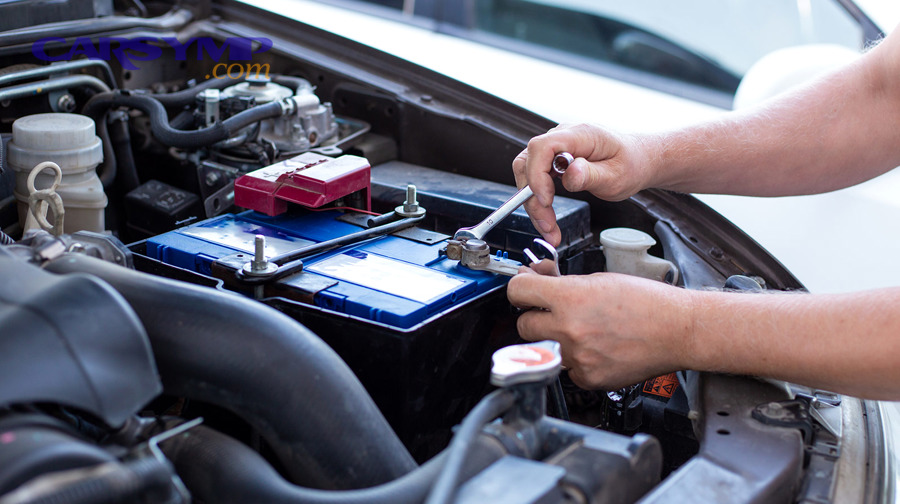
What are the exact removal steps most cars follow?
Most vehicles follow an 8-step removal sequence that keeps cables controlled, prevents arcing, and protects delicate battery sensors where present.
Sau đây, follow the order carefully and slow down at the cable steps.
- Turn the ignition off and remove the key (or ensure push-button fob is away from the vehicle).
- Open the hood and identify negative (-) and positive (+) terminals.
- Loosen the negative clamp nut and remove the cable from the post.
- Move the negative cable aside so it cannot spring back to the post.
- Loosen the positive clamp nut and remove the cable from the post.
- Remove any vent tube (if equipped) and note its routing.
- Remove the battery hold-down bracket/strap and keep hardware organized.
- Lift the battery straight up using the handle (if present) and place it on a stable surface.
Proper terminal removal order explained: removing the negative terminal first reduces the chance that your wrench completes a circuit if it touches metal bodywork while contacting the positive terminal area.
How do you handle corrosion safely during removal?
Neutralize and clean corrosion before you fight stuck clamps because corrosion can hide the clamp’s true position and makes slipping tools more likely.
Cụ thể, sprinkle baking soda on the crusty areas, add a small amount of water to fizz/neutralize, then wipe clean before you loosen the clamp further.
- Wear gloves and eye protection.
- Use baking soda/water to neutralize residue.
- Brush the clamp exterior so your wrench seats properly.
- Avoid prying aggressively on battery posts.
What if your car has a battery sensor or monitoring module?
Work gently around any battery current sensor and do not force the connector because damage can trigger charging faults and warning lights.
Hơn nữa, take a photo before disassembly so you can route cables and small connectors exactly as they were.
How do you install the new battery correctly and secure it?
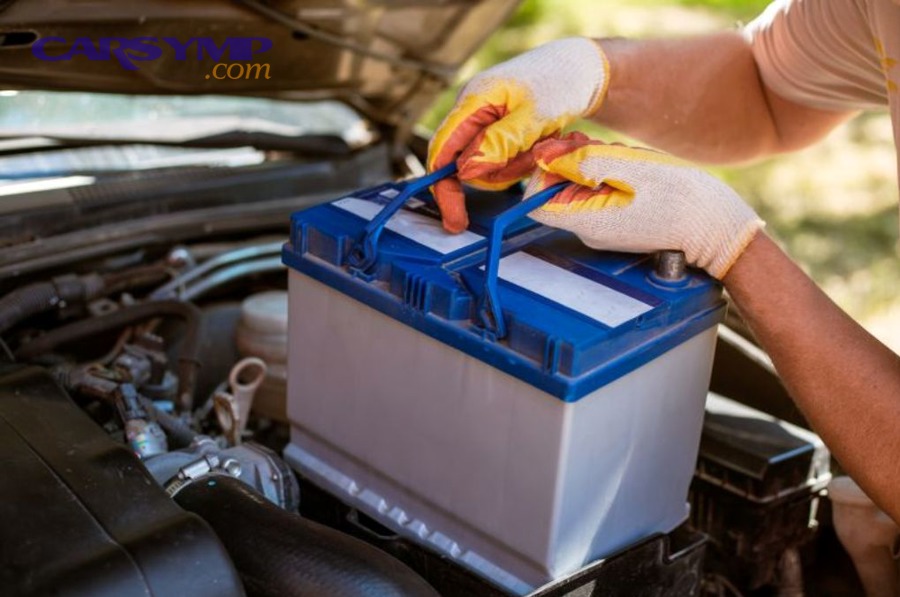
Install the new battery firmly, connect positive first then negative, and torque clamps snugly so the battery cannot move and the terminals maintain clean, low-resistance contact.
Tiếp theo, treat installation as the mirror image of removal—while adding cleaning, inspection, and protection steps.
What is the safest, most reliable installation sequence?
A 9-step installation sequence prevents loose connections and future corrosion while reducing the chance of accidental shorting during re-connection.
Dưới đây is the order that works for most vehicles.
- Clean the battery tray area and ensure it is dry.
- Place the new battery in the tray with correct orientation.
- Install and tighten the hold-down bracket/strap so the battery cannot shift.
- Reconnect any vent tube (if equipped) without kinks.
- Clean the cable ends and battery posts with a terminal brush.
- Install the positive (+) cable first and tighten until secure.
- Install the negative (-) cable second and tighten until secure.
- Apply a thin protective coating to help slow corrosion.
- Double-check that tools are removed and cables are routed safely away from moving parts.
How tight should the terminal clamps be?
Clamps should be tight enough that they cannot rotate by hand but not so tight that the clamp or post is damaged.
Quan trọng hơn, over-tightening can crack certain clamps or distort soft lead posts, while under-tightening causes intermittent no-start issues and charging instability.
How do you prevent vibration damage and premature failure?
A properly secured hold-down reduces vibration and cable stress, which can extend battery life and prevent sudden connection loss on bumps.
Tóm lại, if the battery moves, fix the hold-down hardware or replace missing parts before you close the hood.
What should you do immediately after the battery is installed?
Verify the car starts strongly, check charging voltage, and restore basic settings so you can catch installation errors early and avoid draining the new battery with hidden faults.
Bên cạnh đó, a quick post-install routine protects your time: it’s easier to correct issues now than after you’re stranded.
Which fast checks confirm you did it right?
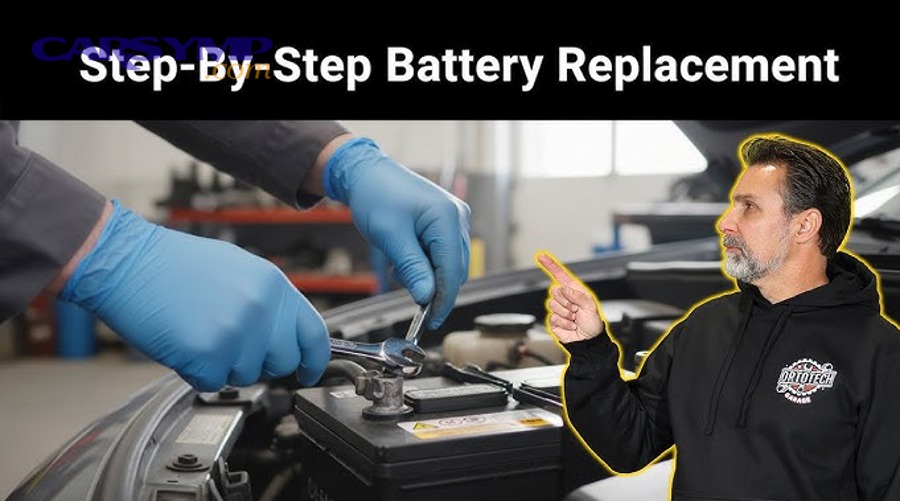
Confirm strong cranking, stable idle, and normal dash behavior to ensure connections are solid and the vehicle electronics are happy.
Cụ thể, watch for flickering lights, repeated clicking, or a cluster of warning messages that may indicate low voltage or a sensor/connector left unplugged.
- Start the engine and listen for confident cranking.
- Turn on headlights and blower to confirm stable electrical output.
- Check for unusual burning smells or hot cables (rare but important).
How do you check alternator charging quickly?
Measure voltage at the battery with the engine running to confirm charging is present and not over- or under-volting the new battery.
Để minh họa, if voltage stays close to resting battery voltage while running, charging may be weak; if voltage is unusually high, the regulator may be overcharging and can shorten battery life.
What settings might you need to restore?
Clock, radio presets, window auto-up/down, and steering angle calibration may need re-initialization depending on the vehicle.
Ngoài ra, some cars require an idle relearn after battery disconnect, so don’t be alarmed if idle is slightly rough for a short time.
- Set clock and radio settings.
- Relearn power windows (often hold switch up/down for a few seconds).
- Check that key fobs and central locking behave normally.
- Take a short drive to let systems re-stabilize.
When do modern cars need a memory saver, battery reset, or registration?
Some modern vehicles need battery monitoring resets or registration because the charging system adapts based on battery age, type, and state-of-health.
Đặc biệt, if your car has start-stop, energy management, or a smart alternator strategy, you should treat the battery as a “managed component,” not just a simple power source.
What vehicles commonly require registration or coding?
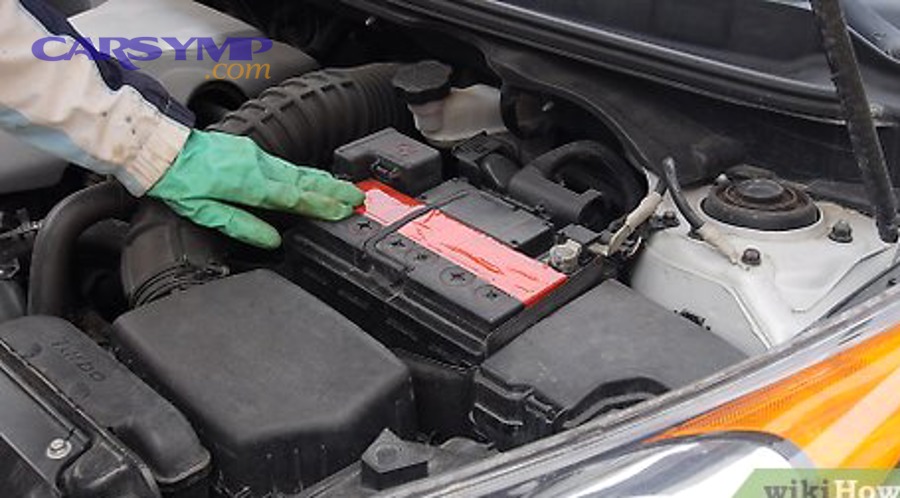
Many European makes and some newer models across brands may require registration so the vehicle can charge the new battery correctly and avoid premature wear.
Trong khi đó, many older vehicles need no special programming; the key is knowing which category your car falls into.
- Start-stop equipped vehicles
- Vehicles with advanced energy management or battery sensors
- Models that specify AGM/EFB and track battery history
How do you decide if you should use a memory saver?
A memory saver is optional for many cars but useful if you want to preserve settings and reduce the chance of temporary relearn behaviors.
Tuy nhiên, don’t use a memory saver if you suspect wiring issues, severe corrosion, or you’re unsure how to connect it safely—stability and safety come first.
What does a “battery reset” help with?
Resetting battery adaptation tells the car it has a fresh battery, which can improve charging strategy and reduce warning lights in systems that track battery health.
Hơn nữa, if a shop quotes programming, it’s often about this adaptation step rather than “making the battery work.”
change car battery can be straightforward on older vehicles, but on newer platforms it may include an electronic confirmation step—so treat your owner’s manual and reputable service info as part of the procedure.
How should you handle the old battery and recycle it responsibly?
Store the old battery upright, avoid tipping, and return it to a retailer or recycling center because lead-acid batteries are hazardous waste but widely recycled.
Tiếp theo, plan disposal before the swap so you’re not tempted to leave the old unit sitting in a garage where it can leak or be knocked over.
How do you transport and store an old battery safely?
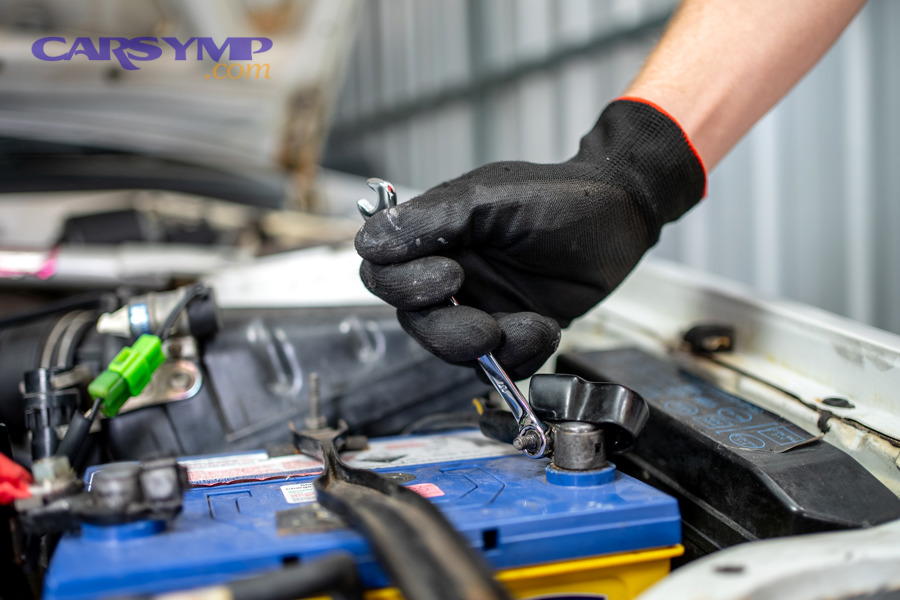
Keep the battery upright in a sturdy tray or box and prevent sliding during transport to reduce spill risk and protect your car interior.
Cụ thể, place it on cardboard or in a plastic bin, and keep it away from children and pets.
- Do not tip or invert the battery.
- Keep metal objects away from terminals.
- Wipe off residue and store in a cool, ventilated place temporarily.
Where should you take it for recycling?
Auto parts stores, service shops, and municipal hazardous waste programs commonly accept used batteries for recycling.
Ngoài ra, many retailers offer a core credit when you return the old battery, which encourages proper recycling.
What should you never do with an old battery?
Never throw it in household trash or dump it because the materials are dangerous and regulated, and responsible recycling keeps lead and acid out of the environment.
Tổng kết lại, treat the old unit as a recyclable industrial component, not ordinary waste.
Recycling old battery properly means returning it through an approved collection route, keeping it upright, and preventing terminal contact with tools or loose metal during transport.
How do you troubleshoot problems after replacing a car battery?
Most post-replacement problems come from loose connections, wrong battery fit, or an underlying charging/parasitic drain issue, so you troubleshoot in a simple order: connections, fit, voltage, then deeper diagnostics.
Tiếp theo, use a calm checklist approach—because a new battery doesn’t automatically fix bad cables or a failing alternator.
If the car won’t start, what are the first three checks?
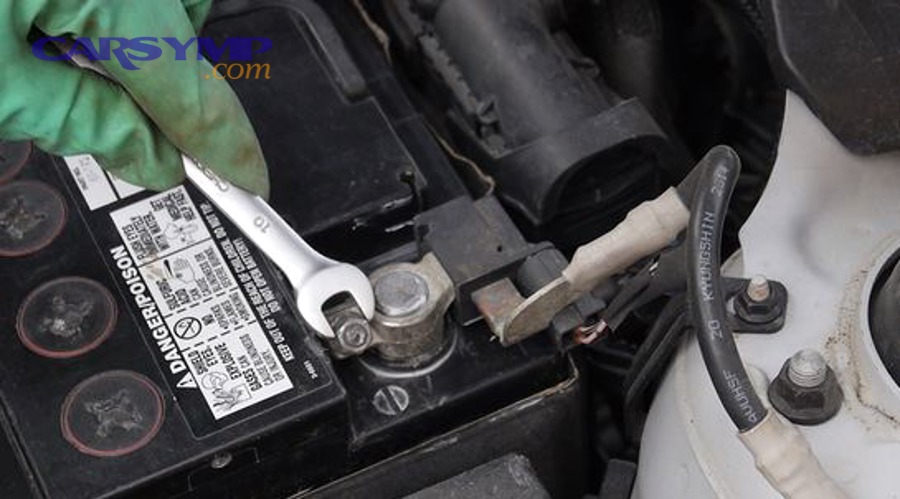
Check clamp tightness, cable seating, and battery orientation because these are the fastest, most common causes of a no-start right after installation.
Cụ thể, a clamp that looks “on” can still be loose enough to fail under starter load, so test by attempting to rotate the clamp by hand.
- Clamps: cannot rotate by hand; seated fully on posts.
- Cables: no broken strands, no hidden corrosion inside insulation near ends.
- Hold-down: battery doesn’t shift; terminals not contacting hood/metal.
What if you get clicks but no crank?
Clicks usually indicate voltage drop under load, which often comes from poor connections, corroded cables, or a weak starter circuit.
Để minh họa, measure voltage during a start attempt: if it collapses dramatically, either the battery is not actually charged or resistance is high somewhere in the path.
- Re-clean posts and cable ends.
- Inspect the ground cable to chassis and engine block.
- Check for aftermarket wiring that may be loose.
What if the car starts but warning lights appear?
Some warning lights are temporary after power loss, but persistent warnings may indicate a disconnected sensor, a required battery adaptation step, or low charging voltage.
Quan trọng hơn, if multiple modules complain or lights flicker, check charging voltage and confirm the battery sensor (if equipped) is connected and undamaged.
How do you prevent the new battery from dying again?
Confirm charging health and reduce parasitic drain because repeated deep discharges shorten battery life and can mimic “bad battery” symptoms.
Hơn nữa, if your car sits for long periods, consider a maintenance charger and confirm no accessories remain powered when the car is off.
- Check alternator charging range with a multimeter.
- Address sticking interior lights or faulty trunk/hood switches.
- Watch for infotainment systems that fail to “sleep.”
- Clean terminals periodically and keep hold-down hardware tight.
Before you expand your diagnostics, this table helps you map symptoms to likely causes so you can troubleshoot efficiently.
| Symptom | Most common cause | Next best action |
|---|---|---|
| No crank, no click | Loose connection or disconnected cable | Re-seat and tighten clamps; verify grounds |
| Clicking, weak crank | High resistance or low charge | Clean terminals; test voltage under load |
| Starts, then dies | Charging system issue | Check running voltage; inspect belt/alternator |
| Warning lights after swap | Relearn/adaptation needed | Drive cycle; scan codes; check battery sensor |
| Battery dead after sitting | Parasitic drain | Investigate draw; check lights/modules |
Contextual Border: Up to this point, you’ve covered the core “how-to” workflow to replace car battery safely and confirm it works. Next, you’ll shift into optimization and prevention—small choices that extend battery life and reduce repeat failures.
Extra tips to extend battery life and reduce repeat failures
You can extend battery life by controlling heat exposure, limiting deep discharges, and keeping connections clean because most early failures are driven by heat, vibration, and chronic undercharging.
Hãy cùng khám phá a few targeted habits that protect your new battery beyond the installation day.
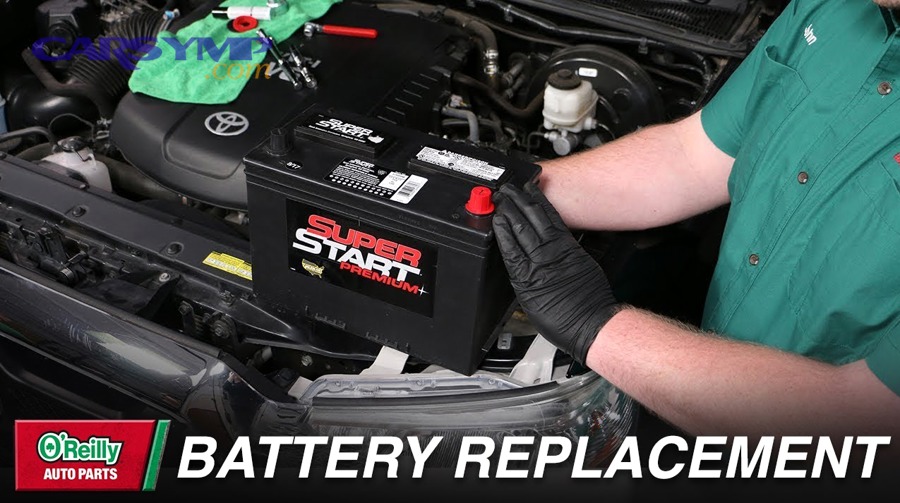
How do driving habits affect battery lifespan?
Frequent short trips can undercharge the battery because the starter draws a large burst of energy and the alternator needs time to replenish it.
Cụ thể, if most drives are under 10–15 minutes, occasional longer drives or a maintenance charger can help keep the battery healthier.
- Combine errands into one longer trip when possible.
- Reduce accessory load immediately after starting in cold weather.
- Consider periodic charging if the car sits often.
What climate factors matter most?
Heat accelerates internal chemical wear, while cold reduces available cranking power, so both extremes stress the battery in different ways.
Tuy nhiên, heat often causes more long-term damage, so reducing under-hood heat exposure (where practical) and keeping the battery secured can help.
- Ensure heat shields and covers (if equipped) are in place.
- Keep the battery clean and dry to reduce surface discharge paths.
- Replace missing hold-downs to limit vibration in rough conditions.
How often should you inspect terminals and cables?
Inspect terminals every few months or at each oil change because early corrosion is easier to remove and prevents resistance from building up.
Quan trọng hơn, catching a loosening clamp early prevents intermittent no-start events that look like “random battery failure.”
- Check clamp tightness by hand (no rotation).
- Look for powdery buildup, moisture, or greenish cable corrosion.
- Clean and protect terminals if residue appears.
What are simple ways to avoid parasitic drain?
Eliminate unnecessary power draw when the car is off by confirming lights fully shut off and unplugging accessories that remain active.
Hơn nữa, if you suspect a drain, a measured diagnostic approach (fuse-by-fuse isolation) beats guessing and swapping parts.
- Remove unused USB adapters and always-on dash accessories.
- Confirm glovebox, trunk, and under-hood lights turn off.
- Address aftermarket audio/security wiring if installed poorly.
FAQ
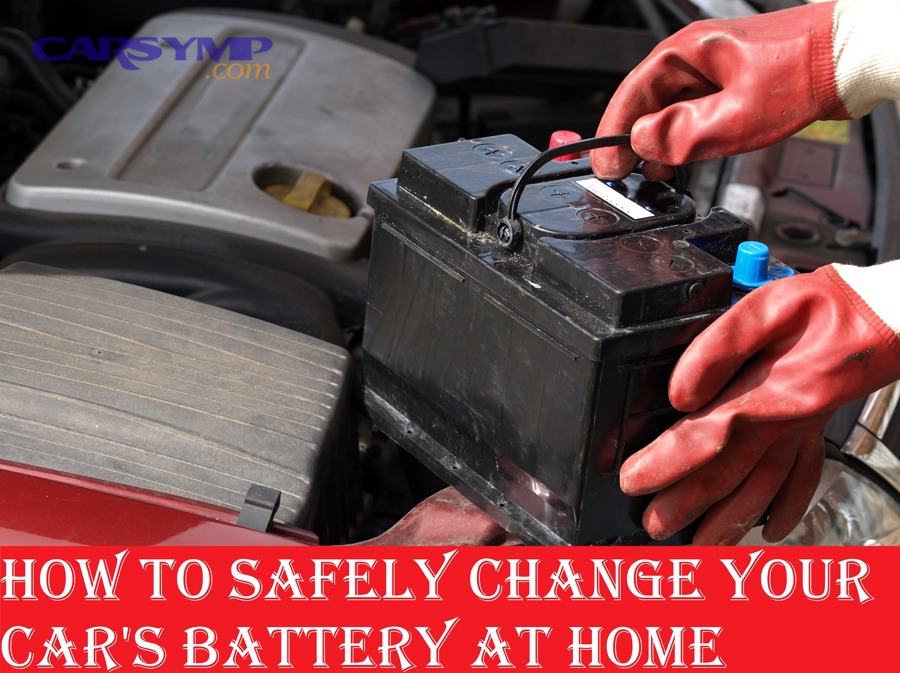
How long does it take to replace a car battery?
Many swaps take 15–45 minutes depending on accessibility, corrosion level, and whether you need to remove covers or intake ducting.
Tuy nhiên, modern vehicles with battery monitoring steps can add time if you need a scan tool or adaptation procedure.
Do you always have to disconnect the battery to replace it?
Yes, you must disconnect at least one cable because the battery is the electrical source; removing it while connected risks shorts and damage.
Cụ thể, disconnecting the negative first is the standard safety approach because it breaks the ground path.
Can replacing the battery cause the car to run rough?
It can temporarily because the ECU and throttle/idle systems may relearn after power loss.
Ngoài ra, if roughness persists, scan for codes and recheck charging voltage—persistent issues usually point to an underlying fault, not the new battery itself.
Is it safe to replace car battery at home?
Yes, for many vehicles it is safe if you follow terminal order, wear protection, keep tools from bridging terminals, and secure the battery properly.
Quan trọng hơn, if your vehicle requires battery registration or has difficult access, it may be safer to involve a professional to avoid electronic or physical damage.