


A pre-purchase drivetrain inspection is the fastest way to reduce “unknowns” before you buy a used car because it focuses on the parts that actually deliver power to the wheels—where hidden wear can turn into high repair bills. (jdpower.com)
If you follow the tips below, you’ll know what to check before the test drive, what to feel and listen for while driving, and what a shop should confirm on a lift—so you can spot red flags early and avoid paying for someone else’s neglected maintenance.
You’ll also learn how to classify findings into walk away, negotiate, or monitor, because an inspection report is only valuable if you can convert it into a clear decision and a realistic next step.
Introduce a new idea: the sections that follow turn “drivetrain inspection tips” into a repeatable checklist you can use on almost any vehicle, from a basic front-wheel-drive commuter to an AWD/4WD SUV.
What is a pre-purchase drivetrain inspection, and what does it include (and exclude)?
A pre-purchase drivetrain inspection is a focused mechanical evaluation of the transmission, axles/half-shafts, differentials, and (if equipped) transfer case and driveshafts—designed to confirm power delivery is smooth, sealed, and predictable without tearing the vehicle apart. (jdpower.com)
To better understand what you’re paying attention to, start by separating “drivetrain” from other systems and then defining what an inspection can realistically prove.
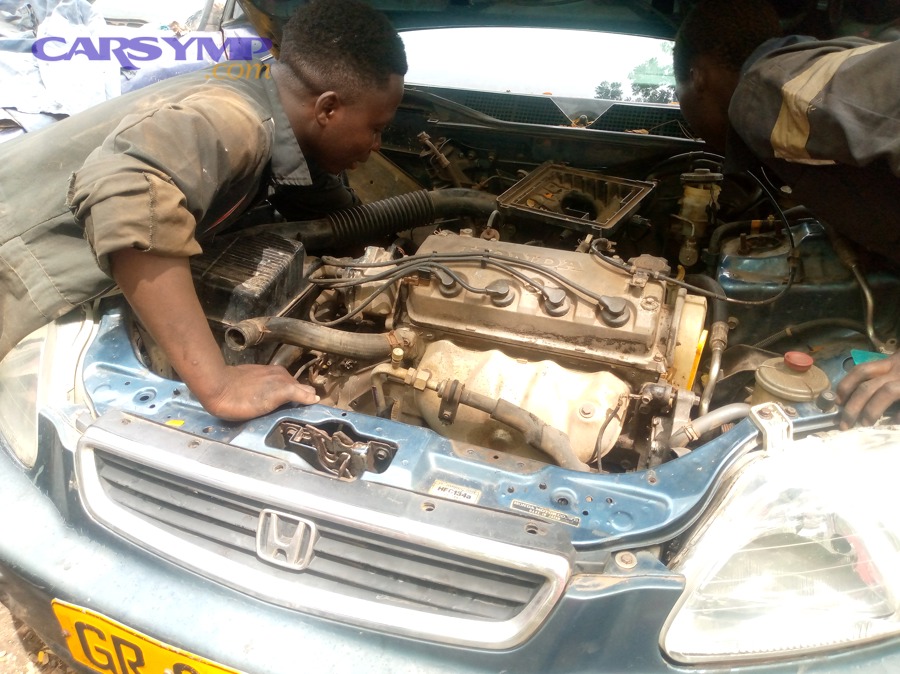
What components are considered “drivetrain” (and why is it different from engine or suspension)?
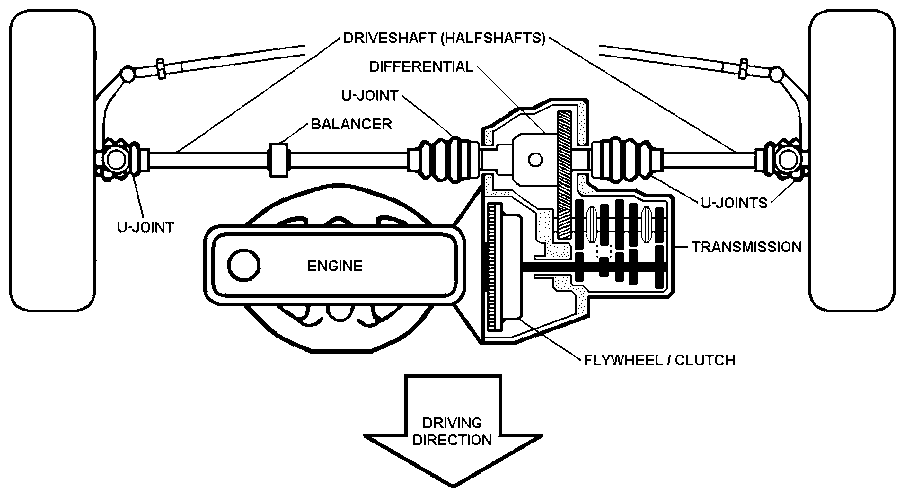
The drivetrain is the vehicle’s power-delivery chain—transmission → output shafts → driveshaft (if present) → differential(s) → axles/CV joints → wheels—and it’s different from the engine (power creation) and suspension (ride/handling) because drivetrain problems typically show up as shift issues, noises under load, vibrations, or fluid leaks.
More specifically, think of drivetrain as a meronymy set: it’s the “whole” made of related “parts.” When buyers say “I’m worried about the drivetrain,” they usually mean at least one of these:
- Transmission (automatic, manual, CVT, or dual-clutch)
- Differential(s) (front, rear, and/or center depending on layout)
- Axles / half-shafts / CV joints
- Driveshaft(s) and U-joints (common on RWD/AWD/4WD)
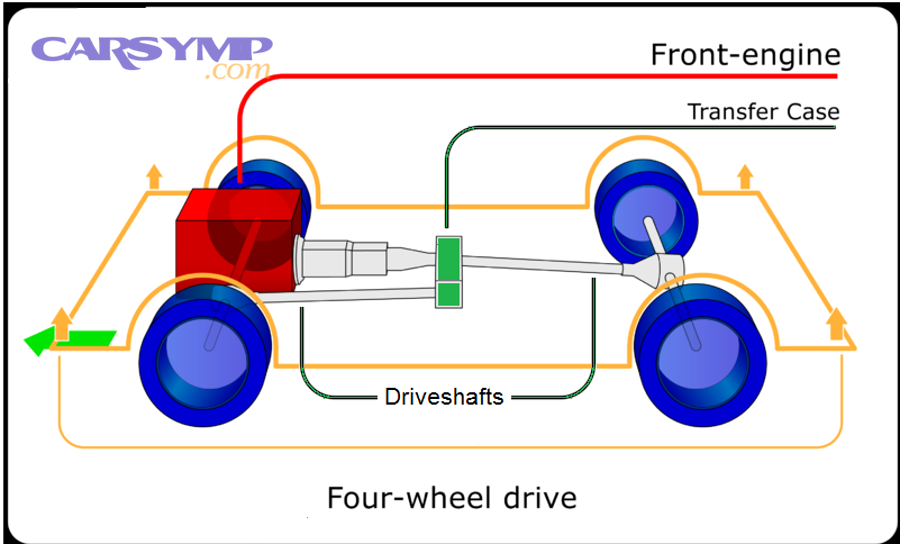
- Transfer case or power transfer unit (PTU) on AWD/4WD
A drivetrain-focused inspection doesn’t ignore the engine or suspension, but it prioritizes the components that most directly translate into: “Does it move smoothly, quietly, and without slipping or binding?”
What a drivetrain inspection can reveal without disassembly (and what it can’t)
A drivetrain inspection can reveal a lot without disassembly, but it cannot guarantee the future. The goal is to reduce risk by confirming current behavior + current evidence matches a healthy system.
What it can reveal (high confidence):
- Active leaks (fresh fluid wetness at seals, housings, cooler lines)
- Fluid condition clues (burnt smell, wrong color, contamination indicators)
- Behavior under load (slip, flare, delayed engagement, harsh shifts)
- Noise signatures (whine, howl, clunk, clicking, grinding)
- Mount and driveline play issues (torn mounts, excessive backlash)
- Electronic warnings (stored/pending drivetrain-related codes)
What it usually can’t reveal (without invasive work):
- The exact remaining life of clutches, bands, bearings, or gears
- Internal wear that isn’t yet producing symptoms
- Prior repairs done “cheaply” unless there’s evidence (wrong sealant, mismatched parts)
- Full internal contamination unless you remove pans/covers or sample fluid properly
A good inspection is still worth it because it converts “unknown unknowns” into “known risks.” That’s especially important because vehicle defect and complaint data show that mechanical issues can tie to real-world safety consequences. (subasish.github.io)
Evidence: According to a study by Texas A&M Transportation Institute (within the Texas A&M University System) published in 2019, researchers noted the National Highway Traffic Safety Administration vehicle complaint database had more than 1.4 million complaints, and around 5% of those reports involved some level of injury or fatalities. (subasish.github.io)
What documents and history should accompany the inspection
A drivetrain inspection is strongest when it’s paired with proof—because many drivetrain failures are maintenance-linked (wrong fluid, overdue services, ignored leaks).
Bring or request:
- Service records (especially transmission, differential, and transfer case/PTU services)
- Receipts for major repairs (rebuilt transmission, differential rebuild, axle replacements)
- Warranty paperwork (if a rebuild or replacement was done recently)
- Vehicle history report (to flag flood damage, severe impacts, odometer anomalies)
- Any dash photos (warning lights), cold start video, and seller statements in writing
Then, treat gaps as risk. If a seller can’t document a major drivetrain repair, you assume the cheapest plausible version of that repair until proven otherwise.
What should you check before the test drive to spot obvious drivetrain risks?
Yes—before you even drive, you can spot obvious drivetrain risks with a fast drivetrain inspection that focuses on leaks, smells, fluid clues, and simple scan data, because these reveal neglect, overheating, and seal failures early.
Next, use a parked-car routine so you don’t miss the same few “silent” warning signs that show up again and again in used vehicles.
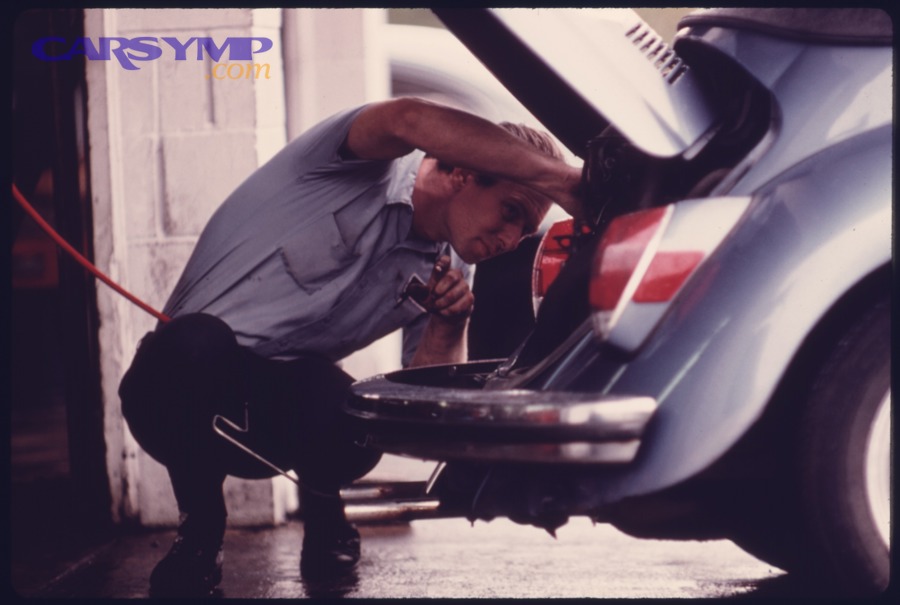
What can you learn from the tires, leaks, and smells while the car is parked?
You can learn whether the drivetrain is likely sealed, aligned, and not binding by checking the ground, the wheel/tire setup, and the odors around the driveline.
Tires (drivetrain relevance):
- Mismatched tire sizes or brands (especially on AWD): this can increase driveline stress because rolling diameters differ.
- Uneven wear patterns: can hint at alignment or suspension issues, but it also matters for AWD traction systems and torque transfer behavior.
- New tires on one axle only (AWD/4WD): ask why. Sometimes it’s harmless; sometimes it’s a sign of repeated driveline issues or poor maintenance habits.
Leaks (quick ID):
- Red/pink fluid often points toward transmission fluid (varies by brand).
- Dark brown/black oily fluid can be engine oil or gear oil—smell helps.
- Thick, sulfur/“rotten egg” gear-oil smell often suggests differential/transfer case fluid.
Smells:
- Burnt odor near the front or undercarriage: can suggest overheated transmission fluid or slipping friction elements.
- Fuel smell: not drivetrain directly, but a red flag for overall maintenance and safety.
A simple rule: if the car is already leaving fresh wetness on the seller’s driveway, assume you’ll be paying to reseal something soon unless the price reflects it.
How do you check drivetrain fluids without special tools?
You can do a basic drivetrain fluid check in three “no-lift” steps—identify access, assess condition, and look for inconsistencies—to estimate whether the vehicle was maintained correctly and whether overheating or contamination is likely.
- Find what’s accessible
- Many modern automatics and some CVTs have no traditional dipstick.
- Differentials and transfer cases usually require fill/check plugs (often not accessible without a lift).
- Assess what you can assess
- Transmission dipstick (if present): check level (per manual procedure), color, and smell.
- Manual transmission or gear oil (rarely accessible without lift): you may only check for external leaks.
- Look for inconsistencies
- Fresh fluid with no receipts can be normal maintenance—or it can be a masking attempt.
- Overly clean underside near seals can suggest recent cleaning to hide leaks.
If access is limited, don’t guess—just treat it as a reason to rely more heavily on the road test and the shop lift inspection.
What quick OBD-II checks matter for drivetrain health?
A quick OBD-II check matters because it can reveal drivetrain-related faults that don’t trigger a visible warning light yet—especially pending codes, freeze-frame clues, and transmission-module data when available.
Start with:
- Check for stored + pending codes
- Look at readiness monitors (recent code clearing can reset them)
- Confirm VIN matches (basic fraud prevention)
If you have a scanner that can read more than generic powertrain codes, also check:
- Transmission control module (TCM) codes
- Misfire data under load (misfires can feel like drivetrain shudder)
- Temperature readings (trans temp if supported)
How do you road-test a used car to evaluate the transmission and differential correctly?
You can road-test a used car for drivetrain health by running three driving modes—light throttle, moderate load, and sustained cruise—while listening for noise patterns and feeling for shift quality, because drivetrain issues reveal themselves under specific loads and speeds.
Then, use a structured drive so you can describe symptoms clearly if you need to negotiate or walk away.
How can you evaluate an automatic transmission for harsh shifts, flare, or slip?
An automatic transmission is likely healthy if it engages quickly, shifts consistently at repeatable throttle inputs, and does not flare RPM, bang into gear, or hesitate—because those behaviors often signal pressure, solenoid, clutch, or wear issues.
Test sequence:
- Cold start engagement: from Park → Reverse → Drive. You want prompt engagement without a long delay.
- Light throttle shifts: smooth and predictable, no “hunt.”
- Moderate throttle: shifts can be firmer, but should still be consistent.
- Kickdown response: should downshift decisively, not shudder or slip.
What “flare” feels like:
- RPM rises without a matching increase in speed during a shift.
What “slip” often feels like:
- Engine revs climb, vehicle acceleration lags, sometimes followed by a harsh catch.
If anything feels inconsistent, repeat the same maneuver. Consistency is your best friend in diagnosis.
How do you assess a manual transmission and clutch engagement?
A manual drivetrain is likely healthy if the clutch engages smoothly without slip and the transmission selects gears cleanly without grind—because clutch and synchro wear typically show up as predictable symptoms.
Clutch checks:
- Takeoff feel: should be progressive, not chatter violently.
- Higher-gear load test: at low RPM in a higher gear, moderate throttle should not cause RPM to rise faster than speed (slip).
- Engagement point: extremely high engagement can indicate wear (varies by vehicle).
Transmission checks:
- Shift into each gear at different RPMs
- Downshift behavior: notchiness can be normal; grinding is not.
- Listen on decel: some gear whine can indicate bearing wear.
Manual drivetrains often “talk” through noise—so turn off music, open a window briefly, and listen.
How do you test for differential noise, vibration, and axle/CV joint issues?
You can test for differential and axle issues by correlating noise type + when it happens (accel vs decel vs constant) because different components create different sound signatures.
Common patterns:
- Whine that changes with speed: often differential bearing/gear pattern issues.
- Clunk on throttle on/off: can be excessive backlash, worn mounts, or driveline play.
- Clicking on turns (front-wheel drive / CV joints): often outer CV joint wear.
- Vibration under acceleration: can be axle imbalance, joint wear, or mount problems.
Quick checks:
- On a safe road, hold a steady speed and then lift off—does the noise change?
- Gentle lane change left/right—does a hum change? (Wheel bearings can mimic drivetrain noise.)
What AWD/4WD behaviors on tight turns suggest binding?
AWD/4WD binding often shows up as hopping, shuddering, or “tire scrub” on slow tight turns in a parking lot—because the system may be fighting wheel-speed differences or a coupling may not be releasing smoothly.
Do a controlled test:
- In an empty lot, do slow full-lock circles both directions.
- Feel for rhythmic resistance or jerky hop.
- Note if it worsens as the car warms up.
Important caution: some systems behave differently depending on mode (Auto vs Lock vs 4HI/4LO), and some tires naturally scrub slightly at full lock. You’re looking for pronounced binding that feels like the vehicle is being “held back.”
What should a shop check on a lift for a drivetrain-focused pre-purchase inspection?
There are 4 main shop lift checks for a drivetrain-focused pre-purchase inspection—leaks/play, transmission condition, differential condition, and AWD/4WD power transfer hardware—because a lift reveals what you cannot confirm reliably from the ground.
More importantly, the lift is where you catch expensive “slow leaks” and worn driveline components before they become failures.
What should be inspected for leaks, mounts, and driveshaft/axle play?
A shop should inspect leaks and play by checking seal edges, case seams, boot integrity, mount rubber, and rotational slack, because those points reveal both fluid loss risk and mechanical wear.
Ask for:
- Photos of wet areas (fresh fluid vs old residue)
- Notes on mount condition (collapsed or torn mounts can create clunks)
- Driveshaft checks (if present): U-joint play, carrier bearing noise, and slip yoke condition
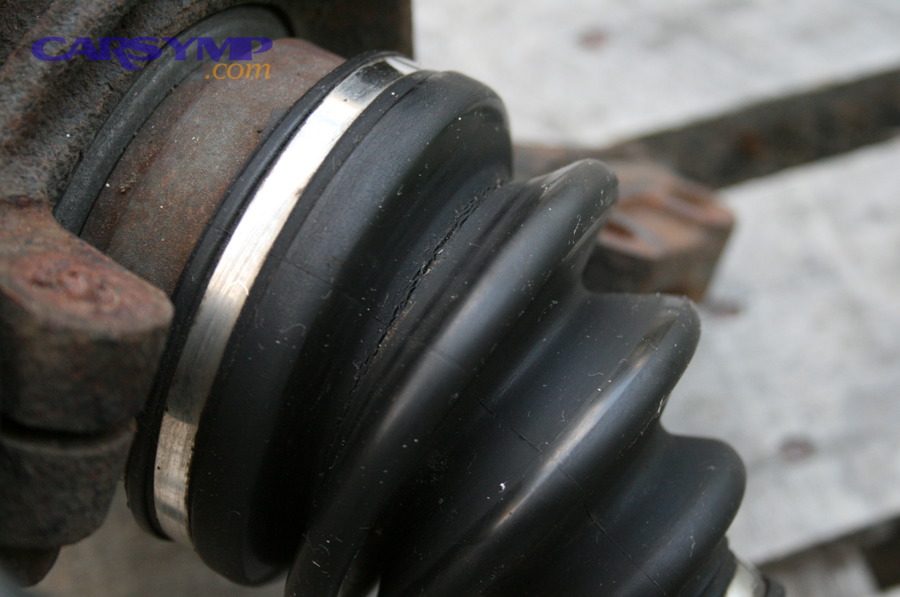
- Axles/half-shafts: torn boots, grease sling, and joint play
This is where a drivetrain inspection becomes “real”: you’re not guessing based on sound alone—you’re confirming physical evidence.
What should the shop look for in the transmission pan, fluid condition, and cooler lines?
A shop should look for fluid condition, cooler line leaks, case seepage, and (when appropriate) pan/plug debris, because overheated or contaminated transmission fluid often precedes drivability issues.
Key items:
- Fluid smell and color (burnt odor is a big warning sign)
- Cooler lines and fittings (leaks can be sudden and catastrophic)
- Pan seepage and gasket condition
- If the vehicle has a serviceable pan: look for excess metal debris (normal “fine paste” vs flakes/chunks)
Also ask the shop to note whether the transmission has signs of:
- Recent reseal work (fresh RTV, non-OEM fasteners)
- Recent fluid exchange without documentation (neutral, but worth noting)
What does a differential inspection include?
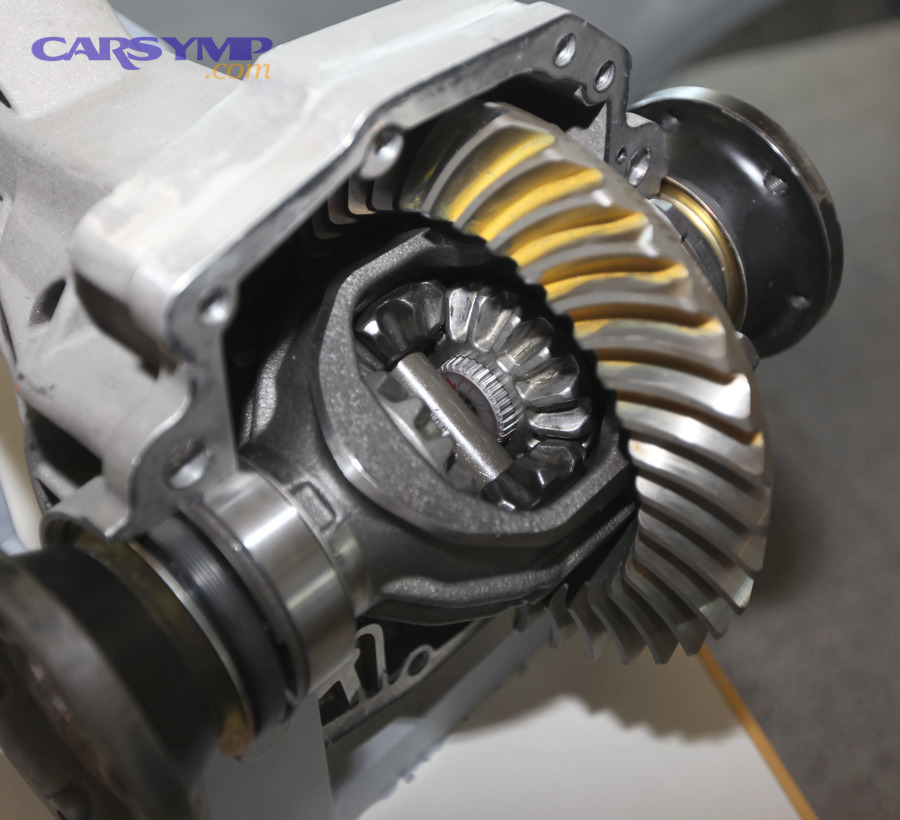
A differential inspection includes checking for housing leaks, seal wetness, gear-oil condition clues, mounting integrity, and noise/play, because differentials fail gradually and often advertise it through leaks and whine first.
This is where you should request Differential fluid leak and condition checks explicitly, even if the shop’s default checklist is broader.
What a good differential check covers:
- Pinion seal wetness (common leak point)
- Axle seal leaks
- Vent blockage evidence (pressurization can push fluid past seals)
- Mount bushings (especially on rear differentials in AWD crossovers)
- Backlash/play (excess can cause clunks)
What’s different for AWD/4WD: transfer case, PTU, and center differential checks?
AWD/4WD adds more failure points, so the shop should check transfer case/PTU leaks, center coupling behavior clues, driveshaft condition, and related mounts, because power is routed through additional housings and joints.
Ask the shop to include Transfer case inspection for AWD/4WD as a named deliverable in the report so it doesn’t get skipped.
Specific AWD/4WD checks:
- Transfer case/PTU case wetness and seam leaks
- Output seals (front/rear outputs)
- Center differential/coupler behavior clues (binding symptoms you reported + physical findings)
- Mode engagement (if selectable 4HI/4LO): verify it shifts correctly and doesn’t grind
- Driveshaft U-joints and carrier bearings (if present)
AWD systems can be sensitive to tire diameter differences, so the shop should also record tire sizes, tread differences, and any mismatch evidence as part of the drivetrain story.
Which drivetrain red flags should trigger “walk away,” “negotiate,” or “monitor”?
There are 3 actionable categories of drivetrain red flags—walk away, negotiate, and monitor—based on whether the issue indicates imminent failure, manageable repair cost, or normal wear with predictable maintenance.
Next, use a decision framework so you don’t overreact to minor seepage—or ignore a symptom that usually becomes expensive.
Before the table below, note what it contains: it summarizes common drivetrain findings and the most practical buyer action, so you can convert inspection notes into a decision quickly.
| Finding (drivetrain) | What it often means | Buyer action |
|---|---|---|
| Delayed engagement into Drive/Reverse | Pressure/leakdown, internal wear | Walk away (unless priced as project) |
| RPM flare on shifts | Clutch wear/pressure control issues | Walk away or negotiate only with proof/rebuild |
| Loud differential whine that changes with load | Bearing/gear pattern wear | Negotiate heavily or walk away |
| CV boot torn with grease sling + clicking | Joint wear likely | Negotiate (axle replacement) |
| Minor “weeping” at a seal, no dripping | Early seepage | Monitor |
| Transfer case binding in tight turns | Coupler/transfer case issues | Often walk away on AWD/4WD |
Which findings are “walk away” drivetrain issues?
Walk away from a used car for drivetrain reasons if you see symptoms suggesting internal failure is underway, because those repairs are usually high-cost and unpredictable without a full teardown.
Common walk-away triggers:
- Transmission slip or repeated flare
- Harsh banging shifts accompanied by warning codes
- Metal flakes/chunks in transmission pan (when verified)
- Severe AWD/4WD binding that is reproducible
- Differential howl + visible heavy leakage (especially if fluid is low)
- Seller refuses inspection or refuses to allow a road test route that includes normal conditions (highway + turns)
Even if the car still drives “okay,” these signals often mean you’re buying a problem that is already progressing.
Which issues are negotiable with the right paperwork and pricing?
Negotiate when the issue is real but bounded—meaning the repair is common, the scope is clear, and parts availability is normal.
Negotiable examples:
- Axle/CV boot damage when caught early (often axle replacement is straightforward)
- Seeping seals where the shop can identify the exact seal and estimate labor
- Minor mount wear causing small clunks (verify it’s mounts, not internal)
- Fluid services overdue with no symptoms yet (you still negotiate because it signals maintenance habits)
The key is documentation: if the seller claims “it was just serviced,” you ask for the receipt, the mileage, and the fluid type.
Which items are normal wear-and-tear to monitor after purchase?
Monitor items are those that are typical for mileage/age and don’t indicate imminent drivetrain failure, especially when the vehicle drives smoothly and fluid levels are stable.
Examples:
- Light seepage with no active drip
- Slight driveline lash on older vehicles (within reason)
- Cosmetic surface rust on driveline parts (not structural)
- Old but intact CV boots with no grease sling
- Normal gear noise that’s faint and non-progressive
“Monitor” still means you plan maintenance:
- Baseline fluids
- Recheck for leaks after a few weeks
- Keep records so you can spot changes
How do you turn the inspection report into a repair estimate and negotiation plan?
You turn the report into a plan by translating findings into (1) safety/driveability risk, (2) repair scope, (3) price adjustment, because inspection results are only useful when you act on them.
This is the moment for Interpreting inspection results and next steps:
- Request the shop’s priority list
- “Fix now” (safety or imminent failure)
- “Fix soon” (leaks that will worsen, mounts that are collapsing)
- “Maintenance baseline” (fluids, filters, scheduled items)
- Convert each item into a line-item estimate
- Part cost range
- Labor hours estimate
- Related parts (seals, fluids, one-time bolts)
- Negotiate using facts, not fear
- Show the seller the shop notes/photos
- Ask for a price reduction that matches repair reality
- If the seller refuses, you already have your answer
Evidence: According to a study by Texas A&M Transportation Institute in 2019, the authors reported that based on 2011–2016 FARS data, about 2.6% of fatal crashes were linked to vehicles’ pre-existing defects—reinforcing why mechanical condition and documented maintenance matter in real outcomes. (subasish.github.io)
Should you DIY the drivetrain checks or pay for a professional pre-purchase inspection?
Yes—you should do basic DIY checks and still pay for a professional pre-purchase inspection when drivetrain risk is meaningful, because DIY catches obvious issues early while a shop confirms leaks, play, and module data you can’t reliably evaluate without a lift.
To illustrate the tradeoff, think of DIY as a filter and the shop as verification.
What DIY checks are reliable (and what DIY checks mislead buyers)?
Reliable DIY checks:
- Structured road test for shifts/noises/vibration
- Visual leak and boot inspection (as much as you can safely see)
- Basic OBD-II scan for codes + readiness status
- Tight-turn test for AWD binding clues
Misleading DIY checks:
- Assuming “no warning light” means “no problem”
- Over-interpreting fluid color alone (some fluids vary by design)
- Judging a transmission by one gentle acceleration
- Ignoring tire mismatch on AWD because the car “seems fine”
Your job as a buyer is not to diagnose like a technician—it’s to identify risk that justifies a deeper look.
When is a specialist inspection worth it (e.g., German cars, trucks, hybrids)?
A specialist is worth it when drivetrain design is complex or failure modes are expensive, such as:
- German luxury automatics, performance drivetrains, or torque-vectoring AWD
- Trucks used for towing (heat and load history matter)
- Hybrids with complex transaxles (where symptoms can be misread)
Specialists tend to:
- Know common failure patterns
- Have better scan tools and brand-specific data
- Interpret “normal vs abnormal” more accurately for that model
If the vehicle is a niche platform, a general inspection may still help—but a specialist can save you from “normal-looking” problems that are model-specific.
How much does a drivetrain-focused PPI cost, and what should be included?
A drivetrain-focused PPI should include:
- Road test with notes
- OBD scan with code/status printout where possible
- Lift inspection for leaks/play/boots/mounts
- Written report with photos
Costs vary by region and depth, but the value is in the deliverables: you want written findings and clear severity ranking so negotiation is straightforward.
How do you use your drivetrain inspection findings to decide to buy, negotiate, or walk away?
You use drivetrain inspection findings by applying a 3-step decision method—severity → cost → confidence—because the right choice depends on how bad the issue is, what it costs to fix, and how certain the diagnosis is.
Then, document your conclusion so you don’t get emotionally pulled back into a risky purchase.
How do you schedule an inspection with a seller or dealer?
Schedule efficiently by setting expectations up front:
- Tell the seller you’ll buy pending inspection
- Offer a reasonable window (same-day or next-day appointment)
- Clarify who drives the car to the shop and who pays (buyers typically pay)
- If the seller refuses, treat it as a major signal and move on
A cooperative seller is not a guarantee of a good car, but an uncooperative seller is often a warning.
What should you ask the shop to focus on for drivetrain concerns?
Ask the shop to focus on the exact concerns you have and name the drivetrain parts:
- Transmission shift quality + fluid condition
- Axles/CV joints and boots
- Differential(s) noise/leaks/play
- AWD/4WD: transfer case/PTU + center coupling behavior
Also ask them to:
- Note any signs of recent cleaning around seals
- Provide photos of wet areas and torn boots
- Rank items by urgency (“now / soon / later”)
If you’re using this as negotiation leverage, written clarity is everything.
What should you bring and how should you document findings?
Bring:
- VIN, listing, and seller claims
- Any service records you have
- Your own notes from the test drive (speeds, conditions, symptoms)
Document:
- Photos of tire sizes and tread differences (especially AWD)
- Screenshot of OBD code status
- The shop’s report + estimate
A clean documentation package helps you negotiate calmly—and helps you walk away confidently when the risk doesn’t match the price.
Contextual Border: Up to this point, you’ve covered the universal checklist that answers the primary intent—pre-purchase drivetrain inspection tips for most used cars. Next, the focus shifts to special drivetrain designs and edge cases that change what “normal” looks like.
How do drivetrain inspection tips change for CVT, dual-clutch, AWD/4WD, and performance vehicles?
There are 4 main drivetrain design categories that change pre-purchase inspection priorities—CVT, dual-clutch, AWD/4WD hardware, and performance/towing setups—because each has different failure signatures, fluid requirements, and “acceptable behavior” ranges.
Below are the adjustments that expand your semantic coverage beyond the baseline checklist.
What’s different when inspecting a CVT drivetrain?
CVTs often require you to prioritize:
- Smooth, steady ratio changes (no flare-and-catch feeling)
- Shudder/judder under light acceleration
- Heat history clues (burnt odor, repeated overheating warnings)
- Strict fluid type/service intervals (CVTs can be sensitive to wrong fluid)
CVT test drives should include long enough cruising to bring temps up and enough stop-and-go to reveal low-speed shudder.
What’s different when inspecting a dual-clutch transmission (DCT)?
DCTs can behave “busier” at low speeds, but you should still watch for:
- Excessive hesitation from a stop (beyond typical creep behavior)
- Repeated harsh engagement that feels like clutch slam
- Overheating warnings in traffic
- Jerky low-speed modulation that doesn’t improve when warmed
Because DCTs are partly “manual clutch” behavior with automation, consistency matters even more.
What changes for AWD/4WD systems with a transfer case or PTU?
AWD/4WD adds:
- More seals and housings that can leak
- More joints that can vibrate
- More sensitivity to tire mismatch
So your supplement checklist should emphasize:
- Tight-turn binding test
- Driveshaft and coupler checks
- Explicit transfer case/PTU leak inspection
- Confirming tire matching and tread depth consistency
How do performance and towing vehicles change drivetrain risk?
Performance and towing use cases increase heat and load, so you should:
- Ask for evidence of fluid service under load (trans, diff, transfer case)
- Pay extra attention to cooler lines, auxiliary coolers, and temperature behavior
- Watch for driveline clunks that can come from hard launches or towing shock loads
In these cases, a drivetrain inspection is less about “does it move?” and more about “has it been stressed beyond what maintenance can offset?”