


A differential fluid leak and condition check is a simple, high-impact inspection that helps you catch low gear oil, seal leaks, and early wear before the differential overheats or damages gears and bearings. You can do most of the check with basic tools by locating the fill plug, verifying level, and evaluating the fluid’s appearance and odor.
Next, you’ll learn exactly where leaks usually start—like axle seals, pinion seals, and the differential cover—and how to confirm you’re seeing gear oil rather than engine oil, power steering fluid, or brake fluid. This matters because gear oil has its own smell, thickness, and typical leak patterns.
Then, you’ll use a repeatable method to judge “good vs bad” fluid (color, smell, texture, metal contamination) and to decide whether it’s safe to drive, whether you should top off or change the fluid, and what repair path fits the leak source.
Introduce a new idea: once you treat this as a structured inspection—not a guess—you can interpret what you find and choose the right next step with confidence.
What is differential (final-drive) fluid, and why do leak and condition checks matter?
Differential (final-drive) fluid is a high-pressure gear lubricant that protects ring-and-pinion gears and bearings by maintaining a strong oil film under load, and leak/condition checks matter because low or degraded gear oil can quickly accelerate heat, wear, and noise in the final drive.
Next, because the differential sits at the end of the drivetrain, a small leak can quietly become a big problem—so it helps to understand what the fluid does and what failure looks like.
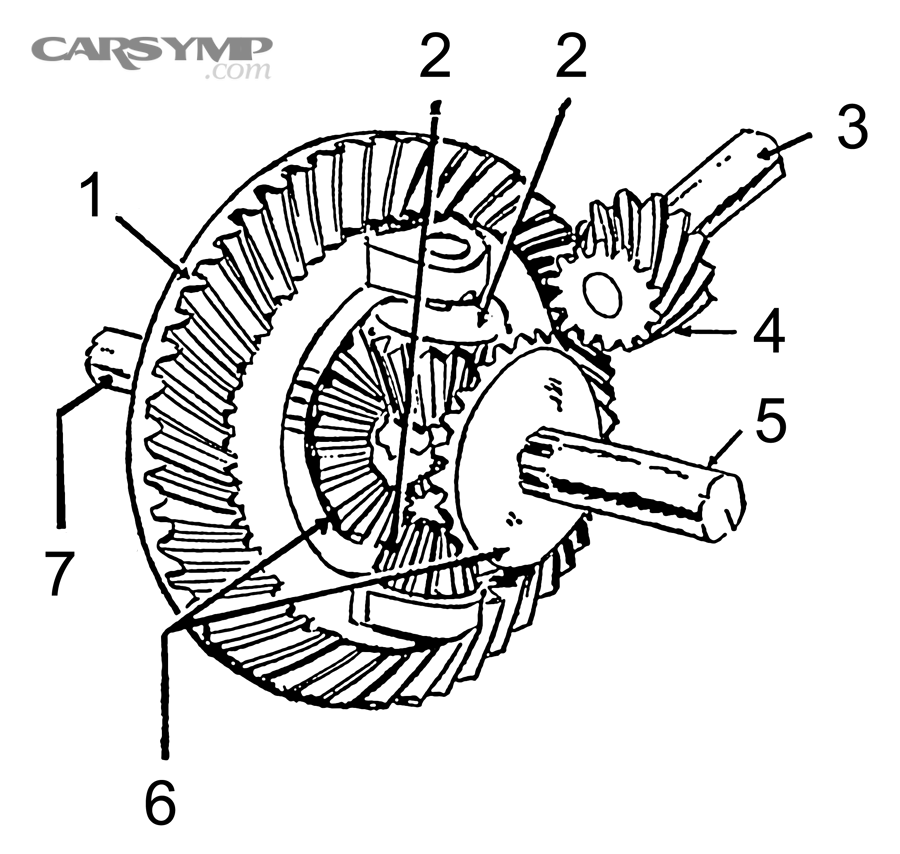
What does differential fluid do inside the drivetrain?
Differential fluid (often called gear oil) does more than “make things slippery.” It performs several specific jobs inside the final drive:
- Creates a load-bearing film between gear teeth, especially the ring and pinion where sliding contact occurs (common in hypoid gearsets).
- Prevents metal-to-metal contact in bearings and gear meshes by keeping surfaces separated.
- Controls heat by absorbing and transferring heat to the housing, where it dissipates.
- Protects against corrosion by coating internal surfaces and suspending moisture and contaminants (to a limited extent).
- Supports additive chemistry (EP additives) designed for extreme-pressure contact—very different from engine oil additives.
If you think of the drivetrain inspection as a chain, the differential is the final link delivering torque to the wheels. That final link needs the right lubricant condition because its contact stresses are high and its cooling capacity is limited.
What happens when differential fluid runs low or breaks down?
When gear oil runs low, the differential may still “work,” but it works in a damaging way. The most common consequences follow a predictable pattern:
- Lower oil level reduces splash lubrication. Many differentials rely on ring gear splash to distribute oil. Low oil means less distribution.
- Heat rises quickly. Less oil volume = less thermal capacity and less cooling.
- Oil oxidizes faster. Higher temperature accelerates oxidation, thickening, and additive depletion.
- Noise and wear begin. Bearings and gears develop abnormal contact patterns, often producing whine, howl, or rumble.
- Hard failure becomes possible. Severe low oil can lead to bearing seizure, gear tooth damage, or pinion/ring gear failure.
A condition check matters because “not leaking much” does not always mean “safe.” Old oil can lose protection even if the level is fine.
Which vehicles have differentials, and where is the fluid located?
Most vehicles have at least one differential, but the location and access vary:
- RWD vehicles: Usually a rear differential “pumpkin” in the rear axle housing.
- FWD vehicles: A differential integrated into the transaxle (often sharing space with transmission components, sometimes sharing fluid, sometimes not—vehicle-specific).
- AWD/4WD vehicles: Often front and rear differentials, plus a transfer case, and sometimes additional gearboxes. Each may have its own fluid spec and fill/check points.
This is why the central entity—differential fluid—shows up as multiple “sub-entities” depending on drivetrain layout.
Where do you look for a differential fluid leak?
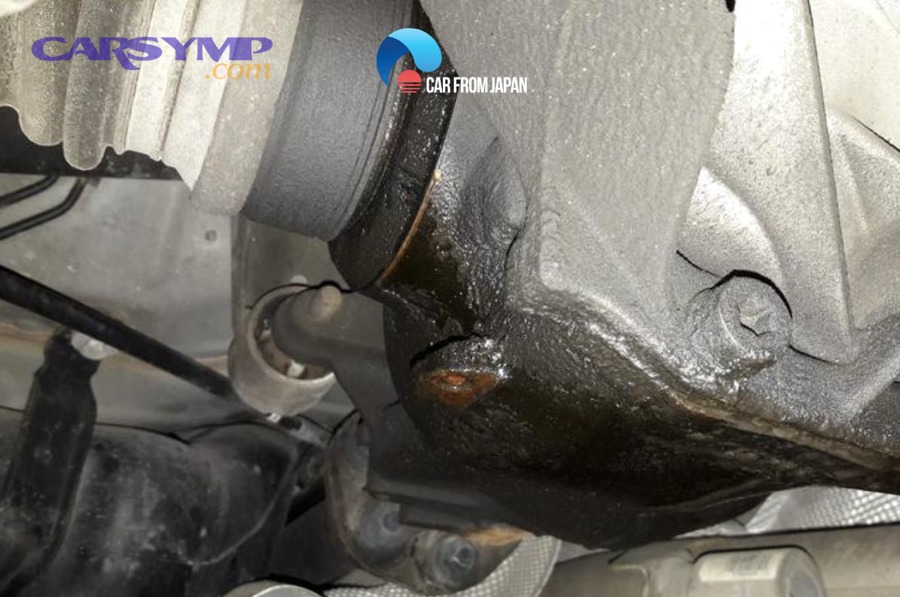
You look for a differential fluid leak by inspecting the housing seams, seals, and rotating interfaces—then confirming the fluid is gear oil by its thickness, color, and strong sulfur-like odor, plus the way it spreads and collects on components.
Then, because many fluids can drip in the same area, you’ll narrow the leak source by checking the most common points first.
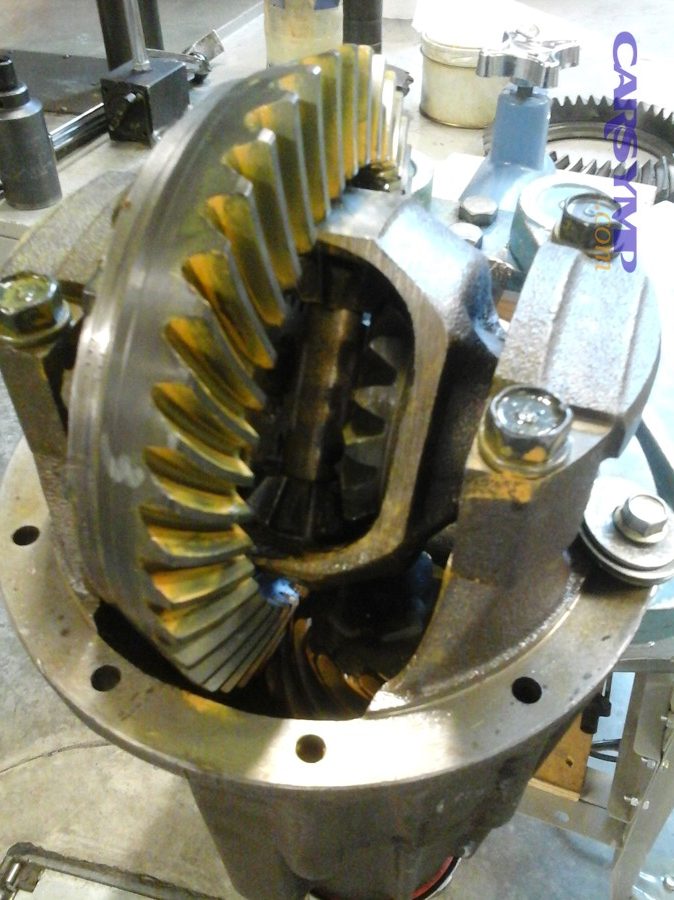
What are the most common leak points on a rear differential?
Rear differentials leak most often at seals and covers because those areas combine heat cycles, pressure changes, and gasket wear. Common points include:
- Pinion seal (front of differential): Where the driveshaft yoke enters the differential. Leaks often sling oil outward in a circular pattern.
- Axle seals (left and right): Where axle shafts exit the housing (or at the ends of the axle tubes). Leaks may travel toward brakes or wheels.
- Differential cover gasket/RTV seam: Wetness around the cover perimeter, often collecting at the lowest bolts or bottom edge.
- Fill plug / drain plug sealing surface: A slow seep around threads or a damaged washer can mimic a bigger leak.
- Vent/breather issues: A clogged vent can force oil past seals, making leaks appear “random” after highway driving.
A practical rule: oil appears at the lowest point—but it usually starts higher. So you scan high first, then follow wet trails downward.
What are the most common leak points on a front differential or transaxle?
Front differentials and transaxles are tighter-packed and can confuse diagnosis because transmission, engine, and steering fluids share the area. Common leak points include:
- Front differential axle seals: Wetness near CV axles where they enter the diff or transaxle.
- Case halves seam (transaxle/diff housing seam): A thin wet line that slowly grows.
- Fill/check plug: Similar to rear diffs, but access is often worse.
- Input/output seals (platform-specific): Some units have additional sealing points depending on design.
Because the front end has more fluids nearby, a good inspection includes tracing the leak back to the highest wet point, not the lowest drip.
How do you tell gear oil from other automotive fluids?
Gear oil has distinctive traits that help you identify it reliably:
- Smell: Strong, pungent sulfur/“rotten egg” odor is common in many gear oils with EP additives.
- Texture: Usually thicker than engine oil at room temperature—often sticky and slow to run.
- Color: Fresh gear oil ranges from amber to honey; used gear oil can turn dark brown/black. Some brands are dyed.
- Spread pattern: Gear oil tends to cling and form heavy wet coatings, rather than thin watery films.
To avoid confusion, compare likely alternatives:
- Engine oil: Less pungent; may smell burnt but usually lacks the strong sulfur gear smell.
- ATF: Often red/pink when new; thinner; sweet-ish petroleum smell.
- Coolant: Watery, colored (green/orange/pink), sweet odor, dries crusty.
- Brake fluid: Clear/amber, very slippery but not oily; can damage paint; usually near master cylinder/calipers rather than the diff.
If you identify gear oil correctly, the rest of the leak tracing becomes much faster.
How do you check differential fluid level safely?
Check differential fluid level by stabilizing the vehicle on level ground, locating the correct fill plug, removing it carefully, and verifying the oil sits at or just below the fill hole—then reinstalling the plug to the correct tightness without stripping threads.
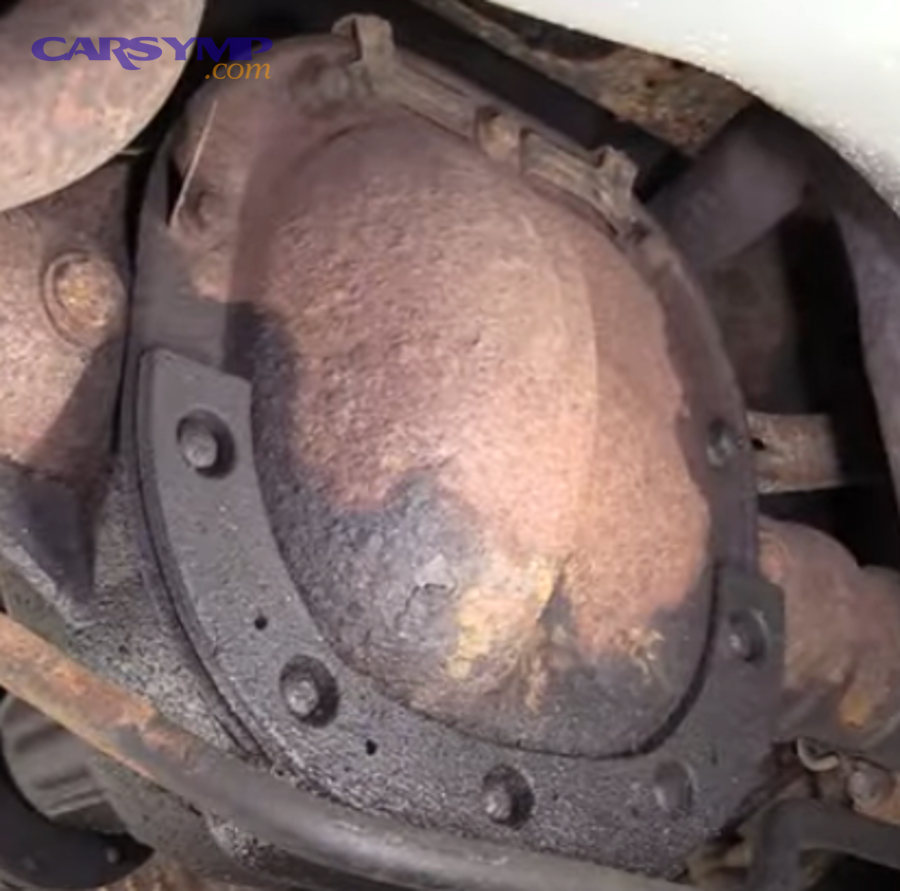
Specifically, the safest checks prevent two things: vehicle movement and hot-fluid surprises.
What tools and supplies do you need before you start?
You can keep this simple, but having the right basics reduces stripped plugs and messy spills:
- Correct socket/hex bit (many fill plugs are square drive, hex, or Torx depending on vehicle)
- Breaker bar (fill plugs can be tight)
- Gloves + rags/paper towels (gear oil smell clings)
- Small drain pan (even a level check can drip)
- Flashlight/headlamp
- Hand pump or squeeze bottle (if you need to top off)
- Jack + jack stands or ramps (if clearance is needed)
- Wheel chocks (mandatory if lifting)
- Torque wrench (recommended to avoid overtightening)
A basic inspection becomes “professional-grade” when you treat plug removal and reinstallation as a precision task rather than brute force.
How do you locate the fill plug and verify the correct level?
Use a consistent sequence so you don’t drain something you can’t refill:
- Confirm the fill plug location first. On many rear diffs it’s on the rear cover or front-facing housing; on some it’s on the side.
- Clean the area around the plug. Dirt around the plug can fall inside the housing.
- Remove the fill plug slowly. Expect a small drip if the level is correct and the oil is warm.
- Check level at the fill hole.
- Most common target: oil at the bottom edge of the fill hole or just barely below it.
- Use a clean finger or a zip tie as a dip tool if needed.
- Inspect what’s on the plug. Many plugs are magnetic. Fine paste is common; chunks are not.
- Reinstall the plug correctly. Start threads by hand to avoid cross-threading.
If oil is far below the hole, that’s a red flag. Low level is not just “maintenance overdue”—it is often a leak indicator.
What safety steps prevent burns, spills, and vehicle movement?
The most common DIY mistakes come from shortcuts. Use these safety steps every time:
- Work on level ground so the fill-level reading is meaningful.
- Chock wheels and set parking brake. Don’t rely on “it’s in Park.”
- Use jack stands, not a jack alone. If you lift, support correctly at rated points.
- Avoid checking immediately after aggressive driving if your vehicle runs hot—gear oil can be warm and unpleasant.
- Keep face and hands out of the drip path when cracking the plug loose.
- Do not overtighten plugs. Stripped housing threads turn a simple inspection into a repair.
Safe technique is not separate from the inspection—it is part of the inspection outcome.
What does “good” vs “bad” differential fluid look and smell like?
Good differential fluid looks reasonably clear (for its type), feels smooth between fingers, and smells like normal gear oil—not sharply burnt—while bad fluid is dark, opaque, gritty, burnt-smelling, or visibly contaminated with water or metal, indicating oxidation, overheating, or internal wear.
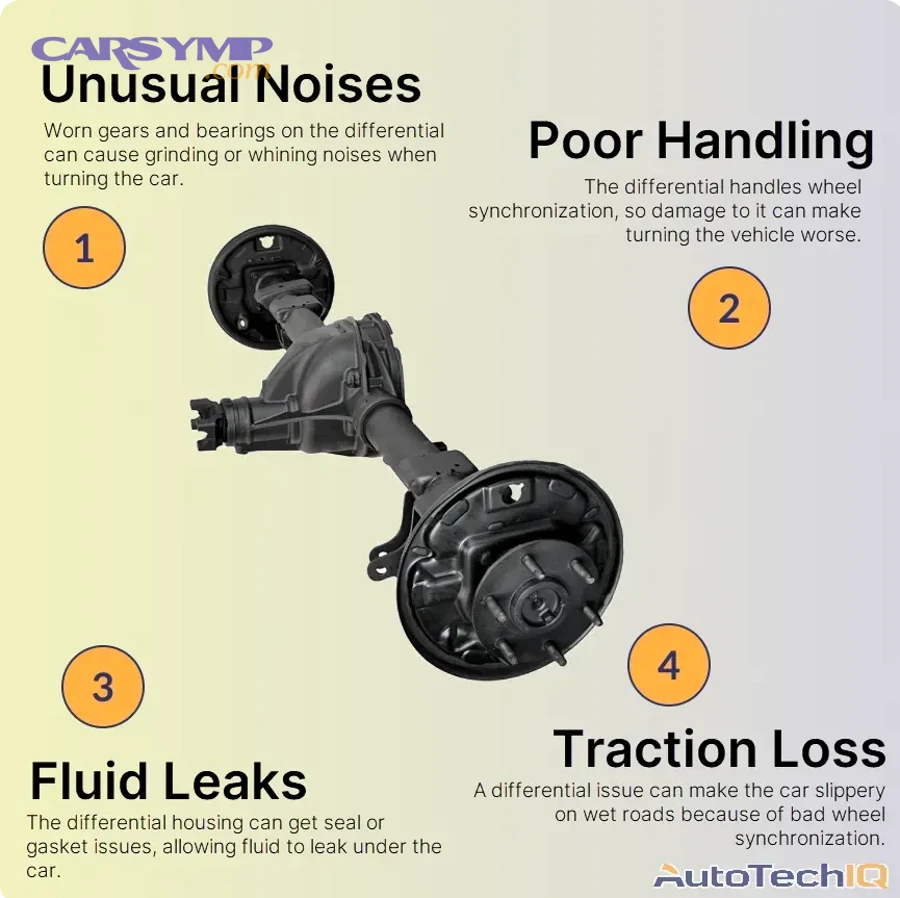
However, because gear oil naturally darkens with use, you’ll judge condition by multiple signals—not color alone.
What color, clarity, and texture indicate healthy gear oil?
Healthy gear oil commonly shows these traits:
- Color: Amber to medium brown (depending on age and brand).
- Clarity: You can often see light through a thin smear on a paper towel.
- Texture: Slick and consistent—no gritty feel.
- Smell: Strong gear-oil odor is normal; a “toasted/burnt” note is not.
A practical test: wipe a small sample on a white towel. If it spreads evenly with no grainy sparkle and no burnt smell, it’s usually serviceable (assuming the level is correct).
What signs suggest oxidation, overheating, or additive breakdown?
Overheating and oxidation change gear oil in ways you can detect:
- Burnt odor: A sharp, acrid smell on top of normal gear oil odor.
- Very dark color + thickened feel: Indicates oxidation and heat exposure.
- Foam or aeration: Can hint at overfill, wrong oil, or mechanical churning issues.
- Milky or hazy appearance: Often suggests water contamination (from submersion, condensation, or a breached seal/vent issue).
According to a study by University of Leeds from the School of Mechanical Engineering, in 2025, adding water contamination to a fully formulated lubricant produced an increase of 22.5% in friction coefficient and 48.9% in wear scar compared with the uncontaminated lubricant under their test conditions—showing how moisture can degrade protective behavior.
Even if your differential isn’t the same test setup, the direction of risk is the same: water and degraded lubrication raise friction and wear potential.
What does metal in the fluid mean, and when is it urgent?
Metal can be normal in tiny amounts, but it becomes urgent when it changes form:
- Normal-ish: Fine gray paste on a magnetic plug (typical break-in wear or long interval).
- Concerning: Visible glittery flakes suspended in oil, especially if abundant.
- Urgent: Chunks, needle-like slivers, or a heavy metal sheen—often accompanied by noise.
If you see metal plus symptoms (whine, clunk, vibration), treat it as a “stop and assess” moment. The safest next step is to avoid long driving and plan repair, because gear tooth or bearing damage can progress quickly once it starts shedding material.
How can you tell where a differential fluid leak is coming from?
You can tell where a differential fluid leak is coming from by cleaning the suspected area, driving briefly to recreate the leak, and tracing the freshest wet line upward—then using simple tools like UV dye or powder if airflow or splash patterns make the source unclear.
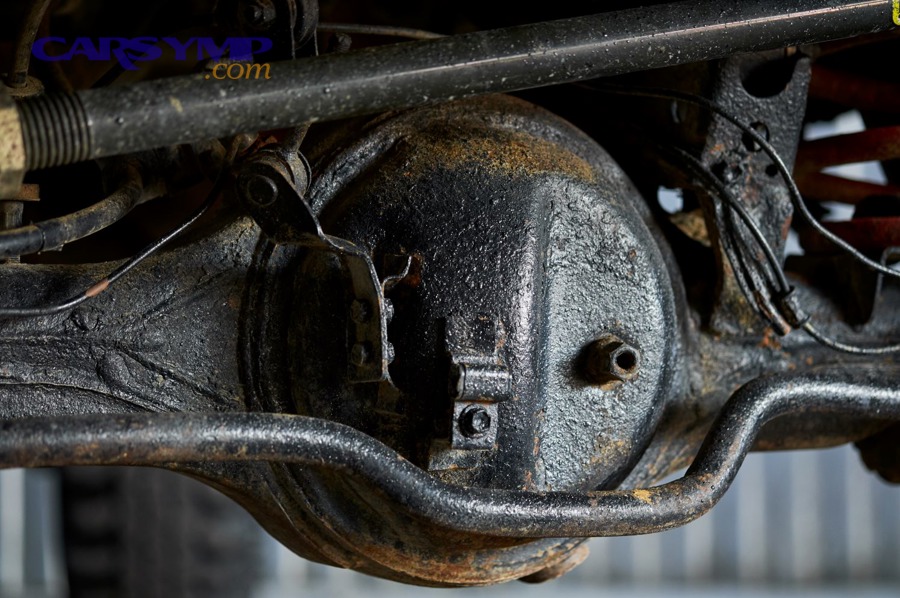
To begin, remember that differentials often sling oil while rotating, so the leak’s “final drip point” can be misleading.
How do you clean the area and re-check to trace a fresh leak?
A clean-and-recheck method works because it removes old residue that hides new seepage:
- Degrease the housing exterior around the suspected leak points (pinion area, cover seam, axle ends, fill plug).
- Rinse/wipe thoroughly and let it dry.
- Drive a short, controlled loop (5–15 minutes) to warm and pressurize the housing slightly.
- Reinspect immediately with a flashlight.
- Trace the highest fresh wetness and follow it to a specific seam or seal.
This method is the backbone of a proper drivetrain inspection because it turns “everything is wet” into “this specific edge started wet first.”
When should you use UV dye or powder to pinpoint the source?
Use UV dye or powder when these conditions exist:
- Airflow spreads oil backward, creating a broad wet area under the vehicle.
- Rotation slings oil, especially near the pinion yoke or axle ends.
- Multiple wet spots overlap, such as a diff cover seep plus a pinion seep.
Two common options:
- UV dye: Add the correct dye compatible with gear oil, drive briefly, then inspect with a UV light to see the origin line.
- Leak-detection powder (or foot powder): Apply a light coating to a dry, clean surface. Fresh oil leaves a clear track through the powder.
These are not “mechanic-only” tricks; they are simple clarity tools.
How do you interpret drip patterns from pinion seals, axle seals, and covers?
Leak patterns usually match the physics of the component:
- Pinion seal leak: Oil may appear on the yoke, then sling outward in a circular spray pattern. Wetness often concentrates forward of the housing and on the underside near the driveshaft.
- Axle seal leak: Oil migrates outward along the axle tube and can reach the backing plate, brake area, or wheel. A strong smell near a rear wheel is a clue.
- Cover gasket/RTV seam: Wetness forms around the perimeter of the cover, often collecting at the lowest bolt heads and bottom edge.
If you want a quick “pattern checklist,” focus on where oil appears after cleaning:
- Wet at yoke first → pinion seal
- Wet at wheel/brake side first → axle seal
- Wet at cover seam uniformly → cover gasket/RTV
Once the source is identified, you can match the repair to the leak point rather than guessing.
Is it safe to drive with a differential fluid leak or questionable fluid?
Yes, it can be safe to drive briefly with a minor differential fluid leak or questionable fluid if the level is near correct, there are no overheating/noise symptoms, and the leak rate is slow—but it is not safe when the level is low, the fluid is burnt/metallic, or you hear drivetrain noises, because damage can accelerate quickly.
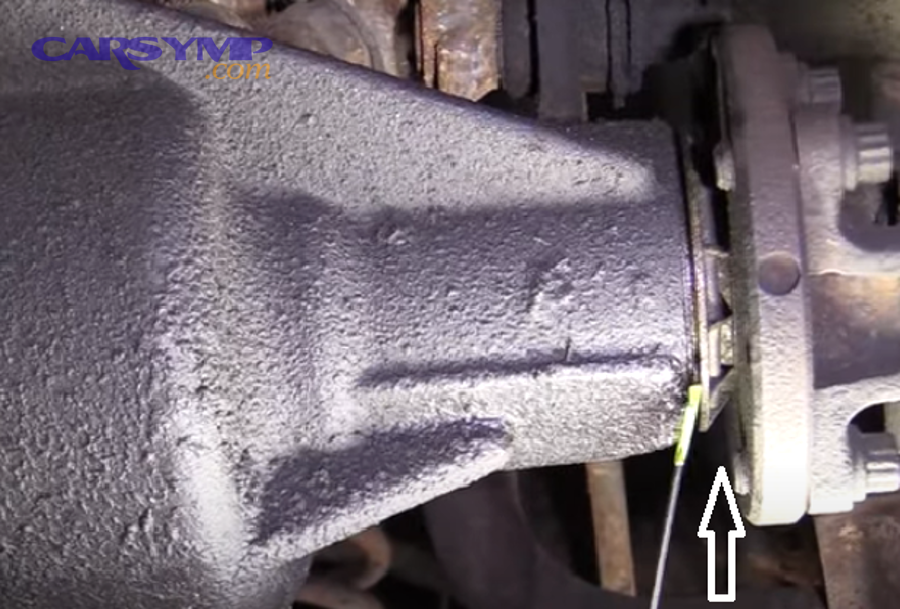
Meanwhile, the key is to decide “drive to the shop” versus “tow it” using objective triggers, not hope.
When is it ‘drive to the shop’ vs ‘tow it’?
Use a clear decision rule:
Drive to the shop (short distance) if:
- Fluid is at/near fill level or only slightly low (and you can top off).
- Leak is a light seep (not actively dripping fast).
- No new whine/howl/rumble under load or decel.
- No burning smell from the differential after a short drive.
Tow it if:
- Fluid is significantly below the fill hole and you cannot restore level immediately.
- You see heavy metal debris or chunks.
- You hear loud whine, grinding, or clunking that changes with throttle.
- The differential housing feels excessively hot or you smell strong burnt odor after minimal driving.
- The leak is rapid enough to leave drops quickly while parked.
Towing costs money, but a ring-and-pinion replacement costs far more—especially if failure spreads to bearings and housing.
What symptoms mean the differential is already being damaged?
Differential damage often announces itself through sound and feel:
- Whine on acceleration or deceleration: Common with ring-and-pinion wear patterns or bearing preload issues.
- Howl that changes with speed: Often gear mesh or bearing related.
- Clunk when shifting from drive to reverse: Could be lash, worn mounts, or driveline slack.
- Vibration: Can overlap with driveshaft issues.
This is where you must separate leak problems from other drivetrain problems. For example, Driveshaft U-joint wear symptoms can include clunking on takeoff, vibration at speed, and a “chirp” or squeak—sometimes mistaken for differential failure. That’s why a good drivetrain inspection also includes checking driveline joints and related hardware.
How do leak risks compare to other drivetrain problems?
A differential leak is risky mainly because it removes lubrication. Other problems can feel similar but have different urgency and fixes:
- Differential leak: Risk rises as oil level drops; damage can accelerate without warning once level is low.
- Driveshaft U-joint wear: Can become dangerous if a joint fails, but it often gives vibration/clunk warnings earlier.
- Transmission mount and engine mount inspection issues: Bad mounts can cause clunks and driveline angle changes, which can mimic differential “thunk” or vibration but won’t usually create gear-oil smell or wet housing seams.
So the comparison is simple:
- If you have gear oil loss, treat it as lubrication risk first.
- If you have vibration without oil loss, expand your inspection to U-joints, mounts, and driveline angles.
What should you do after your differential fluid leak and condition checks?
After your differential fluid leak and condition checks, you should choose the correct next action—top off, change fluid, repair the leak source, or stop driving—based on level, leak rate, and contamination signs, then document what you found so a shop (or future you) can act efficiently.
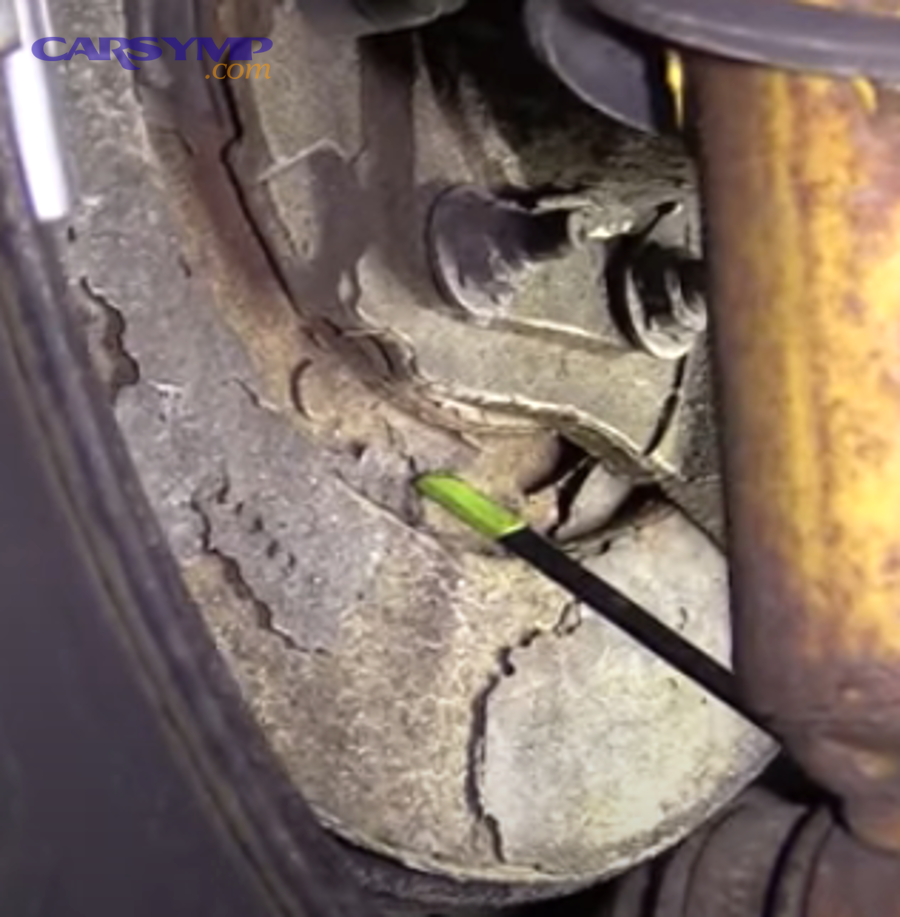
More importantly, this is where Interpreting inspection results and next steps turns your inspection into real savings and fewer repeat repairs.
When should you top off vs change the fluid?
Use these guidelines:
Top off (short-term) when:
- The fluid looks healthy (no burnt smell, no water milkiness, no significant metal).
- The level is just slightly low.
- You’re planning a repair soon and need safe operation until then.
Change the fluid when:
- The fluid is dark and burnt-smelling.
- You find significant fine metal sheen or gritty feel.
- The vehicle has unknown maintenance history.
- You suspect overheating (towing history, high heat, extended low-fluid driving).
A top-off does not “reset” degraded oil. A change removes contaminants and replenishes additive chemistry—but it won’t fix a seal leak by itself.
According to a study by the Lublin University of Technology (with collaborating researchers across university faculties) in 2021, the authors reported about a ~37% difference in average friction coefficient between fresh and used gear oil in one tested oil case (75W-90), highlighting how lubricant condition can shift tribological behavior under their laboratory evaluation.
What repair options match common leak points?
Once you know the source, match it to the repair type:
- Pinion seal leak: Replace pinion seal (often requires correct preload/torque procedures; many people choose a shop for this).
- Axle seal leak: Replace axle seal; may require axle removal depending on design; inspect bearings while there.
- Cover seam leak: Remove cover, clean mating surfaces, reseal with RTV or replace gasket (design-dependent), refill.
- Fill/drain plug seep: Replace washer/O-ring (if used), clean threads, reinstall to proper torque.
- Vent issues: Clean/replace vent to prevent pressure forcing leaks.
Repairs should be paired with correct fluid refill procedures and post-repair verification (recheck after a short drive).
What should you document for a mechanic, warranty, or future maintenance?
A few notes can reduce diagnosis time and prevent repeat work:
- Where the leak started (pinion, axle, cover seam, plug, vent).
- Leak rate estimate (seep, occasional drip, active drip).
- Fluid condition observations (burnt smell, milkiness, metal on magnet).
- Any symptoms (whine on accel, howl at speed, clunk on shifts, vibration).
- Photos after cleaning and after recheck.
Also, add a quick note from your broader drivetrain inspection: if you noticed vibration and found looseness, mention U-joint play and results from a basic Transmission mount and engine mount inspection. That helps a shop avoid tunnel vision.
What differential fluid type do you need, and what edge cases change the answer?
There are four main factors that determine differential fluid type—manufacturer spec, viscosity grade, limited-slip requirements, and drivetrain layout (FWD/AWD/4WD)—and edge cases like towing, cold weather, and off-road water exposure can change what “best” looks like for protection and service intervals.
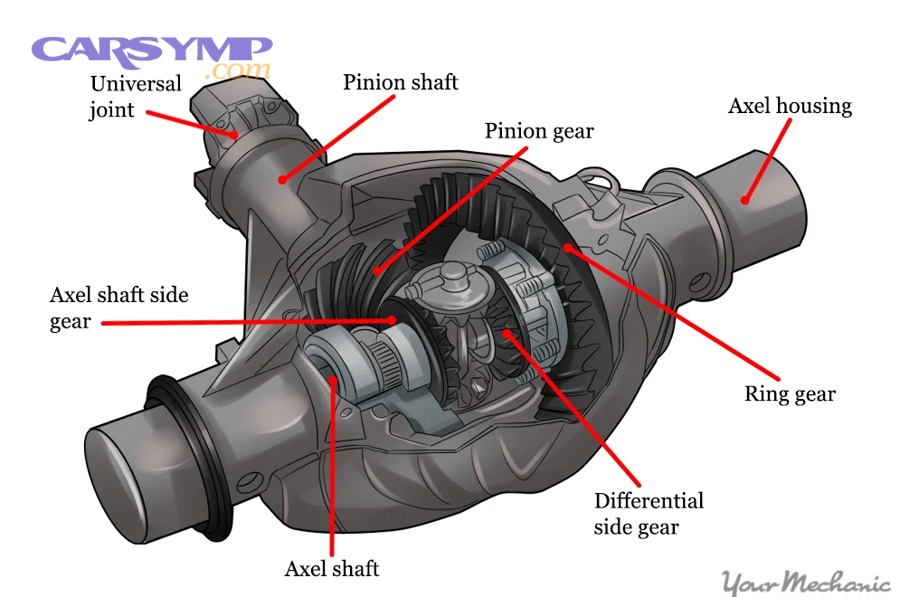
In addition, because “gear oil” is a category—not a single product—you’ll make better choices by matching spec and usage rather than guessing a popular viscosity.
How do you find the right viscosity and spec for your vehicle?
Use the most reliable sources first:
- Owner’s manual / service manual: Look for the differential or final drive section.
- OEM spec language: May reference API GL ratings, viscosity like 75W-90 or 75W-140, or a proprietary requirement.
- Label matching: Choose a fluid that explicitly matches the required spec.
Viscosity is not “one size fits all.” A heavier grade can reduce noise in some cases but may increase drag or run too thick in extreme cold. The correct answer is the spec your final drive was designed to use.
Do limited-slip differentials need friction modifier additives?
Sometimes yes, sometimes no—depending on the differential design and fluid formulation:
- Clutch-type limited-slip differentials may require a friction modifier to prevent chatter during tight turns.
- Some gear oils include modifier already (often labeled for limited-slip).
- Helical/gear-type LSDs may not need the same modifier behavior, but you still follow the manufacturer requirement.
If you experience chatter or shudder on turns after service, the issue is often the wrong fluid or missing modifier—not a new mechanical failure.
What about AWD/4WD transfer cases and separate front/rear diffs?
AWD/4WD adds complexity:
- Separate front and rear differentials may use the same viscosity—or different specs—depending on design.
- Transfer case fluid is often different from differential fluid and may resemble ATF or a specialized fluid.
- Service points multiply: Each unit may have its own fill/check plug, drain plug, and leak patterns.
So the edge-case rule is: treat each component as its own system and confirm spec per component.
Can cold weather, towing, or off-road use change inspection intervals?
Yes—because these conditions change heat, load, and contamination risk:
- Towing/heavy load: Raises temperatures and can accelerate oxidation; consider more frequent checks and shorter change intervals.
- Cold climates: Thick oil can affect initial lubrication; correct viscosity matters more, and leaks may appear different when oil is cold.
- Off-road/water crossings: Water contamination risk rises sharply; milkiness or haze becomes a critical sign; vent routing can matter.
If your use is “severe,” your inspection routine should be more frequent—even if the manual interval looks long—because your operating conditions are tougher than the baseline assumption.
Evidence (if any)
According to a study by University of Leeds from the School of Mechanical Engineering, in 2025, water contamination in a fully formulated lubricant was associated with a 22.5% increase in friction coefficient and a 48.9% increase in wear scar compared with uncontaminated lubricant under the study’s reported test conditions.
According to a study involving researchers from the Lublin University of Technology (Mechanical Engineering Faculty) in 2021, the authors reported a ~37% difference in average friction coefficient between fresh and used gear oil in one evaluated oil case, illustrating that lubricant condition can measurably shift friction behavior in laboratory testing.