


EVAP leak codes (like P0440, P0442, P0455, and P0456) usually mean your car’s fuel-vapor system can’t hold pressure or vacuum the way the computer expects—so vapors may be escaping somewhere between the fuel tank, hoses, valves, and charcoal canister. The fastest “quick fix” mindset is simple: start with the easy, high-probability leaks (cap, filler neck seal, cracked lines), then only move to parts after you’ve proven what’s actually leaking.
Next, the exact code matters because it hints at leak size and test conditions. A “small leak” code often points to tiny seal issues that don’t drip fuel but still fail a pressure test, while a “large leak” can be as basic as a loose cap—or as annoying as a disconnected hose after recent repairs. Then, the best approach is to match the code to a short checklist so you don’t waste money chasing the wrong component.
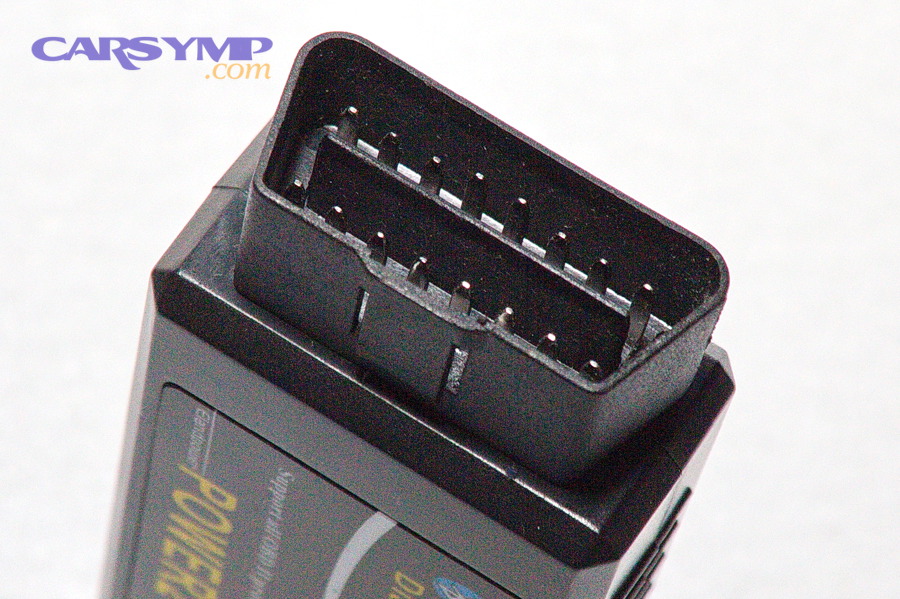
To begin, you can do meaningful troubleshooting with almost no tools: your eyes, your nose, and a few minutes around the filler neck and EVAP hoses can eliminate the most common causes. After that, a basic OBD-II reader (even a cheap one) helps you confirm which test failed, clear the code correctly, and verify the repair with readiness monitors so the light doesn’t come back.
Introduce a new idea: the EVAP system isn’t isolated—if you’re trying to pass an inspection, an EVAP fault can sit alongside other issues that trigger an emissions test failure fix plan (like catalyst and misfire-related problems), so your goal is to fix the leak and confirm the system runs its self-tests cleanly.
What are EVAP leak codes (P0440–P0456), and what do they actually mean?
EVAP leak codes are OBD-II fault codes that indicate the car detected an inability to seal the evaporative emissions system—typically because vapor is leaking, a valve isn’t sealing, or the system can’t build/hold pressure during its self-test. Then, because the computer only “sees” pressure changes, you’ll troubleshoot faster if you translate each code into what the car was trying to do during the test.
What is the EVAP system supposed to do?
The EVAP (evaporative emissions) system stores gasoline vapors from the fuel tank in a charcoal canister and later purges them into the engine to be burned, instead of venting them into the air. Key parts usually include:
- Fuel tank + filler neck (where vapors originate)
- Gas cap or capless seal (a common leak point)
- EVAP lines/hoses (rubber or plastic vapor lines)
- Purge valve (purge solenoid) (lets vapors flow to the intake)
- Vent valve (canister vent solenoid) (lets fresh air in / seals system during testing)
- Charcoal canister (stores vapors)
- Pressure sensor or leak detection pump (varies by make/model)
What does “leak detected” really mean in EVAP diagnostics?
“Leak detected” means the ECU commanded an EVAP test—usually by sealing the vent valve and manipulating purge flow (or using a leak detection pump)—and it didn’t see the expected pressure/vacuum behavior. That can happen because:
- There’s a physical leak (cap, seal, hose crack, loose connection).
- A valve is stuck open (vent valve not closing is a classic).
- The system can’t be tested due to conditions (some cars need a certain fuel level, ambient temperature, and drive cycle).
Are EVAP leak codes urgent, or can you keep driving?
Yes, you can usually keep driving with many EVAP leak codes, but you should still fix them because: 1) the check engine light can hide more serious faults, 2) you may fail an inspection, and 3) some EVAP faults can cause fuel odor or rough starts after refueling. Next, it’s smart to treat fuel smell or visible wetness as “stop and inspect” issues, because that suggests more than just vapor.
Which EVAP code do you have (P0440, P0442, P0455, P0456), and what are the most likely causes?
There are 4 common EVAP leak-code patterns—P0440 (general), P0442 (small), P0455 (large), and P0456 (very small)—based on the leak size and how the EVAP self-test failed. To begin, match your exact code to the most likely leak points so you start where the odds are highest.
Before the details, here’s a quick “what it usually is” table (use it to pick your first inspection target).
| Code | Typical meaning | Most common real-world causes | Best first move |
|---|---|---|---|
| P0440 | General EVAP system fault | Loose cap, vent valve issue, cracked hose, wiring/sensor fault | Inspect cap/seal + obvious hoses; check vent valve operation |
| P0442 | Small leak | Cap seal, filler neck gasket, tiny hose crack, canister vent seep | Do cap test + soap/water check at accessible joints |
| P0455 | Large leak | Cap off/loose, disconnected hose, broken vent line, stuck-open vent valve | Confirm cap clicks/seals; check for disconnected/split lines |
| P0456 | Very small leak | Weak cap seal, hairline crack, marginal vent/purge sealing, o-ring issues | Pressure/smoke testing or targeted seal checks |
What are the most likely causes of P0440?
P0440 is “something in EVAP isn’t working as expected,” so it can be either a leak or a control/flow issue. Common causes include:
- Loose/incorrect cap or compromised cap seal
- Vent valve not sealing during the test
- Purge valve stuck open (can mimic a leak by preventing vacuum hold)
- Cracked EVAP hose or broken plastic line
- Pressure sensor fault or wiring issue (less common, but real)
What are the most likely causes of P0442?
P0442 points to a small leak—think “slow pressure loss.” The usual culprits:
- Cap seal flattening/hardening over time
- Slightly damaged filler neck sealing surface
- Small crack in a vapor line near the canister (road debris + age)
- Minor seep at a quick-connect fitting (o-ring wear)
What are the most likely causes of P0455?
P0455 is a large leak—meaning the system basically can’t seal at all during the test. The most common reasons are simple:
- Cap left loose, cap missing, wrong cap, or cap not clicking
- EVAP hose disconnected after maintenance (battery, intake work, fuel pump, etc.)
- Vent valve stuck open
- Broken canister line near the rear (especially on older cars)
What are the most likely causes of P0456?
P0456 is a very small leak—often frustrating because the car is picky. Typical causes:
- Cap that “looks fine” but fails under test
- Tiny crack in a hose bend or plastic line
- Vent valve that seals most of the time but leaks slightly
- Purge valve that doesn’t fully close (small internal bleed)
What are the fastest “quick checks” before you buy parts?
The fastest EVAP quick checks are a 5-step inspection routine (cap, filler neck, visible hoses, listen/feel for purge/vent behavior, and scan for freeze-frame conditions) that can identify or eliminate the most common causes without spending money. Next, doing these checks first prevents “parts-cannon” repairs—especially when a $15 seal issue is masquerading as a $200 canister problem.
Can a loose or bad gas cap really trigger P0442/P0456?
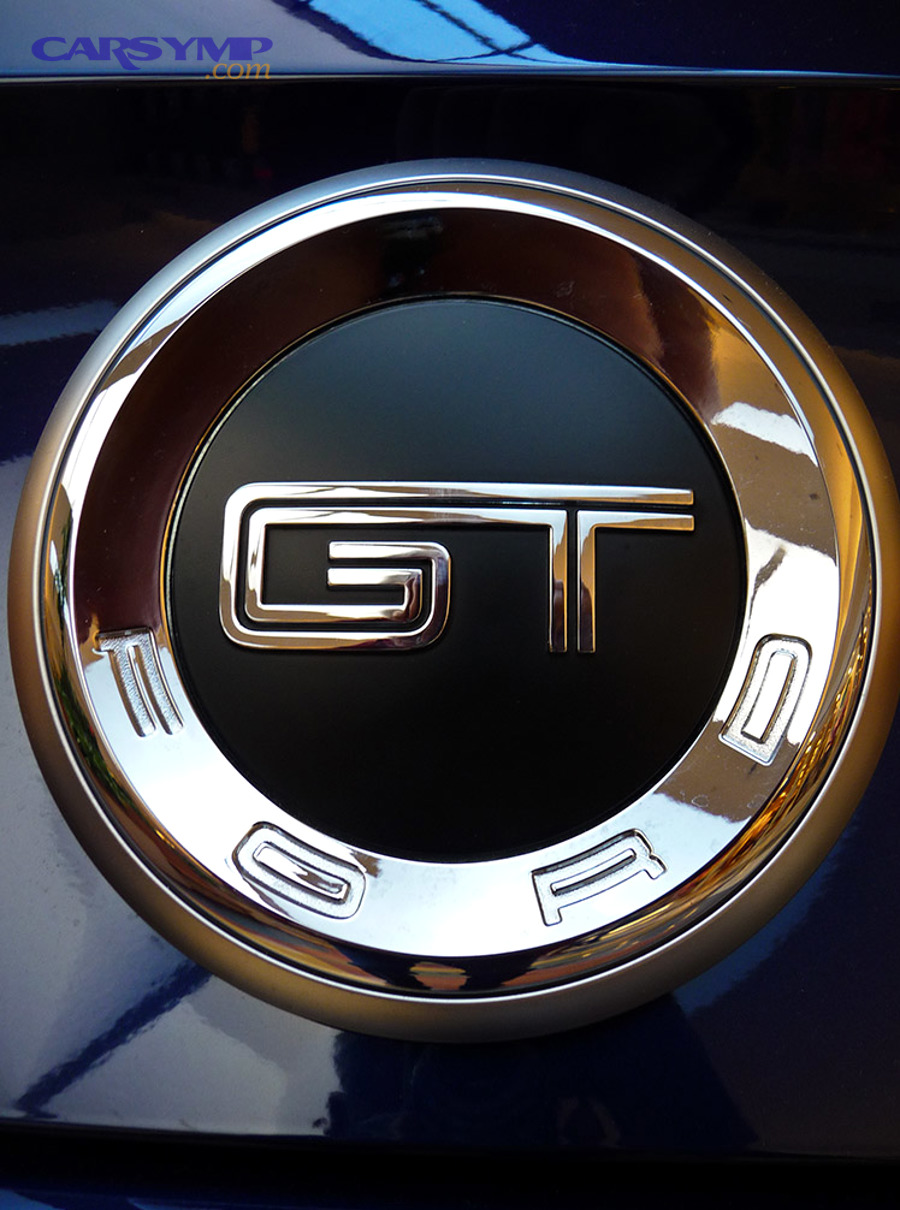
Yes—an aging or loose cap can trigger EVAP leak codes because the cap is literally part of the sealed system, and even a slightly compromised gasket can bleed pressure during the self-test. Then, do this quick cap routine:
- Remove the cap and inspect the rubber gasket for cracks, flattening, or swelling.
- Wipe the filler neck sealing lip clean (dirt can prevent a seal).
- Reinstall until you get multiple clicks (for click-type caps).
- If your car is capless, inspect the inner flap seal for debris and verify it closes smoothly.
What visual checks catch most EVAP leaks in 2–3 minutes?
Start at the easiest access points and work backward:
- Filler neck area: look for cracked rubber, wetness, rusted sealing surfaces.
- Rear underbody lines: look for dangling hoses, broken clips, or cracked plastic lines.
- Canister area (near rear): check for cracked ports or a hose that slipped off.
- Engine bay purge line: check the hose from purge valve to intake for splits.
What “smell test” and “sound test” clues matter?
Fuel odor around the rear quarter panel, near the canister, or after parking in a garage can hint at a vent-side leak or saturated canister. Meanwhile:
- A purge valve that clicks rapidly at idle (sometimes normal) isn’t proof of health—but a purge valve that never changes state may be suspicious.
- A vent valve that’s stuck open may cause the system to fail its “seal” test.
What scan-tool quick checks help even with a cheap reader?
Even a basic OBD-II reader can help you avoid guessing:
- Read the exact code (don’t stop at “EVAP leak”).
- Note whether it’s pending or confirmed.
- Check freeze-frame if available (fuel level, ambient temp, speed).
Many EVAP tests only run at certain fuel levels (often roughly 15–85%) and temperatures—so if you keep topping off the tank, the monitor may not run.
P0455 vs P0456: how do large vs small EVAP leaks differ in symptoms and fixes?
P0455 usually comes from a “can’t-seal-at-all” failure (cap off, hose disconnected, vent valve stuck open), while P0456 is typically a tiny leak (weak seal, hairline crack, marginal valve sealing) that often needs more precise testing. Next, use leak size to choose your strategy: big leaks get found with eyes and hands; tiny leaks get found with isolation and smoke/pressure logic.
Do large EVAP leaks (P0455) show stronger symptoms than small leaks?
Sometimes, but not always. Large leaks might cause:
- A stronger fuel smell (especially near the tank/canister)
- A code that returns quickly after clearing
- Occasional rough start after refueling (if purge behavior is affected)
But many drivers notice no drivability symptoms—just the light.
Why do very small leaks (P0456) keep coming back?
P0456 can recur because the problem is right on the edge of sealing performance:
- Temperature changes expand/contract seals and hoses.
- A cap seal may pass today and fail tomorrow.
- A vent or purge valve might “mostly” seal but leak under certain conditions.
Which fixes are most cost-effective for P0455 vs P0456?
A practical cost approach:
- P0455: prioritize “free fixes” first—cap reinstall, hose reconnection, broken line repair.
- P0456: prioritize targeted sealing—cap replacement (if old), o-ring inspection, vent valve sealing test, then smoke test before buying big parts.
How do you troubleshoot EVAP leak codes step-by-step with (or without) a scan tool?
The most reliable EVAP troubleshooting method is a step-by-step isolation process: verify cap/seal, check purge and vent sealing behavior, inspect lines and canister, then confirm the leak with smoke or pressure testing before replacing components. Then, because EVAP systems vary by manufacturer, the smartest DIY flow is “universal logic” first, model-specific procedure second.
How do you troubleshoot EVAP leaks without a scan tool?
Use this no-scan-tool flow:
- Cap & filler neck: clean, inspect, reinstall properly.
- Visual hose sweep: rear lines + engine bay purge hose.
- Look for recent work: anything disconnected after repairs is a prime suspect.
- Basic purge check (safe and simple): if you can access the purge valve hose to intake, inspect for cracks and loose clamps.
- Drive a few cycles: if the light returns quickly, suspect a large leak or stuck-open vent valve.
This won’t catch every P0456, but it often resolves the “easy 70%.”
How do you use a scan tool to narrow it down faster?
If your scanner supports live data and EVAP commands, use these ideas:
- Look for EVAP pressure change when the system is commanded to seal.
- Command the purge valve and see if the engine idle changes (some change can be normal, but “no response ever” can indicate a problem).
- Command the vent valve closed and see whether pressure stabilizes during a test.
If your tool is basic, you can still do this:
- Clear the code.
- Drive normally with the fuel level in the typical test window (often mid-tank).
- Check whether the code comes back as pending first (that hints the monitor ran and is still failing).
How do you do a smoke test the “DIY-safe” way?
A professional smoke machine is ideal, but the principle is what matters:
- Seal the system (typically by closing vent and controlling purge pathway).
- Introduce smoke at a service port (if your vehicle has one) or at an appropriate line with the correct adapter.
- Watch for smoke at:
- fuel cap/filler neck
- vent valve
- canister seams
- hose connections
- cracked plastic lines
If you don’t have smoke equipment, you can still isolate:
- Pinch-off testing (carefully): temporarily clamp rubber vapor hoses (never crush hard plastic lines). If clamping a section changes the behavior (code timing or vacuum hold on a capable scanner), you’ve narrowed the leak zone.
What parts should you test before you replace?
A common money-waster is replacing the canister first. Instead, test in this order:
- Gas cap / capless seal
- Vent valve function (stuck open is extremely common)
- Purge valve sealing (a purge valve that bleeds vacuum can mimic leaks)
- Lines and fittings (especially rear underbody)
- Charcoal canister (replace only after proven cracked/saturated/damaged)
How do you confirm the fix so the code doesn’t come back?
You confirm an EVAP fix by (1) verifying the leak is gone, (2) ensuring the EVAP readiness monitor completes, and (3) rechecking for pending codes after several normal drive cycles. Next, this matters most if you’re chasing an inspection deadline—because clearing codes alone doesn’t prove readiness, and it can delay a pass.

Should you clear the code immediately after repairs?
Yes, clear it after you’ve corrected the suspected cause, because it lets you see whether the system re-fails under fresh monitoring. Then, if your car has multiple issues, keep in mind EVAP may not be the only reason for a failed inspection—people often fix EVAP and still fail because the catalyst or fuel control system is unhappy, which leads into topics like Catalytic converter efficiency code diagnosis, Misfire and fuel trim causes of emissions failure, and When a tune-up helps pass emissions (all of which can matter for an emissions test failure fix plan).
How do you get the EVAP readiness monitor to set?
Most EVAP monitors require:
- A stable fuel level (often not full, not near empty)
- A cold start and a mix of city/highway driving
- No aggressive refueling habits (avoid topping off)
- Time (some cars need multiple trips)
A practical DIY approach:
- Keep fuel around 1/3 to 2/3 tank.
- Drive normally for a few days.
- Re-scan for pending EVAP codes.
- Confirm readiness status on your scanner (if supported).
What’s the best “recheck routine” after a repair?
Use this 3-pass verification:
- Immediate check: no fuel smell, no obvious leak, cap seated correctly.
- Short-cycle check (same day): scan for pending codes after a normal drive.
- Monitor check (next few days): confirm EVAP readiness completes and the code stays gone.
Evidence: According to a study by Columbia University from the Department of Environmental Health Sciences (Mailman School of Public Health), in 2020, researchers observed vapor emissions in 14 out of 16 vehicle refueling events in a real-world sample, highlighting how fuel-vapor control and sealing behavior can vary across vehicles and conditions. (pmc.ncbi.nlm.nih.gov/articles/PMC7020915/)
What EVAP edge cases make leak codes harder to solve ?
EVAP edge cases usually involve conditions or component interactions that make the self-test inconsistent—such as intermittent valve sticking, refueling habits, temperature swings, or canister saturation—so the fix is to identify the pattern and test the specific weak link instead of guessing. Then, once your main leak is resolved, these micro-issues are what keep the same code returning “randomly.”
Can topping off the tank cause EVAP problems?
Yes—repeatedly topping off can push liquid fuel into parts of the EVAP system designed for vapor (like the canister), which can contribute to odor, purge issues, and persistent EVAP codes. The fix is behavioral plus diagnostic: stop topping off, then recheck whether the code returns after normal cycles.
Can a purge valve cause a “leak code” even if there’s no hole?
Yes—if the purge valve doesn’t seal closed during the leak test, it can create a vacuum bleed path that looks like a leak to the ECU. This is why testing purge sealing is often more important than replacing the canister early.
What if the code is intermittent and only shows up in cold or hot weather?
Temperature changes can expose marginal seals and hairline cracks. In that case:
- Recheck the cap seal condition.
- Inspect hose bends for micro-cracks.
- Focus on vent valve sealing consistency.
- Consider a smoke test when the problem is most repeatable (e.g., cold morning).
When should you stop DIY and go to a shop?
If you’ve done the cap + visual + basic valve logic and the code still returns (especially P0456), a shop smoke test is often the most cost-effective “next spend,” because it turns a guess into a confirmed leak location—saving you from buying multiple wrong parts.