


A valve cover gasket leak diagnosis is mostly about proving where the oil starts—at the top edge of the engine under the valve cover (also called the rocker cover)—before it runs downward and fools you into thinking the leak is “everywhere.”
Next, you’ll want to match leak location + smell + driveability clues (like burning oil odor or misfires from oil in plug wells) to decide whether the valve cover gasket is the real source or just a bystander getting splashed.
Then, you should confirm the leak with repeatable tests—clean-and-recheck, a focused visual inspection, and (when needed) a UV dye test for oil leaks—so your repair targets the right seal the first time.
Introduce a new idea: once you know the true origin point, you can plan the safest engine oil leak repair path—whether that’s monitoring, a DIY gasket job, or ruling out “look-alike” leaks like the oil pan area.
What is a valve cover (rocker cover) gasket oil leak?
A valve cover (rocker cover) gasket oil leak is a top-of-engine seal failure where the gasket between the valve cover and the cylinder head lets oil seep out, then gravity spreads it down the engine, exhaust heat shields, and sometimes onto the ground.
To connect that definition to what you’re seeing, start by picturing the valve cover as the “lid” over the valvetrain—oil splashes inside while the engine runs, and the gasket’s entire job is to keep that oil inside the head.
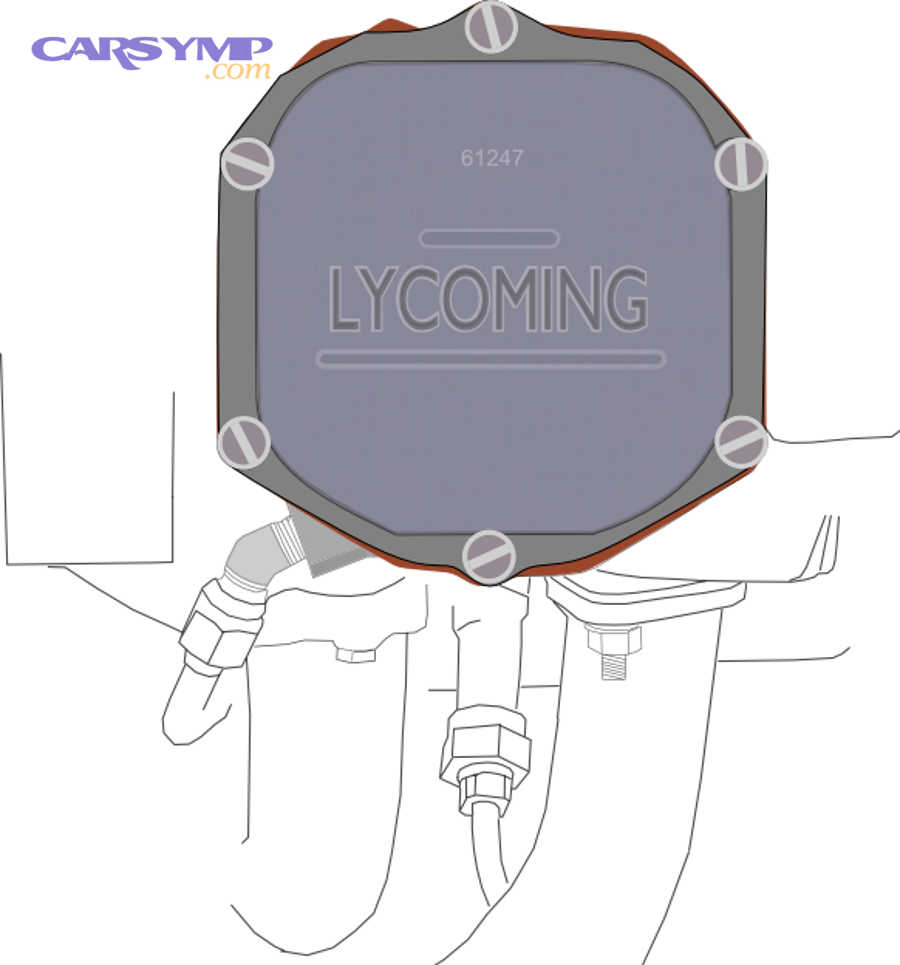
What parts does a valve cover gasket seal (and why it leaks from the edges first)?
The gasket seals one long perimeter seam, plus any corners where the cover changes shape.
- The highest points of the gasket are often the first to show wetness because oil mist and splash collect there.
- The lowest points often drip first because oil pools along the seam and finds the easiest exit.
- Corners and tight radius bends are common seep points because the gasket material is stressed there during heat cycles.
A useful mental model: oil rarely “teleports.” If you see oil low on the engine, it may have started high, traveled along a rib or bracket, and only then dripped.
What does the leak usually look/smell like in real life?
Most valve cover gasket leaks show up as one or more of these:
- Wet oil sheen along the valve cover seam
- Burning oil smell after a drive (oil hitting hot exhaust parts)
- Smoke wisp from the back or side of the engine bay after stopping
- Oil on spark plug coils/boots (common on many modern engines with plug wells)
The key pattern is “top seam wet → oil trails down.” If the valve cover seam is bone-dry, you should be skeptical that the valve cover gasket is the culprit.
Is my oil leak likely coming from the valve cover gasket?
Yes—your oil leak is likely coming from the valve cover gasket if (1) the highest wet point is the valve cover seam, (2) oil trails run downward from that seam, and (3) you also notice a hot-oil smell or oil collecting around plug wells on engines that have them.
However, even when those signs look convincing, you still want to verify the “highest wet point” rule with a clean-and-recheck approach—because oil can spread and mimic other leaks.
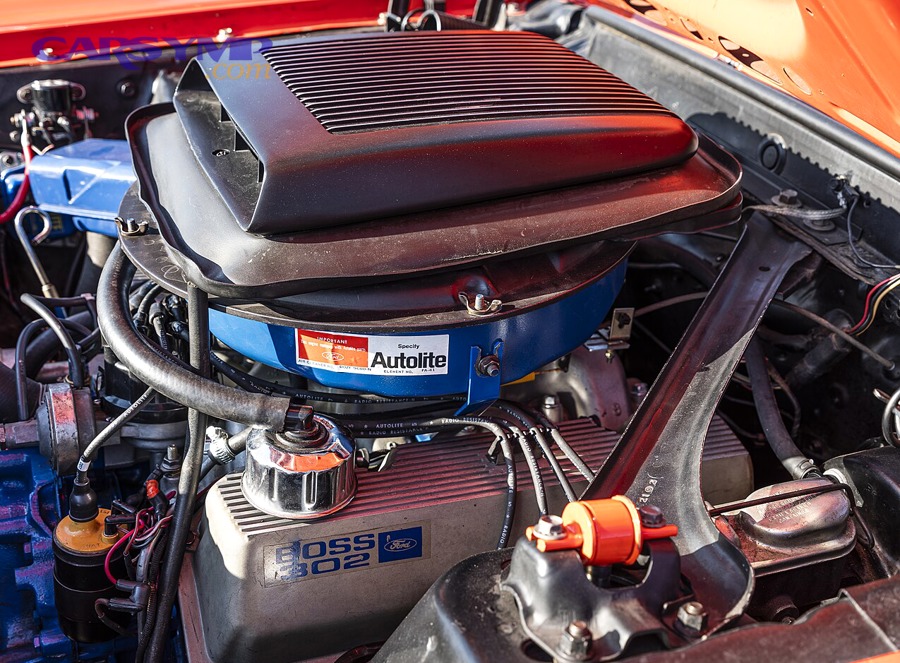
Do the symptoms match a valve cover gasket leak (smell, smoke, oil trails)?
Use this checklist to decide quickly:
Most consistent with a valve cover gasket leak
- Burning oil smell mainly after driving
- Light smoke from the engine bay (not the tailpipe)
- Oil trails starting at the valve cover seam or pooling on ledges below it
- Oil collecting on exhaust manifold heat shields (common on V engines)
Less consistent (but still possible)
- Oil appears only at the very bottom of the engine with no wetness above
- The leak is centered at the crank pulley area (often front seal/timing cover)
- The leak is strongest after parking overnight with no fresh wetness at the top seam
A practical tip: if you wipe the valve cover seam dry and it becomes wet again after a short drive, that’s a strong directional clue.
Can oil in spark plug wells come from a valve cover gasket?
Yes—on engines with spark plug tubes/wells, oil in the plug wells often comes from tube seals that are part of the valve cover gasket set or integrated into the cover design.
What happens mechanically is simple:
- The tube/well is a vertical passage down to the plug.
- A seal around the tube keeps oil in the valvetrain area from running down into the well.
- When that seal hardens or the cover warps, oil slowly fills the well and can soak ignition boots.
If you pull a coil and see oil on the boot, treat that as a “don’t ignore it” signal because it can lead to misfires—especially under load or in wet weather.
How do I confirm a valve cover gasket leak with simple tests at home?
You can confirm a valve cover gasket leak with three steps—clean the suspected area, run the engine (or drive briefly), and recheck the highest points first—so you identify the leak’s origin rather than the drip’s landing spot.
Then, when the leak is slow or hard to see, you can level-up to a UV method that makes fresh oil “announce itself” clearly.
What is step-by-step visual inspection method for valve cover gasket leaks?
Use this repeatable routine:
- Start cold and safe
- Park on level ground, engine off, cool enough to touch.
- Use a flashlight and mirror if the back edge of the cover is hard to see.
- Clean only what you need
- Wipe the valve cover seam, corners, and the first surfaces below it.
- If it’s caked, use a gentle degreaser and rinse carefully (avoid blasting electrical connectors).
- Find the “highest wet point”
- Look at the top seam first, then move downward.
- The source is usually where fresh oil appears earliest after cleaning.
- Run-and-recheck
- Idle 5–10 minutes, then check again.
- If nothing shows, take a short drive and recheck immediately.
- Mark your findings
- A simple trick: dab a little talcum powder on a dry suspect seam (avoid belts). Fresh oil will make a visible track.
This method works because it forces the leak to reveal its starting line, not just the downstream mess.
Should I use UV dye to find the leak faster ?
Yes—when the leak is slow, hidden, or you suspect multiple leaks, a UV dye method can shorten diagnosis because it highlights fresh oil paths under ultraviolet light instead of relying on guesswork.
A typical UV approach looks like this:
- Add the correct amount of dye to engine oil.
- Drive briefly so dyed oil circulates.
- Shine a UV light to spot glowing trails at the leak origin.
That’s the practical value of a UV dye test for oil leaks: it separates “old grime” from “active leak” in minutes instead of days. (youtube.com)
How can I tell if the leak is active or just old residue?
Use time and texture:
Active leak signs
- Fresh wet shine that returns after cleaning
- Drip forms at the same point after each drive
- UV dye glow appears in a clear “upstream to downstream” path
Old residue signs
- Sticky varnish-like film that doesn’t grow
- Dry dust stuck to oily coating but no fresh wetness
- No change after several heat cycles
If you’re uncertain, the easiest tie-breaker is: clean → drive → inspect immediately. If the seam stays dry, the valve cover gasket is less likely your source.
What commonly causes valve cover gaskets to leak (and what makes them come back)?
There are four main causes of valve cover gasket leaks—gasket aging, heat-driven hardening, sealing surface distortion, and crankcase pressure issues—based on whether the gasket can still compress evenly and whether pressure is pushing oil outward.
More importantly, “comeback leaks” usually happen when the gasket is replaced but the underlying cause (like cover warpage, poor prep, or crankcase ventilation problems) is left behind.
Can clogged PCV or crankcase pressure cause valve cover gasket leaks?
Yes—excess crankcase pressure can push oil past seals and gaskets, including the valve cover seam, because pressure turns every weak seal into an escape route.
What that means in practical diagnosis:
- If you have recurring leaks at multiple seals, don’t assume “bad gaskets everywhere.”
- Check whether the engine is building pressure that the PCV system should be evacuating.
According to a study by University of Windsor from the Department of Mechanical, Automotive & Materials Engineering, in 2014, maintaining crankcase pressure slightly below atmospheric (about 20–30 hPa lower) is a common target to help impede oil leakages. (collectionscanada.gc.ca)
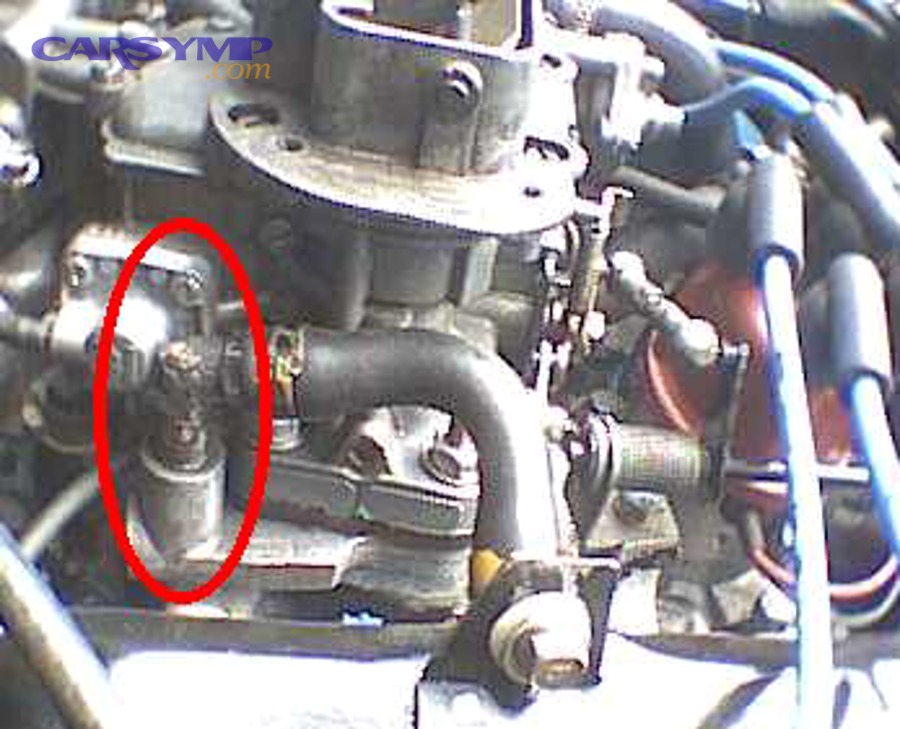
Can overtightening, warped covers, or poor prep make leaks return?
Yes—because valve cover sealing depends on even compression, not brute force.
Common comeback scenarios:
- Overtightening bends the cover flange, creating low-pressure gaps where oil escapes.
- Uneven torque creates “pinch points” that crush the gasket in one area but leave another area loose.
- Old gasket stuck to the head prevents the new gasket from seating flat.
- Sealant used in the wrong places can create slippery spots or squeeze-out that prevents proper seating.
A good rule: if the manufacturer specifies sealant only at corners or joints, treat that as a precise instruction—not an invitation to coat the whole gasket.
What should I do next after I confirm the valve cover gasket is leaking?
After you confirm the valve cover gasket is leaking, the best next step is a three-part plan: decide whether it’s safe to drive short-term, choose the right repair scope (gasket-only vs related seals/cover), and set a DIY-vs-shop threshold based on access, tools, and risk.
Then you can move from diagnosis into a practical DIY gasket replacement overview that reduces the chance of a comeback leak.
Is it safe to drive with a valve cover gasket leak?
Yes, sometimes—but only if the leak is minor, oil level stays stable, and oil is not dripping onto hot exhaust components; otherwise it becomes a safety risk and should be addressed immediately.
Use this quick safety filter:
- Usually okay for short trips (monitor closely):
- Light seep, no smoke, no burning smell, oil level barely drops
- Not okay—stop and fix soon:
- Oil dripping onto exhaust, visible smoke, strong burning oil odor
- Oil level dropping noticeably between checks
- Misfires from oil-soaked ignition components
If you decide to drive briefly, check oil level frequently and avoid long high-speed runs that increase oil splash and crankcase vapor flow.
Should I replace gasket only—or also grommets, tube seals, and PCV parts?
It depends on what actually seals oil on your engine, but many successful repairs replace all wearable sealing pieces touched during the job because they age together.
Most common add-ons that prevent repeat leaks:
- Valve cover bolt grommets (they control clamp load)
- Spark plug tube seals (if your engine uses them)
- A brittle or leaking PCV hose or stuck PCV valve (if symptoms point there)
To make this decision easier, here’s a simple guide to match leak severity and scope.
The table below maps common diagnostic findings to the most appropriate repair scope and the reason each scope prevents repeat leaks.
| Finding after diagnosis | Likely best repair scope | Why it helps |
|---|---|---|
| Seep at seam, gasket hard/brittle | Gasket + proper cleaning/prep | Restores seal compression |
| Oil in plug wells | Gasket set including tube seals | Stops oil from filling wells |
| Repeated leaks across multiple seals | Add PCV inspection/servicing | Reduces pressure-driven seepage |
| Cover flange visibly distorted | Consider cover replacement/straightening | Prevents uneven clamp load |
This is where “engine oil leak repair” stops being one-size-fits-all and becomes a targeted plan.
When should I stop DIY and go to a mechanic?
You should stop DIY when access is tight, critical components must be removed, or the risk of collateral damage outweighs the savings.
Examples of “shop threshold” triggers:
- The valve cover is under an intake manifold that requires major disassembly
- You must remove fuel rails or high-pressure fuel components
- The cover is integrated with a PCV diaphragm or complex breather assembly
- You suspect the leak is not only the gasket (timing cover, head gasket, turbo oil lines)
If you’re already deep into disassembly and can’t guarantee clean sealing surfaces and correct torque strategy, a pro finish can be cheaper than a comeback leak.
What else can look like a valve cover gasket leak—and how do I rule it out?
A valve cover gasket leak can be confused with other leaks because oil spreads downward, but the best way to rule alternatives out is to compare origin height, oil trail direction, and the specific component geometry that creates the drip pattern.
In addition, you should deliberately check for “higher-than-you-think” leaks and “lower-than-you-assume” leaks—because both can mimic a valve cover seam problem.
Could it be camshaft seal, timing cover, or head gasket instead?
Yes—front engine leaks often come from seals and covers that sit near the same vertical plane as the valve cover, and they can sling oil with belt movement.
How to rule them out:
- Camshaft seal/timing cover area: look behind pulleys and along the timing cover edges for fresh oil.
- Head gasket seep: look for oil at the head-to-block seam (usually lower than valve cover seam, but higher than oil pan).
- Valve cover seam vs timing cover seam: the valve cover seam is typically a long horizontal perimeter; timing cover leaks often concentrate near the front center.
If the wettest point is at the front and oil is flung outward, suspect a rotating component path rather than a static seam.
Can spilled oil from oil changes mimic a valve cover leak?
Yes—spilled oil can bake onto surfaces and produce smell/smoke that feels like an active leak, especially if it landed on exhaust heat shields.
A simple rule-out process:
- Clean the spill area thoroughly.
- Drive once.
- Recheck: if there is no new wetness at the valve cover seam, you likely had residue, not a leak.
Spills also tend to create random splash patterns rather than a consistent “starting line” at a gasket edge.
Do engine layouts (V engines vs inline engines) change how leaks travel?
Yes—because gravity and airflow create different “run paths.”
- V engines: oil from a valve cover often runs into the valley, then exits at the back, making it look like a rear main or transmission leak.
- Inline engines: oil often runs down one side and collects on a bracket ledge, then drips near the oil pan area.
That’s why you should avoid diagnosing from the drip spot alone. A leak that appears as Oil pan gasket leak symptoms (oil low on the engine, drips under the car) can still start at the top seam—especially on engines with protective covers and undertrays. (pawlikautomotive.com)
What rare issues can cause repeated valve cover gasket failures?
Rare—but real—repeat causes include:
- Crankcase pressure problems from engine wear that overwhelm normal ventilation
- Cover design issues (integrated PCV diaphragms failing and pulling oil into places it shouldn’t be)
- Improper gasket material choice (wrong type for the engine’s heat/chemical environment)
- Surface damage (nicks, corrosion pits, or RTV buildup creating a permanent sealing defect)
If you’ve replaced the gasket correctly and it still leaks in the same place quickly, treat it as a system problem: sealing surface + clamp load + pressure control, not “bad luck with gaskets.”