


Burning oil odor and smoke usually happen when engine oil touches a hot surface (creating under-hood smoke) or when oil enters the combustion or exhaust stream (creating tailpipe smoke). You can diagnose the cause by matching smoke location, timing, and oil residue patterns to the most likely failure points.
Next, you’ll learn how to interpret the symptom itself—especially whether the smoke is coming from under the hood or from the exhaust—because that single observation quickly separates “leak burning on hot parts” from “oil burning inside the engine.”
Then, you’ll identify the most common external leak sources and the typical paths oil follows as it drips, spreads, or gets blown back by airflow, so you can narrow down where to inspect first instead of guessing.
Introduce a new idea: once you know which side you’re on (external leak vs internal oil burning), you can follow a safe, step-by-step diagnostic process, decide if it’s safe to drive, and choose the right repair approach.
What does a burning oil smell and smoke in a car usually mean?
A burning oil smell and smoke is a troubleshooting symptom that usually starts when engine oil escapes its sealed system and either burns on hot components or burns inside the engine, producing a sharp odor and visible haze.
Then, the fastest way to avoid wasted time is to treat “smell + smoke” as a location problem before it becomes a repair problem.
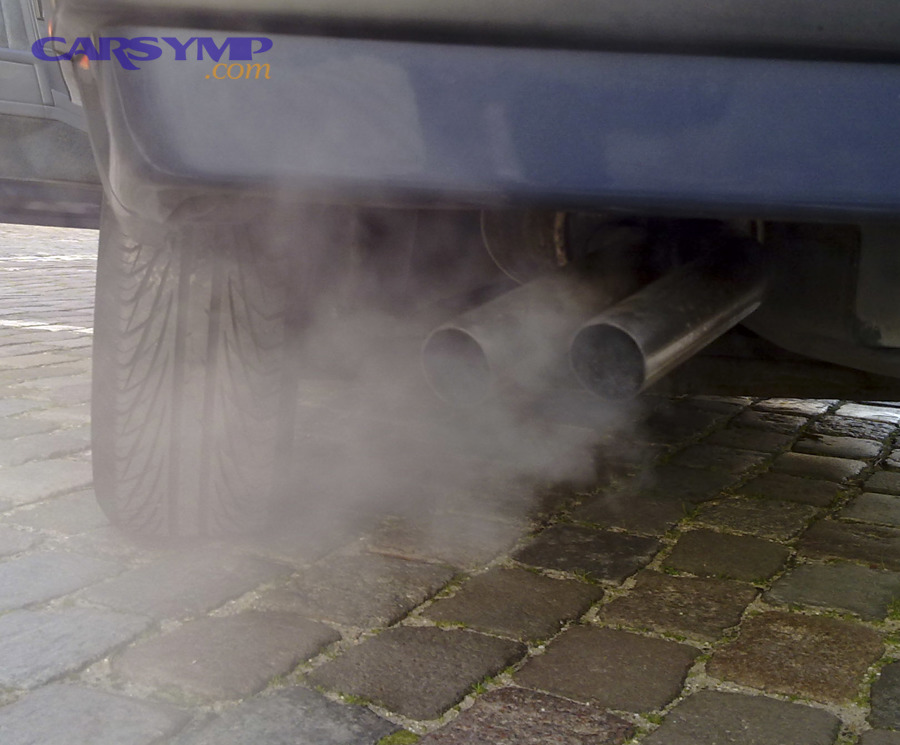
Is burning oil smell and smoke always an oil problem?
No—burning oil smell and smoke is not always an oil problem, because (1) coolant, ATF, and power steering fluid can also burn and smell acrid, (2) plastic or wiring insulation can melt on exhaust heat, and (3) road debris or spilled fluids can smoke temporarily after service.
However, oil is still the top suspect because it’s abundant, it spreads easily, and it turns into a persistent smell when it hits high heat.
To separate oil from “oil-like smells,” use three quick checks:
- Touch-free visual check: Look for wet, glossy residue (oil) versus chalky crust (coolant) on parts and shields.
- Fluid-level pattern: Oil level tends to drop slowly; coolant loss often pairs with sweet smell and overheating.
- Smoke behavior: Oil on hot metal often smokes after a drive (heat soak), not just on cold start.
More specifically, even if the smell began after maintenance, don’t assume it’s harmless until you confirm it’s only spilled oil and not an active leak.
How can you tell if the smoke is coming from under the hood or the exhaust?
Under-hood smoke wins for “external leak onto hot parts,” exhaust smoke is best for “oil burning internally,” and mixed smoke is optimal for “a leak that reaches the exhaust path.”
To better understand the source, use this safe observation routine:
- Park on level ground, set the parking brake, and keep your face away from the hood seam at first.
- Look for smoke location before opening the hood:
- Smoke from the grille/hood gaps often means engine-bay smoke.
- Smoke clearly from the tailpipe points to exhaust smoke.
- Open the hood carefully only if safe: If smoke is heavy or you smell burning wiring, do not lean in—shut down and step back.
A simple comparison often solves the puzzle:
- Engine-bay smoke looks like a wisp rising from one area (rear of engine, near exhaust manifold, near turbo).
- Tailpipe smoke comes out in pulses with the engine rhythm.
In short, the correct “where is the smoke” answer determines the correct “what should I inspect first” answer.
What are the most common external leak causes of burning oil smell and smoke?
There are 3 main types of external leak causes of burning oil smell and smoke: top-of-engine leaks, mid-engine service-point leaks, and lower-engine seep/leaks, based on where oil escapes and what hot surface it reaches.
Besides being common, external leaks are also the fastest to confirm because oil leaves visible tracks—if you know where to look.
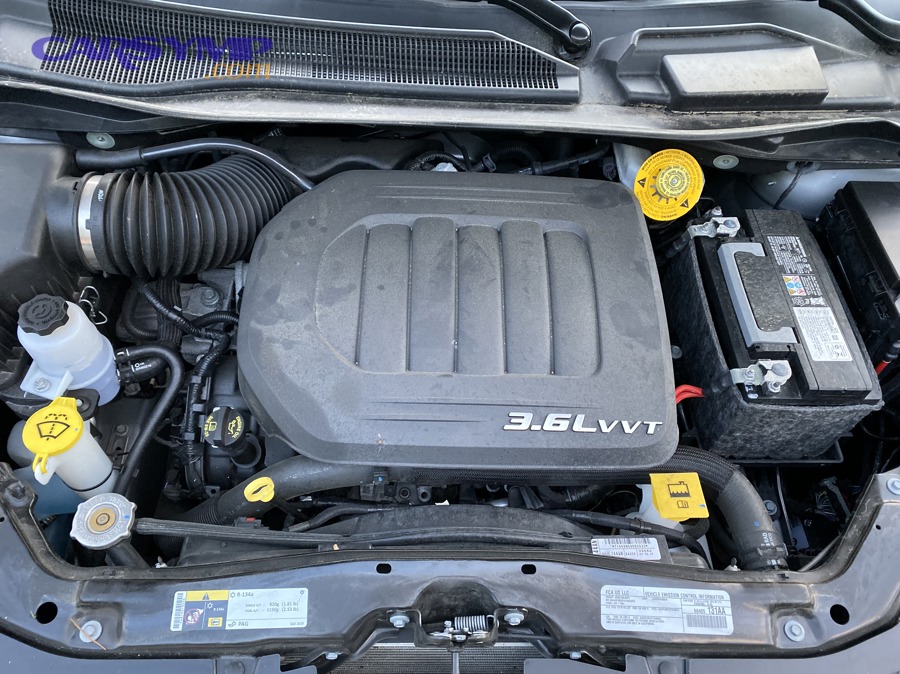
Could a valve cover gasket leak cause a burning oil smell and smoke?
Yes—a valve cover gasket leak can cause a burning oil smell and smoke, because (1) oil often drips onto the exhaust manifold or heat shields, (2) it pools in corners and cooks during heat soak, and (3) it can leak directly above the hottest engine surfaces.
However, the key is recognizing the pattern: top-of-engine oil leaks often smell strongest after stopping, when airflow stops and heat rises.
Look for telltale signs:
- Fresh oil wetness along the valve cover edge and down the head.
- Oil stains on the rear of the engine (common on transverse engines where gravity hides the trail).
- Smoke that appears 5–15 minutes after shutdown as heat soaks into the manifold.
To illustrate where the leak typically sits, visualize the “lid” of the engine: if that seal fails, oil moves downward and backward, and it only needs a small path to find the exhaust.
Could an oil filter, drain plug, or oil change spill cause smoke after driving?
Yes—oil filter, drain plug, or spill issues can cause smoke after driving, because (1) oil can drip onto exhaust components, (2) a doubled filter gasket can leak under pressure, and (3) spilled oil can smoke until it burns off, especially on heat shields.
However, the timing matters: spill smoke often improves after a few heat cycles, while a leak persists or worsens.
Use a quick elimination checklist:
- After an oil change: Check the filter area for wetness, confirm the old gasket isn’t stuck to the housing, and inspect the drain plug for fresh drips.
- After a hard drive: Look for a thin oil mist around the filter housing—pressure leaks show up there first.
- Smell location: If the odor is strongest near the front of the engine (common filter location), service points jump up the suspect list.
More importantly, if you see oil actively dripping near the exhaust, treat it as a safety issue, not a “wait and see” issue.
Which external leak locations are most likely based on where you see oil residue?
There are 5 main categories of likely leak locations based on residue pattern: top-edge wetness, front-of-engine spray, rear-of-engine streaks, lower-pan wetness, and underbody blow-back, based on gravity flow and airflow direction.
To better understand the mapping, remember: oil rarely stays where it starts.
Here is a practical “pattern → likely source” guide (this table helps you convert what you see into what you should inspect first):
| What you see (residue pattern) | Most likely starting area | Why it matches |
|---|---|---|
| Wet oil along top edges, down cylinder head | Valve cover gasket / cap / PCV grommet | Oil starts high and runs down |
| Wet around filter housing, streaking downward | Oil filter seal / housing gasket | Pressure-fed area leaks quickly |
| Oil at rear of engine and bellhousing area | Rear main seal area / upper rear leaks | Gravity + airflow hide the true source |
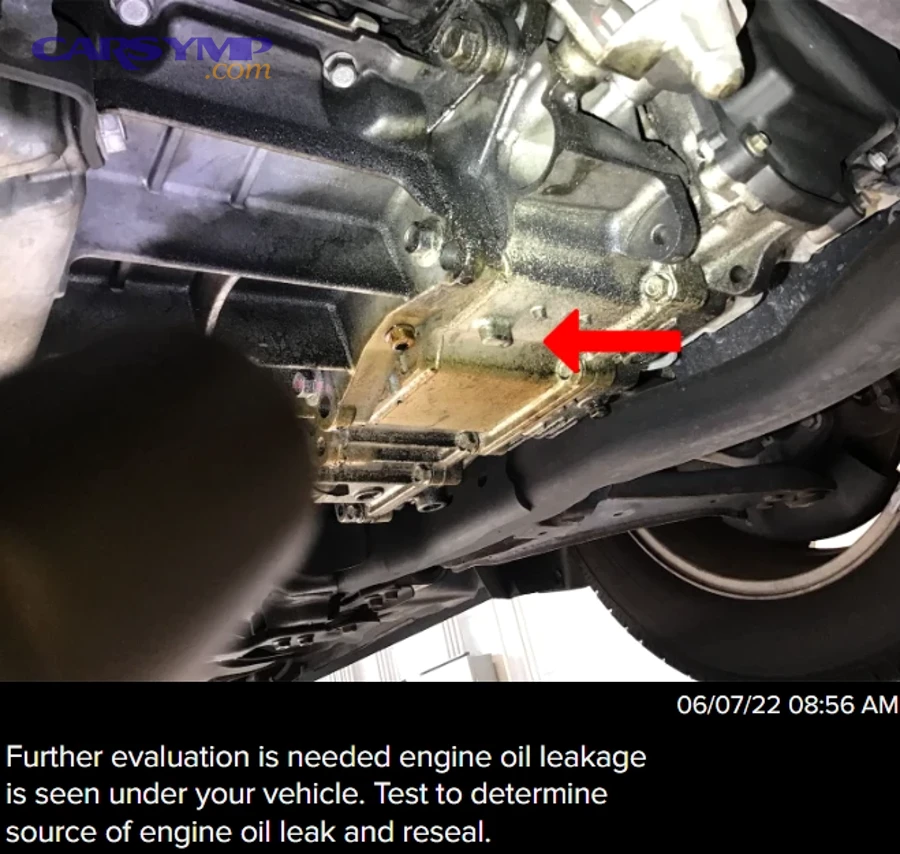
| Wet oil on pan lip, slow drip at bottom | Oil pan gasket / drain plug / sensor seal | Low point collects oil |
| Oil spread across undertray / subframe | Any leak + airflow blow-back | Driving wind distributes oil |
In addition, when people search for Common engine oil leak locations, they’re often trying to shortcut this exact mapping problem—so treat the residue pattern as your “map legend.”
How do you diagnose an external oil leak that’s burning on hot parts?
A reliable diagnosis uses a clean baseline + a short heat cycle + targeted inspection in 6 steps, producing the outcome you want: the first true leak point, not the messy area where oil eventually lands.
Next, you’ll connect the burning smell to a repeatable inspection routine so you don’t chase false trails.
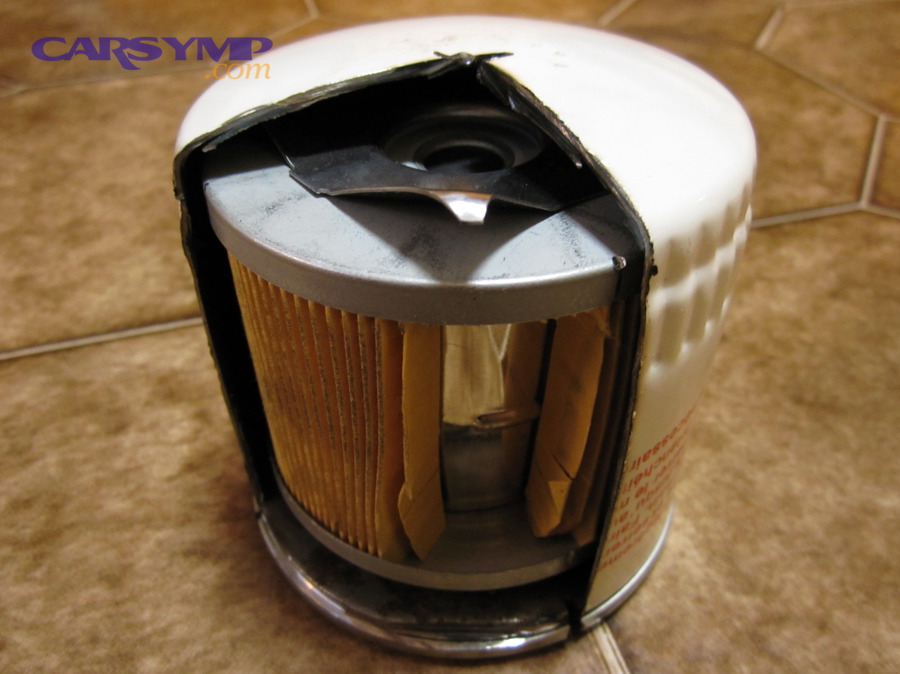
Start with safety and clarity:
- Confirm oil level on the dipstick (low oil increases risk; overfilled oil can worsen leaks and consumption).
- Look for fresh wet oil on top surfaces before driving—this is the easiest time to catch it.
- Clean suspect areas with a safe degreaser or brake cleaner (avoid spraying belts/electrical connectors).
- Run a short drive (10–15 minutes) to heat the engine, then park and observe smoke.
- Inspect immediately after shutdown with a flashlight; heat soak makes oil smoke where it contacts hot metal.
- Trace upward from the smoke area to find the highest wet point.
This approach is the backbone of successful engine oil leak repair planning, because once you know the exact source, you can choose the correct seal or gasket instead of replacing parts “near the smell.”
What quick checks can a driver do at home in 15 minutes?
Quick checks are a fast visual-and-level routine with 5 actions that can reveal the most common leak sources without special tools, producing one outcome: a shortlist of where to inspect deeper.
Then, use this sequence to stay efficient:
- Check oil level and cap: A loose cap or damaged seal can mist oil.
- Scan top edges: Look around valve cover seams and corners for wetness.
- Check filter area: Feel for wet oil (engine cool only) and look for a fresh drip trail.
- Look under the car: Identify whether the leak is centered, left, right, or rear.
- Sniff localization: Smell is not proof, but it can point you to the hottest contact point.
Specifically, if smoke appears only after stopping, focus on leaks that drip onto exhaust surfaces and cook during heat soak.
When should you use UV dye to confirm an oil leak source?
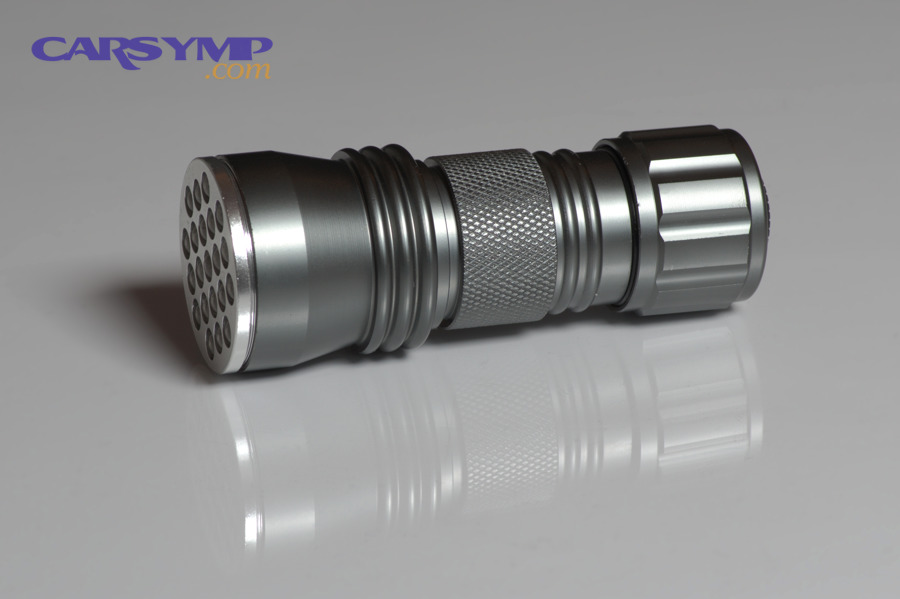
You should use a UV dye test for oil leaks when (1) multiple areas are already oily and you can’t find the first leak point, (2) the leak is slow and only appears under certain loads, or (3) you need to confirm a repair actually fixed the source.
However, dye only works well when you establish a clean baseline and give it time to circulate.
Use dye effectively:
- Clean the area first so old oil doesn’t “glow” and confuse you.
- Add dye to oil (correct type and amount), drive through normal conditions, then scan with a UV light.
- Follow the brightest, freshest dye trail upward to the origin point.
This method is especially valuable when you suspect the leak is higher than where the smoke appears—because the smoke shows where oil burns, not where it started.
What are the internal oil-burning causes of burning smell and smoke from the exhaust?
There are 4 main internal oil-burning causes of burning smell and exhaust smoke: PCV-related oil ingestion, worn piston rings/cylinder wear, valve stem seal leakage, and turbocharger oil seal or line issues, based on how oil enters the intake or combustion chamber.
Moreover, internal burning tends to pair with oil consumption, plug fouling, and tailpipe haze—so the symptom cluster matters.
Does blue smoke from the exhaust mean the engine is burning oil?
Yes—blue smoke from the exhaust usually means the engine is burning oil, because (1) oil vapor and fine droplets tint exhaust blue in certain light, (2) oil burning produces a distinct acrid odor that lingers, and (3) oil burning often correlates with measurable oil loss over time.
However, “blue” can be subtle, so look for repeatability: does it happen under the same conditions every time?
Practical confirmation checks:
- Oil level trend: Track dipstick level over 500–1,000 miles rather than guessing.
- Tailpipe residue: Oily soot can appear wetter than normal carbon.
- Idle behavior: Internal issues often show smoke patterns tied to vacuum and load.
Evidence matters because PCV flow can carry oil mist into the intake under certain operating conditions. According to a study by Massachusetts Institute of Technology from the Department of Mechanical Engineering, in 2004, researchers examined oil present in PCV blowby gases under different engine speeds and loads and noted that PCV-related oil transport can be a meaningful contributor to overall oil consumption under certain conditions. (Source: researchgate.net)
What does smoke on startup vs smoke on acceleration vs smoke on deceleration suggest?
Startup smoke wins for valve stem seals, acceleration smoke is best for rings or turbo-related oil entry, and deceleration smoke is optimal for vacuum-driven oil pull past seals or guides.
To better understand the pattern, match engine physics to driving conditions:
- Cold start puff (then clears): Oil may seep past valve seals overnight and burn on start.
- Hard acceleration smoke: High cylinder pressure and turbo boost can push oil past weak ring sealing or turbo seals.
- Deceleration smoke: High intake vacuum can pull oil past worn valve guides/seals or a compromised PCV path.
More specifically, patterns that are consistent are more diagnostic than patterns that happen “once in a while.”
Which engine systems can cause oil to be pulled into the intake?
There are 3 main intake-path systems that can pull oil into the intake: the PCV system, turbocharger intake plumbing (if equipped), and excess crankcase pressure from blow-by, based on pressure differential and oil mist generation.
Then, check each path for its signature clues:
- PCV system: Oil residue in the throttle body/intake tube; collapsed PCV hoses; a stuck PCV valve.
- Turbo intake tract: Oil film in charge piping or intercooler; smoke after boost events.
- Crankcase pressure: Leaks get worse, seals seep, and dipstick tube may puff vapor at idle (diagnose carefully).
In addition, these systems often interact: crankcase pressure rises → PCV flow changes → oil mist transport increases.
External leaks vs internal oil burning: how can you confirm which one you have?
External leaks win in under-hood smoke + oily engine surfaces, internal oil burning is best for tailpipe smoke + oil consumption, and mixed evidence is optimal when a leak reaches the exhaust path or oil is entering through multiple routes.
However, you don’t need special tools to confirm the category—you need consistent observations.
Use this confirmation logic:
- Where is the smoke? Under hood vs tailpipe is the first fork.
- Is there fresh wet oil? External leaks leave wet tracks; internal burning doesn’t.
- Is oil level dropping? Internal burning often shows a clear consumption trend.
Here’s a simple decision guide (this table summarizes the “confirmation signals” that separate the two causes):
| Confirmation signal | External leak burning on hot parts | Internal oil burning |
|---|---|---|
| Smoke source | Engine bay / hood seam | Tailpipe |
| Visible oil | Wet residue on engine/exhaust shields | Often none externally |
| Oil level trend | May drop (depends on leak rate) | Often drops steadily |
| Timing | Often after drive / heat soak | Often tied to startup/accel/decel |
| Smell location | Strongest around engine bay | Strongest near exhaust outlet |
In short, confirm the category first, then confirm the component.
If you smell burning oil but don’t see smoke, is it still serious?
Yes—it can still be serious, because (1) small leaks can produce strong odor long before smoke is obvious, (2) oil can hit very hot surfaces and burn off quickly without visible plumes, and (3) odor can signal risk if oil is contacting the exhaust.
However, mild smell with no smoke can also come from minor seepage or a past spill, so the “seriousness” depends on whether oil is actively moving.
A smart approach:
- Recheck after a longer drive and during heat soak.
- Inspect the highest likely sources first (top of engine, filter housing).
- Monitor oil level so you don’t miss slow loss.
If you see smoke under the hood after stopping, is it more likely an external leak?
Yes—smoke under the hood after stopping is more likely an external leak, because (1) heat soak spikes surface temperatures, (2) airflow stops so smoke rises instead of dispersing, and (3) oil on exhaust components smolders more visibly at idle and shutdown.
Moreover, this pattern is one reason technicians often diagnose leaks right after a road test—because that’s when the smoking point reveals itself.
Can you drive with a burning oil smell and smoke, or should you stop?
No—you should not keep driving with burning oil smell and smoke if it’s active or worsening, because (1) oil on hot exhaust parts can create a fire hazard, (2) oil loss can lead to low oil pressure and engine damage, and (3) smoke can signal overheating or another failure that escalates quickly.
More importantly, the right decision depends on the severity signals you see in the moment.
A practical rule: if you see active smoke and smell burning oil strongly, treat it as urgent until proven otherwise.
What are the red flags that mean “stop driving immediately”?
There are 7 red flags that should trigger an immediate stop: oil pressure warning, overheating, thick or increasing smoke, visible oil dripping onto exhaust, burning electrical smell, misfiring/rough running, and rapid oil level drop, based on fire risk and engine damage risk.
Then, follow a safe response:
- Pull over safely and shut the engine off.
- Do not open the hood aggressively if smoke is heavy (oxygen can worsen a fire).
- Call for assistance if you suspect active dripping onto the exhaust.
Evidence supports why pressure and sealing matter in leak prevention. According to a study by the University of Windsor from the Department of Mechanical, Automotive & Materials Engineering, in 2014, a thesis noted that many engines target crankcase pressure roughly 20–30 hPa below atmospheric to help impede oil leakage and maintain seal integrity. (Source: collectionscanada.gc.ca)
What should you do before the next drive if the smell is mild?
If the smell is mild, you should do a 5-step safety check before the next drive to reduce risk and produce a clear outcome: either “safe enough to drive to a shop” or “tow it.”
To begin, do this checklist:
- Check the dipstick oil level (top up only if needed; don’t overfill).
- Inspect for fresh drips under the car after sitting.
- Look around the oil filter and valve cover area for wetness.
- Start the engine briefly and observe smoke source at idle.
- Stop and recheck for new oil traces.
In addition, if the smell increases quickly or smoke appears, stop the test and escalate to professional help.
What are the most effective fixes for burning oil smell and smoke causes?
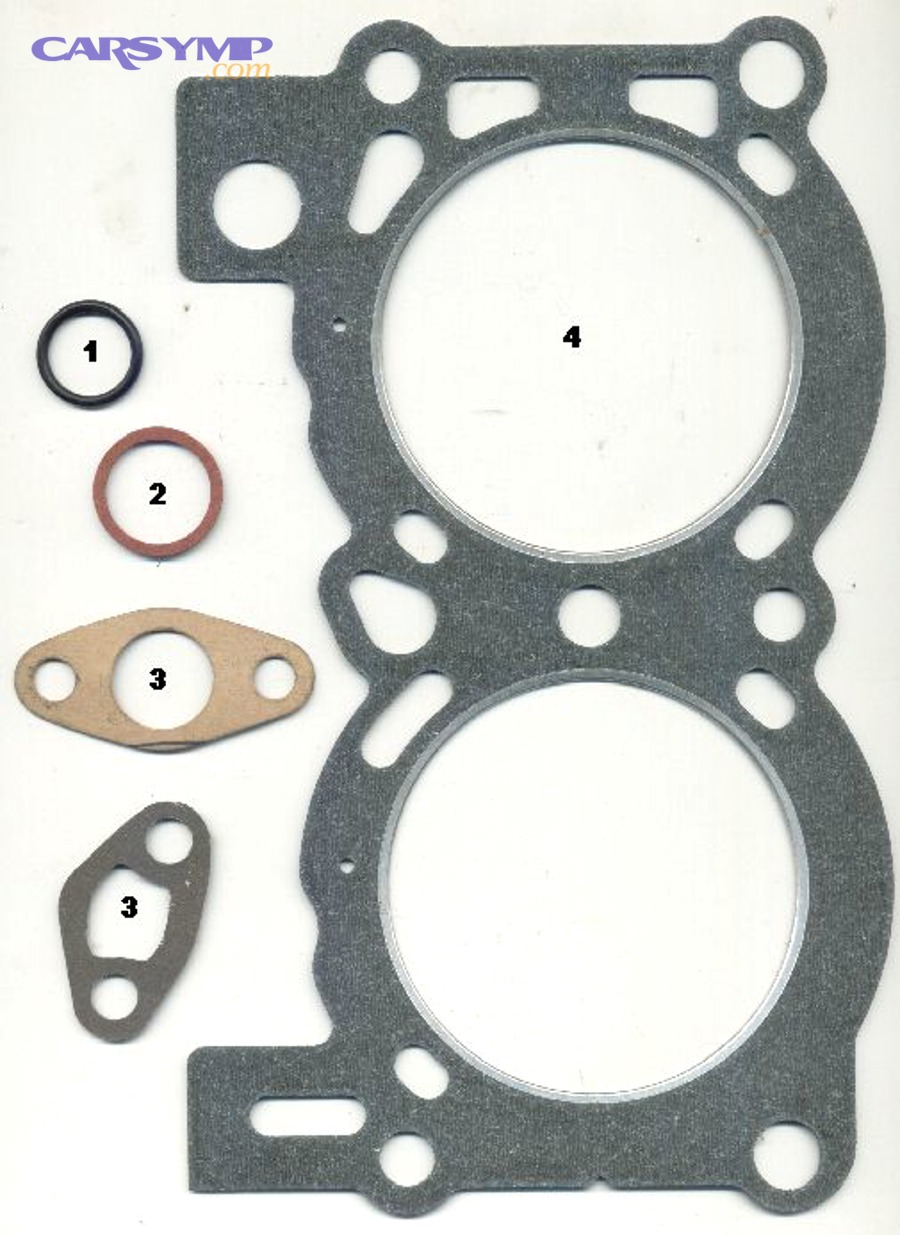
There are 3 main fix categories: clean-and-correct (spill or minor seep), seal-and-gasket repair (external leak), and system/internal repair (PCV, turbo, rings, valve seals), based on whether oil is escaping externally or being consumed internally.
Thus, the best fix is the one matched to the confirmed cause—not the most common part people replace.
Before you pick a fix, commit to the logic:
- Fix the source first, then clean the burn area.
- Confirm after repair, because leftover oil can smoke and trick you into thinking it’s still leaking.
Which fixes address external leak smoke fastest?
There are 5 fast external-leak fixes that usually stop the smoke quickly: valve cover gasket replacement, oil filter/housing reseal, drain plug washer replacement, oil cap seal replacement, and oil pan gasket reseal, based on how often they leak onto hot components.
However, “fastest” depends on access and diagnosis accuracy.
A realistic repair sequence:
- Stop the leak: Replace the failed gasket/seal (or correct an installation issue).
- Clean the hot surfaces: Oil left on manifolds and shields can smoke for days.
- Heat-cycle and recheck: Confirm no fresh wetness appears.
If you’re doing a DIY gasket replacement overview, keep it practical and safe:
- Use the correct torque pattern and torque spec.
- Replace brittle grommets or bolt seals if your engine design uses them.
- Clean mating surfaces gently; do not gouge aluminum.
Which fixes address internal oil burning causes?
There are 4 effective internal-burning fixes: PCV service, turbo seal/line repair (if equipped), valve stem seal repair, and ring/cylinder repair, based on the oil entry pathway.
Then, match fix to pattern:
- PCV issue suspected: Replace PCV valve, inspect hoses, and check for oil pooling in the intake tube.
- Turbo suspected: Inspect charge pipes and intercooler for oil accumulation; repair lines or turbo seals.
- Valve seals suspected: Confirm with startup/decel smoke pattern; plan seal service.
- Rings suspected: Confirm with compression/leak-down testing; expect deeper engine work.
More importantly, avoid “thick oil fixes” as a primary strategy—changing viscosity can mask symptoms but won’t correct mechanical wear.
How can you prevent burning oil smell and smoke from coming back?
Prevention uses correct oil management + ventilation health + post-repair verification in 4 steps to reduce recurrence, producing the outcome drivers want: no repeat smell, no repeat smoke, and stable oil level.
Next, you’ll shift from “finding the cause” to “keeping it from returning,” because recurrence usually happens when a small detail gets skipped.
Step-by-step prevention:
- Maintain correct oil level and quality (avoid overfill; follow service intervals).
- Keep crankcase ventilation functioning (PCV problems increase pressure and oil mist).
- Address minor seepage early (small leaks often become big leaks with heat and time).
- Verify repairs with inspection (don’t rely on “it smells better today” as proof).
What post-repair checks confirm the leak is actually fixed?
Post-repair confirmation is a clean-baseline recheck with 3 checks that produce a confident outcome: no fresh oil + no new dye trail + no smoke recurrence.
Then, run this routine:
- Clean the repaired area and nearby hot surfaces.
- Drive through a full heat cycle (including a short highway run).
- Reinspect for the highest fresh wet point.
For tricky leaks, repeat a UV dye test for oil leaks after the repair; dye makes “new oil” obvious and helps you avoid confusing old residue with a new leak.
How do PCV maintenance and crankcase pressure affect oil leaks and oil burning?
PCV maintenance affects oil leaks and oil burning because (1) crankcase pressure influences whether seals seep, (2) oil mist transport changes with ventilation flow, and (3) restricted breathing can push oil toward weak gasket edges.
Moreover, when crankcase pressure control is poor, leaks tend to show up in places you didn’t expect because pressure finds the weakest seal.
A practical maintenance view:
- Replace PCV components at sensible intervals for your vehicle and driving conditions.
- Inspect hoses for collapse, sludge, or brittle cracking.
- Treat unexplained oil seepage as a reason to check ventilation, not only gaskets.
This ties directly back to why some engines target slight negative crankcase pressure to reduce leakage risk. (Source: collectionscanada.gc.ca)
What habits reduce repeat leaks after an oil change or DIY service?
There are 4 habits that reduce repeat leaks: correct fill amount, correct gasket/washer replacement, correct torque discipline, and cleanup and recheck, based on how service errors cause leaks.
Specifically, adopt these habits:
- Measure and confirm oil quantity; don’t “round up” casually.
- Replace crush washers when required; don’t reuse flattened seals repeatedly.
- Tighten filters and drain plugs to spec; avoid over-tightening that damages threads or seals.
- Wipe spilled oil completely, especially near heat shields.
These habits prevent the most frustrating scenario: smoke that looks like a new leak but is actually old oil burning off.
When does a borescope or compression/leak-down test make sense?
A borescope or compression/leak-down test makes sense when you have repeatable tailpipe smoke + measurable oil consumption + no obvious external leak, because it can confirm whether oil is entering through rings, valves, or other internal paths.
Then, treat testing as a decision tool:
- Use it when the repair cost difference is large (PCV service vs engine mechanical work).
- Use it when symptoms clearly point internal but the exact cause is unclear.
- Use it when you want to avoid replacing parts based on guesswork.
In short, internal oil burning is diagnosable—but it’s best confirmed with evidence when the fix is major.
Evidence (summary of cited sources)
- MIT Mechanical Engineering thesis research describing PCV blowby oil characterization and its relationship to oil consumption. (Source: researchgate.net)
- University of Windsor thesis noting crankcase pressure targets and their role in reducing oil leakage risk and maintaining seal integrity. (Source: collectionscanada.gc.ca)