


Replacing a leaking engine gasket is a practical DIY job when you follow a repeatable process: confirm the leak source, choose the right gasket and sealant strategy, prep surfaces correctly, and tighten fasteners to spec. This DIY gasket replacement overview is built to help home mechanics stop common oil leaks without guesswork.
Next, you’ll learn whether this is a safe project to do at home and what “ready” really means (tools, workspace, skill level, and when to walk away). Then, you’ll see how gasket materials and sealants behave so you can pick what matches your engine and your leak.
To begin, we’ll lock in the most important prerequisite: diagnosing the exact leak source before you buy parts. That way, the gasket you replace is the gasket that’s actually leaking. Introduce a new idea: once diagnosis is solid, the actual replacement steps become straightforward—and far more likely to stay dry long-term.
What does a DIY gasket replacement overview include?
A DIY gasket replacement overview includes three core moves—diagnosis, correct parts/sealants selection, and proper installation technique—because every repeat leak usually traces back to skipping one of those steps. Then, with that “why” established, you can treat the job like a system instead of a one-off repair: find the leak, seal the joint, and verify it stays sealed.
Which engine gaskets are the most common DIY jobs?
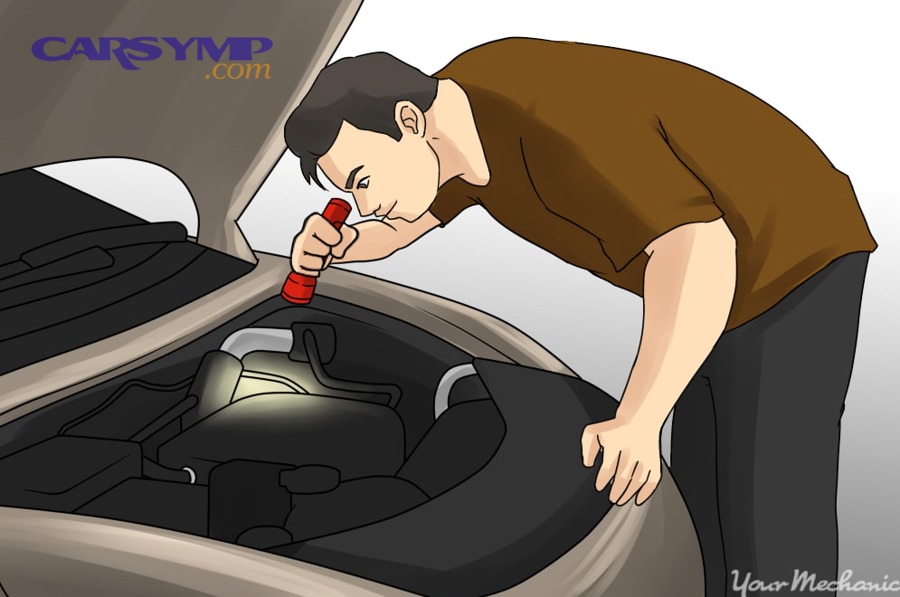
There are 5 main types of DIY-friendly engine oil-sealing “gaskets” most people replace first: valve cover gaskets, oil pan gaskets, timing cover gaskets, intake manifold gaskets (oil ports on some engines), and cam/crank seals—based on accessibility and typical leak frequency. Next, treat these as a priority list: the easier, higher-leak-rate seals should be confirmed and fixed before you assume a harder leak like a rear main seal.
Valve cover gasket (top-end seal)
Valve cover gaskets are common because heat cycles harden rubber and small bolts can loosen over time. The leak usually shows as oil at the top of the engine, wet coil packs, or oil burning smell if it drips onto a hot exhaust.
Oil pan gasket (bottom-end seal)
Oil pan gaskets are common because impacts, corrosion, and imperfect sealing surfaces can compromise the joint. The leak shows as oil on the pan rail, drips near the drain plug area (not always the plug), or oil mist on the underside.
Timing cover gasket (front-of-engine seal)
Timing covers can seep at corners and transitions where multiple castings meet. These leaks often spread widely because the serpentine belt and pulleys sling oil.
Intake manifold gasket (engine-dependent)
On some engines, intake gaskets seal oil passages; failures can create confusing symptoms (oil seep + vacuum leaks).
Cam/crank seals (rotating shaft seals)
These aren’t “gaskets” in the flat-joint sense, but they’re common leak points and often get misdiagnosed as “gasket leaks” because oil spreads outward.
What symptoms point to a failed gasket vs another oil leak?
A gasket leak is most likely when oil appears along a fixed seam (a consistent line where two parts meet), while non-gasket leaks tend to radiate from a single component (filter housing, drain plug, sending unit, turbo feed/return, etc.) and then migrate. However, because gravity and airflow move oil, you need a “top-down, clean-to-confirm” approach before you commit to replacement.
Clues that favor a gasket leak
- Oil is wettest exactly at a seam (valve cover edge, pan rail, timing cover edge).
- The seam shows uniform dampness, not just one isolated drip point.
- Oil reappears at the same seam after cleaning and a short drive.
Clues that favor a non-gasket leak
- Oil is wettest around a round fitting or component body (oil filter housing, oil pressure sensor).
- Oil appears directly under the drain plug or filter after a service.
- Oil tracks along hoses/lines (cooler lines, turbo lines) or down from a high fitting.
Practical takeaway
If you can’t draw a clear “wettest point” line, you’re not ready to buy a gasket yet—diagnosis comes first, and we’ll cover a reliable method below.
Can you replace an engine gasket yourself safely?
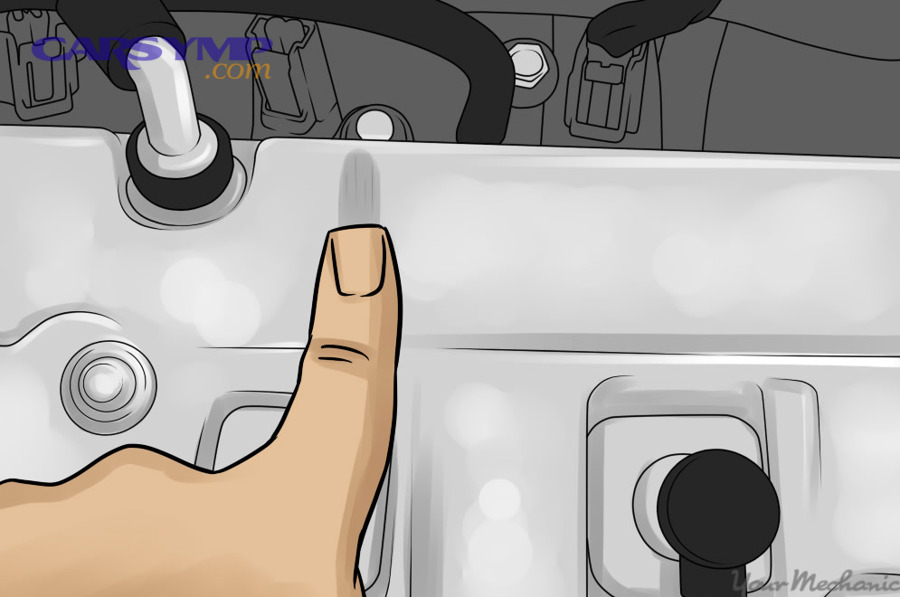
Yes—many engine gasket replacements are safe DIY projects if you control 3 factors: the vehicle is securely supported, you follow correct torque strategy, and you keep flammables/chemicals managed—because most injuries and repeat leaks come from poor support and rushed reassembly. Next, let’s turn “safe” into a checklist you can actually follow.
What skills, tools, and space do you need?
You need a basic mechanical skill set plus 4 tool categories—hand tools, torque tools, cleaning/prep tools, and safe lifting/support—because gasket sealing is mostly about controlled assembly, not brute force. Specifically, you’ll get the best results by preparing the joint like a machinist and tightening it like a technician.
Skills (minimum effective level)
- You can remove components methodically and label/photograph connections.
- You can clean mating surfaces without gouging them.
- You can use a torque wrench correctly and stop when the spec is reached.
Tools (core list)
- Socket set, extensions, swivels, screwdrivers, pliers
- Torque wrench (in the correct range for the fasteners you’ll torque)
- Plastic scraper, brake cleaner or suitable degreaser, lint-free rags
- Straightedge (helpful), flashlight, mirror, gloves
- Jack + jack stands (or ramps) rated for your vehicle; wheel chocks
Space
- Flat surface, good lighting, ventilation
- Time buffer for curing if RTV is used (don’t plan to “rush drive” immediately)
When should you stop and call a professional?
You should stop and call a professional when 3 conditions appear: access requires major disassembly, the sealing surface is damaged/warped, or the leak source is still uncertain—because those scenarios can turn a simple job into an expensive chain reaction. Moreover, “calling it” early is often cheaper than redoing a job twice.
Stop-and-call triggers
- Subframe removal, engine lifting, or transmission separation is required for access.
- You find cracks, severe warpage, or stripped threads on the sealing surface.
- Oil is coming from multiple sources and you can’t confidently identify the primary leak.
- The engine has heavy sludge that makes cleaning and sealing unreliable without deeper work.
Which gasket materials and sealants work best for oil sealing?
There are 4 main gasket material families—rubber/elastomer, cork/rubber composite, paper/fiber, and multi-layer steel (MLS)—and each works best under specific heat, movement, and surface-finish conditions. Next, you’ll use this understanding to choose “clean and dry” vs “RTV at corners” vs “formed-in-place sealant,” instead of guessing.
Rubber, cork, silicone, MLS—what’s the difference?
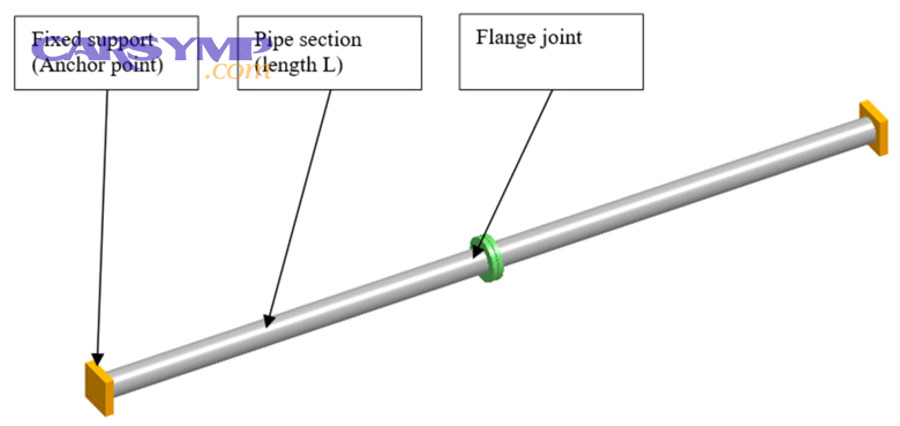
Rubber and silicone gaskets seal by elastic compression, cork composites seal by conforming to imperfections, fiber gaskets seal by swelling/packing under load, and MLS seals by controlled deformation of layered metal beads—based on how the material handles load and heat. However, the best material is the one that matches your engine’s joint design, not the one that “sounds strongest.”
Rubber/elastomer (common for valve covers)
- Pros: reusable-style designs on some engines, consistent compression, good for low-torque fasteners
- Cons: can harden from heat; over-torquing can squeeze it out or permanently deform it
Silicone (high-temp elastomer variants)
- Pros: handles heat well; good elasticity
- Cons: still sensitive to over-torque and dirty surfaces
Cork/rubber composite (older designs, some oil pans)
- Pros: conforms well to imperfect stamped surfaces; forgiving
- Cons: can shrink or weep over time; needs even clamping force
Paper/fiber (some covers and housings)
- Pros: inexpensive; works well on flat, rigid surfaces
- Cons: tears easily during removal; needs clean surfaces and correct torque
MLS (head gaskets and some specialized joints)
- Pros: excellent for high pressure and heat; engineered sealing beads
- Cons: not a typical DIY “oil leak gasket” unless you’re doing major engine work
When should you use RTV and where should you avoid it?
You should use RTV only where the engine design expects it—typically at seam transitions and sharp corners—and avoid smearing it across the whole gasket because excess RTV can squeeze out, create uneven clamping, and contaminate oil passages. More specifically, RTV is a precision supplement, not a replacement for a gasket.
Use RTV here (common patterns)
- Corners where two castings meet under a gasket edge (timing cover-to-head joints, cam cap transitions)
- Small “dab points” specified by the manufacturer
- Formed-in-place designs where RTV is the gasket (some oil pans and timing covers)
Avoid RTV here
- Along the entire perimeter of a molded rubber valve cover gasket
- Anywhere RTV could squeeze inward toward oil pickup areas
- On surfaces that are oily, wet with solvent, or not fully cleaned
How do you diagnose the exact leak source before you replace a gasket?
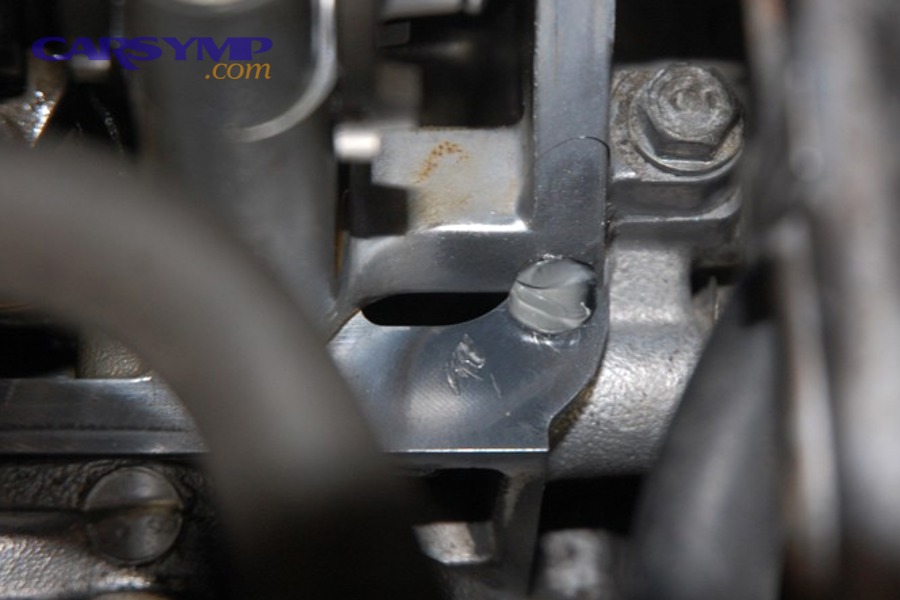
Diagnosing the exact leak source is a 3-step method—clean the area, run the engine under conditions that reproduce the leak, and confirm the first wet point—so you replace the right gasket the first time. Next, we’ll make this practical with a simple visual-tracing method and an optional UV dye confirmation.
How do you clean, inspect, and trace fresh oil correctly?
You trace fresh oil correctly by cleaning from the top down, drying the surfaces, and then watching for the very first reappearance of wet oil—because old oil residue can mislead you for days. To better understand the leak path, you want the engine to “paint” the leak source with fresh oil after everything else is clean.
Step-by-step tracing (reliable baseline)
- Protect sensitive areas: cover alternator openings and electrical connectors if you’re using spray cleaners.
- Degrease the suspected area and surrounding surfaces.
- Rinse/wipe until residue is gone, then dry fully (oil + solvent is not “clean”).
- Run the engine at idle, then with light revs; take a short drive if the leak only appears under load.
- Inspect immediately: the first wet point is the source; everything below it is usually the leak trail.
Tip that prevents false conclusions
- Check above the “wet seam.” A valve cover leak can drip onto a timing cover and look like a timing cover leak if you only inspect the lowest wet point.
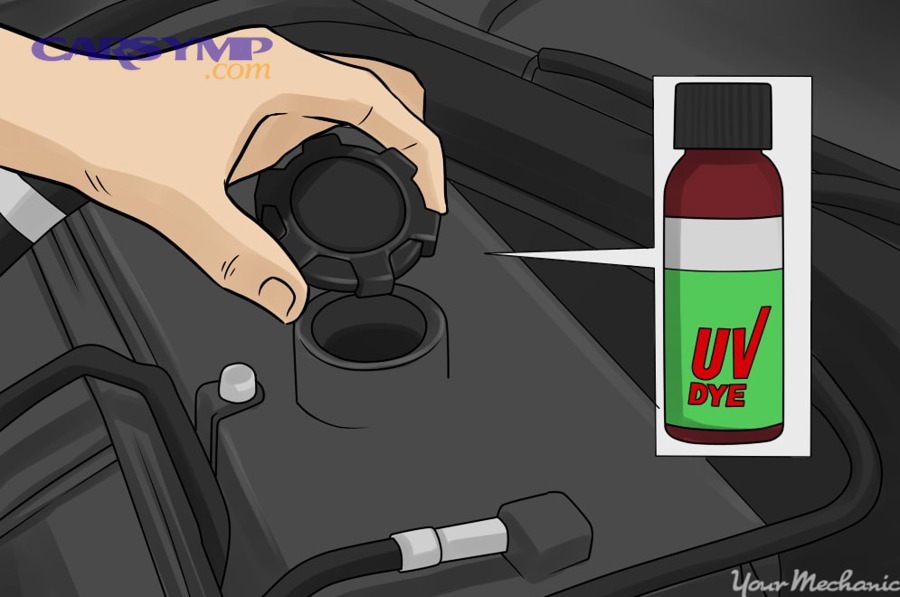
How do you use UV dye to confirm the leak path?
You use UV dye by adding the correct amount to engine oil, driving long enough to circulate it, and then scanning with a UV light to reveal a bright leak trail—because dye makes small leaks visible even when airflow spreads the oil film. Then, follow the glowing trail upward until it starts; that start point is your target.
UV dye confirmation workflow
- Add automotive-grade UV dye to the oil fill (follow product dosage).
- Drive 20–30 minutes or as instructed so the dye mixes thoroughly.
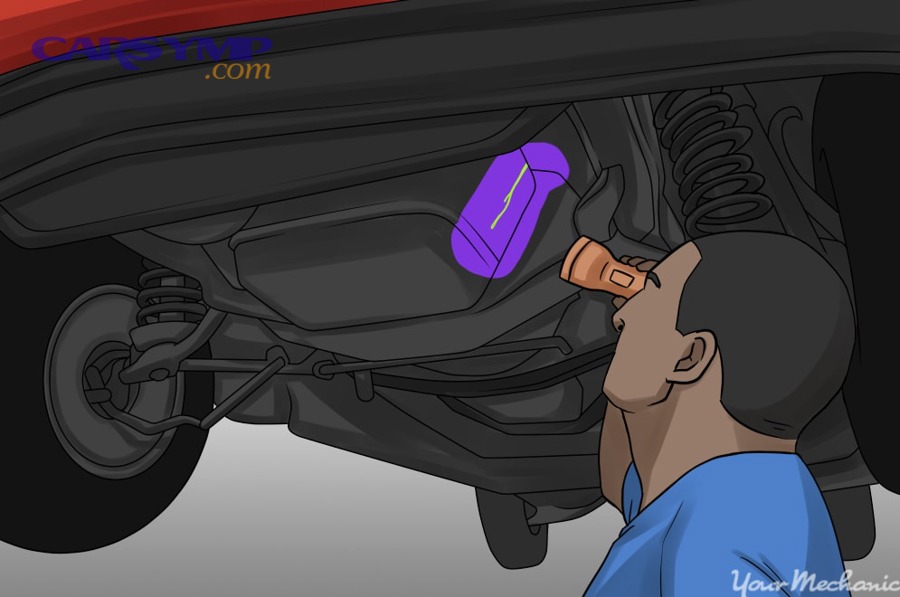
- Inspect with a UV flashlight in a darker setting.
- Follow the brightest dye trace to the origin.
How do you replace a valve cover gasket step by step?
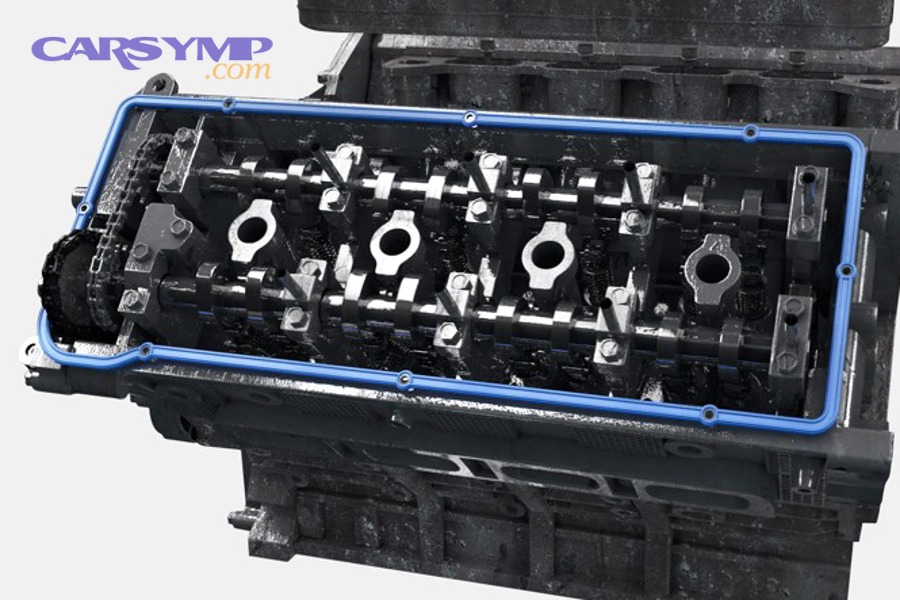
Replace a valve cover gasket with 7 steps—remove the cover, clean surfaces, inspect flatness, seat the gasket correctly, apply RTV only where required, torque evenly, and verify after heat cycling—to achieve a dry seal. Next, we’ll focus on the two biggest success factors: surface prep and torque discipline.
How do you prep surfaces and corners for a leak-free seal?
You prep for a leak-free valve cover seal by removing all old material, degreasing until dry, and checking for flange distortion—because even a new gasket cannot seal oil through dirt, old RTV lumps, or a bent cover rail. Specifically, your goal is “clean, flat, and dry” before the gasket ever touches metal.
Step-by-step surface prep
- Remove ignition coils and hoses that block access; label connectors if needed.
- Unbolt evenly and lift the cover without prying aggressively on the sealing surface.
- Remove the old gasket and any spark plug tube seals (if equipped).
- Clean the cover groove so the new gasket sits fully seated—no twists, no bulges.
- Clean the head sealing surface with plastic scrapers and solvent; avoid gouging aluminum.
- Inspect:
- Plastic covers: look for cracks.
- Stamped steel covers: check for bowed bolt-hole areas.
- Cast covers: check for warpage and nicks.
Corner strategy (where leaks love to return)
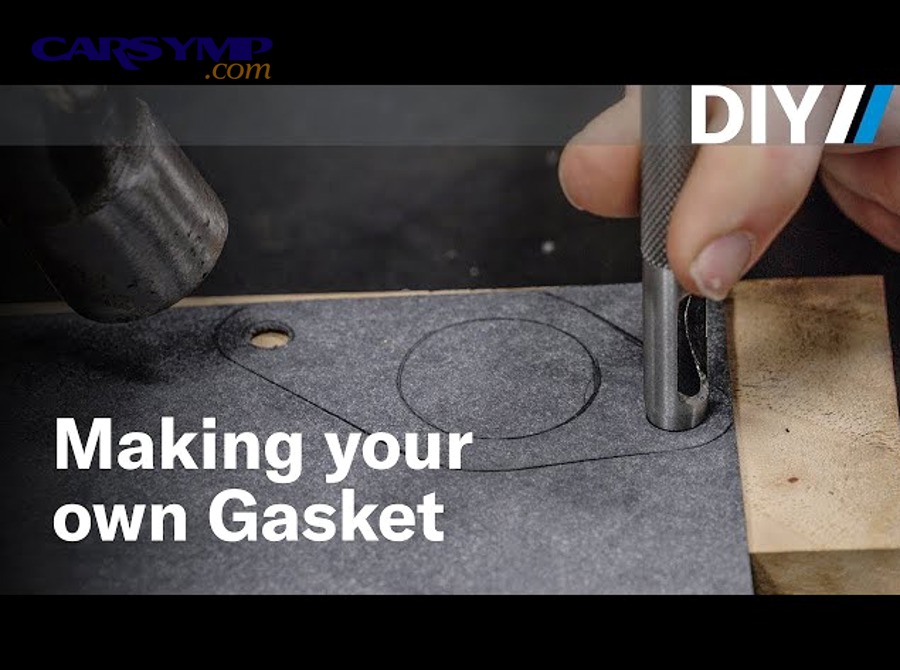
If your engine has corner joints where castings meet, apply a small dab of RTV only at those corners—never a continuous bead around the whole perimeter—so the gasket clamps evenly and doesn’t hydroplane on wet sealant.
How do you torque the bolts in the correct pattern?
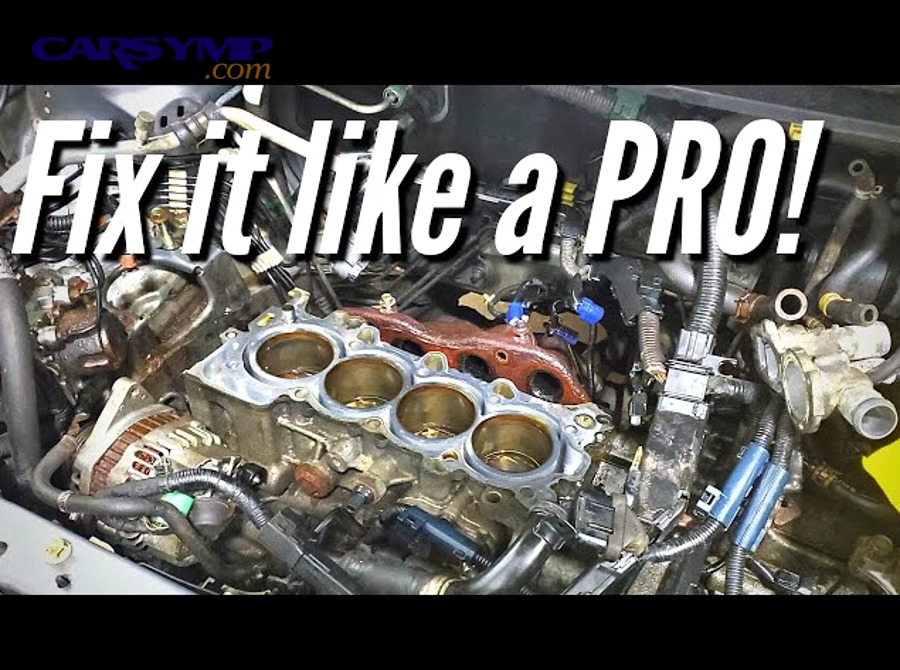
You torque valve cover bolts correctly by tightening in stages from the center outward, using the factory torque spec, so the gasket compresses evenly instead of being pinched or squeezed out at one end. However, because valve cover fasteners are often small, the most common failure is overtightening.
A simple, repeatable torque method
- Hand-thread all bolts to avoid cross-threading.
- Snug in sequence: center bolts first, then alternate outward.
- Final torque in stages: do a first pass at ~50% torque, second pass to full spec.
- Recheck after a heat cycle if the service manual recommends it (some designs do, some don’t).
What “feels tight” is not a spec
Valve cover gaskets are designed to seal at a specific compression; when you exceed it, the gasket deforms and leaks later—often worse than before.
How do you replace an oil pan gasket step by step?
Replace an oil pan gasket with 8 steps—raise and secure the vehicle, drain oil, remove obstructions, drop the pan safely, clean and inspect the rail, apply the correct gasket/sealant strategy, torque evenly, and refill/verify—to stop bottom-end leaks. Next, we’ll address the two hard parts: access and reinstallation without creating a new leak.
How do you handle stuck pans, subframes, and access issues?
You handle stuck pans and access issues by removing only what’s necessary, breaking the seal without prying on the rail, and supporting the pan during removal—because bent rails and gouged surfaces are the #1 reason an oil pan gasket “fails” right after replacement. Meanwhile, the job difficulty varies wildly by vehicle, so the strategy is to reduce risk even if access is tight.
Access planning (before you remove the first bolt)
- Identify what blocks the pan: splash shields, exhaust sections, crossmembers, steering racks, or subframe braces.
- Decide if the engine needs to be supported/lifted slightly (some vehicles require it).
- Prepare a clean drain pan and a safe disposal plan for used oil.
Safely breaking a stuck pan free
- Use the manufacturer’s pry tabs if present.
- Tap gently with a rubber mallet.
- Avoid driving a screwdriver between the pan and block—this can gouge the surface and guarantee a repeat leak.
Pan rail protection
- If the pan is stamped steel, inspect bolt-hole areas for “dimpling.” Flattening those high/low spots can be necessary for a reliable seal.
How do you reinstall, torque, and refill without new leaks?
You reinstall without new leaks by aligning the gasket dry (or applying RTV only as required), tightening bolts in a crisscross pattern in stages, letting sealant cure if used, and verifying after refill—because rushing the last 10% of the job causes 90% of comebacks. More importantly, the pan rail is a long sealing surface, so even clamping matters more than “extra tight.”
Reinstallation checklist
- Final clean: rails dry, bolt holes clean, no solvent pooled.
- Gasket alignment: use guide studs or a couple of loosely threaded bolts to hold alignment.
- Sealant discipline:
- If the design uses RTV: apply the correct bead size and wait the recommended “skin time.”
- If the design uses a formed gasket: keep it clean and dry unless the manual says otherwise.
- Torque strategy:
- Hand snug all bolts.
- Tighten in a crisscross pattern around the pan.
- Final torque in stages.
Refill and verify
- Refill oil, run the engine, and inspect immediately with a light.
- Recheck after a short drive and again after one full heat cycle.
Which gasket replacement mistakes cause repeat leaks after DIY installs?
Repeat leaks usually come from 3 mistake categories—incorrect clamping force, poor surface prep, and incorrect sealant use—because gaskets seal by controlled compression, not by “more goop” or “more tight.” Next, we’ll compare overtightening vs undertightening and then cover the most common prep/sealant errors that sabotage otherwise good installs.
Overtightening vs undertightening: which is worse and why?
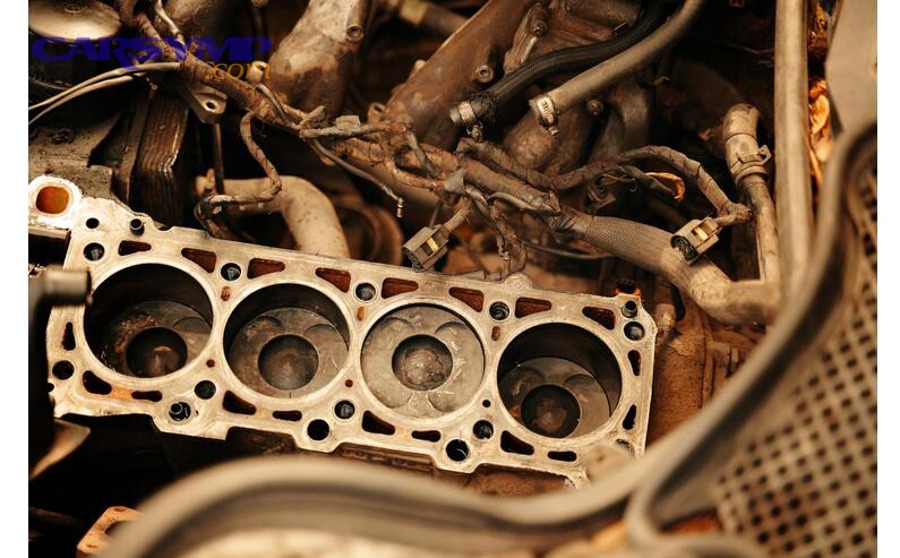
Overtightening is usually worse because it can permanently deform the gasket, warp thin flanges, and strip threads, while undertightening typically causes a visible seep that you can correct by re-torquing to spec—based on how clamping force changes the joint geometry. However, both are bad; the “win” is correct torque applied evenly.
Why overtightening fails later
- Rubber gaskets extrude or flatten, losing elastic recovery.
- Stamped covers and pans dish around bolt holes, creating low-clamp zones between bolts.
- Threads strip, which prevents proper clamping forever unless repaired.
Why undertightening fails sooner
- The gasket never reaches design compression.
- Oil seeps from the lowest-clamp region, often at corners.
Practical rule
If you’re tempted to “just add a little more,” stop and verify the torque spec and sequence instead.
Dirty surfaces, warped flanges, wrong sealant: how do you avoid them?
You avoid these failures by treating surface prep as part of the repair (not “cleanup”), checking for warpage, and using sealant only where intended—because sealants can’t compensate for oily surfaces or distorted parts. In addition, you should avoid mixing “DIY folklore” with engineered sealing designs.
Dirty surfaces
- Problem: oil film prevents adhesion and creates a slip layer under the gasket.
- Fix: degrease until a clean rag stays clean; let solvents fully evaporate.
Warped flanges
- Problem: clamp load concentrates at bolts, leaving gaps between.
- Fix: check with a straightedge; flatten stamped steel bolt-hole dimples carefully.
Wrong sealant use
- Problem: thick beads squeeze inward/outward, altering compression and potentially breaking off into the system.
- Fix: use the smallest effective amount at the manufacturer’s specified locations.
Evidence (why clamp control matters)
According to a study by University of Strathclyde from the Department of Mechanical Engineering, in 2011, gasketed-joint leakage was shown to decrease as gasket strain and effective bolt-up load increase, while internal pressure increases leakage—highlighting why correct, even torque is essential.
How can you prevent future oil leaks after gasket replacement?
You can prevent future oil leaks by controlling oil condition, crankcase pressure, and heat exposure—plus by catching new seep points early—because gaskets don’t just fail from age; they fail from the environment you run them in. Next, we’ll turn that into practical maintenance actions, then cover PCV effects, rear main seal monitoring, and an Oil leak repair cost estimate by source so you can plan realistically for your engine oil leak repair and Preventing future oil leaks.
What maintenance steps protect the new seal?
You protect new seals by keeping oil levels correct, cleaning residue so you can spot new seepage quickly, and avoiding overheating events—because heat and pressure swings accelerate gasket hardening and joint movement. Specifically, you want to stabilize the operating conditions that the gasket “lives in.”
Practical maintenance
- Check oil level weekly for a month after repair, then at normal intervals.
- Wipe and recheck the repaired seam after a few drives; small seepage caught early is easy to correct.
- Fix engine overheating promptly—high heat can warp covers and degrade elastomers.
- Address misfires or fuel dilution issues that can thin oil and increase seepage.
How does crankcase ventilation (PCV) affect leaks?
Crankcase ventilation affects leaks because excess crankcase pressure pushes oil past seals and gaskets, turning small imperfections into visible leaks—especially at the oil pan and cover seams. Moreover, a clogged or failing PCV system can make a perfectly installed gasket look “bad” within weeks.
What to do
- Replace a stuck PCV valve if symptoms suggest poor ventilation (rough idle, oil in intake tract, persistent seepage).
- Inspect breather hoses for collapse or sludge.
- Confirm there’s no excessive blow-by (a deeper diagnostic if pressure is high).
Evidence (why PCV matters for leakage risk)
According to a study by University of Windsor from the Department of Mechanical, Automotive & Materials Engineering, in 2014, the PCV system’s pressure control function was described as preventing crankcase pressure build-up and reducing the risk of oil leakages from the oil pan.
What are the rear main seal leak signs to watch for next?
Rear main seal leak signs include oil dripping from the bellhousing area, oil collecting at the lowest point between engine and transmission, and clutch or flexplate contamination patterns—because the rear main seal sits behind the engine where leaks travel downward and rearward. However, because oil can also travel from higher leaks, you should confirm the source before assuming the rear main seal.
Most common rear main seal patterns
- Oil appears at the bottom of the transmission bellhousing (inspection cover area).
- Drips show after highway driving (higher RPM increases oil sling and crankcase flow).
- Oil seems to originate “inside” the bellhousing region rather than from an external seam.
How to confirm
- Clean thoroughly, then inspect with UV dye if needed.
- Check valve cover and intake leaks first; they can mimic rear leaks by traveling backward.
What is an oil leak repair cost estimate by source if you still need help?
An Oil leak repair cost estimate by source depends on whether you’re paying for diagnosis, labor-intensive access, or just parts—because the “source” (valve cover vs oil pan vs rear main seal) controls labor time more than the gasket cost. To illustrate, the table below organizes typical cost categories by where the money goes, so you can decide whether DIY or a shop makes sense.
What this table contains: a planning-style breakdown of common oil leak cost sources (inspection/diagnosis, DIY parts/consumables, and shop labor drivers) so you can budget without assuming every leak costs the same.
| Cost source | What you’re paying for | Typical range drivers | Best use case |
|---|---|---|---|
| Professional inspection/diagnosis | Leak tracing + confirmation | Complexity, accessibility, engine cleanliness | When the leak source is unclear |
| DIY parts + consumables | Gasket, seals, RTV, cleaners, oil/filter | Vehicle-specific parts, gasket design | When you’ve confirmed the source |
| Shop labor (easy access) | Valve cover, simple covers | Number of covers, packaging, torque-to-yield rules | When time matters more than savings |
| Shop labor (hard access) | Oil pan requiring subframe/exhaust work | Rust, seized fasteners, subframe removal | When access is the main problem |
| Major source labor | Rear main seal, timing cover on tight bays | Transmission removal, engine support | When the leak source is major |
One published example of leak inspection pricing shows a range of $145.99–$170.00 for an oil/fluid leak inspection (varies by vehicle and location). From here, you can map your specific leak source to labor complexity: valve cover is often accessible, oil pan varies, and rear main seal is usually the highest-access-cost scenario—so you can pick the right path for your engine oil leak repair and still stay focused on Preventing future oil leaks.