


If your engine temperature not reaching normal keeps happening, you can diagnose it logically—starting with the most common cause (a thermostat that won’t regulate) and confirming it with simple checks like coolant level, hose temperature patterns, and a scan-tool coolant temperature reading. (pro-cat.com)
Next, you’ll want to verify the “running cold” problem is real—not just a dashboard gauge that looks low or a short-trip pattern—by comparing your driving conditions with how long the coolant actually needs to warm up in cold weather. (sciencedaily.com)
Then, if a check engine light is involved, you need to connect the symptom to trouble code logic—especially P0128, which is triggered when the ECU decides coolant temperature is staying below the thermostat’s regulating target or warming too slowly. (kbb.com)
Introduce a new idea: once you identify the root cause, you can choose the right fix (and avoid “Quick temporary fixes and what not to do” that create bigger cooling-system problems), while understanding why a cold-running engine can also show up as heater not working complaints. (kbb.com)
Is it normal for an engine to not reach operating temperature during short trips or cold weather?
Yes—sometimes engine temperature not reaching normal is normal behavior on short trips or extreme cold, but it becomes a problem when the engine cannot stabilize near its regulated range after a reasonable drive, when symptoms repeat, or when codes like P0128 appear.
Next, the key is to separate “normal short-trip warm-up limits” from “the cooling system can’t regulate temperature.”
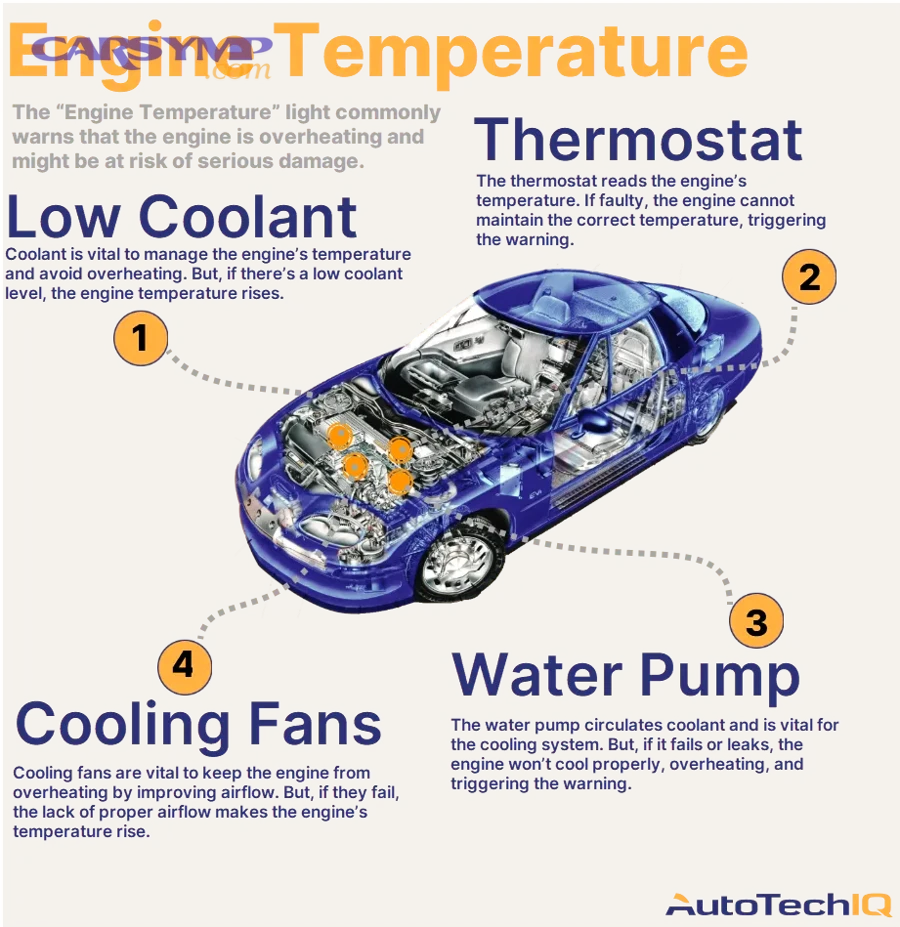
Yes or no: can short trips make the temperature gauge stay low even if nothing is broken?
Yes—short trips can keep the gauge low even with a healthy cooling system for at least three reasons: the coolant starts cold, cabin heating pulls heat away, and the drive ends before the thermostat reaches stable regulation.
To better understand this, focus on what the engine is doing in the first few minutes after startup.
1) Cold start heat demand is high. The engine spends early minutes warming coolant, oil, and the metal of the block/head—not just the coolant you see on a gauge. In freezing conditions, this takes longer.
2) Your heater competes for heat. When you turn the heater on, the HVAC system uses engine heat through the heater core. On a short commute, that can make “heater not working” feel real even though the actual problem is simply not enough warm-up time to generate hot coolant.
3) Driving style can slow warm-up. Light throttle, low speeds, and long idle time often warm up more slowly than steady driving—especially if the radiator fan runs more than necessary.
A practical rule: if the vehicle never reaches a stable “normal” reading after a longer drive (not just a 5–10 minute errand), it’s time to suspect a regulating fault—most commonly thermostat-related. (pro-cat.com)
What does “normal operating temperature” mean for most cars and trucks?
Normal operating temperature is the thermostat-regulated coolant temperature range where the engine runs efficiently, emissions controls work correctly, and cabin heat output becomes consistently hot; most vehicles are designed to stabilize around a narrow band rather than continuously climbing.
Then, the important detail is that your gauge and your actual coolant temperature (ECT) are not always the same “truth.”
- Thermostat-regulated means the thermostat stays closed (or mostly closed) to warm up quickly, then opens to maintain a steady temperature under varying loads.
- Gauge behavior can be “smoothed.” Many vehicles display a stabilized gauge position across a temperature band to reduce driver anxiety, which is why scan-tool ECT data is so helpful when diagnosing engine temperature not reaching normal. (If your scan data says 70–75°C / 158–167°F after a long drive and it should be higher for your vehicle, you’re truly running cold.)
In severe winter testing, researchers observed that after a cold start, coolant could need nearly the entire drive (13.8 km, about 19 minutes) to reach an “optimal” threshold (>60°C) under subfreezing conditions—showing how environment and trip length matter. (sciencedaily.com)
What are the most common causes of an engine running cold and not reaching operating temperature?
There are 5 main causes of engine temperature not reaching normal: (1) thermostat stuck open or weak, (2) low coolant or trapped air, (3) cooling fan stuck on, (4) faulty coolant temperature sensing, and (5) abnormal heat rejection (radiator flow or system design issues) based on how each affects warm-up and regulation.
Let’s explore the highest-probability causes first, because diagnosing in the wrong order wastes time and money.
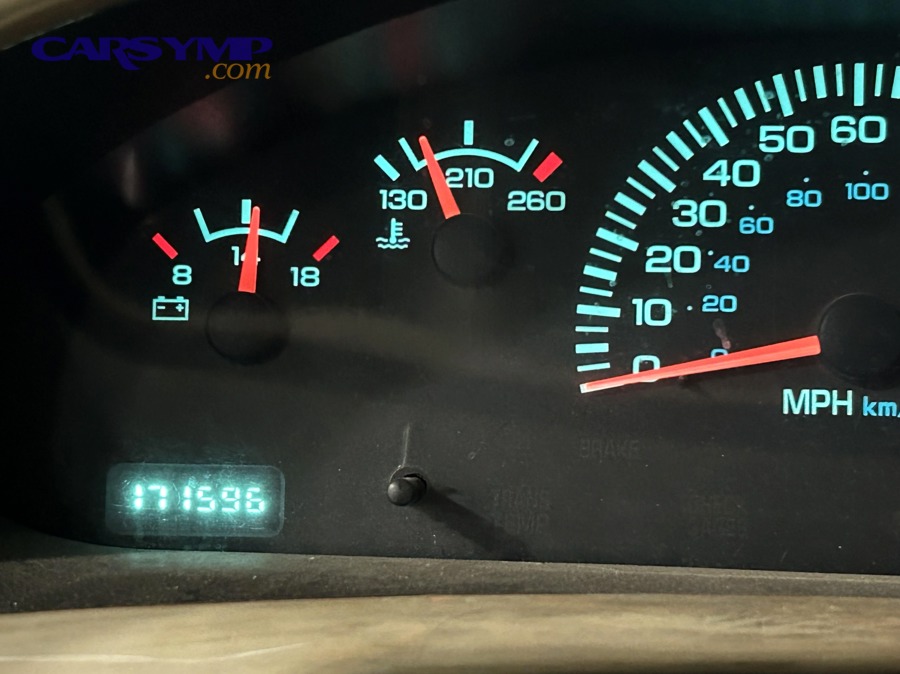
Which cause is most likely: thermostat stuck open, low coolant, or a bad temperature sensor?
Thermostat stuck open wins for “most likely,” low coolant is best explained by “unstable heat/air pockets,” and a bad temperature sensor is optimal for “misleading readings,” especially when comparing scan data to gauge behavior and heater performance.
However, the fastest way to separate them is to match symptoms to physics.
The table below compares the most common symptom patterns so you can narrow down the cause before replacing parts.
| What you notice | Thermostat stuck open (most common) | Low coolant / trapped air | Bad ECT sensor / wiring |
|---|---|---|---|
| Warm-up time | Very slow, especially at speed | Can be slow or inconsistent | May look slow on gauge/scan even if engine is normal |
| Temperature behavior at highway speed | Drops or stays low | Can fluctuate (spikes/dips) | Can jump, read implausible, or disagree with reality |
| Cabin heat | Often weak at idle; lukewarm overall | Can be weak or gurgly; may vary | May be fine, but readings look wrong |
| Codes | P0128 common | P0128 possible | P0128 possible + sensor-related codes |
The big clue: Thermostat stuck open symptoms often worsen when you drive faster because airflow and radiator cooling keep pulling heat away faster than the engine can build it. (pro-cat.com)
What does a thermostat stuck open do to warm-up time, heater output, and fuel economy?
A thermostat stuck open is a cooling-system regulating failure where coolant flows through the radiator too early, causing slow warm-up, weaker cabin heat, and often worse fuel economy because the engine spends longer in warm-up strategies.
Specifically, the thermostat’s job is to delay radiator cooling until the engine is warm, then modulate flow to hold temperature steady.
When it’s stuck open (or weak), three predictable effects show up:
- Warm-up takes longer: Coolant starts shedding heat through the radiator immediately, so the engine struggles to climb into its regulated range.
- Cabin heat can disappoint: You may notice heater not working complaints at idle or on short trips because coolant never gets hot enough to support strong heater-core output.
- Fuel economy and emissions control can suffer: Engines typically run richer during warm-up, and the ECU needs stable temperature to fully enter closed-loop/optimal operation—one reason P0128 exists. (carparts.com)
How can low coolant or trapped air keep the engine from reaching temperature?
Low coolant or trapped air can keep the engine from reaching operating temperature by reducing consistent heat transfer, creating localized hot/cold pockets, and sometimes leaving the temperature sensor in aerated coolant that reads “colder” or “wrong” during certain conditions.
For example, after a coolant service, a system that wasn’t properly bled can show confusing behavior.
- Heater output swings between warm and cool
- Gurgling sounds behind the dash
- Temperature readings fluctuate rather than steadily rising and stabilizing
- You may have an intermittent Car Symp pattern: the car feels fine one day and “runs cold” the next, depending on air pocket movement
Low coolant can also be an early warning sign of a leak—so if you’re topping off repeatedly, diagnosis should include leak checks before you replace parts.
Can a cooling fan stuck on (relay/module) prevent normal engine temperature?
Yes—a cooling fan stuck on can prevent engine temperature not reaching normal for at least three reasons: it forces constant airflow through the radiator, overcools the coolant at speed, and can make the ECU think the engine isn’t warming fast enough.
Meanwhile, this cause is especially suspect if the fan runs loudly soon after cold start or runs almost constantly in mild weather.
- On many vehicles, the fan should not run at high speed continuously on a cold start unless commanded for A/C demands or fault strategy.
- If the fan behavior seems abnormal, it belongs high on your checklist—right beside thermostat and coolant level.
How do you diagnose the exact cause step-by-step without guessing?
You diagnose engine temperature not reaching normal by following a 5-step workflow: verify true coolant temperature (ECT), confirm coolant level/air status, observe warm-up curve and hose temperatures, check fan command/behavior, and then validate sensor integrity—so you replace the right part once.
To better understand what’s failing, you’ll use “evidence from the car” instead of assumptions.
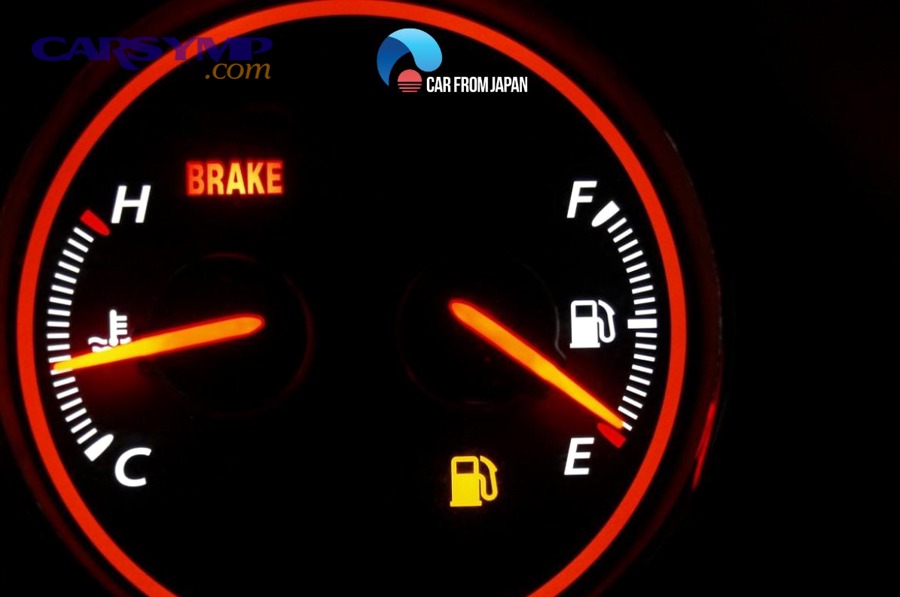
What scan-tool readings confirm “running cold” (ECT) versus a misleading dashboard gauge?
ECT scan data wins for diagnosis, the dash gauge is best for trend awareness, and an infrared thermometer is optimal for quick cross-checking—because scan ECT shows the ECU’s real temperature input.
However, you need to interpret ECT the right way:
- Start cold, watch rise: A healthy system shows a steady climb from ambient toward regulation.
- Look for a plateau: Once the thermostat regulates, ECT stabilizes within a band (it shouldn’t keep drifting downward at speed).
- Watch the highway test: If ECT drops when you cruise at speed, that strongly points toward thermostat stuck open symptoms or fan overcooling.
If you have P0128, the ECU itself is essentially telling you: “I expected the coolant to reach regulating temperature faster or higher than it did.” (kbb.com)
Which hose-temperature pattern indicates a thermostat stuck open versus normal operation?
Thermostat stuck open wins when the upper radiator hose warms early and gradually from the beginning, while normal operation is best identified when the hose stays cooler at first and then warms noticeably once the thermostat begins opening.
More specifically:
- Normal pattern: Engine warms → thermostat stays closed → radiator hose stays relatively cool → then a noticeable “temperature change” occurs as the thermostat opens.
- Stuck open/weak pattern: Radiator hose warms right away because coolant is circulating through the radiator from the start.
This simple observation is powerful because it relies on how coolant is physically routed—not on what a gauge decides to show.
What quick checks can you do at home before visiting a mechanic?
The best at-home checks are: (1) coolant level when cold, (2) fan behavior on cold start, (3) cabin heat consistency, and (4) scan codes/ECT warm-up curve—because they identify the dominant cause with minimal tools and low risk.
In addition, here’s a safe “Quick temporary fixes and what not to do” guide to keep you from making things worse:
Quick temporary checks (safe):
- Check coolant level in the reservoir when the engine is fully cool.
- Look for obvious leaks (wet spots, crusty residue around hoses, radiator end tanks).
- Read codes and ECT using a basic scan tool.
- Observe whether the cooling fan runs immediately at high speed on a cold engine.
What not to do (common mistakes):
- Do not open a hot radiator cap. Hot coolant can spray under pressure.
- Do not remove the thermostat and drive “temporarily.” Many modern engines are calibrated for a thermostat; running without one can create chronic overcooling, poor fuel control, and persistent codes.
- Do not dump “stop leak” into the system as a first response—this can clog small passages (including heater cores), making heater not working issues worse.
What does P0128 mean, and what usually triggers it when the engine runs cold?
P0128 is an OBD-II diagnostic code meaning the ECU determined the coolant temperature is below the thermostat’s regulating target or warmed up too slowly, most often due to a thermostat stuck open/weak, but also due to low coolant, sensor issues, or fan overcooling.
Next, treat P0128 as a directional clue, not a verdict—because multiple faults can produce the same “too cold” outcome. (kbb.com)
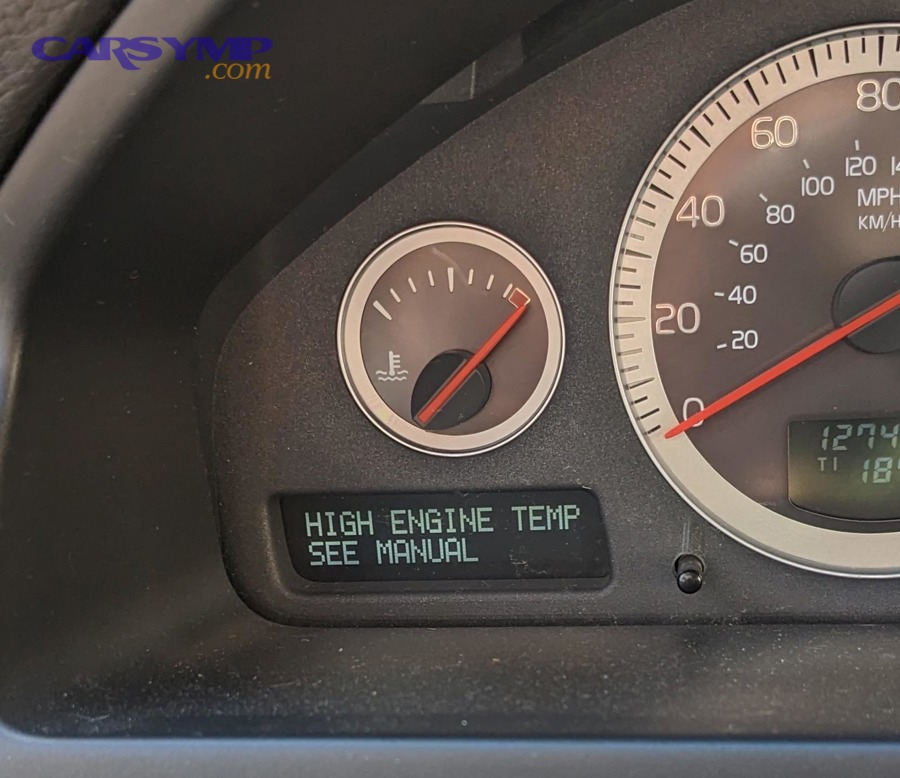
Is P0128 always a bad thermostat, yes or no?
No—P0128 is not always a bad thermostat, because (1) low coolant or trapped air can distort temperature behavior, (2) a faulty coolant temperature sensor or wiring can misreport temperature, and (3) a cooling fan stuck on can overcool the system enough to fail warm-up logic.
However, a thermostat problem remains the most common cause in practice, which is why it’s usually your first mechanical suspect. (kbb.com)
What other problems can cause P0128 besides the thermostat?
There are 4 common non-thermostat triggers for P0128: low coolant level, faulty ECT sensor/wiring, cooling fan stuck on, and cold-weather/short-trip driving patterns that prevent reaching temperature quickly enough based on the ECU’s expectations.
Especially in winter and short commutes, you may see P0128 set and then clear when driving patterns change—yet recurring codes still deserve diagnosis because the underlying condition may persist. (kbb.com)
What are the best fixes, repair priorities, and risks if you ignore an engine that runs cold?
There are 4 fix priorities for engine temperature not reaching normal: restore thermostat regulation first, correct coolant level/air second, verify fan control third, and validate sensor accuracy fourth—because those steps solve the most common root causes with the least wasted labor.
More importantly, you should treat “running cold” as a real efficiency and drivability issue, not just an annoyance.
Which repairs are usually low-cost vs high-cost for a cold-running engine?
Low-cost fixes usually include thermostat replacement (parts + moderate labor) or coolant bleed/top-off, mid-cost repairs often involve fan relays/modules or sensor replacement, and high-cost outcomes typically come from repeated misdiagnosis, integrated thermostat housings, or collateral damage like clogged heater components.
To illustrate what “cost” really means, think in time-and-access terms:
- Thermostat: Can be easy on older layouts, but some modern engines bury it under intake components or integrate it into a housing with sensors, raising labor complexity.
- Coolant/bleeding: Cheap in parts, but costly if done wrong repeatedly (air pockets cause recurring symptoms).
- Fan control: Sometimes simple (relay), sometimes complex (control module, wiring, fan assembly).
- Sensor/wiring: Often cheap parts; diagnosis time is the real cost.
A simple diagnostic workflow (ECT + hose pattern + fan behavior + coolant level) is what keeps “cheap problems” from becoming expensive.
Can driving with a cold-running engine cause damage or just poor fuel economy?
It’s usually more than just poor fuel economy, because (1) the engine can remain in warm-up fueling strategies longer, (2) emissions readiness and catalyst efficiency can suffer, and (3) repeated cold operation can increase deposits and accelerate wear patterns compared with stable regulated temperature operation.
In addition, cold-running conditions can amplify winter complaints: weak cabin heat, slow defrost, and the feeling of heater not working when the coolant never becomes truly hot.
According to a study by the University of Eastern Finland, Department of Environmental and Biological Sciences, in 2022, researchers measuring sub-zero preheating scenarios found that using a fuel-operated auxiliary heater for 30 minutes produced particulate emissions equivalent to a 97 km drive for a gasoline car or 20 km for a diesel car under current emissions standards—highlighting how cold conditions and heating strategies can dominate the emissions picture. (uef.fi)
What uncommon or vehicle-specific issues can mimic “engine runs cold,” and how do they differ from overheating problems?
Uncommon causes that mimic engine temperature not reaching normal include the wrong thermostat temperature rating, trapped air after service, and modern thermal-management features (like grille shutters) malfunctioning—while overheating is defined by the opposite trend: temperature climbing beyond regulation under load or idle.
Besides, thinking in antonyms—runs cold vs overheats—helps you spot which direction the cooling system is failing.
Can the wrong thermostat temperature rating or aftermarket parts cause a persistent low temperature reading?
Yes—the wrong thermostat rating or an incorrect aftermarket part can keep the engine running cooler than intended for at least three reasons: it may open at a lower temperature, it may leak internally, and it may not match the OEM flow/bleed design the ECU expects.
However, this is most likely after a recent repair where the symptom appeared immediately afterward.
- Verify the thermostat’s stamped temperature spec (or part number cross-reference).
- Compare the new warm-up curve to your old behavior (if you have logs).
- If P0128 began right after thermostat replacement, suspect “wrong part” early.
How can trapped air after coolant service create false low-temperature symptoms?
Trapped air after coolant service can create false low-temperature symptoms by interrupting consistent coolant contact at the sensor, reducing heater-core heat transfer, and causing unstable circulation that makes readings and cabin heat inconsistent.
Specifically, air pockets often show up as:
- heater output that comes and goes,
- gurgling behind the dash,
- temperature that rises, then unexpectedly drops at speed.
The fix is not a “temporary hack”—it’s proper bleeding/degassing per the vehicle’s procedure.
Do active grille shutters or modern thermal management systems affect warm-up time?
Yes—active grille shutters and modern thermal management systems can affect warm-up time because they control airflow and coolant routing to manage efficiency, so a shutter stuck open or a control fault can increase heat loss and slow stabilization.
Meanwhile, these issues are vehicle-specific, so they’re best investigated when the common causes (thermostat/coolant/fan/sensor) are already ruled out.
Running cold vs overheating: what symptom differences matter most for diagnosis?
Running cold is best recognized by slow warm-up, temperature dropping at speed, weak heater output, and codes like P0128, while overheating is best recognized by temperature climbing under load/idle, coolant loss, and fan running at high speed trying to save the engine.
In short, “cold” is a regulation failure in the direction of too much cooling (or false readings), while “overheating” is too little cooling (or loss of circulation). (kbb.com)