A realistic car heater repair cost estimate usually falls into a few predictable buckets—thermostat, blend door actuator, coolant/air-in-system issues, or the heater core—and you can narrow the range fast by matching symptoms to the most likely repair path.
If your heater not working problem comes with clues (engine warms up slowly, sweet smell, foggy windows, clicking behind the dash, heat only while driving), you can turn “I have no idea” into a practical cost bracket before you approve any work.
You’ll also want to compare the big three cost drivers—heater core vs thermostat vs blend door actuator—because they often cause similar “no heat” complaints but have very different labor time and invoice totals.
Introduce a new idea: the sections below walk you from what an estimate actually includes → typical price ranges → symptom-based diagnosis and cost mapping → side-by-side comparisons → how to get a local estimate you can trust.
What does a “car heater repair cost estimate” include (parts, labor, and diagnostics)?
A car heater repair cost estimate is a breakdown of diagnosis + parts + labor + fluids/consumables that predicts the total bill for restoring cabin heat and defrost performance, with the biggest swing coming from labor time and access.
More specifically, most estimates include four “invoice layers” that matter for accuracy:
- Diagnostic work (inspection/testing): verifying coolant level/temperature behavior, checking heater hose temperatures, scanning for HVAC/engine codes, testing actuators, and confirming leaks.
- Parts: thermostat, actuator, heater core, hoses/clamps, coolant, seals/gaskets, sometimes a control module.
- Labor: time to access the failed part (easy under-hood vs difficult behind the dash).
- Fluids and shop supplies: coolant drain/refill/bleed, cleaners, rags, clamps, disposal fees, tax.
Two details make heater estimates feel “inconsistent” across shops: (1) different shops quote different diagnostic depth, and (2) some quote the cheapest likely fix first, while others quote the most labor-intensive likely fix to avoid surprises.
Is the diagnostic fee usually separate from the repair cost?
Yes—diagnostic fees are usually separate from the heater repair cost estimate for three reasons: shops must pay technicians for testing time, diagnosis can take longer than the actual part swap, and diagnosis prevents expensive guesswork (like replacing a heater core when the blend door is stuck).
However, many shops will credit the diagnostic fee toward the final repair if you approve the work there. Meanwhile, some quick-lube or chain shops may roll “inspection” into a repair package but keep the scope shallow.
To keep the diagnostic fee working for you, ask what testing is included:
- Coolant level/pressure test?
- Scan tool reading of coolant temperature (not just the dash gauge)?
- Heater hose temperature comparison (inlet vs outlet)?
- HVAC actuator self-test or calibration?
- Cabin odor/fogging inspection for coolant leak?
If the shop can’t explain what they tested, the “estimate” is often just a guess dressed up as a number.
What factors make heater repair costs vary the most between vehicles?
Heater repair costs vary most by access difficulty, HVAC system complexity, and local labor rates, because those three factors decide labor hours, which can outweigh parts.
Key cost multipliers include:
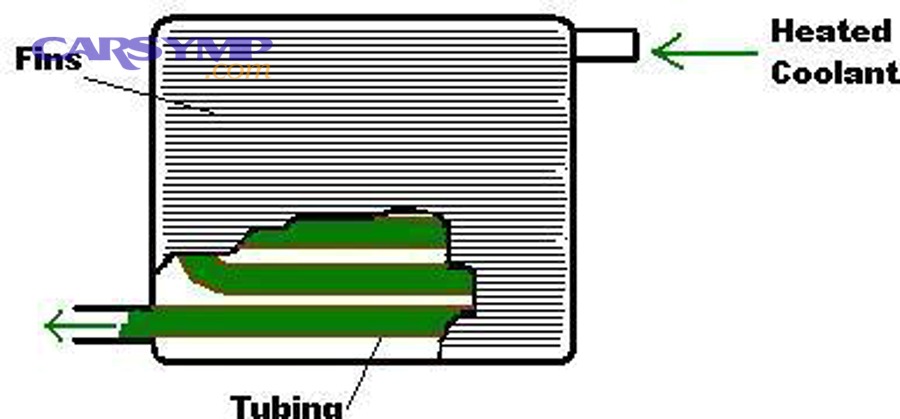
- Dash removal requirements: many heater cores live inside an HVAC box behind the dashboard; reaching them can be a major disassembly job.
- Dual-zone climate control: more actuators, more sensors, sometimes additional blend doors—more diagnosis and higher parts count.
- Packaging and engine bay tightness: thermostat access can be simple or buried under intake plumbing.
- Corrosion/rust and seized fasteners: increases labor time and risk.
- Coolant type and procedure complexity: some vehicles require specific coolant chemistry and bleeding steps.
- Shop labor rate range: hourly rates vary widely by region and by independent vs dealership.
What should you ask a shop to confirm before approving a heater repair estimate?
There are 8 must-ask questions that make a heater estimate transparent and comparable across shops: (1) confirmed diagnosis, (2) parts brand/type, (3) labor hours, (4) coolant service included, (5) calibration/relearn needs, (6) “not-to-exceed” cap, (7) warranty terms, and (8) what happens if they find additional issues.
Use this short checklist when you approve any estimate:
- What test confirmed the failed component? (not just “common on this model”)
- Is coolant drain/refill/bleed included? If not, it can add noticeable cost.
- Is the estimate parts + labor, or parts only?
- What brand/grade of parts are you using (OEM vs aftermarket)?
- Will the HVAC system need calibration/relearn after replacement?
- Are there related repairs likely (hoses, clamps, thermostat housing, seals)?
- What is the warranty on parts and labor?
- Can you put a not-to-exceed price in writing unless you call me first?
What are the typical price ranges for the most common car heater repairs?
There are 4 main types of common heater repairs—thermostat-related, actuator/airflow-related, coolant/air-in-system-related, and heater-core-related—based on where the heat transfer or airflow breaks down.
To better understand the landscape, here’s what these repairs usually look like in real-world estimates:
- Thermostat replacement: moderate parts/labor; under-hood access can be simple or cramped.
- Blend door actuator replacement: often moderate cost, but can jump if access is deep in the dash.
- Coolant change/bleed and leak repair: ranges from simple service to major leak tracing.
- Heater core replacement: frequently the high-labor outlier.
The table below summarizes “ballpark” ranges using published estimator data as a starting point (your vehicle and location can move the number significantly).
Typical published estimator ranges (parts + labor):
- Heater core replacement: $1,334–$1,858
- Thermostat replacement: $574–$667
- HVAC blend door actuator replacement: $447–$584
- Coolant change (service): $419–$487
(These are baseline ranges commonly quoted by RepairPal’s estimator pages; taxes, fees, and model-specific labor time can shift totals.)
How much does a thermostat replacement usually cost (and when is it the likely fix)?
A thermostat replacement usually lands in the mid-hundreds because it combines a moderate part cost with coolant handling and 1–3 hours of labor depending on access.
Next, match it to the symptom pattern—thermostat problems are most likely when Engine temperature not reaching normal causes are present, such as:
- Temperature gauge stays low or takes a long time to rise
- Cabin heat is weak even after driving
- Fuel economy drops in cold weather (engine runs cooler than designed)
- Heat improves only after extended driving
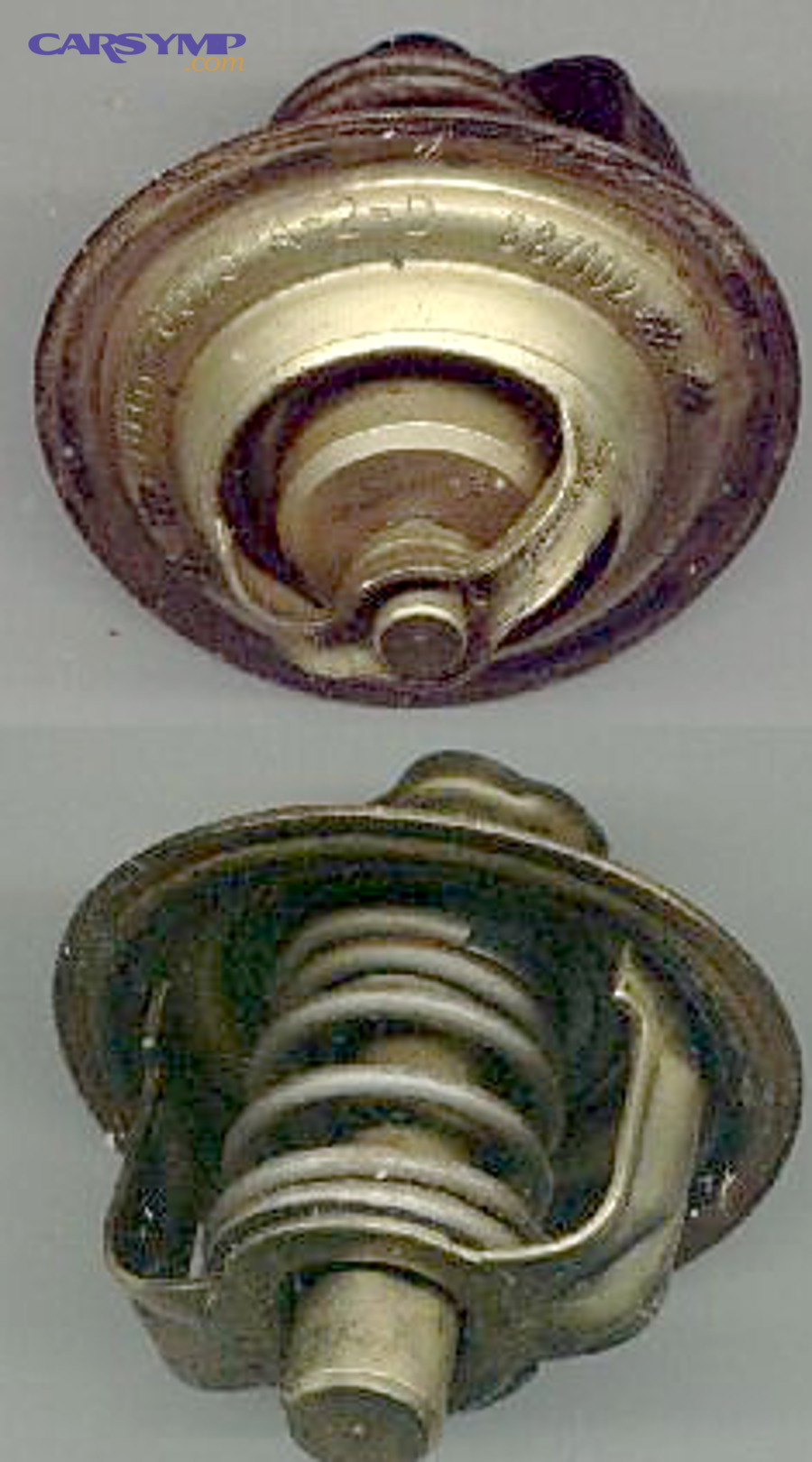
Why it affects heat: a thermostat stuck open circulates coolant through the radiator too early, so the engine takes longer to warm up and sends less heat to the heater core.
Practical cost drivers:
- Thermostat integrated into a housing assembly (can raise parts cost)
- Tight access (transverse engines, buried housings)
- Coolant refill and bleeding procedure
If a shop quotes a thermostat but you also have coolant smell or damp carpet, ask them to rule out heater core leakage first.
How much does a blend door actuator repair cost (and why do dual-zone systems cost more)?
The blend door actuator often costs less than a heater core, but dual-zone systems can cost more because they add actuators, doors, and calibration steps, and access can require partial dash disassembly.
Then focus on the “airflow logic”: the heater core can be hot, but the cabin stays cold if the blend door never routes air across the hot core.
Signs that point toward actuator/blend door issues:
- Clicking/ticking behind the dash when changing temperature
- One side hot, the other cold (dual-zone imbalance)
- Temperature stuck on full cold or full hot
- Heat changes when you hit bumps or adjust settings repeatedly
Cost drivers:
- Number of actuators (driver/passenger/recirculation mode doors)
- Access depth (some are near the glovebox; others are buried)
- Post-install calibration/relearn (some vehicles require it)
If your shop is guessing, request a quick confirmation test: do actuator commands change positions, and does vent temperature change accordingly?
How much does a heater core replacement cost (and why is labor often the biggest part)?
A heater core replacement is often the most expensive common “no heat” fix because labor can involve removing interior panels, sometimes much of the dashboard, to access the HVAC housing where the heater core sits.
More importantly, heater core problems usually show up in two modes:
- Leak mode: coolant smell, foggy windows, damp carpet
- Clog mode: weak heat, temperature difference between heater hoses, uneven heat
Common Heater core clogged symptoms include:
- Heat is lukewarm even when the engine is fully warm
- One heater hose is hot and the other is noticeably cooler
- Cabin heat fades at idle or during stop-and-go
- Heat is inconsistent across vents
Why labor dominates:
- The heater core is packaged deep in the dash
- HVAC box access can require steering column or console work
- Seals/fasteners and brittle plastics can slow the job
If the estimate is high, that doesn’t automatically mean the shop is overcharging—it often reflects labor hours. The smart move is to confirm diagnosis so you don’t pay “heater core money” for an actuator problem.
What do coolant leaks and air in the system cost to fix when they cause “no heat”?
There are 3 main categories of coolant-related “no heat” repairs—(A) simple low coolant/air bleed, (B) coolant service/flush, and (C) leak repair—based on the severity and where coolant is escaping.
Besides the heater itself, many “no heat” complaints start with coolant level and trapped air. If coolant is low, the heater core can be the first place that stops flowing properly, and you’ll get cold air even before the engine overheats.
Cost patterns:
- Bleed/top-off (if no leak): often low-cost, but depends on shop minimums
- Coolant change/service: mid-hundreds when done correctly
- Leak repair: ranges widely based on the leaking component (hose vs radiator vs water pump)
If a shop recommends a coolant service, confirm why: old coolant can contribute to corrosion and deposits, and air pockets can keep heat from reaching the cabin consistently.
Which heater issue is most likely based on your symptoms—and what does that repair usually cost?
There are 4 main “symptom clusters” for heater not working problems—engine-warmup issues, airflow/blend issues, coolant-flow issues, and heater-core failure—based on what breaks: heat production, heat transfer, airflow routing, or fluid circulation.
To better understand your likely cost path, start with a simple No heat in car causes checklist:
- Does the engine reach normal temperature?
- Are both heater hoses hot?
- Does changing temperature settings change vent temperature?
- Do you smell coolant or see fogging/dampness?
If the engine reaches normal temperature but the cabin blows cold air, is it usually the heater core or blend door?
Heater core wins when coolant-flow evidence is weak (one heater hose cool, heat fades, clogged pattern), while the blend door wins when airflow routing is wrong (clicking, stuck temp, one-side hot/one-side cold).
However, you don’t need to guess—you can use two practical checks that many shops do quickly:
Check 1: Heater hose temperature comparison
- If the inlet hose to the heater core is hot but the outlet is much cooler, coolant isn’t transferring heat well → possible restriction/clog in the heater core.
- If both hoses are hot, the heater core is likely receiving heat → suspect blend door/airflow routing.
Check 2: Control response
- If changing temperature from cold to hot creates no change, and you hear clicking → actuator/blend door issue is likely.
- If the controls respond normally but heat stays weak → coolant-flow or heater core issue becomes more likely.
Cost implication:
- “Blend door path” often stays in moderate ranges unless access is deep.
- “Heater core path” often moves into high-labor territory.
If the heat is weak at idle but improves while driving, is low coolant or air in the system likely?
Yes—weak heat at idle that improves while driving is often linked to low coolant or air pockets because higher RPM increases coolant flow and can temporarily push heat through the heater core.
Meanwhile, this symptom can also appear with a weak water pump or partially restricted heater core, so you should check the basics first:
- Coolant level in the reservoir (only when safe and cool)
- Signs of leaks (sweet smell, dried residue, wet spots)
- Heater output changes when you raise engine RPM slightly
If the shop bleeds the system and heat returns, ask them to explain what caused the air—because air typically enters due to leaks or improper filling/bleeding after prior coolant work.
If you smell sweet coolant or see foggy windows, does that usually mean heater core replacement?
Yes—sweet coolant smell or foggy windows often points to a heater core leak for three reasons: the heater core sits inside the HVAC box, leaking coolant vapor gets pushed through vents, it can film the glass quickly, and it often comes with damp carpet on the passenger side.
More importantly, treat this symptom as both a comfort issue and a visibility issue:
- Coolant vapor can keep the windshield hazy
- Wet carpet can lead to mold/mildew odors
- Coolant loss can escalate into overheating if the leak worsens
Before approving heater core replacement, confirm:
- The fogging residue feels oily or leaves a film (coolant can do this)
- There’s dampness under the dash area
- Pressure testing shows an internal leak path
Evidence (defrost relevance): According to a study by İzmir Institute of Technology from the Department of Mechanical Engineering, in 2023, optimizing defroster duct guidance reduced windshield defrosting time, highlighting how HVAC airflow and defogging performance directly affect visibility.
How do heater core, thermostat, and blend door repairs compare in total cost and repair time?
Heater core wins in labor time, thermostat is best for engine-warmup-related no-heat, and blend door actuator is optimal for air-routing faults, because each repair targets a different failure point in the heating system.
However, the fastest way to compare is to line them up by “what you’re paying for”:
- Thermostat: paying for under-hood coolant control restoration
- Blend door actuator: paying for cabin airflow routing restoration
- Heater core: paying for deep-access heat exchanger replacement
The table below compares them so you can connect symptoms to costs and time.
What this comparison table contains: it summarizes likely symptom patterns, typical labor difficulty, and why the estimate changes across vehicles.
| Repair | Most typical symptom match | Labor difficulty | Why costs swing |
|---|---|---|---|
| Thermostat | Engine warms slowly; weak heat; low temp reading | Low–Medium | Access + coolant refill/bleed |
| Blend door actuator | Clicking; temp stuck; one side hot/other cold | Medium–High | Access depth + calibration + dual-zone parts |
| Heater core | Sweet smell/fogging/damp carpet OR persistent weak heat from restriction | High | Dash/HVAC box access dominates labor |
Which repair is usually the cheapest fix for “no heat”—and which is the most expensive?
Thermostat/coolant-bleed fixes are usually the cheapest, while heater core replacement is usually the most expensive, because thermostat and bleeding are under-hood procedures, but heater core access can demand major interior disassembly.
However, the cheapest “fix” is only cheap if it’s correct. A misdiagnosed thermostat swap can waste money if the real issue is a stuck blend door or a restricted heater core.
To avoid the expensive path unnecessarily:
- Confirm engine reaches operating temperature (scan tool or reliable gauge behavior)
- Confirm heater hose temps
- Confirm actuator response to temperature changes
Is it worth replacing related parts “while you’re in there” during heater core or coolant-system work?
Yes—replacing related wear items during heater core or coolant work is often worth it for three reasons: it saves duplicate labor later, it reduces repeat coolant drain/refill cycles, and it lowers the chance of post-repair leaks from aged hoses and clamps.
Especially, “while-you’re-in-there” makes sense when:
- The dash is already partially removed
- Hoses/clamps are brittle or swollen
- The thermostat is accessible during coolant service and has high mileage
- The vehicle has a history of coolant contamination or corrosion
But it’s not automatically smart if:
- The add-ons aren’t accessible from the same labor step
- The parts are still new or recently replaced
- The shop can’t explain the failure risk they’re preventing
A good compromise is asking for two quotes: repair-only vs repair + preventive bundle, then deciding based on your ownership timeline.
How can you get a more accurate local estimate (and avoid unnecessary repairs)?
You can get a more accurate local heater repair cost estimate by combining two quick DIY checks + one clear symptom record + a written, test-backed diagnosis, which reduces guesswork and prevents paying for the wrong part.
To better understand the process, think like a shop estimator: they need enough evidence to commit to labor time and parts selection without surprises.
A practical approach that keeps estimates honest:
- Gather symptom pattern (when it happens, what changes it)
- Run quick checks that narrow the likely failure zone
- Request the test result that confirms the failing component
- Compare two estimates using the same diagnosis
What quick DIY checks can narrow the estimate before you visit a shop?
There are 6 quick DIY checks that narrow your “heater not working” estimate by separating engine-warmup issues from airflow-routing issues and coolant-flow issues.
Do these in order (and safely):
- Warm-up behavior: does the engine reach normal temp in 10–15 minutes of driving?
- Vent behavior: does temperature change when you adjust hot/cold?
- Fan strength: does blower speed feel normal at all settings?
- Heater hose temps (carefully): are both hoses hot near the firewall? (avoid burns)
- Coolant level: is the expansion tank low when the engine is cool?
- Smell/fog/dampness: any sweet odor, windshield film, or wet passenger carpet?
Bring these notes to the shop. A technician can often validate them quickly and avoid “parts darts.”
When should you stop driving and repair immediately instead of “waiting for a quote”?
Yes—you should stop driving and repair immediately if overheating, rapid coolant loss, steam, or visibility-compromising fogging is present for three reasons: engine damage risk, safety risk from poor defrosting, and the chance the failure escalates into a higher-cost repair.
More importantly, these red flags shouldn’t wait:
- Temperature gauge spikes or warning lights
- Coolant puddles that reappear quickly
- Steam from the hood
- Windshield fogging you can’t clear (visibility hazard)
- Strong coolant odor inside the cabin with wet carpet
In those cases, towing is often cheaper than turning a small leak into an overheating event.
What uncommon factors can change your heater repair cost estimate dramatically?
Uncommon factors can dramatically change your heater repair cost estimate when they increase diagnosis complexity, access time, or required calibration, and they often explain why two vehicles with “no heat” can have totally different quotes.
Next, use these “micro semantics” checks to understand why your estimate might be unusually cheap or unusually expensive:
- Cheap vs expensive: under-hood access vs dash access
- Temporary vs permanent: bypass vs proper repair
- OEM vs aftermarket: cost vs fit/warranty
- Simple swap vs calibration: plug-and-play vs relearn steps
Do electric vehicles or heat-pump systems change heater repair costs compared with traditional coolant-based heat?
Traditional coolant-based heat wins for repair familiarity, while heat-pump/EV HVAC can be best for efficiency but more complex for diagnosis, and electric-resistance heating can be optimal for simplicity in some designs, because the heat source and control architecture differ.
In practical terms:
- Some EVs use heat pumps and complex HVAC controls (potentially higher diagnostic complexity).
- Some use electric resistance heaters (different failure modes than heater cores).
- Some still have coolant loops for battery/drive unit thermal management, which can interact with cabin heating.
So the same “no heat” complaint can lead to different parts and labor categories than an internal combustion vehicle.
Can actuator calibration/relearn after replacement affect labor cost and time?
Yes—actuator calibration/relearn can affect labor cost and time because the HVAC control module may need to relearn door positions, incorrect calibration can cause repeat symptoms, and some vehicles require scan-tool procedures rather than automatic self-calibration.
Then, protect yourself by asking the shop:
- Does this vehicle require a relearn procedure?
- Is the relearn included in labor time?
- Will they verify door travel and vent temperature afterward?
Skipping calibration is one reason an “actuator fix” sometimes comes back as “still no heat.”
Is a heater core bypass a “cheap fix” or a costly risk later?
Heater core bypass wins in short-term cost, but proper heater core repair is best for safety and long-term value, and doing nothing is optimal for neither, because bypass removes cabin heat and defrost capability and can mask a cooling-system problem.
However, understand the trade-off clearly:
- Bypass (temporary): may stop a cabin leak quickly, but you lose heat/defrost and can create new hose-routing risks.
- Proper repair: restores heat and defrost and removes a leak source permanently.
- Ignoring the leak: risks overheating and interior damage.
If a shop suggests bypass, ask whether it’s being proposed as an emergency measure (to stop coolant loss) or as a substitute for repair.
When do OEM parts raise the price—and when is aftermarket a smarter option?
OEM parts win for fit consistency, aftermarket can be best for budget repairs, and premium aftermarket is optimal when it matches OEM performance with a better warranty, because parts quality and design compatibility matter in HVAC components.
A smart selection rule:
- Choose OEM when the part is deeply buried (high labor), because you want to avoid doing the job twice.
- Choose reputable aftermarket when access is easy and failure risk is low.
- Ask about warranty coverage and return policy—especially for actuators and thermostat housings.
Evidence (if any)
According to a study by İzmir Institute of Technology from the Department of Mechanical Engineering, in 2023, improving defroster duct guidance reduced windshield defrosting time—supporting the idea that HVAC performance is tightly linked to visibility and safety when your heater output is weak or inconsistent.