


Proper fluid service can help prevent transmission slipping because transmission fluid does more than lubricate parts. It also carries heat away, supports hydraulic pressure, and helps clutches and bands engage the way the transmission was designed to engage. When the fluid level drops, the fluid breaks down, or the wrong specification goes in, the transmission can lose pressure, run hotter, and begin to flare, hesitate, or slip under load. In practical terms, that means a smart maintenance routine can delay wear, protect shift quality, and reduce the chances that a simple service issue turns into a major repair. ([mistertransmission.com](https://www.mistertransmission.com/automatic-transmission-slipping-issues-causes-and-solutions/?))
The first secondary issue is understanding what “proper fluid service” actually includes. Many drivers think only about topping off fluid, but proper service also includes checking fluid condition, using the exact type listed in the owner’s manual, replacing the filter when the transmission design allows it, and inspecting for leaks before low fluid causes overheating or pressure loss. That broader view matters because a transmission slipping fix often begins with the basics rather than with a rebuild. ([mistertransmission.com](https://www.mistertransmission.com/automatic-transmission-slipping-issues-causes-and-solutions/?))
The second secondary issue is knowing the difference between slipping caused by maintenance neglect and slipping caused by internal damage. Fresh fluid can help when the old fluid is burnt, contaminated, or low, but it cannot restore worn clutch packs, damaged seals, or failing electronics. That distinction is important because many articles about Transmission slipping symptoms and tests mix prevention, diagnosis, and repair into one vague answer, even though car owners need those three ideas separated clearly. ([mistertransmission.com](https://www.mistertransmission.com/edmonton/ct_faq_schema/what-causes-transmission-slipping-or-poor-shifting/?))
The third secondary issue is timing. The earlier a driver notices delayed engagement, RPM flares, harsh shifting, or a burnt smell, the better the chance of limiting damage. Introduce a new idea: the sections below move from the direct prevention question into the specific fluid problems, the right way to service the system, the warning signs that should not be ignored, and the edge cases that confuse many owners. ([autozone.com](https://www.autozone.com/diy/transmission/what-is-transmission-slipping?))
Can Proper Fluid Service Really Prevent Transmission Slipping?
Yes, proper fluid service can help prevent transmission slipping because it preserves hydraulic pressure, controls heat, and keeps friction characteristics closer to what the transmission was designed to use.
To better understand that answer, it helps to separate prevention from repair: maintenance can reduce the chance of slipping and sometimes improve early slipping, but it cannot reverse severe internal wear.
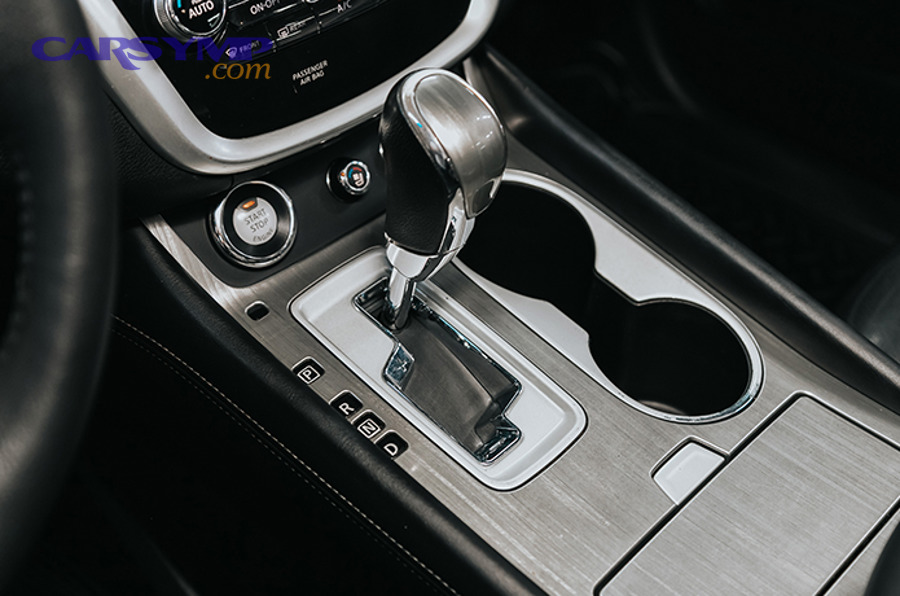
A modern automatic transmission depends on stable fluid pressure and predictable friction behavior. The fluid moves through passages and valves, applies clutches, cools components, and carries contaminants toward the filter or pan. When that fluid becomes low, oxidized, or contaminated, the transmission may no longer apply a gear firmly enough under acceleration, hill climbing, towing, or stop-and-go driving. That is why preventive service matters long before a dashboard warning appears. A driver often experiences the earliest problem as a small flare in RPM, a delayed drive engagement, or a lazy 2–3 shift rather than as a dramatic failure. ([autozone.com](https://www.autozone.com/diy/transmission/low-transmission-fluid-symptoms?))
What Does “Proper Fluid Service” Mean for a Transmission?
Proper fluid service is a maintenance process that combines correct fluid level, correct fluid specification, fluid condition checks, filter replacement where applicable, and leak inspection.
More specifically, the phrase should never be reduced to “just add some fluid” because level alone does not tell you whether the fluid is burnt, aerated, contaminated, or simply the wrong type.
The right service starts with the owner’s manual because not every transmission uses the same fluid chemistry or the same inspection method. Some vehicles have a dipstick; others require a temperature-based level check or service equipment. Some units have serviceable filters in the pan, while others are marketed as sealed or designed for more limited routine access. In each case, the principle is the same: use the exact fluid the manufacturer calls for, confirm the level the correct way, and inspect for the reason the fluid became low or degraded in the first place. ([autozone.com](https://www.autozone.com/diy/transmission/low-transmission-fluid-symptoms?))
Proper service also includes paying attention to heat and use conditions. Towing, heavy loads, long climbs, extreme temperatures, and repeated stop-and-go traffic all stress transmission fluid faster than light commuting does. A vehicle that sees severe service often needs more frequent inspection or maintenance than one that cruises gently on highways. So when drivers ask whether fluid service prevents slip, the real answer is that the right schedule depends on how the vehicle is actually used, not just on a single mileage number. ([autozone.com](https://www.autozone.com/diy/fluids-chemicals/when-to-change-transmission-fluid?))
Does Fresh Fluid Prevent Slipping or Only Delay Bigger Problems?
Fresh fluid helps most when the problem is fluid-related; it only delays bigger problems when the transmission is already mechanically worn.
However, that distinction matters because many owners either expect too much from a service or avoid service entirely out of fear.
If the transmission is slipping because the fluid is low, badly aged, overheated, or unable to maintain proper pressure, fresh fluid and a filter replacement can improve operation. In those cases, the service restores more normal hydraulic behavior and can reduce flare, delay, or harshness. But if the transmission already has worn friction material, damaged seals, or electronic control faults, service does not repair those components. At best, it may slightly improve feel for a short period; at worst, it reveals a problem that old degraded fluid had been masking. ([mistertransmission.com](https://www.mistertransmission.com/engine-revs-during-shift/?))
This is why the phrase transmission slipping fix must be used carefully. A fluid service can be the first fix, the cheapest fix, and sometimes the only fix when maintenance neglect is the root cause. Yet it is not a universal cure. Car owners get the best results when they think of fluid service as prevention first, early intervention second, and diagnosis support third. According to Mister Transmission, regular fluid changes, filter replacements, and inspections help identify potential problems early and prevent costly repairs, while their slipping-transmission guidance also notes that fluid-and-filter service is often the first step when low or dirty fluid is involved. ([mistertransmission.com](https://www.mistertransmission.com/automatic-transmission-slipping-issues-causes-and-solutions/?))
What Fluid-Related Problems Commonly Cause a Transmission to Slip?
There are six main fluid-related causes of transmission slip: low fluid, burnt fluid, contaminated fluid, wrong fluid, overheating, and restricted flow through a failing filter or neglected service system.
Specifically, each cause reduces pressure, cooling ability, or friction control in a slightly different way, which is why the symptoms do not always look identical.
One of the clearest examples is low fluid. When the level drops, the pump may not maintain pressure consistently, especially during acceleration, cornering, or climbing. That can cause the engine to rev without a matching increase in speed, a common slip complaint. Low fluid also usually means there is a leak somewhere, because transmission fluid should not normally burn off like engine oil. In other words, adding fluid without checking for leakage only resets the clock on the same problem. ([autozone.com](https://www.autozone.com/diy/transmission/low-transmission-fluid-symptoms?))
Another common cause is fluid breakdown from heat. Automatic transmission fluid ages under thermal stress, and once it is oxidized or burnt, it cannot protect and cool as effectively as healthy fluid can. Burnt or contaminated fluid often shows up alongside delayed shifting, harsh engagement, and slipping under load. Heat also accelerates wear, so a transmission that repeatedly overheats can move from a service problem into a parts problem faster than many owners realize. ([mistertransmission.com](https://www.mistertransmission.com/edmonton/ct_faq_schema/what-causes-transmission-slipping-or-poor-shifting/?))
Which Fluid Conditions Increase the Risk of Slipping Most?
The highest-risk fluid conditions are low level, burnt or darkened fluid, contamination, foaming or aeration, and a clogged filter that restricts flow.
To illustrate why those conditions matter, each one interferes with the transmission’s ability to apply gears smoothly and consistently.
Low fluid is risky because it compromises pressure. Burnt fluid is risky because it has lost part of its cooling and lubricating ability. Contaminated fluid can carry clutch debris, metal particles, or moisture that interferes with solenoids, valves, and normal hydraulic operation. Foamed fluid introduces air into a system that depends on stable hydraulic control, and a clogged filter can limit the fluid the transmission can move where it needs it. The result may be different from car to car, but the pattern is familiar: slipping, delayed engagement, harsh shifts, unusual noises, or overheating. )
When a driver notices those signs, the smart move is not random parts replacement. The smart move is to verify the fluid level with the correct procedure, inspect condition, check for leaks, and decide whether the symptom appears in one gear or across several gears. That last clue is especially helpful because Slipping in one gear vs all gears clues can point technicians toward different causes. One-gear slipping may suggest a more isolated clutch, band, or valve-body issue, while slipping across many gears raises suspicion about low pressure, major fluid deterioration, or broader internal wear. ([autozone.com](https://www.autozone.com/diy/transmission/low-transmission-fluid-symptoms?))
Is Using the Wrong Transmission Fluid as Risky as Using Old Fluid?
Wrong fluid is often as risky as old fluid because the friction properties and additive package can be mismatched to the transmission’s design.
Meanwhile, old fluid becomes risky by degrading over time, so the two problems differ in origin but can converge in effect.
A transmission is calibrated for a specific fluid behavior. If a driver installs a fluid that does not meet the required specification, the unit may shift too harshly, too softly, too late, or too inconsistently. By contrast, correctly specified fluid that has simply aged may begin by losing performance more gradually. Both situations can lead to slip, shudder, poor shift timing, and overheating, but wrong fluid can create symptoms surprisingly quickly because the mismatch exists from the moment it circulates. ([mistertransmission.com](https://www.mistertransmission.com/automatic-transmission-slipping-issues-causes-and-solutions/?))
That is one reason many experienced technicians emphasize exact spec over convenience. “Universal” language on a bottle is not the same thing as verified compatibility for every unit on the road. Car owners should treat transmission fluid more like a calibrated operating fluid than like a generic top-off liquid. According to Mister Transmission’s preventive guidance, using manufacturer-approved transmission fluid helps prevent contamination and excessive wear, and AutoZone’s low-fluid guide likewise advises adding the exact type listed in the owner’s manual. ([mistertransmission.com](https://www.mistertransmission.com/automatic-transmission-slipping-issues-causes-and-solutions/?))
How Should Car Owners Service Transmission Fluid the Right Way?
The right method has five parts: follow the owner’s manual, inspect fluid level correctly, verify fluid condition, replace the filter when applicable, and fix leaks or overheating causes promptly.
Next, each part matters because transmission service is only protective when the fluid is both correct and supported by the rest of the system.
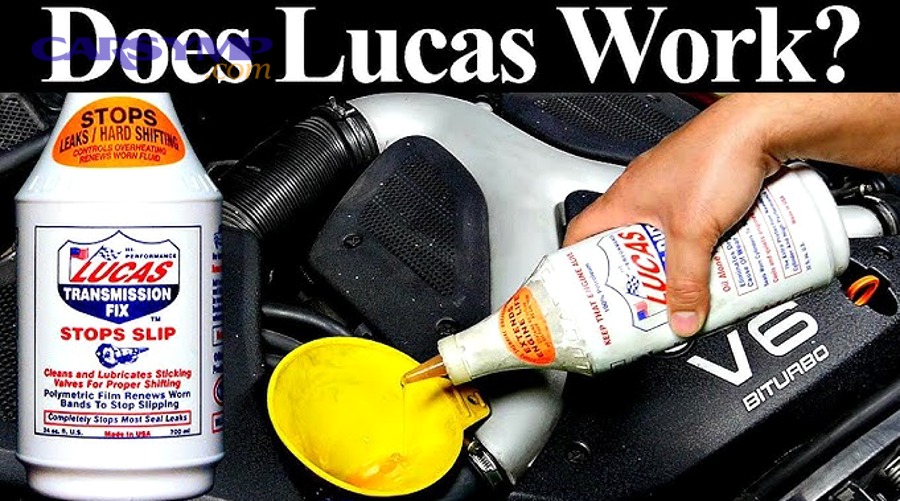
The owner’s manual comes first because transmission checks are not standardized across all vehicles. Some models want the fluid checked hot, some cold, some in park, some after cycling through gears, and many newer units do not use a traditional dipstick at all. That means guessing is risky. A transmission can be overfilled, underfilled, or misread if the procedure is wrong, and any of those mistakes can push the driver farther from a real solution. ([autozone.com](https://www.autozone.com/diy/transmission/low-transmission-fluid-symptoms?))
Once the correct check method is known, the driver or technician should look at level and condition together. Healthy fluid is not just a quantity; it is also a quality check. Darkened color, burnt odor, or visible contamination suggests the transmission has seen stress or needs closer inspection. If the level is low, the next question is not simply what to add, but where the missing fluid went. Leaks at cooler lines, pan gaskets, axle seals, or connections can return the transmission to slipping even after a top-off. ([consumerreports.org](https://www.consumerreports.org/car-repair-maintenance/things-to-know-about-your-car-transmission/?))
| Service Element | What It Tells You | Why It Matters for Slip Prevention |
|---|---|---|
| Fluid level | Whether the pump can maintain pressure | Low fluid can cause flare, delayed engagement, and overheating |
| Fluid color and smell | Whether the fluid has degraded from heat or contamination | Burnt fluid loses cooling and protective ability |
| Correct specification | Whether friction behavior matches the transmission design | Wrong fluid can trigger poor shift feel or slip |
| Filter condition | Whether flow may be restricted in serviceable designs | A restricted filter can worsen pressure problems |
| Leak inspection | Whether fluid loss will continue after service | Ignoring leaks often makes symptoms return |
The table above shows the five maintenance checks that matter most when the goal is preventing slip rather than merely reacting to it after the fact.
How Often Should You Check or Change Transmission Fluid to Reduce Slip Risk?
You should inspect and service transmission fluid at the interval and condition level your vehicle and driving pattern require, not by a one-size-fits-all rule.
More specifically, normal commuting, towing, mountain driving, and stop-and-go traffic do not stress fluid at the same rate.
Many general maintenance sources recommend shorter intervals for severe service than for normal service, and some suggest changing fluid whenever symptoms or fluid condition show that earlier action is warranted. That matters because transmission fluid ages from time, heat, and use, not from mileage alone. A lightly driven highway car may age fluid more slowly than a truck that tows or a city car that spends its life in heat and traffic. ([autozone.com](https://www.autozone.com/diy/fluids-chemicals/when-to-change-transmission-fluid?))
For many owners, the best routine is simple: inspect according to the manual, look for leaks under the vehicle, pay attention to shift feel, and do not wait for obvious slip before checking fluid health. A maintenance mindset works better than a crisis mindset. According to AutoZone’s current fluid-interval guidance, severe-service schedules can be much shorter than normal-service schedules, and it also advises changing fluid when symptoms indicate it is necessary even before the mileage target is reached. ([autozone.com](https://www.autozone.com/diy/fluids-chemicals/when-to-change-transmission-fluid?))
Should You Replace the Filter, Fix Leaks, and Inspect the Pan During Service?
Yes, you should replace the filter when the design allows it, fix leaks, and inspect the pan because each step explains why the fluid problem happened and whether it will happen again.
Besides, good service is diagnostic as well as preventive.
A serviceable filter can trap debris and eventually restrict flow. If it becomes clogged, the transmission may show poor shifting, unusual noises, or overheating, all of which increase the risk of slip. Pan inspection can also reveal whether the unit is merely dirty from normal service life or shedding material at a rate that suggests deeper wear. That is useful context before anyone promises a simple fix. )
Leak repair is just as important. A vehicle with a red puddle or fresh fluid loss under the chassis should not be treated as “low on fluid” in the abstract; it should be treated as a system with an active cause. Transmission fluid should not normally disappear the way oil can in some engines. Consumer Reports notes that a puddle of red fluid is a telltale sign of a transmission leak, which is one reason topping off alone is never a complete answer. ([consumerreports.org](https://www.consumerreports.org/car-repair-maintenance/things-to-know-about-your-car-transmission/?))
What Early Warning Signs Suggest Fluid Service Is Needed Before Slipping Gets Worse?
The most important early warning signs are RPM flare, delayed engagement, harsh or lazy shifts, overheating smell, unusual noises, and slip that appears under load.
To better understand those signs, drivers should focus on patterns rather than on one isolated moment.
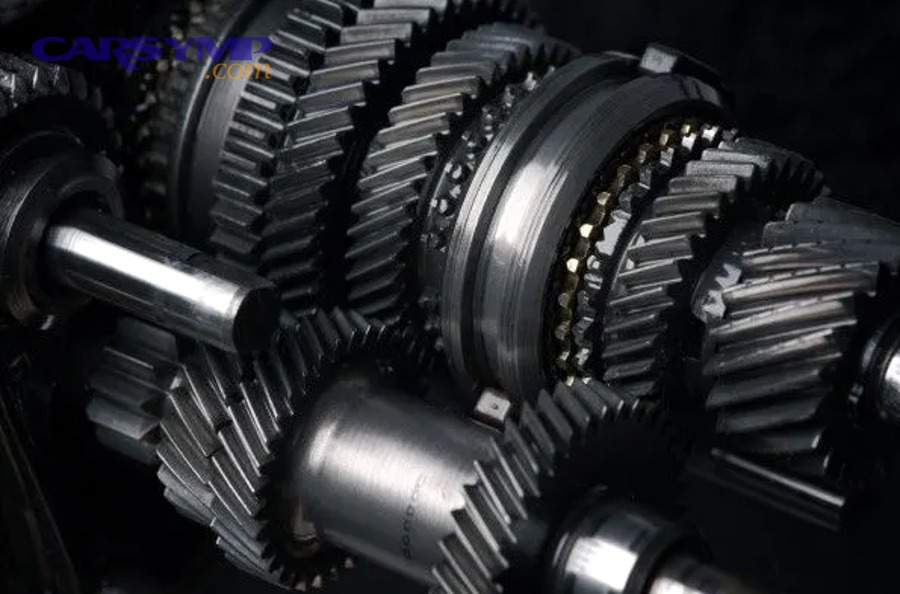
A slipping transmission rarely begins as a catastrophic event. More often, the driver notices that the engine revs higher than normal during an upshift, the car pauses before moving after selecting drive or reverse, or the transmission feels indecisive between gears. Those clues suggest the fluid may be low, overheated, contaminated, or unable to support consistent hydraulic control. They also tell you that delaying inspection can turn a manageable service issue into accelerated wear. ([autozone.com](https://www.autozone.com/diy/transmission/what-is-transmission-slipping?))
This is the point where transmission slipping symptoms and tests become useful. A basic symptom check includes watching for RPM flare at steady throttle, checking whether engagement is delayed from park to drive, sniffing for a burnt odor after driving, looking under the vehicle for fresh leaks, and noting whether the problem appears when cold, when hot, in one gear, or in many gears. Those are not full diagnostic tests, but they are strong observational clues that help determine whether fluid service belongs at the top of the list. ([autozone.com](https://www.autozone.com/diy/transmission/what-is-transmission-slipping?))
Which Symptoms Point to a Fluid Problem Instead of Internal Damage?
Symptoms that affect several gears, worsen with heat, or appear alongside low fluid signs often point toward a fluid problem first, while persistent single-gear issues can raise concern about internal faults.
However, symptoms overlap, so the goal is to prioritize the most likely direction rather than to diagnose from one clue alone.
Fluid-related problems often announce themselves through broad drivability changes: delayed engagement, slipping during acceleration, harsh or lazy shifting, whining, burnt odor, or changes after towing or hot weather. Internal damage can produce some of the same behaviors, but it more often becomes persistent, repeatable, and resistant to basic service. That is why slipping in one gear vs all gears clues can be so helpful. One affected gear may hint at a more isolated component issue, while multi-gear slip often suggests pressure loss, widespread fluid breakdown, or deeper wear affecting the whole unit. ([mistertransmission.com](https://www.mistertransmission.com/edmonton/ct_faq_schema/what-causes-transmission-slipping-or-poor-shifting/?))
Another practical clue is whether symptoms improve briefly after correction of a clear fluid problem. If a transmission was obviously low and then shifts more normally after the correct level is restored, that supports a fluid-related cause. If the symptoms do not change, or they quickly return with no visible leak explanation, then a more advanced diagnosis becomes more important. In short, fluid problems often create global shift-quality changes; internal damage often becomes more stubborn and specific over time. ([autozone.com](https://www.autozone.com/diy/transmission/low-transmission-fluid-symptoms?))
When Should You Stop Driving and Have the Transmission Checked?
Yes, there is a point when you should stop driving: persistent slip, no engagement, strong burnt smell, sudden harsh changes, overheating signs, or rapid worsening all justify immediate inspection.
More importantly, this is the threshold where prevention ends and damage control begins.
When a transmission continues to slip after basic level correction, the internal clutches may be heating every time the vehicle tries to hold a gear. That friction creates more heat, the heat degrades the fluid further, and the degraded fluid reduces protection even more. The cycle feeds on itself. A driver who keeps pushing through obvious slip can turn a modest service-and-repair bill into a much larger overhaul. ([mistertransmission.com](https://www.mistertransmission.com/edmonton/ct_faq_schema/what-causes-transmission-slipping-or-poor-shifting/?))
So, When to stop driving to prevent damage? Stop driving when the vehicle hesitates badly before moving, flares RPM repeatedly under light throttle, smells sharply burnt, refuses to stay in gear, or shows worsening symptoms after towing, heat exposure, or leak discovery. Also stop driving if a new puddle appears under the car and the transmission suddenly shifts differently. According to AutoZone’s symptom guidance, low fluid can lead to RPM flare, delayed movement from a stop, and a burning smell from overheating, all of which are warning signs that the issue should be addressed before damage escalates. ([autozone.com](https://www.autozone.com/diy/transmission/low-transmission-fluid-symptoms?))
What Else Should Car Owners Know About Slipping Beyond Routine Fluid Service?
Car owners should know four things beyond routine service: additives are limited, shudder is not always the same as slipping, sealed transmissions are not magic, and a fluid change can expose pre-existing wear.
In addition, these edge cases matter because they often shape repair decisions after the first inspection.
Can Additives Help a Slipping Transmission, or Are They Only a Temporary Fix?
Additives are usually a temporary measure, not a primary repair, because they cannot rebuild worn parts or correct wrong fluid level, wrong fluid type, or mechanical damage.
Specifically, they may change feel for a short period, but they do not replace inspection, leak repair, or proper service.
Some owners reach for additives because they want a low-cost transmission slipping fix without opening the system. That reaction is understandable, especially when the car still moves and the symptoms come and go. But the limitation is simple: additives cannot restore lost clutch material, repair a failing solenoid, or solve an active leak. At best, they may slightly change friction behavior or soften symptoms temporarily. That is why they belong, if used at all, after the basic maintenance facts are known, not before. ([mistertransmission.com](https://www.mistertransmission.com/engine-revs-during-shift/?))
What Is the Difference Between Transmission Slipping and Transmission Shudder?
Transmission slipping means the engine speed rises without the expected power transfer, while shudder is a vibration or shaking sensation during engagement or cruising.
Meanwhile, the two can share a fluid-related cause, which is why drivers often confuse them.
Slip feels like lost hold. Shudder feels like repeated chatter or vibration. Old or contaminated fluid may contribute to either condition, but the driving sensation is different. A slipping transmission may flare between gears or struggle to stay engaged; a shuddering one may feel like it is vibrating through the seat or driveline during light throttle. The distinction matters because the symptom description helps narrow the likely cause and the urgency of repair. ([autozone.com](https://www.autozone.com/diy/transmission/understanding-transmission-fluid?))
Are Sealed Transmissions Really “Maintenance-Free”?
No, sealed transmissions are not truly maintenance-free; they are simply less accessible and more procedure-dependent than older dipstick-equipped designs.
However, many owners misunderstand the label and delay service longer than they should.
A sealed design changes how the fluid is checked and serviced, not whether fluid can age. Heat, use, contamination, and time still affect the fluid inside. The practical difference is that some vehicles require a service facility to confirm fluid level or condition correctly. That makes it even more important for owners to watch for symptoms, leaks, or severe-service use patterns instead of assuming the transmission needs no attention until it fails. ([autozone.com](https://www.autozone.com/diy/transmission/low-transmission-fluid-symptoms?))
Can a Fluid Change Make a Worn Transmission Slip More Noticeably?
Yes, a fluid change can make pre-existing wear more noticeable, but the service does not create the wear itself.
To sum up, fresh fluid may reveal a problem that old degraded fluid had been masking.
This is one of the most persistent myths in transmission maintenance. Old fluid thickened by age and contaminated by wear may sometimes help a worn unit limp along in a way that feels deceptively stable. Once the correct fresh fluid is installed, the transmission may behave more honestly, which owners can interpret as “the fluid change caused the problem.” In reality, the underlying wear was already there. The service changed the environment; it did not invent the damage. ([mistertransmission.com](https://www.mistertransmission.com/engine-revs-during-shift/?))
That is why context matters so much. A healthy transmission benefits from correct fluid service. A neglected but not severely worn transmission may improve with service. A badly worn transmission may show its condition more clearly after service, but that clarity is still useful because it stops the owner from mistaking delayed failure for good health. The best takeaway for car owners is simple: follow the correct schedule, use the correct fluid, treat leaks and heat seriously, and react early to warning signs instead of waiting for obvious slip. ([mistertransmission.com](https://www.mistertransmission.com/automatic-transmission-slipping-issues-causes-and-solutions/?))