


A typical car battery should last about 3–5 years in everyday driving, but the real answer depends on climate, driving patterns, vehicle electronics, and battery type.
Next, we’ll break down what “normal lifespan” looks like by region and usage so you can set realistic expectations instead of guessing.
After that, you’ll learn the fastest ways batteries age early—especially heat exposure, short-trip habits, and hidden electrical loads.
To wrap it together, Giới thiệu ý mới: we’ll turn those factors into practical steps you can use to estimate remaining life and avoid surprise no-start mornings.
How many years does a typical car battery last in real driving?
Most drivers can expect 3–5 years from a modern 12V starter battery in normal conditions. To make that expectation accurate, you’ll want to map “normal” to your climate and driving routine.
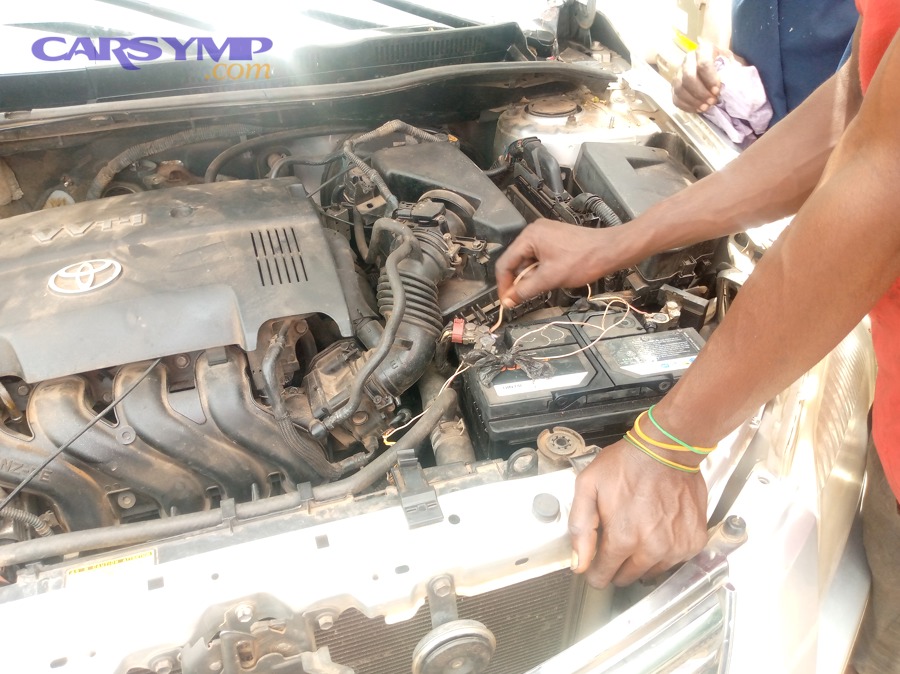
In practice, battery lifespan is not a fixed timer—it’s the result of how much usable capacity remains after thousands of starts, partial recharges, and temperature swings. Batteries fail when their available cranking power drops below what your starter and electronics demand, which is why two identical batteries can age very differently in two different cars.
The simplest “real-world” baseline is this: cooler regions tend to see longer service life, while hotter regions see shorter life. Theo nghiên cứu của Consumer Reports từ bộ phận Cars, vào 12/2025, car batteries “typically last from three to five years,” and they note longer averages in colder northern regions and shorter averages in hotter areas.
What does “3–5 years” actually mean for daily use?
It means most batteries survive several winters or summers before their starting reserve becomes unreliable. Next, it helps to understand that the “end” often arrives suddenly because the final drop in cranking power can happen fast.
A battery can appear fine for weeks, then struggle after one cold morning, one heat wave, or one week of short trips. That’s because internal resistance rises with age, so voltage sags more during cranking and the car’s modules may reset or inhibit starting to protect systems.
How does region shift the lifespan range?
Hot climates usually shorten lifespan, while cooler climates can extend it. To connect the dots, you should treat regional averages as probability—not a promise.
Heat speeds up internal chemical degradation and water loss in many battery designs, while cold mainly reduces available power temporarily. That’s why a battery may die “in winter,” even though much of the damage happened during summer heat.
How do modern electronics change the lifespan story?
Modern cars can drain and cycle batteries more than older vehicles did, which can reduce lifespan if charging is often incomplete. Next, consider that features like keyless entry, security systems, telematics, and frequent module wake-ups create steady background loads.
Even when parked, the battery is supporting memory and standby systems. If you also drive short distances, the alternator may never fully replace what starting consumed—so the battery lives at a lower state of charge, which accelerates aging for many lead-acid chemistries.
Why does heat shorten battery life more than cold?
Heat shortens battery life because it accelerates corrosion and chemical reactions inside the battery. Next, you’ll see why summer damage often shows up later as a winter no-start.
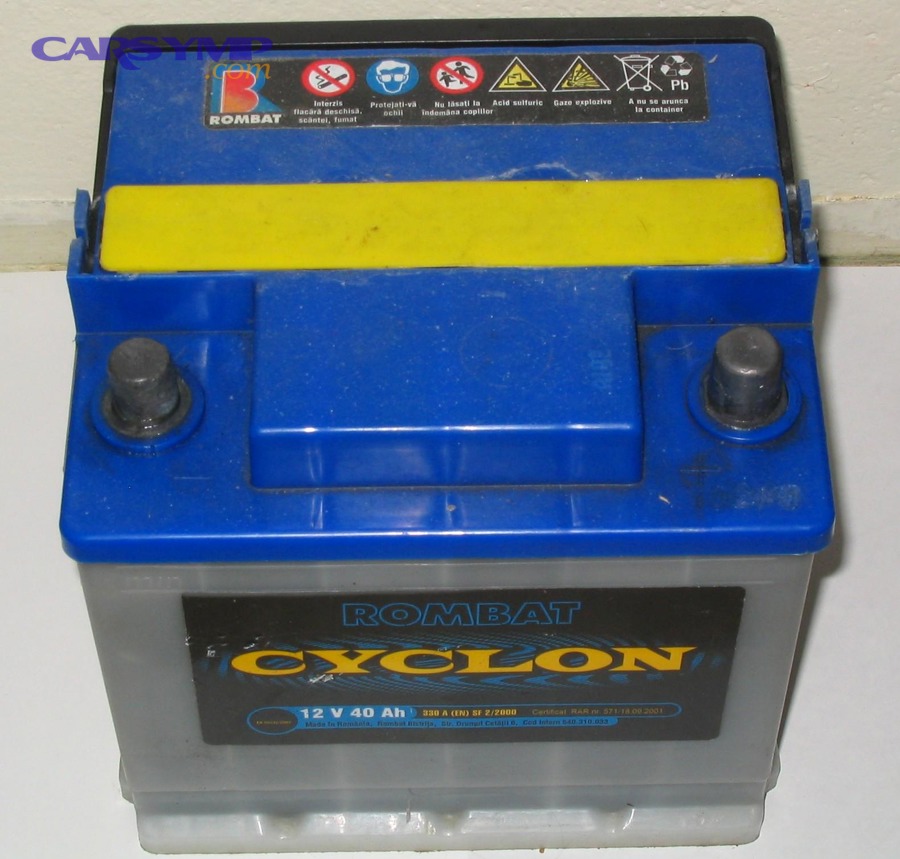
Cold weather mainly reduces the battery’s ability to deliver current in the moment, but heat can permanently reduce capacity over time. Underhood heat, high ambient temperatures, and poor airflow raise battery temperature—especially in tight engine bays and vehicles with the battery near the radiator or turbo components.
The key mechanism is accelerated grid corrosion and faster breakdown of active material, which reduces the battery’s effective plate area. That lowers cranking power and reserve capacity, even if the battery still “holds voltage” when not under load.
Theo nghiên cứu của Battery University từ mục Battery Life, vào 11/2021, they summarize older industry findings that a small sustained temperature rise can measurably shorten service life (they reference studies and BCI failure-mode work describing increasing heat sensitivity and failure patterns over time).
Why do batteries “die in winter” after a hot summer?
They often fail in winter because cold exposes a battery that already lost capacity in heat. Next, focus on the math: when cold reduces available cranking power and thickens engine oil, the starter needs more current right when the battery can deliver less.
If the battery was already weakened, that first cold crank can push it below the threshold needed to spin the engine fast enough. The result looks sudden, but the underlying damage accumulated earlier.
Does underhood placement matter?
Yes—batteries mounted in hotter locations tend to age faster. Next, treat placement as a “silent factor” if you’re comparing your battery life to a friend’s in a different vehicle design.
Trunk-mounted or cabin-adjacent batteries often experience more stable temperatures, while engine-bay batteries can see repeated heat soaking after shutdown. Heat soaking is especially stressful because the battery temperature can climb even after the engine is off.
Can heat also increase corrosion at terminals?
Yes, heat can worsen terminal corrosion indirectly by accelerating venting and chemical byproducts. Next, you’ll see why corrosion is both a symptom and a cause of poor performance.
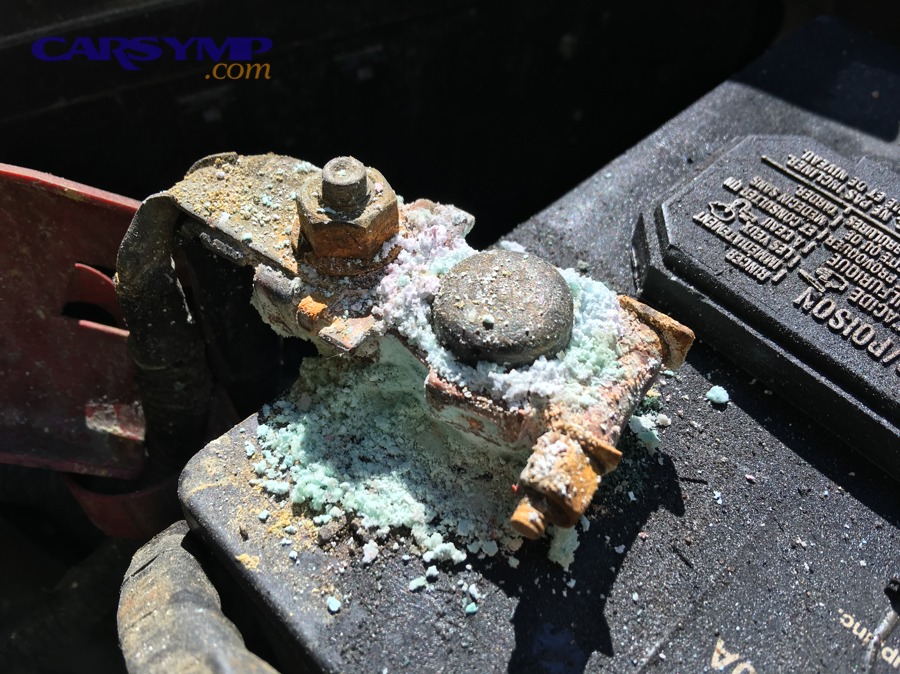
Corroded connections increase resistance, which reduces the effective voltage reaching the starter. That forces longer cranking and deeper discharge, creating a feedback loop that stresses the battery even more.
Does short-trip driving reduce battery lifespan?
Yes—short trips can reduce lifespan because the battery may never fully recharge after starting. Next, you’ll learn how to spot “chronic undercharge” patterns that quietly age a battery early.
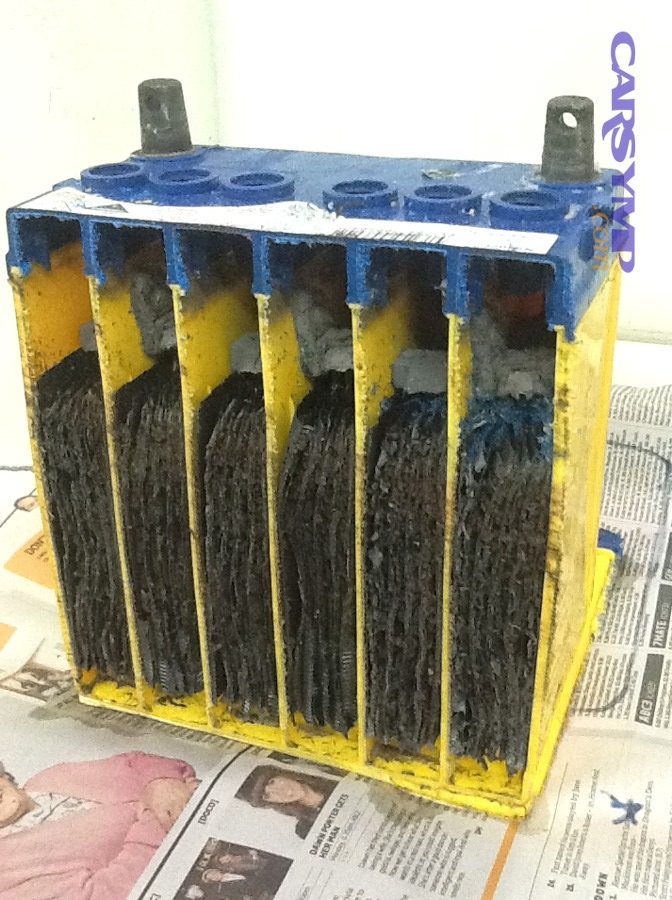
Starting draws a large burst of current, and the alternator needs time to replace that energy while also powering the car’s electrical loads. If you drive five to ten minutes, use lights, defrosters, heated seats, infotainment, and phone charging, the net recharge can be small—sometimes negative.
Repeated partial recharges keep the battery at a lower state of charge, which can accelerate sulfation in many lead-acid designs. Sulfation is the formation of lead sulfate crystals that become harder to reverse over time, reducing capacity and raising internal resistance.
Theo nghiên cứu của AAA từ bộ phận Auto Repair, trong bài viết về tuổi thọ pin xe, họ nêu rằng short trips may not fully recharge the battery—making short-trip patterns a common contributor to early failure.
How short is “too short” for battery health?
Trips under ~10–15 minutes are often the risk zone, especially with high accessory use. Next, remember that “minutes” alone isn’t everything—traffic, idling, and stop-start systems also matter.
On a highway, the alternator has steadier opportunity to recharge. In stop-and-go driving, frequent idle and repeated starts can consume more than you gain.
Why do accessories matter more on short trips?
Accessories matter because they compete with recharging current. Next, think of the alternator as splitting its output between running the car now and paying back the battery debt from starting.
High loads—rear defrost, blower fan, headlights, audio amplification—reduce the current available to recharge the battery. In many modern cars, smart charging strategies may also limit alternator output for fuel economy, which can further slow recovery.
What about cars that sit for days between short trips?
That pattern is especially hard on batteries because self-discharge and standby loads accumulate. Next, combine that with incomplete recharging and you get a battery that lives below full charge most of the time.
Over weeks, the battery experiences deeper average discharge without ever getting the full restorative recharge cycle that helps keep sulfation and stratification under control.
What habits and checks actually extend car battery life?
You can extend battery life by keeping it fully charged, keeping connections clean, and reducing unnecessary drain. Next, you’ll see which habits matter most—and which ones are mostly myths.
Battery life is improved when the battery spends more time near a healthy state of charge and less time overheated, undercharged, or fighting resistance at the terminals. The best habits are simple, but consistency is the secret.
How often should you test the battery?
Test at least once a year after year three, and test sooner if you live in a hot climate. Next, use a proper load test or conductance test rather than relying on open-circuit voltage alone.
Open-circuit voltage can look “okay” even when a battery has low cranking capability. A load or conductance test is designed to estimate cold cranking ability and internal resistance, which correlates better with real starting performance.
How do clean terminals and tight clamps help longevity?
Clean, tight connections reduce resistance and prevent voltage drop during cranking. Next, understand that better connections reduce the battery’s workload for every start.
High resistance turns electrical energy into heat at the connection and starves the starter of voltage, causing longer cranking and deeper discharge. Over time, deeper cycling and extra stress can shorten battery life.
When is a maintenance charger worth it?
A maintenance charger is worth it when the car sits for days or weeks, or when you drive mostly short trips. Next, choose a smart maintainer designed for automotive batteries and follow safe connection practices.
A maintainer keeps the battery near full charge without overcharging, which helps reduce long-term sulfation and keeps starting performance consistent. This is especially helpful for seasonal vehicles or “second cars” that aren’t driven often.
Which battery type tends to last longer: flooded or AGM?
AGM batteries often last longer in high-demand vehicles, but the best choice depends on the car’s charging strategy and electrical load. Next, you’ll learn where each type wins—and why mismatching type can shorten life.
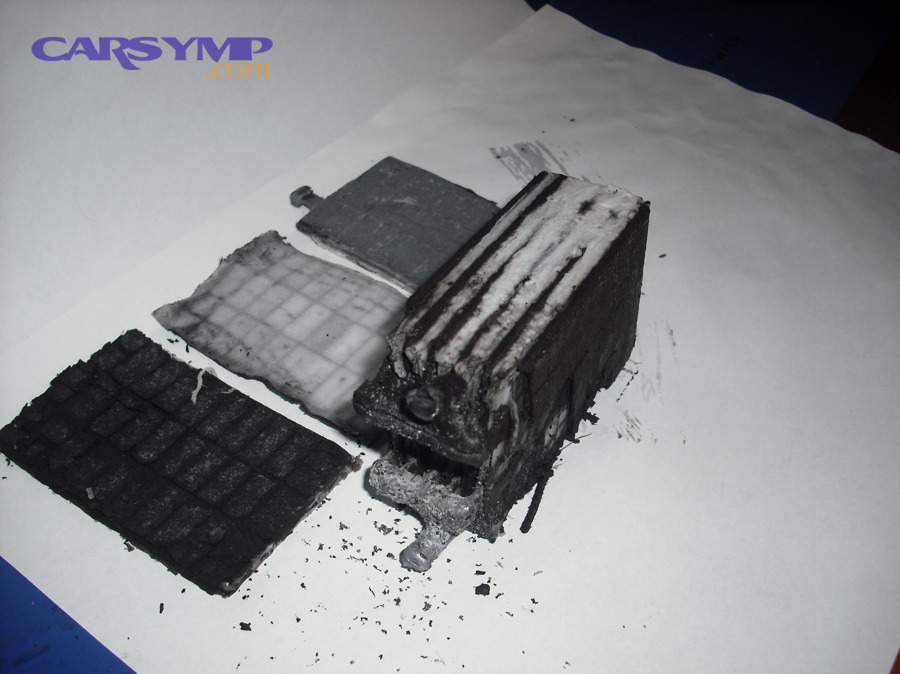
Flooded lead-acid batteries are common, cost-effective, and reliable in many vehicles. AGM (absorbed glass mat) batteries can handle deeper cycling and higher accessory loads better in many modern cars, especially those with start-stop systems or heavy electronics, because AGM designs often have lower internal resistance and improved vibration tolerance.
When does AGM make a meaningful difference?
AGM makes a difference when your car cycles the battery frequently or demands high accessory power. Next, consider AGM if you have start-stop, lots of short trips, or frequent idling with accessories on.
AGM is also commonly specified by manufacturers for certain platforms; if your car requires AGM, installing a flooded battery can reduce lifespan and performance because the charging profile may not match.
Can the “wrong” battery reduce lifespan even if it fits?
Yes—the wrong type can reduce lifespan because charging voltage and regulation may not suit it. Next, treat the owner’s manual or OEM specification as the primary requirement, not just the physical size.
Some vehicles also require battery monitoring and adaptive charging systems that assume a specific chemistry. A mismatch can mean chronic undercharge or overcharge, either of which accelerates aging.
Does higher price always mean longer life?
No—price helps only when it matches your usage and vehicle demands. Next, choose based on correct specification, warranty terms, and your driving pattern rather than brand hype alone.
A premium battery in a chronically undercharged vehicle may still fail early. Meanwhile, a correctly specified mid-tier battery in a well-charged, cooler environment can last surprisingly long.
How can you estimate remaining battery life with simple tests at home?
You can estimate remaining life by checking resting voltage, cranking voltage drop, and charging voltage—then interpreting the pattern. Next, you’ll see step-by-step checks that reveal whether the battery is weak or simply undercharged.
Home testing won’t be as precise as a shop conductance tester, but it can tell you whether your battery is healthy, undercharged, or likely near end-of-life. The goal is not perfection—it’s risk reduction.
What does resting voltage tell you (and not tell you)?
Resting voltage shows state of charge, not true health. Next, use it as a first filter: low voltage means recharge and retest before judging the battery.
As a rough guide, around 12.6V often indicates full charge for many lead-acid batteries, while 12.2V suggests partial charge. However, a battery can show decent resting voltage yet still collapse under load if internal resistance is high.
How do you use cranking voltage drop to spot weakness?
Cranking voltage drop reveals how the battery behaves under real demand. Next, watch the lowest voltage during starting—large drops can indicate a weak battery or poor connections.
If voltage sags sharply during crank, the starter may turn slowly and modules may reset. That can be caused by a tired battery, corroded terminals, or a failing starter drawing excess current—so interpret cranking voltage together with connection condition.
What charging voltage range suggests a healthy alternator?
Healthy charging voltage typically sits around the mid-13V to mid-14V range depending on vehicle strategy. Next, recognize that “smart charging” can vary voltage, so repeat checks under different loads.
If charging voltage is consistently low, the battery may never fully recharge, shortening life. If consistently too high, overcharge can accelerate water loss and plate corrosion in some designs.
What failure modes make a car battery age faster than expected?
The fastest aging comes from chronic undercharge, overheating, vibration damage, and high resistance at connections. Next, you’ll learn what each mode looks like in symptoms—before it strands you.
Many batteries don’t “wear out evenly.” Instead, one dominant failure mode pushes the battery past the tipping point. Identifying that mode matters, because replacing the battery without fixing the root cause can lead to repeat failures.
How does chronic undercharge destroy lifespan?
Chronic undercharge accelerates sulfation and reduces usable plate area. Next, connect this to lifestyle: short trips, long parking intervals, and high standby loads are the usual culprits.
Over time, sulfation becomes harder to reverse, so even long drives may not fully restore capacity. This is why a battery can test “marginal” even after you charged it overnight—its capacity is already gone.
How do vibration and loose mounting shorten life?
Vibration can damage internal connections and shed active material from plates. Next, check that the battery is securely clamped and that the tray and hold-down hardware are intact.
Off-road driving, rough roads, or missing hold-downs can increase vibration stress. A battery that physically moves can also strain terminal clamps and cables, increasing resistance and corrosion risk.
Can corrosion be both a cause and a symptom?
Yes—corrosion can reduce starting performance and also indicate venting or overcharge issues. Next, treat visible buildup as a reason to inspect charging voltage and connection tightness.
If corrosion returns quickly after cleaning, look for overcharging, acid vapor leaks, or damaged seals. Persistent corrosion can also hide cable damage under insulation, increasing resistance and heat.
When should you proactively test or replace an aging battery?
You should test annually after year three and plan replacement around year five, sooner in hot climates or high-demand cars. Next, you’ll learn how to set a replacement trigger that matches your risk tolerance.
There’s no single “replace at X years” rule that fits every driver. A better approach is to combine age, climate, symptoms, and test results into a decision you can trust.
Theo nghiên cứu của AAA từ mảng Auto Repair, trong bài viết về tuổi thọ pin xe, họ mô tả rằng ở vùng mát hơn pin có thể kéo dài khoảng 5 năm hoặc hơn, còn ở vùng nóng thường khoảng 3 năm—đây là lý do vì sao cùng một tuổi pin nhưng rủi ro khác nhau theo nơi bạn sống.
What age-based rule works for most drivers?
A practical rule is: start testing at 3 years, and treat 5 years as “high risk” unless tests show strong margins. Next, if you travel long distances or rely on your car daily, you may prefer earlier replacement for peace of mind.
Age-based planning matters because batteries can fail abruptly with little warning once internal resistance rises. If the battery is near its expected end-of-life and winter is approaching, proactive replacement can be the cheaper “insurance” choice.
How do symptoms change the replacement decision?
Symptoms like slow cranking, flickering lights on start, and repeated jump-starts shift the decision toward replacement. Next, combine symptoms with a test so you avoid replacing a healthy battery due to a cable or starter issue.
This is where a structured checklist helps: inspect terminals, check resting voltage, observe cranking behavior, and verify charging voltage. If the battery fails a load or conductance test, replacement is usually the correct move.
What if the battery is “okay” but you’ve been stranded once?
If you’ve been stranded, your risk tolerance is already telling you something. Next, weigh the cost of one more failure—missed work, towing, safety risk—against replacing slightly early.
In reliability terms, a marginal battery can be acceptable in mild weather but unacceptable in extreme heat or cold. The same battery can be “fine” today and unreliable tomorrow when conditions change.
Tóm lại, those sections cover the lifespan question and the main drivers of early failure. To expand beyond lifespan into responsible ownership, we’ll now shift from “how long it lasts” to “what to do when it’s done” and how to avoid repeat problems.
Beyond lifespan: how to handle the end-of-life battery responsibly
End-of-life handling matters because old batteries contain lead and acid and should not go into household trash. Next, you’ll learn the safest and most practical options for turn-in, recycling, and choosing a replacement that won’t fail early.

When your battery reaches the end, the best outcome is a closed-loop path where materials are recovered and hazardous components are handled safely. This is where drivers can make a meaningful environmental impact with one simple choice: return the battery through an established channel.
What is the safest way to store and transport a dead battery?
The safest way is to keep it upright, avoid tipping, and isolate the terminals to prevent shorts. Next, place it in a plastic tray or sturdy box and avoid storing it inside a living space.
Lead-acid batteries can leak corrosive electrolyte if cracked, and a short across terminals can generate heat and sparks. Wear gloves and eye protection if you see wet residue, and keep the battery away from children and pets.
Where should you take it for proper turn-in?
Take it to an auto parts retailer, service shop, or municipal hazardous waste program that accepts automotive batteries. Next, many retailers use a core return system that makes turn-in easy and encourages recycling.

In many regions, returning a used battery is standard practice because lead-acid batteries are widely recycled. This is the practical meaning of Recycling and disposal of old batteries: you’re not just “throwing it away,” you’re routing it into a controlled recovery stream.
How do you avoid repeat failures after installing a new one?
You avoid repeat failures by fixing the cause—undercharge, drain, corrosion, or a weak charging system—before the new unit is stressed. Next, confirm charging voltage, clean terminals, and address chronic short-trip patterns.
This is also where planning your battery replacement matters: if you install a new battery into a car that doesn’t recharge properly, the new battery can be weakened quickly and appear “defective” even though the system caused the damage.
When you need a refresher, follow a structured battery replacement approach and treat safety as mandatory; Battery replacement steps and safety are not optional if you want to prevent sparks, module damage, or acid exposure.
How do you decide on warranty, value, and service options?
Choose based on correct specification, realistic warranty coverage, and your climate—then prioritize installation quality. Next, compare warranties by free replacement period and pro-rated terms, not just the headline years.
Also keep expectations grounded: even the best warranty doesn’t prevent inconvenience. If your car is critical to your routine, paying slightly more for a correctly specified battery and professional installation can be worth it.
Finally, keep an eye on early indicators in the months before failure; many drivers search for Signs you need a new car battery right after a close call, but you can catch those signs earlier with regular testing and clean connections.
FAQ
Can a car battery last 7–10 years?
Yes, but it’s uncommon and usually depends on mild climate, consistent longer drives, and low electrical stress. Next, treat 7–10 years as an outlier outcome rather than a planning target.
When a battery lasts that long, it often lives in a cooler region, stays well charged, and avoids deep cycling. If you live in a hot climate or drive mostly short trips, expecting that lifespan can set you up for surprise failure.
Is it bad to replace a battery “too early”?
Not necessarily—replacing early can be rational if your risk of downtime is high. Next, the better question is whether your current battery is testing strong and whether a failure would be costly or unsafe for you.
If you commute far, rely on the car for family logistics, or face extreme winter starts, early replacement can be a reasonable preventive decision.
Will jump-starting shorten battery life?
Jump-starting doesn’t automatically ruin a battery, but repeated jump-starts usually mean the battery is already damaged or undercharged. Next, treat frequent jump-starts as a diagnostic trigger, not a long-term routine.
If you’ve jump-started more than once in a short period, test the battery and charging system and inspect terminals and grounds. Repeated deep discharge events accelerate aging and can lead to sudden failure.
Should you replace the battery if the car starts fine?
Only replace based on age, climate risk, and test results—not just fear. Next, if the battery is older than three years and you’re entering extreme weather, a professional test can provide clarity.
If a conductance or load test shows weak margins, replacing before failure is often the most reliable choice even if the car still starts today.