


Replacing a car battery is safe and DIY-friendly when you control sparks, protect your eyes and skin, and install the correct battery type and size for your vehicle. Done right, you avoid damage to electronics, prevent acid injuries, and restore reliable starting power.
Next, you will learn how to confirm the right replacement battery and prepare your workspace so the job stays quick and predictable. This reduces common mistakes like reversed polarity, loose terminals, and forgotten hold-down clamps.
Then, you will follow a clear remove-and-install sequence that minimizes arcing and helps modern vehicles keep memory settings. This also makes it easier to diagnose issues if the car acts strange immediately afterward.
Giới thiệu ý mới: Below are step-by-step safety checks, installation steps, and practical troubleshooting you can use in the driveway with basic tools.
What should you check before replacing a car battery?
Check battery fit, terminal layout, and your vehicle’s power needs before removal, because the “right” battery is defined by physical size, correct polarity, and sufficient cranking amps. Next, you will set up a safe work zone so the swap is controlled, not rushed.
Which specs matter most for fit and starting performance?
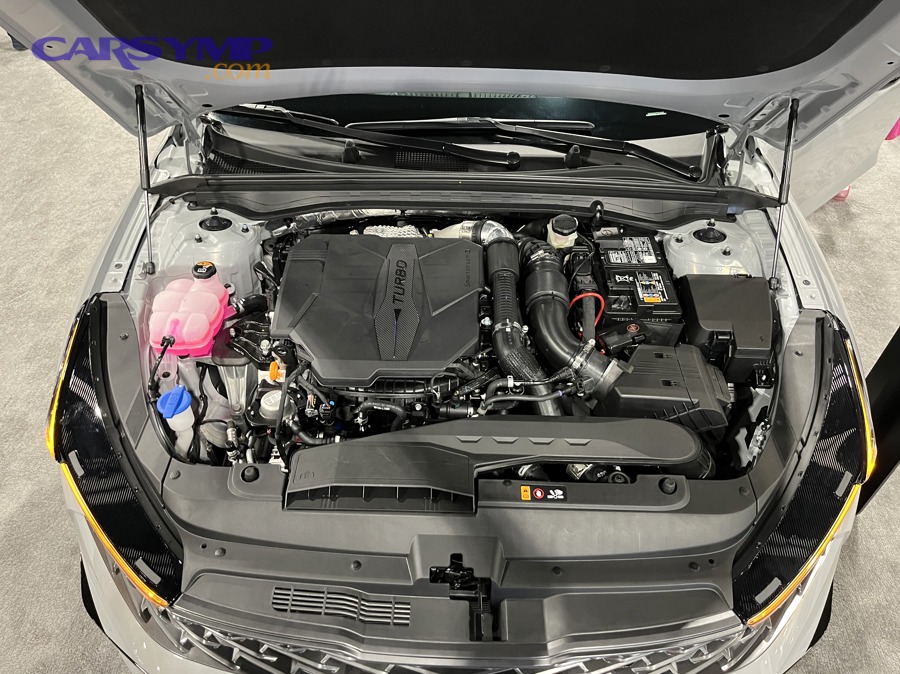
Start with the battery group size (physical dimensions), terminal orientation (positive and negative sides), and hold-down style, because a “close enough” battery can shift, short, or crack a case over bumps. Then confirm cold cranking amps (CCA) meets or exceeds the manufacturer recommendation, since low CCA increases no-start risk in cold weather.
To connect this to your purchase decision, match the battery technology your car expects: many start-stop vehicles require AGM, while older systems commonly use flooded lead-acid. A wrong type can charge poorly or fail early.
- Group size: ensures the battery sits correctly in the tray.
- Terminal layout: prevents cable stretch or polarity reversal.
- CCA rating: supports reliable starts, especially in winter.
- Reserve capacity (RC): helps run electronics if the alternator fails.
How do you prepare the workspace for safety?
Prepare by parking on level ground, turning the ignition fully off, removing the key/fob from the vehicle, and keeping flames or sparks away, because batteries can vent hydrogen gas. After that, you will stage your tools and protective gear so you do not improvise mid-job.
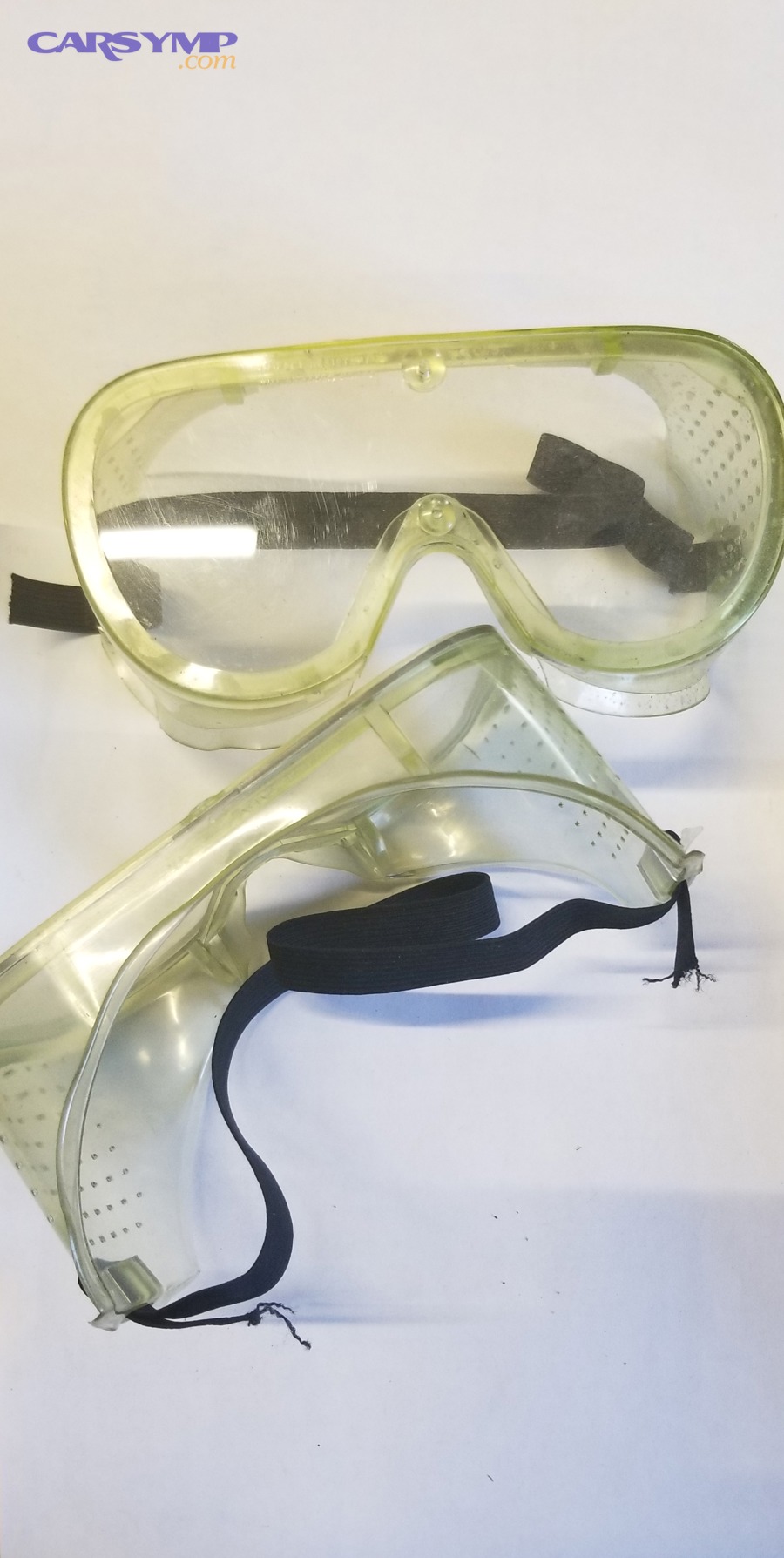
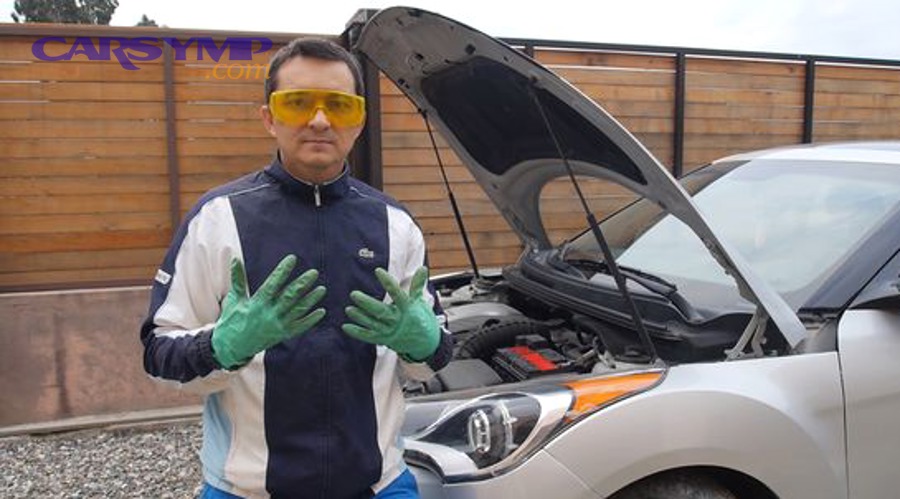
Wear eye protection and gloves, and keep baking soda and water nearby to neutralize accidental acid residue. This preparation step is what turns a risky swap into a routine maintenance task.
When should you stop and get professional help?
Stop and get help if you see a cracked battery case, leaking fluid, melted terminals, or heavy corrosion bridging between terminals, because that can indicate shorting or charging problems. Next, you will learn the minimal tool kit that makes replacement cleaner and safer.
If your battery is under a seat, in the trunk with venting tubes, or integrated with complex modules, professional service can prevent broken clips, airbag-related hazards, or incorrect battery registration.
Which tools and supplies make battery replacement safer?
The safest setup uses the right socket/wrench sizes, a terminal brush, and basic protective equipment, because good tools prevent slipping and accidental shorts. Next, you will map each tool to a specific moment in the process so you work in a calm sequence.
What is the minimum tool list for most vehicles?
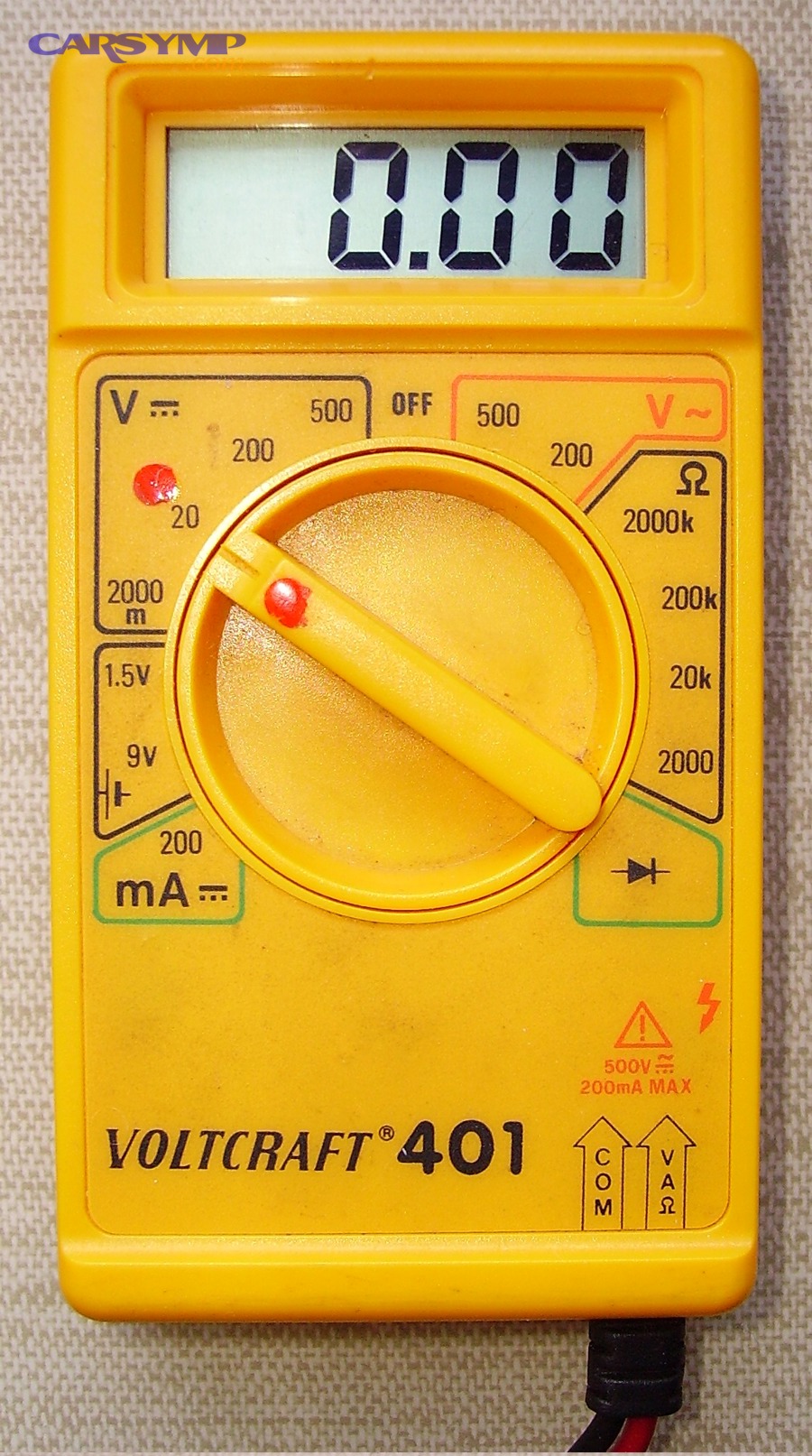
Most battery replacements require only a ratchet or wrench set, a battery terminal brush, and a hold-down fastener socket, because battery hardware is typically simple and accessible. Then, you add small items that reduce mistakes: a flashlight, zip ties, and a phone photo of the cable routing.
- Wrenches/sockets: commonly 8mm, 10mm, 12mm, 13mm (varies by vehicle).
- Terminal brush: cleans posts and clamps for solid contact.
- Gloves + eye protection: reduces risk from acid residue and debris.
- Battery strap/handle: prevents dropping a heavy battery.
Which safety add-ons reduce sparks and damage?
Add-ons like a battery terminal puller, insulated tools, and a memory saver reduce slip-related sparks and protect electronics. Next, you will see how a simple multimeter check prevents installing a new battery when the real problem is charging or parasitic drain.
If you use a memory saver through the OBD port or 12V outlet, confirm your vehicle supports it and follow the device instructions carefully. For many drivers, the simplest “memory strategy” is saving radio presets and being ready to reset windows and clock afterward.
Should you test voltage before you replace?
Yes, a quick voltage check helps confirm you are solving the right problem, because a weak alternator or bad cable can mimic a dead battery. Next, you will move into the removal steps, where correct disconnect order is the biggest spark-prevention tool.
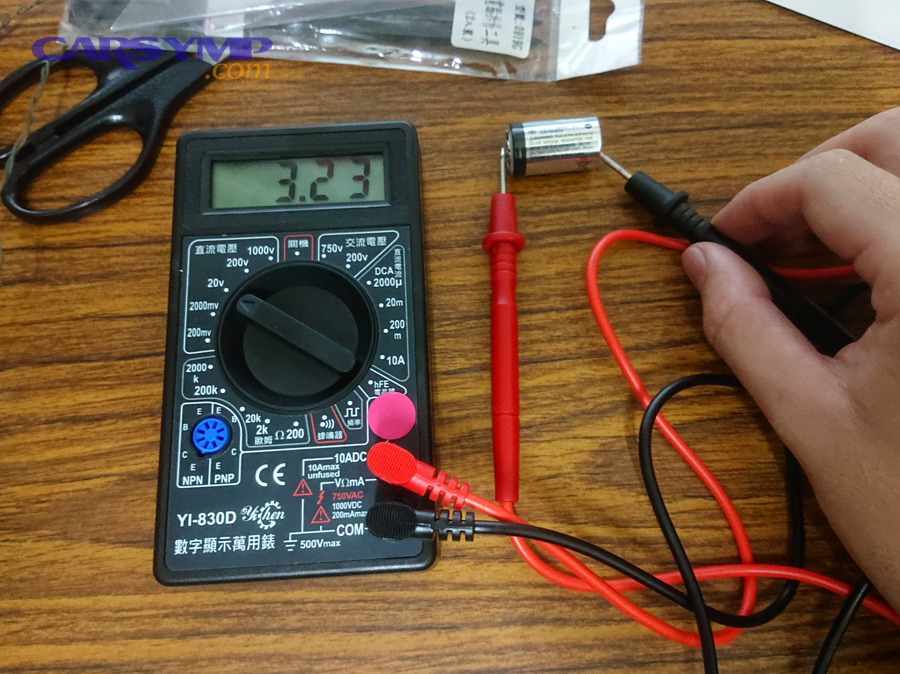
With the car off for a while, a healthy, fully charged 12V lead-acid battery typically reads around the mid–12 volt range at rest, while lower readings suggest partial charge or battery weakness. If the vehicle repeatedly kills batteries, plan further diagnosis after installation.
How do you remove the old battery without sparks?
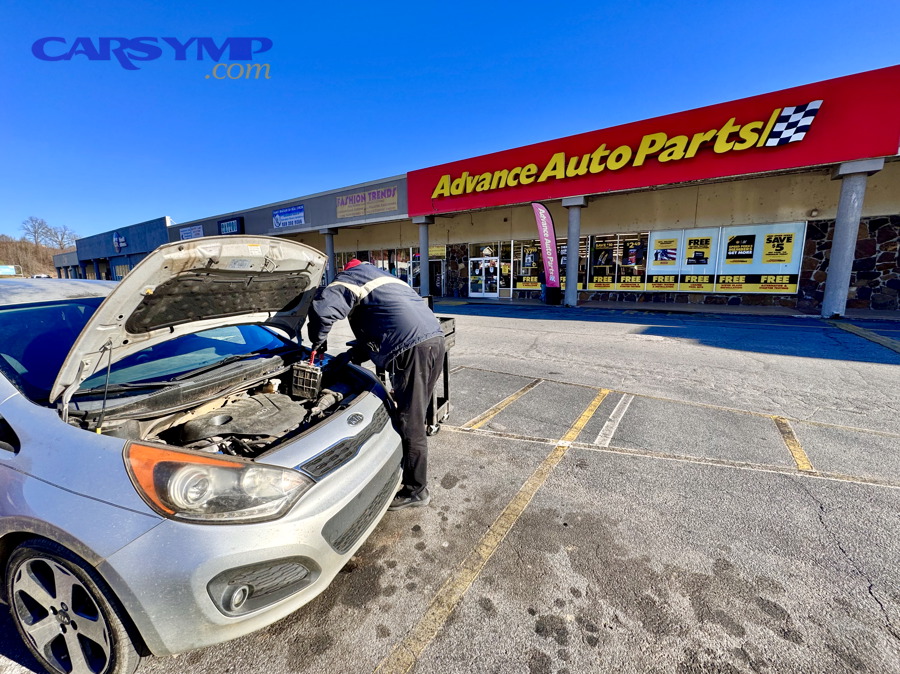
Remove the old battery safely by disconnecting the negative terminal first, then the positive, because this reduces the chance of shorting the wrench to grounded metal. Next, you will secure cables away from the posts so they cannot spring back and arc.
What is the exact disconnect order and why?
Use this order: turn vehicle off, loosen negative (-) clamp and remove it, then loosen positive (+) clamp and remove it, then remove the hold-down and lift the battery out. Next, you will see how that order prevents an accidental “wrench-to-chassis” short.
If you remove the positive first and your wrench touches body metal, you can create a direct short path. By removing the negative first, the chassis is no longer part of an energized circuit, so incidental contact is less likely to spark.
- Turn ignition off; remove key/fob from the vehicle.
- Disconnect negative (-) clamp; tuck it away from the battery.
- Disconnect positive (+) clamp; cover it or move it aside.
- Remove hold-down bracket/strap; keep hardware together.
- Lift battery straight up using a strap/handle.
How do you handle stuck terminals and corrosion safely?
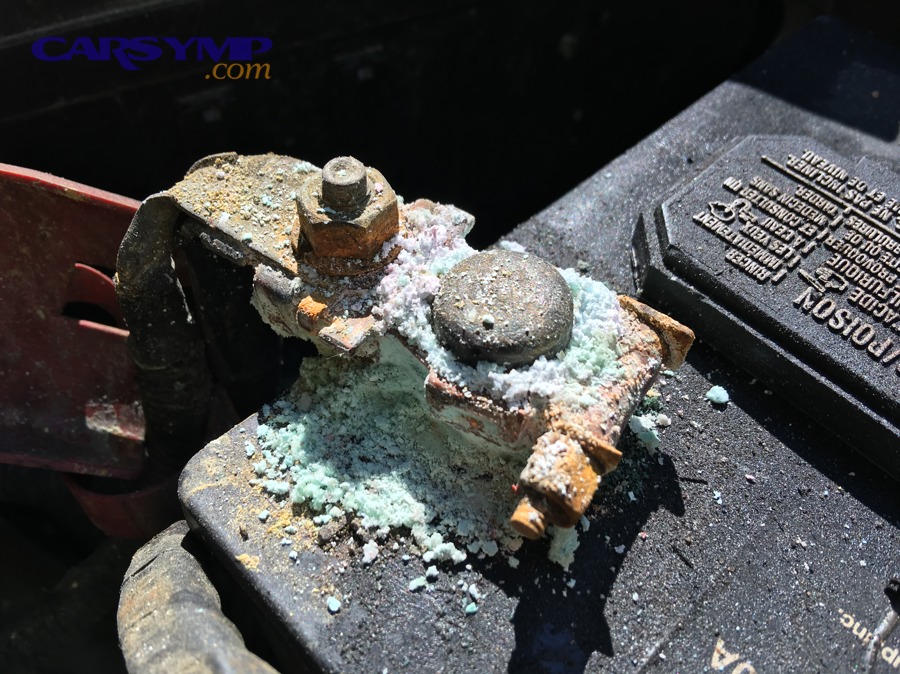
If the clamp is stuck, gently twist the clamp to break the bond rather than prying against the case, because prying can crack plastic or deform the post. Next, you will learn how to neutralize corrosion so it does not spread to the new installation.
For heavy corrosion, remove the battery and clean the tray area separately. Keep any cleaning solution away from painted surfaces and sensitive connectors, and do not inhale dust from crusty deposits.
What is the safest way to lift and transport the battery?
Lift with a battery strap or built-in handle and keep it upright, because tipping can spill residue on some designs and can strain your back. Next, you will shift to installation steps where alignment and torque-like tightness prevent repeat failures.
Place the old battery on a stable surface away from children and pets, and keep metal tools away from the top to avoid accidental bridging between terminals.
How do you install the new battery and tighten terminals correctly?
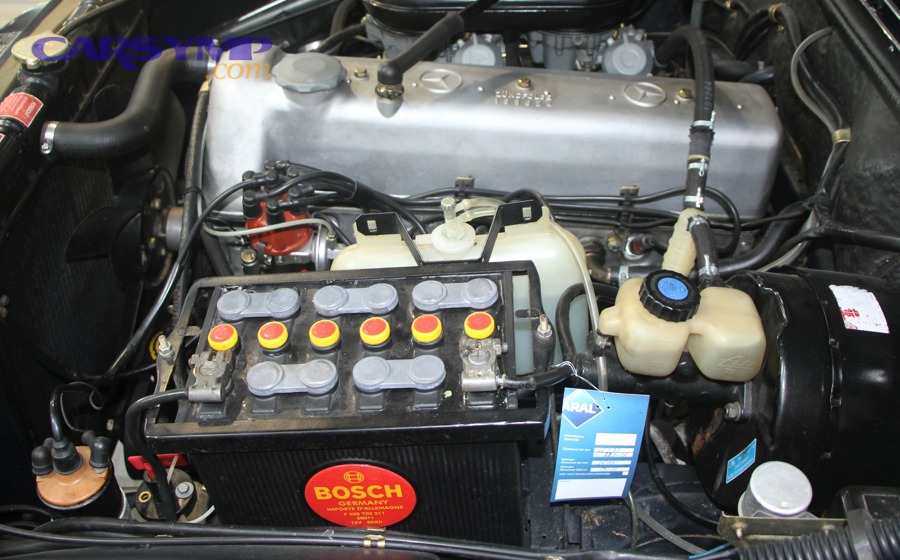
Install the new battery by seating it fully in the tray, securing the hold-down, and connecting positive first then negative, because a stable battery prevents vibration damage and correct terminal order reduces short risk. Next, you will confirm a solid electrical connection without over-tightening.
What is the correct reconnect order?
Reconnect in reverse order: connect positive (+) first, then negative (-), because the negative connection “activates” the chassis-grounded circuit last. Next, you will check clamp fit so the connection stays stable under vibration and heat cycles.
- Set the new battery into the tray in the correct orientation.
- Install and tighten the hold-down so the battery cannot move.
- Connect positive (+) clamp; tighten until snug and secure.
- Connect negative (-) clamp; tighten until snug and secure.
How tight is “tight enough” without damaging posts?
Tighten clamps until they do not rotate by hand on the posts, because rotation causes intermittent contact and voltage drop. Next, you will inspect for cable strain and ensure no tools or metal parts remain near the terminals.
Over-tightening can crack lead posts or deform clamps, which creates a worse connection over time. If your clamp bottoms out but is still loose, the clamp may be worn and should be replaced rather than forced tighter.
What quick checks confirm the installation is correct?
Confirm the battery is immobile, cables are routed safely, and terminals are clean, because vibration and heat can turn small mistakes into no-start events. Next, you will address corrosion prevention so the connection stays healthy for years.
- Hold-down secure: battery should not slide or lift easily.
- No cable tension: cables should reach terminals naturally.
- Terminal covers: replace caps/shields if present.
- Visual scan: no loose nuts, tools, or metal parts nearby.
How do you clean corrosion and protect terminals after installation?
Clean corrosion by neutralizing residue and brushing posts and clamps, because corrosion increases resistance and can mimic a weak battery. Next, you will apply protection that slows future buildup without interfering with contact.
What is the safest cleaning method at home?
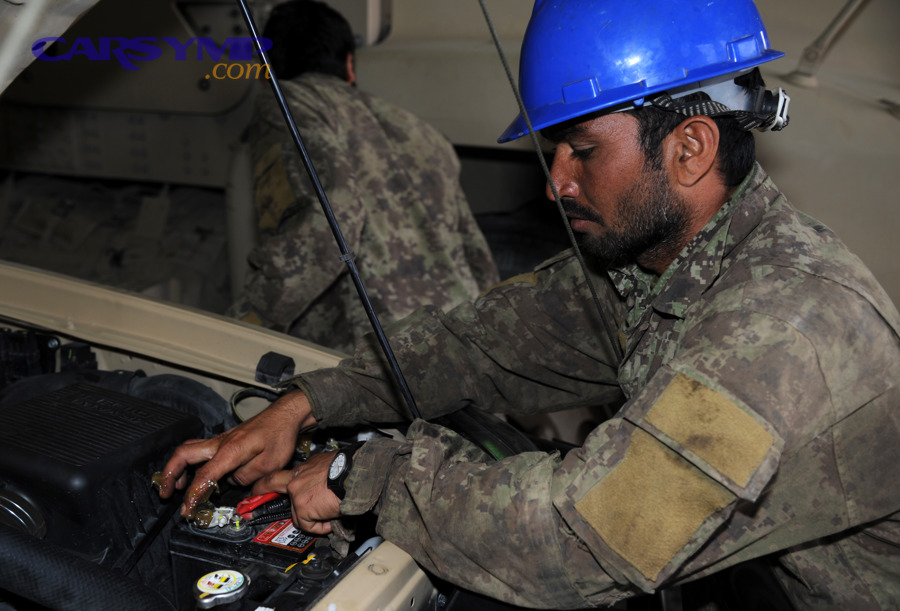
Use a mild baking-soda-and-water solution on removed clamps and nearby metal, because it neutralizes acidic residue and loosens buildup. Next, you will rinse and dry so protective sprays adhere properly instead of trapping moisture.
Apply the solution carefully with a brush, avoid flooding electrical connectors, and wipe debris away. Always disconnect the battery before aggressive cleaning, and keep your face away from the work area.
Which protection options work without causing problems?
Use a thin layer of terminal protectant spray or battery grease on the outside of the connection, because it blocks moisture and slows oxidation. Next, you will learn how to spot early warning signs so you can clean before performance drops.
- Terminal protectant spray: easy and clean for most drivers.
- Dielectric grease: apply lightly around (not between) metal contact surfaces.
- Felt anti-corrosion washers: helpful for recurring corrosion cases.
What symptoms suggest your terminals are still problematic?
Symptoms include slow crank, flickering lights, and hot cable ends, because high resistance turns current into heat instead of starting power. Next, you will move into modern-vehicle concerns like memory saving and battery registration.
If you notice recurring powdery buildup soon after cleaning, inspect for loose clamps, damaged cable ends, or charging issues that accelerate gassing and corrosion.
Do some cars need battery registration or memory saving?
Yes, many modern vehicles may need memory preservation and sometimes battery registration, because charging systems and modules adapt to battery age and type. Next, you will learn when it matters and what to do if you do not have scan tools.
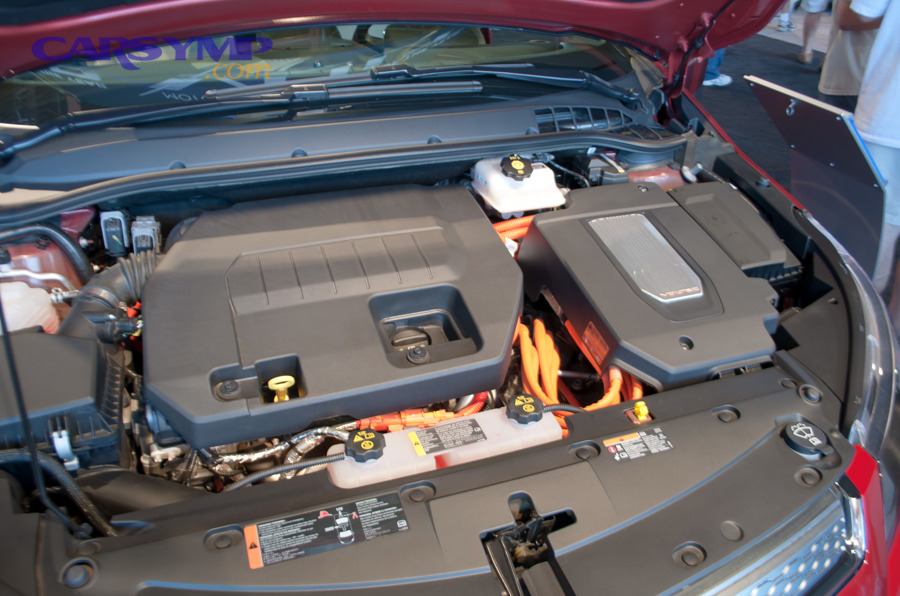
When is a memory saver useful, and when is it optional?
A memory saver is useful if you want to preserve radio presets, seat memory, and window calibrations, because disconnecting power can reset those settings. Next, you will see a simpler alternative: plan for resets and recalibration after install.
Many cars tolerate a power loss with minor inconveniences, while others may require extra steps to restore features. If your vehicle manual mentions “battery replacement procedure,” follow that guidance first.
What is battery registration and why can it matter?
Battery registration tells the vehicle’s charging system a new battery is installed, because some systems adjust alternator output based on battery health models. Next, you will learn how to avoid premature battery wear by matching battery type and capacity.
If registration is required and skipped, the car may undercharge or overcharge the new battery, shortening life. Common signs include warning lights, start-stop malfunction, or unusual charging behavior.
How do you reduce risk if you cannot register the battery yourself?
Reduce risk by installing the correct battery type (especially AGM where specified) and ensuring terminals and grounds are clean, because correct hardware and low resistance help the charging system behave normally. Next, you will compare AGM and flooded batteries so your choice fits your car’s design.
In many cases, a quick shop visit for registration costs less than replacing a prematurely damaged battery later.
How do AGM and flooded lead-acid batteries differ for daily driving?
AGM is stronger for vibration resistance and high electrical demand, while flooded is often cheaper and easier to find for older vehicles; the best choice depends on your car’s charging strategy and features. Next, you will use a simple table to match battery type to your use case.
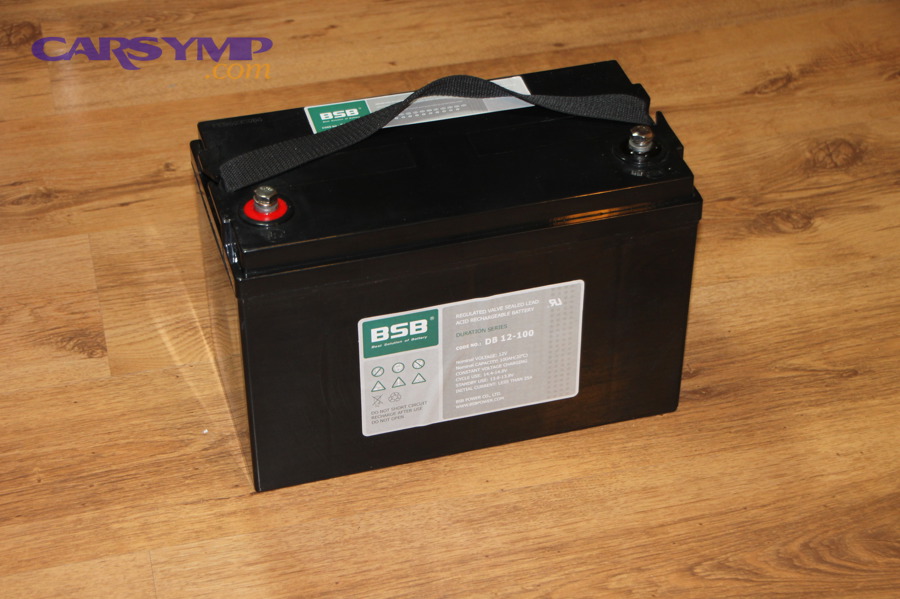
Which type is better for start-stop and high-electronics cars?
AGM is typically better for start-stop and heavy electronics, because it handles deep cycling and rapid charge acceptance more effectively. Next, you will connect this to purchase decisions so you do not downgrade your battery type by accident.
In many vehicles, AGM is not an “upgrade choice” but a requirement. If your car came with AGM, replacing with flooded can cause poor performance and reduced life.
What does a practical comparison look like?
This table helps you compare battery types by cost, maintenance, and best-fit scenarios so you can choose confidently without guessing. Next, you will connect the comparison back to safe installation and charging behavior.
| Criteria | AGM (Absorbent Glass Mat) | Flooded Lead-Acid |
|---|---|---|
| Spill/leak risk | Lower (sealed/VRLA-style designs common) | Higher (vented designs; careful handling needed) |
| Start-stop compatibility | Often recommended/required | Often not ideal for frequent cycling |
| Vibration resistance | Generally stronger | Varies; often less robust |
| Typical upfront cost | Higher | Lower |
| Best for | High electrical demand, frequent short trips, start-stop | Older vehicles, budget replacements, simpler charging systems |
What should you know about charging and safety differences?
AGM often prefers tighter voltage control and can be more sensitive to chronic overcharging, while flooded batteries can vent more easily and may require more attention in extreme heat. Next, you will shift into what to do if the car does not start right after installation.
In the body of this guide, the phrase AGM vs flooded battery comparison belongs to the decision moment where you match battery technology to your vehicle’s design, not to marketing claims or brand labels. Likewise, “maintenance-free” does not mean “ignore terminals,” because connection health still determines real-world starting reliability.
What if the car won’t start right after you install the new battery?
If the car won’t start after installation, the most common causes are loose/dirty connections, reversed polarity, or a separate charging/cable problem that existed before the swap. Next, you will run a fast checklist that isolates the issue in minutes.
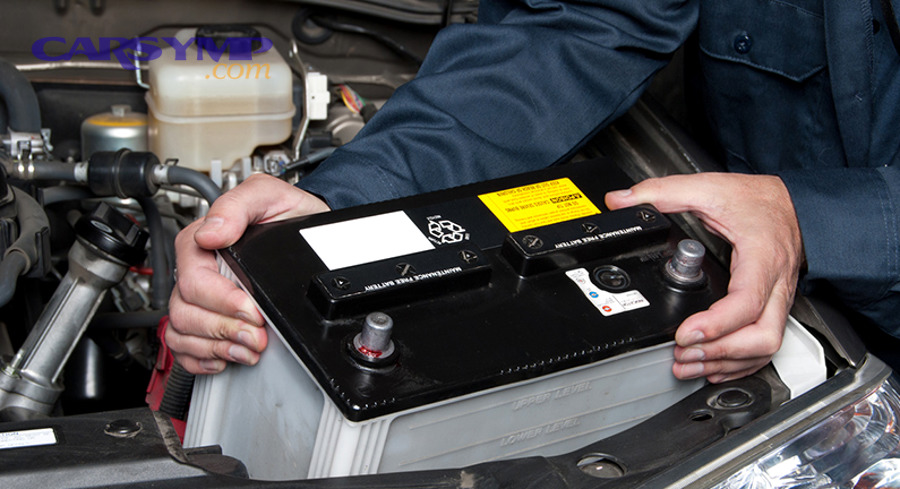
What is the fastest no-start checklist after installation?
Start with connection integrity, because a slightly loose clamp can deliver lights but not starter current. Next, you will verify grounds and cable condition, which are frequent hidden culprits.
- Clamps: confirm both clamps are fully seated and cannot twist by hand.
- Polarity: confirm positive cable is on (+) and negative on (-).
- Ground: inspect the negative cable to chassis/engine ground for looseness or corrosion.
- Hold-down: ensure the battery is not tilting and pulling on cables.
- Main fuses: check for blown main fuse/fusible link if there was a spark event.
How do you tell starter, battery, and charging issues apart?
A single loud click often points to insufficient current delivery (loose terminal, bad cable, weak battery), while rapid clicking suggests low voltage under load. Next, you will test voltage drop and charging behavior with simple observations.
If the engine starts with a jump but dies later, suspect charging output or high resistance in cables. If the engine cranks slowly even with a new battery, suspect cable corrosion under insulation or a failing starter drawing excessive current.
What if everything looks correct but it still fails?
If everything looks correct, consider battery registration needs, anti-theft resets, or a parasitic draw that immediately drains the new battery, because modern modules can behave unpredictably after power loss. Next, you will connect symptoms to next actions without guessing.
In this context, the phrase After replacement no-start troubleshooting describes a structured approach: check clamps, confirm polarity, verify grounds, inspect high-current fuses, then measure voltage behavior under crank. It is a process, not a single “magic fix.”
How much does a new car battery and installation typically cost?
Battery cost depends on battery type, size, and warranty, and installation pricing depends on access and service model; a realistic budget ranges from moderate DIY parts cost to higher installed-service pricing. Next, you will use a table to estimate what you might pay.
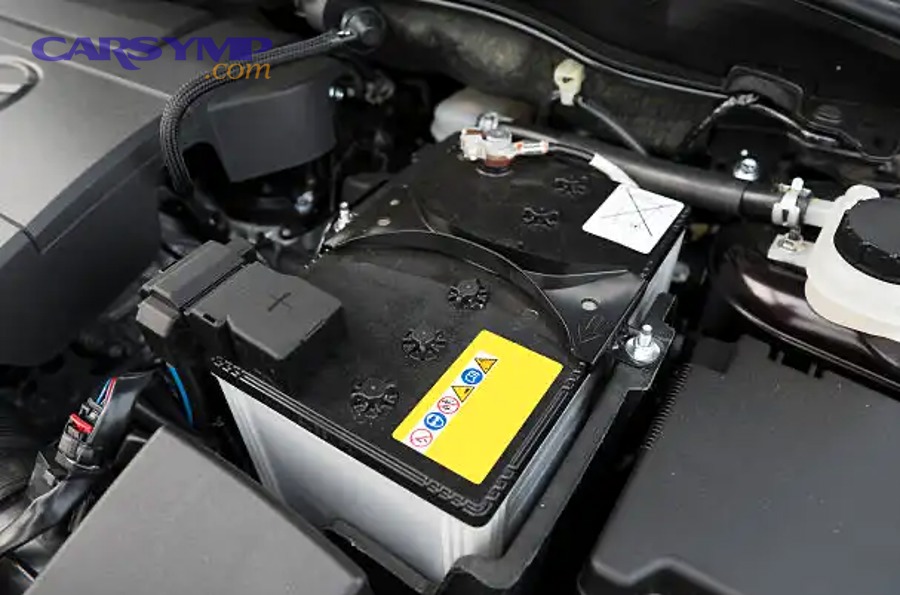
Which factors drive price the most?
The biggest cost drivers are AGM vs flooded, higher CCA needs, and premium warranty tiers, because these change internal construction and retailer support. Next, you will translate those factors into a simple price expectation to avoid surprise at checkout.
- Battery technology: AGM usually costs more than flooded.
- Vehicle demands: start-stop and high electronics often require higher-spec batteries.
- Warranty length: longer warranties often raise upfront price.
- Installation access: trunk/under-seat batteries can add labor time.
What does a practical cost estimate look like?
This table provides a quick budget range so you can plan your purchase and decide between DIY and installed service. Next, you will learn how core charges and recycling returns can reduce net cost.
| Scenario | Typical Cost Range | What’s Included |
|---|---|---|
| DIY flooded battery swap | $120–$220 (varies widely by size/brand) | Battery only; you install; possible core charge refundable on return |
| DIY AGM battery swap | $180–$350+ | Battery only; higher-spec design for cycling and electronics |
| Mobile/installed service | $200–$350+ (often higher for AGM) | Diagnostics + installation + convenience + warranty handling |
| Complex locations (trunk/under-seat) or registration needed | Varies; can add labor/scan tool cost | Extra labor steps, potential battery registration, trim removal |
How do core charges and recycling affect your total?
Core charges encourage returning the old battery for recycling, because lead-acid batteries are part of a closed-loop system and the materials have real value. Next, you will see why returning the old battery is both safer and often financially smarter.
In the body of this guide, the phrase Battery replacement cost estimate is best used as your planning tool: compare DIY parts price versus installed service, then subtract any refunded core charge once you return the old battery.
Theo nghiên cứu của Battery Council International từ National Recycling Rate Study, vào 07/2023, tỷ lệ tái chế ắc quy chì tại Mỹ duy trì 99%.
Theo nghiên cứu của U.S. Environmental Protection Agency từ Electronics & Batteries Management, vào 09/2025, ắc quy chì-axit sản xuất tại Mỹ có thể chứa hơn 80% vật liệu tái chế.
Contextual border: Up to this point, you have focused on safe replacement, correct installation, and immediate troubleshooting. Next, you will expand into advanced, longer-term habits that protect your new battery from early failure and keep the electrical system stable.
Advanced habits that extend battery life after installation
Extend battery life by reducing deep discharges, keeping terminals and grounds clean, and ensuring the charging system is healthy, because most “new battery failures” are caused by operating conditions, not factory defects. Next, you will match habits to modern features like start-stop and module sleep behavior.
How do start-stop systems change your battery choice and care?
Start-stop systems cycle the battery far more often, so maintaining the correct battery type and strong connections matters more than ever. Next, you will connect this to driving patterns that either recharge properly or slowly drain the battery over time.
If your vehicle uses start-stop, treat AGM not as a luxury but as an engineering match. A wrong battery can lead to frequent warnings, reduced start-stop function, and shorter service life.
How can you prevent parasitic drain after a new battery?
Prevent parasitic drain by ensuring modules go to sleep, closing doors/hood properly, and avoiding always-on accessories, because small continuous draws add up overnight and over weekends. Next, you will learn simple behaviors that reduce unnecessary drain without advanced tools.
If your battery keeps dying repeatedly, the underlying issue may be a stuck relay, aftermarket device, or module that never sleeps. In that situation, combine good replacement work with deeper diagnosis so you are not buying batteries as “band-aids.”
What seasonal routine keeps terminals and grounds healthy?
A seasonal routine of cleaning terminals, inspecting grounds, and checking charging voltage reduces surprise no-starts, because heat accelerates chemical wear and cold increases starting demand. Next, you will connect seasonal checks to real-world symptoms like slow cranking or dim headlights.
In winter, short trips can leave the battery undercharged; in summer, high under-hood heat can shorten battery life. Keeping the connection clean and tight is the simplest protection across all seasons.
What is the safest way to dispose of or recycle the old battery?
Recycle the old battery through an auto parts store, service shop, or recycling center, because lead-acid batteries contain hazardous materials that must be handled responsibly. Next, you will see why returning it also supports core refunds and material recovery.
Never throw a car battery in household trash. Transport it upright in a box or plastic tray to catch residue, and keep it away from food or living areas.
For readers who want a symptom-led maintenance companion alongside this guide, you may also find practical starting and electrical symptom articles on carsymp.com helpful as you track patterns over time.
FAQ
These FAQs address common edge cases and quick concerns, because small details like terminal order, corrosion, and resets often decide whether the job feels “easy” or frustrating. Next, you will pick the answer that matches your situation and apply it immediately.
Is it safe to replace a battery by yourself?
Yes, it is safe when you wear eye protection, keep sparks away, disconnect negative first, and secure the battery properly, because these steps control the main hazards: short circuits, hydrogen ignition, and acid exposure. Next, follow the step-by-step sequence in this guide without skipping the hold-down.
Do I really need to disconnect the negative terminal first?
Yes, disconnecting negative first reduces accidental shorts, because the chassis is effectively “neutralized” from the battery circuit during your work. Next, reconnect positive first and negative last to keep activation controlled.
Why does my car act weird after reconnecting the battery?
Some cars need a short relearn period for idle and electronics, because modules reset after power loss and must recalibrate. Next, drive normally for a bit and reset windows/clock as needed, and consider battery registration if your vehicle requires it.
Can I switch from AGM to flooded to save money?
Usually no if your vehicle specifies AGM, because the charging strategy and cycling demands can shorten flooded battery life and reduce start-stop performance. Next, match the battery type your car was designed for, then choose the best warranty within that type.
What should I do if corrosion comes back quickly?
Recurring corrosion usually means loose clamps, damaged cable ends, or charging-related gassing, because poor contact and electrical stress accelerate buildup. Next, re-clean, tighten properly, inspect grounds, and test charging behavior so the new battery is not blamed for a system problem.
In summary, battery replacement is safest when you prepare the correct battery type, use the correct disconnect/connect order, secure the hold-down, and verify clean, tight terminals. With those basics, you can confidently complete a battery replacement and quickly diagnose any start vs no-start surprises afterward.