


If your car feels “off” at startup—slow cranking, clicking, flickering lights—those are classic signs you need a new car battery, not just random glitches. The key is spotting patterns that point to a battery losing its ability to deliver high starting current, even when it still shows some voltage.
To help you act before you get stranded, this guide breaks down the most reliable warning signals, what they mean, and how to tell the difference between a weak battery and other issues. If you’ve been dealing with a battery dying feeling lately, you’ll find quick checks you can do today.
We’ll also cover what to do when symptoms come and go, why some cars show a warning light while others don’t, and how temperature and short-trip driving change what “normal” looks like. That way, you can make a confident decision instead of guessing.
Giới thiệu ý mới: below are the practical signs, tests, and decision rules that separate “maybe” from “replace it now.”
What are the top signs you need a new car battery today?
There are 7 common signs your battery is failing: slow crank, repeated jump-starts, flickering electrics, warning light patterns, corrosion, swelling/leaks, and age-related weakness. Next, let’s translate each sign into what’s happening inside the battery—and what you should do first.
Does slow cranking in the morning mean the battery is failing?
Yes—often. A slow engine crank is one of the strongest early signals because starting requires a surge of current, not just “some power.” After that, pay attention to consistency: if it’s worst after the car sits overnight, the battery’s reserve is shrinking.
Cụ thể, listen for the starter motor turning “lazy” (rrr…rrr…) before it catches. If the crank speed varies from attempt to attempt, that can indicate internal resistance rising—common as batteries age or sulfate. To connect the dots, notice whether it improves after a longer drive (temporary surface charge) and then returns the next morning.
Also check the basics: loose clamps can mimic a weak battery. But if terminals are tight and you still get slow cranking, treat it as a high-confidence warning sign.
Is repeated jump-starting a clear sign you need a new battery?
Usually yes. If you need a jump more than once in a short period, your battery is no longer holding charge reliably. Next, the goal is to decide whether it’s a battery that won’t hold charge or a car that isn’t charging it.
For example, if the car starts right after a jump but struggles again after sitting, that points toward poor capacity or a parasitic drain. If it struggles even right after a long drive, suspect charging problems or a battery that can’t accept charge well.
Either way, repeated jump-starts are hard on the electrical system and can accelerate failure—so this sign should move you toward testing rather than waiting.
Do dim headlights and flickering electronics indicate a weak battery?
Yes—often, but confirm context. Dim lights at idle, flickering interior lights, and glitchy infotainment can show unstable voltage supply. Next, check when it happens: during cranking, at idle, or while driving.
Cụ thể, if lights dim heavily when you turn the key, the battery isn’t delivering current. If lights dim mainly at idle but improve with revs, that can involve charging output or belt issues. If electronics reset randomly, the battery may be dipping below what modules need to stay awake.
Think of this sign as “voltage stability is poor.” It’s meaningful when paired with slow starts or age.
Can a “battery dying” feeling show up as intermittent problems?
Yes. A battery can appear fine one day and weak the next because temperature, trip length, and accessory load change the demand. Next, watch for clustering: issues after short trips, cold mornings, or leaving the car parked for a few days.
Ví dụ, running heated seats, defrosters, and lights on short drives can leave the battery undercharged. Then the next start feels weak—especially overnight. This is why intermittent symptoms still count as real data, not “randomness.”
Is your battery dying or is the starter/alternator the real problem?
Yes, you can tell—most of the time—by pattern. Battery issues show up most at startup and after sitting; alternator issues show up while driving; starter issues are often consistent regardless of charge. Next, use simple “when it fails” clues before replacing parts.
How do symptoms differ between battery, starter, and alternator?
Battery weak: slow crank, clicks, needs jump, worse after sitting. Starter failing: single click or no crank even with a strong battery; often repeats the same way every time. Alternator weak: warning light while driving, accessories dim at speed, battery keeps draining even after long drives. Next, confirm with a quick observation test.
Cụ thể, if the car starts after a jump and then dies again during driving (dash lights, steering heavy, warning lights), that points away from “just battery” and toward charging. If it starts fine after sitting but fails randomly with a single click, that leans starter/solenoid. However, batteries can also cause clicking—so pair the sound with other signs like dim lights and age.
Can a car start fine and still have a failing battery?
Yes. Many batteries pass casual tests until they’re asked for peak current in cold weather or after sitting. Next, look for early tells like slower cranking, electronics flicker, or needing a second try—especially when temperatures drop.
The hidden point: voltage can look “okay” at rest while the battery’s internal resistance has climbed. That’s why “it reads 12 volts” isn’t the final answer—starting performance matters.
What quick clues help you decide what to test first?
Start with the easiest high-yield checks: terminals tight and clean, battery age, and a simple voltage test (resting and while cranking). Next, if voltage and cranking behavior look suspicious, test charging output with the engine running.
To keep it practical: if your problem is mainly “won’t crank,” battery/connection is the first place to look. If your problem is “dies while driving,” charging becomes priority.
How do corrosion and loose terminals mimic battery failure?
Corrosion and loose connections can absolutely mimic a bad battery by choking current flow, causing slow crank and weird electrical behavior. Next, treat connections as part of the battery system—because a perfect battery can’t work through a bad clamp.
What does terminal corrosion look like and why does it matter?
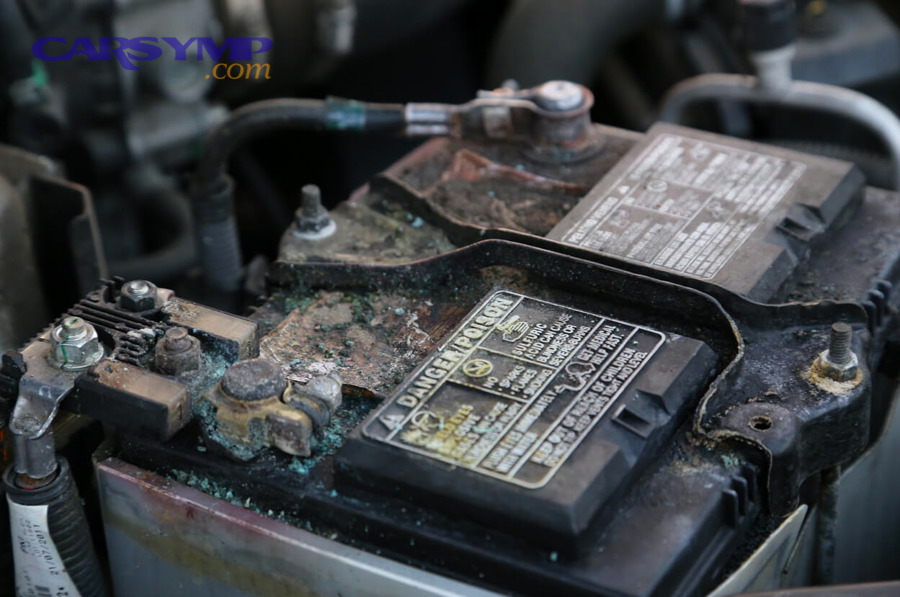
It looks like white/blue-green crust around posts and clamps, and it acts like insulation. Next, understand the effect: the starter may demand 100+ amps; corrosion turns that demand into a voltage drop and weak crank.
Cụ thể, you may notice: slow crank, occasional no-start, or lights that brighten/dim with bumps. The battery might test “okay” but still fail under load because current can’t pass easily. If you see heavy buildup, cleaning and tightening can restore normal starting—at least temporarily.
Can a bad ground connection create “battery dying” symptoms?
Yes. A weak ground can cause intermittent cranking, flickering lights, and sensor/module glitches. Next, watch for symptoms that change when you wiggle cables or when the car hits potholes.
To diagnose without tools: look for frayed ground straps, loose bolts, or green corrosion on cable ends. If symptoms improve after tightening, you found a major contributor. If symptoms return quickly, the battery may still be weak—because poor connections often coexist with an aging battery.
When should you suspect cables instead of the battery?
Suspect cables when the battery is relatively new but you still get inconsistent cranking, hot cable ends, or visible swelling/cracking in the insulation. Next, compare both ends of each cable: battery-to-starter and battery-to-chassis points are equally important.
If a cable end gets warm during cranking, that’s wasted energy at a high-resistance point. That’s a strong sign the connection—not just the battery—is the bottleneck.
How can you test battery health at home with a multimeter in minutes?
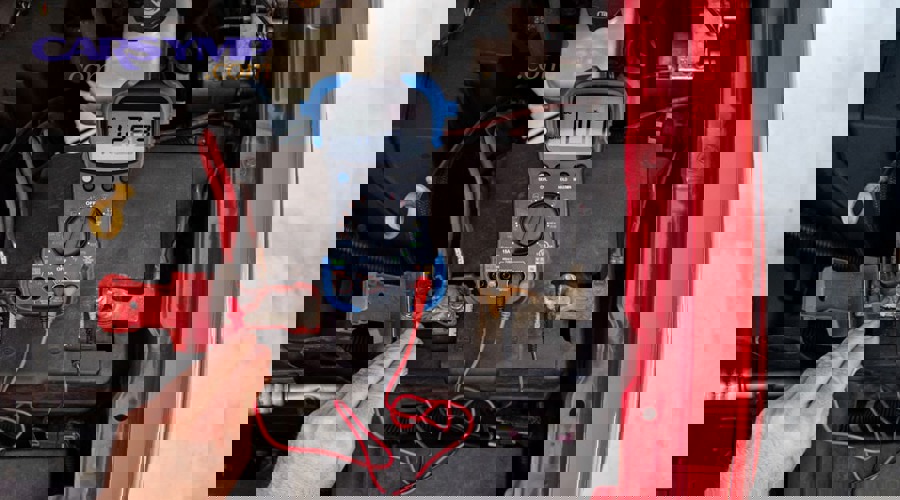
Use two checks: resting voltage and voltage drop during cranking. Together, they reveal charge level and whether the battery can deliver current. Next, do the test after the car has been off for at least an hour to reduce “surface charge” confusion.
What resting voltage numbers suggest trouble?
As a rule of thumb: ~12.6V indicates fully charged, ~12.4V is partly charged, and ~12.2V or below suggests the battery is significantly discharged. Next, treat low resting voltage as either “battery not being charged” or “battery not holding charge”—and use patterns to decide which.
Cụ thể, if resting voltage is low after an overnight sit, the battery may be self-discharging, aged, or being drained. If it’s low mainly after short trips, it may simply not be reaching full charge. Either way, low resting voltage plus hard starts is a strong sign replacement is near.
How do you check voltage drop while cranking?
Watch the minimum voltage while the starter turns. If voltage drops very low during cranking, the battery can’t supply current or the connection is poor. Next, repeat once: consistent deep drops are more meaningful than one noisy reading.
To make it actionable: put the meter on the posts (not just the clamps if possible), have someone crank, and note the lowest number. If it plunges hard and the engine cranks slowly, you’ve captured the failing moment.
How do temperature and winter starting change what “normal” looks like?
Cold reduces available battery output and increases engine load. Next, interpret weak starts in winter as a stress test: borderline batteries that “seem fine” in summer often fail when it’s cold.
The key idea: cold thickens oil and slows battery chemistry, so you need more current right when the battery can provide less. Theo nghiên cứu của AAA từ Automotive Research Center, vào 12/2013, ở 0°F một bình ắc quy có thể mất khoảng 60% sức mạnh khởi động.
So if your car starts slower only when cold, don’t dismiss it. It often means the battery is near the edge and winter pushed it over.
When is a swollen or leaking battery case an emergency?
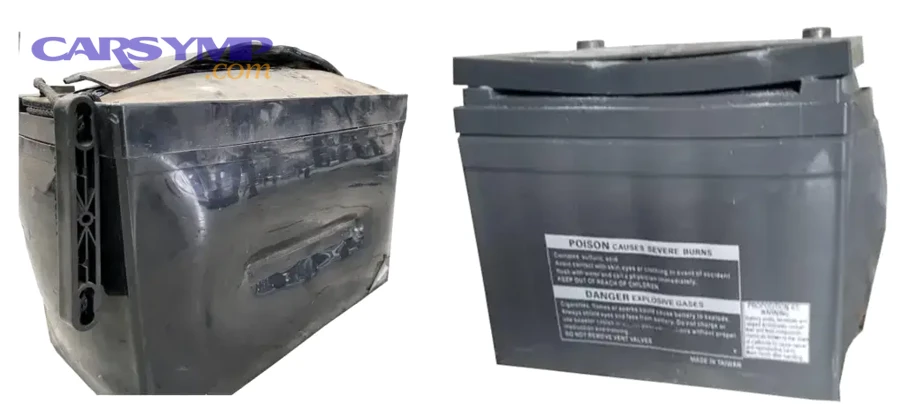
Yes—swelling or leaks are emergencies. They indicate internal damage, gas buildup, or freezing/overheating stress, and the battery can fail suddenly. Next, prioritize safety: avoid sparks, avoid jump-starting a visibly damaged battery, and replace it promptly.
What causes a battery case to swell?
Swelling usually comes from overcharging, overheating, or freezing when discharged. Next, treat the cause as important as the symptom: if a battery swelled due to charging issues, the new battery can suffer the same fate.
Cụ thể, a battery that stays undercharged in winter can freeze more easily; expansion can deform the case. Overcharging can generate excess gas and heat, warping the housing. Either way, swelling is a “do not ignore” sign.
Is it safe to drive with acid smell, wetness, or visible leaks?
No. Leaks mean corrosive electrolyte may be escaping; it can damage nearby metal, wiring, and create hazard during cranking or jump-starting. Next, if you must move the vehicle, do so cautiously and plan immediate replacement rather than “one more week.”
Also inspect the hold-down bracket: a loose battery that bounces can crack, accelerating leaks. If you see wetness around seams—not just minor terminal moisture—treat it as urgent.
Should you replace proactively based on age, climate, and driving habits?
Yes, often. If your battery is old, exposed to heat, and you do many short trips, proactive replacement can prevent a no-start event. Next, use age plus symptoms as your decision rule rather than waiting for total failure.
How long do car batteries typically last in real life?
Many last around 3–5 years, but climate and use can shorten that. Next, treat “approaching 4 years” as a checkpoint—especially if you notice slow cranking or frequent accessory use on short drives.
Heat is a silent killer because it accelerates internal corrosion and evaporation. Cold exposes weakness because it demands more starting current. So your climate matters as much as the calendar.
How do short trips create a “battery dying” loop?
Short trips often don’t replace the energy used to start the engine. Next, combine that with lights, HVAC, heated seats, and infotainment, and the battery slowly runs at a deficit.
Cụ thể, each start is a big withdrawal. If your driving is mostly 5–10 minutes, the alternator may not fully replenish the battery—especially in cold weather. Over time, the battery spends more time partially charged, which encourages sulfation and reduces capacity.
When does “it still starts” stop being good enough?
When starts become slower, inconsistent, or require a second try. Next, remember: the most inconvenient battery failures happen at the worst times—cold mornings, after the car sits, or when you’re in a hurry.
This is where a smart decision helps: if you’ve already seen multiple warning signs, doing a planned battery replacement is usually cheaper and safer than an emergency tow or missed work day.
Contextual border: Up to this point, you’ve learned how to recognize failing-battery signals and confirm them with simple checks. Below, we’ll zoom out to the replacement decision—how to choose a battery that fits your vehicle and avoids repeat problems.
How do you choose a replacement that fits your car and prevents repeat issues?
Choose by fit, specs, and compatibility. The right physical size, terminal layout, and capacity ratings matter as much as brand. Next, match the battery type to your vehicle’s electrical demands and charging strategy to avoid early failure.
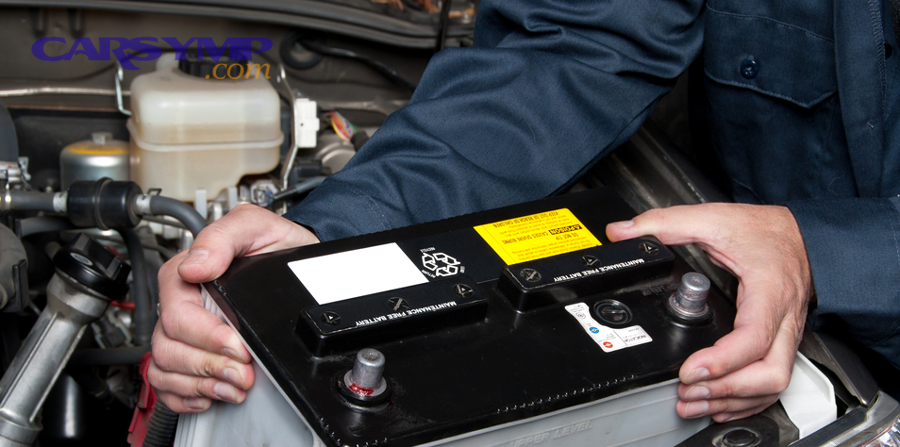
What matters most for physical fit and safe installation?
Fit means more than “it sits in the tray.” Next, confirm length/width/height, hold-down style, and terminal orientation so cables reach without stretching and the hood closes safely.
Here’s the practical logic behind the phrase How to choose the right battery group size: group size is a standardized code that tells you the battery’s exterior dimensions and terminal placement. If you choose the wrong size, you can end up with loose hold-downs, strained cables, or reversed polarity risk.
How do you match specs to your climate and driving style?
Use starting power and reserve capacity together. Next, if you face cold winters, prioritize strong CCA; if you run lots of accessories or idle often, prioritize reserve capacity and overall durability.
To make this easier, the table below summarizes common symptom patterns and what they suggest—so you can buy the right solution rather than guessing.
Bảng này giúp bạn liên kết dấu hiệu thực tế (khởi động chậm, đèn mờ, phải kích nhiều lần) với nguyên nhân có khả năng nhất và hành động nên làm trước khi quyết định thay mới.
| What you notice | Most likely meaning | What to do next |
|---|---|---|
| Slow crank after sitting overnight | Battery capacity/reserve is declining | Test resting + cranking voltage; plan replacement if repeatable |
| Needs jump-start twice in a week | Battery not holding charge or charging issue | Test battery + charging output; don’t keep jump-starting |
| Flickering dash lights + corrosion present | High resistance at terminals/cables | Clean/tighten; retest for improvement; replace if still weak |
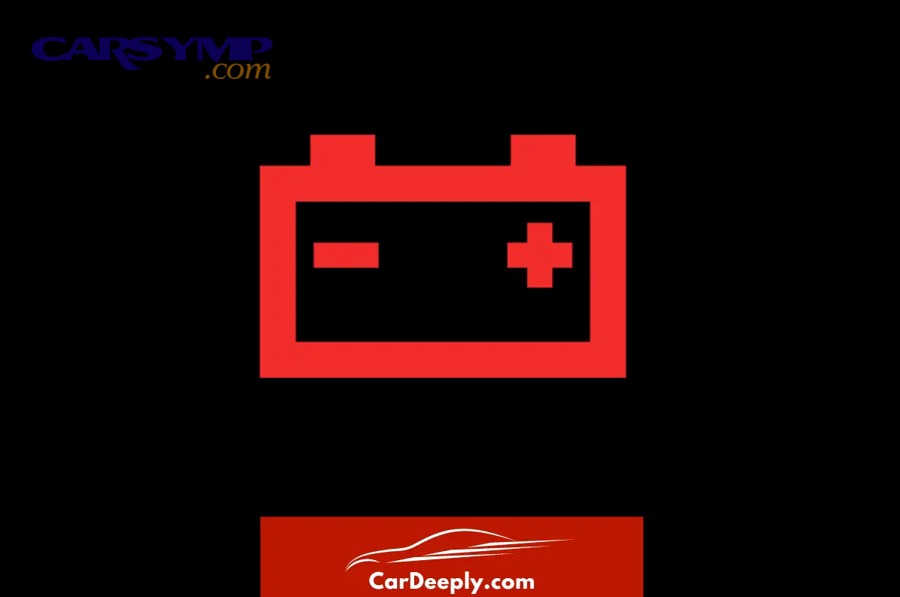
| Battery warning light while driving | Charging system may be underperforming | Reduce electrical load; test alternator output ASAP |
| Swollen or leaking battery case | Unsafe failure mode (overheat/freeze/overcharge) | Replace immediately; investigate charging/hold-down issues |
Should you pick AGM or standard flooded lead-acid?
It depends on your vehicle’s design and usage. Next, if your car has start-stop technology, heavy electrical loads, or the battery is inside the cabin/trunk, AGM is often specified or strongly recommended.
Instead of guessing, do an AGM vs flooded battery comparison based on three practical criteria: (1) your owner’s manual specification, (2) whether the car uses start-stop or advanced energy management, and (3) how hard your driving conditions are (short trips, extreme temperatures, frequent accessory use).
Choosing the correct type can extend service life and reduce the chance of repeat “battery dying” symptoms within a year.
What if the car won’t start after you install a new battery?
Don’t assume the new battery is bad. Next, check the simple install and system issues first: terminal tightness, correct polarity, ground strap integrity, blown main fuse, and whether the vehicle needs a reset procedure.
This is where After replacement no-start troubleshooting matters: many no-starts after a new battery are caused by loose clamps, damaged cable ends, or a charging/starter issue that existed before and was masked by the old battery’s gradual decline. If everything is tight and correct, test for charging voltage with the engine running (once started) to ensure the alternator is doing its job.
And if you’re repeatedly replacing batteries, step back and verify you’re not dealing with a drain, a charging fault, or an undersized battery choice during the last battery replacement.
FAQs about signs you need a new car battery
These quick answers clarify the most common “Is this normal?” questions drivers ask when they’re trying to decide whether to replace now or keep testing. Next, use them as a final confidence check before you commit.
Can a battery test “good” and still fail soon?
Yes. Some batteries hold acceptable voltage at rest but collapse under high load or cold conditions. Next, prioritize cranking behavior and repeatability over a single resting-voltage snapshot.
What’s the fastest sign that replacement is urgent?
Swelling/leaks or repeated no-start events are the fastest “replace now” indicators. Next, treat visible case damage as a safety issue, not just a convenience issue.
Should I replace the battery if it’s over 4 years old but still starts?
Maybe—based on risk. Next, if you also have slow crank, short-trip driving, or extreme temperatures, proactive replacement is often the safer choice than waiting.
Why does the car start after a jump but die again later?
Because the underlying problem persists. Next, it’s usually either the battery not holding charge, a charging system problem, or a drain while parked—so testing is the smartest next step rather than repeated jumps.