


AGM batteries excel at high-demand cycling, faster recovery, and vibration resistance, while flooded lead-acid batteries win on upfront affordability and broad serviceability—so the “better” choice depends on your vehicle’s electrical load and how you drive.
To decide confidently, you need to compare construction (electrolyte handling), real-world starting behavior, charge acceptance, and what happens in heat, cold, short trips, and stop-start traffic.
You’ll also want to understand compatibility risks—because using the wrong type can trigger chronic undercharge, premature sulfation, or repeated low-voltage events that feel like a mystery electrical problem.
To begin, here’s a driver-focused, criteria-by-criteria breakdown that connects design differences to everyday outcomes.
What is the core design difference, and why does it change performance?
AGM is a sealed (valve-regulated) lead-acid design that holds electrolyte in fiberglass mats, while flooded batteries keep liquid electrolyte freely surrounding the plates—this single change reshapes spill resistance, gas handling, and charge behavior.
To make that practical, the next step is mapping design features to the outcomes you actually notice in a car.
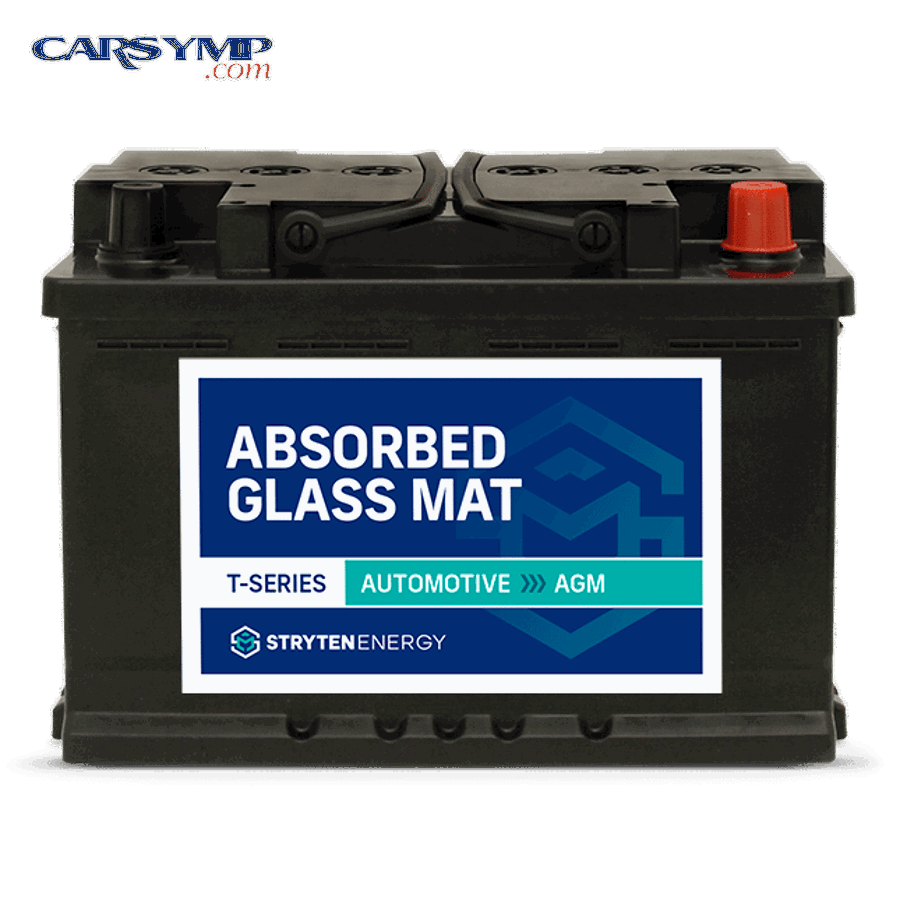
In an AGM battery, the mat is saturated just enough to keep the plates wet while leaving microscopic pathways for oxygen recombination. That’s why AGMs are typically maintenance-free and far more tolerant of vibration and tilt. Flooded batteries, by contrast, vent gases more openly; the electrolyte level and stratification risk are more directly tied to how the battery is charged, used, and maintained.
More importantly, the electrolyte’s “mobility” affects how current moves at the plate surface. In an AGM, the close contact between mat and plate tends to reduce internal impedance and improve high-rate discharge delivery. In a flooded battery, liquid electrolyte can support robust current too, but the system is more exposed to water loss, gassing, and uneven acid concentration—especially when repeatedly undercharged.
According to research by AAA from its automotive guidance unit, in Jul/2025, AGM internal resistance can be markedly lower than flooded designs, supporting quicker voltage recovery under load.
Before you choose by price or brand, it helps to see the main tradeoffs at a glance.
This table summarizes the most important driver-facing differences across starting, cycling, safety, and ownership factors.
| Criteria | AGM (Absorbent Glass Mat) | Flooded Lead-Acid |
|---|---|---|
| Construction | Sealed/VRLA; electrolyte held in glass mat | Vented; liquid electrolyte free-flowing |
| Spill & tilt tolerance | High; spill-resistant | Lower; depends on venting and fill level |
| Vibration resistance | Typically better (tight plate support) | Varies; often more sensitive |
| Charge acceptance | Often higher; faster recovery after starts/loads | Good when healthy; more prone to stratification if undercharged |
| Maintenance | Usually maintenance-free | May require inspection; water loss possible in some designs |
| Best fit use-cases | Start-stop, heavy accessories, short trips, vibration | Basic electrical loads, budget replacement, predictable charging |
| Typical upfront cost | Higher | Lower |
Which type cranks better in cold weather and under heavy electrical loads?
AGM usually maintains stronger cranking stability under high accessory loads and repeated starts, while flooded batteries can still crank well but may sag more when heat-aged or partially charged.
However, cranking is only half the story—because how quickly the battery recovers after the start often determines whether you get stranded later.
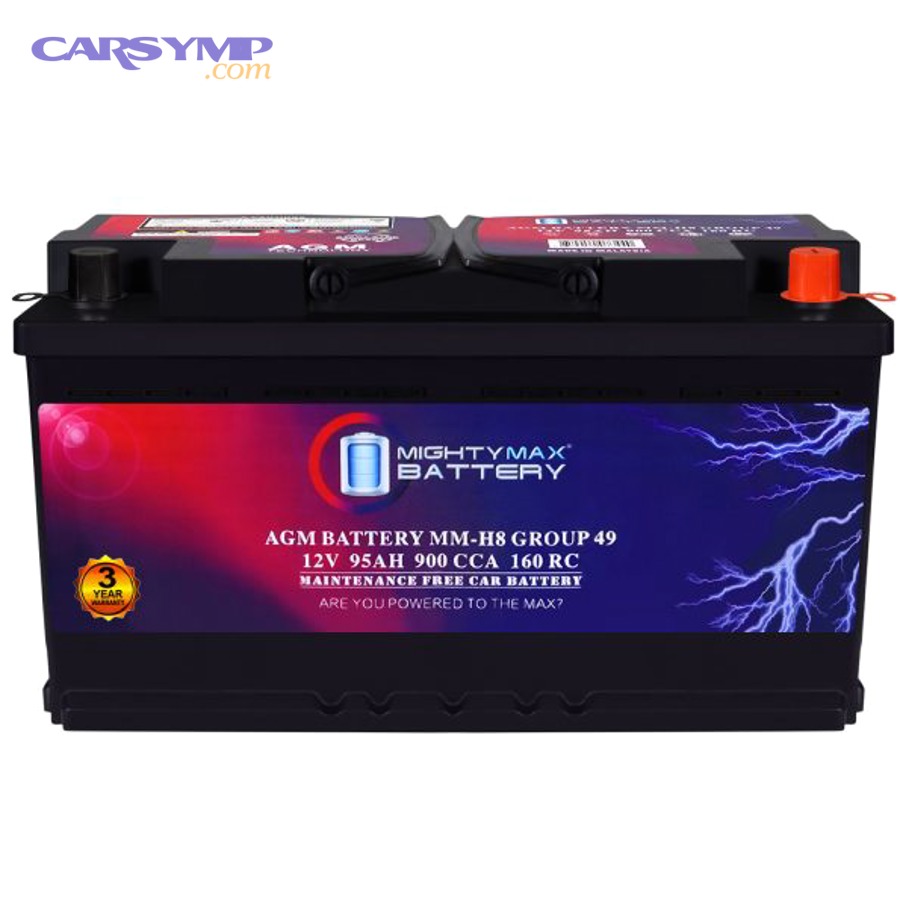
Cold weather thickens engine oil and slows chemical reactions inside the battery. Both types lose available power in the cold, but an AGM’s lower internal resistance can help it deliver high current more efficiently—especially when the battery is not at 100% state of charge. That matters in modern driving patterns where short trips are common and the battery is frequently cycling between “not quite full” and “loaded again.”
Electrical load is the modern twist: heated seats, large infotainment screens, multiple USB ports, dash cams, aftermarket audio, and driver-assistance modules all pull energy, sometimes while the engine is off. In these conditions, the battery is asked to behave like a hybrid between a starter battery and a shallow-cycle energy buffer. AGM tends to handle that role more gracefully.
According to research by Clarios’ automotive education content, in Jan/2026, vehicles with higher electrical loads and frequent cycling increasingly specify AGM to maintain readiness under short-trip, high-demand conditions.
Still, a flooded battery can start strongly when it’s fresh, properly sized, and kept fully charged. The problem is consistency: if your commute is short or you idle with accessories on, flooded designs are more likely to drift into partial-state-of-charge operation where sulfation and stratification gradually reduce performance.
Which one lasts longer in real driving: stop-start traffic, short trips, and deep cycling?
AGM typically lasts longer when the vehicle repeatedly cycles the battery (start-stop, short trips, accessory use), while flooded batteries can last well in steady, longer drives with fewer deep dips.
So the deciding factor is not just battery chemistry—it’s your duty cycle, meaning how the battery is used day after day.
Start-stop systems are especially punishing because they create frequent engine-off periods, followed by rapid restarts, and often a burst of accessory demand while stationary. That’s why many start-stop vehicles either require AGM or an enhanced flooded battery (EFB), depending on the vehicle design and control strategy. AGM generally offers better cycling endurance and charge acceptance, which helps it regain charge quickly during limited charging windows.
Short trips create a subtle trap: you spend energy to start the engine, then shut it off before the alternator can replace that energy. Over days or weeks, that becomes a slow-motion deficit. AGM is often more resilient here because it can accept charge more efficiently and recover faster, reducing the time it lives undercharged.
According to research by University-affiliated vehicle electrification researchers published in 2019, comparative testing across lead-acid variants highlights meaningful differences in aging behavior and suitability for future vehicle electrical demands.
Flooded batteries can still deliver excellent lifespan in “easy mode”: longer drives, fewer accessory loads, stable temperatures, and a charging system that regularly returns the battery to full charge. If that’s your profile, flooded may offer the best value per dollar. But if your profile includes frequent idling, rideshare usage, delivery routes, or constant accessory use, AGM’s cycle durability becomes more than a spec-sheet advantage—it becomes fewer no-start mornings.
How do charging requirements differ, and what happens if you pick the wrong type?
AGM is more sensitive to correct charging voltage and temperature compensation, while flooded is more forgiving but more prone to water loss and stratification when charging is poorly matched.
Next, it helps to connect “charging mismatch” to the failures drivers actually see: chronic low state of charge, sulfation, and repeated dead-battery events.

Modern vehicles regulate alternator output dynamically. Some systems reduce alternator load for fuel economy, then “catch up” later; others charge aggressively during deceleration. If the vehicle was designed for AGM and you install a flooded battery, you can run into two problems: (1) the battery may not tolerate the cycling pattern as well, and (2) the battery may experience a different gassing/water-loss profile than expected.
If the vehicle was designed for flooded and you install AGM, the risk is usually lower—but not zero. An AGM that never reaches full charge (because the system’s voltage targets are conservative, or the car is driven in short trips) can sulfate, losing capacity and cranking strength earlier than it should. That’s why many technicians recommend registering the battery (on vehicles that support it) or ensuring the charging profile matches the installed type.
According to research by Battery University from its battery education team, in Nov/2021, elevated temperature and charging stress are major accelerants of aging mechanisms, reinforcing why correct charging control matters as much as battery choice.
A practical rule: if the vehicle specifies AGM, follow that specification unless a qualified technician confirms an approved alternative (such as EFB where supported). If you are upgrading from flooded to AGM for durability, ensure the charging system is healthy and consider periodic full-charge maintenance using an appropriate smart charger—especially if your driving pattern is short trips.
How do safety, venting, and mess risk compare for everyday drivers?
AGM is generally safer and cleaner in normal handling because it is spill-resistant and typically sealed, while flooded batteries vent more openly and can leak or mist acid if abused or damaged.
To see why that matters, consider what happens during overcharging, vibration, and under-hood heat—conditions that encourage gassing and corrosion.
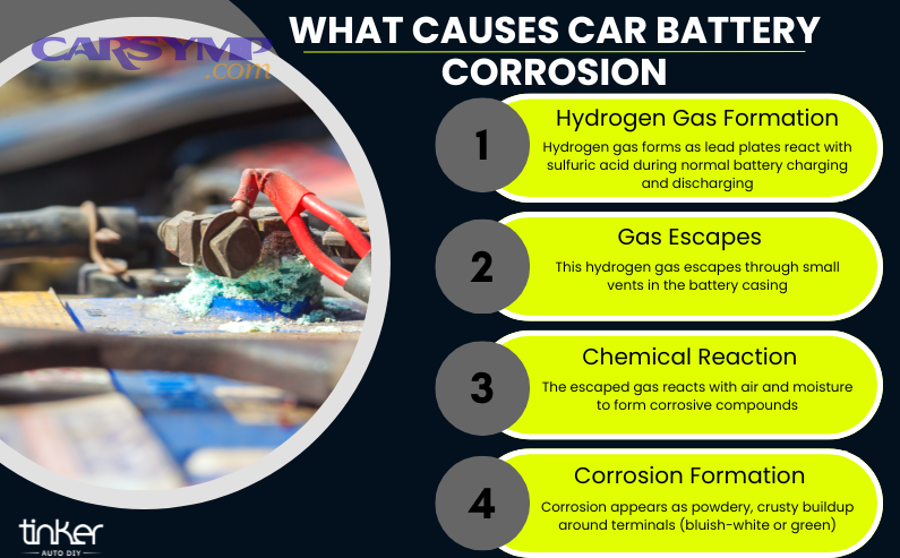
Flooded batteries produce hydrogen and oxygen gas during charging, and those gases escape through vents. In a well-designed installation this is normal, but it increases the chance of terminal corrosion and acid residue near the battery tray—especially if the battery is overcharged or exposed to high heat. AGM batteries are designed to recombine much of the gas internally, venting primarily under abnormal pressure, which reduces routine acid misting.
Another driver-facing issue is accidental tilt or damage. A flooded battery is built to operate upright; severe tilt or case damage can allow electrolyte movement or leakage. AGM’s absorbed electrolyte is far less likely to spill, which is one reason it’s popular in applications where vibration and movement are common.
According to research by SaVRee’s engineering education team, in its lead-acid construction overview, flooded designs vent gases more directly, whereas sealed designs rely on recombination and controlled venting under pressure thresholds.
In either case, hydrogen is flammable, so good ventilation and avoiding sparks around the battery remain essential. But from a “mess and corrosion” standpoint, AGM typically reduces the frequency of crusty residue, paint damage in the tray, and recurring terminal cleanup—especially on vehicles with high under-hood temperatures.
Which one resists vibration and rough roads better, and why does that matter?
AGM typically resists vibration better because the glass mat and compression support the plates, while flooded batteries can be more vulnerable to plate shedding and internal damage under repeated shock.
That matters because vibration damage doesn’t always fail loudly—it often shows up later as reduced capacity, slow cranking, and “random” no-start events.
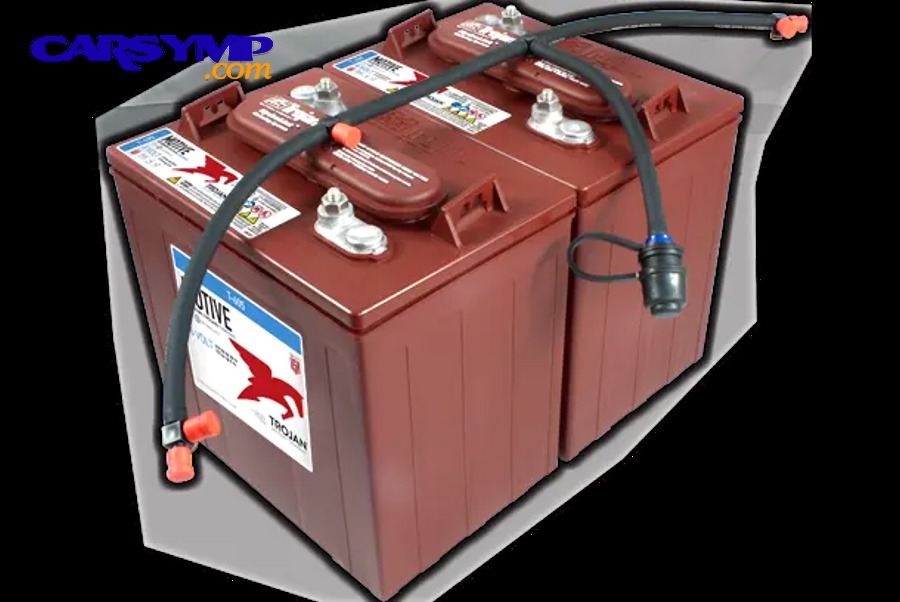
Vibration accelerates physical wear: plate material can shed, separators can deform, and internal connections can fatigue. Because AGM batteries are built with tight plate-to-mat contact and often higher compression, they tend to keep active material in place and maintain consistent internal contact under shock.
Flooded batteries can still be rugged—especially high-quality models designed for commercial or deep-cycle use—but the free electrolyte and less constrained plate environment can make them more sensitive to harsh vibration if the battery is not built for it. This is why off-road vehicles, work trucks, and vehicles that see frequent rough roads often benefit from AGM even if they don’t “need” it electrically.
According to research by Power Sonic from its technical education group, AGM designs are commonly highlighted as more resistant to vibration and shock, which aligns with how AGMs are selected in mobility and industrial contexts.
When vibration is part of your life, battery choice becomes a reliability choice. The cost difference feels smaller the first time a no-start happens far from home—or when repeated vibration slowly turns a healthy-looking battery into an unreliable one.
What maintenance differences should you expect over the battery’s life?
AGM is usually maintenance-free in normal service, while flooded batteries may require more inspection and are more exposed to corrosion and electrolyte-level issues depending on design and environment.
Next, it helps to connect maintenance to the most common “avoidable” failures: dirty terminals, loose connections, and chronic undercharge.
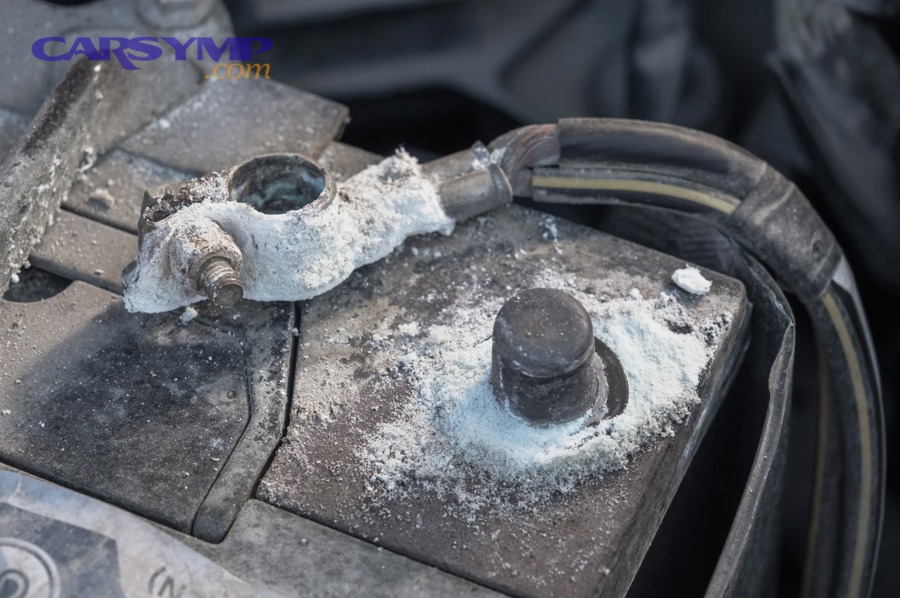
Many modern flooded “starter” batteries are marketed as maintenance-free, but they still vent and they still can corrode. In hot climates, water loss and terminal corrosion tend to accelerate. If your battery is accessible, a quick visual check every few months—looking for crusty buildup and ensuring tight connections—prevents a surprising number of no-start issues.
AGM reduces routine mess, but it’s not “maintenance-proof.” The biggest AGM killer is living undercharged. If your driving pattern is mostly short trips, an AGM may stay at partial state of charge for long periods unless it gets periodic longer drives or occasional top-off charging with a smart charger designed for AGM profiles.
According to research by Battery University from its battery aging education unit, in Nov/2021, heat and loading stress significantly influence life expectancy, which is why “maintenance” includes managing temperature exposure and charging completeness—not just cleaning terminals.
One practical checklist that applies to both types: keep terminals clean and tight, ensure the hold-down clamp is secure (vibration kills), and address charging-system warnings quickly. If you see recurring corrosion, inspect for loose terminals, overcharging, or acid misting, and consider whether your under-hood heat is unusually high.
How do you choose the right type for your driving pattern and vehicle features?
Choose AGM if your vehicle uses start-stop, runs many accessories, or sees frequent short trips and vibration; choose flooded if your electrical load is modest and your driving includes regular longer runs that restore full charge.
To make that choice confidently, match the battery type to the vehicle’s demands first, then optimize size, brand quality, and warranty.
Start with the vehicle requirement. If the owner’s manual or OE spec calls for AGM, treat that as the baseline. Many vehicles with start-stop or energy management systems are calibrated around AGM behavior, including how the battery accepts charge and how voltage dips are handled during engine-off events. Installing flooded in those cars often creates repeated low-voltage conditions that feel like electronics glitches—but are actually battery capability mismatches.
Then consider driving pattern:
- Short trips, frequent idling, lots of accessories: AGM is usually the safer bet because it recovers faster and tolerates cycling better.
- Longer highway runs, fewer accessories, stable schedule: Flooded can be excellent value and last well if kept fully charged.
- Rough roads, off-road, heavy vibration: AGM’s physical robustness is a major advantage.
- Extreme heat exposure: Both suffer, but managing charge and heat becomes even more important; AGM often performs more consistently under high demand.
According to research by Clarios’ automotive insights team, in Jan/2026, increasing electrical load and frequent cycling in newer vehicles is a major driver for AGM specification in more models.
Finally, don’t ignore fitment. Correct group size, terminal orientation, and hold-down compatibility matter as much as chemistry. A slightly wrong fit can lead to poor clamping, vibration stress, and premature failure—even if you bought the “best” battery type.
What does ownership really cost when you include lifespan, warranties, and failure risk?
AGM often costs more upfront but can be cheaper per month in high-demand use because it reduces premature failures, while flooded is usually cheaper upfront and cost-effective in low-demand use with healthy charging habits.
So the next step is to compare total ownership cost using your actual driving conditions, not a generic average.
Upfront price is obvious; downtime cost is not. A battery that dies once at the wrong time can cost towing, missed work, or emergency service fees. That risk is higher when the battery spends much of its life partially charged, exposed to heat, or repeatedly cycled—conditions where AGM tends to be more durable.
When people budget, they often forget two hidden multipliers: (1) repeated deep discharge events shorten life dramatically, and (2) heat aging makes batteries weaker long before they “technically” fail. If your vehicle’s electronics create frequent cycling, AGM’s resilience can translate into fewer replacements over the same ownership period.
Here is a simple way to think about it in your notes—without turning this into a math project: if you drive short trips and use lots of accessories, paying more once for a battery that survives that pattern often beats paying less multiple times for batteries that don’t. Conversely, if your driving reliably restores full charge and your loads are modest, flooded batteries can deliver excellent value.
Later, when you are planning battery replacement, it’s smart to write down a Battery replacement cost estimate that includes not only the battery price, but also installation, any required vehicle battery registration, and the risk cost of unexpected failure.
According to research by Battery University from its battery reliability discussions, in Nov/2021, higher operating temperatures correlate with shorter service life, reinforcing that “where and how you drive” can dominate the cost story.
Can you switch between AGM and flooded, and what mistakes shorten service life fast?
You can sometimes switch types, but you should not downgrade from a required AGM system to flooded, and any switch should respect charging strategy, fitment, and vehicle energy management—or you risk chronic undercharge and early failure.
To avoid the common traps, focus on three failure accelerators: undercharge, heat, and loose connections.
Mistake 1: Ignoring the vehicle spec. If the vehicle specifies AGM, treat it as mandatory unless the manufacturer explicitly approves alternatives. Stop-start and energy management systems are the classic cases where “it fits” is not the same as “it works long-term.”
Mistake 2: Living undercharged. Many drivers unintentionally undercharge their batteries with short trips. The alternator may not have enough time to replace the start energy plus accessory load, so the battery slowly drifts downward. In flooded designs, that encourages sulfation and stratification; in AGM, it encourages sulfation and capacity loss. Either way, the “new battery” starts acting old.
Mistake 3: Loose terminals and poor grounding. High resistance at connections creates voltage drop and heat, which mimics a weak battery and encourages corrosion. This is why a clean, tight connection matters as much as chemistry choice. If you see repeated white/blue crust, inspect not just the battery but also the clamp tension and cable condition.
According to research by AAA from its automotive maintenance guidance, in Jul/2025, lower internal resistance supports stronger voltage under load, but connection resistance can erase that advantage—making clean, tight terminals a universal requirement.
If you upgrade from flooded to AGM for durability, do it for the right reasons: frequent cycling, vibration, high accessory use, or a vehicle that’s hard on batteries. Then protect the investment with good charging habits—occasional longer drives, or periodic smart charging if your usage pattern is mostly short trips.
Related video for quick visual learning:
Contextual border: Up to this point, you have the practical “choose and use” comparison. Next, we shift into advanced nuances that help you diagnose edge cases and avoid subtle mismatches.
Advanced nuances that matter: resistance, diagnostics, storage, and fitment edge cases
AGM’s advantages become clearest in measurable electrical behavior—especially voltage stability, recovery speed, and how the battery behaves when parked—while flooded batteries offer diagnostic simplicity in some service scenarios.
To connect these nuances to your decision, the following subtopics highlight where experienced technicians see the biggest real-world differences.

Internal resistance and “snap-back” voltage after starting
AGM often shows faster voltage recovery after a start event, while flooded may recover more slowly if partially charged or heat-aged; this affects how stable your electronics feel during heavy loads and repeated starts.
In other words, lower resistance is not just a lab metric—it’s fewer dim lights, fewer low-voltage glitches, and more consistent cranking under stress.
When resistance is lower, less energy is wasted as heat inside the battery during high current delivery. That helps the battery maintain voltage and accept recharge more readily. But the key is that vehicle wiring and grounds can add resistance too—so a “great AGM” can still behave poorly if the terminals are corroded or the ground strap is weak.
According to research by AAA from its automotive education content, in Jul/2025, AGM internal resistance can be significantly lower than flooded, which supports faster recharge behavior and higher usable voltage under load.
State-of-charge measurement and why the same test can mislead
Flooded batteries can sometimes be evaluated with electrolyte-specific diagnostics in service contexts, while AGM relies more heavily on voltage behavior and conductance testing—so the “best test” depends on the battery type.
Therefore, interpreting test results correctly is part of choosing and maintaining the right battery.
In a flooded battery, electrolyte condition and stratification can influence readings and behavior. In AGM, the immobilized electrolyte changes how some traditional heuristics apply. That’s why modern battery testers often use conductance or impedance-based methods to estimate health rather than relying on a single voltage snapshot.
According to research by Actec’s lead-acid technical document team, in Mar/2019, internal resistance/impedance measurement is commonly used to assess lead-acid battery condition in practice.
Parking, self-discharge, and “it was fine yesterday” failures
AGM often resists self-discharge better across a range of temperatures, while flooded can lose charge faster in harsh conditions or when minor parasitic loads exist—making parked-time behavior an important difference for some drivers.
So if your vehicle sits for days at a time, the battery type can meaningfully change your margin of safety.
If you have a dash cam, tracker, alarm system, or always-on infotainment module, even a small draw can become a big issue over time—especially if the battery starts from a partial state of charge. AGM can offer more resilience here, but the real fix is ensuring the battery is fully charged and that parasitic draw is within normal limits.
Fitment edge cases: hold-downs, heat shields, and cable reach
Even the right chemistry fails early if the battery is not secured, heat-managed, and connected properly—so fitment details can override chemistry advantages.
Next time you install, treat the hold-down and cable routing as reliability components, not “optional hardware.”
A loose hold-down increases vibration stress. Missing heat shields increase thermal aging. Marginal cable reach encourages partially seated clamps that corrode and heat up. These are common reasons people believe a battery type “is bad,” when the real cause is installation mismatch.
According to research by Battery University from its battery life discussions, in Nov/2021, temperature stress is a major driver of battery aging—so preserving shielding and airflow is not cosmetic, it is life-extension.
Frequently asked questions
These quick answers help you translate the comparison into day-to-day decisions without relying on guesswork.
To keep the advice actionable, each answer points to the single most important factor to check first.
Do I really need AGM if my car originally came with AGM?
In most cases, yes—because the vehicle’s charging strategy and electrical demands were designed around AGM’s cycling and recovery behavior; downgrading can trigger repeated low-voltage events and early failure. If you’re unsure, check the OEM spec label and service manual rather than guessing.
How can I tell I’m close to a no-start situation before it happens?
Look for patterns rather than a single symptom: slower cranking, recurring low-voltage warnings, electronics resetting, and terminal buildup can all be Signs you need a new car battery—especially if the vehicle is used for short trips or heavy accessory loads.
What lifespan should I expect if everything is healthy?
There is no single number, but a good expectation framework is: your climate, trip length, and cycling severity determine How long a car battery should last far more than the label; frequent short trips and heat typically shorten life, while steady longer drives tend to extend it.
If my battery keeps dying, is it always the battery’s fault?
No—repeated discharge can be caused by undercharging from short trips, parasitic draw, corroded connections, or charging-system issues; replacing the battery without fixing the cause often leads to another failure cycle that feels like “bad luck.”
What should I budget for when replacing—beyond the battery price?
Budget for installation, terminal service, potential battery registration (on some vehicles), and diagnostics if the old battery died unexpectedly; writing a simple Battery replacement cost estimate helps you avoid surprise fees and reduces the chance you replace the battery when the real issue is charging or draw.