


An emergency car repair is any mechanical or safety failure that can immediately cause a crash, a fire, a loss of control, or severe engine damage if you keep driving. In practical terms, “emergency” means stop driving now, make the scene safe, and decide whether you need a tow or an urgent mechanic—not just that the repair is expensive or inconvenient.
Next, you’ll learn the real-world criteria that separate true emergencies (like brake, steering, and overheating risks) from problems that feel urgent but can usually wait until a normal appointment. That clarity keeps you from gambling with safety—or paying panic prices.
Then, we’ll walk through what to do the moment something goes wrong, including when you should tow vs. drive, how to search “emergency car repair near me” without getting scammed, and how to communicate clearly with the shop so you control the outcome.
Introduce a new idea: once you can classify the problem in under 60 seconds, you can make safer decisions faster—and that’s exactly what the main guide below is designed to help you do.
What qualifies as emergency car repair?
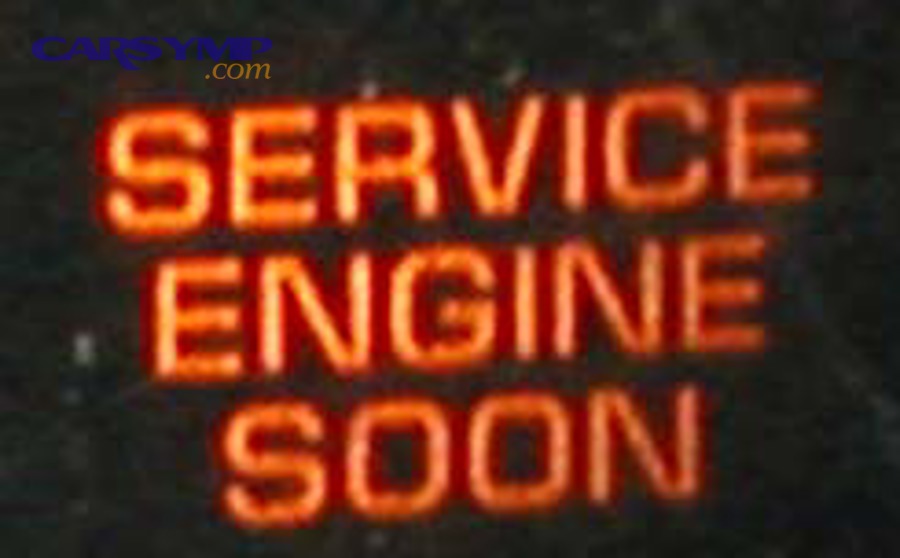
Emergency car repair qualifies as any vehicle problem that creates immediate safety risk or rapid damage risk, usually because it affects stopping, steering, stability, visibility, or temperature/fluids. Specifically, the safest rule is: if control or heat is compromised, treat it as an emergency.
What are the “emergency qualifiers” you can use in real life?
Think in five emergency qualifiers—if any are true, treat the situation as an emergency:
- Stopping is unreliable (brake pedal goes to the floor, braking is inconsistent, ABS/brake warning + bad pedal feel).
- Steering or control is compromised (steering suddenly heavy/loose, vehicle pulls hard, shaking that worsens with speed).
- A tire/wheel is unsafe to roll (blowout, sidewall bulge, wheel wobble, lug nuts missing/loose).
- Heat is rising fast (temperature gauge spikes, steam, coolant smell, warning light, power loss). (acg.aaa.com)
- Flammable/critical fluid is leaking (fuel smell, visible dripping, smoke, burning odor).
If you’re unsure, default to: slow down, hazard lights on, and get to the safest nearby place to stop. (ace.aaa.com)
What doesn’t usually qualify as an emergency?
These often feel urgent—but are frequently safe to schedule (with caution and context):
- Check-engine light with normal drivability (no shaking, no overheating, no flashing light).
- Minor oil seep (no puddle, oil level stable).
- A/C failure (unless it’s tied to overheating symptoms).
- A single sensor warning with no handling/braking change (still worth scanning soon).
The key is not the dashboard light itself—it’s whether the vehicle is still controllable and staying in its normal operating temperature and fluid range.
What are the most common emergency car repairs by system?
There are 6 main types of emergency car repairs based on which system creates immediate hazard: brakes, steering/suspension, tires/wheels, engine cooling/overheating, electrical stall/no-start in a dangerous place, and fuel/fluids/fire risk. More importantly, each type has unmistakable “stop-now” clues.
What brake problems are emergencies?
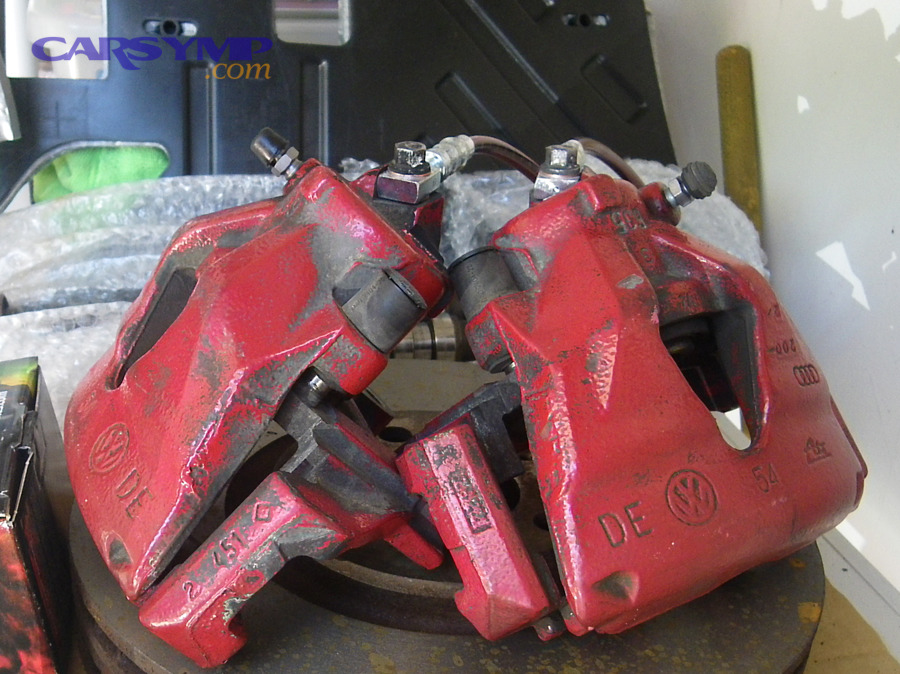
Brake issues are emergencies when stopping distance becomes unpredictable or the pedal feel changes suddenly. Use this phrase as your mental checklist: Brake failure warning signs and actions.
Brake failure warning signs
- Pedal goes to the floor or feels spongy suddenly
- Car pulls sharply under braking
- Grinding + reduced braking (possible pad-to-metal)
- Brake warning light + poor pedal feel
- Burning smell or smoke from a wheel
Actions to take
- Pump the pedal (sometimes restores temporary pressure)
- Downshift to use engine braking
- Use the parking brake gradually (never yank) if needed to slow
- Get off the road and call for help
What steering and suspension problems are emergencies?
Steering/suspension becomes an emergency when you can’t reliably keep the vehicle in lane.
Emergency cues:
- Steering wheel suddenly heavy, jerky, or has lots of play
- Loud clunk + the car “wanders”
- Violent shake that worsens with speed (possible wheel/tire/steering failure)
These issues can escalate fast because they affect control, not just comfort.
What tire and wheel problems are emergencies?
Tires and wheels are emergencies when the vehicle can’t safely roll at road speeds.
Emergency cues:
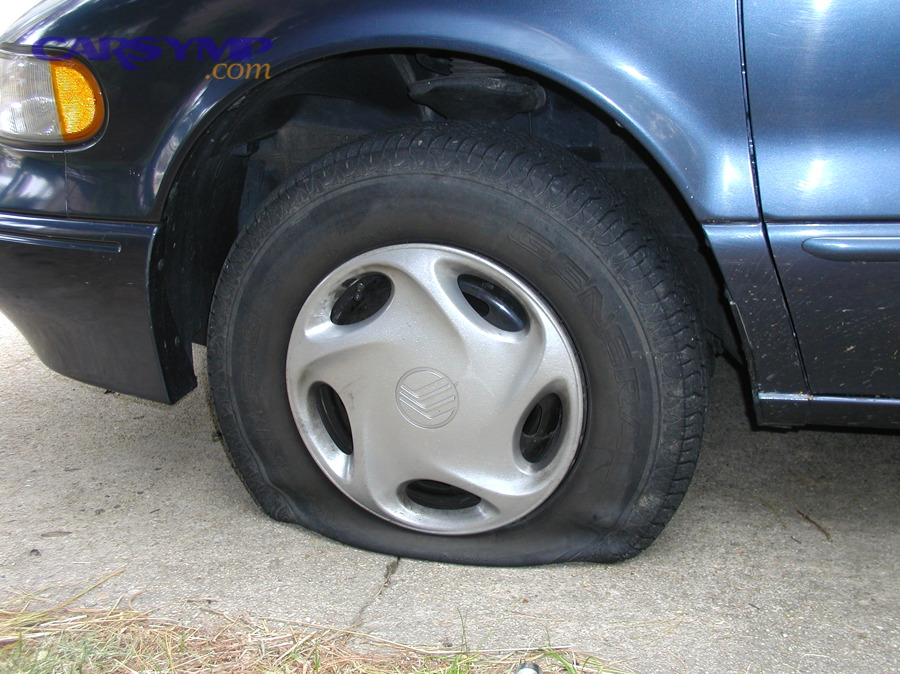
- Blowout, rapid pressure loss, or visible sidewall bubble
- Vibration plus the feeling that a wheel is “wobbling”
- Thumping that speeds up with the car
- Metallic scraping from a wheel area
What overheating and cooling-system problems are emergencies?
Overheating is an emergency because engine temperatures can spike quickly and cause major damage. AAA’s guidance emphasizes pulling over safely and reducing load on the engine. (acg.aaa.com)
Emergency cues:
- Temperature gauge climbing rapidly
- Steam from the hood area
- Coolant smell (sweet odor), warning light, or power loss
Keep the phrase Overheating emergency steps in your head:
- Turn off A/C, turn on heat if you must reduce engine load briefly
- Pull over safely ASAP
- Shut the engine off
- Let it cool fully before opening anything under pressure
- Call roadside help if the cause isn’t obvious and fixable safely
What electrical problems count as emergencies?
Electrical issues are emergencies when they cause stalling in traffic, total power loss, or loss of lights at night.
Emergency cues:
- Engine stalls repeatedly
- Headlights/fog lights flicker or die while driving
- Battery light + sudden power steering/brake assist changes (on some vehicles)
What fuel or fluid leaks are immediate emergencies?
Fuel leaks or burning smells can become fire hazards. If you smell fuel strongly, see dripping, or see smoke:
- Pull over safely
- Turn off the engine
- Get occupants away from the vehicle
- Call emergency services if fire risk is present
Evidence: According to a study by the University of Alabama Transportation Institute from its transportation safety research team, in 2024, crash data from Alabama (2016–2020) showed brake and tire defects made up about 65% of vehicle defects associated with crashes. (pmc.ncbi.nlm.nih.gov)
What should you do first when a problem happens on the road?
The safest first response is a 4-step method—stabilize, secure, assess, call—so you reduce risk to people before you worry about the repair. Then, you decide whether you need roadside help, towing, or a nearby shop. (ace.aaa.com)
How do you stabilize and secure the situation safely?
Start with what matters most: preventing a secondary crash.
- Signal early: hazards on, brake gently, move predictably.
- Choose the safest stop you can reach: right shoulder, parking lot, wide turnout, or the nearest exit. (ace.aaa.com)
- Position smart: as far from traffic as possible; wheels turned away from the road if on a shoulder.
- Stay visible: keep hazards on; use reflective triangles if you have them (place them with caution, away from traffic).
If you’re on a high-speed roadway, many safety organizations advise staying in the vehicle when it’s safer than standing near traffic, unless there’s a fire risk. (cluballiance.aaa.com)
How do you assess whether it’s “stop now” or “limp carefully”?
Once you’re safe, you’re doing a triage—not a diagnosis.
Ask four fast questions:
- Can I reliably steer and brake?
- Is the engine temperature normal?
- Is there smoke, fire smell, or fluid pouring out?
- Is the vehicle stable (no violent shaking, no wheel wobble)?
If you answer “no” or “not sure” to any, treat it like an emergency and plan for a tow.
What information should you give when you call for help?
Whether you call roadside assistance or an urgent mechanic, you’ll get better help faster if you provide:
- Vehicle: year/make/model + engine type if known
- Location: cross street, mile marker, landmark
- Symptoms: what changed and when (e.g., “pedal sank, brake light came on”)
- Safety status: “I’m on shoulder / in a lot / off the roadway”
- Any warning lights and whether the car is overheating
Clarity reduces misdiagnosis, delays, and “we need to see it first” price spirals.
When should you skip DIY and call immediately?
Skip DIY if:
- You’re in an unsafe location (blind curve, narrow shoulder)
- You suspect brake, steering, overheating, or fuel leak issues
- You lack the correct tools or visibility (night, bad weather)
In emergencies, the goal is risk reduction, not hero mechanics.
Can you drive the car to a shop or should you tow it?
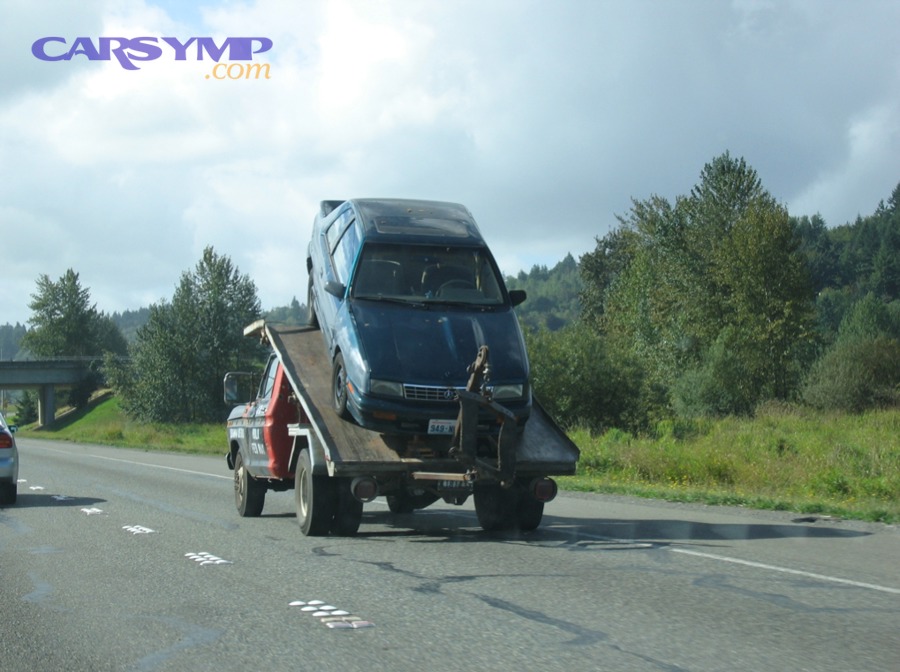
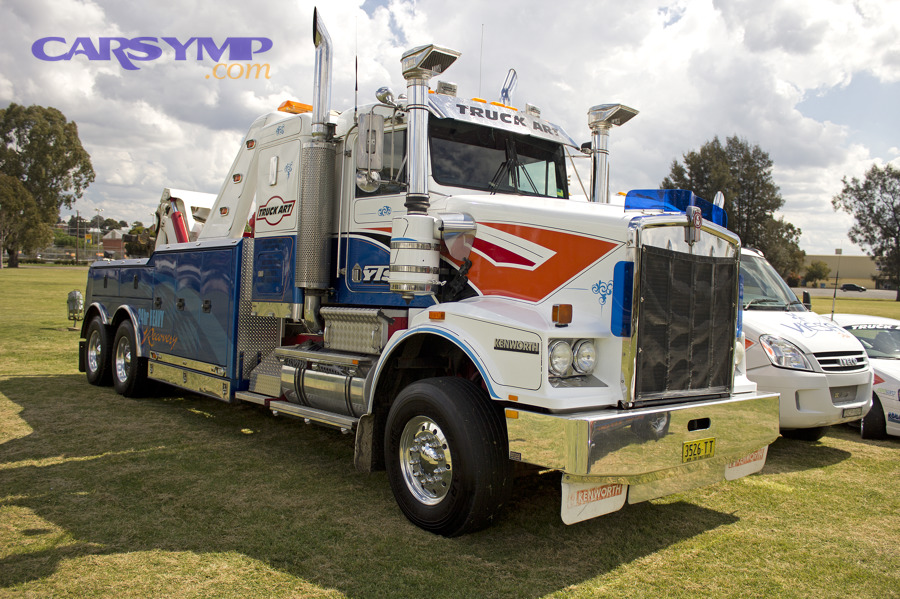
You should tow when the problem threatens control, stopping, stability, or overheating; you can drive carefully only when symptoms are mild, stable, and you can maintain safe control. However, the safest choice is usually the one that avoids turning a “repair” into an “accident.”
What are the red flags that mean “tow, don’t drive”?
Tow the vehicle if any of these are true:
- Brake pedal sinks, braking is inconsistent, or warning light + poor pedal feel
- Steering is unpredictable or the wheel is shaking violently
- Engine is overheating or temp warning is on (acg.aaa.com)
- You see steam/smoke from the engine bay
- You smell fuel strongly or see leaking fuel
- You have a blowout, sidewall bulge, or wheel wobble
A simple way to remember this: if the car can’t “stop-straight-stay-cool,” it shouldn’t roll.
When can you sometimes drive carefully to a nearby shop?
Driving may be reasonable when:
- The issue is non-flashing check-engine with normal driving feel
- A tire is slow leaking, you can inflate it, and you’re going very short distance at low speed
- A minor noise exists but control and temperature are normal (still cautious)
Even then, limit risk:
- Avoid highways
- Keep speeds low
- Leave extra distance
- Stop immediately if symptoms change
How far is “too far” to limp the car?
Distance isn’t the real metric—symptom stability is. “Too far” is any distance where:
- The symptom worsens
- You must brake hard
- You must merge into fast traffic
- Temperature rises above normal
Below is a quick decision table to help you choose tow vs. careful drive. It summarizes common symptoms and the safest default action.
| Symptom you notice | Likely risk | Safest default action |
|---|---|---|
| Temp gauge climbing / steam | Engine damage, fire risk | Stop + tow (acg.aaa.com) |
| Pedal to floor / brake warning + bad feel | Stopping failure | Stop + tow |
| Violent steering wheel shake | Wheel/tire/steering failure | Slow to stop + tow |
| Fuel smell / visible fuel leak | Fire risk | Stop, exit area, call help |
| Mild check-engine, drives normally | Low immediate hazard | Drive carefully to scan |
Evidence: According to a study by the University of Texas at Austin from its transportation research group, in 1969, design analysis for stopping sight distance used a 2.5-second perception-reaction time as a conservative basis for safety—highlighting how quickly distance disappears before braking even begins. (library.ctr.utexas.edu)
How do you find emergency car repair near me and avoid scams in emergency repairs?
To find “emergency car repair near me” safely, you need two filters at once: (1) can they respond fast, and (2) can they prove the work and pricing are legitimate. Then, you protect yourself with written authorization, itemized estimates, and payment discipline. (consumer.ftc.gov)
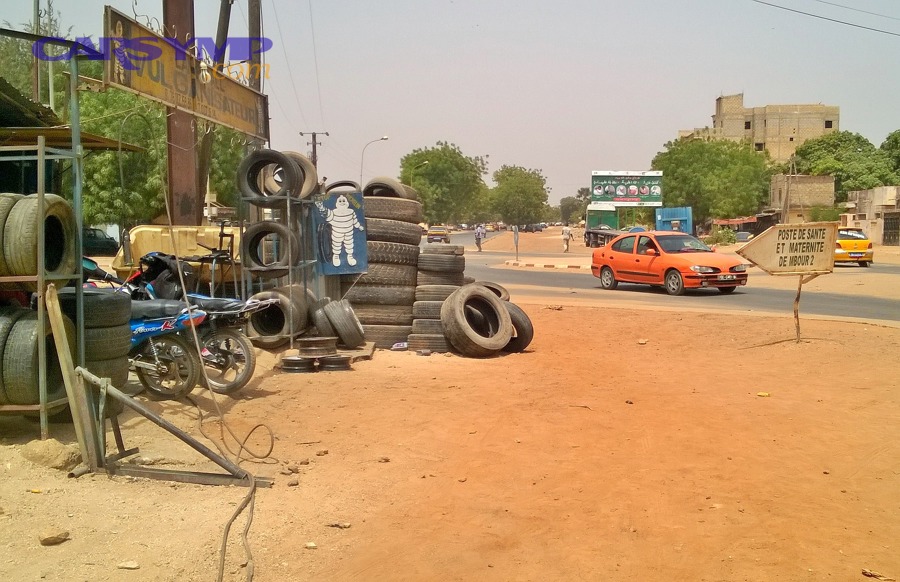
What is the safest way to choose an urgent mechanic under pressure?
An urgent mechanic is useful when you’re stuck but stable (for example, a flat tire, dead battery, or minor drivability issue off the roadway). Choose based on:
- Verified address and phone (not just a lead form)
- Clear pricing structure (service call fee + labor rate + parts)
- Ability to explain the fix before starting
- Willingness to provide an itemized estimate
If you can, use established networks (like roadside assistance programs or vetted shop networks). AAA also publishes breakdown safety and repair guidance that emphasizes staying safe first and making informed repair choices. (ace.aaa.com)
What are the most common scam patterns in emergency repairs?
Keep this phrase front and center: Avoiding scams in emergency repairs is mostly about preventing unauthorized work and pricing ambushes.
Common red flags:
- “We can’t tell you the price until after we do it” (without even a range)
- Pressure tactics (“If you don’t approve now, it’ll be worse”)
- Refusal to return old parts on request
- Vague line items (“shop supplies” with no explanation)
- Upselling unrelated work while you’re stranded
Consumer agencies explicitly recommend getting clear estimates, understanding your rights, and asking informed questions before authorizing repairs. (consumer.ftc.gov)
Separately, the Federal Trade Commission has warned consumers about auto-related scams (including service contract/extended warranty tactics) that often rely on urgency and pressure. (consumer.ftc.gov)
What should you say to a shop so you stay in control?
Use a simple script that forces clarity:
- “I authorize diagnosis up to $X. Call me before any repairs.”
- “Send the estimate in writing (text/email) with parts + labor separated.”
- “If you find additional issues, list them as optional vs. required.”
- “I want the old parts back (where applicable).”
If you’re building a content hub (or comparing guidance), you can also cross-reference a consumer-focused resource like carsymp.com for symptom-to-action clarity—just ensure any repair pricing claims are backed by real local estimates, not generic numbers.
Should you approve repairs on the roadside?
Only approve roadside work when:
- It’s clearly a limited, safety-restoring fix (battery jump, tire swap, temporary inflation)
- The vehicle is in a safe location
- You understand the total cost before work begins
If it’s anything involving brakes, steering, overheating causes, or major leaks, roadside fixes often become unreliable. In those cases, towing to a shop is usually the safer financial and safety decision.
How can you reduce the odds of emergency repairs with maintenance and a roadside kit?
You can reduce emergency repairs by combining preventive checks (fluids, tires, brakes, battery) with a simple roadside kit that helps you stabilize the situation safely until help arrives. More importantly, this prevents panic-driven decisions when something does go wrong. (newsroom.acg.aaa.com)
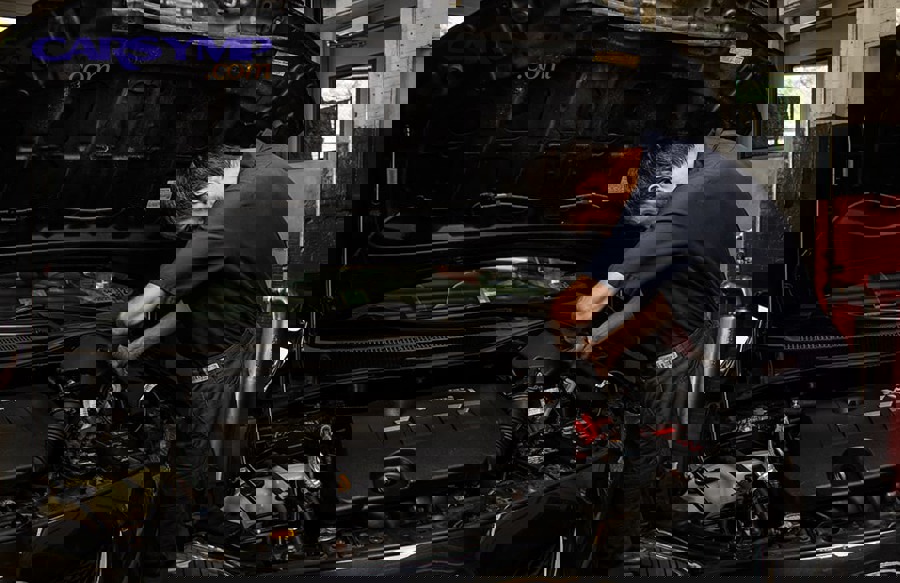
What are the highest-impact preventive checks?
Use a short weekly/monthly routine:
- Tires: pressure + visible tread/sidewall condition
- Brakes: listen for grinding/squeal; note pedal feel changes
- Cooling system: check coolant level when cool; watch for leaks (acg.aaa.com)
- Battery: corrosion at terminals; slow cranking signs
- Lights: visibility is safety (especially at night)
AAA notes that basic pre-trip inspections of tires, battery, brakes, and essentials can prevent breakdowns. (newsroom.acg.aaa.com)
What should be in a practical roadside emergency kit?
A minimal, high-utility kit includes:
- Reflective triangles or LED flares
- Flashlight/headlamp + spare batteries
- Tire inflator + sealant (where appropriate)
- Jumper cables or jump pack
- Basic gloves + rag
- Water and a phone charger
This kit doesn’t replace repairs; it buys you time and visibility, which often prevents secondary incidents.
When should you use roadside assistance vs. calling a local shop directly?
Use roadside assistance when you need towing, a jump, or a tire change and you’re prioritizing safety and predictable service.
Call a local shop when you’re safely parked and need same-day diagnosis—but still apply the anti-scam controls (written authorization + clear estimate).
Evidence (if any)
- According to a study by the University of Alabama Transportation Institute from its transportation safety research team, in 2024, Alabama crash data (2016–2020) showed brake and tire defects accounted for about 65% of vehicle defects associated with crashes. (pmc.ncbi.nlm.nih.gov)
- According to a study by the University of Texas at Austin from its transportation research group, in 1969, stopping-sight-distance safety analysis used a conservative 2.5-second perception-reaction time assumption to reflect real-world driving conditions. (library.ctr.utexas.edu)