


Caliper replacement labor time is the practical window you need to plan a safe brake repair, whether you’re doing one corner at home or booking a bay at a shop. In most cases, the clock is driven less by the bolt count and more by access, rust, and bleeding needs.
Beyond the basic time estimate, many people also want to know what “normal” looks like across front vs rear, how seized hardware changes the schedule, and when a quick job turns into an all-afternoon project. That’s where planning around variables matters.
There’s also a second layer: how to keep the process efficient without compromising safety—by staging tools, protecting threads, controlling fluid loss, and confirming the pedal before you move the vehicle. Those habits reduce redo time and prevent the most common setbacks.
To begin, we’ll map typical time ranges, then break down the exact steps that consume minutes, and finally show how to add buffer time for real-world surprises. After that, you’ll see a few deeper considerations that help you choose parts and validate the repair.
How long does caliper replacement labor time usually take?
Most single-corner caliper jobs land in a “short session” if hardware cooperates, but they become a “half-day” when bleeding, rust, or troubleshooting is added. Next, let’s translate that into realistic time blocks you can schedule.
Typical planning ranges (real-world, not promises):
- Easy access, low rust, same-style caliper swap: often feels like a quick job because the steps are linear and predictable.
- Moderate corrosion or tight packaging: time increases due to careful fastener handling, cleaning, and re-checking.
- Seized bolts, stuck hose fittings, or bleeding complications: time expands rapidly because you must slow down to avoid stripping threads or introducing air.
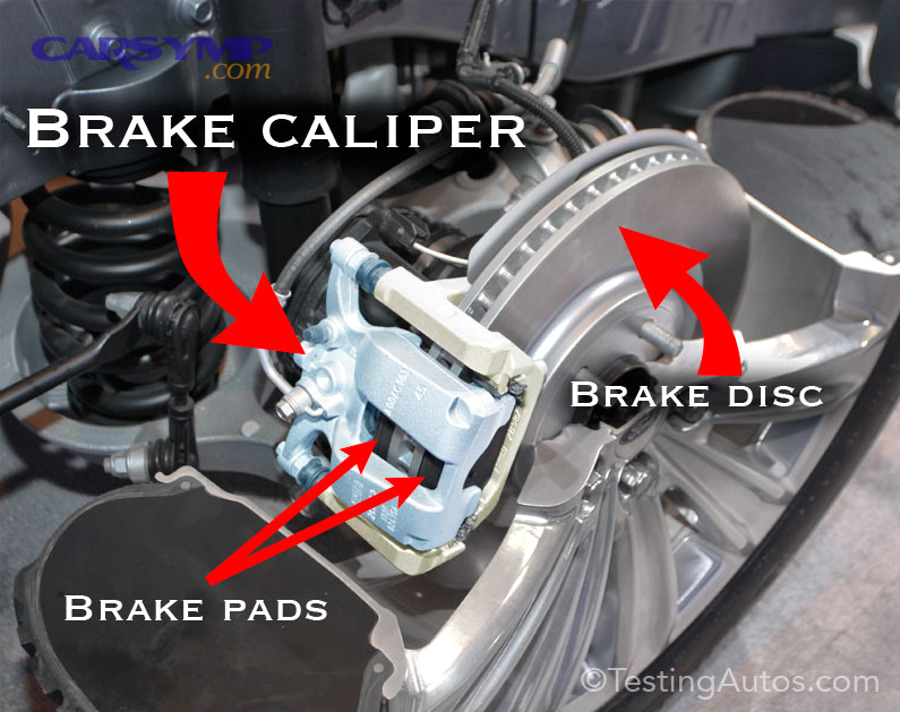
What “one corner” really includes: wheel off, inspection, caliper removal, hose management, pad/rotor condition check, install, torque verification, fluid control, bleed/prime as needed, and a cautious validation drive.
Why estimates vary so widely: caliper replacement labor time is not just “remove and replace.” It’s a chain of small tasks—cleaning mating surfaces, freeing slide pins, checking bracket alignment, and verifying pedal feel—that either go smoothly or compound into delays.
Planning tip: if you must drive the car the same day, schedule a buffer that covers a redo of any single step (like re-bleeding) plus a careful road test, because brakes are not a “rush and hope” system.
Which factors change caliper replacement labor time the most?
The biggest time drivers are corrosion, fastener condition, line-fittings, and the need to correct root causes like uneven pad wear. After that, tool readiness and workflow discipline decide whether the job stays on track.
Rust and fastener risk: the hidden multiplier
Rust adds time because you must work slowly to avoid rounding bolts, snapping bleeders, or stripping bracket threads. Next, you’ll want a “gentle escalation” plan so you don’t jump straight to damage.
- Extra minutes come from: wire-brushing, penetrating oil dwell time, heat cycles (where appropriate), and controlled torque application.
- Quality habit: clean bolt heads and seat the socket fully before applying force; this prevents the setbacks that cost the most time.
Hose and fitting condition: fast swap or long fight
If the flex line fitting is cooperative, time stays predictable; if it’s fused, you’ll spend most of your session preventing collateral damage. To begin this part safely, focus on holding flats correctly and minimizing twist load.
- Time increases when: fittings are rounded, flare nuts are stuck, or the hose must be replaced due to age or cracking.
- Safety note: any sign of hose damage or leakage means you must stop and address it before proceeding.
Slide system condition: friction, drag, and rework risk
When the caliper’s movement hardware is dirty or seized, you’ll either fix it now or pay later with repeat problems and extra labor. Next, connect this to pad wear patterns so you can prevent a comeback.
In practice, the time spent cleaning and restoring smooth movement is often the difference between a “swap” and a “proper repair.” This is also where many uneven pad wear causes and fixes become visible—like torn boots, dry contact points, or binding hardware.
Diagnostics before replacement: essential for preventing repeats
Quick replacement without confirming the cause can lead to repeat drag or pulling, which effectively doubles labor time. After that, you can decide whether the issue was heat, friction hardware, hydraulics, or driving conditions.
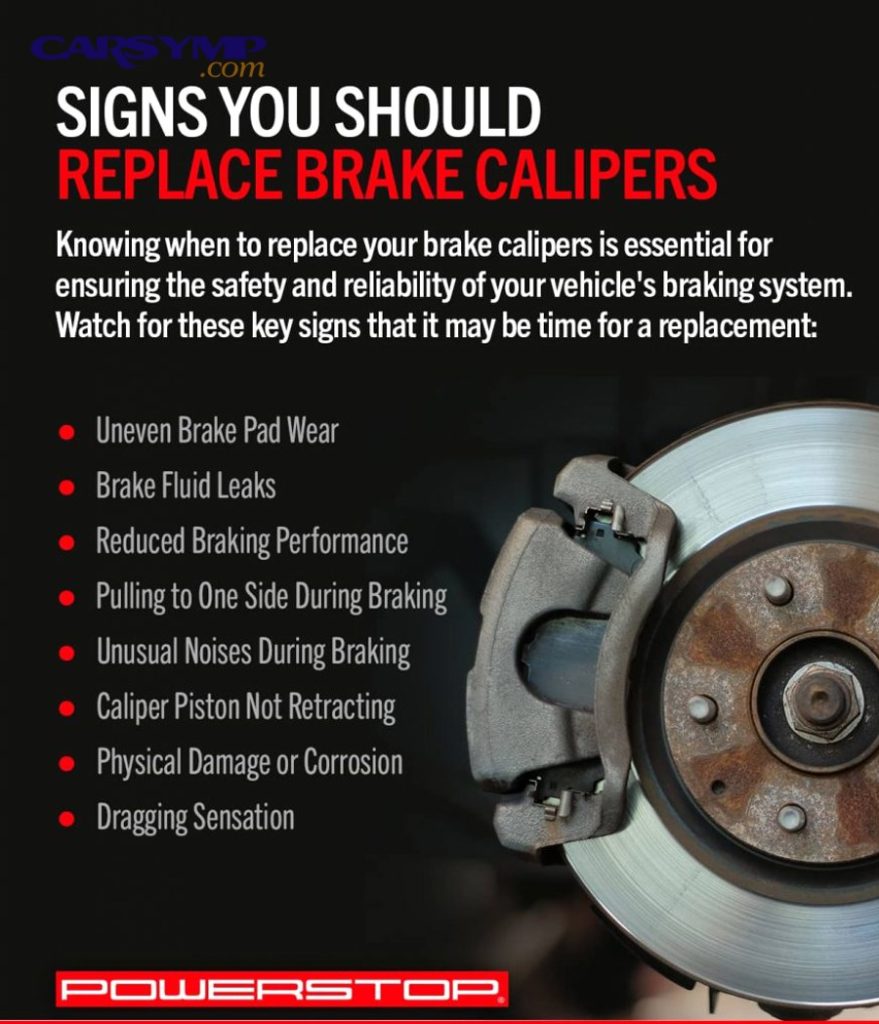
This is where recognizing Sticking caliper symptoms matters: heat on one wheel, a pull under braking, uneven pad wear, burning smell, or a wheel that’s hard to rotate after a drive. If those signs exist, confirm whether the problem is mechanical binding or hydraulic pressure that isn’t releasing.
Is caliper replacement labor time different for front vs rear brakes?
Yes—front jobs are often more straightforward, while rear jobs can add time due to parking brake systems, electronic motors, or tighter packaging. Next, we’ll break down the common rear-specific steps that extend the clock.
Rear parking brake designs that add steps
Rear assemblies may require parking brake adjustment, special retraction procedures, or component alignment. To begin safely, identify whether you have a separate drum-in-hat parking brake or an integrated caliper mechanism.
- Drum-in-hat systems: may need extra inspection and adjustment if drag exists.
- Integrated mechanical parking brake: may require careful lever/cable handling.
- Electronic parking brake (EPB): can add time because the motor must be serviced correctly to avoid faults.
Electronic parking brake considerations
EPB setups can add labor time because you may need a service mode, additional checks, and a controlled reassembly sequence. Next, treat this as a “procedure-first” step to avoid turning minutes into hours.
Even when the caliper physically bolts on, the validation steps—ensuring the EPB actuates and releases properly—are part of the real labor clock. If you skip them, you risk warning lights, drag, or incomplete parking brake holding force.
Access and packaging differences
Front calipers usually offer more access and visibility; rear corners may be tighter around suspension links or bodywork. After that, expect extra time for tool positioning and safe leverage.
When access is tight, the practical time cost isn’t just removal—it’s reinstallation without cross-threading, routing hoses correctly, and torquing fasteners accurately with limited swing.
What is the workflow that determines caliper replacement labor time?
The job time follows a predictable chain: preparation, removal, install, bleeding/priming, verification, and road test. Next, we’ll outline each phase so you can “see the minutes” and plan where delays appear.
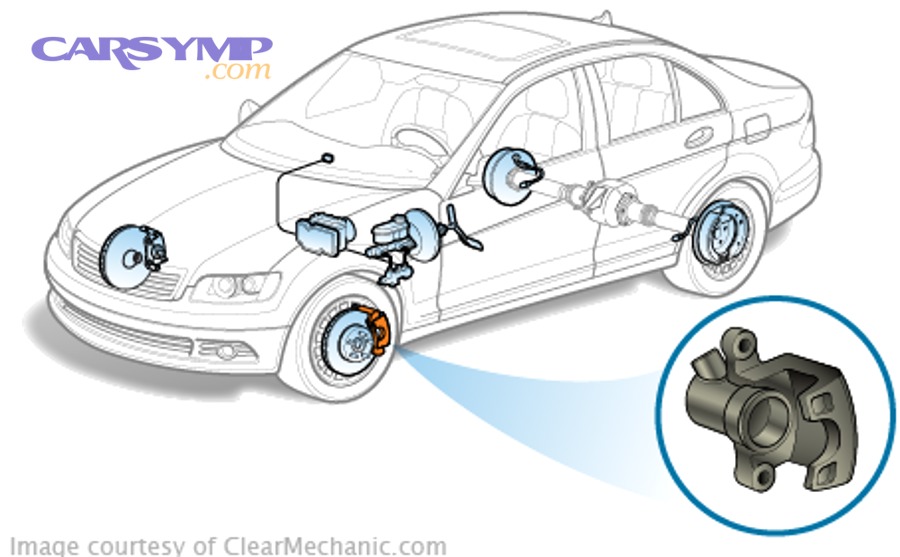
Phase-by-phase time drivers:
- Staging and inspection: gather tools, confirm parts match, check rotor/pad condition, and identify any leaks or damaged boots.
- Vehicle setup: safe lift, wheel removal, steering angle adjustment for access (front), and secure caliper support points.
- Removal: detach caliper, manage the hose, remove pads/hardware as needed, and protect threads and sealing surfaces.
- Prep work: clean bracket surfaces, check hardware fit, ensure the new unit moves freely, and confirm bleeder orientation.
- Installation: mount, torque, route hose correctly, re-check clearances, and confirm nothing binds through steering/suspension travel.
- Hydraulic steps: minimize air entry, then perform the appropriate bleed strategy and pedal verification.
- Validation: wheel rotation check, leak inspection, pedal firmness confirmation, and cautious road test with heat checks.
Workflow “móc xích” insight: each phase depends on the quality of the phase before it. If the removal step damages a fitting, installation becomes slower; if bleeding is rushed, validation fails; if validation fails, you re-enter earlier phases and time doubles.
In many repairs, the hydraulic phase is where people underestimate time. If you’re planning to do Brake bleeding after caliper replacement, budget additional minutes for careful fluid management, repeated pedal checks, and leak inspections at every junction.
How do you estimate caliper replacement labor time by scenario?
You can estimate time more accurately by grouping the job into scenarios based on corrosion, parts scope, and hydraulic complexity. Next, use the table to choose a planning block that matches your situation—not an optimistic best-case.
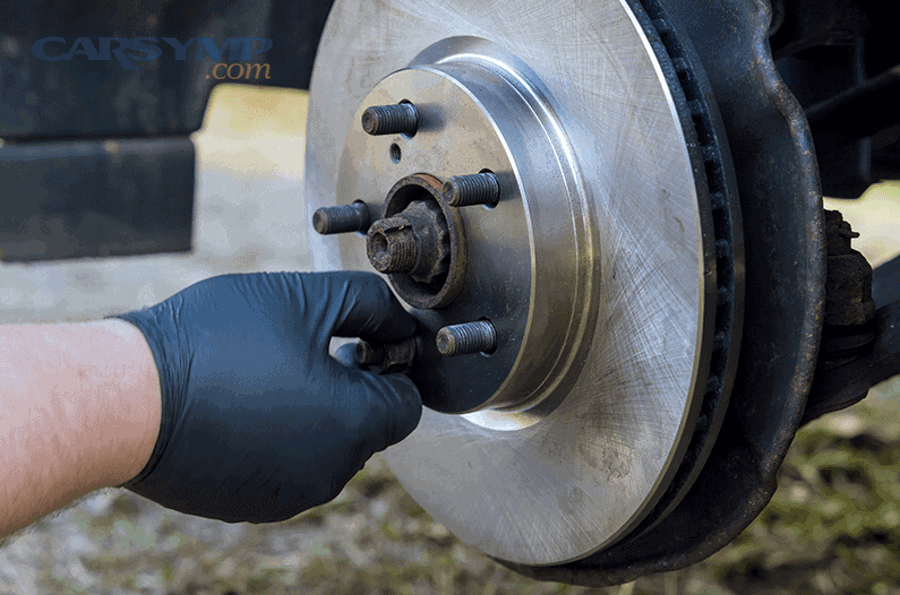
This table helps you map your vehicle condition to a realistic planning window and highlights what adds time so you can prepare tools and parts in advance.
| Scenario | What Usually Goes Smoothly | What Adds Time | How to Prepare |
|---|---|---|---|
| Clean hardware, direct swap | Bolts come out cleanly, parts match, minimal fluid loss | Bleeding, pad/hardware transfer, torque checks | Stage torque specs, clamp/support tools, fresh fluid |
| Moderate corrosion | Removal possible with care | Cleaning threads, freeing slide movement, stuck pins | Penetrant, wire brush, correct sockets, time buffer |
| Seized fasteners or fittings | Not much—expect resistance | Rounding risk, broken bleeder, damaged flare nut | Backup hardware, line tools, contingency plan |
| Rear with EPB / parking brake complexity | Mechanical install is still straightforward | Service mode, actuator checks, post-install validation | Procedure reference, scan/tool readiness if needed |
| Root-cause correction included | Long-term results improve | Extra inspection and correction time | Inspect wear patterns, clean contact points, verify free movement |
Key principle: the best estimate is the one that includes verification time. If you skip verification to “hit a time target,” you risk redo work that makes the total labor time far longer.
What steps most often cause delays during caliper replacement?
Delays usually come from stuck bleeders, seized slide pins, incompatible hardware transfers, and unexpected air in the system. Next, we’ll cover each delay point and the fastest safe way to prevent it from happening.
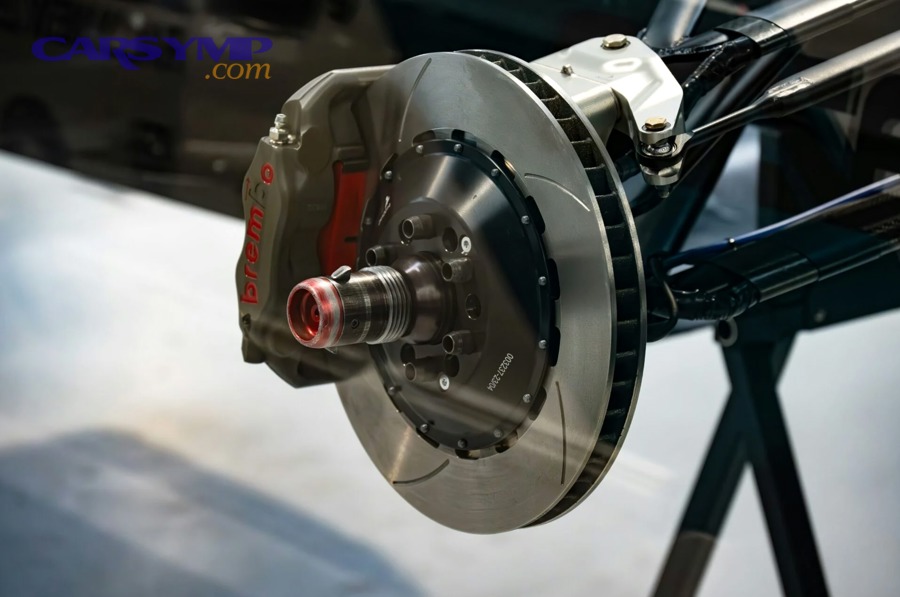
Bleeder screw issues
A bleeder that won’t open turns a simple bleed into a major time event. After that, the safest path is prevention: confirm the bleeder moves before you commit to the job’s timeline.
- Time-saving habit: test bleeder movement early with the correct tool, then re-seat it gently.
- Quality habit: ensure the bleeder is positioned at the top on installation; incorrect orientation traps air and forces repeat bleeding.
Slide pins and boots
When pins bind, you spend time restoring smooth motion and preventing repeat drag. Next, treat this as required workmanship, not optional “extra,” because it protects the new component’s performance.
Although many people focus on the caliper body, the sliding mechanism and boot condition often determine whether the repair stays quiet, even, and cool. If you skip this, heat builds, pads wear unevenly, and the job may return as a complaint.
Pad, hardware, and bracket transfer surprises
Some replacements require transferring brackets or fitting new hardware that doesn’t seat perfectly at first. To begin, dry-fit and confirm pad travel before final torque so you don’t waste time undoing work.
This is also where you should look for wear patterns that explain the original issue. If one pad is tapered or glazed, you’re seeing clues that impact how much time you should spend on correction.
Air control and fluid handling
Air entry is the silent time thief because it forces repeated cycles of bleeding and pedal checks. Next, minimize air by controlling fluid loss, keeping the reservoir managed, and using a consistent bleeding method.
If you’re already planning a broader brake service, treat fluid handling as a dedicated phase with a clean setup, because contaminating pads or paint adds cleanup time and risk.
How can you reduce caliper replacement labor time without cutting corners?
You reduce time by preparing parts and tools, preventing stuck-fastener problems, and following a repeatable sequence that avoids redo work. Next, we’ll focus on the highest-leverage habits that keep the job safe and efficient.
Stage everything before lifting the car
Staging saves time because you avoid mid-job interruptions that increase mistakes. After that, your workflow becomes continuous: remove, prepare, install, verify—without “tool hunting” breaks.
- Stage: correct sockets, line wrench, torque tool, hanger/support, fluid, clean rags, and a catch bottle.
- Confirm: the new unit’s bleeder position, hose port type, and mounting points match the old unit.
Use a “clean and check” loop at each step
A clean-and-check loop prevents delays because you catch fitment and movement issues before reassembly. Next, you’ll avoid the classic time loss of discovering binding only after the wheel is back on.
Examples include cleaning bracket ledges, confirming pad ears move freely, and verifying the caliper slides smoothly through its range. These checks take minutes but prevent hours of rework.
Protect threads and sealing surfaces
Thread damage instantly escalates labor time because repairs become unpredictable. After that, always start bolts by hand, align components before torque, and keep sealing faces clean and undamaged.
If you feel resistance when starting a bolt, stop and realign. Forcing it saves seconds but risks a stripped thread that can end the job for the day.
Plan your bleed strategy before you open the system
Bleeding is faster when you choose a method and stick to it consistently. Next, keep the reservoir managed and verify pedal feel in stages to prevent chasing the same air pocket repeatedly.
In some cases, you may combine the replacement with brake caliper replacement steps that include bench-priming concepts or careful piston positioning to reduce trapped air. The point is not the specific technique—it’s consistency and verification.
When should you add extra time beyond the basic estimate?
Add buffer time when you see corrosion, leakage, uneven wear, suspected hydraulic restriction, or any sign the job includes more than a straightforward swap. Next, we’ll list the “red flags” that justify expanding the schedule.
Evidence of heat, drag, or repeated pulling
Heat and drag clues suggest the repair may need diagnosis and correction beyond parts replacement. After that, you can decide whether friction hardware, caliper movement, or hydraulic pressure is the real cause.
If the wheel is notably hotter than the others, or the car pulls after braking, you may need to inspect the hose, the caliper’s movement surfaces, and the pedal release behavior—because replacing one component may not resolve the system-level issue.
Brake line fitting risk or hose age
Old hoses and delicate fittings add time because you must avoid twisting or rounding them. Next, plan for the possibility that a hose replacement becomes part of the job to keep the system safe and leak-free.
This is one of the most common “scope expansions” that increases labor time, but it’s also one of the most safety-critical.
Rotor, pad, or hardware condition that demands correction
If pads are worn unevenly or hardware is damaged, correcting the cause adds time but improves outcome. Next, link your plan to wear patterns so you don’t install new parts into the same problem.
This is where uneven pad wear causes and fixes become part of the real labor estimate. Cleaning and restoring proper pad movement is often necessary for consistent braking and noise control.
Post-install validation and cautious road test
Validation time is non-negotiable because it confirms stopping performance and leak-free operation. After that, you can decide whether the repair is complete or needs a controlled re-bleed or adjustment.
Budget time for a gentle drive, repeated pedal checks, and a heat comparison side-to-side. If you rush this phase, you risk discovering issues only after the brakes are hot, which forces rework.
FAQ about caliper replacement labor time
These questions come up because people want a reliable schedule, not just a rough guess. Next, use these answers to sanity-check your plan and decide when to add buffer time.
Can I drive immediately after finishing the job?
Yes, but only after the pedal is firm, there are no leaks, and the brakes respond predictably at low speed. Next, do a cautious validation drive and re-check for seepage and abnormal heat before normal driving.
Do I always need to bleed the brakes?
Not always, but any time the hydraulic system is opened or air may have entered, bleeding becomes necessary. After that, confirm pedal feel and braking response before treating the job as complete.
Why did my “simple” job take twice as long?
Most overruns come from stuck fittings, binding hardware, repeated bleeding, or discovering related wear issues mid-job. Next, treat delays as signals: something needed correction, and correcting it prevents unsafe braking or repeat repairs.
Should I replace both sides at the same time?
Often yes, because matched braking behavior reduces pull and keeps wear more consistent. After that, your total labor time may be longer in one session, but it can be shorter than returning later for the other side.
Contextual Border
Extra context that affects results after the repair
Beyond labor time, results depend on parts choice, friction-surface preparation, and post-service checks that prevent noise, pull, and premature wear. Next, use these points to make sure your time investment produces a stable, repeatable outcome.
Should you choose a remanufactured or brand-new unit?
Either can work well if quality control is strong, but your outcome depends on consistent piston movement, clean sealing surfaces, and correct hardware fit. Next, choose based on reliability, warranty, and your tolerance for inspection time.
In practical terms, rebuilt vs new caliper pros/cons often show up as differences in finishing, included hardware, and the likelihood you’ll spend extra minutes checking movement and boot condition before installation.
How friction hardware care impacts long-term time savings
Spending a few minutes restoring smooth movement can prevent hours of future rework due to uneven wear or overheating. After that, check every contact point that guides pad travel and caliper movement.
This is where slide pin service and lubrication becomes a high-leverage step: a properly moving assembly reduces drag, noise, and premature pad wear, and it helps the repair “stay fixed.”
What to do after installation to stabilize performance
Post-install checks reduce risk by confirming the system behaves consistently under light and moderate braking. Next, verify pedal feel, check for leaks, and confirm the wheel spins freely without abnormal resistance.
Also plan a controlled bedding routine; the Break-in procedure after brake work helps pads and rotors mate smoothly, which improves feel and reduces the chance of vibration or uneven transfer layers.
How to recognize if the original problem is still present
If heat, pull, or uneven wear returns quickly, the root cause may be elsewhere in the system. After that, revisit the clues associated with sticking caliper symptoms and confirm whether the issue is mechanical binding or hydraulic pressure not releasing.
If you suspect pressure is staying applied, consider a structured comparison approach—checking how the wheel behaves after a drive and whether release changes when pressure is relieved. That method prevents random parts swapping and keeps future labor time under control.