


Warped rotors vs ABS activation diagnosis is mostly about pattern: when the pulsation happens, how regular it feels, and what else the car is doing at the same moment.
To narrow it down fast, you’ll compare the “repeat rate” of the pulse, the conditions that trigger it, and whether the vehicle behaves like it’s on low traction (ABS) or like it’s being pushed back by a rotating thickness/runout problem (rotor-related).
You’ll also learn a simple, low-risk road test and a basic inspection flow so you can decide whether this is a normal ABS event, a brake hardware issue, or something that only mimics both.
To start, the key mindset is this: a pulsing pedal is a symptom, not a verdict—the goal is to identify the source of the pulse before you buy parts. After that, you can choose the right next step with confidence.
Warped rotors vs ABS activation diagnosis: is pedal pulsation always “warped rotors”?
No—pedal pulsation can be caused by ABS control cycling, disc thickness variation (often called “warped” in casual speech), or intermittent friction/pressure changes, so you must match the sensation to the conditions that produce it. Next, you’ll use timing and repeatability as your quickest discriminator.
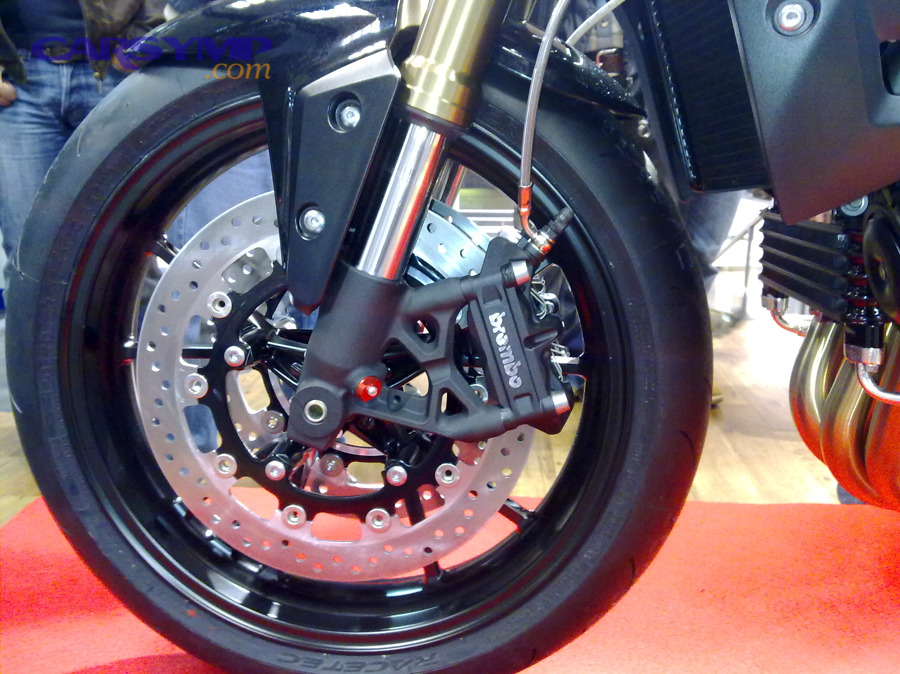
Many drivers associate pedal vibration with ABS behavior, but real-world understanding is mixed; approximately one-third of respondents in an NHTSA ABS survey report felt pedal vibration was normal with ABS activation and did not indicate a brake problem.
Here’s the practical translation: if the pulse appears only in panic/low-traction conditions, ABS is likely; if the pulse appears in gentle-to-moderate stops and scales with vehicle speed, rotor-related causes rise to the top.
Before you go deeper, lock in one rule: “warped rotor” complaints are often really thickness variation and pad material transfer, not a visibly bent disc. That’s why a structured diagnosis beats guessing.
How does ABS pedal feedback feel different from rotor-related pulsation?
ABS feedback is typically rapid, machine-like pulsing during hard braking or low traction, while rotor-related pulsation feels more “once-per-wheel-rotation” and is strongly tied to vehicle speed and brake pressure. After that, you’ll map each feel to real-world triggers.
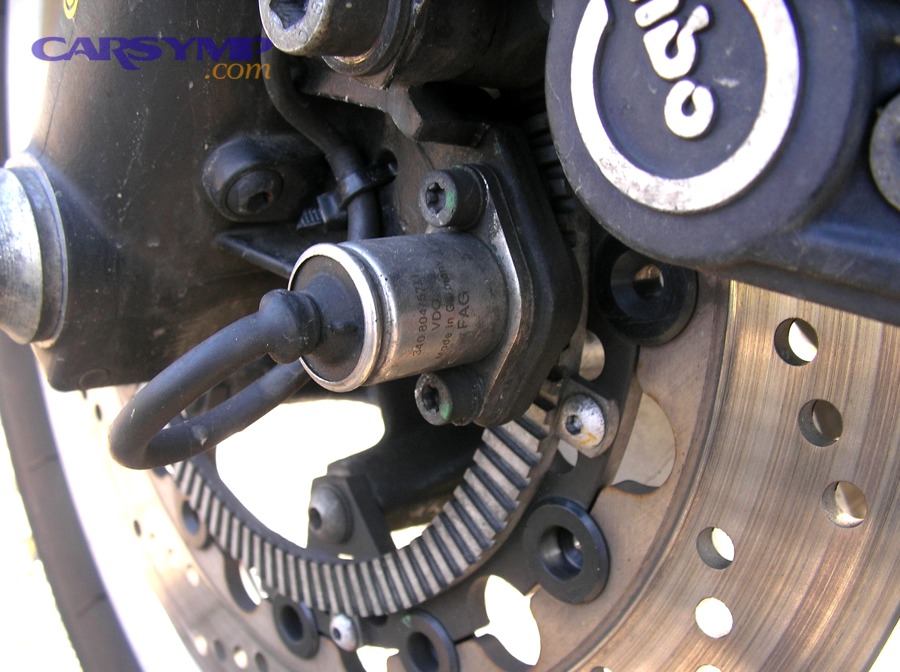
ABS is designed to modulate brake pressure in fast cycles, so drivers should expect a pulsing sensation when ABS is operating; research and public safety materials consistently describe pedal pulsation as part of normal ABS function under the right conditions.
Rotor-related pulsation (cold judder) behaves differently because the braking torque varies as the disc rotates—meaning the force you feel is synchronized to rotation, not to electronic cycling. A PHM Society technical paper (published Sep 2019) describes rotor thickness variation as producing brake torque variation and uses health indicators that distinguish degraded rotors, including cases at 36 micrometers of thickness variation or more.
In everyday terms, brake pedal vibration that is fast and “buzz-like” during a slippery stop points to ABS, while a slower, speed-linked thump points to rotating geometry or friction variation at the brakes.
To keep the flow tight, the next section turns those feel differences into quick, repeatable checks you can do on a safe road without tools.
What quick road-test pattern separates ABS activation from rotor issues?
A simple test works: ABS pulses appear mainly during hard stops or low traction, while rotor-related pulses show up as regular, repeatable beats during gentle braking and change frequency with speed. Next, you’ll run two controlled stops and compare results.
Test A (gentle stop): On a smooth, empty road, coast at ~10–15 mph and apply the brakes lightly until you feel pulsation. If the pulsations are “metronome regular” and synchronized to wheel rotation, that pattern strongly suggests a rotor-related cause rather than ABS logic.
Test B (higher-demand stop): In a safe environment, brake more firmly (not an emergency stop unless conditions are controlled). If the pulsing only appears when braking very hard, or when wheels approach slip (wet gravel, ice, uneven traction), ABS becomes the more likely explanation.
Now interpret the patterns:
- Regular, speed-linked beats = rotating variation (disc thickness variation, runout, pad deposits, hub issues).
- Rapid chatter with “push-back” during hard braking = ABS pressure modulation.
- Low-speed shudder only may hint at sensor signal problems or uneven friction at very low wheel speeds.
To connect the dots, the next step is identifying the mechanical mechanism that creates those regular beats—and why it can feel exactly like ABS to some drivers.
What mechanical mechanism creates rotor pulsation if rotors “aren’t truly warped”?
The most common mechanism is disc thickness variation or lateral runout that produces brake torque variation, which you feel as pulsation through the pedal and sometimes the steering wheel. Next, you’ll see why heat, hub cleanliness, and pad transfer matter as much as the rotor itself.

When thickness varies around the rotor, the pads squeeze harder at “thicker” spots and relax at “thinner” spots as the disc turns. That on-off torque change is what many people describe as Vibration when braking causes, even if the rotor doesn’t look bent.
Studies and engineering literature repeatedly tie judder to thickness/runout-driven torque variation; for example, PHM Society work (Sep 2019) explicitly links rotor thickness variation to judder and pulsation and defines measurable degradation levels.
Common real-world pathways that create or amplify the issue:
- Pad material transfer after overheated stops (creates localized friction variation that behaves like thickness variation).
- Hub rust or debris behind the rotor hat (creates runout at installation).
- Uneven lug torque (distorts the rotor hat and increases runout).
- Worn suspension/bearings (lets the rotor and hub move under load, magnifying pulses).
For a practical bridge into action, the next section turns “mechanism” into measurements—how you confirm it at home or what a shop is measuring when they quote runout/DTV.
How can you confirm rotor runout or thickness variation with basic tools?
You can confirm it by measuring rotor lateral runout with a dial indicator and by checking for thickness variation across multiple points; the key is consistency and following the correct surface prep. Next, you’ll follow a minimal-tool checklist that avoids false positives.
Step 1: Rule out “installation runout.” Remove the wheel and inspect the hub face. If there’s rust scale or debris, the rotor can mount slightly crooked, creating runout that feels like a bad rotor.
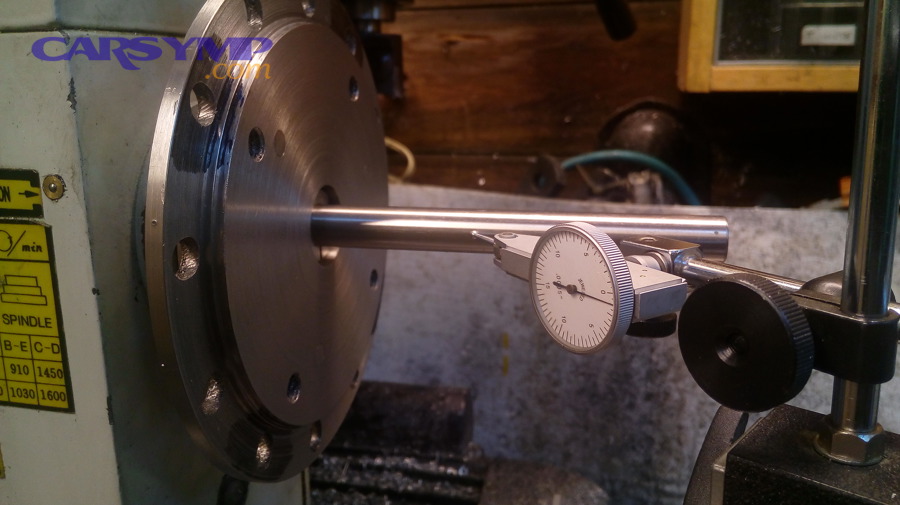
Step 2: Measure lateral runout. With the rotor installed and secured (use a couple of lug nuts with washers), place a dial indicator near the outer braking surface and rotate the rotor slowly. Excess runout suggests a hub/rotor mounting problem or a rotor that can’t run true.
Step 3: Check thickness variation. Using a micrometer, measure rotor thickness at multiple equally spaced points around the disc. Variation around the circumference is what drives torque variation during braking.
Step 4: Interpret the result correctly. A “slightly off” number is less important than whether the variation aligns with your on-road symptom. If your pulse is perfectly regular, even small variation can be noticeable in some vehicles.
According to an iFixit diagnostic guide (Jun 2024), regular pulsations synchronous with wheel rotation are highly indicative of a rotor issue and runout is commonly measured with a dial gauge.
To keep the diagnosis complete, the next section covers the ABS side: how a sensor or tone ring can create ABS-like pulsing even during gentle stops.
When can ABS “false activate” and mimic rotor pulsation in normal braking?
ABS can false activate when wheel-speed sensor signals are degraded or inconsistent—dirty metallic debris, damaged wiring, tone ring corrosion, or excessive wheel bearing play can trick the system into thinking a wheel is locking. Next, you’ll match sensor-related clues to what you feel underfoot.
False activation often shows up as pulsing at low speeds (for example, the last few feet before stopping) on dry pavement, sometimes accompanied by an ABS warning light or stored ABS codes. In that scenario, the “pulse” is the hydraulic unit reacting to a bad signal, not rotor geometry.
Driver-behavior research for NHTSA’s ABS program (Aug 2000) used ABS hardware and simulator testing to study how ABS affects control, underscoring that ABS behavior and driver feel are part of system performance—meaning abnormal feel outside expected activation conditions deserves sensor/data checks.
Practical checks that connect to your symptom:
- Low-speed pulse only (especially under 10 mph) = suspect sensor signal issues first.
- Pulse with light pedal on dry road = check for debris at sensors, tone ring damage, wiring faults.
- Pulse with ABS light = scan for codes; don’t assume rotors.
And here’s the hook: if your road test showed perfectly regular pulses at 10–15 mph with gentle braking, that leans rotor-related; if it’s irregular and tied to very low speed, ABS sensing becomes more likely.
What other problems can create pulsation even if rotors and ABS are “fine”?
Several issues can mimic both: uneven pad deposits, sticking caliper slides, loose wheel bearings, tire/wheel imbalance, and suspension compliance can all create vibration under braking. Next, you’ll use symptom location and consistency to sort these quickly.

If you’re chasing Vibration when braking causes and the rotor checks don’t match the symptom, look for these high-probability mimics:
- Pad deposit “hot spots”: the rotor is dimensionally okay, but friction varies around the disc; this can feel identical to thickness variation.
- Sticky caliper hardware: one pad drags, overheats, and transfers unevenly; the pulse may be intermittent, worse after highway exits, and fade when cool.
- Wheel bearing play: changes sensor air gap (ABS issues) and allows rotor wobble (judder) at the same time.
- Tire issues: a separated belt or severe imbalance can become noticeable only under weight transfer during braking.
A technical bulletin from Audi of America (Oct 2015) discusses brake judder and emphasizes that causes can include disc thickness variation and surface conditions, with diagnostic guidance aimed at separating rotor condition from other contributors.
To move from “possible” to “probable,” the next section focuses on risk: when pulsation is merely annoying versus when it is a safety-critical brake control issue.
When is pedal pulsation a safety problem that needs immediate action?
It’s urgent when pulsation comes with longer stopping distances, pulling, ABS/Brake warning lights, burning smell/smoke, grinding noise, or a suddenly sinking or hard pedal—these combinations suggest loss of braking performance or control. Next, you’ll apply a short, safety-first triage before further testing.
Use this Safety check if pedal pulsates mindset: the sensation matters less than whether the car still stops straight, predictably, and within normal distance.
- Stop driving and inspect if you have any warning lights (ABS, BRAKE), fluid leaks, smoke, or grinding.
- Reduce speed and increase following distance if the pulsation is mild but consistent, and schedule diagnosis promptly.
- Do not disable ABS as a “test”; diagnose the cause instead.
As a research-backed perspective on why driver interpretation can be risky, NHTSA’s ABS survey work (Nov 2001) shows that many people normalize pedal vibration during ABS events—helpful when it is ABS, but potentially dangerous if it’s a hardware fault being dismissed.
Now that you’ve separated “unsafe now” from “diagnose soon,” the next section converts your findings into repair decisions—without wasting money on the wrong parts.
How do you choose the right repair once you know the cause?
You choose the repair by matching the root cause to the minimum effective fix: ABS-related issues need sensor/wiring correction, while rotor-related issues need surface/runout/thickness correction and proper hardware installation. Next, you’ll map each diagnosis to an action plan.
If your tests point to rotor-related pulsation, your options fall under Fix options: resurface vs replace rotors, but the “right” answer depends on rotor thickness, heat damage, and how likely the problem is to return.
- Resurface when the rotor is above minimum thickness after machining, has no cracks/blue spots, and the issue is primarily surface variation or minor runout that can be corrected.
- Replace when the rotor is near minimum thickness, shows heat checking/cracking, has severe scoring, or when comebacks are likely due to material or design limits.
- Always address the cause: clean the hub face, torque lugs evenly, service caliper slides, and bed pads properly to prevent repeat deposits.
If the issue is ABS false activation, the fix is usually cheaper and more targeted: clean wheel-speed sensors, repair wiring/connectors, replace a damaged tone ring, and verify wheel bearing play. The iFixit guide (Jun 2024) highlights sensor contamination as a common contributor and describes cleaning as a straightforward home step in many cases.
To help you decide faster, the table below summarizes “what you feel” → “what it usually means” → “what to check first.”
This table summarizes symptom patterns, the most likely cause, and the first diagnostic check to confirm it.
| Pattern you feel | Most likely cause | Best first check |
|---|---|---|
| Rapid pulsing only during hard braking / low traction | Normal ABS activation | Repeat on dry smooth surface; watch for ABS light and conditions that trigger it |
| Perfectly regular pulses that scale with speed | Rotor thickness/runout or friction variation | Gentle 10–15 mph coast test; measure runout and thickness variation |
| Pulsing mainly at very low speed on dry pavement | ABS false activation (sensor/tone ring/bearing play) | Scan ABS codes; inspect sensors, tone rings, wiring, bearing play |
| Pulsation plus pulling, grinding, or heat smell | Hardware fault (caliper, pads, rotor damage) | Stop and inspect; check caliper slides, pad condition, rotor surface |
To reinforce technique visually, here’s a practical video that walks through common pulsation causes and inspection logic:
Contextual Border
Beyond the core diagnosis, the next section covers edge cases and pro-level details that reduce misdiagnosis and prevent repeat comebacks—especially when the symptom sits on the boundary between rotor physics and ABS sensing.
Advanced edge cases that blur the line between rotor judder and ABS intervention
These cases matter when your symptom is inconsistent: heat-dependent judder, hub-induced runout, and sensor-air-gap instability can create overlapping signals that feel like both ABS and rotor issues. Next, you’ll learn the “tie-breakers” technicians use.

How do heat-dependent symptoms change your diagnosis?
If the pulsation appears only after repeated stops or highway exits, suspect pad deposits, caliper drag, or thermal hot spots before assuming a permanently deformed rotor. Next, confirm by comparing “cold first stop” vs “hot after driving” behavior and inspecting for uneven coloring or glazing.
Why hub cleanliness and torque pattern can “create” a rotor problem overnight
Even a good rotor can show runout if rust or debris sits between the hub and rotor hat, or if lug torque is uneven; that installation error can produce immediate pulsation. Next, correct it by cleaning mating surfaces and using a torque wrench in a star pattern, then re-test before buying parts.
How wheel bearing play can trigger both ABS issues and judder
Loose bearings can let the rotor wobble under brake load (judder) and also alter wheel-speed sensor air gap (false ABS), creating mixed symptoms. Next, check for play at the wheel, listen for bearing noise, and treat bearing correction as a prerequisite to final brake conclusions.
What measurement thresholds should you take seriously?
Some engineering work ties measurable thickness variation to judder; for example, PHM Society research (Sep 2019) references detection and prediction of rotor thickness variation at 36 micrometers or more in a degraded condition. Next, use thresholds as a guide—but always prioritize what your car actually does on the road.
FAQ
Can ABS activation happen without the ABS light turning on?
Yes—ABS can activate normally without any warning light, because the light typically indicates a fault, not routine operation; the deciding factor is whether the activation matches hard-braking/low-traction conditions and feels like rapid cycling.
If the pulsation is only in the steering wheel, is it still the rotors?
Often yes for front brakes, but steering wheel shake can also come from tire/wheel issues, loose suspension components, or hub/bearing problems; confirm with a gentle stop test and by checking for runout and front-end play.
Is it safe to keep driving with mild pulsation?
It depends: if braking remains straight and consistent with no warning lights, no grinding, and no overheating signs, it’s usually not an immediate emergency—but you should diagnose soon because brake performance can degrade as the underlying cause worsens.
What’s the biggest mistake people make when diagnosing this?
The biggest mistake is buying rotors first without confirming whether the pattern matches rotation-related variation or ABS cycling; a short controlled road test plus a quick inspection often prevents unnecessary parts replacement.