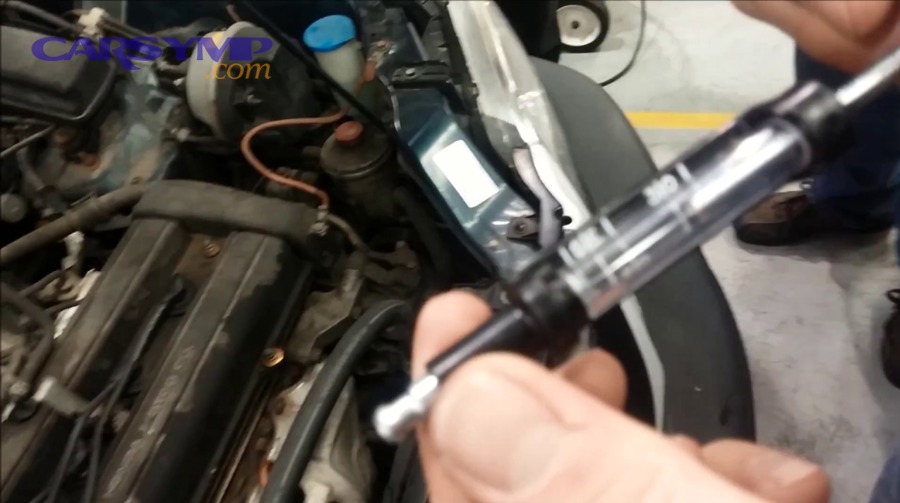
A spark test and ignition checks let you confirm—quickly and safely—whether your engine has the ignition “fire” it needs, and they also tell you what to test next when the spark is weak or missing. When you follow a simple order (spark → power/ground → command/trigger → components), you can turn a confusing crank-no-start into a clear diagnosis.
Next, you’ll learn which tools make an ignition spark check accurate (and why “old-school tricks” often mislead you), including when an inline spark tester is enough and when an adjustable-gap tester gives a better answer.
Then, you’ll walk through a step-by-step spark test on a modern car and how to read the result—strong spark, weak spark, or no spark—so you don’t replace parts blindly.
Introduce a new idea: once you confirm “no spark,” you can narrow the fault fast by checking coil power/ground, ignition control signals, and whether the ignition coil or ignition module (ICM/driver) is actually the failed part.
What does a “no-spark” problem mean, and when should you suspect it?
A no-spark problem is an ignition failure where the spark plug does not fire (or fires too weakly) because the ignition system can’t deliver sufficient voltage at the right time. Next, once you define the exact “spark symptom,” you can choose the right spark test and avoid mixing it up with fuel or starter issues.
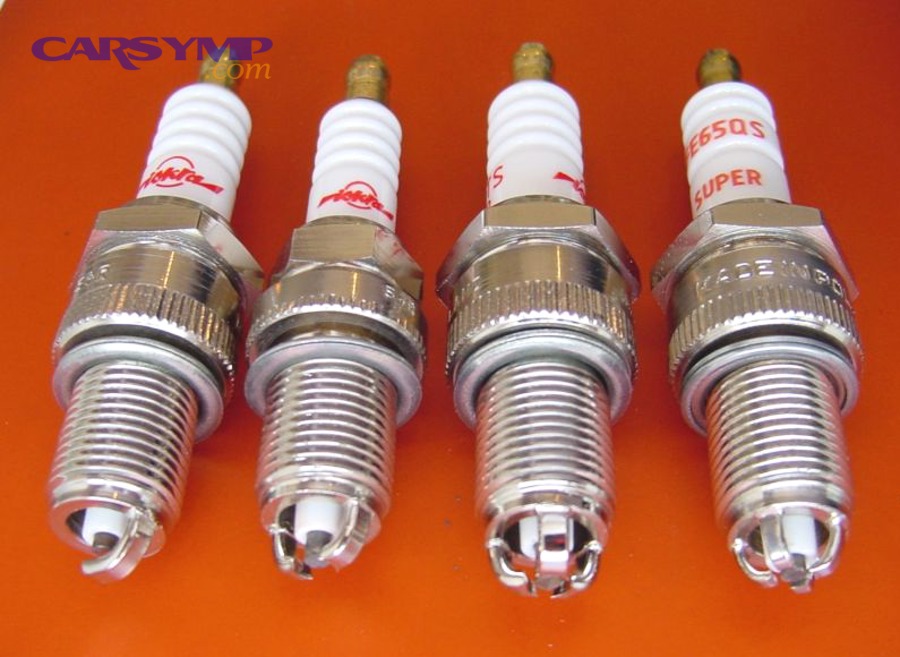
A practical way to think about it is to group spark outcomes into three buckets:
- No spark: nothing fires while cranking (or only a rare, random flash).
- Weak spark: it fires, but the spark is faint, inconsistent, or collapses under load.
- Intermittent spark: it fires sometimes, often changing with heat, moisture, or vibration.
Those buckets matter because they point to different “most likely” causes. No spark across all cylinders often indicates a missing trigger signal, power supply issue, ECU/PCM command issue, or security/immobilizer intervention. No spark on one cylinder more often points to a single coil-on-plug unit, a plug/boot problem, or a wiring fault at that cylinder.
Is a crank-no-start always caused by no spark?
No—crank-no-start is not always caused by a no-spark condition, because many crank-no-start cases come from fuel delivery issues, low compression, or timing problems, and spark can still be present. Next, because you want a fast no-start diagnosis, you should confirm spark early—but you should also understand what spark confirmation does (and doesn’t) prove.
Here are three reasons a crank-no-start is not automatically “no spark”:
- Fuel can be missing even when spark is strong. A dead fuel pump, no injector pulse, clogged filter, or no fuel pressure can mimic no-spark symptoms.
- Compression or timing can be wrong even with spark. A slipped timing chain/belt or severe compression loss can prevent starting even when ignition works.
- The starter system can mislead the symptom. If your car isn’t cranking at normal speed, spark testing becomes inconsistent because the engine speed signal may be unstable.
That’s why a smart first triage looks like this: confirm cranking quality, confirm spark, then branch to fuel/compression as needed. This also helps you separate Starter click vs silent no-start diagnosis from true ignition faults: a single click or silence points first to battery/cables/starter control, while a strong crank that never catches pushes you toward spark/fuel testing.
What does a strong spark look like compared to a weak spark?
A strong spark is consistent and energetic (often seen as a crisp, bright spark through a tester), while a weak spark is faint, inconsistent, or disappears when the tester load increases. Next, because many DIY checks only confirm “some spark,” you should evaluate spark under a realistic load to avoid false confidence.
A strong spark usually means the ignition system can build and release enough energy at the plug gap. A weak spark often means the system is struggling with one or more of these:
- Low system voltage during cranking (battery, cables, ground, starter drag)
- Coil degradation (internal insulation, windings, heat damage)
- Secondary leakage (boot tracking, wet plug wells, cracked insulator)
- Control/trigger issues (missing crank/cam signal, ICM/driver problems)
If your symptoms are misfire under acceleration, a “spark present” test can still miss the real problem because higher cylinder pressure requires higher voltage to jump the gap. That’s why the tool choice in the next section matters.
What tools do you need for a spark test and ignition spark check at home?
There are four main tool categories for a spark test and ignition checks: (1) a spark tester, (2) a multimeter, (3) basic hand tools, and (4) optional scan tool support—chosen based on whether you’re diagnosing no-spark, weak spark, or intermittent misfire. Next, when you match the tool to the complaint, you shorten diagnosis time and reduce parts swapping.
Here’s a simple, practical tool stack:
- Minimum viable: inline spark tester + basic socket set + flashlight
- Better diagnostic: adjustable-gap spark tester + multimeter + back-probe pins
- Best for modern vehicles: above tools + scan tool that reads live data (RPM, cam/crank sync, misfire counters)
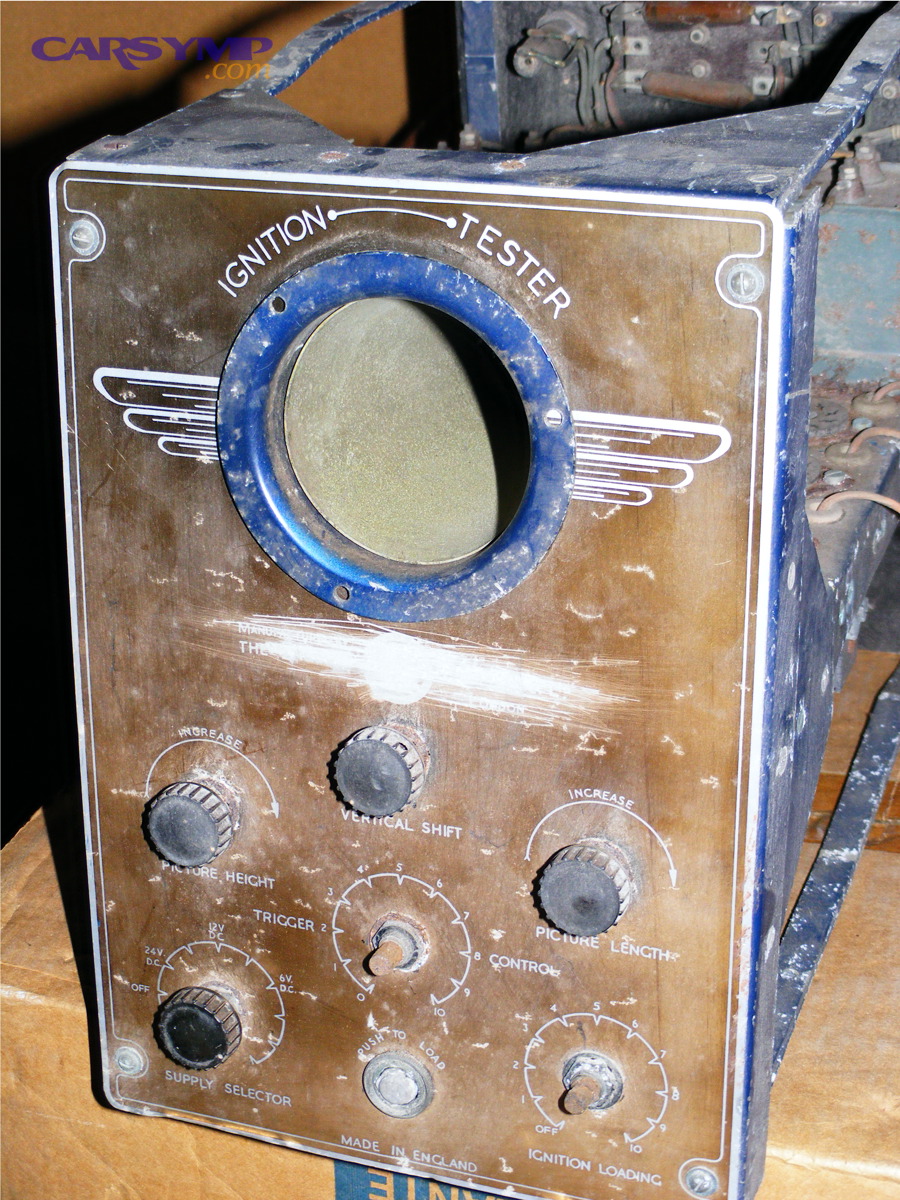
A key mindset shift: the spark tester is not just “a gadget.” It is your way to standardize what you see. Human eyes are unreliable when sparks are tiny, intermittent, or happening near reflective metal.
Do you need a spark tester, or can you check spark without one?
Yes—you should use a spark tester for a spark test, because it improves safety, reduces false results, and protects ignition components compared with improvised grounding methods. Next, because ignition systems can generate very high voltage, a tester gives you control over where that energy goes.
Three reasons a spark tester is the better choice:
- Safety: it keeps high voltage contained and reduces the risk of shock or igniting fuel vapors.
- Consistency: it gives you a repeatable gap and viewing window so “weak vs strong” becomes clearer.
- Component protection: it reduces the chance you’ll damage coils, boots, or electronics by grounding incorrectly.
You can sometimes “see” spark by pulling a plug and grounding it, but that method can mislead you in two big ways: it may show spark that won’t exist under compression, and it may stress components in a way the system wasn’t designed to handle. If your goal is fast, accurate no-start diagnosis, a tester is the shortest path.
What’s the difference between an inline spark tester and an adjustable-gap tester?
An inline spark tester wins for speed and simplicity, while an adjustable-gap tester is best for weak-spark and load-sensitive misfire diagnosis because it can demand a higher voltage to jump a larger gap. Next, because the engine needs spark under pressure—not in open air—an adjustable gap can reveal borderline coils and leakage problems.
Think of them like this:
- Inline tester: answers “Is spark happening at all?” (great for crank-no-start and basic checks)
- Adjustable-gap tester: answers “Is spark strong enough under demand?” (better for weak spark, misfire under load)
If your car cranks and never catches, an inline tester is usually enough to decide if ignition is alive. If your car runs but misfires on hills or hard acceleration, the adjustable-gap tester often provides the more useful answer.
How do you perform a spark test step-by-step on a modern car?
A reliable spark test is a repeatable method with 6 steps—prepare safely, access the ignition output, connect a tester correctly, crank the engine, observe consistent results, and record what you saw—so you can decide the next ignition checks without guessing. Next, once you standardize the process, your results become comparable across cylinders.
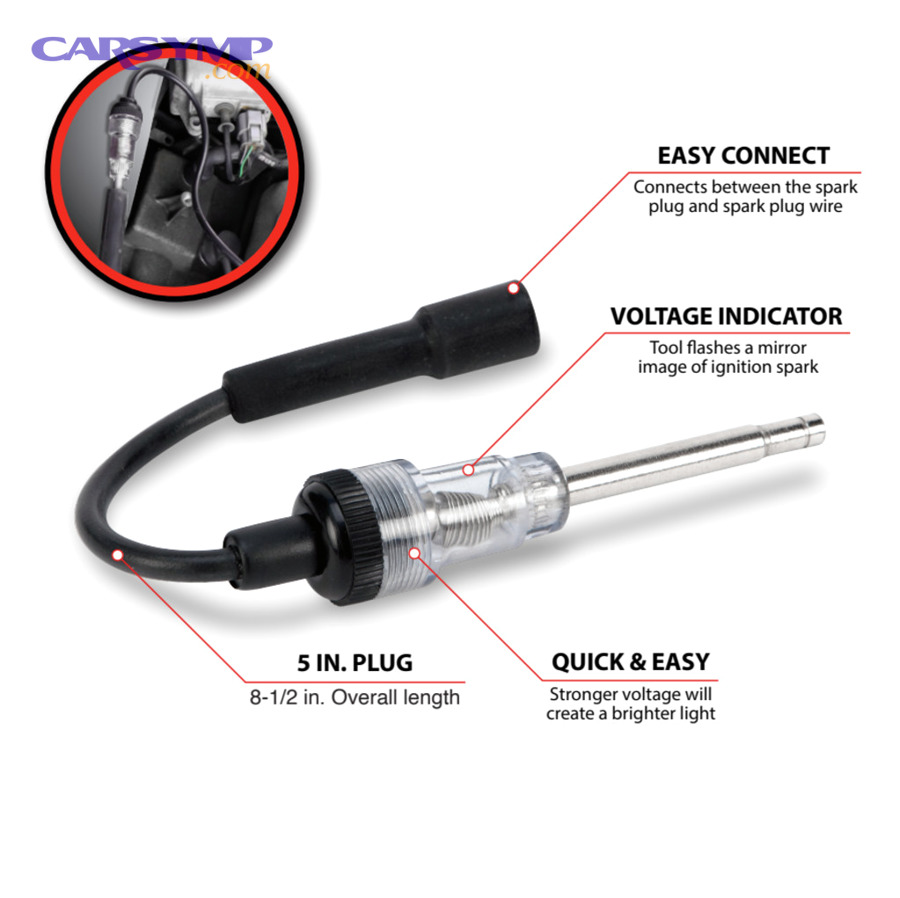
Step 1: Verify the symptom and cranking quality
- The engine should crank at a normal speed.
- If cranking is slow, address battery/cables/starter first, because low voltage can create a false “weak spark.”
Step 2: Choose the right test point
- Coil-on-plug: test at the coil output using an inline tester designed for COP systems (or test a plug removed with proper grounding precautions and the correct adapter).
- Coil pack: test one or more coil outputs with an inline tester.
- Distributor systems: test coil wire and/or plug wire with an inline tester.
Step 3: Connect the tester
- Follow the tester’s direction of flow (coil → tester → plug/wire).
- Ensure secure connections; loose connections can look like “no spark.”
Step 4: Disable fuel if appropriate
- If you’re doing repeated cranking, disabling fuel can reduce flooding and reduce fire risk.
Step 5: Crank and observe
- Crank for several seconds.
- Look for consistent flashes (frequency and brightness).
Step 6: Repeat and compare
- Test at least one more cylinder to see whether it’s a single-cylinder or all-cylinder issue.
- Write down what you saw so you don’t “remember it wrong” later.
Below is a quick reference table that summarizes what a spark test result typically suggests and what to check next.
| Spark Test Result | What It Usually Suggests | What to Check Next (Fast Order) |
|---|---|---|
| No spark on all cylinders | System-wide ignition or command issue | Fuses/relays → coil power/ground → RPM signal/crank sensor → ECU/ICM command |
| No spark on one cylinder | Single coil/boot/plug/wiring fault | Swap coil (if applicable) → inspect boot/plug → check connector/pin fit |
| Weak spark across cylinders | Low voltage, coil wear, or leakage | Battery voltage drop → grounds → adjustable-gap test → coil integrity |
| Intermittent spark | Heat, moisture, wiring, or sensor dropout | Wiggle test harness → heat-soak retest → crank/cam signal stability |
How do you do an ignition spark check safely without getting shocked or causing a fire?
A safe ignition spark check means you control high voltage and eliminate ignition of vapors by using a proper tester, keeping the work area ventilated, and avoiding open-spark shortcuts. Next, because safety failures happen fast, you should treat every spark test like it can ignite fuel vapor.
Three safety rules that prevent the most common accidents:
- Keep sparks contained: use a spark tester and keep the spark window away from fuel lines or open fuel sources.
- Avoid fuel vapor buildup: work in a ventilated area; pause if you smell strong fuel.
- Secure the vehicle: park, set brake, keep hands/clothes away from belts/fans, and have a helper crank if needed.
Also, don’t let a “quick test” become an electrical stress test. If you disconnect coils repeatedly, do it carefully to avoid damaging connectors and seals, especially on coil-on-plug systems where water intrusion can create later misfires.
Should you test spark on one cylinder or all cylinders?
Yes—you should test more than one cylinder in most cases, because comparing cylinders tells you whether you have a single-component fault or a system-wide ignition failure. Next, because the diagnostic path changes dramatically, two quick checks can save hours of chasing the wrong cause.
Use this strategy:
- Crank-no-start: test one cylinder, then test a second cylinder immediately.
- If both are dead: treat it as system-wide no-spark.
- If one sparks and one doesn’t: focus on that cylinder’s coil/boot/plug/wiring.
- Misfire complaint: test the suspected cylinder and at least one known-good cylinder for comparison, then consider an adjustable-gap tester to simulate higher demand.
If you have scan tool data showing a specific cylinder misfire, start there. If you have no scan tool and the problem is “sometimes it misses,” comparing cylinders gives you your first pattern.
If there’s no spark, what ignition checks should you do next (in the fastest order)?
If there’s no spark, the fastest ignition check order is power and ground → command/trigger → components, because ignition can’t fire without stable voltage, a correct ground path, and a timed control signal. Next, by following that order, you avoid replacing coils when the real issue is a fuse, sensor, or missing ECU command.
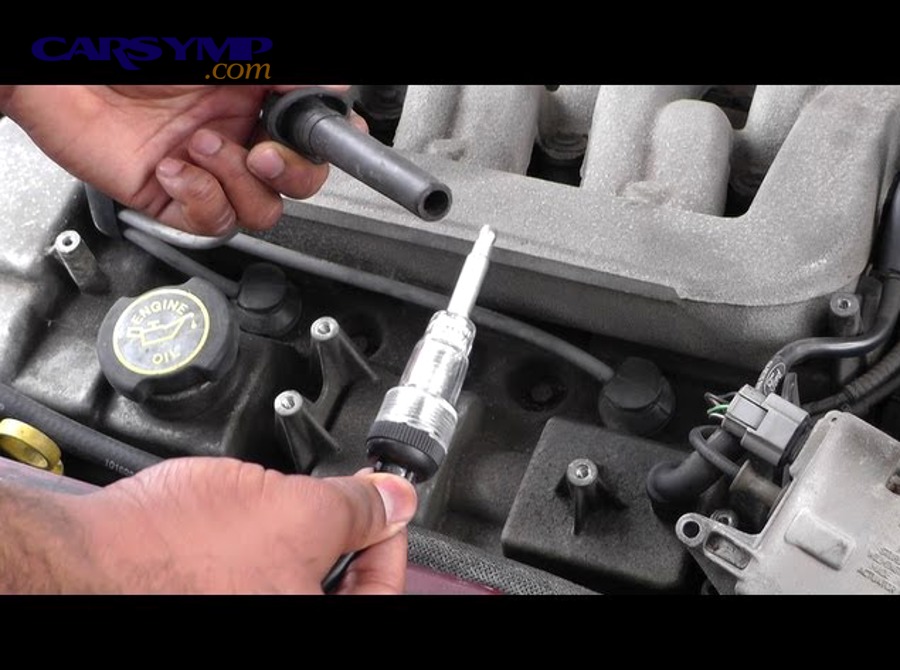
Use this quick workflow:
- Battery voltage during cranking
- A weak battery can drop voltage so low that the ignition system stops firing reliably.
- Ignition-related fuses and relays
- Many systems feed coils through a relay; one failure can kill spark on all cylinders.
- Coil power feed
- Confirm power is present at the coil connector while cranking, not just key-on.
- Coil ground integrity
- Grounds can be shared; one corroded ground point can create widespread ignition issues.
- Trigger/command signal
- If the ECU/PCM isn’t commanding coil firing, spark won’t happen even with perfect coils.
- Crank/cam sensor signals
- Many ECUs won’t fire coils without a valid crank signal (and sometimes a cam signal).
- Ignition module/driver logic
- Some systems use an external ICM; others use ECU internal drivers.
This is where your symptom notes matter. If you also have Starter click vs silent no-start diagnosis symptoms (single click or no crank), fix the starter/battery side first, because you can’t get reliable ignition testing from a barely cranking engine.
Does your ignition coil have power and ground during cranking?
Yes—your ignition coil must have power and ground during cranking, because the coil can’t build magnetic energy without a stable feed and return path, and cranking voltage drop is a common no-spark cause. Next, because many people only check power with the key on, you should check it under the exact condition where spark fails.
Three reasons this check is high value:
- Cranking voltage drop is real: a battery may show 12.6V at rest but sag heavily during crank.
- Relays can fail under load: a relay may “click” yet fail to carry current.
- Grounds can be “almost good”: a ground that works for lights can still be too resistive for ignition stability.
Practical approach:
- Measure voltage at the coil feed while cranking.
- Check for significant voltage drop between battery negative and engine ground while cranking.
- Inspect ground straps and main ground points for corrosion and looseness.
If you find a large drop, fix the electrical foundation before blaming ignition parts. This is also part of Preventing no-start issues with maintenance, because clean battery terminals and solid grounds prevent many intermittent no-start events.
Is the ECU/ICM actually commanding spark (triggering the coil)?
Yes—the ECU/ICM must command coil firing for spark to occur, and if the command is missing, spark will be absent even if the coil, plugs, and wiring are new. Next, because a “no command” situation often comes from sensors or security logic, you should confirm command before buying parts.
Three common reasons the ECU/ICM may not command spark:
- Missing crankshaft position signal: the ECU doesn’t “know” engine speed/position, so it won’t fire the coil.
- Immobilizer/security intervention: the ECU may allow cranking but disable spark/injection.
- Wiring/connector faults: a damaged harness can interrupt the trigger or reference signals.
A scan tool can help here. If you crank and the scan tool shows 0 RPM, that often indicates the ECU isn’t receiving a crank signal, which explains “no spark” without condemning the coil. If RPM is present but spark is not, you move toward module/driver and coil circuit checks.
How do you test the ignition coil and ignition module (ICM/driver) to confirm the failed part?
You can confirm a failed ignition coil or ignition module by using two layers of testing—screening checks (power/ground, resistance where appropriate) and functional checks (spark under load, swap tests, command verification)—to separate “bad part” from “bad signal.” Next, because modern ignition failures are often conditional (heat/load), you want confirmation that matches the symptom.
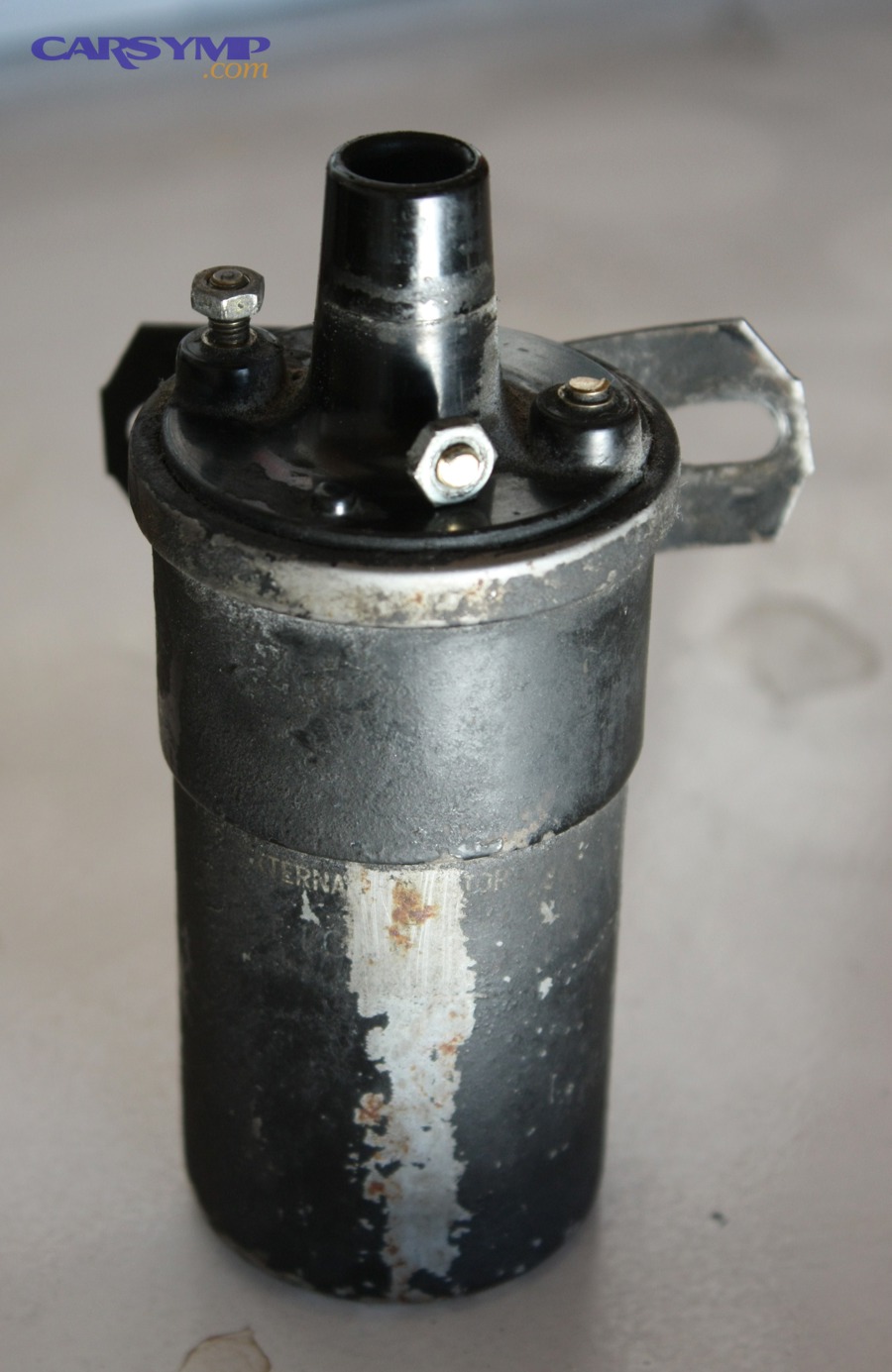
A clean confirmation strategy looks like this:
- If one cylinder has no spark: swap that coil with a known-good cylinder (on COP systems) and see if the no-spark moves.
- If all cylinders have no spark: focus first on power/ground and command signals before suspecting multiple coils.
- If spark is weak under load: use an adjustable-gap tester to demand more voltage and see if the spark collapses.
Can a multimeter alone diagnose a bad coil?
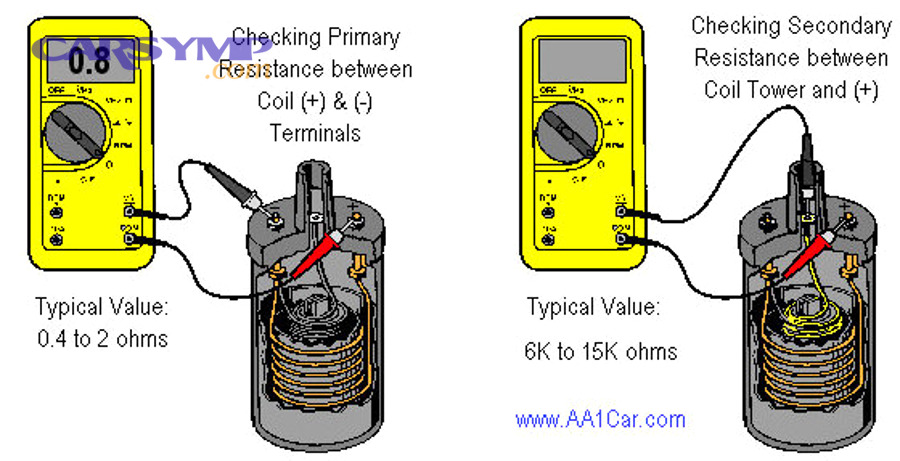
No—a multimeter alone cannot reliably diagnose a bad ignition coil, because many coils pass resistance checks yet fail under heat, load, or high-voltage stress. Next, because the ignition coil’s real job is high-voltage performance, you should treat resistance as a screening step, not a final verdict.
Three reasons resistance checks are limited:
- Coil failures can be insulation-related: internal breakdown can happen only at high voltage.
- Heat-related failures are conditional: windings may open or short only when hot.
- Driver-controlled coils behave differently: some COP units integrate electronics, making simple ohms checks less meaningful.
Still, a multimeter is useful for:
- Checking coil power supply integrity
- Checking ground continuity
- Checking obvious open circuits
- Comparing readings between known-good and suspected coils (as a clue, not proof)
If you find a clear open circuit where none should exist, that is actionable. If readings look “normal,” you still need a functional spark test to decide.
How do coil-on-plug, coil packs, and distributor systems change the ignition checks?
Coil-on-plug wins for pinpointing single-cylinder faults, coil packs help reveal paired-cylinder patterns, and distributor systems simplify upstream checks—because each architecture changes where voltage is generated, routed, and controlled. Next, once you identify the ignition design, you can choose the most direct test point.
Coil-on-plug (COP):
- Best advantage: easy swap test to see if the problem follows the coil.
- Common weak-spark causes: boot tracking, moisture in plug wells, coil overheating.
- Best checks: inline/COP spark tester, cylinder-to-cylinder comparison, boot/plug inspection.
Coil pack / wasted spark:
- Best advantage: pattern recognition (paired cylinders may misfire together).
- Common issues: tower corrosion, wire resistance/leakage, pack internal failure.
- Best checks: inline tester on outputs, wire inspection, pack feed/ground checks.
Distributor ignition:
- Best advantage: a single coil and distributor can be tested upstream quickly.
- Common issues: cap/rotor wear, coil failure, ignition module failure, pickup sensor faults.
- Best checks: coil wire spark test, cap/rotor inspection, module/pickup verification.
Evidence matters most when you’re chasing “it only happens sometimes.” According to a study by UET Peshawar (Department of Industrial Engineering), environmental temperature and humidity can influence ignition coil failure mechanisms by affecting internal voids and conditions that can lead to breakdown at high voltage. (researchgate.net)
What causes intermittent or weak spark even when a basic spark test “passes”?
Intermittent or weak spark can still exist after a basic spark test “passes” because ignition may fail only under load, heat, moisture, or higher voltage demand, not during an easy open-air check. Next, when you shift from “spark present” to “spark quality under stress,” you often find the real cause of a stubborn misfire.
This section is where many DIY diagnoses level up. A basic inline tester may flash, but the engine may still misfire under acceleration because cylinder pressure rises and the ignition must produce higher voltage to jump the gap. That’s why “passes” is not the same as “healthy.”
Can heat-soak cause a coil or ignition module to fail only when hot?
Yes—heat-soak can make a coil or ignition module fail only when hot, because internal resistance, insulation breakdown, and electronic driver behavior can change with temperature. Next, because heat-soak failures mimic fuel problems, a hot vs cold retest is one of the quickest ways to confirm the pattern.
Common heat-soak pattern:
- Car runs fine cold.
- After a drive, it stalls or won’t restart for 10–30 minutes.
- It restarts after cooling.
A fast confirmation method:
- Test spark immediately after the hot no-start appears.
- If spark is missing hot but returns cold, suspect coil/module or temperature-sensitive wiring/connector issues.
Maintenance also helps here. Clean connectors, intact harness routing away from exhaust heat, and replacing degraded boots can be part of Preventing no-start issues with maintenance, especially on engines known for hot ignition failures.
Is secondary leakage (boots/wires/carbon tracking) a reason spark looks okay but misfires under load?
Yes—secondary leakage can cause misfires under load even when spark appears okay, because high voltage can escape through cracks, moisture, or carbon tracking before it ever jumps the plug gap under compression. Next, because leakage gets worse when voltage demand rises, load-based symptoms are a strong clue.
Where leakage happens:
- COP boots with carbon tracking lines
- Wet plug wells
- Cracked plug insulators
- Aged plug wires (on coil pack/distributor systems)
What to do:
- Inspect boots and plug wells for oil/water.
- Look for thin black “tracking” lines inside boots.
- Replace boots or wires if you see tracking or cracking.
- Consider an adjustable-gap tester to see if the spark collapses when demand increases.
Does an adjustable-gap test simulate load better than an inline test for “weak spark” complaints?
Yes—an adjustable-gap test simulates load better than an inline test, because a larger air gap requires higher voltage to jump, which can expose borderline coils and leakage that an easy inline flash won’t reveal. Next, because you want the test to match the symptom, adjustable-gap testing is ideal for weak-spark and load-misfire complaints.
How to use it intelligently:
- Start with a modest gap and confirm consistent spark.
- Increase the gap gradually until the spark becomes unstable.
- Compare the suspected cylinder to a known-good cylinder.
If one coil consistently produces less “usable gap” than the others, that coil is a strong suspect—especially when the vehicle misfires during acceleration.
Could a bad crank/cam sensor or immobilizer stop spark even if the coil is good?
Yes—a bad crank/cam sensor or immobilizer can stop spark even with a good coil, because the ECU/PCM may withhold ignition command when it cannot verify engine position or when security logic blocks starting. Next, because “no command” faults can look like dead coils, verifying RPM and sync signals prevents expensive guesswork.
Key clues that point away from “bad coils”:
- Scan tool shows 0 RPM while cranking (often crank sensor signal missing).
- No injector pulse along with no spark (system-wide command issue).
- Security light behavior indicates an immobilizer problem.
If you confirm coil power and ground are present but there is no spark and no command, the “fix” is often upstream: sensor signals, wiring integrity, or security system diagnosis.
Evidence (if any)
According to a study by UET Peshawar (Department of Industrial Engineering), environmental temperature and humidity can influence ignition coil failure mechanisms by affecting internal conditions that can contribute to breakdown under high voltage. (researchgate.net)