


Bubbles in a coolant reservoir usually mean one of two things: the cooling system is ingesting air, or it’s being pressurized by gases that shouldn’t be there. If you understand which one is happening, you can decide whether it’s a harmless “after service” situation or an urgent engine-protection problem.
In real life, coolant bubbling can show up with no overheating, or it can appear right before a temperature spike, heater failure, or repeated coolant loss. The key is to match the bubbling pattern to what the cooling system is doing: building pressure, losing pressure, or struggling to circulate.
To help you make the call, this guide breaks down the causes of bubbles in coolant reservoir into practical groups, then shows how to tell trapped air from combustion gases using safe checks you can do at home.
Next, we’ll connect the bubbling you see to specific components—caps, leaks, thermostats, pumps, and head gaskets—so you can move from “symptom” to “most likely root cause” without guesswork.
Related entities to connect internally: cooling system pressure, expansion tank, radiator cap, coolant bleed valve, thermostat operation, water pump circulation, heater core flow, head gasket sealing, combustion gas presence, coolant level sensor behavior.
What do bubbles in a coolant reservoir actually mean?
Bubbles mean the coolant is releasing gas in a place where the system is supposed to stay sealed and liquid-dominant—either from air entering, coolant boiling locally, or abnormal gas pressure pushing into the coolant loop. To begin, treat bubbling as a pressure-and-flow clue, not just a “coolant problem.”
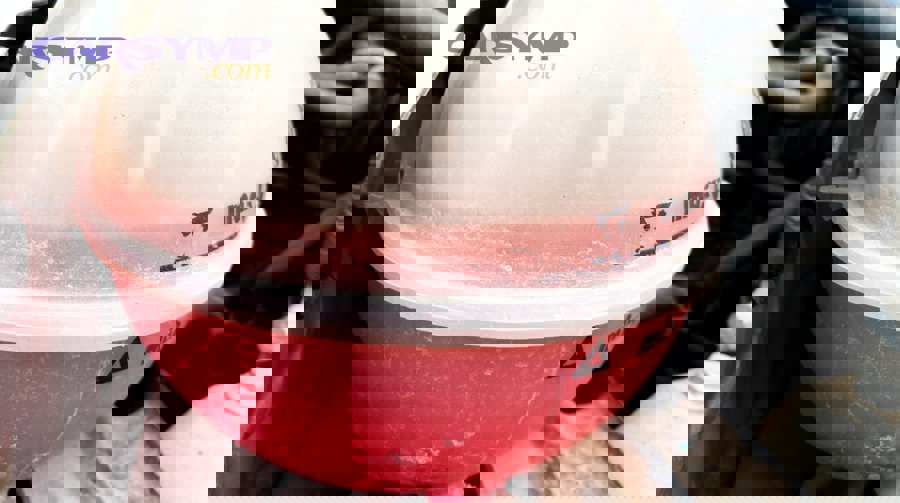
Most modern cars use a pressurized loop: coolant absorbs heat at the engine, releases it at the radiator, and expands into the reservoir (expansion tank) as temperature rises. When pressure is stable, the coolant’s boiling point is raised; when pressure is lost or gas is introduced, you can see bubbling that looks like boiling but isn’t always “overheating.”
Here’s the important micro-detail: bubbles behave differently depending on the gas source.
- Small, brief bubbles after topping up often come from trapped air migrating to the high point (reservoir) as the thermostat opens.
- Continuous bubbling at idle often signals active gas injection (for example, combustion gases) or a strong suction leak drawing air in.
- Surging bubbles during revs can point to circulation/cavitation issues (pump) or pressure spikes from cylinder leakage.
In macro terms, the reservoir is a “window” into pressure management. If that window shows foam, steady fizzing, or repeated burping, the system is either not holding pressure, not staying sealed, or not moving coolant smoothly enough to keep gas dissolved.
The cooling system diagram below helps you visualize where air can collect and why the reservoir becomes the visible outlet for symptoms.
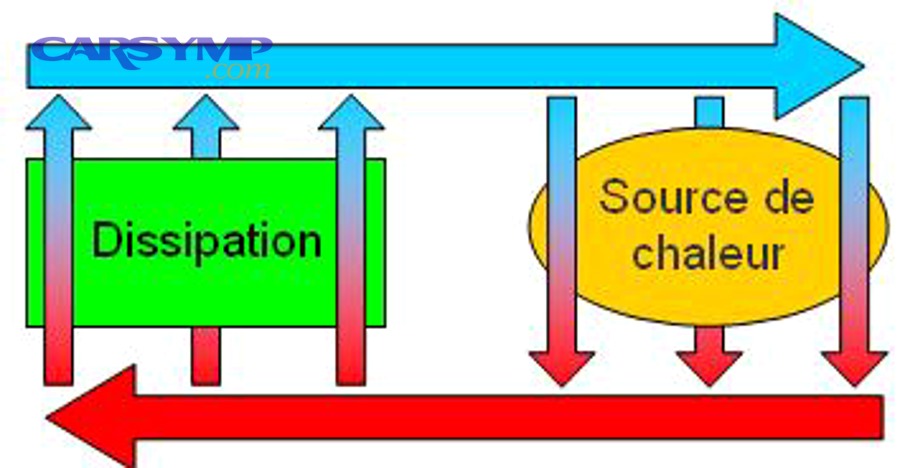
The evidence-based anchor is simple: pressurization and sealing are core to cooling performance. Theo nghiên cứu của Prestone UK từ Technical Content Team, vào 07/2019, hệ thống làm mát được mô tả là mạch kín chịu áp, khi không kín hoặc có khí lọt vào sẽ tạo bọt và có nguy cơ quá nhiệt.
Is coolant bubbling always a problem, or can it be normal?
No—coolant bubbling is not always a problem: it can be normal right after refilling, during initial warm-up, or when small residual air pockets purge, but it becomes a problem when it’s continuous, pressurizes fast, or pairs with heat, loss, or heater issues. After that, your job is to look for “problem signals” that convert a normal purge into a fault diagnosis.
When bubbling can be normal:
- You just added coolant or did a coolant service and you see intermittent bubbles for a short period as the thermostat cycles.
- The bubbles stop once the engine reaches steady operating temperature and the coolant level stabilizes after a couple of heat cycles.
- The heater blows consistently hot, and the temperature gauge stays steady.
When bubbling is a red flag:
- Bubbles are constant at idle, even after the engine is warm.
- The upper radiator hose gets rock-hard quickly, or the reservoir overflows unexpectedly.
- The temperature gauge swings up and down, or the heater goes cold at idle then hot while driving.
- You smell exhaust-like odor at the reservoir or see oily film, sludge, or repeated coolant loss.
The “why” behind these signals is flow stability. If air is trapped, it can create hot spots and temperature swings; if pressure is leaking or being over-produced, the system can burp coolant out and still look “full” at times.
One practical micro-check: watch the bubbles relative to engine speed. If bubbles increase sharply with a small throttle blip and never settle, suspect active gas intrusion rather than a one-time purge.
Theo nghiên cứu của Eric’s Car Care từ Blog/Guides Team, vào 01/2026, khí bị kẹt được mô tả là gây điểm nóng và làm kim nhiệt dao động do lúc chặn lúc thông dòng chảy nước làm mát.
What are the most common causes of bubbles in coolant reservoir?
There are six main causes of bubbles in coolant reservoir—trapped air, pressure-cap failure, leaks that draw air, thermostat flow faults, water-pump cavitation/poor circulation, and combustion-gas intrusion—grouped by whether they add gas, lose pressure, or destabilize flow. Next, we’ll map each cause to its most reliable clues so you can narrow the search quickly.
1) Trapped air after refill or repair
After a coolant top-up, hose replacement, thermostat swap, or radiator service, air can remain in high points and migrate into the reservoir as the engine warms. Cụ thể, trapped air often shows as intermittent bubbles, a dropping reservoir level after cooldown, and heater output that’s weak until the air purges.
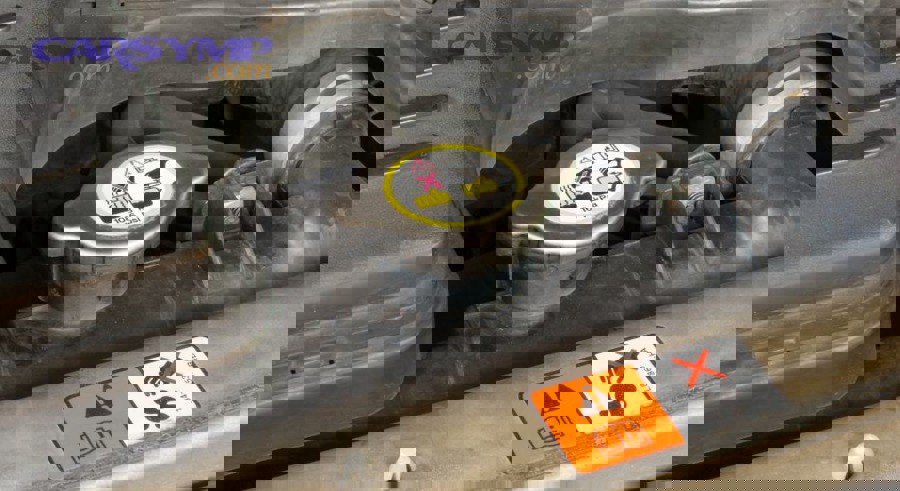
2) Pressure cap not holding pressure
A radiator/pressure cap is a spring-loaded valve, not just a lid. If it can’t hold the specified pressure, the coolant’s effective boiling point drops and bubbling becomes easier—especially at hot spots. Quan trọng hơn, a bad cap can also allow air to enter as the system cools and pulls vacuum.
3) Coolant leak that pulls air in
Small leaks don’t only push coolant out—they can also pull air in during cooldown, creating recurring bubbles without dramatic puddles. Ngoài ra, leaks at hose clamps, radiator seams, heater hoses, or plastic fittings can be “one-way” under certain temperatures, making symptoms inconsistent and confusing.
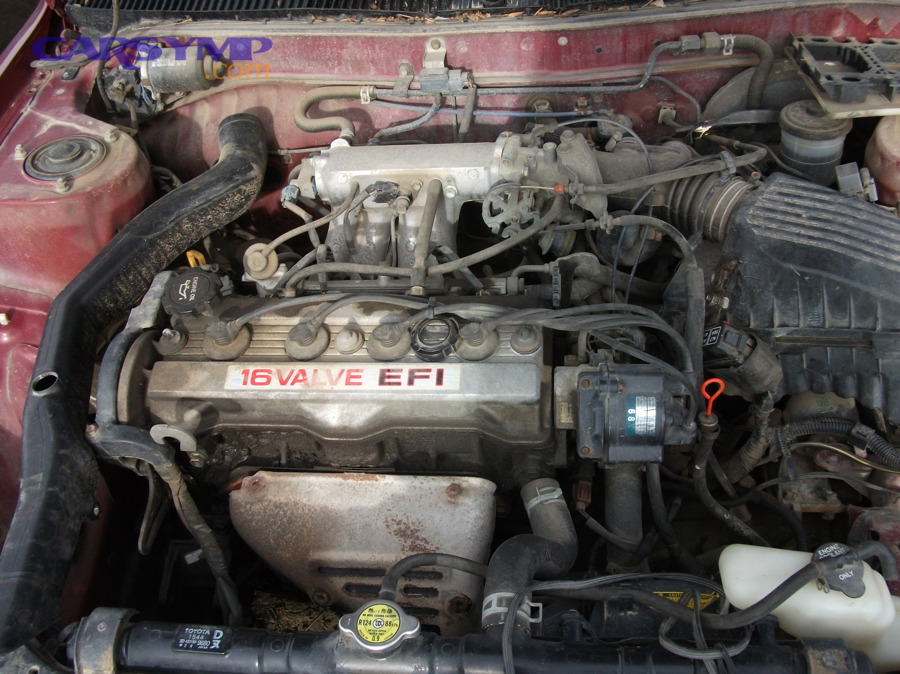
4) Thermostat stuck, slow, or mis-installed
A thermostat that opens late, sticks, or is installed incorrectly can create localized boiling and surging flow. Trong khi đó, you may see bubbles when the thermostat finally opens—paired with sudden hose temperature changes and unstable cabin heat.
5) Water pump cavitation or weak circulation
When circulation is weak, hot spots form and the coolant can release dissolved gases or boil in pockets. Đặc biệt, cavitation (tiny vapor bubbles at the pump) can mimic “air in system” and often appears with overheating at idle or high load.
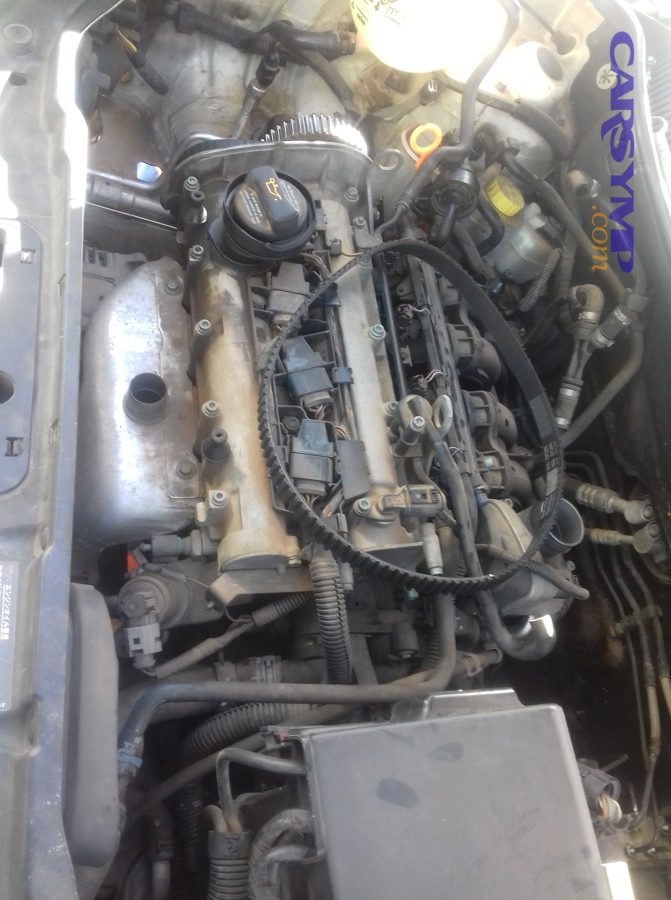
6) Combustion gases entering the cooling system
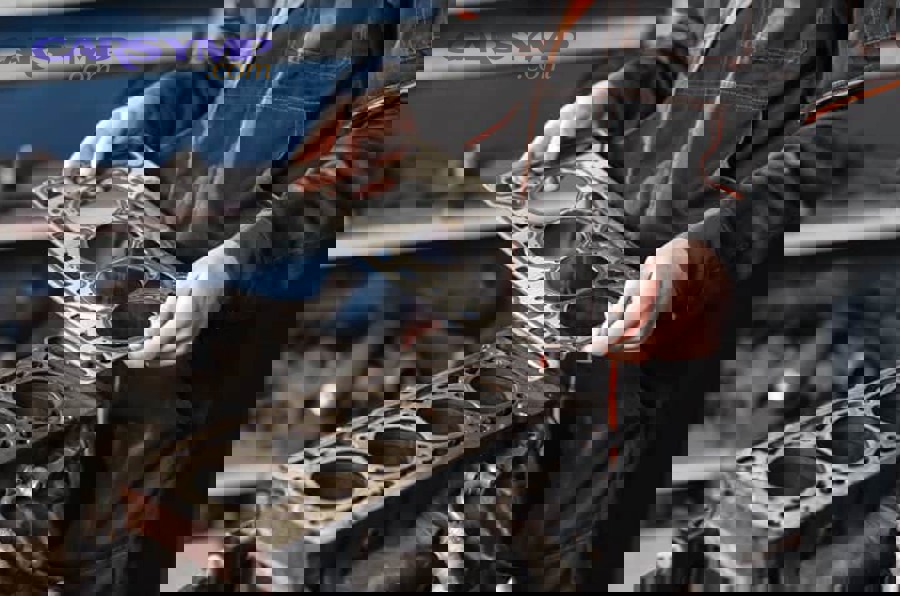
This is the high-stakes cause: a leaking head gasket, cracked head, or block can push cylinder pressure into the coolant, producing continuous bubbles and rapid pressurization. Tuy nhiên, early leaks can show bubbling before a full overheating event—so pattern recognition matters.
Theo nghiên cứu của Mechanic Base từ Editorial/Diagnostics, vào 03/2023, các nguyên nhân được liệt kê gồm nắp áp suất hỏng, gioăng quy-lát hỏng, túi khí, rò rỉ, thermostat và bơm nước—và nhấn mạnh rằng nhiều trường hợp là bình thường nếu chỉ ít bọt và không có quá nhiệt.
Trước khi đi sâu từng nhánh, bảng dưới đây giúp bạn “đọc” kiểu bọt để ưu tiên kiểm tra đúng chỗ (bảng này chứa các mẫu bọt và manh mối đi kèm để rút ngắn thời gian chẩn đoán).
| Bubble pattern you see | Most likely direction | Fastest confirmation check |
|---|---|---|
| Brief bubbles only after refill | Trapped air purging | Heat-cycle, recheck level after cooldown |
| Constant bubbles at warm idle | Gas intrusion or suction leak | Sniff for exhaust-like odor, look for fast hose hardening |
| Bubbles + heater goes cold at idle | Air pocket / flow instability | Check temperature gauge swings; bleed procedure |
| Reservoir overflow + quick pressure rise | Combustion gases or severe pressure-control fault | Combustion gas test kit / shop test |
| Bubbling with no gauge movement, repeats | Cap not holding pressure or small leak | Inspect cap seal; pressure test system |
How can you tell trapped air from combustion gases?
Trapped air usually bubbles intermittently and improves after proper purging, while combustion gases often create continuous bubbling and rapid pressure build-up—even from a cold start—because cylinder pressure is repeatedly injected into the cooling system. Để hiểu rõ hơn, compare timing, pressure behavior, and supporting symptoms rather than relying on a single clue.
Timing test: when does bubbling begin?
If bubbling starts immediately on a cold start (before the coolant is hot), that leans toward gas intrusion. Air pockets usually show up as the thermostat opens and circulation changes, not instantly at cold idle. Tiếp theo, watch what happens when you gently raise RPM: combustion-driven bubbling typically increases and stays consistent.
Pressure behavior: does the system harden fast?
With combustion gases, upper hoses often get hard quickly because pressure rises beyond what normal thermal expansion would do at that moment. Ngược lại, trapped air may cause fluctuations but not necessarily a rapid “rock-hard” hose from cold.
Support symptoms: what else is present?
- Combustion-gas direction: repeated coolant loss, sweet smell in exhaust, white smoke/steam, oil/coolant cross-contamination, frequent overheating events.
- Trapped-air direction: heater intermittently cold, temp gauge swings, gurgling sounds behind dash, level changes after cooldown without obvious external leaks.
If you need a stronger confirmation, a combustion leak detector (block tester) is designed to detect exhaust gases in the coolant. Theo nghiên cứu của Block Tester từ Product Description, vào 2026, dụng cụ được mô tả là dùng để phát hiện khí xả trong hệ thống làm mát—thường do gioăng quy-lát hỏng hoặc nứt đầu/ thân máy.
And here is a practical “why” anchor: pressurized cooling performance depends on keeping the loop sealed and correctly vented. Theo nghiên cứu của Natrad từ Info & Advice, vào 03/2024, nắp két nước được mô tả là van áp suất phức hợp giúp giữ áp an toàn và cho phép chất lỏng hồi lưu mà không hút không khí vào hệ thống.
How do you diagnose bubbles safely, step by step?
A safe diagnosis follows one path: confirm coolant level and cap condition, observe bubbling pattern cold-to-hot, check for leaks/flow clues, then escalate to pressure and gas testing if the signs point that way. Dưới đây is a method that reduces risk and prevents accidental burns from hot, pressurized coolant.
Step 1: Start with the basics (engine cold)
Check reservoir level against MIN/MAX marks, look for dried coolant trails, and inspect the cap seal for cracks, swelling, or hardened rubber. Cụ thể hơn, a cap can look fine but fail under pressure, so visual inspection is only a screening step.
Step 2: Observe bubbling cold-to-warm (cap on)
With the cap installed, let the engine warm and note when bubbles appear and whether the temperature gauge is stable. Sau đây, compare cabin heater behavior: a heater that flips between hot and cold is a strong hint of air pockets or circulation instability.
Step 3: Check for circulation clues
When the thermostat opens, you should feel a more uniform warmth across hoses and steady heater output. If hoses remain unevenly hot/cold, or the gauge climbs quickly at idle, suspect flow restriction, thermostat faults, or pump weakness. Hơn nữa, repeated bubbling under load can point to cavitation or localized boiling.
Step 4: Escalate only when signs justify it
If you have constant bubbling, rapid pressurization, overheating, or unexplained coolant loss, move to a pressure test and/or combustion gas test—ideally at a shop if you don’t have the tools. Quan trọng hơn, do not repeatedly open a hot system “to check,” because pressure release can flash-boil coolant and cause severe burns.
Theo nghiên cứu của Prestone UK từ Technical Content Team, vào 07/2019, khi áp suất trong hệ thống bị ảnh hưởng bởi rò rỉ hoặc bộ phận lỗi, điểm sôi của dung dịch giảm và có thể dẫn đến sôi/bọt và quá nhiệt.
If you want a visual walkthrough for trapped air and safe purging, this video can help you recognize the signs and the correct sequence.
How do you fix coolant bubbling based on the root cause?
You fix coolant bubbling by removing the gas source and restoring stable pressure-and-flow: purge trapped air correctly, replace a failing cap, repair leaks, restore thermostat/pump function, or address combustion-gas intrusion before it escalates into severe overheating. Tiếp theo, use the cause-specific playbook below so you don’t “treat symptoms” while the real failure grows.
Fix path A: Trapped air (after service)
Use the manufacturer’s bleed points if present, keep the reservoir at the correct level, run the heater on high, and allow multiple heat cycles until levels stabilize. Cụ thể, trapped air often exits gradually; the “proof” is stable heater output and a steady gauge after cooldown and recheck.
Fix path B: Pressure cap mismatch or failure
Replace the cap with the correct rating/spec for your vehicle. A cap that’s too weak lowers boiling margin; one that’s too strong can overstress hoses and radiators. Trong khi đó, if the cap’s vacuum valve fails, it can pull air in during cooldown and restart the bubbling cycle.
Fix path C: Leaks that draw air
Repair leaks at hose ends, clamps, radiator seams, heater connections, and plastic quick-connects. Đặc biệt, small leaks can appear only when hot or only when cooling down, so a pressure test is often the fastest way to confirm.
Fix path D: Thermostat or circulation faults
Replace a sticking thermostat and verify correct installation orientation and bleed hole alignment (if applicable). If circulation is weak, inspect the water pump, belt/drive, and signs of impeller damage. Hơn nữa, flush only when necessary and refill correctly, because improper refilling can reintroduce air pockets.
Fix path E: Combustion-gas intrusion
If testing confirms exhaust gases in coolant, treat it as an engine-sealing issue (head gasket, head crack, block crack). Tóm lại, stop “topping up and driving” as a strategy—repeated overheating can warp surfaces and turn a repairable leak into major damage.
Theo nghiên cứu của Natrad từ Info & Advice, vào 03/2024, việc duy trì áp suất được nêu là giúp tăng điểm sôi của dung dịch làm mát và cải thiện hiệu quả làm mát ở nhiệt độ cao—do đó lỗi giữ áp có thể dẫn đến sôi/bọt và quá nhiệt.
Contextual Border: Up to this point, you’ve diagnosed and fixed bubbling using the main “pressure, seal, and flow” causes. Next, we move into expanded checks, prevention, and quick decision rules for what to do when bubbling returns.
Supplementary checks, prevention, and quick FAQ
This section focuses on unique/rare attributes—repeat bubbling after repairs, contamination clues, and decision rules—so you can prevent recurrence and avoid the most costly failure modes. Dưới đây are practical add-ons that sharpen your diagnosis when the main causes overlap.
After-repair bubbling: what’s acceptable, what’s not?
Some post-service bubbling is acceptable if it fades and the level stabilizes. But recurring bubbling after several heat cycles means something is still adding gas or losing pressure. Quan trọng hơn, write down what you observe: cold-start bubbles, warm-idle bubbles, overflow events, and heater behavior—patterns matter more than one snapshot.
Include this exact note in your log if it matches what you see: “bubbling coolant reservoir” can describe either a purge event or an active intrusion; you’re deciding which by pattern, not by the phrase alone.
Theo nghiên cứu của Mechanic Base từ Editorial/Diagnostics, vào 03/2023, bọt có thể “bình thường” khi chỉ ít và không có dấu hiệu quá nhiệt; nhưng bọt nhiều kèm tràn/ quá nhiệt thường chỉ ra lỗi nắp áp, túi khí, rò rỉ hoặc gioăng.
When contamination changes the diagnosis
Contamination is a “rare attribute” that upgrades urgency: oily sheen, sludge, rust flakes, or a chemical smell can indicate mixing, corrosion, or a long-term maintenance gap. Cụ thể, if you suspect gas intrusion, you may see persistent bubbling plus abnormal residue at the reservoir neck.
Use this phrase as your reminder checklist item (do not skip it if symptoms fit): “Coolant contamination and combustion gas test” should be treated as a paired decision—if contamination plus constant bubbles appear together, testing for exhaust gas becomes high priority.
Preventing repeat bubbles after a coolant change
Many repeat cases come from refilling without purging correctly. Ví dụ, some engines trap air at the heater core or thermostat housing, requiring a specific bleed screw sequence or a spill-free funnel method.
Keep this exact practice note in your maintenance routine: “How to bleed cooling system properly” depends on your vehicle’s bleed points, heater settings, and fill order—so always follow your service manual and confirm stable heat and stable level after cooldown.
Quick FAQ: do I replace the cap first, and what should I look for?
If your symptoms are mild and you see no other red flags, the cap is a common, low-cost first check—but don’t let a cheap part distract you from more serious patterns. Ngược lại, if you have rapid pressurization, constant bubbling, or repeated overheating, go straight to proper testing.
Use this exact phrase as a mini-checklist label in your notes: “Radiator cap failure symptoms” often include bubbling/boiling behavior, pressure instability, and sometimes coolant loss around the seal—yet the only sure confirmation is testing cap performance to the correct pressure spec.
Theo nghiên cứu của Natrad từ Info & Advice, vào 03/2024, nắp két nước được mô tả là van áp suất giúp giữ áp và cho phép hồi lưu mà không hút khí—vì vậy lỗi nắp có thể vừa giảm điểm sôi vừa đưa không khí vào khi nguội.