


When bubbles are normal after service, they usually come from trapped air working its way out of the cooling system as the engine warms up, the thermostat cycles, and the heater core fills. In most cases, the bubbling is temporary, predictable, and improves after a few heat cycles.
To stay safe, you need a simple way to tell “expected purge bubbles” from “problem bubbles” that keep coming back, build pressure too fast, or coincide with overheating, leaks, or heater problems. The goal is not guesswork—it’s pattern recognition plus a few quick checks.
You’ll also learn how different services (coolant drain/fill, hose replacement, thermostat work) change what “normal” looks like, and how to verify your system actually purged air without creating hot spots or false alarms.
To begin, let’s define what normal post-service bubbles look like, how long they last, and the exact checkpoints that separate harmless air release from a developing fault.
What do normal post-service bubbles usually look like?
Normal bubbles after service are small, intermittent, and fade as the engine reaches operating temperature and completes a few heat cycles. To keep this clear, focus on the bubble “pattern,” not just the fact that you saw bubbles.
Next, you’ll compare the bubble pattern with temperature stability and coolant level behavior to confirm the system is simply bleeding itself.
Small, champagne-like bubbles during warm-up
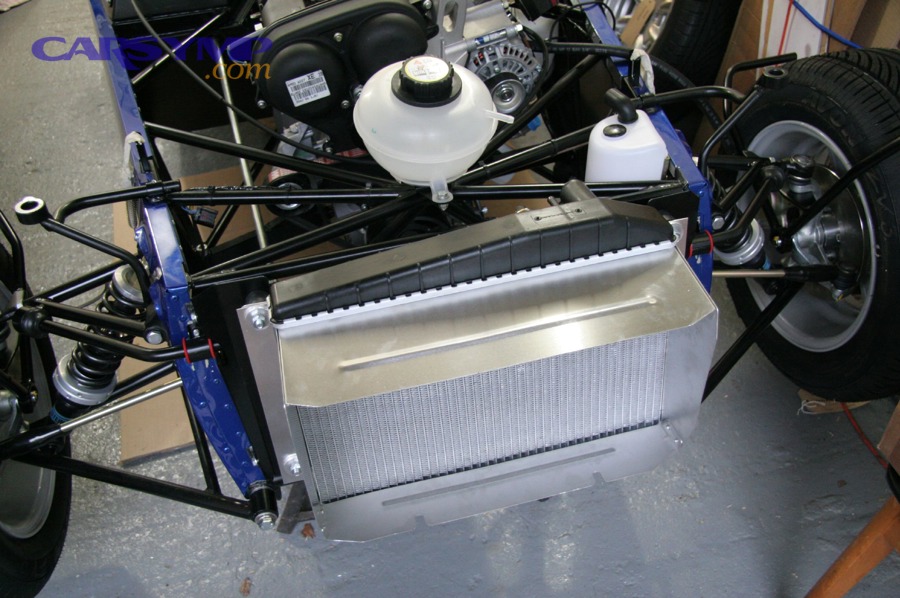
Small bubbles that appear briefly while the engine warms up often indicate air pockets are moving through the system and venting into the overflow/expansion tank. This is common right after a drain-and-fill, hose swap, or thermostat replacement, because air enters whenever the system is opened.
To illustrate, you might see a short “burst” of tiny bubbles right after the thermostat opens (often when the upper radiator hose suddenly warms), then the bubbling slows down as coolant circulation stabilizes.
A temporary level drop after the first drive
It’s normal for the coolant level to fall slightly after the first full heat cycle because trapped air is replaced by liquid coolant. In other words, the system is “finding its true fill level.”
However, the key detail is consistency: once topped up correctly (cold level at the correct mark), the level should stop dropping after one to three heat cycles unless there is a leak or continued air ingestion.
Gentle ripples rather than violent surging
Normal air purge tends to create gentle movement and occasional bubbles, not constant surging or foaming. A calm surface that occasionally releases small bubbles is typically a good sign.
In contrast, aggressive bubbling that ramps up quickly and never calms down deserves a deeper check later in this guide.
How long can bubbles be normal after cooling-system work?
Bubbles can be normal for one to three heat cycles after service, and sometimes longer if the system has complex routing or the fill procedure was incomplete. Next, use a simple timeline and a few checkpoints to avoid waiting too long on a problem.
This table helps you match the service type to a reasonable “normal bubbling window,” so you know when it’s time to stop rechecking and start diagnosing.
| Service type | Common reason for bubbles | Typical “normal” window | What should improve |
|---|---|---|---|
| Drain and refill coolant | Air trapped in radiator/heater core | 1–3 heat cycles | Bubbles reduce, level stabilizes |
| Thermostat replacement | Air near thermostat housing | 1–5 heat cycles | Heater output steadies, temp stabilizes |
| Upper hose/radiator work | Air pocket at high points | 1–4 heat cycles | Fewer bubbles after thermostat opens |
| Water pump replacement | Large system drain, multiple cavities | 2–7 heat cycles | No repeat level drops after top-off |
Why “heat cycles” matter more than minutes
A heat cycle means the engine warms from cold to operating temperature, the thermostat opens, coolant circulates through the radiator, and the system cools back down. That open/close sequence is what moves air pockets toward the tank and out of the circulation path.
So, instead of timing bubbles in the driveway for 10 minutes, watch what happens across full warm-up and cool-down events.
When a longer “normal window” is reasonable
Some vehicles have high-mounted heater cores, long coolant lines, or tight packaging that traps air at high points. If your system has bleed screws, a remote expansion tank, or a known “fill procedure,” it’s a hint that trapped air is common unless you follow the correct steps.
In that case, a few extra cycles can still be normal—as long as the bubble pattern and temperatures are improving.
Which services most often introduce trapped air?
Trapped air is most common after any repair that opens the cooling system, especially at high points where air naturally collects. Next, you’ll learn the “air-entry map” so you know where to focus bleeding and rechecks.
Coolant drain, refill, or partial top-up
Even a straightforward drain-and-fill can trap air if the refill is too fast, the heater control isn’t set correctly (on some designs), or the vehicle needs a specific bleeding routine. Air pockets can remain in the heater core or the radiator’s upper areas.
To understand this better, think of coolant as the “liquid path” and air as the “shortcut.” Air rises and gets stuck where coolant doesn’t immediately push it out.
Thermostat housing or upper hose replacement
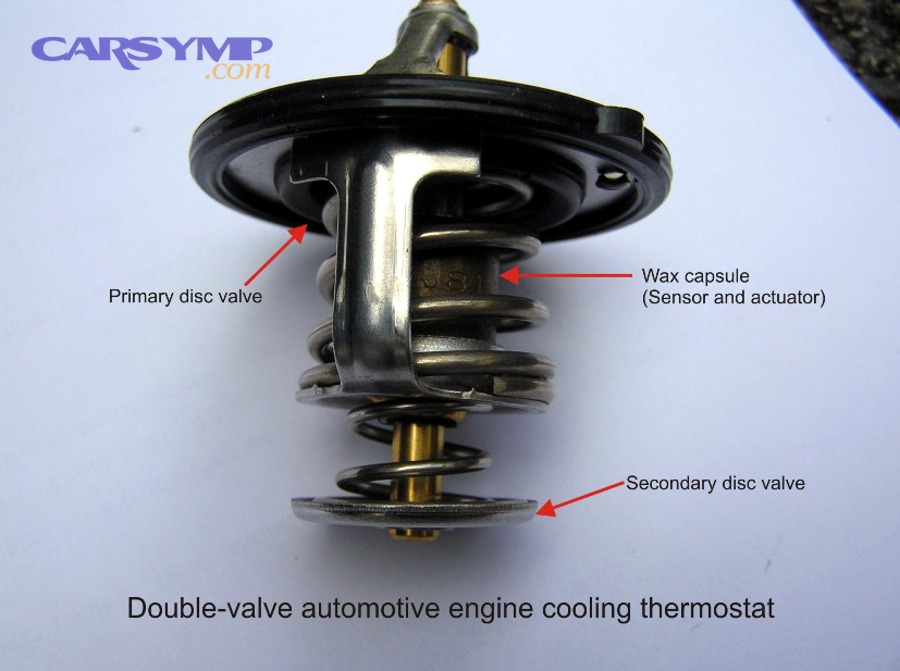
Thermostat work often leaves a bubble near the housing because it’s a common high point and because the thermostat can block flow until it opens. This is why bubbles sometimes appear suddenly when the thermostat opens—coolant flow changes and pushes air toward the tank.
As a result, thermostat jobs frequently require careful topping up after the first warm-up.
Water pump or radiator replacement
Larger repairs increase the volume of air introduced and the number of “pockets” where air can hide. A pump replacement, for example, may leave air in passages that only purge once circulation is strong and consistent.
That’s also why a vacuum-fill tool is often recommended for major cooling system work—it reduces trapped air from the start.
How can you safely purge remaining air at home?
You can safely purge remaining air by using a controlled warm-up, proper coolant level management, and (if applicable) bleed screws or a spill-free funnel. Next, follow a step-by-step approach that minimizes burns, overfilling, and false readings.
Step-by-step warm-up and top-off routine
Step 1: Start cold and set the coolant to the correct cold fill mark. Use the correct coolant mix and never “stack” different coolant types unless the manufacturer confirms compatibility.
Step 2: Turn the cabin heat to a warm setting (if your vehicle uses a coolant-fed heater core and the valve position matters). Then start the engine and let it idle with the cap installed unless the service manual explicitly instructs an open-cap bleeding method.
Step 3: Watch the temperature gauge and feel the upper radiator hose carefully (avoid moving belts/fans). When the thermostat opens, the hose typically warms quickly, and you may see a brief change in tank level.
Step 4: Shut down, let the engine cool fully, then recheck the level. Top up to the cold mark only. This “cool-down top-off” is crucial because it prevents overfilling and keeps your readings consistent.
Using bleed screws when equipped
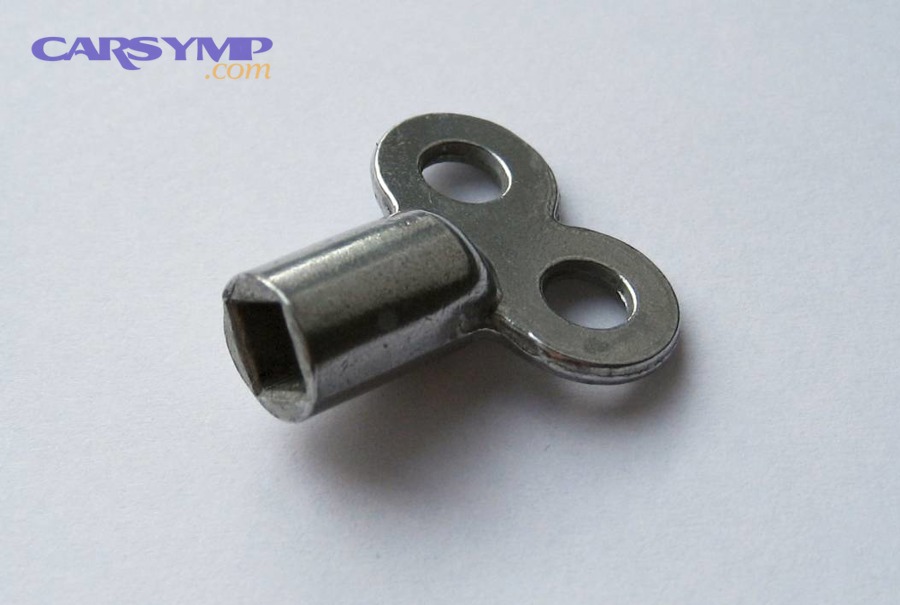
If your system has a bleed screw, it’s there for a reason: it marks a high point where air collects. Open it only as instructed (usually with the engine off or at a specific temperature), and close it as soon as coolant flows steadily without sputtering.
To connect the dots, sputtering at the bleed screw is often a direct sign that you’re releasing trapped air rather than chasing a mysterious fault.
Safety rules that prevent injuries and misdiagnosis
Never open a hot pressurized cap. Even a “small check” can cause sudden coolant release and serious burns. Also, don’t rev the engine aggressively while bleeding—rapid temperature spikes and pressure changes can mimic a problem and push coolant out unnecessarily.
Instead, prioritize steady warm-up, full cool-down, and repeatable measurements.
What warning signs suggest bubbles are not normal?
Bubbles are likely not normal if they are continuous, forceful, and paired with rapid pressure buildup, repeat coolant loss, or overheating behavior. Next, use these warning signs as a decision tree to determine whether to keep bleeding or stop and diagnose.
Continuous bubbling that returns every drive
If bubbling never improves across multiple heat cycles, it suggests either (1) air is being introduced continuously, (2) coolant is boiling locally due to poor circulation, or (3) combustion gases are entering the cooling system. The pattern matters: air purge should trend down, not reset daily.
To keep the flow logical, your next step is to look for the cause of repeated air entry—usually leaks, cap problems, or incomplete bleeding that leaves a stubborn pocket.
Coolant level keeps dropping with no stable “final level”
A small one-time drop can be normal, but repeated drops indicate a leak, an internal consumption path, or persistent air trapped in a place you haven’t purged. Don’t keep topping up blindly, because that hides the pattern you need to solve the issue.
Instead, mark the cold level, drive a short route, cool down, and compare—this repeatable method prevents guesswork.
Hard hoses and pressure spikes early in warm-up
Some pressure rise is normal as coolant warms, but a very fast “rock hard hose” feeling early in warm-up can be a red flag for abnormal pressure generation. If this coincides with frequent bubbling and coolant push-out, treat it as a “stop and verify” moment.
At this point, a controlled pressure test and proper cap evaluation are often more informative than more bleeding attempts.
Which quick checks confirm “normal purge” versus a real problem?
You can separate normal purge from real problems by checking temperature stability, heater performance, leak evidence, and cap function in a consistent order. Next, follow the same sequence every time so your observations stay comparable.
Temperature gauge behavior and heater output
A normal purge scenario typically shows a stable temperature gauge after warm-up and steady cabin heat once the heater core is full. If the heater goes cold at idle, then hot when you rev, it can indicate trapped air disrupting flow through the heater core.
To connect this to your bubble observation: trapped air can both create bubbles in the tank and cause intermittent heater performance, because the heater core becomes a “flow bottleneck” when it’s partially air-filled.
Visible leaks, dried residue, and sweet odor checks
Air can re-enter through a small leak as the system cools down (vacuum draw). Check hose connections, radiator seams, the water pump weep area, and the expansion tank for crusty residue or dampness. Even a slow leak can keep the system bubbling after every drive.
In practice, the “cold overnight drop” plus a faint sweet smell is often a stronger clue than the bubbles themselves.
Cap condition and sealing surfaces
A weak cap can lower the boiling point and let coolant vent too early, which can resemble persistent bubbling. Inspect the rubber seal, spring tension (if accessible), and the neck sealing surface for damage, corrosion, or debris.
And because caps are inexpensive, replacing a questionable cap is often a practical step before deeper diagnostics—provided you confirm the correct pressure rating for your vehicle.
When should you stop driving and get help immediately?
You should stop driving if bubbling is paired with overheating, coolant loss that exposes the system to air, or signs of boiling and steam. Next, use these “stop now” triggers to prevent engine damage and avoid turning a manageable problem into a major repair.

Overheating, warning lights, or steam
If the temperature gauge climbs rapidly, a warning light appears, or you see steam, shut down safely as soon as you can. Continuing to drive with an overheating engine can warp components, damage seals, and create cascading failures.
After that, let the engine cool completely before checking levels; opening anything while hot is unsafe.
Coolant pushed out of the tank repeatedly
If coolant is repeatedly expelled and the level falls below safe minimums, the system will ingest air and create hot spots. That turns “bubbles after service” into a high-risk situation because the engine may overheat even if the gauge seems delayed.
In other words, once the system can’t maintain coolant volume, the safest move is diagnosis—not more top-offs and hope.
Oil contamination or exhaust-like odor at the tank
Any sign of oil contamination in coolant, milky residue, or a persistent exhaust-like smell near the tank should prompt professional inspection. These signs can overlap with serious internal issues and are not something to “wait out” as normal bleeding.
At this stage, controlled testing is safer and more accurate than continued DIY bleeding.
What does a professional diagnosis typically include?
A shop diagnosis typically combines visual inspection, pressure/cap testing, flow checks, and (when indicated) tests for internal gas intrusion. Next, understanding the workflow helps you communicate symptoms clearly and avoid unnecessary parts replacement.
Pressure test, cap test, and leak tracing
A proper pressure test can reveal slow leaks that only show under pressure, while a cap test confirms whether the cap holds the specified pressure and releases correctly. Together, these tests often explain repeated bubbling patterns caused by coolant loss and air ingestion.
Then, leak tracing may include checking clamps, radiator seams, heater hoses, and the water pump area—especially if the issue began right after service.
Thermostat operation and circulation verification
Shops may verify thermostat operation by monitoring warm-up behavior and radiator hose temperature changes, and by checking for consistent circulation. Poor circulation can cause localized boiling and persistent bubbling, even when coolant level looks acceptable.
This is also where a correct fill method matters: a perfectly good thermostat can “look bad” if the system is still air-bound.
Targeted internal checks when the pattern suggests it
If the bubbling pattern is constant and pressure builds unusually fast, additional tests may be used to check for combustion gas intrusion. The goal is to confirm or rule out internal causes rather than guessing based on bubbles alone.
For continuity with your earlier observations, bring notes: how long after start bubbles appear, whether they change when the thermostat opens, and whether coolant level stabilizes after cool-down.
Contextual Border: The main guide above focuses on deciding when bubbles are normal after service and how to verify a safe purge. Next, we’ll expand into less obvious system designs and edge cases that can change what “normal” looks like.
Supplementary: uncommon designs and edge cases that change “normal”
Some cooling systems behave differently due to layout, components, and filling methods, so “normal bubbles” can look unusual without being dangerous. Next, use these unique cases to avoid mislabeling normal behavior as a fault.
Remote expansion tanks and high-point routing
When the expansion tank sits higher than the radiator or is routed through narrow hoses, you may see bubbles arrive later than expected, especially after a drive rather than during idle. That can still be normal if the bubble volume trends down and the level stabilizes after cool-down.
To connect this to your checks, rely on repeatability: stable temperature, stable level, and fewer bubbles with each cycle.
Systems that need a spill-free funnel or special fill procedure
Some vehicles are designed to be filled with a funnel that keeps the fill point above the engine’s high points, allowing air to rise out instead of staying trapped. If your vehicle is known for air pockets, following the correct procedure can dramatically reduce “mystery bubbling.”
In that context, persistent bubbling after service may simply mean the fill method didn’t match the design.
Heater-core behavior that mimics a problem
A partially air-bound heater core can cause intermittent heat and small bubbles that appear to “come and go.” This often improves after careful bleeding and one or two full cool-down top-offs.
However, if heater performance stays erratic after multiple correct bleed attempts, treat that as a clue to recheck leaks, cap function, or circulation.
After-service bubble education for related cluster topics
If you’re mapping content clusters, you can connect this topic to related diagnostics without repeating headlines. For example, mention
That linking strategy keeps the reader moving forward: first confirm normal purge, then escalate to deeper diagnosis only when the pattern demands it.
FAQ
Can I just keep topping off until the bubbles stop?
You can top off once after a full cool-down, but repeated topping off without tracking the level can hide leaks or persistent air ingestion. A better approach is to mark the cold level, drive, cool down, and verify whether the level stabilizes across heat cycles.
Is it normal to see bubbles only when I rev the engine?
It can be normal during early purge because higher pump speed moves trapped air toward the tank. However, if bubbles increase dramatically with throttle and never improve over multiple cycles, that pattern deserves a leak/cap/circulation check.
Do I need to open the cap to bleed air?
Not always. Many modern systems are designed to self-bleed with the cap installed and proper cool-down top-offs. If a procedure calls for open-cap bleeding, it must be done cold and carefully; never open a hot pressurized system.
How do I know I’m not overfilling the expansion tank?
Always fill to the correct mark when cold, not hot. Overfilling can cause overflow during expansion, which looks like “coolant loss” and may confuse your diagnosis. The correct fill level should remain stable after a few heat cycles in a healthy system.