


Safe driving guidance with bubbling coolant starts with one truth: you are managing heat and pressure, not just “a little foam.” If bubbles appear while you’re driving, your safest plan is to reduce engine stress immediately, watch for danger signs, and choose the correct next step—stop, cool down, or carefully limp to help.
Next, you need a decision framework that works in real life: traffic, weather, distance to a safe pull-off, and what the dash is telling you. The goal is to avoid turning a minor cooling-system problem into warped parts, a breakdown in an unsafe spot, or a burn injury from rushing the check.
After that, you’ll want quick, low-risk checks that don’t require tools, plus a way to communicate symptoms clearly to roadside assistance or a shop. Clear symptom language saves time, reduces misdiagnosis, and helps you avoid unnecessary parts.
To begin, “Giới thiệu ý mới” for the main content: you’ll walk through what’s safe, what’s not, and exactly how to act—step by step—so you can protect the engine and protect yourself.
Is it safe to keep driving when coolant is bubbling?
Sometimes yes, but only briefly and only under strict conditions: stable temperature, no warning lights escalating, no power loss, and no signs of active overheating—because bubbling can signal pressure loss, trapped air, or boiling that can rapidly worsen.
Next, use a quick safety filter before you decide to continue: you’re looking for any clue that heat is running away faster than you can control it.
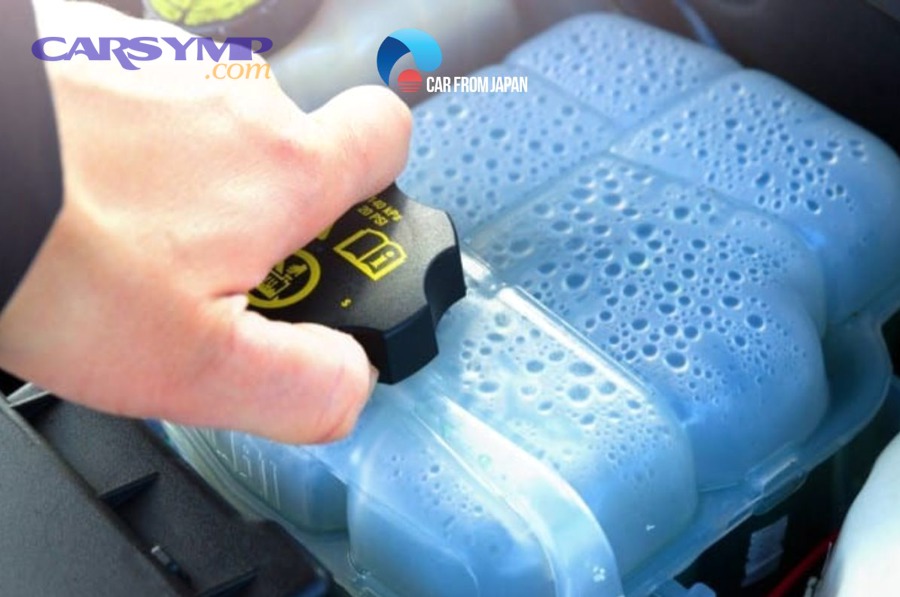
When continuing is usually acceptable for a short distance
If your temperature gauge stays in its normal range, the heater still blows hot consistently, the engine feels normal, and you can reduce load (slow down, avoid hills), you may be able to drive a short distance to a safer stop or nearby shop.
However, “short distance” should mean minutes, not a long commute. Heat spikes can be sudden when coolant level is low or when steam pockets form near the thermostat or cylinder head.
To keep the risk low, treat this as a controlled retreat: minimal throttle, minimal RPM, and frequent checks of the gauge and any warning messages.
When you should stop immediately
If the temperature needle climbs above normal, you see a red temperature light, you smell sweet coolant strongly inside the cabin, steam appears from the hood area, the engine loses power, or you hear knocking/pinging, you should stop as soon as you can do so safely.
In addition, if the heater suddenly goes cold while the gauge rises, that can mean low coolant or air in the system—both of which can lead to rapid overheating.
At that point, continuing is not “brave,” it’s expensive: severe overheating can damage head gaskets, warp aluminum parts, and degrade hoses and seals.
Why bubbling can escalate fast even if the gauge looks okay
Some vehicles buffer gauge movement, and some sensors don’t see the hottest spot in the engine. Steam pockets can superheat locally while the gauge lags behind.
So, the safe approach is to treat bubbling as an early warning and to prioritize a controlled cool-down plan over “just making it home.”
What immediate actions should you take the moment you notice bubbles?
Use a simple four-step response: reduce load, increase heat extraction, create a safe exit plan, and monitor for escalation—so you stabilize temperature before you commit to any destination.
Next, you’ll convert panic into procedure by doing the same steps in the same order every time.
Step 1: Reduce engine load immediately
Ease off the throttle, avoid rapid acceleration, and keep RPM modest. Turn off unnecessary electrical loads (A/C, if safe to do so) because A/C adds heat to the radiator area and increases engine demand.
Specifically, aim for smooth, steady driving and avoid hills when possible. If you’re in heavy traffic, create space so you can coast gently instead of stop-and-go surging.
Step 2: Use the heater as an emergency radiator
Turn the cabin heat to HOT and the fan to HIGH. This can pull heat out of the coolant and buy you time. It’s uncomfortable, but it can prevent a spike.
To illustrate the “why,” the heater core is a small radiator; when you open it fully, you add cooling capacity to the system.
Step 3: Plan a safe place to stop
Look for a wide shoulder, a parking lot, or a service station—not the narrowest part of a bridge or a blind curve. Signal early, and move over smoothly.
After that, keep watching the temperature gauge and any warning messages. Your plan should update in real time based on what the engine is telling you.
Step 4: Monitor for escalation signs every 30–60 seconds
Listen for pinging/knocking, watch for sudden heater output changes, and check for steam in mirrors. If anything worsens, your next action becomes “stop now,” not “drive a little longer.”
How do you choose “drive to a shop” versus “stop and tow”?
Choose “drive to a shop” only if temperature stays stable and symptoms remain mild; choose “stop and tow” if you see any overheating trend, power loss, steam, or warning lights—because towing is cheaper than engine damage.
Next, use a decision matrix so your choice is consistent, not emotional.
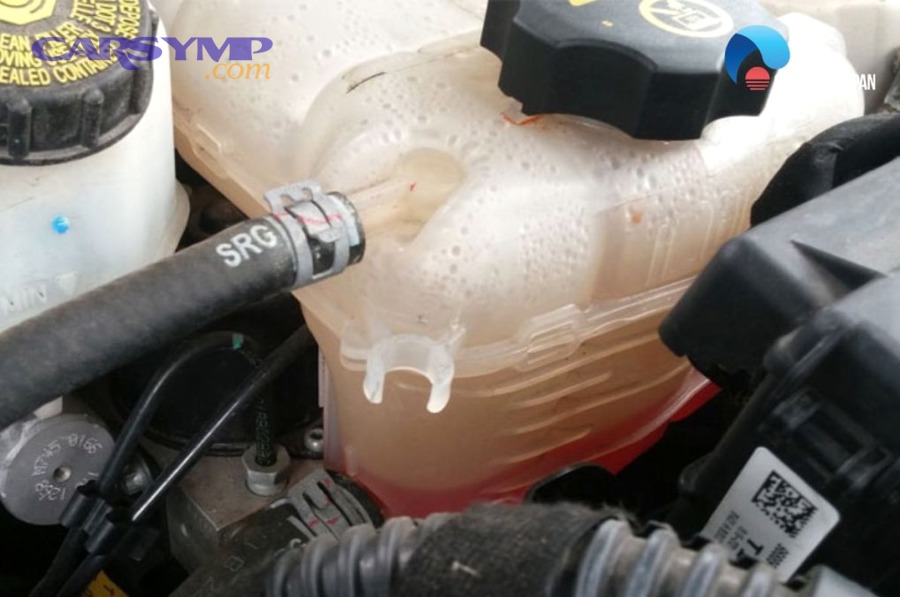
This table contains a quick decision guide to help you choose between continuing briefly, stopping to cool down, or requesting a tow based on what you observe.
| What you observe | Risk level | Best next move |
|---|---|---|
| Gauge normal, no warning lights, heater still hot, no steam | Moderate | Drive gently to the nearest safe stop/shop (short distance) |
| Gauge rising slowly, heater output inconsistent | High | Pull over safely, cool down, reassess; tow if it rises again |
| Red temp light, steam, strong coolant smell, power loss | Severe | Stop immediately; shut off engine; arrange tow |
| Repeated bubbling after refilling, bubbles increase with revs | High–Severe | Stop and tow; request proper diagnosis before more driving |
Distance and environment change the answer
A “nearby shop” in a city might be 2 miles of flat road; in rural areas it might be 20 miles of hills. The longer and harder the route, the more your safest decision shifts toward towing.
In addition, hot weather, heavy loads, and stop-and-go traffic reduce your margin. If you can’t keep airflow through the radiator, bubbling issues can turn into boiling quickly.
Why towing is often the financially safer choice
Even if towing feels inconvenient, it prevents the worst-case: overheating damage that multiplies cost. A tow plus a proper diagnosis is usually cheaper than a repair that starts as “cooling” and becomes “engine.”
What warning signs mean you’re entering the danger zone?
You’re entering the danger zone if you see a rising temperature trend, steam, coolant smell, warning lights, loss of cabin heat, or power reduction—because these are signs the cooling system can’t control pressure and temperature anymore.
Next, group these signs so you can recognize patterns quickly under stress.
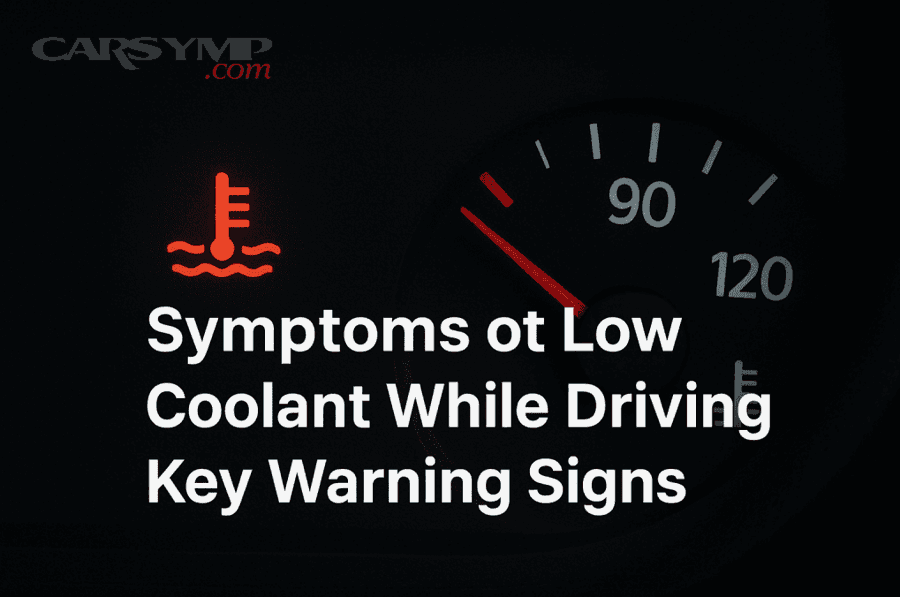
Dashboard and sensor warnings
A red temperature light, “Engine Overheating” message, or rapidly climbing gauge means stop planning and start executing: pull over and shut down safely.
However, don’t ignore “yellow” warnings if they appear alongside bubbling, because some systems warn early for coolant level or engine protection modes.
Smell, steam, and visible leaks
A sweet smell (ethylene glycol coolant) or visible steam from the front of the car indicates active heat and coolant loss. Steam is not “just vapor”; it often means coolant is reaching boiling temperature or contacting hot surfaces.
In addition, puddles under the engine bay or spray patterns around hoses and the radiator area suggest pressure is pushing coolant out.
Cabin heater suddenly turns cold
If the heater blows cold while the engine is hot, coolant may be too low to circulate through the heater core, or there may be an air pocket blocking flow.
That combination is a strong reason to stop, because it often precedes a rapid temperature spike.
How can you reduce engine stress while you search for a safe place to stop?
Reduce engine stress by lowering speed and RPM, avoiding hard acceleration and hills, turning off A/C, and using the heater to pull heat out—because the fastest way to prevent damage is to reduce heat production and improve heat removal.
Next, combine driving technique with heat management so the cooling system can “catch up.”
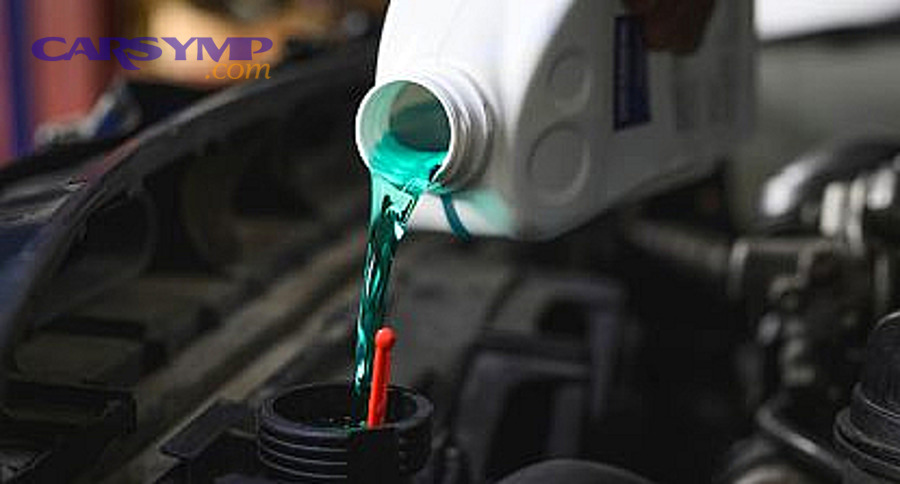
Driving technique that protects the cooling system
Keep throttle gentle and anticipate traffic so you can roll smoothly. If safe, choose the right lane to reduce lane changes and sudden speed swings.
Specifically, avoid high RPM climbs. If you must climb, do it slowly and consider pulling off before a long grade if the gauge is already trending upward.
Heat extraction technique you can do immediately
Run the heater hot, fan high, and if conditions allow, crack windows to vent cabin heat. This is uncomfortable but can keep coolant temperature from tipping into boiling.
In addition, if you’re stuck in stop-and-go, look for the earliest safe exit to get airflow—parking lots and side roads can be safer than idling on a narrow shoulder.
What not to do while driving with bubbling coolant
Don’t floor it “to get there faster,” don’t keep A/C blasting, and don’t ignore warning lights. Also, avoid shutting the engine off in an unsafe lane; prioritize a controlled move to a safe stop first.
What is the safest way to pull over and shut down on the roadside?
The safest roadside stop is one that keeps you visible and away from traffic: signal early, choose a wide shoulder or parking area, stop on level ground, and shut down calmly—because the roadside itself can be more dangerous than the engine issue.
Next, protect yourself and passengers before you touch anything under the hood.
Positioning and visibility
Turn on hazard lights, park as far from the travel lane as practical, and avoid stopping on blind corners. If you carry reflective triangles, place them according to local safety guidance and traffic speed.
In addition, keep the steering wheel turned slightly away from traffic if you’re on a shoulder, so a rear impact is less likely to push you into lanes.
Passenger safety first
If you’re in a dangerous location (narrow shoulder, high-speed traffic), it may be safer to keep everyone inside with seatbelts on until help arrives—unless conditions clearly require exiting.
To illustrate, many roadside injuries happen because people step into traffic while distracted by the problem they’re trying to fix.
Shut-down sequence that reduces heat soak risk
If the engine is extremely hot, you can idle for 30–60 seconds to stabilize temperatures, then shut off. However, if the gauge is pegged high or a red light is on, shut down promptly once safely stopped.
After that, pop the hood latch (do not fully open yet) if it’s safe; this can let heat escape gradually without exposing you to a sudden steam blast.
How do you cool down and inspect safely without getting burned?
Cool down safely by waiting, venting heat gradually, and never opening a pressurized cap when hot—because the cooling system can spray scalding coolant and steam with explosive force.
Next, you’ll use a slow, staged approach that reduces both injury risk and diagnostic confusion.
Wait time and “do not touch” rules
Wait until the temperature gauge returns toward normal and the radiator hoses feel less rigid. A safe rule is to wait at least 20–30 minutes, longer if the engine was severely hot.
In addition, keep hands away from fans; electric fans can turn on unexpectedly even with the engine off.
How to open the hood safely
Release the hood and open it slightly first, standing to the side—not directly in front. Let heat vent for a minute before lifting fully.
To illustrate, a sudden rush of steam can obscure vision and cause reflex movements that lead to falls or burns.
Never open the radiator cap hot
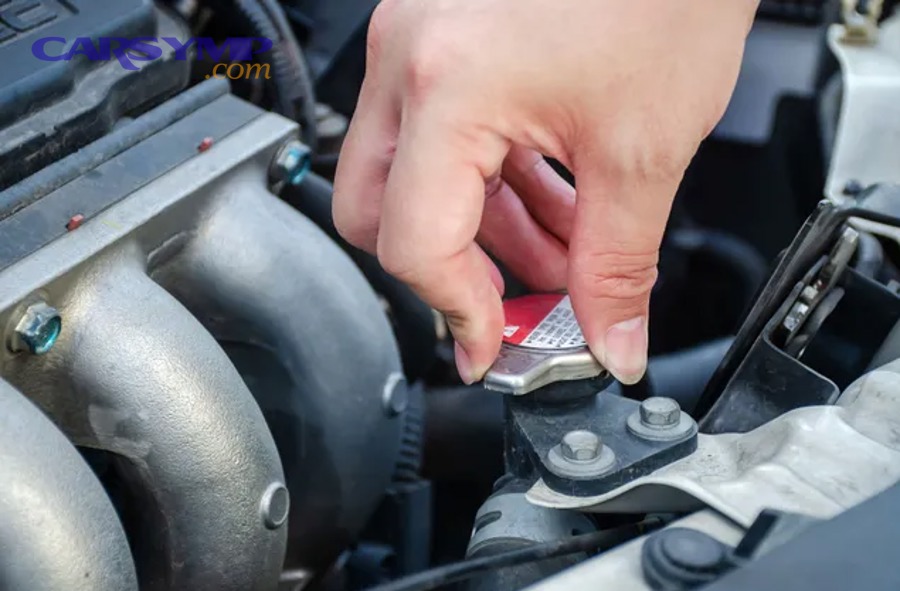
Do not twist the radiator cap when the system is hot. If you must check coolant level, use the overflow/expansion tank markings after the system cools, and only add coolant when safe and recommended by the manufacturer.
Which quick checks can you do without tools, and what do they mean?
You can do several low-risk checks—levels, leaks, hose feel, heater behavior, and fan operation—to narrow likely causes without dismantling anything, because many dangerous mistakes happen when drivers “start wrenching” while the system is hot.
Next, interpret each check as a clue, not a final diagnosis.
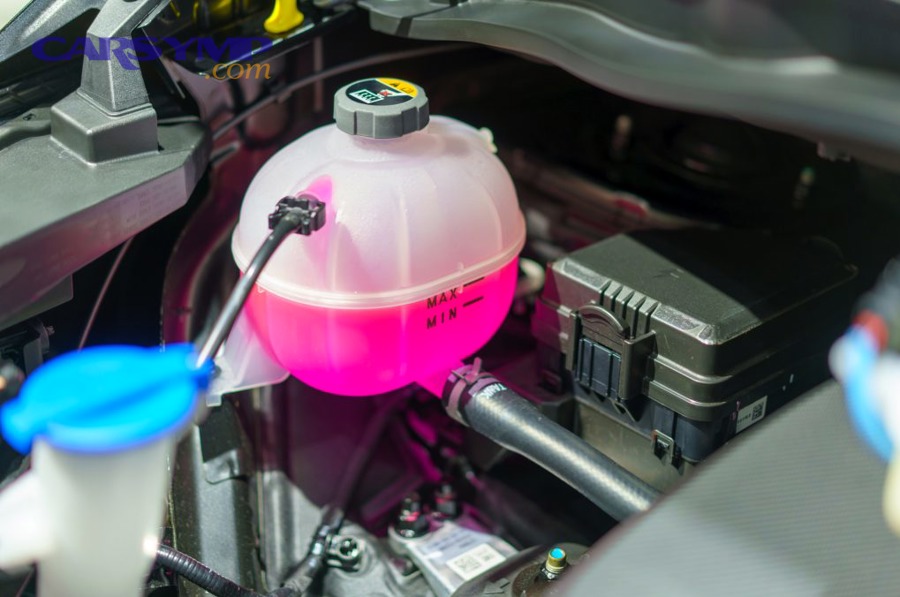
Check 1: Coolant level in the expansion tank
Once cool, check whether the level is below MIN. A low level suggests a leak, recent boil-over, or air trapped after service. If it’s very low, don’t assume topping off is the “fix”—it’s often a temporary patch.
To connect the dots, if you saw bubbles earlier and the level is low now, pressure may have pushed coolant out or the system may be drawing air in as it cools.
Check 2: Signs of external leaks
Look for dried residue (often white, green, or pink depending on coolant type) around hose joints, the radiator end tanks, the water pump area, and the cap region. Also look under the vehicle for fresh drips.
In addition, leaks that only appear when hot can leave little evidence once cooled, so pay attention to smell and wetness patterns.
Check 3: Hose firmness and uneven temperatures
With caution, feel whether a hose is rock-hard (high pressure) or collapsed (possible suction issue). Uneven hose temperatures can hint at restricted flow, a stuck thermostat, or air pockets.
However, avoid squeezing hot hoses aggressively; use gentle touch only after cooling.
Check 4: Cabin heater consistency
A steady hot heater usually indicates coolant circulation; a heater that cycles hot/cold can suggest air pockets or low coolant. That’s relevant because trapped air can cause localized boiling and bubbling behavior.
Check 5: Fan operation
Many modern vehicles run cooling fans based on temperature and A/C demand. If the engine is hot and the fan never runs, the issue could be electrical (relay, sensor, fan motor) and overheating can happen quickly in traffic.
How should you communicate symptoms to a shop or roadside service?
Communicate symptoms by describing the timeline, what changed with speed and heater settings, and any warning lights—because clear symptom language guides faster diagnosis and reduces the chance of unnecessary parts replacement.
Next, you’ll use a structured script that turns your observations into useful data.
The 30-second symptom script
State: (1) when you noticed bubbles, (2) what the temperature gauge did over time, (3) whether the cabin heater stayed hot, (4) whether you saw steam or smelled coolant, and (5) whether adding heat/turning off A/C changed anything.
For example: “After 10 minutes of driving, the gauge started creeping up; turning the heater on slowed it; in traffic it rose again; I smelled coolant and saw light steam, so I pulled over.”
Questions that protect you from guesswork
Ask the shop what tests they’ll do before replacing parts: pressure test, fan command test, thermostat function check, and inspection for leaks. This keeps the process evidence-based.
In addition, ask for the old parts back and request photos of leaks or failed components if you’re not present. That improves transparency.
Use symptom-based language, not part-based demands
Instead of saying “replace my thermostat,” say “my temperature rises at low speed and the heater cycles.” Symptoms lead to diagnosis; assumptions lead to parts darts.
How do you minimize risk if you must drive a short distance to help?
Minimize risk by keeping speed steady, avoiding stop-and-go, using the heater to dump heat, and stopping immediately if the gauge trends up—because short-distance driving is only safe if you maintain control over temperature and pressure.
Next, treat the trip like a monitored test, not normal driving.
Choose the route that favors airflow and safety
Pick flatter roads with fewer lights and less congestion. Avoid steep grades and routes with no safe pull-off. If you can reach a service station or parking lot quickly, that’s better than risking a breakdown on a highway shoulder.
In addition, drive with extra following distance so you can avoid frequent braking and acceleration—both increase engine load indirectly.
Set a hard “abort rule” before you move
Decide in advance: if the gauge rises above normal, if a warning light appears, or if the heater turns cold, you will pull over immediately. This prevents “just one more mile” thinking.
Bring the basics without creating new hazards
If you already have them, keep water/coolant, gloves, and a flashlight available. But don’t rummage under the hood on a narrow shoulder—your safety beats any temporary top-up.
In the middle of this process, you might hear people describe a bubbling coolant reservoir as “normal.” Use caution: that exact observation can be harmless after service or a sign of boiling/air intrusion depending on timing and temperature behavior.
What are the most common causes behind bubbling, and why they matter for driving safety?
The most common causes include trapped air, a weak pressure cap, low coolant from a leak, fan or thermostat problems, and internal gas intrusion—because each cause changes how quickly overheating can occur and whether driving is remotely safe.
Next, you’ll connect cause patterns to what you observe on the road.
Trapped air after refilling or component replacement
Air pockets can expand and create bubbles, reduce circulation, and cause localized hotspots. Driving may seem okay at speed but worsen in traffic as airflow drops and heat builds.
To illustrate, an air pocket near the thermostat can delay opening, causing temperature spikes that feel “random.”
Weak radiator/expansion cap or pressure loss
The cap maintains pressure so coolant can run hotter without boiling. If pressure is low, coolant can boil at a lower temperature, leading to bubbling and overflow even when the gauge doesn’t look extreme.
In addition, a bad cap can cause coolant to escape, then draw air back in as the system cools—creating a repeating cycle.
Low coolant from leaks
Low level reduces the system’s ability to carry heat, so the remaining coolant runs hotter and may boil. The risk is high because temperature can spike suddenly under load.
Cooling fan issues, thermostat behavior, and flow restrictions
Fan failures often show up in traffic; thermostat issues can cause slow rise then sudden spike. Restrictions (clogged radiator, collapsed hose) reduce flow and can trigger boiling in hot spots.
Internal combustion gases entering the cooling system
If bubbles increase with engine speed and return quickly after cool-down, internal gas intrusion becomes a concern. Driving becomes risky because pressure and heat rise quickly, and coolant can be pushed out repeatedly.
In conversations with a shop, you may hear the phrase Coolant contamination and combustion gas test. That diagnostic direction matters because it changes the repair path and how cautious you should be about continued driving.
Drivers often ask about the Repair cost range for common causes when they’re deciding whether to tow. While costs vary by vehicle and region, the key safety point is this: towing to prevent engine damage usually lowers total risk and often lowers total cost compared to driving into a worst-case failure.
How can you prevent repeat bubbling after repairs or coolant service?
Prevent repeat bubbling by using the correct coolant, bleeding air properly, confirming cap and fan operation, and monitoring levels for a few heat cycles—because most repeat events come from trapped air, mixed coolant, or unresolved leaks.
Next, you’ll apply a “verification mindset” after the repair, not just a “replace and hope” mindset.
Verify the system is properly filled and purged
After service, check the expansion tank level when cold for several mornings. If the level keeps dropping, air may still be purging or a leak may remain.
In addition, confirm the heater output stays consistent during warm-up; inconsistent heat can indicate lingering air pockets.
Confirm the correct coolant type and mixture
Using the wrong type or mixing incompatible coolants can reduce corrosion protection and may contribute to deposits that restrict flow. A correct mix also improves boiling and freezing protection.
To illustrate, a proper coolant mix isn’t just “antifreeze,” it’s also a pressure-and-heat-management fluid with additives that protect metals and seals.
Re-check for leaks under pressure and after heat soak
Some leaks appear only under pressure or after the engine heat-soaks. If you smell coolant after a drive or see residue, address it early before it becomes a roadside event.
Monitor real behavior, not just the gauge
Pay attention to patterns: does the issue happen only in traffic, only on hills, or only after a long drive? Those patterns help pinpoint fan control, airflow, or circulation issues.
Contextual Border: Up to this point, you’ve focused on immediate safety and practical driving decisions. Next, you’ll expand into edge cases and myths that change what “bubbling” means—especially timing after service and how diagnostics can be misread.
Edge cases, myths, and timing that change what bubbling means
Bubbling can be normal, misleading, or dangerous depending on timing, temperature trend, and how quickly it returns—so the safest guidance is to interpret bubbles in context rather than treating them as one single diagnosis.
Next, use these edge-case rules to avoid false reassurance and avoid unnecessary panic.
When bubbles after service can be normal
After a coolant drain/refill, small bubbles may appear as remaining air works its way out during the first few heat cycles. This is more likely if the system wasn’t vacuum-filled or if the vehicle requires a specific bleeding procedure.
However, normal post-service bubbles usually decrease each cycle, the temperature stays stable, and the coolant level stabilizes when cold. If bubbles intensify, the level drops repeatedly, or the gauge starts rising in traffic, treat it as a problem.
How traffic, weather, and driving style alter the risk
Stop-and-go traffic reduces airflow, raising the importance of fan performance. Hot weather reduces cooling margin, while climbing hills increases heat production. Short trips can hide issues that show up on long drives because heat soak accumulates.
In addition, if the heater becomes your emergency heat dump, your ability to “stay safe while driving” may be limited by passenger comfort—so plan stops rather than pushing through.
Why quick top-ups can mask the real issue
Adding coolant may temporarily restore circulation and make symptoms disappear for a day, but it can also dilute the clue you need to diagnose the root cause (a leak, a weak cap, trapped air, or internal gas intrusion).
To illustrate, a system that repeatedly needs topping off is telling you it’s losing coolant or pulling in air. The safe move is diagnosis, not repeated refills.
What tests to request when bubbling keeps returning
If bubbling returns quickly after cool-down—especially if it rises with RPM—ask the shop what verification tests they’ll run before replacing major parts. Pressure testing checks external leaks; fan command tests validate cooling control; and a block-check direction may be considered if symptoms suggest internal gases.
When you hear Coolant contamination and combustion gas test mentioned, treat it as a sign the shop is trying to confirm or rule out internal combustion gases and contamination pathways rather than guessing.
Quick FAQ drivers ask in the moment
- Can I pour cold water into a hot system? Avoid it. Sudden thermal shock can crack components and doesn’t address pressure risk. Wait and add the correct coolant mixture when safe.
- Should I open the cap to “release pressure”? No. Never open a pressurized cap hot. Vent heat by cracking the hood first and waiting.
- Does bubbling always mean a blown head gasket? No. Trapped air, low coolant, and weak caps are common. What matters is pattern: temperature trend, recurrence, and whether bubbles scale with RPM.
- Is it safer to idle with the hood open? Sometimes, if you’re in a safe location and need airflow and fan operation to stabilize temperatures. But if temperature rises while idling, shut down and tow.