


If you’re trying to budget a repair cost range for common causes, the fastest way is to group the problem by what failed (pressure control, circulation, heat exchange, airflow, or internal engine sealing) and then price the likely repair path.
Beyond the “what,” the next decision is “where”: a DIY parts-only fix and a shop repair rarely differ by a small margin—labor access, diagnostic time, and coolant handling can swing the total dramatically.
A practical estimate also depends on what you’ll authorize after diagnosis: some faults are standalone, while others cascade into related parts, extra coolant, and follow-up checks that add cost.
To keep your estimate realistic, “Giới thiệu ý mới” you’ll see cost bands by failure category, a quick diagnostic-fee roadmap, and a step-by-step way to turn symptoms into a defendable budget before you approve work.
What is the repair cost range for common causes of cooling-system problems?
The repair cost range for common causes typically spans from a simple under-$200 fix to several thousand dollars when internal sealing or major heat-exchange components fail, depending on parts access and whether secondary damage occurred.
Tiếp theo, use the grouped table below as a first-pass “budget map,” then refine with diagnosis and vehicle-specific labor time.
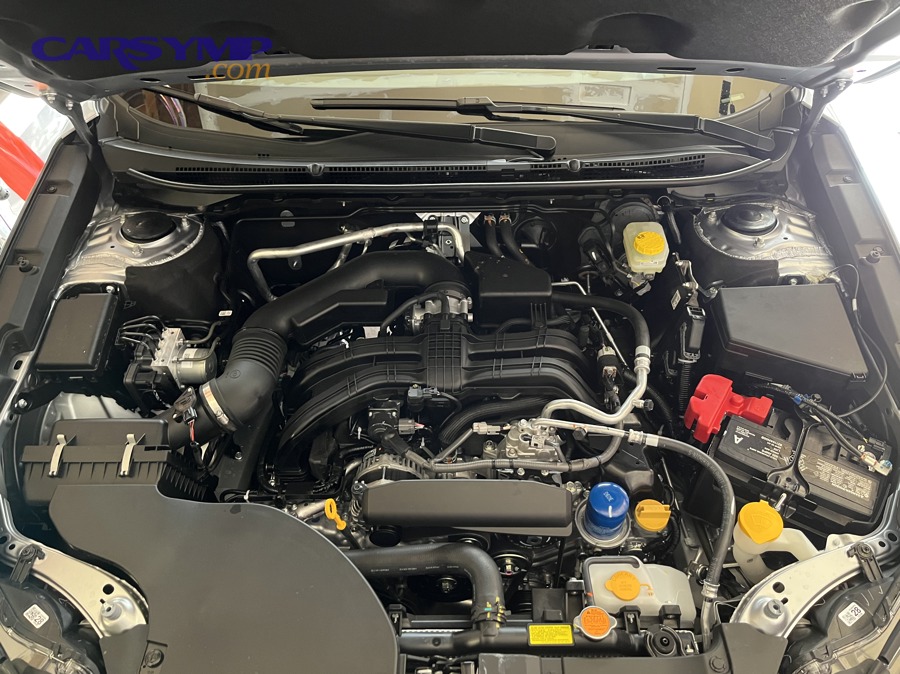
This table contains common cause categories and typical shop price bands, helping you budget before you authorize teardown or parts orders.
| Cause category (what failed) | Typical repair examples | Typical shop range (USD) | Why the range swings |
|---|---|---|---|
| Diagnosis first | General diagnosis; coolant leak diagnosis | $60–$179 | Scan time, leak tracing, test equipment, local labor rate |
| Pressure loss (external) | Radiator hose; coolant reservoir; cap/bleed issues | $100–$650 | Hose routing, clamps, plastic fittings, refill/bleed time |
| Circulation control | Thermostat; thermostat housing | $280–$700 | Housing access, sensor integration, coolant type |
| Circulation hardware | Water pump | $600–$1,300+ | Timing cover access, belt/chain overlap, gasket cleanup |
| Heat exchange | Radiator replacement | $550–$1,500+ | OEM vs aftermarket, integrated coolers, bracket removal |
| Airflow | Radiator fan motor/assembly | $700–$1,200+ | Shroud/assembly design, electrical diagnosis, calibration |
| Cabin heat leak | Heater core | $900–$1,900+ | Dash removal time, HVAC box labor, coolant cleanup |
| Internal sealing damage | Head gasket; cylinder head | $2,400–$5,100+ | Machine work, head warpage, bolt kits, teardown scope |
According to RepairPal’s published estimates (updated 10/2025), coolant leak diagnosis averages $60–$88 and general diagnosis averages $122–$179, which often becomes the “entry fee” before parts decisions.
How much do diagnostic fees add before you approve any repairs?
Diagnostic fees commonly add $60–$179 upfront, and they’re usually worth paying because they reduce “parts cannon” guesses that inflate the final bill.
Để bắt đầu, treat diagnosis as a decision gate: you pay for proof, then you decide whether to proceed with parts, labor, and coolant handling.

In practice, diagnosis may include a visual inspection, pressure test planning, scan-tool checks, and leak-tracing steps; the shop’s goal is to separate “external leak” from “circulation fault” from “internal sealing.”
- General diagnosis fee: Often covers baseline investigation time and may be applied toward repair at some shops.
- Coolant leak diagnosis: More specific—finding where coolant escapes (hose, reservoir, radiator, heater core, water pump weep hole, etc.).
- Optional add-ons: Dye, UV inspection, smoke testing (for some systems), and extended road-test monitoring.
To keep your estimate grounded, ask for the “next likely step” after diagnosis and the “stop point” if evidence points to internal sealing (because that changes the cost tier).
Ví dụ, if the shop confirms an external leak and no overheating damage, you can budget the fix plus coolant refill/bleed; if evidence suggests combustion gases entering coolant, your budget tier jumps dramatically.
The phrase bubbling coolant reservoir often shows up at this fork: it can be trapped air after service, but it can also suggest deeper issues—so the cost of proper confirmation is usually cheaper than guessing.
According to RepairPal’s estimates (10/2025), a coolant leak diagnosis averages $60–$88 and general diagnosis averages $122–$179, giving you a realistic baseline for planning.
How much does it cost to fix simple pressure-loss problems (cap, hoses, reservoir, clamps)?
Simple pressure-loss repairs often land in the low-to-mid hundreds, but costs rise when access is tight, multiple brittle fittings break, or a proper refill-and-bleed procedure is required.
Cụ thể, this category is where many drivers can avoid big bills—if you catch seepage early and prevent overheating damage.

Radiator hose and clamp-related repairs
A radiator hose repair is usually a mid-range job because it often includes coolant loss, cleanup, and refilling with the correct mix.
Ngoài ra, hoses fail more than once when aging plastics (quick-connects, necks, and tees) are disturbed during removal.
- What you’re paying for: hose, clamps, coolant, labor time, and leak verification.
- Cost levers: lower vs upper hose access, turbo plumbing, and whether the thermostat housing or radiator neck is fragile.
According to RepairPal’s estimate (10/2025), radiator hose replacement averages $467–$522, which provides a useful “shop baseline” even though vehicle design can push it up or down.
Coolant reservoir replacement
Replacing the reservoir is typically a moderate-cost fix, but it can climb if sensors, level switches, or molded hoses are integrated into the tank assembly.
Hơn nữa, reservoirs often crack at seams or fittings, and a slow leak can mimic “mystery coolant loss” until tested.
- What you’re paying for: reservoir assembly, transfer of sensors/hoses, coolant top-off, and leak check.
- Cost levers: integrated level sensor, hard-to-reach mounting, and brittle hose nipples.
According to RepairPal’s estimate (10/2025), coolant reservoir replacement averages $478–$534.
Radiator cap and small-pressure-control items
A radiator cap is usually low-cost, but shops may still charge a minimum labor/inspection fee because verifying pressure control is the real value—not the part price.
Đặc biệt, if pressure relief is wrong, you can get boiling behavior at lower temperatures and repeated coolant loss.
- DIY reality: the part may be inexpensive, but you must match the correct pressure rating and sealing design.
- Shop reality: expect inspection time, a pressure-cap test, and a cooling-system check if symptoms persist.
According to RepairPal’s published diagnosis ranges (10/2025), many “small part” cooling concerns still begin with a $60–$179 diagnostic tier before any parts are installed.
What does it cost to restore coolant circulation (thermostat, thermostat housing, water pump)?
Circulation repairs typically range from a few hundred dollars to well over a thousand because labor depends on access, gasket cleanup, and whether the pump is tied to timing components.
Để hiểu rõ hơn, think of this as “valves and movers”: the thermostat controls flow; the pump provides flow.
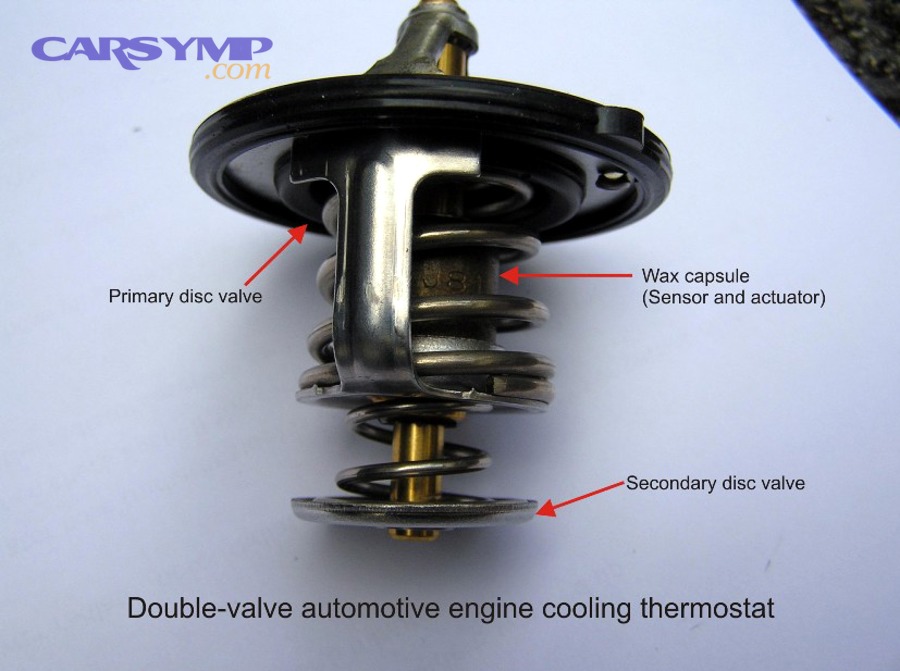
Thermostat replacement
Thermostat replacement is often a mid-cost repair, especially on modern engines where the thermostat housing integrates sensors and plastic passages.
Tuy nhiên, skipping proper bleeding can leave trapped air pockets that cause repeat overheating or unstable temperature readings.
- Cost levers: housing design, sensor integration, and access under intake plumbing.
- Smart add-on: if the housing is plastic and aged, replacing it proactively can prevent repeat labor.
According to RepairPal’s estimate (10/2025), thermostat replacement averages $567–$657.
Thermostat housing replacement
Thermostat housing replacement is similar in tier to thermostat work, but can be costlier when multiple outlets, sensors, or brittle connectors are part of the housing.
Trong khi đó, a small crack at the housing can look like a hose leak unless pressure-tested.
- Cost levers: number of connections, engine packaging, and whether mating surfaces require extra cleanup.
According to RepairPal’s estimate (10/2025), thermostat housing replacement averages $576–$669.
Water pump replacement
Water pump replacement is a higher-tier job because it may require belt removal, timing cover access, or significant disassembly, and it often includes fresh coolant and seal verification.
Quan trọng hơn, a leaking pump can start as a small weep and then become rapid loss under load.
- Cost levers: timing belt/chain overlap, gasket surface prep, and whether the pump is driven internally.
- Associated costs: belt, tensioner, idlers, and thermostat may be recommended if labor overlaps.
According to RepairPal’s estimate (10/2025), water pump replacement averages $789–$985.
To connect cost to symptoms, the phrase Thermostat and water pump checks matters because both parts can create similar overheating patterns but very different labor scopes.
How much do heat-exchange repairs cost (radiator, heater core, coolant temperature sensor)?
Heat-exchange and temperature-measurement repairs often land from the high hundreds to the low thousands because parts can be expensive and labor may involve front-end or dashboard disassembly.
Bên cạnh đó, these fixes are where preventative maintenance can save money—overheating events can accelerate radiator and heater-core failures.

Radiator replacement
Radiator replacement is frequently a high-cost repair because the radiator itself can be expensive, and the job includes draining, refilling, bleeding, and leak verification.
Cụ thể hơn, costs rise on vehicles with integrated transmission coolers or complex shrouds.
- Cost levers: OEM vs aftermarket radiator, integrated coolers, and front-end disassembly requirements.
- Often bundled: new hoses, clamps, and sometimes a thermostat if cooling performance has been unstable.
According to RepairPal’s estimate (10/2025), radiator replacement averages $1,245–$1,466.
Heater core replacement
Heater core replacement is a labor-heavy job that can reach well into four figures because it often requires dashboard or HVAC-box removal.
Ngược lại, the part itself may not be the main cost—labor and coolant cleanup dominate.
- Cost levers: dashboard design, HVAC box location, and whether blend-door components are addressed while open.
According to RepairPal’s estimate (10/2025), heater core replacement averages $1,322–$1,845.
Engine coolant temperature sensor replacement
A faulty coolant temperature sensor can cause incorrect fan control or misleading gauge behavior, adding diagnostic complexity even if the underlying cooling hardware is fine.
Hơn nữa, sensor replacement cost varies widely because sensor access and connector condition differ by engine design.
- Cost levers: sensor location, harness repair needs, and coolant loss during removal.
According to RepairPal’s estimate (10/2025), engine coolant temperature sensor replacement averages $447–$532.
What do airflow-related fixes cost (fan motor, fan assembly, electrical control)?
Airflow repairs typically cost from several hundred to over a thousand dollars because fan assemblies and motors can be pricey and diagnosing control issues can add labor time.
Tiếp theo, airflow is critical at idle and low speed—exactly where overheating often shows up first.

Radiator fan motor replacement
Replacing a fan motor can be a moderate-to-high cost repair, especially when the motor is part of a larger shroud or assembly.
Ví dụ, a worn motor may draw excessive current, forcing additional electrical checks to confirm the root cause.
- Cost levers: single vs dual fan setups, connector corrosion, and whether the shroud must be removed as a unit.
According to RepairPal’s estimate (10/2025), radiator fan motor replacement averages $819–$930.
Radiator fan assembly replacement
Replacing the entire fan assembly is often more expensive than a motor alone, but it can be the most time-efficient fix when multiple components are worn.
Quan trọng hơn, assembly replacement can reduce repeat labor if bearings, shroud mounts, or dual motors are aging together.
- Cost levers: assembly design, calibration steps, and whether additional relays/modules are diagnosed.
According to RepairPal’s estimate (10/2025), radiator fan assembly replacement averages $1,022–$1,138.
For readers tracking Overheating and boiling coolant diagnosis, airflow faults can mimic circulation faults; the repair tier often depends on whether the failure is mechanical (motor) or electrical (control path).
How expensive are internal engine sealing repairs (head gasket, cylinder head) when cooling issues escalate?
Internal sealing repairs are the most expensive tier, commonly running from roughly $2,400 to $5,100+ because labor involves major teardown and may require machine work and replacement fasteners.
Đặc biệt, this category is where continuing to drive while overheating turns a “fixable leak” into a “rebuild-level” invoice.

Head gasket replacement
A head gasket replacement is costly because most of the expense is labor: disassembly, cleaning, measurement, reassembly, and validation tests.
Tóm lại, the bill rises further if the head is warped, bolts are torque-to-yield, or contamination demands extra flushing.
- Cost levers: engine layout (V vs inline), access, machine-shop services, and parts kits.
- Common add-ons: head bolts, coolant, oil change, thermostat, and sometimes water pump if labor overlaps.
According to RepairPal’s estimate (10/2025), head gasket replacement averages $2,457–$3,219.
Cylinder head replacement
Cylinder head replacement can exceed head-gasket cost because the head itself is expensive, and machine work or replacement may be required if overheating caused cracks or severe warpage.
Hơn nữa, some engines require additional timing system work during reassembly, adding labor and parts.
- Cost levers: head availability, valve-train complexity, and whether the block deck requires extra attention.
According to RepairPal’s estimate (10/2025), cylinder head replacement averages $4,243–$5,104.
If you’re analyzing Causes of bubbles in coolant reservoir, internal sealing is one potential cause, but it should be confirmed with testing before budgeting this tier.
How much does preventive service cost compared with repairs (coolant change, targeted flush/refill)?
Preventive service usually costs a few hundred dollars, which is far less than major component replacement—especially if it prevents corrosion, deposits, and overheating episodes that accelerate failures.
Để bắt đầu, treat maintenance as “buying back reliability”: you’re paying to keep heat transfer efficient and seals protected.
Coolant change
A coolant change is often priced higher than people expect because it can include proper disposal, system bleeding, and use of manufacturer-specific coolant types.
Cụ thể, modern long-life coolants and mixed-material cooling systems raise both parts cost and procedure strictness.
- Cost levers: coolant specification, capacity, bleeding steps, and access to drains/bleed ports.
- Value: fresh corrosion inhibitors and stable boiling protection when mixed correctly.
According to RepairPal’s estimate (10/2025), a coolant change averages $418–$487.
Targeted drain/flush and refill on specific systems
Some vehicles have multiple coolant loops; a targeted drain/flush/refill can cost less than a full system service while still addressing a specific circuit’s health.
Trong khi đó, a full service may still be recommended if contamination is present or coolant type is unknown.
- Example tier: hybrid inverter coolant drain/flush/refill can be priced separately from engine coolant service.
According to RepairPal’s estimate (10/2025), a hybrid inverter coolant drain/flush/refill averages $244–$302.
In the Car Symptoms world, preventive coolant service is one of the few actions that can meaningfully reduce the odds of a sudden overheating escalation.
How can you estimate your total bill more accurately (labor rate, parts tier, and “related repairs”)?
You can estimate your total bill more accurately by combining a diagnostic fee, a parts-and-labor band for the confirmed failure, and a realistic allowance for related repairs like hoses, coolant, and bleed time.
Tiếp theo, use the “3-layer estimate” below to reduce surprise add-ons and compare quotes fairly.

Layer 1: Entry costs you almost always pay
Start with diagnosis, because even the cheapest parts fix is often preceded by inspection time.
- General diagnosis: baseline troubleshooting budget.
- Coolant leak diagnosis: targeted leak-tracing budget.
According to RepairPal’s estimates (10/2025), general diagnosis averages $122–$179 and coolant leak diagnosis averages $60–$88.
Layer 2: Confirmed repair tier (choose your band)
Once the failed component is confirmed, choose the appropriate band and add taxes/fees and coolant handling if not included.
- Moderate band examples: thermostat ($567–$657), coolant reservoir ($478–$534), radiator hose ($467–$522).
- High band examples: radiator ($1,245–$1,466), fan assembly ($1,022–$1,138), heater core ($1,322–$1,845).
- Major tier: head gasket ($2,457–$3,219), cylinder head ($4,243–$5,104).
These ranges align with RepairPal’s published estimates (10/2025) for the listed repairs.
Layer 3: Related repairs allowance (the “unknown but common” add-on)
Add an allowance when any of these are likely: brittle hoses, corroded clamps, contaminated coolant, repeated overheating, or overlapping labor where it’s smart to replace aging components.
Hơn nữa, many estimates explicitly warn that taxes/fees and associated repairs may apply; treat that as a budgeting signal, not fine print.
According to AAA’s “Your Driving Costs” analysis (09/2025), maintenance and repair is a meaningful ongoing ownership cost category, reinforcing why budgeting beyond a single part price is prudent.
Contextual Border: From here, we shift from “what it costs” to “how to spend less safely and decide when to stop driving,” so you can control risk while controlling the budget.
Supplementary: How to reduce your cooling-system bill without increasing risk
The safest cost reductions come from smarter confirmation, timing repairs before escalation, and choosing the right “DIY vs shop” boundary—because the wrong shortcut can convert a manageable bill into an engine-level repair.
Tiếp theo, use the strategies below as a checklist when you compare quotes or decide what to do yourself.

DIY vs shop: pick jobs by spill risk and access, not by part price
DIY makes the most sense when the job is accessible, coolant loss is controlled, and failure consequences are low (for example, some hose and reservoir work), while shop work is safer for internal sealing or labor-intensive disassembly.
Ngược lại, even a cheap part becomes expensive if a DIY attempt causes air pockets, stripped fasteners, or repeated overheating.
Stop driving early when overheating is active
If temperature climbs rapidly, the heater blows cold while the gauge rises, or coolant level drops repeatedly, stopping early can prevent warpage and protect you from the head-gasket cost tier.
Đặc biệt, “drive it a little more” is one of the fastest paths from a mid-hundreds repair to a multi-thousand repair.
Ask for “evidence + stop point” on estimates
Request one photo or measurement that proves the failure (leak point, cracked tank seam, failed fan command, contaminated coolant) and a clear stop point before teardown expands the scope.
Hơn nữa, this keeps the estimate anchored and reduces “while we’re in there” surprises.
Bundle overlapping labor only when it’s genuinely overlapping
Bundling can save money when parts share labor (for example, water pump and related drive components on some designs), but it wastes money when labor does not overlap and the add-on is just speculative.
Tóm lại, bundle based on access overlap, not fear.
FAQ
Does the cheapest quote usually mean the best value?
No—cheapest quotes often omit diagnostics clarity, proper bleeding, correct coolant type, or post-repair verification, which can cause repeat visits that erase any savings.
Why do estimates vary so much between shops?
Rates vary by region, parts tiers differ (OEM vs aftermarket), and vehicle packaging changes labor time; also, some shops include coolant and bleeding steps while others itemize them separately.
When should I expect the bill to jump to the “thousands” tier?
When evidence points to internal sealing damage, repeated severe overheating, or labor-intensive components like heater cores and cylinder heads—those repairs require teardown and often machine work.
What’s the fastest way to turn symptoms into a realistic budget?
Pay for diagnosis first, then choose the repair band for the confirmed failure, then add a related-repairs allowance for coolant, bleeding, and common brittle fittings—this produces a budget you can defend and compare across quotes.