


Most vehicles don’t need a coolant flush every year—but they do need coolant service on a real interval, because antifreeze additives get used up, pH can drift, and corrosion risk rises if you push past the coolant’s design life. The practical answer is: use your owner’s manual interval first, then shorten it if your driving conditions or test results show the coolant is aging faster.
Next, you’ll learn how to translate “5 years/100,000 miles” (or similar) into a decision you can actually trust—especially if you don’t know what coolant is inside your system, you’ve topped off with water, or the vehicle has had overheating or repairs.
Then, we’ll cover the big “why” behind intervals: coolant chemistry and the cooling system’s weak points (aluminum, mixed metals, seals), plus the real-world factors that accelerate breakdown—heat, contamination, air, hard water, and small leaks.
Introduce a new idea: once you understand what a coolant flush is and what it’s trying to prevent, you can use a simple schedule + symptom + testing approach that’s far more reliable than guessing.
What does “flush coolant” mean, and how is it different from a drain-and-fill?
A coolant flush is a cleaning-and-replacement process that removes most of the old coolant (and suspended contaminants) from the radiator, engine block, and heater core, then refills with the correct new mixture to restore corrosion protection and temperature control.
Next, the key distinction is how completely each method replaces old fluid—and how much risk you’re trying to eliminate.
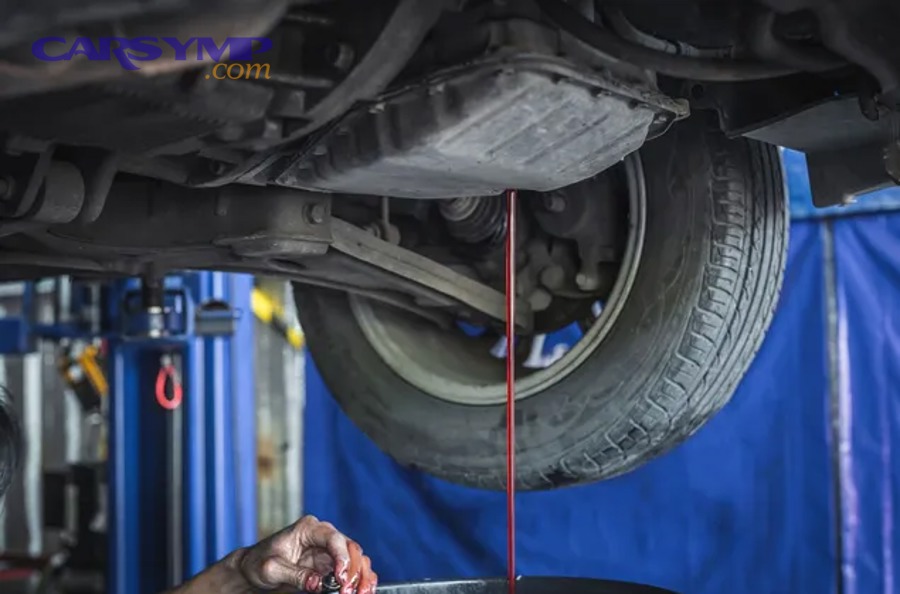
What parts of the cooling system does a coolant flush actually clear out?
A flush targets the radiator, engine water jackets, thermostat housing, heater core, hoses, and (indirectly) the water pump passages—places where rust film, silicate drop-out, and scale can form. In practice, what gets removed depends on:
- Whether the system has dedicated drains (block drains help a lot)
- Whether the heater circuit is opened and circulated
- How much sediment is stuck vs suspended
- Whether a machine exchange is used (higher replacement percentage)
A drain-and-fill usually empties mostly the radiator and reservoir, leaving a meaningful percentage of old coolant trapped in the block and heater core.
Is a coolant flush always “better” than drain-and-fill?
No—a flush is “better” only when the goal is to remove contamination or unknown/mixed coolant. A drain-and-fill can be the safer choice when:
- The cooling system is old and fragile (hoses, radiator tanks, seals)
- The coolant is still clean but due by time/miles
- You want to reduce risk of dislodging debris that could clog small passages
In other words: use a flush when you need a reset; use a drain-and-fill when you need maintenance and the system is stable.
Why does the term “flush” cause confusion in service intervals?
Because many owner’s manuals say “replace coolant” and don’t require an aggressive chemical flush unless there’s contamination. Shops often market “coolant flush” as a packaged service, even if the manual’s requirement is simply to replace coolant at an interval.
When should you flush coolant based on mileage and time?
You should flush (or fully replace) coolant when your vehicle hits the manufacturer’s time/mileage interval, or sooner if tests/symptoms show the coolant is no longer protecting the system.

Then, think of the interval as the “default,” and your conditions as multipliers that can shorten it.
What are common manufacturer intervals—and why do they vary so much?
Intervals vary because coolant technologies vary (inhibitor packages, organic acids, silicates, phosphates) and because engines vary (materials, temps, cooling system design). Many modern long-life coolants are designed for longer intervals than older “green” coolants.
A useful way to think about it is coolant technology + OEM spec (not color).
This table provides broad guidance on how interval patterns commonly differ by coolant technology, and why verifying the correct specification matters.
| Coolant technology (general) | Typical interval pattern (broad guidance) | Best practice note |
|---|---|---|
| IAT (traditional inorganic additive) | Shorter | Often needs more frequent replacement |
| OAT / “extended life” | Longer | Don’t mix unless the OEM allows it |
| HOAT / hybrid | Medium–long | Usually OEM-specific |
| Modern Si-OAT / P-HOAT variants | Often long | Follow OEM spec exactly |
This table is intentionally general; the owner’s manual and the bottle spec are the authority.
Should you follow time or mileage if you don’t drive much?
Follow time. Coolant can degrade from heat cycling, oxygen exposure, and contamination even if mileage is low. Low-mileage cars also tend to sit, and sitting increases the chance of small leaks, air pockets, and concentration drift from top-offs.
If you don’t know what coolant is in the car, should you flush immediately?
Yes, in most cases—because uncertainty increases the risk of Coolant types and compatibility problems (mixing inhibitor chemistries, gel/sludge formation, and reduced corrosion protection). If you’ve bought a used car and can’t verify coolant spec, a baseline coolant service is one of the highest ROI maintenance moves.
What factors change the ideal coolant flush interval?
The ideal interval changes when your coolant is exposed to higher heat, contamination, air intrusion, mixed coolants, or poor water quality—because those conditions accelerate inhibitor depletion and corrosion risk.
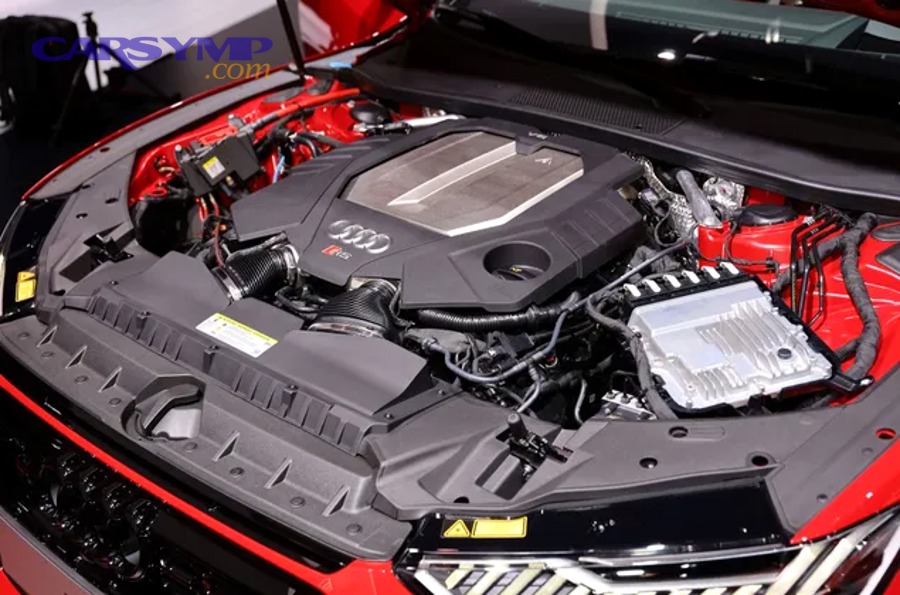
More specifically, focus on “stressors” that change coolant chemistry faster than the default schedule assumes.
Does severe driving shorten coolant life?
Yes. Severe service can shorten coolant life because it increases heat and cycling:
- Towing/hauling, mountainous driving
- High ambient temperatures
- Stop-and-go traffic (less airflow, more fan cycles)
- Track use or heavy-duty idling
These conditions don’t automatically mean “flush now,” but they support earlier testing and earlier replacement if results trend poor.
Can hard water or tap water top-offs force an earlier flush?
Yes—hard water contributes minerals that can form scale and reduce heat transfer, and it can also interfere with inhibitor performance. That’s why distilled or deionized water is usually recommended for mixing concentrate coolant.
Do small leaks or low coolant episodes change the interval?
Yes. Small leaks introduce air, and air accelerates oxidation and can create localized corrosion conditions. Low coolant also increases hot spots, which speeds breakdown. If the car has had repeated top-offs, overheat events, or contamination concerns, it’s smarter to treat the interval as “reset required” after repairs.
What about “universal” coolant—does it extend the interval?
Not automatically. “Universal” labeling often means broad compatibility claims, not that it matches your OEM’s exact corrosion protection requirements. The safer move is to match the OEM spec and then use the OEM interval.
What warning signs suggest you should flush coolant sooner?
Yes, warning signs can justify an earlier coolant flush because they often indicate contamination, corrosion activity, or additive depletion—and waiting can raise the risk of radiator, heater core, or water pump damage.
Next, use symptoms as triggers to test, not just to replace blindly.
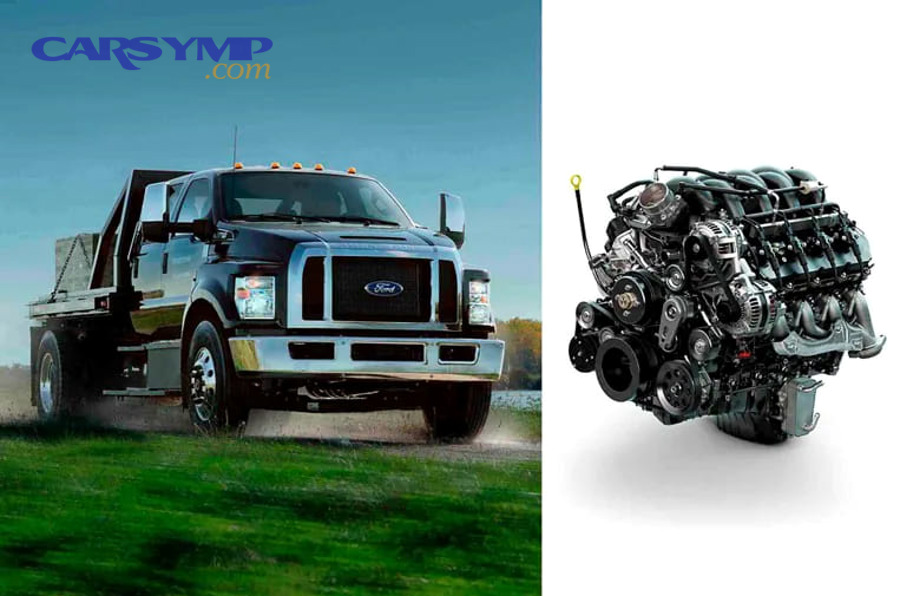
What does bad coolant look like in the reservoir or radiator?
Common red flags include:
- Brown/rust tint (corrosion products)
- Cloudy appearance or suspended debris
- Oily sheen (possible oil contamination)
- Gel/sludge (often linked to mixing/compatibility issues or severe degradation)
Color alone isn’t proof (some OEM coolants are dyed differently), but clarity and cleanliness matter.
Can overheating or weak cabin heat point to coolant problems?
Yes. Overheating can be caused by many things, but coolant condition plays a role when scale reduces heat transfer, sludge clogs passages, or air pockets reduce circulation. Weak cabin heat can also signal trapped air or heater-core restriction—both relevant after coolant service and directly tied to How to properly bleed air after flush.
Do you need to flush if you smell coolant or see crusty residue?
Often, yes—because coolant smell or crusty residue usually indicates a leak. Leaks pull in oxygen and force top-offs, which can dilute coolant and destabilize its chemistry over time. Fix the leak first, then evaluate whether coolant replacement is needed based on contamination and test results.
How do you confirm coolant condition (test strips, pH, freeze point, contamination)?
You can confirm coolant condition by combining freeze/boil protection, pH/reserve alkalinity trend, and contamination checks (oil, rust metals, electrolysis).
Then, the best approach is “quick checks first, deeper checks if needed.”
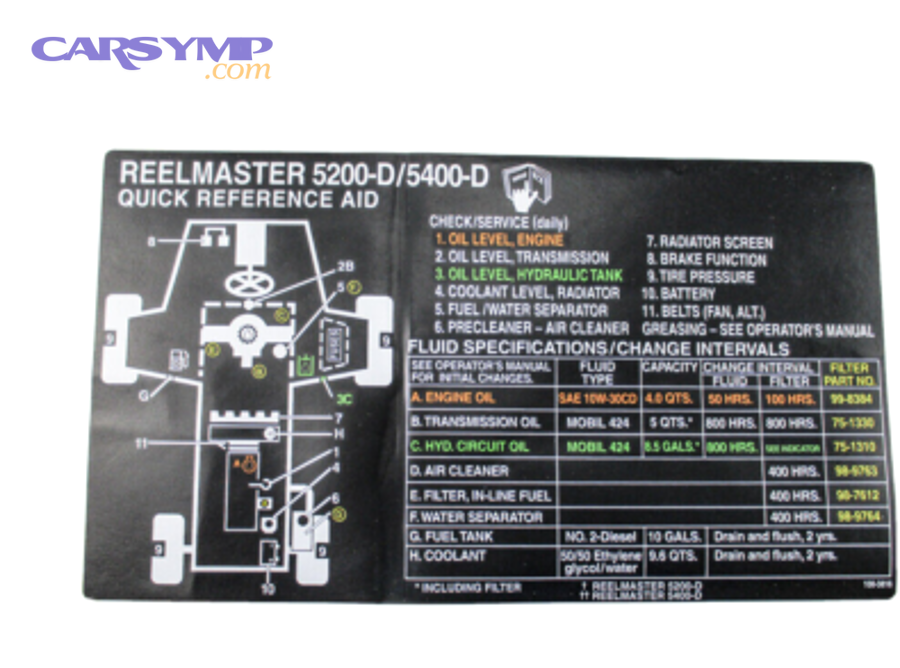
Which tests actually tell you when coolant is “done”?
The most useful homeowner-level checks include:
- Refractometer (preferred) or hydrometer: estimates freeze/boil protection
- Test strips: often include pH and inhibitor reserve indicators (varies by product)
- Visual/smell checks for contamination
A key point: freeze protection can still look “fine” even if inhibitors are depleted—so don’t rely on freeze point alone.
How do you check for electrolysis/stray current issues?
Electrolysis risk rises when coolant becomes more conductive or when grounding issues exist. In a 2016 Master’s thesis from The University of Texas at Arlington, Department of Mechanical and Aerospace Engineering, the author modeled corrosion behavior of aluminum radiator material in 50/50 ethylene glycol-water coolant and showed how voltage and temperature conditions affect corrosion-related ion behavior at the metal surface.
Practical owner takeaway:
- If you suspect stray current (pitting, repeated component failures), check grounds and consider professional diagnosis.
- Coolant chemistry and electrical conditions interact—so ignoring one can sabotage the other.
What contamination means “flush now” vs “diagnose first”?
Flush-now indicators (after confirming it’s not just dye) include sludge/gel, rust-heavy sediment, mixed/unknown coolant, and post-overheat discoloration.
Diagnose-first indicators include oil contamination (possible head gasket/oil cooler issue) and repeated pressure spikes or bubbling (possible combustion gas intrusion).
What’s the safest default coolant flush interval if you want one rule?
If you want one rule, the safest default is: follow your owner’s manual interval, but shorten it if you have unknown coolant history, frequent top-offs, overheating events, or failed test results—because those are the highest-probability conditions for early inhibitor depletion and corrosion risk.
To begin, here’s a simple decision framework that covers most car owners.
What’s a practical “interval decision tree” for most drivers?
Use this sequence:
- Known OEM coolant + documented service → follow manual time/miles
- Unknown coolant history → baseline coolant replacement (often a full exchange)
- Known severe service (towing/hot climate/stop-go) → test earlier; replace earlier if trending poor
- Any contamination symptoms → diagnose and/or replace immediately depending on contamination type
How do coolant types change the default rule?
Because Coolant types and compatibility is the hidden trap: mixing chemistries can shorten life dramatically. So the “default rule” becomes:
- If you can verify the OEM spec coolant is in the system → trust the manual
- If you can’t verify it → reset to the correct coolant and start the clock
After a coolant flush, what should you do to prevent air pockets?
You must make bleeding part of the job. Air pockets cause hot spots, weak heater performance, and overheating complaints that look like “bad coolant” but are really trapped air.

Here’s one practical walkthrough video you can follow while you work:
What advanced cases change coolant interval decisions?
Advanced cases include mixed-metal corrosion risk, recurring component failures, repeated overheating, and coolant chemistry mismatches—because those situations make the default interval less predictive.
Besides, these cases are where a “coolant flush” is not just maintenance—it’s part of problem-solving.
If you recently replaced a radiator, heater core, or water pump, should you reset the coolant clock?
Usually, yes. New components plus old coolant is a mismatch: old coolant may carry corrosion metals and depleted inhibitors that can shorten the life of the new part. Resetting coolant after major cooling-system work is a common best practice.
If you suspect corrosion on aluminum parts, what matters most?
Aluminum is sensitive to coolant chemistry and corrosion mechanisms that worsen under certain electrical and temperature conditions. The UTA thesis noted above highlights how factors like voltage and temperature can shift dominant ions involved in aluminum corrosion behavior in ethylene glycol-water coolant. Owner-level meaning: keep the correct coolant spec, keep concentration correct, keep grounds healthy, and don’t ignore early pitting or repeated leaks.
If you want a measurable “science-based” trigger, what should you track?
Track trend, not one-off readings:
- pH/inhibitor indicators from strips (where applicable)
- Freeze/boil protection from refractometer
- Frequency of top-offs (dilution signal)
- Any contamination events (oil/overheat)
In a 2019 long-duration durability test study on glycol-based coolant, researchers monitored pH, reserve alkalinity, and element content in coolant samples over time during a prolonged radiator-related test, illustrating that coolant properties measurably change during extended operation.