


To choose the correct battery size and CCA, match the exact physical fit (group size, terminals, hold-down) and then pick a cold-start rating that meets your climate and engine needs with a small safety margin.
Beyond fit and starting power, the “right” choice also depends on how your vehicle uses electricity—short trips, accessories, start-stop systems, and long idle time all change what “correct” really means in daily driving.
And because battery labels can be confusing, you’ll learn a fast method to read the case, verify part numbers, and avoid the most common sizing traps that cause no-starts, cable strain, or premature battery failure.
Tiếp theo, you’ll move from simple identification to a practical checklist that helps you buy the right battery once—without overpaying or under-spec’ing.
What does “correct battery size” actually mean in your car?
The correct battery size means it physically fits your tray and cables while meeting the vehicle’s electrical requirements. Tiếp theo, think of “size” as a bundle of fitment constraints, not just a bigger-or-smaller box.
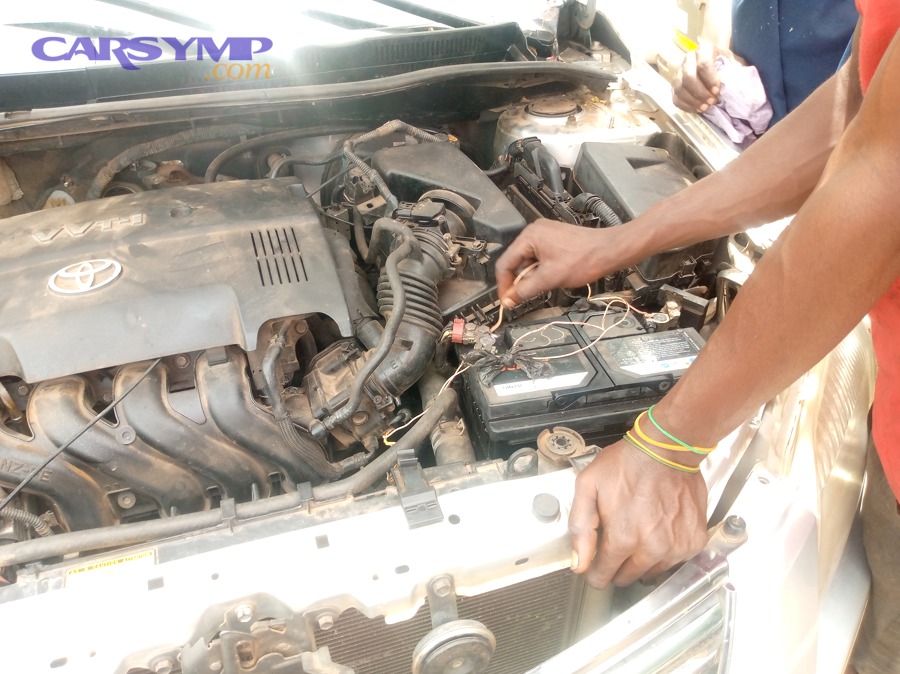
Specifically, correct size includes the battery’s length, width, and height clearance, plus where the terminals sit and how the battery is held down. A battery that is “close enough” can still fail in the real world if the hood touches the top, if the cables don’t reach cleanly, or if the hold-down clamp can’t secure it.
Also, “correct” includes the terminal type (top post vs side post), the terminal orientation (positive on the correct side), and any special features like a vent port for batteries mounted in a trunk or under a seat.
The trick is to treat the battery as a meronym set of parts—case dimensions, terminals, and hold-down ledges—because if one part is wrong, the whole fitment is wrong.
How do you find your battery group size without guessing?
You find the right group size by using the vehicle’s OEM specification or a trusted fitment database, then verifying the old battery’s label and measurements. Sau đây is the fastest, lowest-mistake process.
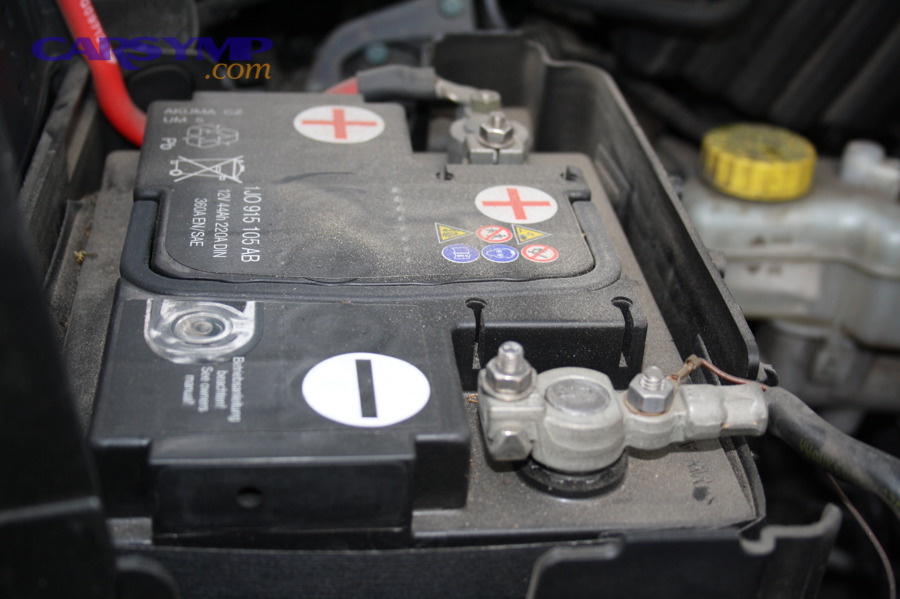
Step 1: Check your owner’s manual or the OEM parts listing for the battery group size (often a BCI group number in North America). That number is designed to standardize fitment features so the replacement sits correctly and the cables align.
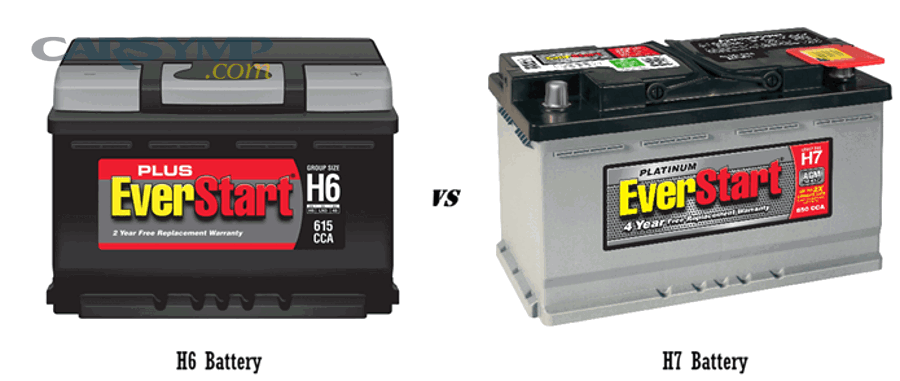
Step 2: Read the old battery’s case label for the group size (often printed as “Group 24F,” “H5,” “Group 35,” etc.). If it’s missing, measure the battery case and note terminal layout and hold-down ledge style.
Step 3: Confirm with a fitment tool using your year/make/model/engine and compare results. If the tool suggests multiple groups, treat that as a “check terminals and height” flag, not a free choice.
Theo tài liệu của Battery Council International từ Battery Facts & Applications, vào Tháng 10/2023, BCI Group Sizes classify batteries by maximum overall dimensions, terminal arrangement, and special features that affect fit—so the group number is a fitment shortcut, not a brand preference.
To stay accurate, always verify the terminal position and the hold-down method even when the group number matches, because “same group” can still include variants (like reversed polarity versions).
What is CCA, and why is it not the same as CA?
CCA is a cold-start current rating; CA is a warmer-temperature cranking rating, so they are not interchangeable. Tiếp theo, treat CCA as your winter insurance and CA as a different, less strict measurement.
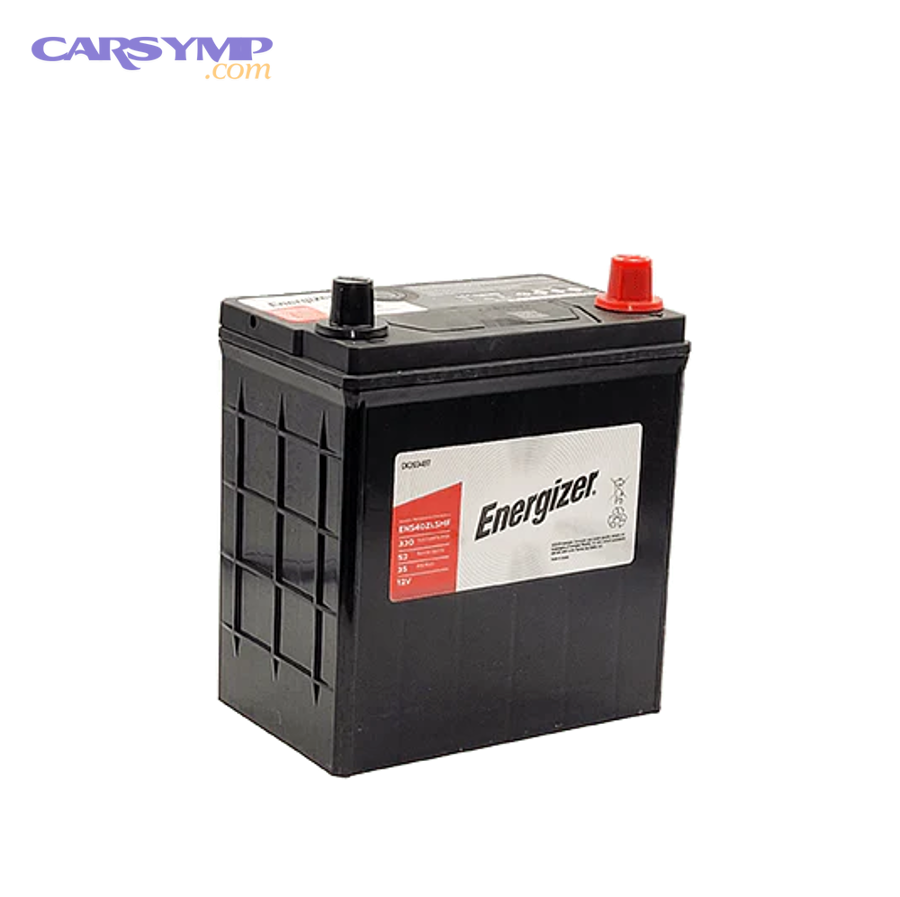
Cold Cranking Amps (CCA) is meant to describe how much current the battery can deliver in cold conditions when oil is thicker and chemical reactions slow down. Cranking Amps (CA), sometimes called Marine Cranking Amps (MCA), is typically measured at a higher temperature, so CA numbers will look bigger for the same battery.
That difference matters because your starter motor needs a short burst of high current. If you pick a battery with strong CA but weak CCA for a cold climate, you can end up with slow cranking, hard starts, and rapid voltage sag that triggers electronics glitches.
In plain language: CCA is the “hard mode” test; CA is the “easier mode” test. If your winters are mild, CCA still matters, but the safety margin can be smaller.
How much CCA do you really need for your climate and engine?
You need at least the OEM-specified CCA, then add margin if you face colder starts, short trips, or a higher-displacement engine. Dưới đây is a practical way to pick the right number without overbuying.
Start with the OEM recommendation, because it is calibrated to starter draw, cable gauge, and the vehicle’s expected operating range. Then decide if you need a buffer:
- Cold climate buffer: If you regularly start below freezing, a higher CCA helps overcome thick oil and reduced battery chemistry performance.
- Short-trip buffer: Frequent short drives don’t fully recharge the battery, so extra CCA capacity can stabilize starting as state-of-charge fluctuates.
- High electrical demand buffer: Heated seats, defrosters, audio amps, winches, and add-on lighting can increase load before and during cranking.
Before the table, note that this is a guideline—not a substitute for OEM specs—because the correct group size and terminal layout still come first.
This table shows a simple CCA buffer approach based on conditions, helping you choose a safe margin above OEM without turning “more CCA” into guesswork.
| Driving/Climate Condition | Recommended Approach | Why It Helps |
|---|---|---|
| Mild winters, mostly highway driving | Match OEM CCA | Stable charging and warm starts reduce stress |
| Freezing mornings common | OEM CCA + modest buffer | Offsets cold chemistry slowdown and thick oil |
| Very cold starts + short trips | OEM CCA + larger buffer | Protects starting when charge is often incomplete |
| High accessory load (aftermarket electronics) | OEM CCA + buffer, plus higher reserve capacity | Reduces voltage drop under combined loads |
The key is balance: a reasonable CCA increase is helpful, but it should never override fitment, polarity, and hold-down security.
Can you install a higher-CCA battery than OEM, and is it safe?
Yes, you can usually install higher CCA if the battery fits correctly and matches the required type, but it’s not always the smartest spend. Tiếp theo, focus on “safe fitment first” and “useful margin second.”
Reason 1: The starter only draws what it needs. Higher CCA is capacity, not forced output, so it doesn’t “push extra amps” into your car by itself.
Reason 2: Cold starts are the battery’s hardest job. Extra CCA can reduce slow cranking and improve reliability during low temperatures or partial charge.
Reason 3: Electronics stability improves when voltage sag is lower. A stronger battery can help prevent resets during cranking in vehicles loaded with modules and sensors.
However, higher CCA can be a waste if it comes with downsides: wrong height, wrong terminals, or a chemistry mismatch (for example, installing a basic flooded battery where the car requires AGM for start-stop systems).
So the safe rule is: upgrade CCA only inside the correct group size, terminal orientation, and required battery technology. Otherwise, you’re trading a theoretical benefit for real fitment risk.
How do terminals and polarity decide whether a battery will fit?
Terminal type and polarity decide fit because your cables are cut to a specific length and routing, and reversing them can cause strain or incorrect connections. Sau đây, treat terminals as the “non-negotiable” part of battery sizing.
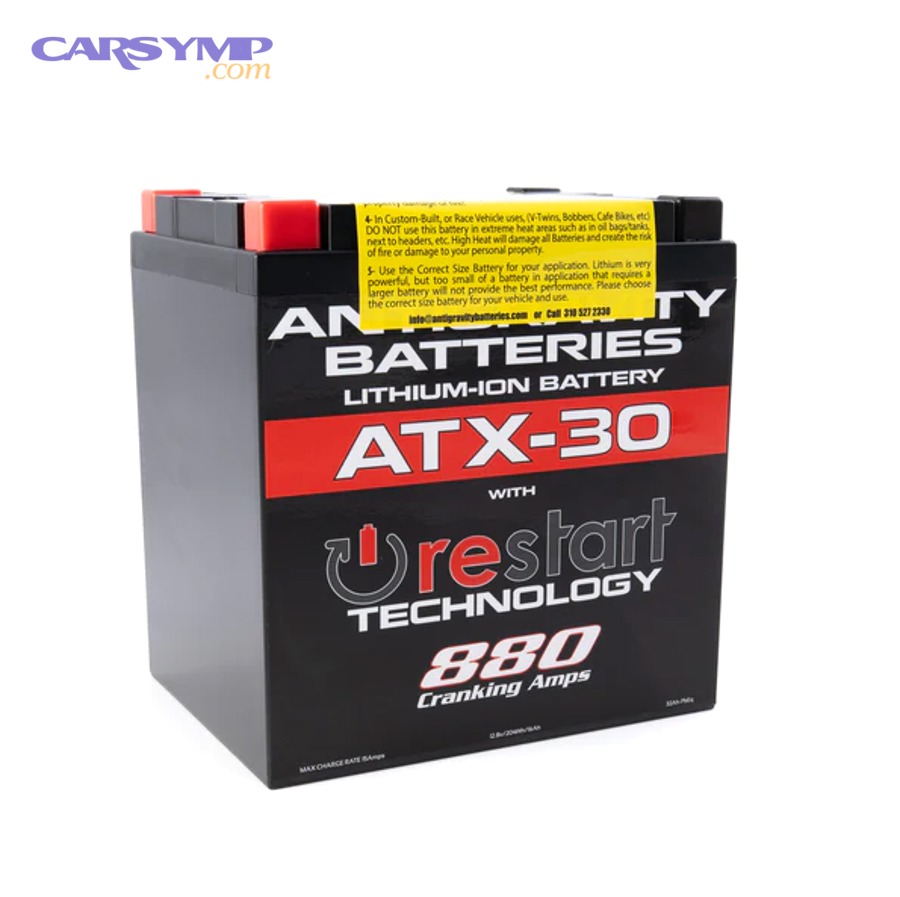
There are two major issues:
- Terminal type: Top-post vs side-post (and sometimes specialty posts). If your vehicle uses one style, switching styles may require adapters that add resistance and failure points.
- Polarity/orientation: The positive terminal must land where the positive cable reaches naturally. A reversed layout can stretch cables, rub against metal, or force awkward routing that damages insulation.
A practical check is to stand at the battery’s cable side and confirm “+” and “-” positions match your old unit. If you see a close match but the posts are swapped, look for the “R” variant (often meaning reversed) in group sizes, and verify with the database.
Theo hướng dẫn của AAA từ mục Advice/Car, vào Tháng 09/2024, you should disconnect the negative terminal first and avoid starting with the positive to reduce the risk of a dangerous short—this safety logic also explains why correct polarity and tool control matter during fitment checks.
What about hold-downs, venting, and battery height clearance?
Hold-down style, venting, and height clearance matter because they prevent movement, acid spill risk, and physical contact with the hood or nearby components. Tiếp theo, think of them as the “hidden fitment” rules many people miss.
Hold-down: Some trays clamp the bottom ledge; others use a top bracket. If the ledge shape doesn’t match, the battery can shift during braking or bumps. Movement accelerates internal plate wear and can loosen terminals over time.
Venting: Batteries located in enclosed areas (trunk, cabin, under-seat) may require a vent tube connection. Using a non-vented or incorrectly vented battery can raise corrosion risk and is sometimes a safety concern.
Height clearance: Even if length and width match, a taller battery can hit the hood or a cross brace. That can crack the case, damage insulation covers, or create an electrical hazard if metal contacts the terminals.
When you’re choosing “correct size,” you’re really choosing “correct package.” That package includes mechanical stability, safe gas management, and enough clearance for heat and vibration.
How to match the battery to your electrical load and driving pattern?
Match the battery to your load by considering idle electrical demand, trip length, and charging opportunities—not just starting power. Hơn nữa, this is where two batteries with the same group size and CCA can behave very differently.
If you drive mostly short trips, your alternator may not restore full charge, especially in cold weather. That creates a cycle of partial state-of-charge where sulfation risk rises and starting performance degrades earlier than expected.
If you run high loads (dashcams, inverters, aftermarket audio, extra lighting), you should care about reserve capacity and overall durability as much as CCA. A battery that starts well but can’t sustain loads without deep cycling will age fast.
Also, modern vehicles can be “electrically picky.” Start-stop systems often require AGM or EFB types, and installing a cheaper flooded battery can lead to poor performance, warning lights, or shorter life.
So the correct approach is layered: (1) fitment, (2) required technology, (3) CCA for starting, and (4) capacity/reserve for real-world load.
How to read the battery label fast and cross-check part numbers?
You can read a battery label fast by scanning for group size, CCA, reserve capacity (or Ah), and terminal layout marks. Để bắt đầu, focus on the top three: group size, CCA, and “+/-” orientation.
Many batteries display icons for polarity, warning labels, and a “magic eye” charge indicator. Use these as clues, but don’t confuse them with the specs you must match.
When multiple labels appear, prioritize what affects fit and starting:
- Group size: Confirms case dimensions and layout class.
- CCA: Confirms cold-start capability.
- Technology: AGM/EFB/flooded, especially for start-stop cars.
Then cross-check the part number in a reputable catalog. If you’re between two options, choose the one that matches OEM technology and provides an appropriate CCA margin for your climate.
To reinforce the label-reading method visually, you can watch a quick demonstration below.
How to double-check your choice before you buy?
Double-check by verifying fitment, terminals, and required technology in three quick passes: database, visual match, and measurement. Tiếp theo, use a checklist so you don’t rely on memory at the counter.
- Pass 1 (Database): Confirm the recommended group size and technology for your exact engine and trim.
- Pass 2 (Visual): Compare your old battery’s terminal positions and hold-down style to the candidate battery.
- Pass 3 (Measure): Confirm length/width/height clearance if the car has tight packaging or a low hood line.
Then confirm the CCA meets OEM and is appropriate for your coldest starting conditions. If your vehicle is modified or your climate is extreme, add a margin—but do not change group size “just to get more CCA.”
This method reduces the “wrong battery bought twice” problem, which is common when shoppers treat batteries like generic boxes rather than fitment-critical components.
What are the most common mistakes that lead to the wrong size or wrong CCA?
The most common mistakes are choosing by price alone, ignoring terminal layout, and confusing CA with CCA. Tóm lại, most “wrong battery” problems are fitment mistakes disguised as performance problems.
- Mistake 1: Buying a “close size” battery that doesn’t lock into the hold-down, allowing movement and early failure.
- Mistake 2: Picking reversed polarity by accident, then forcing cables to reach, which strains connectors and risks shorts.
- Mistake 3: Choosing a battery with a big CA number but insufficient CCA for winter starts.
- Mistake 4: Installing the wrong technology (e.g., flooded instead of AGM/EFB) in start-stop vehicles.
- Mistake 5: Ignoring corrosion and cable condition, then blaming the new battery for slow cranking.
Corrosion at terminals increases resistance and reduces effective starting current, which can mimic “low CCA.” If you see heavy buildup, address cable ends and terminal clamps during replacement.
The photo above is a reminder: even a perfect battery spec can underperform if the connection is poor.
How do you choose correctly if you plan to replace the battery yourself?
Choose correctly for DIY replacement by selecting the right fitment first, then planning safe removal and installation steps. Sau đây, the goal is not only the right battery, but a safe, damage-free swap.
DIY success depends on two things: (1) battery selection accuracy and (2) safe handling of terminals, brackets, and electronics memory.
Theo hướng dẫn của NHTSA từ Office of Defects Investigation trong tài liệu dịch vụ, vào Tháng 04/2023, when removing the battery you should always disconnect the negative (black) cable first, and when reinstalling you should connect the negative (black) cable last to reduce the risk of explosion or serious injury.
That’s why you should select a battery that lets your cables sit naturally without twisting, because awkward cable angles increase the chance of tool slip and shorting.
Inside your DIY planning, you may also compare Battery replacement cost vs DIY cost to decide whether a shop swap is worth it, especially on vehicles that require battery registration or have tricky access.
And if you’re doing a change car battery job at home, treat the selection step as the “real work,” because the physical swap is easy only when the battery fits perfectly.
For readers who want a clear workflow, a Step-by-step car battery replacement approach works best: stage tools, verify polarity markings, secure the hold-down, then test starting and charging after installation.
Finally, keep your safety order explicit in your notes: Proper terminal removal order explained means negative off first, positive off second; positive on first, negative on last.
Contextual Border: The main decision is now complete—fitment and CCA selection. Ngoài ra, the next section expands into “why two correct batteries can still feel different,” using extra specs and edge cases.
Extra specs that change real-world performance beyond size and CCA
How does reserve capacity change what “correct” feels like day to day?
Reserve capacity changes daily reliability because it reflects how long the battery can support loads before voltage falls too low. Tiếp theo, think of RC as the “time endurance” spec that complements CCA’s “burst power.”
If you sit with accessories on, drive short trips, or have a vehicle that stays awake with modules and alarms, RC can matter more than a small CCA increase. A battery with good RC tends to hold voltage steadier when the alternator isn’t actively charging.
Theo bài viết của RELiON Battery từ bộ phận Blog, vào Tháng 09/2022, reserve capacity is the number of minutes a 12V battery can supply 25 amps before dropping to 10.5V—so higher RC generally means more usable endurance under sustained load.
In practice, RC helps prevent “mystery no-starts” after sitting, and it can reduce the frequency of jump starts for drivers who do lots of stop-and-go errands.
AGM vs EFB vs flooded: which “correct type” is a non-negotiable?
The correct type is non-negotiable when your vehicle was designed for start-stop or high cycling, because the charging strategy and expected duty cycle differ. Hơn nữa, this is a hyponym choice: AGM and EFB are higher-performance subtypes of lead-acid meant for tougher cycles.
If your OEM battery is AGM, replacing it with a basic flooded battery often reduces life and can trigger issues in vehicles that monitor battery health closely. EFB is commonly used as an intermediate option on some start-stop designs, while AGM is the more robust choice for deeper cycling and higher accessory loads.
So when you see multiple batteries that all “fit,” treat the type requirement as your first filter—only then compare CCA and RC within that type.
Hot climate vs cold climate: why the “right” battery can be the opposite choice?
In cold climates you prioritize CCA; in hot climates you often prioritize heat durability and reserve capacity, because heat accelerates battery aging. Ngược lại, the cold problem is immediate starting, while the heat problem is shortened lifespan.
Hot climates can cook a battery’s internal plates and evaporate electrolyte faster, especially under-hood. That means a battery that’s “great on paper” can die early if it isn’t built for the thermal environment.
Meanwhile, cold climates punish starting performance, so a higher CCA margin is more valuable. The practical takeaway is to choose the right CCA margin for cold regions, but avoid paying for extreme CCA in hot regions if it forces compromises in fitment or type.
FAQ: quick answers drivers ask before buying a battery
Do I need to match CCA exactly? Match OEM as a minimum, then add margin only if your climate and usage justify it.
Is a bigger battery always better? No—wrong height, wrong terminals, or weak hold-down fit can make a “bigger” battery less safe and less reliable.
Can corrosion make a new battery feel weak? Yes—high resistance at terminals can reduce effective cranking performance, so clean and secure connections matter.
When should I avoid DIY? If the battery is hard to access, requires special venting, or the vehicle needs battery registration, professional help can prevent expensive mistakes.