


A DIY oil change step-by-step is a safe, repeatable way to keep your engine protected—if you follow the correct lifting, draining, and refilling sequence and verify the final oil level.
Because many drivers want to change oil yourself to save time and money, this guide focuses on the exact workflow, the “why” behind each step, and the checks that prevent leaks, stripped threads, or low-oil damage.
To make the job predictable, you’ll also learn how to choose oil viscosity and filter type for your specific engine, plus how to set up a clean work area so you don’t contaminate new oil or spill used oil.
To begin, here’s the full process from prep to final inspection—Giới thiệu ý mới—so you can do it confidently the first time and repeat it correctly every time after.
Can you change oil yourself safely at home?
Yes—you can change oil yourself safely if you stabilize the vehicle (ramps or jack stands), control heat (warm, not scorching), and confirm the correct oil level and leak-free seals before driving.
To start, the safest DIY oil change step-by-step is really a safety routine first, then a maintenance routine.
What makes an at-home oil change “safe” in real terms?
Safe means the car cannot fall, roll, or shift, your skin and eyes are protected, and you can stop oil flow quickly without panic.
Next, use these three non-negotiables (móc xích) before you ever touch the drain plug.
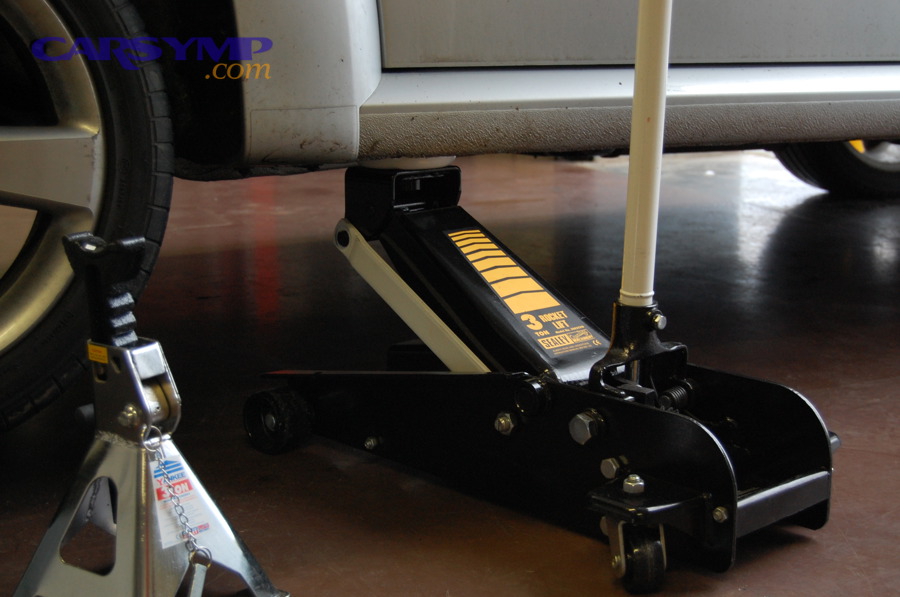
- Stable support: Use ramps on level ground or a floor jack plus jack stands at the manufacturer’s lift points; never work under a car supported only by a jack.
- Wheel control: Chock the wheels that stay on the ground and set the parking brake; on some vehicles, put the transmission in Park (automatic) or in gear (manual).
- Heat control: Warm oil drains faster, but hot exhaust and hot oil can burn; aim for “warm-to-the-touch” components, not fresh-off-the-highway heat.
The point is simple: your oil change is successful only if it’s also a no-drama, no-injury job you can repeat.
Why “warm oil” helps—and when it becomes risky
Warm oil flows faster, carries suspended contaminants out more efficiently, and reduces the time you spend under the vehicle.
However, if the oil pan and exhaust are extremely hot, you increase burn risk and may rush, which increases the chance of cross-threading the drain plug or mis-seating the filter gasket.
Practical rule: idle for a few minutes or take a short drive, then wait briefly so surfaces cool a bit before you begin.
One safety stat worth remembering
Theo nghiên cứu của National Highway Traffic Safety Administration từ Office of Crash Avoidance Standards, vào 09/1998, 4,822 injuries in the U.S. were associated with motor vehicle jacks in 1995—meaning stability practices are not “extra,” they’re the job.
What tools and supplies do you need for a DIY oil change?
You need a stable lifting method, the correct wrench/socket for the drain plug, an oil catch pan, the right oil and filter, and basic spill-control supplies—plus a plan for measuring the final oil level accurately.
Next, treat your setup like a checklist so you don’t pause mid-job with the car in the air.
Core tools (the “must-have” set)
- Lift & secure: ramps or floor jack + jack stands; wheel chocks.
- Drain control: oil drain pan/catch container with a pour spout; gloves; shop towels.
- Fasteners: correct socket or box wrench for the drain plug; optional breaker bar if tight.
- Filter removal: oil filter wrench (cap, strap, pliers, or claw style) matched to your filter type.
- Refill & verify: funnel; correct oil quantity; dipstick or electronic level procedure (your owner’s manual guidance).
Nice-to-have items that prevent mistakes
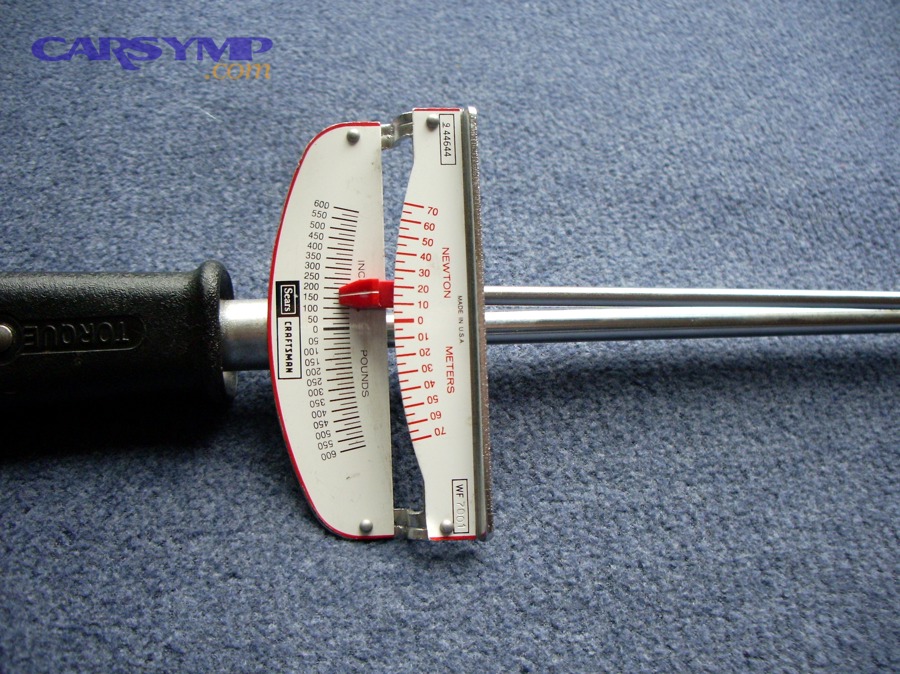
- Torque wrench: to tighten the drain plug and (if applicable) a cartridge filter housing cap correctly.
- New crush washer or drain plug gasket: common on many vehicles; prevents seepage without over-tightening.
- Drain plug thread-saver: a spare drain plug, or a magnetic plug (only if your vehicle supports it).
- Cardboard or absorbent mat: protects your driveway and highlights leaks quickly.
Before the table below, note that torque values vary by vehicle; this table helps you understand typical ranges and why “gorilla-tight” is risky.
This table contains common tightening ranges and what they help you avoid during a DIY oil change step-by-step.
| Part | Typical approach | Why it matters |
|---|---|---|
| Drain plug | Tighten to spec if available; otherwise snug + small additional turn | Too loose leaks; too tight can strip pan threads or crack aluminum |
| Spin-on oil filter | Hand-tight after gasket contacts base, usually ~3/4 turn more | Over-tight can crush gasket; under-tight can leak |
| Cartridge housing cap | Torque to spec with new O-ring | Over-torque can crack housing; under-torque can seep |
Theo nghiên cứu của National Highway Traffic Safety Administration từ Office of Crash Avoidance Standards, vào 09/1998, injuries linked to jacks highlight why controlled lifting tools and wheel chocks should be treated as required supplies, not optional add-ons.
How do you pick the right oil and filter for your engine?
Pick oil by the manufacturer’s viscosity grade and specification, then match the filter by exact fitment and the correct sealing design—because the “right” oil and filter are defined by your engine’s tolerances, not brand hype.
Next, think in three layers: viscosity (how it flows), performance spec (what it must protect against), and filtration (how it keeps abrasive particles under control).
Oil viscosity: 0W-20, 5W-30, 5W-40—what those numbers really mean
Viscosity grades are a standardized way to describe oil flow when cold (“W”) and at operating temperature, so the engine gets fast lubrication at start-up and maintains a protective film when hot.
To connect this to real outcomes, the correct viscosity helps balance wear protection, oil pressure behavior, and efficiency—especially on modern engines with tight clearances.
Before the table below, remember: your owner’s manual and oil cap are the primary source for the correct grade and spec.
This table contains a practical way to interpret common viscosity grades for everyday DIY decisions.
| Grade | Typical use-case | Common DIY takeaway |
|---|---|---|
| 0W-20 | Many modern gasoline engines for efficiency | Flows very well in cold starts; don’t “upgrade thicker” without a reason |
| 5W-30 | Wide compatibility in many engines and climates | A common balance; follow spec, not internet debates |
| 5W-40 | Some turbo/high-load applications, certain Euro specs | Can be spec-required; avoid if not approved for your engine |
Theo nghiên cứu của Society of Automotive Engineers từ SAE Technical Paper Library, vào 04/2011, reducing oil viscosity can reduce friction torque and improve fuel economy in controlled testing, reinforcing why the specified grade is part of the engine design.
Performance specs: API/ILSAC/ACEA and manufacturer approvals
Beyond viscosity, modern oils carry performance standards (like API and ILSAC) and sometimes manufacturer approvals that address deposit control, wear, LSPI protection for turbo engines, and emission-system compatibility.
So, if your manual calls for a specific approval (often for Euro brands), treat that as a hard requirement rather than a suggestion.
Filter choice: fitment, gasket, and bypass valve behavior
Filters are not all interchangeable: the thread, gasket diameter, anti-drainback valve presence, and bypass valve setting matter for sealing and oil flow behavior.
To make this concrete, the goal is consistent oil flow plus effective particle control, without restricting flow so much that bypass opens too often.
Theo nghiên cứu của SAE International từ SAE Mobilus Technical Papers, vào 10/01/1988, wear was reduced by as much as 70% when filtration improved from 40 microns to 15 microns in laboratory tests, showing why filter performance is not just marketing.
Where the “extra phrases” fit in your workflow
If you plan to change engine oil at home, make “spec confirmation” a step you complete before you buy anything. That way, you’re not stuck mid-job with the wrong filter thread size or the wrong oil approval.
Also, keep a note on your phone of the exact part numbers and specs you used last time, so the next DIY oil change step-by-step is faster and less error-prone.
DIY oil change step-by-step: what are the exact steps?
The best DIY oil change step-by-step is a 9-step flow: confirm specs, secure the car, warm oil slightly, drain fully, replace the filter, reinstall the plug with the right seal, refill, circulate, then re-check level and leaks.
Next, follow the sequence exactly—because order is what prevents stripped threads, double-gasket leaks, and incorrect oil level readings.
Step 1: Confirm the correct oil, quantity, and filter
Check your owner’s manual for viscosity and specification, then verify oil capacity (with and without filter change), and confirm filter type (spin-on vs cartridge).
To keep flow smooth (móc xích), lay out everything within arm’s reach before lifting the car.
Step 2: Lift and secure the vehicle
Use ramps on level ground or jack stands at the correct lift points, then chock wheels and test stability with a gentle push.
After that, position your drain pan so the initial stream (which often shoots outward) still lands in the pan.
Step 3: Remove the oil fill cap and (if accessible) loosen the dipstick
Removing the fill cap helps the crankcase vent and can speed draining; it also prevents the “I forgot the cap” mistake by making the top-end obviously in-progress.
Next, move under the car and locate the drain plug and filter before loosening anything.
Step 4: Drain the oil completely
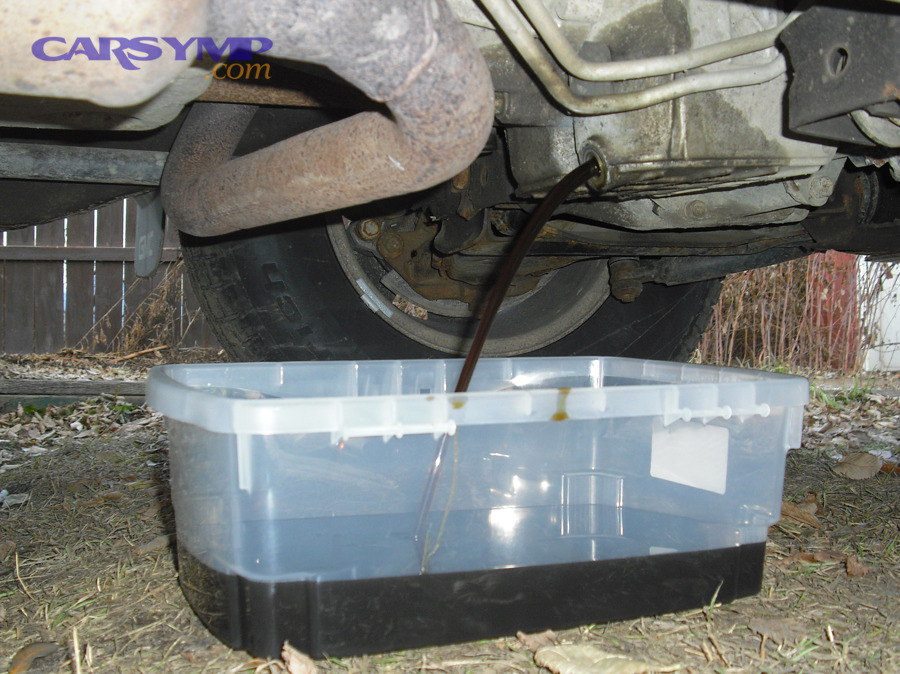
Loosen the drain plug carefully; keep inward pressure as you unthread the last turns so it doesn’t drop into the pan.
Then, let oil drain until it slows to a drip—rushing this step can leave a surprising amount of old oil behind.
For many vehicles, a new crush washer is part of doing this correctly—replace it if your design uses one.
Step 5: Remove the oil filter and check the old gasket
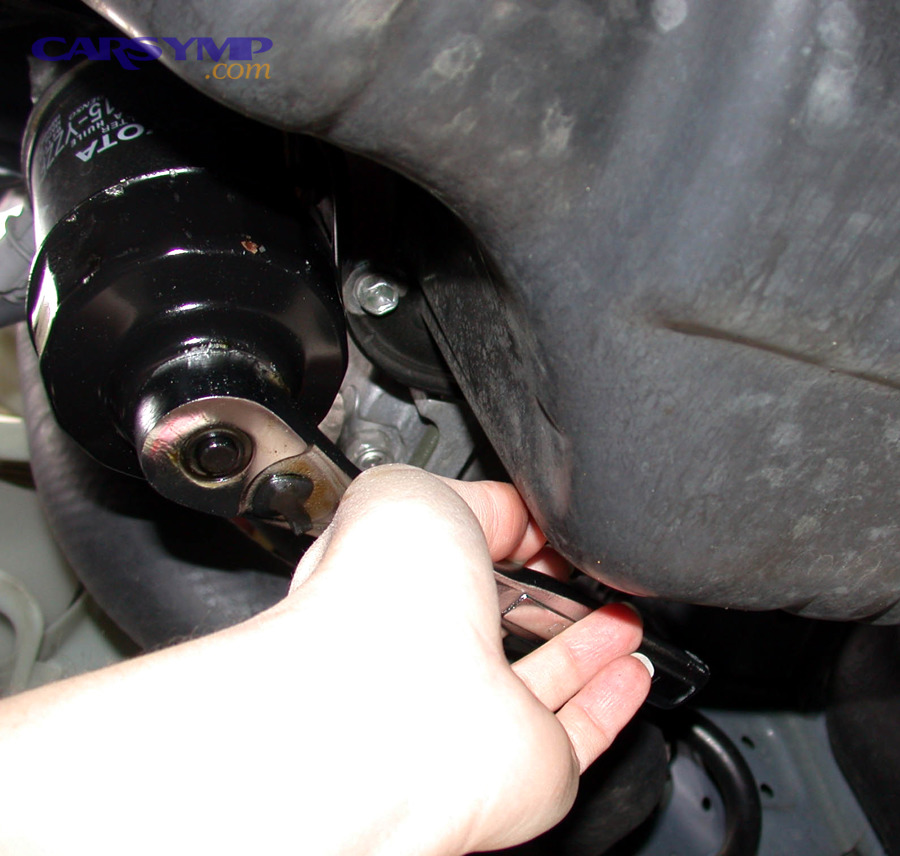
Loosen the filter slowly so oil drains into the pan, then remove it and confirm the old gasket came off with it.
After that, wipe the mating surface clean so the new gasket seals to metal, not to old oil film and grit.
Step 6: Install the new filter correctly
Pre-lube the new filter gasket with a thin film of fresh oil, then hand-tighten after the gasket contacts the base (usually about 3/4 turn more).
Next, if you have a cartridge filter, replace the O-ring(s) and torque the housing cap to specification.
Step 7: Reinstall the drain plug with correct tightening strategy
Thread the plug in by hand first to avoid cross-threading, then tighten to spec; if you don’t have the spec, tighten snugly—never “as hard as possible.”
To lock in consistency, a torque wrench is the simplest way to repeat the job without pan damage.
Step 8: Refill with the correct amount and verify level
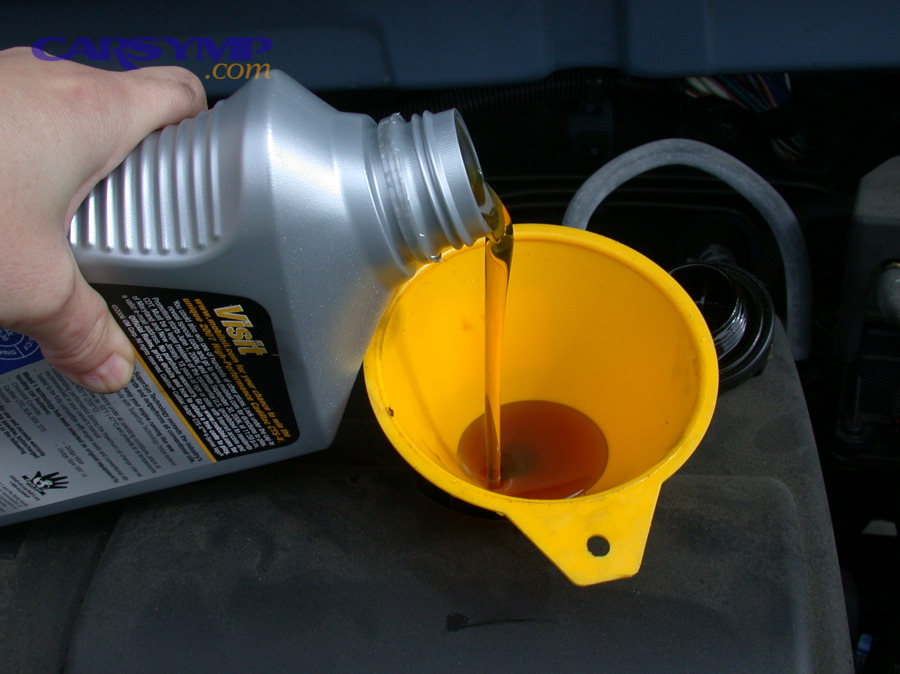
Pour in about 80–90% of the capacity first, wait a minute, then check the dipstick (or your vehicle’s electronic procedure) and top up gradually to the full mark.
Next, start the engine for 10–20 seconds, shut it off, wait a few minutes, and re-check—oil needs time to drain back to the pan for an accurate reading.
Step 9: Inspect for leaks and document the service
Look at the drain plug area and filter seal for any fresh wetness, then check the ground after the first short drive.
Finally, record date, mileage, oil spec, and filter part number; it turns your DIY oil change step-by-step into a reliable maintenance history.
Theo nghiên cứu của U.S. Environmental Protection Agency từ Recycling/Used Oil Guidance, vào 06/2025, used oil from one oil change can contaminate one million gallons of fresh water—so plan your collection container and spill control before you open the drain plug.
How do you avoid common DIY oil change mistakes?
You avoid mistakes by controlling three failure points: the drain plug threads, the filter gasket seal, and the final oil level reading—because most DIY problems come from rushing those exact moments.
Next, treat each “failure point” like a mini-checklist you complete before moving on.
Mistake 1: Cross-threading or over-tightening the drain plug
Start the plug by hand for multiple turns; if it doesn’t thread smoothly, stop and realign.
Then tighten to specification or use a measured snug approach—over-tightening can strip threads, especially in aluminum pans.
Mistake 2: “Double-gasketing” the oil filter
Always check the old gasket is not stuck to the engine’s filter pad; a second gasket can cause a sudden blowout leak after startup.
Next, wipe the sealing surface clean so the new gasket seats evenly.
Mistake 3: Misreading the dipstick and overfilling
For an accurate reading, wipe the dipstick, reinsert fully, then read; check after the engine has been off a few minutes so oil drains back.
After that, add oil in small increments—overfilling can cause aeration and foaming, especially at high RPM.
Mistake 4: Forgetting the crush washer or reusing a damaged seal
If your drain plug uses a crush washer, replace it when recommended; it’s cheaper than chasing a seep that stains your driveway.
Next, if you see persistent seepage even with correct torque, inspect for a damaged plug, pan threads, or mating surface.
Theo nghiên cứu của SAE International từ SAE Mobilus Technical Papers, vào 10/01/1988, improved filtration reduced abrasive wear substantially—so a properly seated, correct filter matters not just for leaks but for long-term wear control.
How do you reset oil life and verify everything is correct afterward?
After refilling, run the engine briefly, inspect the plug and filter for leaks, confirm the oil level twice, and then reset the oil life monitor using your vehicle’s specific procedure—because the monitor influences maintenance reminders and service intervals.
Next, make the “after-check” routine systematic so you don’t miss a slow seep that becomes a bigger leak later.
Leak check: the two places that matter most
Check the drain plug area first, then the filter seal; you’re looking for fresh wetness, not old grime.
After that, place a clean piece of cardboard under the engine overnight; it makes even a small drip obvious.
Oil level check: do it twice for confidence
Check once after filling but before starting, then again after a short run and a few minutes of drain-back time.
Next, if your vehicle uses an electronic oil level, follow the exact conditions (temperature, level ground, wait time) specified by the manufacturer.
Resetting the oil life monitor: why it matters
Oil life monitors typically use driving conditions and engine parameters to estimate remaining oil life, so resetting keeps your maintenance schedule aligned with the oil actually in the engine.
To connect this to real-world value, it helps avoid both premature oil changes and accidentally running beyond the intended interval.
Theo nghiên cứu của SAE International từ SAE Mobilus Technical Papers, vào 10/14/2013, an analysis of 71 sedans across 2,024,663 kilometers showed external variables can alter Oil Life Monitoring System outputs—so resetting and following the vehicle’s procedure matters for accurate intervals.
FAQ: quick answers before you start
These answers cover the most common “last-minute” questions that can derail a DIY oil change step-by-step if you don’t settle them before lifting the car.
Next, use these as a pre-flight check so your workflow stays smooth and safe.
Should you pre-fill the oil filter?
Sometimes: on many vertical spin-on filters you can pre-fill to reduce dry-start time, but on horizontal or inverted filters you can’t; follow best practice for your layout and avoid spills on the gasket surface.
Next, always lubricate the gasket lightly and hand-tighten correctly.
Do you need to warm the engine first?
Yes, lightly warming helps oil drain faster, but avoid working when components are dangerously hot.
After that, prioritize stable lifting and wheel chocks over speed.
How long should you let it drain?
Drain until the stream slows to a drip; the goal is consistency more than chasing the last drop.
Next, use the time to prep the new filter, washer, and funnel so you don’t rush reassembly.
Is “thicker oil” better for protection?
No, not automatically: thicker can reduce flow at start-up and may not match the engine’s design; use the viscosity and spec the manufacturer requires unless you have a documented reason to deviate.
However, consult your manual or a trusted technical source for edge cases like extreme climates or track use.
Theo nghiên cứu của Society of Automotive Engineers từ SAE Technical Paper Library, vào 04/2011, viscosity changes meaningfully affect friction behavior and efficiency in testing—supporting the idea that viscosity selection should follow engineering specs, not guesses.
Contextual Border: The main how-to is complete; below are extended, micro-context topics that improve eco-compliance, durability, and repeatability without changing the core steps.
Beyond the basics: eco rules, hardware upgrades, and rare pitfalls
This section adds unique, real-world upgrades and edge cases—focused on cleaner handling, better repeatability, and fewer surprises on modern vehicles.
Next, use these details to refine your routine after you’ve successfully completed your first oil change.
Used oil handling and cleanup habits that prevent contamination
Keep a dedicated, sealable container for drained oil, label it, and store it away from solvents, coolant, and water so it remains recyclable.
Also, “Proper disposal of used oil and filter” is not just an environmental idea—it’s a practical rule that prevents spills, odors, and accidental mixing that can make recycling harder.
Theo nghiên cứu của U.S. Environmental Protection Agency từ Recycling/Used Oil Guidance, vào 06/2025, used oil from one oil change can contaminate one million gallons of fresh water—so spill control and sealed storage are core DIY skills, not optional extras.
Filter upgrades, media types, and what “efficiency” means
Higher-efficiency filtration can reduce abrasive particles, but you still must ensure correct flow and bypass behavior for your engine’s design.
To keep it practical, follow “Oil filter selection and replacement tips” like confirming the gasket matches the engine’s filter pad, using the correct part number, and tightening by the recommended method—because sealing and fitment are as important as media type.
Theo nghiên cứu của SAE International từ SAE Mobilus Technical Papers, vào 10/01/1988, improved filtration was associated with substantially reduced wear in testing, reinforcing why filter performance and correct installation both matter.
Drain plug solutions: crush washers, thread care, and quick-drain valves
If you’re changing oil frequently, a new crush washer at the right interval and careful hand-threading protect pan threads far better than over-tightening ever will.
Additionally, some owners install quick-drain valves for repeatability, but only if the valve design clears road debris and you can secure it against accidental opening.
To maintain consistency, torque control is your friend, especially on aluminum pans.
Modern vehicle edge cases: undertrays, cartridges, and service reminders
Some vehicles require removing an undertray, some use cartridge filters with O-rings, and many rely on an oil life system that should be reset precisely.
So, if your reset procedure is unclear, verify it in your owner’s manual; resetting matters because oil life systems can be influenced by driving conditions and external variables.
Finally, if you’re teaching a friend or building your own routine, repeat the same sequence every time—setup, drain, filter, plug, fill, verify—because repeatability is what makes DIY maintenance truly reliable.