


Oil filter selection and replacement tips come down to two goals: match the engine’s required filter design and install it so the seal, flow, and bypass behavior stay exactly as the manufacturer intended.
Beyond that, most “oil filter problems” happen at the interface—wrong gasket size, damaged mounting surface, over-tightening, or a stuck old seal—rather than the filter media itself.
If you want more confidence, you can evaluate key internal features (anti-drainback valve, bypass valve setting, media type) and choose a filter that fits your driving pattern without chasing marketing hype.
To begin, let’s identify what your engine actually needs, then connect that choice to a leak-free, repeatable install process.
What does an oil filter do, and why does your filter choice matter?
An oil filter traps abrasive particles while maintaining safe oil flow, so choosing the right filter matters because the wrong design can restrict flow, bypass too early, or seal poorly and leak.
Next, we’ll map the filter’s job to the exact filter style your engine uses so you’re not guessing at the parts counter.
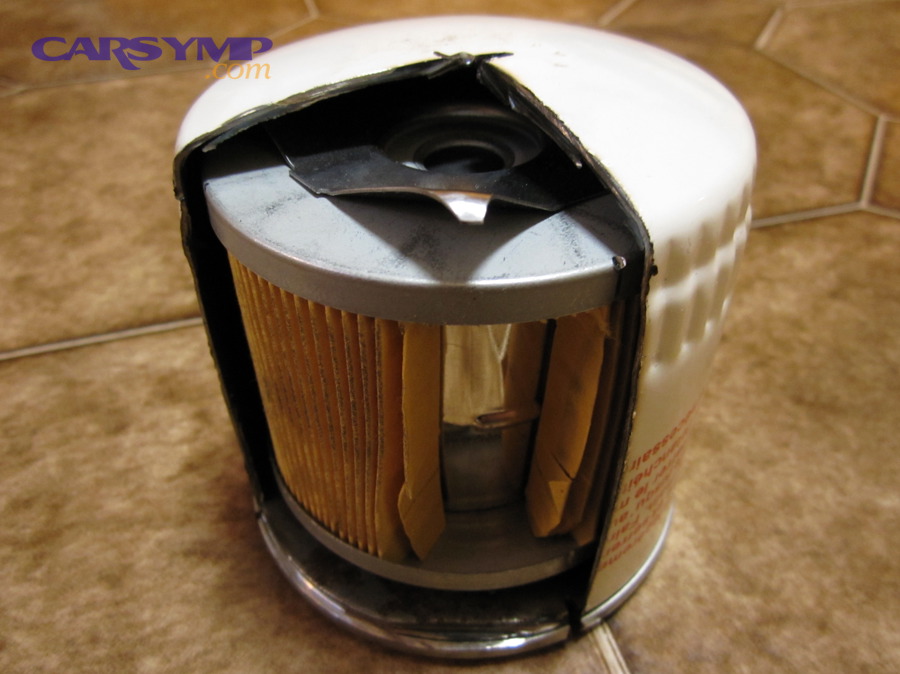
What problems does the oil filter prevent in real engines?
It prevents accelerated wear by capturing grit that would otherwise pass through tight clearances in bearings, cam journals, and hydraulic components.
Specifically, the filter helps keep oil passages and variable-valve-timing screens cleaner, which is why consistent filtration is a “small part” that protects “expensive parts.”
- Abrasive wear control: captures particles that polish and score bearing surfaces over time.
- Deposit management: reduces sludge circulation that can clog small oil galleries.
- Hydraulic stability: supports steady operation for lifters, chain tensioners, and VVT actuators.
When does the oil bypass valve matter the most?
The bypass valve matters most during cold starts or high flow demand, because thick oil can increase pressure drop across the media and trigger bypass to protect engine flow.
In other words, the bypass valve is a safety feature—oil flow is better than zero flow—so a filter with the correct bypass behavior is part of “choosing correctly,” not “buying fancy.”
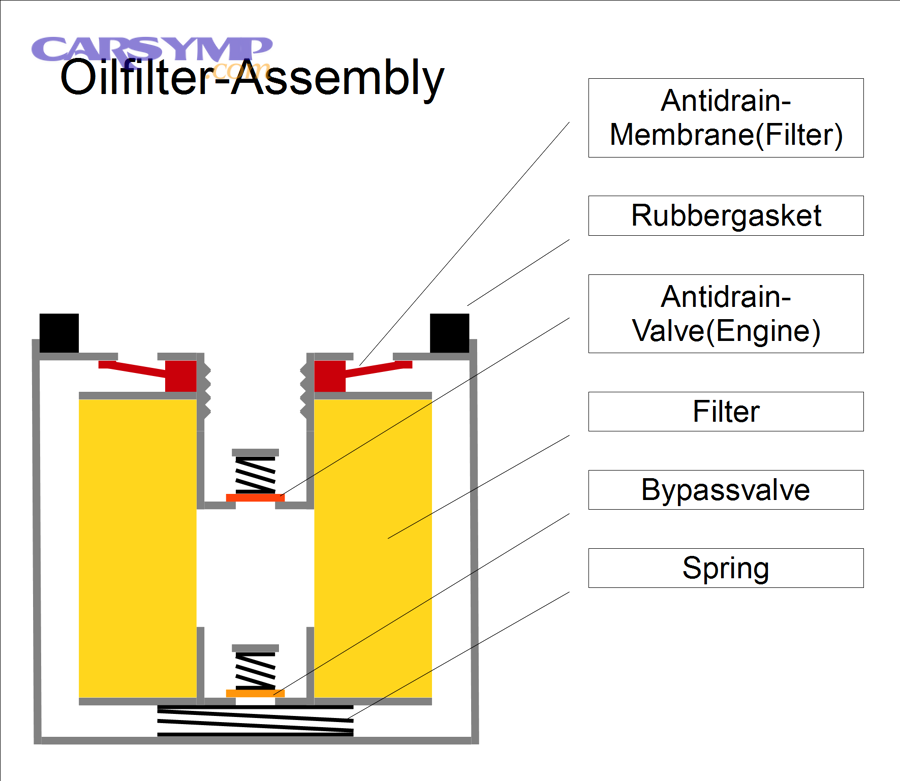
Why do leaks often get blamed on the filter when the real cause is installation?
Most leaks come from seal issues (dirty mounting surface, double gasket, cross-threading, or wrong gasket diameter), so a “good filter” can still leak if the sealing steps are rushed.
Therefore, selection and replacement tips should be treated as one workflow: right part, clean interface, correct tightening, then verification.
Spin-on vs cartridge oil filters: which type does your engine use?
Your engine uses either a spin-on canister filter or a cartridge element, and the easiest way to tell is whether you remove a metal can (spin-on) or open a housing cap to replace only the inner media (cartridge).
Next, we’ll connect the type you have to the exact selection rules that prevent mismatches and stripped housings.
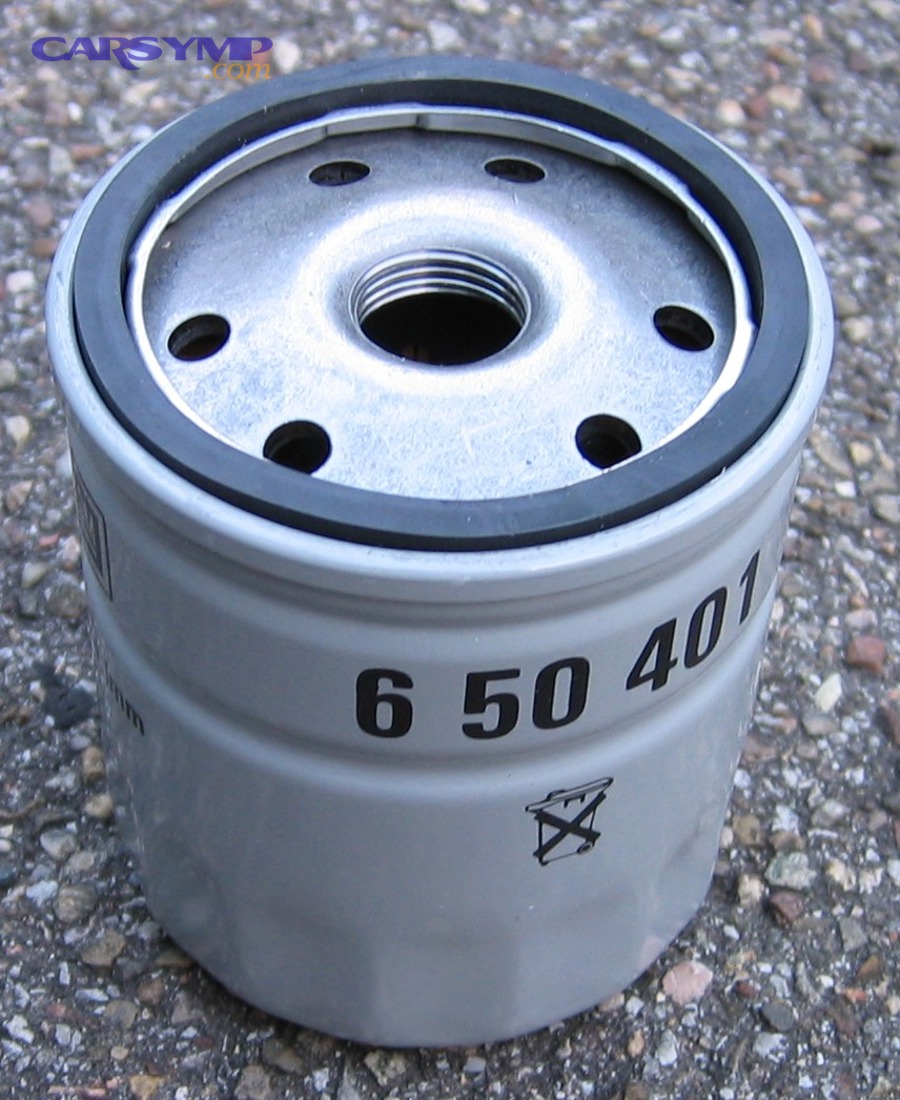
How do you identify a spin-on filter quickly?
A spin-on filter is a sealed metal can that threads directly onto the engine’s filter stud, typically with a rubber gasket visible around the base plate.
To see the defining features, look for the threaded center hole and the ring gasket that seals against the engine’s mounting pad.
- Visual cue: metal canister with a base plate and multiple inlet holes.
- Replacement style: remove entire can and install a new can.
- Common risk: old gasket stuck to the engine (double-gasketing).
How do you identify a cartridge filter system quickly?
A cartridge system uses a reusable housing and cap, and you replace only the internal paper/synthetic element plus one or more O-rings.
Next, you’ll want to confirm whether your housing cap is plastic or metal, because torque technique and thread care matter more on plastic caps.
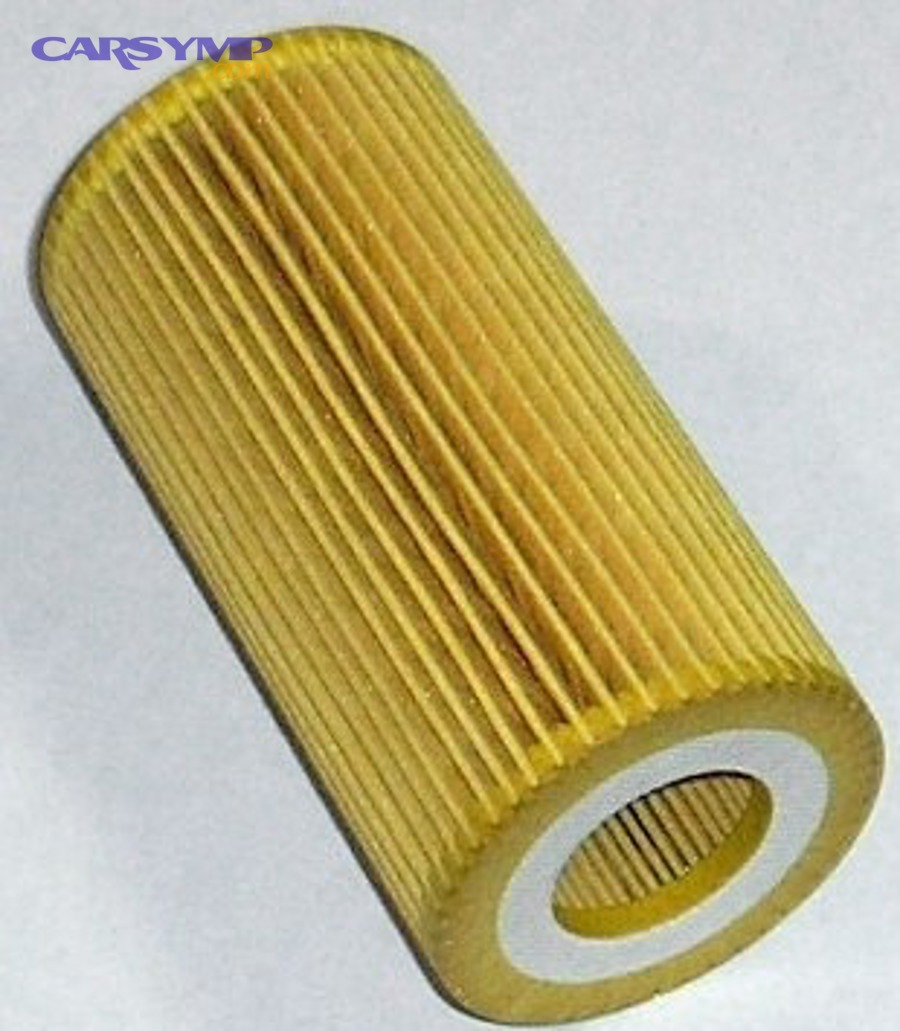
Which type is “better”: spin-on or cartridge?
Spin-on filters are often easier and faster to change, while cartridge systems reduce metal waste and can be cleaner when designed well—so “better” depends on serviceability and correct sealing, not the concept alone.
In either case, the best outcome comes from choosing the exact spec part and installing it with clean surfaces and correct torque.
How do you choose the correct oil filter for your specific engine?
You choose the correct oil filter by matching the exact application spec—thread size, gasket diameter, bypass setting (if specified), and anti-drainback needs—using your owner’s manual or trusted parts catalog for your engine code.
Next, we’ll turn that into a practical checklist that prevents the most common “wrong filter” scenarios.
What must match on a spin-on filter to avoid leaks and fitment issues?
At minimum, the thread and gasket sealing surface must match; a near-fit filter can thread on but fail to seal, or bottom out incorrectly and leak under pressure.
To lock it in, compare the new filter’s gasket diameter and base plate layout to the old filter before installation.
- Threads: correct diameter and pitch so it seats smoothly by hand.
- Gasket OD/ID: matches the engine pad so it seals fully.
- Can size/clearance: clears heat shields, sway bars, and skid plates.
- Required valve features: anti-drainback or bypass behavior when needed.
What must match on a cartridge system to avoid housing damage?
The element shape must match the housing, and the O-rings must be the correct size and placed in the correct grooves, because the wrong O-ring position can cause leaks or cap cracking.
Next, treat the cap threads like precision threads: clean, lubricate the O-ring lightly, and tighten to spec.
- Element geometry: correct height and end-cap design.
- O-rings: correct thickness and placement (cap O-ring vs center tube O-ring, if applicable).
- Cap torque: tighten to manufacturer spec, especially on plastic housings.
Do “high efficiency” filters always protect better?
No—higher efficiency can increase restriction if media area is small, so the best filter balances filtration and flow for your engine’s design and your service interval.
Therefore, prioritize correct fit and required valves first, then consider media quality as a secondary optimization.
Which oil filter features actually matter: media, bypass valve, and anti-drainback valve?
The features that matter most are the media area and construction, the bypass valve behavior, and the anti-drainback valve (when your filter mounts horizontally or above the oil level), because these directly affect flow, startup protection, and leak-free sealing.
Next, we’ll translate these internal features into simple buying decisions you can apply in minutes.
What does filter media type tell you?
Media type hints at dirt-holding capacity and durability: cellulose is common and cost-effective, while synthetic or blended media can offer better consistency and capacity for longer intervals.
To make that practical, pick media that matches your interval: standard media for normal intervals, higher-capacity media if you run extended intervals per manufacturer guidance.
- Cellulose: common, good for typical service intervals.
- Synthetic: often higher capacity and more stable at temperature extremes.
- Blend: a middle ground that can be very effective when well-made.
When do you need an anti-drainback valve (ADBV)?
You need an anti-drainback valve when the filter’s orientation or oil system design allows oil to drain back while the engine is off, because keeping the filter full reduces dry-start time and startup rattle.
Next, if your engine is known for start-up noise with cheap filters, that’s a clue the ADBV quality and fit may matter for your application.
Should you worry about bypass valve “settings” as a DIYer?
Usually, you just need the correct application filter, because reputable catalogs choose the proper bypass behavior for that engine; the main DIY risk is using a physically similar filter not intended for your system.
So the “tip” is simple: don’t substitute by shape alone, and avoid cross-application guesses even if threads seem to match.
How can you spot a poor-quality or counterfeit oil filter before it causes trouble?
You can spot a questionable filter by checking packaging quality, markings, gasket quality, and overall construction consistency, because counterfeits often cut corners on seals and valves that directly affect leaks and startup protection.
Next, we’ll turn these red flags into a quick inspection routine you can do at home before you install anything.
What packaging and labeling details are worth checking?
Look for crisp printing, correct part numbers, consistent brand marks, and intact tamper seals when used, because sloppy print and mismatched codes can signal supply-chain problems.
Next, match the printed part number to your receipt and the catalog listing so you can return it before it ever touches your engine.
- Part number accuracy: matches catalog and receipt exactly.
- Lot/date codes: present and consistent (format varies by brand).
- Seal/gasket condition: uniform, not dry-cracked or misshapen.
What physical checks can you do on a spin-on filter?
Check that the gasket is evenly seated, the base plate is flat, the threads are clean and centered, and the inlet holes are uniform, because these affect sealing and flow immediately.
To keep it practical, compare to the old filter: if the new gasket diameter or base plate layout looks “off,” pause and verify the part number again.
What physical checks can you do on a cartridge filter kit?
Verify you received the correct element plus the correct count of O-rings, and confirm each O-ring matches the groove size without stretching or forcing.
Next, lightly lubricate the O-ring so it seats without twisting, which reduces the chance of cap leaks after heat cycling.
How often should you replace the oil filter for best engine protection?
You should replace the oil filter at every oil change unless your manufacturer explicitly allows a different schedule, because a fresh filter resets contamination capacity and reduces restriction risk as oil ages.
Next, we’ll connect interval decisions to driving conditions so you don’t overthink it or under-maintain it.
What driving patterns push you toward more frequent filter changes?
Short trips, heavy towing, dusty environments, and lots of idling can load the filter faster, so more severe service often benefits from sticking to the shorter interval in the owner’s manual.
In addition, if you’re troubleshooting sludge or contamination, fresh filters at regular intervals help you monitor improvements in oil condition.
- Short-trip driving: moisture and fuel dilution can increase contamination load.
- Dusty roads: higher particulate exposure can increase filter work.
- Towing/heat: accelerates oil oxidation and deposit formation.
Is it okay to use a “long-life” filter with normal oil change intervals?
Yes, it’s generally fine, and sometimes helpful for capacity, but it’s not a substitute for proper oil intervals; the benefit is more reserve capacity and potentially steadier flow as the filter loads.
Next, remember that “long-life” only pays off if the filter is authentic and installed correctly—sealing errors erase any theoretical advantage.
How do you remove a stuck oil filter safely without damaging the engine?
You remove a stuck oil filter by controlling grip and leverage while protecting the mounting surface, because puncturing, crushing, or prying can deform the base plate area and create sealing leaks.
Next, we’ll build a step-up method: start gentle, then escalate tools only as needed.
What is the safest tool progression for a stuck spin-on filter?
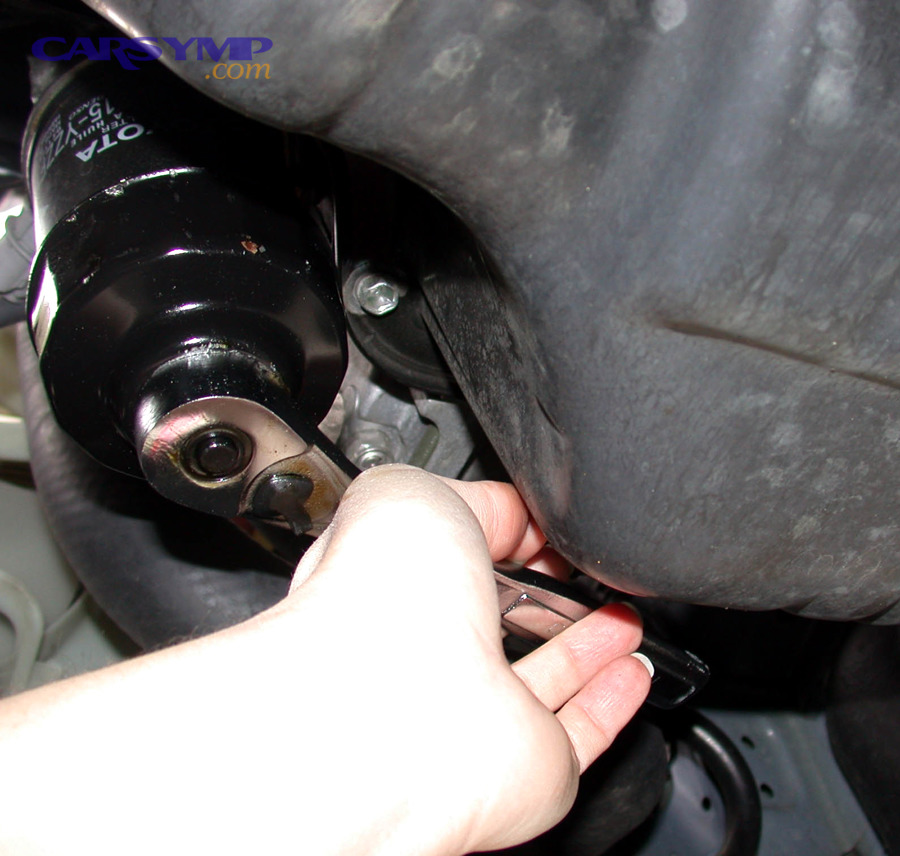
Start with hand pressure using a grippy glove or strap, then move to an oil filter wrench sized correctly, because the right tool grips evenly and reduces canister deformation.
To guide your escalation, stop if you feel the can collapsing: switch to a better-fitting wrench rather than muscling it harder.
- Warm engine slightly: warm oil and gasket can loosen grip (avoid hot burns).
- Hand + grip aid: gloves, sandpaper strip, or rubber strap.
- Cap/strap wrench: evenly grips the canister.
- Last resort: specialized claw wrench or careful can puncture only if clearance allows and you accept mess risk.
What should you inspect immediately after removing the old filter?
Inspect the engine’s mounting pad for the old rubber gasket, because leaving it behind creates a “double gasket” condition that can dump oil rapidly under pressure.
Next, wipe the pad clean and feel for dents or debris, because even a small piece of grit can create a leak path.
- Old gasket present? confirm it came off with the filter.
- Surface condition: clean, smooth, and free of scratches or stuck debris.
- Thread condition: clean, not cross-threaded or damaged.
How do you manage mess and protect the environment during removal?
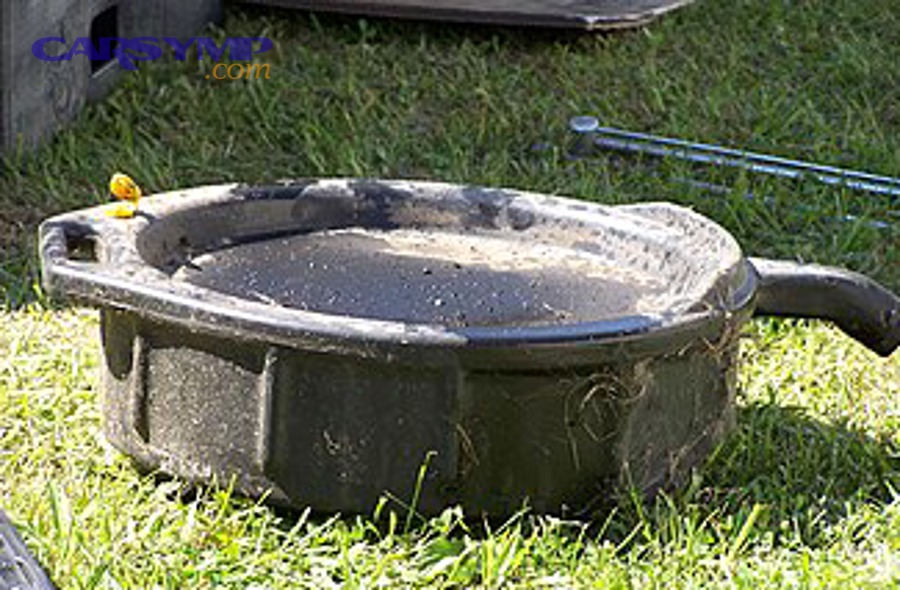
Use an oil catch pan positioned to account for the filter’s drain path, because filters often spill sideways, not straight down.
In addition, keep absorbent material ready so you can clean the area before oil reaches suspension bushings or underbody plastics.
How do you install the new oil filter correctly to avoid leaks?
You install the new oil filter correctly by cleaning the mounting surface, lubricating the gasket or O-ring, threading by hand to prevent cross-threading, and tightening to the correct spec so the seal compresses evenly without distortion.
Next, we’ll connect “tight enough” to a repeatable method so you don’t rely on guesswork.
What is the best tightening method for a spin-on filter?
Hand-tight is usually correct: once the gasket contacts the mounting pad, tighten an additional fraction of a turn (often about three-quarters of a turn), because over-tightening can crush the gasket and make removal harder later.
Next, if your filter or engine specifies a torque value, follow that spec with the right tool rather than tightening “until it feels right.”
- Step 1: light oil on the gasket for smooth seating.
- Step 2: thread on by hand until gasket touches.
- Step 3: tighten per filter instructions (fraction-turn method) or spec.
- Step 4: wipe clean, then check after startup.
What is the best tightening method for a cartridge housing cap?
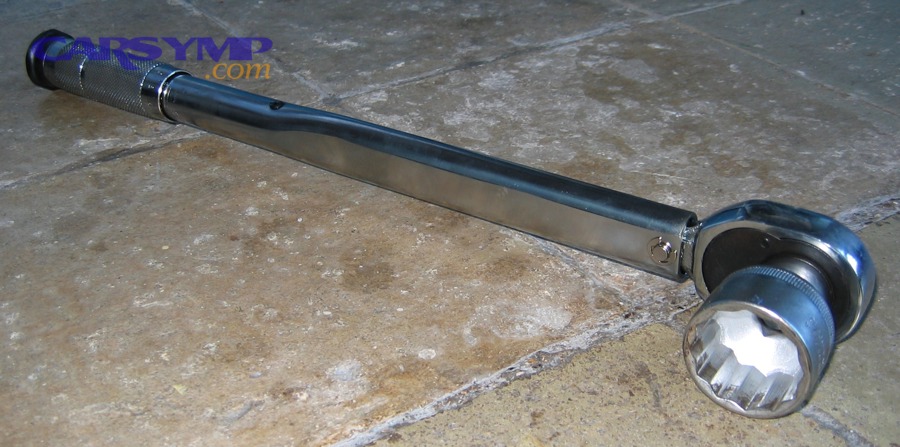
Use a torque wrench to the manufacturer’s specification, because cartridge caps (especially plastic) can crack or distort if over-tightened, and under-tightening can leak after heat cycles.
Next, ensure the O-ring sits in the correct groove; a misplaced O-ring can pinch and leak even when torqued properly.
Where do the phrases “Jacking and safety for oil changes” and “Oil drain plug and gasket leak prevention” fit in this process?
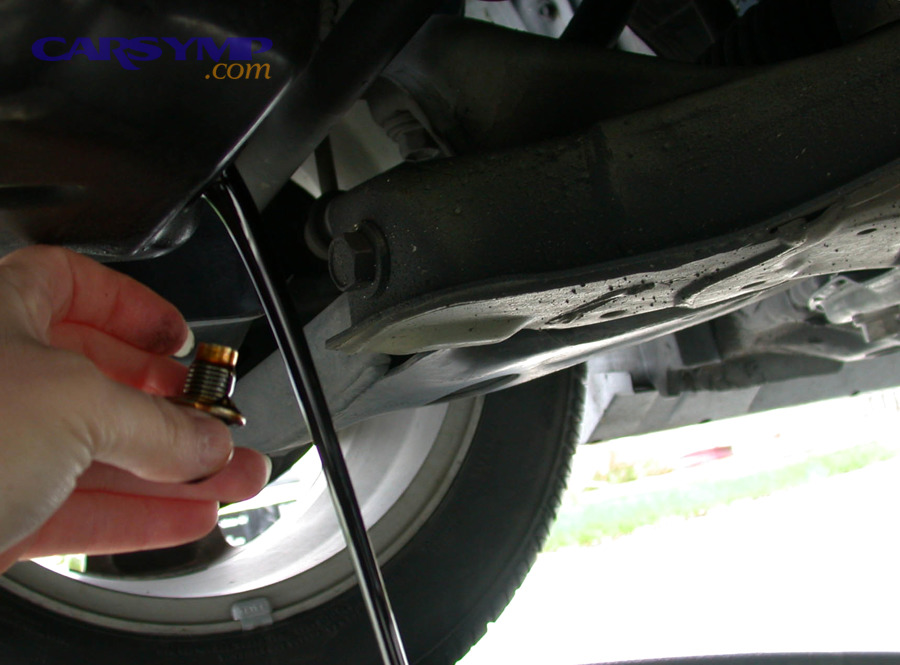
They fit as the foundation of a safe workflow: Jacking and safety for oil changes comes before you crawl under the vehicle, and Oil drain plug and gasket leak prevention happens during reassembly when you confirm washer condition, thread engagement, and correct torque.
In practice, your oil filter install is only as “leak-free” as the entire system—filter seal, drain plug seal, and correct refill volume—so treat them as one checklist item, not separate jobs.
How do you verify the oil filter change is successful after startup?
You verify success by confirming proper oil level, checking for leaks at the filter and drain plug, watching for the oil pressure light to go out quickly, and re-checking after a short drive because heat cycling can reveal slow seepage.
Next, we’ll turn that into a simple post-change routine that catches issues before they become engine damage.
What should the oil pressure light do after a filter change?
It should turn off within a couple seconds of startup in most vehicles, because the pump refills the filter and builds pressure quickly when everything is sealed and the filter is not emptying back excessively.
Next, if the light stays on longer than normal, shut down and re-check oil level, filter tightness, and whether the correct filter type was installed.
- Normal: light off quickly; smooth idle; no unusual ticking.
- Concerning: extended light, loud valvetrain noise, or visible leaks.
- Action: shut down, inspect, correct, then re-test.
What is the best leak-check method?
Wipe the filter area dry, then run the engine and inspect with a light; fresh oil makes a shiny trail, so you’ll see seepage immediately if the gasket isn’t seated.
Next, check again after the engine reaches operating temperature, because thermal expansion can change sealing behavior.
Where does “change engine oil at home” belong in the workflow?
It belongs as the complete routine that connects safety, draining, filter replacement, and verification: when you change engine oil at home, the filter replacement is the critical mid-step that must be done cleanly so the new oil stays clean and the system stays sealed.
In other words, a filter swap isn’t just “remove and replace”—it’s “remove, inspect, clean, seal, tighten, verify.”
What are the most common oil filter replacement mistakes that cause leaks or low pressure?
The most common mistakes are double-gasketing, cross-threading, under- or over-tightening, incorrect O-ring placement on cartridge caps, and forgetting to refill or re-check oil level—because each error breaks sealing or interrupts consistent oil flow.
Next, we’ll map each mistake to a symptom so you can diagnose quickly if something doesn’t feel right.
What does a leak at the filter seam usually mean?
A leak at the filter seam typically means the gasket is not sealing properly due to dirt, a doubled gasket, misalignment, or an incorrect gasket diameter for the mounting pad.
Next, shut down, remove the filter, clean the surface thoroughly, confirm only one gasket exists, then reinstall using the correct tightening method.
- Cause: old gasket stuck on engine + new gasket installed.
- Cause: gasket dry-installed and twisted during tightening.
- Cause: wrong part number with near-fit gasket size.
What does a delayed oil pressure light after an oil change usually mean?
It can mean oil level is low, the wrong filter is restricting flow, or the filter system is draining back excessively; in any case, you should treat it as a stop-and-check symptom.
Next, verify oil level first, because that’s the fastest, highest-impact correction before you chase anything else.
What does a leak at the drain plug area mean, and how does it relate to filter work?
It usually means the sealing washer is worn, the plug is under- or over-torqued, or the threads are compromised; it relates to filter work because the same rushed reassembly habits cause both leaks.
Therefore, treat the drain plug and filter as a paired seal-check every time, especially after the first warm-up cycle.
Contextual Border: The sections above cover the core how-to and selection rules most DIYers need. Below are advanced, less common details that help you optimize, troubleshoot edge cases, and avoid rare-but-costly mistakes.
Advanced oil filter tips and edge cases most DIYers miss
These advanced tips focus on unique and rare failure points—like pre-filling, gasket behaviors, and special-use filters—because small procedural differences can matter on certain engines and certain filter orientations.
Next, apply only what matches your engine design; the goal is smarter maintenance, not extra steps for no reason.
Should you pre-fill a new oil filter before installing it?
Sometimes: pre-filling can reduce time to pressure on engines with vertically mounted spin-on filters, but it’s not recommended for filters that mount sideways or upside down because it spills and can contaminate the sealing area.
Next, if you do pre-fill, fill partially, let it soak into the media, and keep the gasket area clean and lightly oiled before threading on.
Do magnetic oil filters help, or are they just marketing?
They can help capture ferrous particles, but they don’t replace proper filter media; think of magnets as a niche supplement for certain wear monitoring or break-in scenarios, not a primary filtration strategy.
Next, if you’re diagnosing abnormal wear, cutting open the old filter and checking for glitter-like debris is often more informative than relying on a magnet alone.
How should high-mileage engines influence oil filter selection?
High-mileage engines often benefit from consistent flow and strong gasket sealing more than “maximum efficiency,” because restricted flow can worsen noisy lifters or marginal pressure in worn systems.
Next, prioritize the correct application and a reputable brand, then monitor for pressure stability, startup noise, and leak behavior after each service.
What is the cleanest way to dispose of used oil filters?
Drain the filter as much as possible, store it in a sealed bag or container, and take it with used oil to a recycling center that accepts both, because filters retain oil that shouldn’t go into household trash or drains.
Next, keep the oil catch pan clean and dedicated to fluids to reduce contamination when you transport used oil for recycling.
FAQ
These quick answers address common confusion points that come up when you apply oil filter selection and replacement tips in real driveways and garages.
Can I use a larger oil filter “for more capacity” if it fits?
Sometimes, but only if the part is approved for your application; a larger filter that threads on can still have a different bypass behavior or gasket geometry that creates sealing or pressure issues.
Why does my new filter still leak even after tightening?
The most common cause is a sealing surface problem: oil on the pad, debris, a mis-seated gasket, or the old gasket still stuck to the engine; removing and re-installing correctly is safer than tightening harder.
Do I need a special tool for cartridge filters?
Often yes: many housings require a specific socket-style cap tool for removal and proper torque application; using the wrong tool can round the cap or crack plastic housings.
What if I can’t remove the old filter gasket stuck on the engine?
Use a plastic scraper and solvent-safe rag rather than metal tools, because gouging the mounting pad can create a permanent leak path; take your time and confirm the surface is smooth before installing the new filter.
Is it normal for some oil to spill when removing the filter?
Yes—filters retain oil, and the spill direction depends on filter orientation; position the catch pan to the side and use absorbent pads to keep oil off suspension components and underbody panels.
How do I know if I cross-threaded the filter?
If it won’t spin on smoothly by hand for several turns, stop; cross-threading often feels “gritty” or tight immediately, and forcing it can damage the stud or housing.
Before you finish, here’s a helpful visual walkthrough you can follow step-by-step during your next oil service:
To summarize, oil filter selection and replacement tips work best as one connected routine: choose the exact spec filter for your engine type, prepare clean sealing surfaces, tighten correctly, then verify with leak checks and oil level confirmation after warm-up.