


Engine oil choice is mostly a matching game: match the viscosity grade and oil specification your engine was designed for, then match the oil type to your use-case (daily commuting, towing, short trips, track days, or long highway runs).
Beyond that baseline, the “best” oil is the one that maintains the right film thickness at operating temperature, flows fast enough at cold start, and meets the approvals in your owner’s manual—because those approvals reflect real engine tests, not just marketing claims.
You’ll also get better results if you treat oil as part of a system: viscosity + additive package + filter + drain interval + driving conditions. When those pieces align, you reduce wear, keep deposits under control, and avoid unnecessary consumption or noisy operation.
To begin, let’s decode what the numbers on the bottle actually mean and how they connect to your engine’s design and real-world driving.
What does “0W-20” or “5W-30” viscosity actually mean?
Viscosity grades like 0W-20 describe how easily oil flows when cold and how thick it stays when hot, using standardized tests so you can compare oils consistently. After that, the key is choosing a grade your engine can pump quickly and protect reliably across your temperature range.
Next, let’s break the label into cold-start behavior and hot protection so you can choose with confidence.

What the “W” (winter) rating tells you at startup
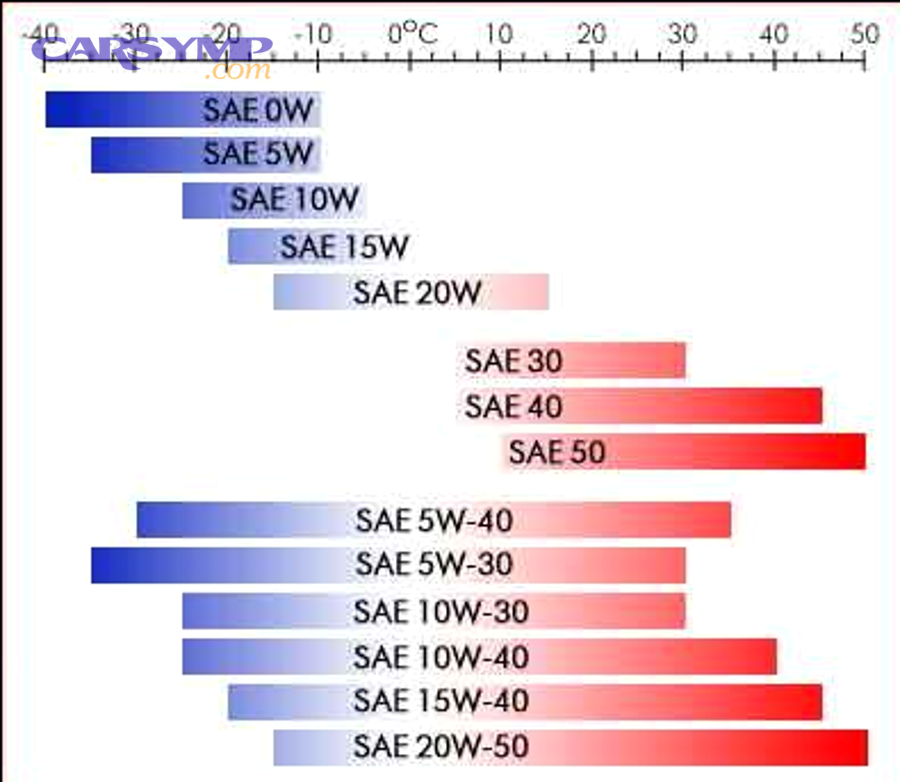
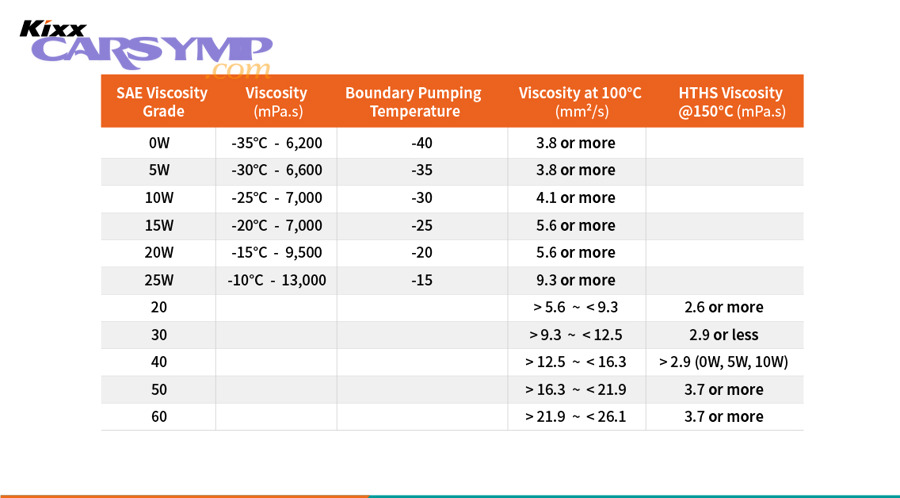
The number before the “W” (0W, 5W, 10W) indicates how the oil behaves in cold conditions: lower numbers generally flow more easily during cold starts, helping the pump build pressure faster and reducing time spent in borderline lubrication. After that, the oil still must meet minimum cold-cranking and pumping standards for that grade.
After this cold-flow foundation is clear, we can connect it to why modern engines often specify lower “W” grades than older designs.
What the second number tells you at operating temperature
The second number (20, 30, 40) reflects viscosity at higher temperatures, roughly representing how the oil maintains film strength when the engine is hot. Higher numbers can provide a thicker film under high load, but they also can increase pumping losses and may reduce fuel economy in engines designed for thinner oils.
From here, it helps to tie hot viscosity to engine design factors—bearing clearances, piston ring packs, and cooling strategy—so you don’t “over-thicken” by guesswork.
Why viscosity is not “thickness” in a simple way
Viscosity changes with temperature, shear, and time in service; it is not a single static thickness. Multi-grade oils use viscosity index improvers to reduce how dramatically viscosity drops as temperature rises, which is why a 5W-30 can behave like a “5W” in cold tests and a “30” in hot tests.
With that in mind, the next step is choosing an oil type whose base stock and additive package suit your driving and drain interval goals.
Which oil type fits your engine: conventional, blend, or full synthetic?
There are three main oil “types” you’ll see on shelves—conventional, synthetic blend, and full synthetic—and the best choice depends on your engine’s requirements, your climate, and how hard you work the oil between changes. Next, we’ll group them by base stock performance and practical use-cases.

Conventional oil: practical for older specs and short intervals
Conventional oil (often Group II base stocks) can work well when your owner’s manual allows it and you keep intervals conservative, especially in simple, naturally aspirated engines with modest thermal stress. It’s typically less expensive, but it may not resist oxidation and volatility as well as higher-end synthetics under severe service.
After you place conventional oil in the “basic, compliant, and budget-friendly” bucket, you can evaluate whether your driving conditions push you toward a stronger base stock.
Synthetic blend: a middle ground for heat and budget
Synthetic blends mix conventional and synthetic base stocks to improve stability and cold flow versus pure conventional oil, often at a moderate price. In real use, blends can be a sensible choice for vehicles that see varied temperatures, moderate towing, or frequent stop-and-go, provided the oil still meets the needed spec (API/ILSAC/ACEA or manufacturer approval).
Next, consider whether your engine’s design or your interval goals make full synthetic the more consistent option.
Full synthetic: best for high heat, long drains, and modern engine demands
Full synthetic oils (commonly Group III/IV/V base stocks depending on market definitions) usually offer stronger oxidation resistance, better low-temperature flow, and more stable viscosity under shear. They’re often the safest default for turbocharged engines, direct-injection setups, hybrids with frequent start-stop events, and vehicles that specify very low viscosities like 0W-16 or 0W-20.
Now that oil “type” is clear, the next critical filter is whether the bottle meets your engine’s required performance standards—not just the viscosity grade.
How do API, ILSAC, ACEA, and OEM approvals change the “right” oil?
The right oil is not only the right viscosity—it must also meet the performance specification your engine expects, because specs govern detergency, wear protection, deposit control, and compatibility with emissions systems. Next, we’ll compare the major standard families and how to read a label quickly.
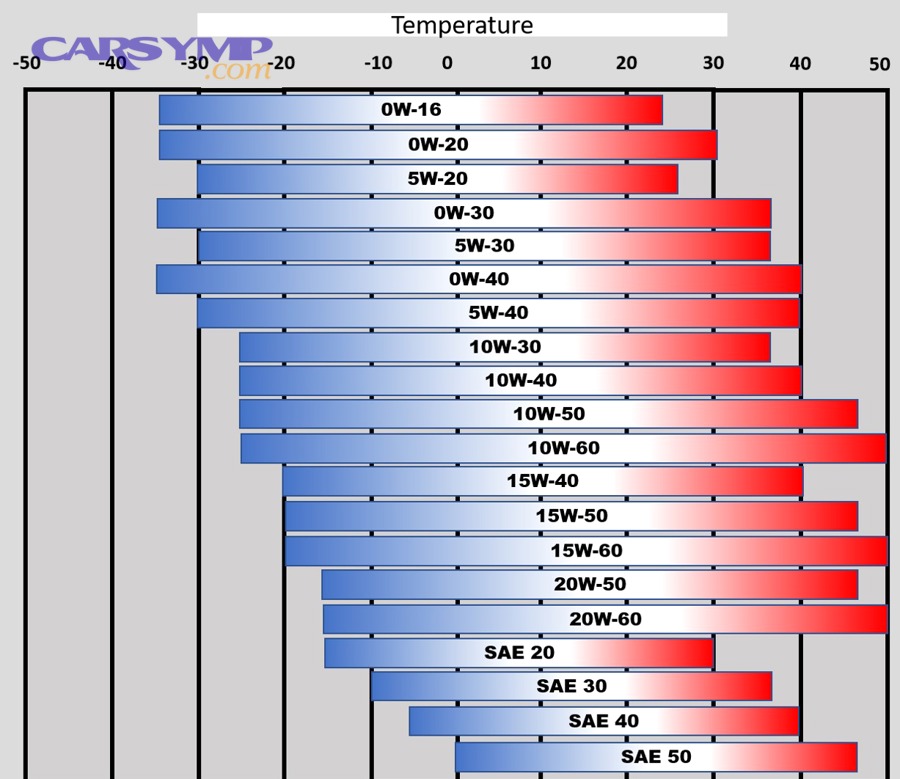
API service categories: baseline performance for many gasoline engines
After you confirm the API category matches or exceeds your manual, you can check whether your car also calls for ILSAC or a specific OEM approval.
ILSAC GF standards: fuel economy and modern protection targets
Next, if you drive a European brand or a vehicle that references ACEA, you’ll want to use the ACEA categories rather than “closest looking” API labels.
ACEA categories: European-style testing and long-drain focus
From here, the most precise match is often the manufacturer’s own approval list, especially for turbo engines and extended intervals.
OEM approvals: the final “yes/no” for many engines
Many manufacturers require their own approvals (for example, specific VW, BMW, Mercedes-Benz, GM dexos, Ford specs, or other brand-specific standards). These approvals usually mean the oil passed additional proprietary tests and is explicitly validated for that engine family’s needs, including deposit control, turbo heat, and emissions-system compatibility.
With specs handled, the next step is connecting viscosity choice to climate and driving style so the oil behaves properly in your real conditions.
How should climate and seasons influence viscosity choice?
Yes—ambient temperature should influence viscosity choice within the range your manufacturer allows, because cold starts and extreme heat change how quickly oil circulates and how strong the protective film remains. Next, we’ll map common climates to sensible viscosity selections without guessing outside the manual.
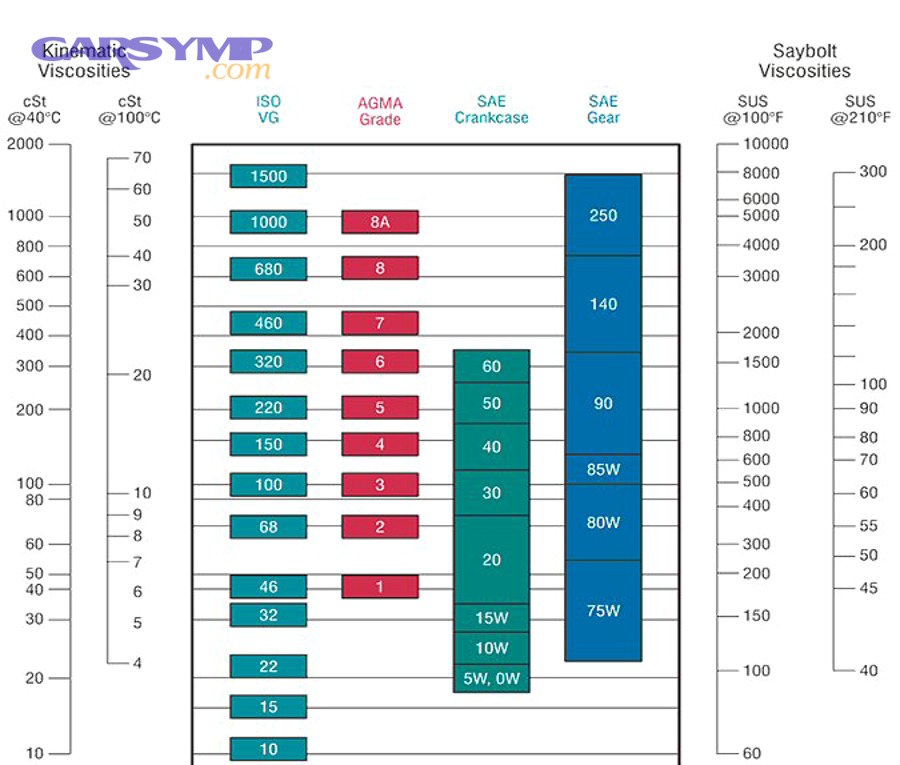
Cold climates: prioritize fast flow and quick pressure
In cold regions, lower winter grades like 0W or 5W can help oil pump faster at startup, reducing the time metal surfaces spend with minimal film protection. This is especially important if your car sits overnight outdoors or you do many short trips where the engine rarely reaches full operating temperature.
After you handle cold-start flow, you can verify whether the hot grade (20 vs 30) remains within the factory recommendation for your engine.
Hot climates and heavy loads: keep hot viscosity within approved ranges
In consistently hot climates or under heavy use (towing, mountain driving, long high-speed runs), some engines allow a higher hot grade (for example, 30 instead of 20) to maintain film strength under sustained temperature and load. However, using a higher grade than specified can reduce efficiency and may not lubricate as intended in engines designed for thinner oil passages and tight clearances.
Next, let’s make this practical with a quick reference table you can use alongside your owner’s manual limits.
This table summarizes common viscosity grades and what they generally help with, so you can choose within your manufacturer-approved options based on climate and load.
| Viscosity Grade | Cold-Start Strength | Hot/High-Load Strength | Typical Use (Within Manual Limits) |
|---|---|---|---|
| 0W-20 | Excellent | Moderate | Modern engines prioritizing efficiency; cold climates; hybrids |
| 5W-30 | Very good | Good | Broad all-season use; many gasoline engines; mixed driving |
| 0W-40 | Excellent | Very strong | Performance/turbo engines requiring it; wide temp swings |
| 10W-30 | Fair | Good | Warmer climates; older engines when specified |
| 15W-40 | Limited | Strong | Some diesels or older applications where specified |
Should you run a “summer” and “winter” viscosity?
Sometimes, yes—if your manufacturer explicitly lists multiple viscosity options based on ambient temperature, you can choose a winter-optimized grade for cold months and a higher hot-grade option for peak summer or heavy loads. The safe rule is simple: never switch to a grade your manual does not allow, even if “thicker sounds safer.”
With climate choices clear, the next piece is driving conditions—because “severe service” can change how oil behaves long before the bottle’s marketing claims do.
How does your driving style affect oil viscosity and oil selection?
Driving style affects oil stress because short trips, stop-and-go traffic, towing, and high-RPM operation change heat, contamination, and shear forces in the oil. Next, we’ll translate common driving patterns into oil choices that stay inside your manual’s viscosity and spec requirements.
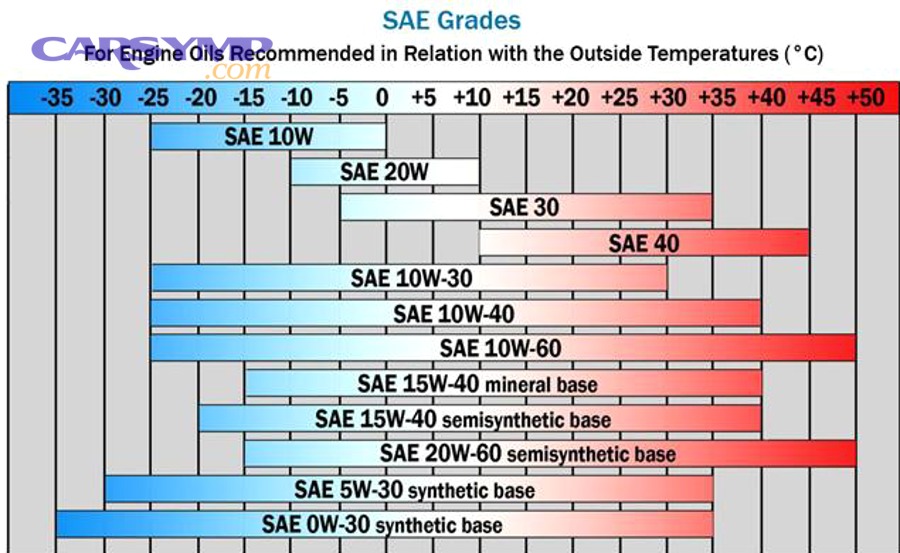
Short trips and stop-and-go: contamination and fuel dilution matter
Frequent short trips can prevent oil from reaching a stable temperature long enough to evaporate moisture and fuel vapors, increasing the risk of sludge and acid formation. In these conditions, prioritizing the correct spec and a strong detergent package (often easier to find in reputable full synthetics) can be more important than “going thicker.”
After you account for contamination risk, you can choose a conservative interval strategy based on how your engine actually gets used.
Towing, hauling, and mountains: sustained heat and load
Towing and steep grades raise oil temperature and can increase shear stress, especially in turbocharged or high-output engines. If your manual allows multiple hot grades, the higher hot grade option may help maintain film strength under sustained load, but the oil must still meet the exact required approval to protect turbo bearings and manage deposits.
Next, it’s worth understanding how modern engines with direct injection and turbocharging interact with oil selection.
Turbo and direct injection: deposits, volatility, and timing chain wear
Turbocharged engines subject oil to very high localized temperatures, while direct-injection engines can be more prone to fuel dilution under certain patterns. Choosing an oil with the correct OEM approval and a reputation for deposit control helps reduce coking risk in turbo areas and keeps viscosity closer to target over the service interval.
With driving conditions covered, the next logical question is whether it’s safe to switch oil types or viscosities without harming the engine.
Can you switch oil viscosity or oil type safely?
Yes, you can switch oil type (conventional to synthetic) and sometimes switch viscosity, as long as you stay within your manufacturer’s approved viscosity grades and required specifications. Next, we’ll outline the safe rules, common exceptions, and what to watch for after the change.
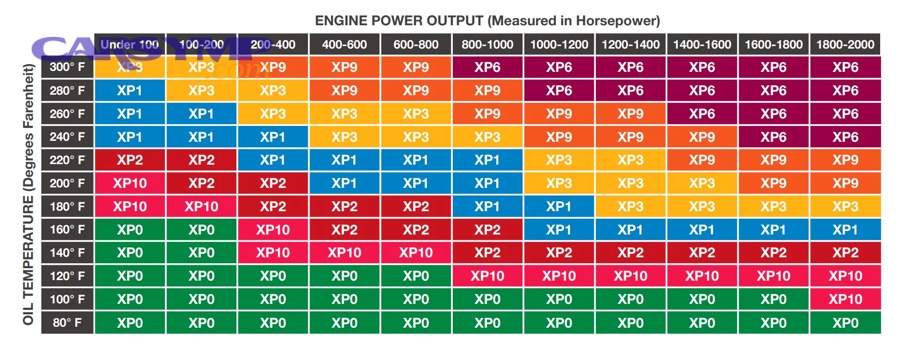
Switching to full synthetic: usually safe when specs match
Moving to full synthetic is generally safe if the new oil meets the same or higher required spec and viscosity grade. The main practical difference is synthetic oil may clean deposits more effectively over time; that’s typically beneficial, but in extremely neglected engines it can reveal existing seal issues that were previously masked by sludge.
After switching, monitor level and leaks for the first few weeks so you can react early if your engine has pre-existing wear or sealing problems.
Switching viscosity: only within the manual’s allowed list
Viscosity switching is safe when your owner’s manual lists multiple grades for different temperatures (for example, 0W-20 or 5W-30). Avoid “stepping up” beyond that list, because modern engines may rely on specific viscosity for hydraulic valve timing systems, turbo oiling, and tight bearing clearances.
Next, we’ll cover the practical decision process: how to read your manual and the oil cap to choose correctly in minutes.
What to watch after a change: noise, consumption, and performance
If the new oil is correct, you should not see new ticking noises, sudden consumption, or warning lights. If you do, verify the oil level first, confirm the exact viscosity and approval, and consider whether a counterfeit oil source or an incorrect filter could be causing pressure or flow issues.
Now, let’s turn these concepts into a repeatable checklist you can use every time you buy oil.
How do you choose the correct oil using the owner’s manual and oil label?
To choose the correct oil, confirm the manufacturer-required viscosity and specification in the owner’s manual, then buy an oil that explicitly lists that spec on the bottle (not “recommended for”). Next, we’ll walk through a fast, reliable checklist you can follow at the store or online.
Step 1: find the viscosity range and temperature notes
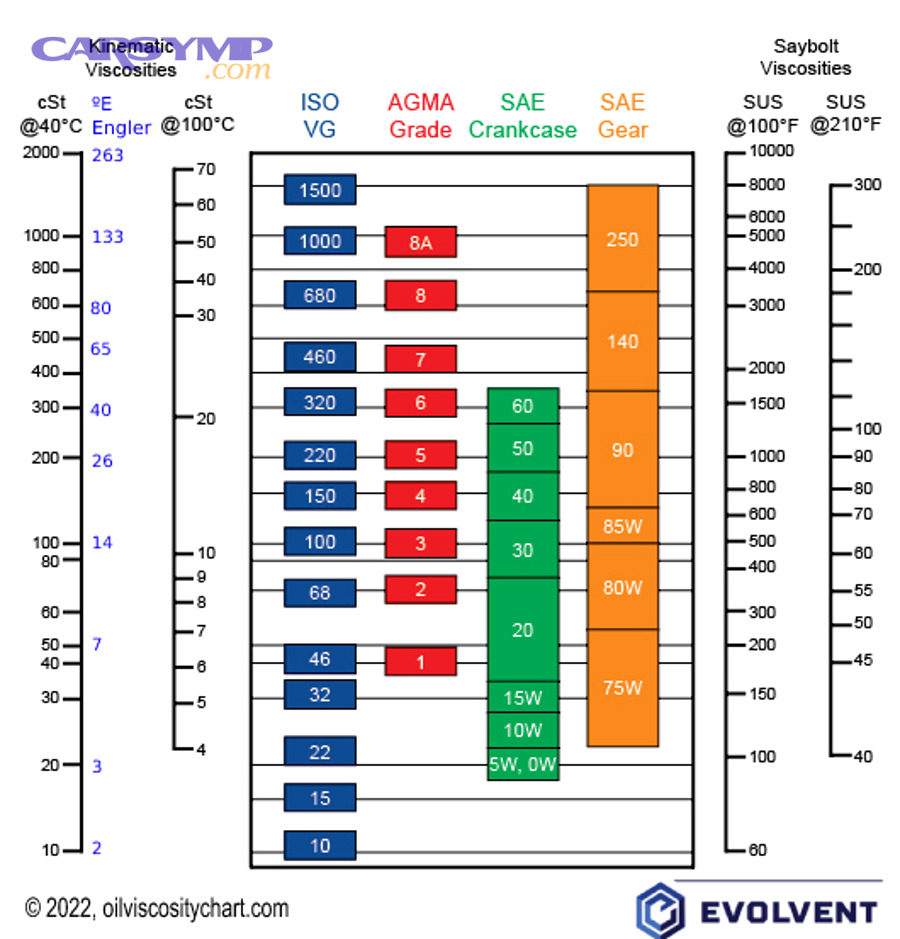
Your manual often lists one primary viscosity (common in newer cars) or a range of acceptable viscosities tied to ambient temperature. If you see a temperature chart, choose the grade that covers your coldest start and hottest operating conditions while staying within the manufacturer’s list.
After you lock in viscosity, the next step is confirming the performance spec and approvals so the additive package matches your engine’s design.
Step 2: match the required spec and approvals exactly
Look for the exact API/ILSAC/ACEA category or OEM approval specified in the manual. Phrases like “meets requirements of…” are less reliable than explicit approvals, especially for brands that maintain published approval lists. When in doubt, prioritize oils from reputable manufacturers with clear compliance statements.
Next, you’ll want to confirm the oil’s intended engine type and emissions compatibility, particularly if your vehicle has advanced aftertreatment systems.
Step 3: confirm gasoline vs diesel and aftertreatment compatibility
Diesel-rated oils and gasoline-rated oils can overlap in some categories, but you should follow your manual’s guidance because additive chemistry differs. Vehicles with sensitive emissions systems may require specific low-ash formulations (often tied to certain ACEA categories or OEM approvals) to protect catalytic converters and particulate filters.
With the buying process in place, the next important topic is what can go wrong when the wrong viscosity or spec is used—so you can spot issues early.
What happens if you use the wrong oil viscosity or the wrong spec?
Using the wrong viscosity or specification can increase wear, trigger timing system issues, worsen deposits, and in some cases harm emissions components, even if the engine “seems fine” at first. Next, we’ll compare the most common mismatch outcomes and how they show up in real driving.
If the oil is too thick: slow flow and efficiency loss
Oil that is too thick for the design can flow more slowly at startup, potentially delaying lubrication to critical parts like camshafts, turbo bearings, and variable valve timing actuators. It can also increase pumping losses, reduce fuel economy, and sometimes cause sluggish hydraulic responses in modern valve control systems.
After recognizing “too thick” symptoms, you can compare them to “too thin” symptoms, which often look different but can be just as harmful.
If the oil is too thin: film strength can drop under load
Oil that is too thin (outside of what the manual allows) may struggle to maintain a protective film during high temperature and high load, potentially increasing metal-to-metal contact in bearings and under the piston ring zone. In severe cases, you may notice elevated oil consumption, increased noise, or higher operating temperatures.
Next, remember that spec mismatch can be worse than viscosity mismatch, because specs control deposit tests and emissions-system compatibility.
If the spec is wrong: deposits and aftertreatment risks
Even with the correct viscosity, an oil that does not meet your required spec may fail key deposit or wear tests for your engine family, leading to sludge, sticky rings, timing chain wear, or turbo coking over time. For some vehicles, the wrong formulation can also accelerate catalyst degradation or particulate filter loading.
With these risks clear, the next step is learning how to keep oil performance stable over time—especially around filters, top-offs, and real-world maintenance habits.
Contextual Border
Extra practices that make any correct oil work better in real life
Once you’re choosing the correct viscosity and spec, the biggest gains come from execution: good filtering, clean work habits, correct fill level, and maintenance steps that prevent contamination or false warnings. Next, we’ll cover practical add-ons and habits that help oil do its job longer and more consistently.
Filter quality, anti-drainback valves, and why “any filter” isn’t the same
A quality filter supports oil performance by maintaining flow and trapping particles without collapsing or bypassing too easily. For many engines, an anti-drainback valve helps prevent dry starts by keeping oil in the filter and galleries after shutoff, which can be especially helpful if your vehicle’s filter mounts horizontally or above the oil level.
After you treat the filter as part of the lubrication system, you can make oil selection decisions that aren’t undermined by poor filtration or inconsistent bypass behavior.
Top-off strategy, mixing oils, and keeping level in the safe zone
Keeping the oil level correct often matters more than obsessing over brand: low oil reduces thermal capacity and can increase aeration, while overfilling can cause foaming and crank windage. If you must top off, matching viscosity and spec is ideal; mixing reputable oils of the same grade and spec is usually acceptable for short-term, but return to a consistent oil at the next change.
Next, it’s helpful to connect oil choice to the practical realities of service routines and dashboard reminders.
Maintenance routines you’ll actually use (and where people go wrong)
If you plan to change engine oil at home, set yourself up for accuracy: use the correct viscosity and spec, measure drain and fill carefully, and confirm the oil level after a short run and a settle period. A major cause of oil-related issues is not the oil itself but execution errors and skipped checks; for example, Common oil change mistakes to avoid include double-gasketing the filter, under-tightening the drain plug, using the wrong crush washer, and forgetting to recheck level after the engine warms.
After this, you can align your oil selection with your reminder system and interval logic so you don’t rely on guesswork.
Intervals, reminders, and tailoring to real usage without guessing
Modern oil life monitors estimate service needs using operating conditions rather than a fixed mileage alone, so learn How to reset oil life/service light the right way after service, especially if you track changes yourself. For planning, How often to change oil by driving style depends on short trips, towing, idle time, temperature extremes, and turbo heat; when conditions are harsh, shorten intervals within sensible bounds, and when usage is gentle highway driving, follow the manufacturer’s guidance rather than outdated “one-size-fits-all” rules.