


A stuck-open EGR valve and a stuck-closed EGR valve can both trigger rough running—but they do it in opposite ways, so you can diagnose the direction of the failure by when the symptoms appear (idle vs load), how the engine responds to throttle, and what happens to combustion stability.
Next, you’ll learn the most reliable “stuck open” symptom pattern (idle instability, stalling, and low-speed hesitation) and why it often feels like a vacuum leak or a misfire when exhaust is leaking into the intake at the wrong time.
Then, you’ll see the “stuck closed” symptom pattern (ping/knock risk under load, higher NOx, and reduced EGR flow faults) and why it can feel fine at idle but get worse as load and temperatures rise.
Introduce a new idea: below, we’ll compare both conditions side-by-side and walk through quick, practical checks you can do with basic tools before you commit to parts, labor, or an EGR valve repair.
What does the EGR valve do, and why do “stuck open” and “stuck closed” feel so different?
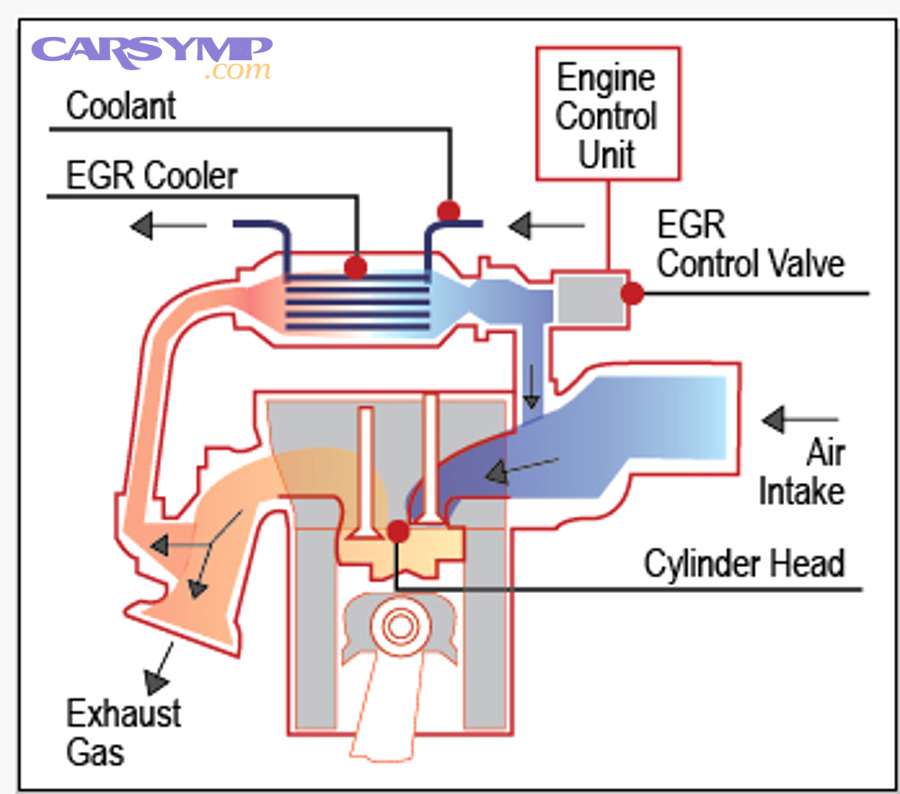
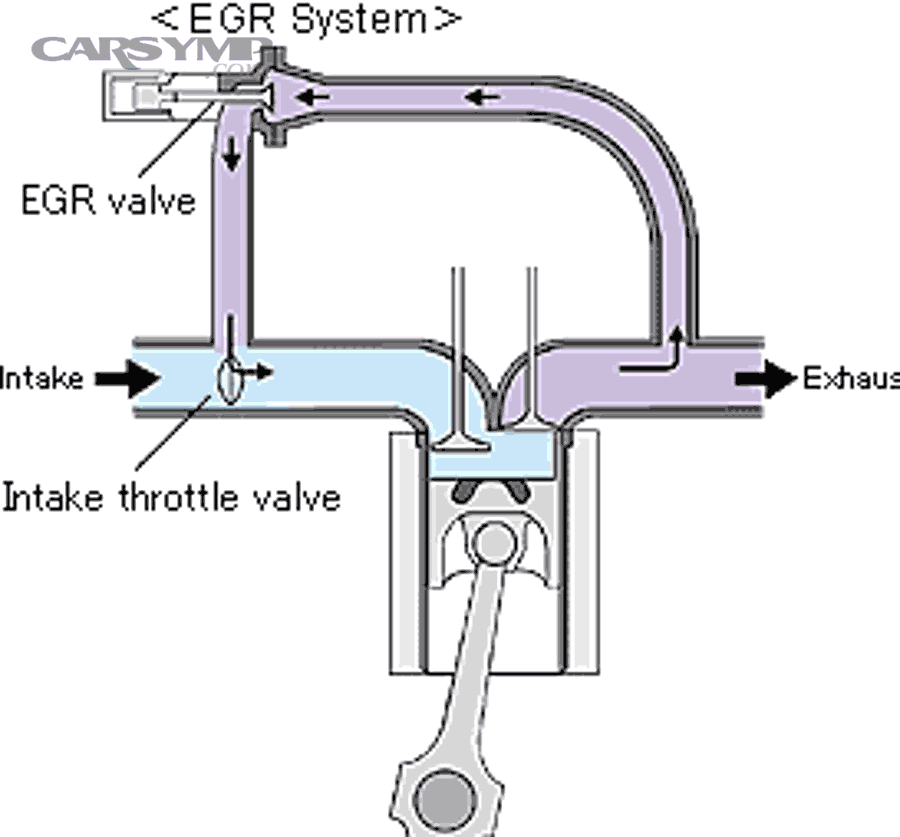
The EGR valve is an emissions-control valve that meters a controlled amount of exhaust back into the intake to lower combustion temperatures and NOx; stuck open adds exhaust when it shouldn’t, while stuck closed blocks flow when it’s needed. (open.clemson.edu)
To better understand why those two failures feel “opposite,” it helps to picture what the engine expects from EGR at idle versus at cruising load.
What is “EGR flow,” and when should it happen?
EGR flow is the measured or commanded recirculation of exhaust gas into the intake stream, and it is typically highest during steady cruise/light-to-moderate load and low (or off) at idle, cold start, and wide-open throttle.
More specifically, EGR works because exhaust gas is largely inert compared with fresh air-fuel charge; mixing it in lowers peak combustion temperature and slows the burn slightly. That temperature effect is a major reason EGR reduces NOx formation. A master’s thesis at University of Tennessee, Knoxville (Mechanical Engineering) notes NOx formation is heavily temperature dependent and that EGR reduces peak combustion temperatures. (trace.tennessee.edu)
Practical takeaway for symptom reading:
- When EGR shows up at the wrong time (idle/cold start) → the engine stumbles because the mixture becomes “diluted” and unstable.
- When EGR never shows up under the right conditions (cruise/load) → combustion runs hotter, NOx rises, and the ECU may flag insufficient flow.
What physically happens when an EGR valve sticks open vs sticks closed?
A stuck-open EGR valve behaves like an uncontrolled internal “leak” between exhaust and intake, letting exhaust enter when the engine needs clean air for stable idle and smooth tip-in.
However, a stuck-closed EGR valve behaves like a blocked passage: the ECU commands EGR, but nothing moves—so the engine may still run acceptably, yet emissions and knock margin worsen under the conditions where EGR should be active.
Here are the core “feel” differences you’ll keep seeing throughout the rest of this guide:
- Stuck open: worst at idle/low rpm, improves as rpm rises (sometimes).
- Stuck closed: often OK at idle, worse at cruise/load or when the ECU checks EGR flow.
Which symptoms most strongly point to an EGR valve stuck open?
There are 7 main symptoms of an EGR valve stuck open—rough idle, stalling, low-speed hesitation, misfire-like shaking, poor restart, strong exhaust smell at idle, and a “vacuum leak” feel—based on exhaust being forced into the intake when combustion needs a clean, stable charge.
Next, we’ll tie each symptom to what’s happening inside the cylinders so you can separate this from ignition, fuel, or intake leaks.
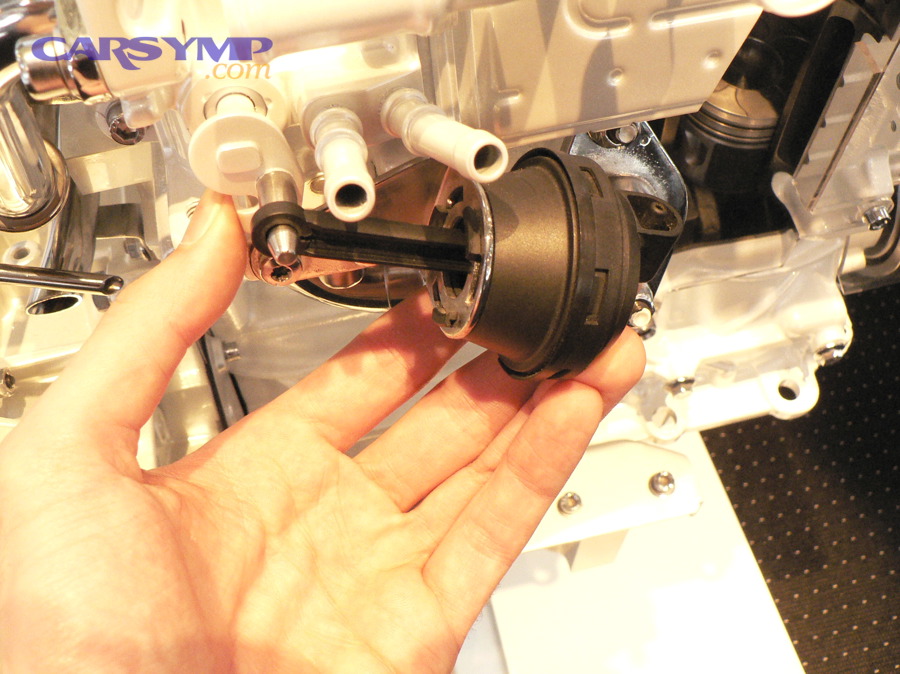
Which idle and low-speed drivability symptoms are most common with stuck-open EGR?
Stuck-open EGR most commonly shows up as rough idle and stalling, especially after warm-up, because exhaust dilution at idle destabilizes combustion.
Specifically, watch for these patterns:
- Rough idle that gets worse in gear (automatic): load drops idle reserve, making unstable combustion more obvious.
- Stalling when coming to a stop: throttle closes, airflow drops, but exhaust dilution stays high.
- Hesitation on tip-in (light throttle from a stop): the engine wants crisp airflow changes; dilution fights that.
If you want a simple mental model: at idle, the engine needs “easy to ignite” mixture and predictable airflow; a stuck-open EGR valve steals that stability.
What “misfire-like” signs can be caused by stuck-open EGR?
A stuck-open EGR valve can mimic a misfire because the diluted charge burns unevenly, so the engine shakes, loses smoothness, and may even set random misfire codes in some cases.
More importantly, the misfire feel usually has these clues:
- It’s strongest at idle and low rpm
- It may improve when you raise rpm
- It often comes with a sour exhaust smell or “exhaust-in-intake” odor at idle
This is where many drivers start googling general Car Symptoms (rough idle, shaking, stalling) and land on ignition parts first. If the symptom timing screams “idle/low rpm,” keep stuck-open EGR on the short list.
Which symptoms most strongly point to an EGR valve stuck closed?
There are 6 main symptoms of an EGR valve stuck closed—spark knock/ping under load (gasoline), elevated NOx/failed emissions, surge at cruise, higher combustion temperatures, “insufficient EGR flow” codes, and intermittent drivability on highway—based on the engine running hotter when EGR should be reducing peak temperatures. (trace.tennessee.edu)
Then, we’ll connect each symptom to what your ECU is trying to do during cruising conditions.
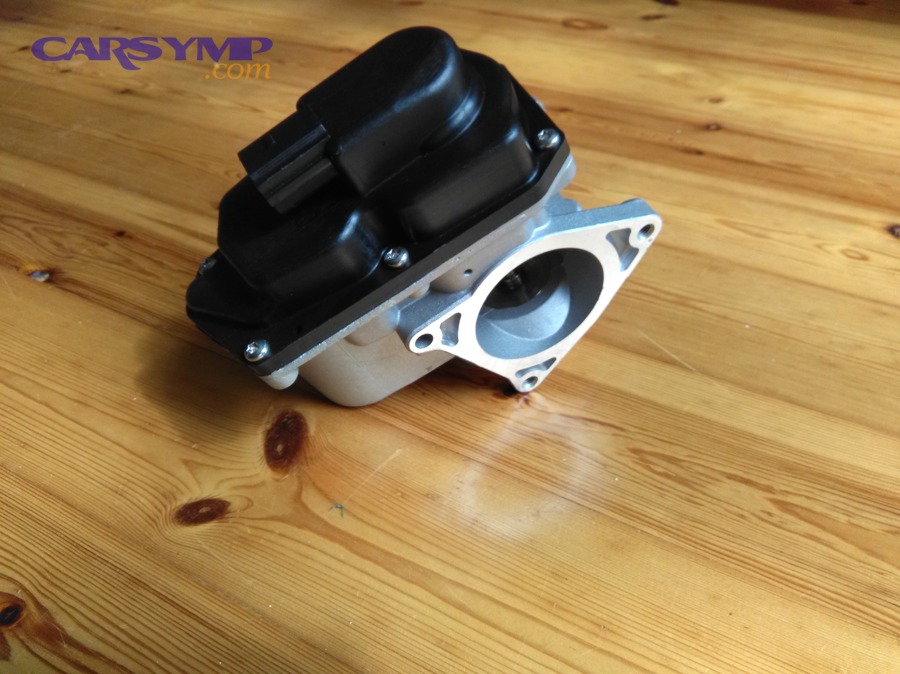
How does stuck-closed EGR show up on gasoline vs diesel engines?
Stuck-closed EGR tends to show up differently depending on engine type:
- Gasoline: more likely to notice ping/knock or reduced knock margin during acceleration, climbing hills, or towing.
- Diesel: more likely to notice emissions-related behavior (NOx increase) and sometimes changes in soot/DPF loading strategy, depending on system design.
Meanwhile, many modern vehicles won’t “feel” dramatically different day-to-day with stuck-closed EGR—until the ECU runs an EGR-flow plausibility check or conditions push the engine into a knock-sensitive zone.
Can stuck-closed EGR cause noticeable drivability issues at cruise?
Yes—stuck-closed EGR can cause light-throttle surge, hunting, or a subtle “not quite smooth” feeling at steady cruise because the ECU expects EGR dilution and adjusts fueling/timing around it.
More specifically, you may notice:
- Surge at steady speed (especially on gentle grades)
- Reduced fuel economy in some cases (strategy-dependent)
- Higher engine temps under sustained load (not always visible on the dash gauge)
If your vehicle is sensitive, the symptom pattern is: fine at idle → weird at cruise/load → codes appear after certain drive cycles.
How can you quickly compare stuck-open vs stuck-closed symptoms side-by-side?
Stuck open wins for idle/low-rpm stalling, stuck closed is best explained by load/cruise heat and insufficient-flow checks, and “intermittent” is often caused by carbon buildup that changes valve movement over time.
To make the comparison actionable, the table below summarizes where each failure mode shows up most strongly.
The table below compares symptom timing, drive feel, and common clues for stuck-open vs stuck-closed EGR behavior:
| What you notice first | More consistent with stuck-open EGR | More consistent with stuck-closed EGR |
|---|---|---|
| Idle quality | Rough idle, shaking, stalls at stops | Often normal or only slightly off |
| Low-speed takeoff | Hesitation, bog, “vacuum leak” feel | Usually normal |
| Highway cruise | Sometimes better than idle | Surge/hunt or feels hotter under load |
| Acceleration / hill climb | Can stumble on tip-in | Ping/knock risk (gas), reduced margin |
| Codes | May set EGR-related + misfire-like symptoms | “Insufficient flow” more common |
| Quick mental test | “Bad at idle” | “Bad under load / during checks” |
In addition, if your symptoms vary with temperature:
- Worse when warm can point to deposits expanding or valves sticking after heat soak.
- Worse cold can point to control strategy differences, vacuum routing issues, or electronic actuator faults.
Which “timing clues” are the fastest way to choose a direction?
The fastest directional clue is when the problem is worst:
- Worst at idle/stopping → suspect stuck open
- Worst at cruise/load or after specific drive cycles → suspect stuck closed
However, don’t ignore that partial sticking can act like both—especially when carbon deposits let the valve move sometimes, but not fully.
What other faults can mimic stuck-open vs stuck-closed symptoms?
Several issues can imitate EGR symptoms:
- Vacuum leak (can mimic stuck open with rough idle)
- Ignition misfire (shaking at idle and load)
- MAF/MAP sensor errors (fueling drift, surge)
- Intake carbon buildup (airflow restriction—different feel than EGR dilution)
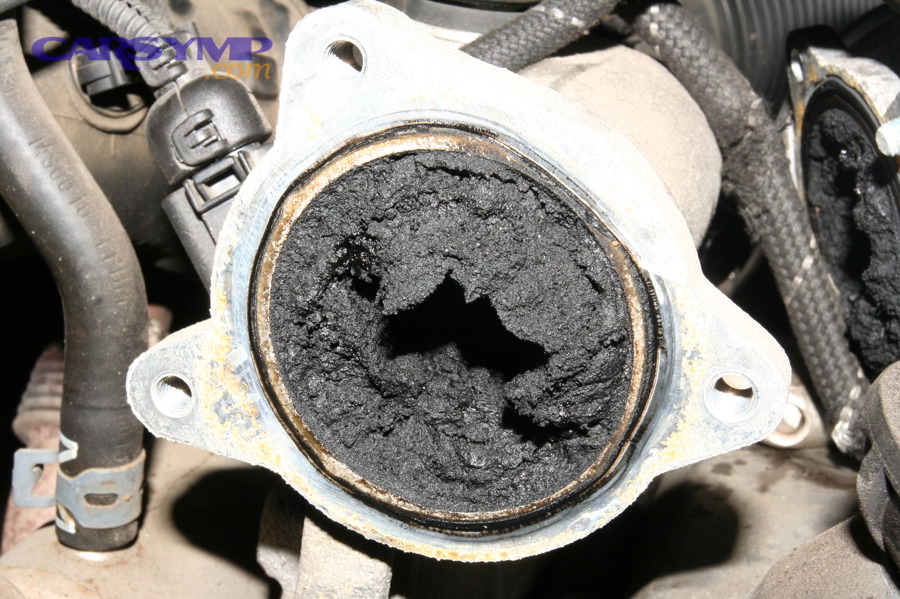
More importantly, EGR problems often coexist with intake deposits. If you see heavy buildup around the EGR porting, don’t assume the valve is the only issue.
What quick tests can confirm whether the EGR is stuck open or stuck closed?
A fast confirmation uses three checks—visual/physical inspection, scan-tool commands and live data, and a controlled “block-off” or vacuum test—so you can determine whether the EGR valve is stuck open or stuck closed without guessing.
Below, we’ll start with the quickest checks and move toward higher-confidence tests you can do safely.
How do you test a vacuum-actuated EGR valve quickly and safely?
A vacuum-actuated EGR valve can be tested quickly by applying vacuum to the diaphragm and watching for idle changes and vacuum hold, which tells you whether the valve moves and whether it leaks.
Specifically, use this safe mini-procedure:
- Warm the engine to normal operating temperature (idle stabilizes).
- Apply vacuum gradually with a hand vacuum pump at the valve.
- Observe:
- Idle should stumble or drop if the valve opens and passages flow.
- The diaphragm should hold vacuum; if it bleeds off quickly, the diaphragm may be leaking.
- Release vacuum: idle should recover.
Interpretation shortcuts:
- No change when vacuum applied → stuck closed, blocked passages, or no flow.
- Idle already rough, and vacuum makes it stall instantly → the valve may already be open/leaking.
This is also where Vacuum vs electronic EGR valve differences matter: a vacuum valve’s behavior is visible with a hand pump, while an electronic valve needs command-and-feedback checks.
How do you test an electronic EGR valve with a scan tool?
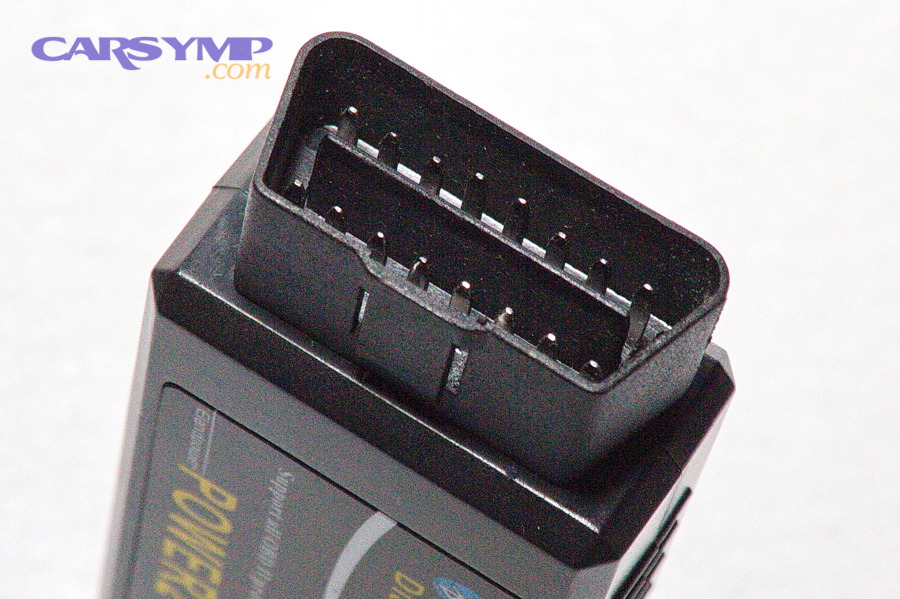
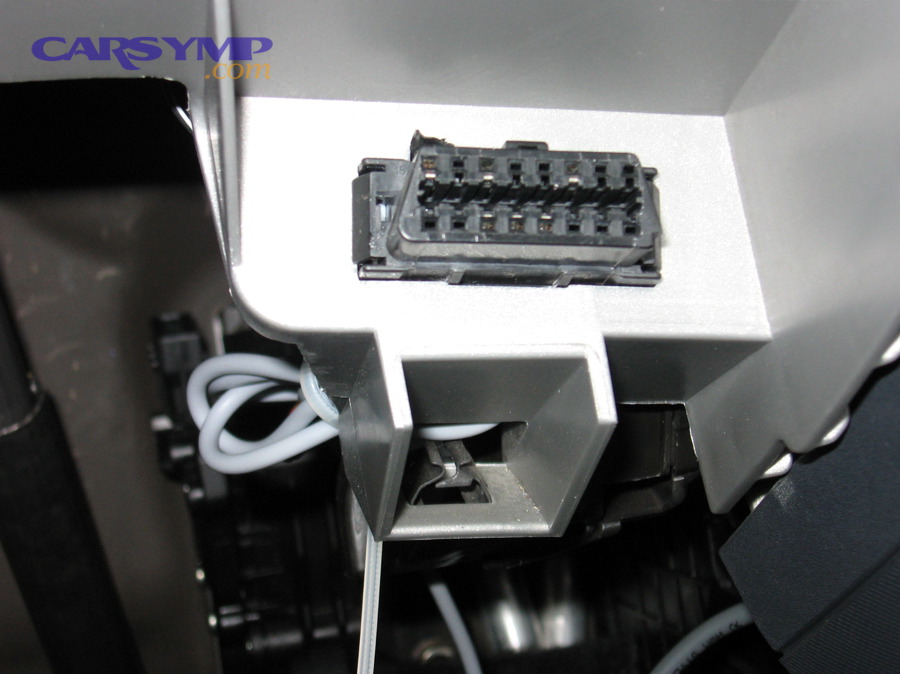
An electronic EGR valve is best tested by commanding EGR position with a scan tool and comparing commanded vs actual position (or inferred flow) while monitoring idle quality and related sensor signals.
More specifically, look for:
- Commanded EGR % changes but actual position doesn’t move → likely stuck closed, actuator fault, or wiring issue.
- Actual position stuck high (or doesn’t return) → likely stuck open or mechanically jammed.
- DPFE/MAP response (vehicle-dependent): a healthy EGR event usually changes pressure/airflow readings in a predictable way.
Practical warning: some ECUs will not command EGR at idle on many cars, so you may need an active test, service mode, or a specific rpm/load window to see movement.
Can a temporary “block-off” check help confirm stuck-open behavior?
Yes—when done carefully, a temporary EGR block-off (or sealing test at the valve flange) can help confirm stuck-open behavior because blocking the leak often smooths idle immediately.
However, treat this as a short diagnostic check, not a permanent solution:
- If you block EGR and idle becomes smooth, that strongly supports “leaking/stuck open.”
- If you block EGR and nothing changes, the issue may be elsewhere—or the EGR was already not flowing.
To illustrate the concept visually, here’s a video that walks through stuck-open vs stuck-closed EGR symptoms and testing:
What should you do next after identifying stuck open vs stuck closed?
After you identify whether the EGR is stuck open or stuck closed, the next best move is to confirm the root cause (valve vs passages vs control), choose the lowest-risk fix (cleaning vs replacement), and verify with a drive cycle and live data.
Next, we’ll break this into practical decision paths so you don’t overpay—or replace the wrong part.
Should you clean the EGR valve, replace it, or address clogged passages?
You should choose cleaning vs replacement vs passage work based on what actually failed:
- Stuck open from carbon on the pintle/seat → cleaning may restore sealing.
- Stuck closed from clogged ports (valve moves but no flow) → passage cleaning is the priority.
- Electrical failure / position sensor faults (electronic valve) → replacement is more likely.
More importantly, don’t skip the passages: a valve can test “good” on the bench but still deliver no flow if the intake/EGR ports are blocked.
A real-world warning sign is heavy carbon like this:
What does a realistic EGR repair plan look like—including cost expectations?
A realistic plan is: diagnose → clean/test → replace only if needed → verify, and it should include an EGR valve repair cost estimate that accounts for parts type (vacuum vs electronic), labor access, and whether intake/EGR passages require removal.
More specifically, build your plan like this:
- Confirm failure direction (open vs closed) with at least one test from the previous section.
- Inspect for carbon at the valve throat and ports.
- Decide scope:
- Cleaning only (best-case)
- Valve replacement
- Valve + passage service (common on high-mileage engines)
- Reset/verify:
- Clear codes (if appropriate)
- Perform a drive cycle
- Recheck live data and readiness monitors
Cost reality check (what drives the bill):
- Electronic EGR valves often cost more than vacuum types and may require calibration steps.
- Hard-to-reach EGR locations can turn a small part into a labor-heavy job.
- Passage cleaning can be labor-intensive if the intake must come off.
If your goal is to minimize risk, prioritize “confirm and isolate” before buying parts.
Is it safe to drive with an EGR valve stuck open or stuck closed?
No—it’s not truly safe to keep driving with an EGR valve stuck open or stuck closed because it can cause stalling in traffic, overheating/knock risk under load, and downstream emissions-system damage or clogging, depending on the failure mode.
In addition, the longer you drive with incorrect EGR behavior, the more likely you’ll create secondary problems that make diagnosis harder.
Can a stuck-open EGR leave you stranded or damage components?
Yes—stuck-open EGR can leave you stranded because it can cause rough idle and stalling, especially when you slow down or stop, and repeated stalling events can stress the starter, battery, and driveline.
Specifically, the biggest real-world risks are:
- Stalling at intersections (safety risk)
- Hard starts after a stall (flooding-like behavior in some cases)
- Catalyst stress if misfire-like combustion dumps unburned fuel
If your car is stalling, treat it as “tow-worthy” rather than “drive it for a week.”
Can a stuck-closed EGR increase exhaust smoke or cause emissions failure?
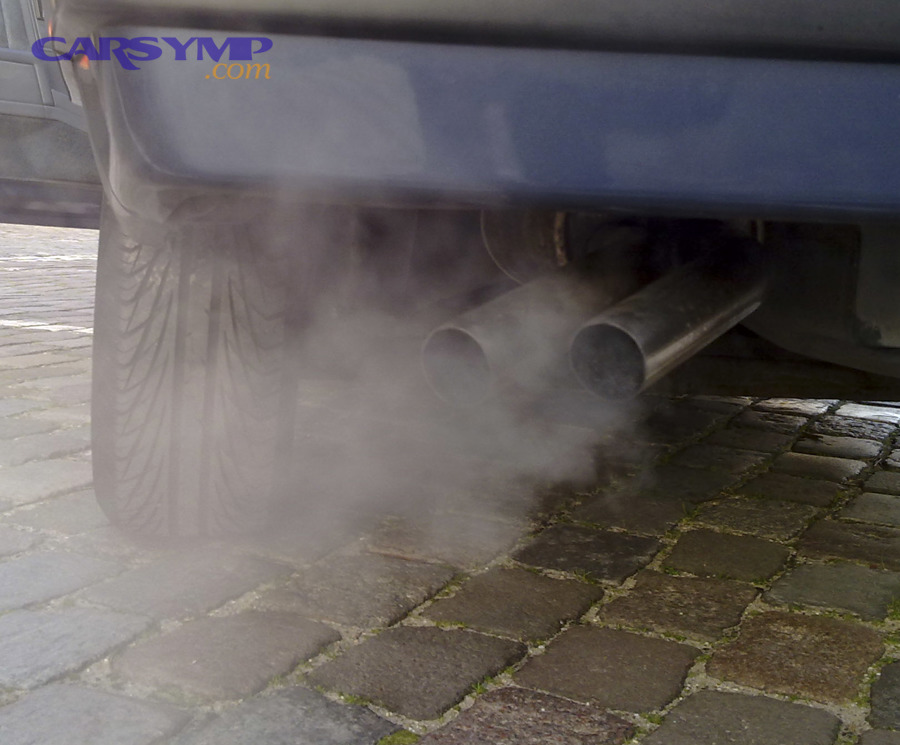
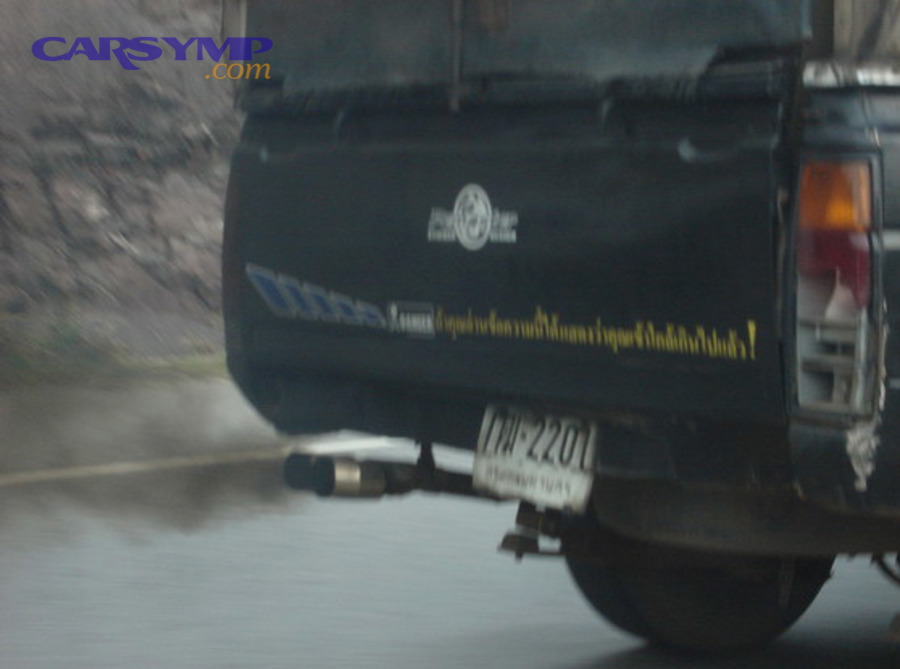
A stuck-closed EGR is strongly linked to higher NOx and emissions-test failures, and on some engines it can affect soot/aftertreatment strategy indirectly—so the Exhaust smoke and EGR connection can show up as changing smoke behavior depending on engine type and system design. (trace.tennessee.edu)
To illustrate with real data from controlled testing: According to a study by University of Tennessee, Knoxville from the Department of Mechanical Engineering, in 2001, increasing EGR at 75% engine load lowered NOx by 46% over the tested EGR range—showing how strongly EGR flow influences NOx outcomes. (trace.tennessee.edu)
If you suspect smoke changes, keep the basics straight:
- White vapor can be normal condensation (especially cold), but persistent white smoke can mean other issues.
- Black smoke usually indicates rich fueling/soot; EGR strategy can influence combustion and soot formation, but it’s rarely the only cause.
Which EGR-related codes and system variations can change the symptoms or the diagnosis?
There are 4 major factors that can change EGR symptoms and diagnosis—EGR control design (vacuum vs electronic), EGR cooler layout, feedback sensor strategy, and ECU monitoring logic—so two vehicles can show different drivability even when the valve failure direction is the same.
Next, we’ll cover the variations that most commonly confuse diagnosis on modern vehicles.
Which EGR system design differences matter most for diagnosis?
The biggest design split is vacuum-actuated vs electronically actuated EGR:
- Vacuum EGR: simpler, testable with a hand pump, more sensitive to vacuum routing and diaphragm leaks.
- Electronic EGR: uses an actuator and often position feedback; failures include motor/gear issues and sensor plausibility problems.
This is why Vacuum vs electronic EGR valve differences should shape your testing plan: vacuum systems reward mechanical tests, while electronic systems reward command/feedback validation.
How can EGR coolers and carbon buildup change “stuck” symptoms?
EGR coolers and long EGR plumbing can promote carbon and condensation deposits, which can cause intermittent sticking—the valve may move sometimes, then bind after a heat soak.
In practical terms:
- “Stuck open” may only appear after a hot restart
- “Stuck closed” may only be detected during specific EGR monitor drive cycles
If you repeatedly see heavy soot, treat passage condition as a co-equal suspect with the valve.
Which OBD-II code patterns commonly appear with stuck-open vs stuck-closed EGR?
While code names vary by manufacturer, the general pattern is:
- Stuck open / leaking: drivability complaints first, sometimes misfire-like behavior, and EGR-related codes depending on monitoring.
- Stuck closed / insufficient flow: “flow insufficient” behavior is more common because the ECU commands EGR but cannot confirm flow.
Use codes as supporting evidence, not the only evidence—symptom timing and a quick functional test usually get you to the right direction faster.
What “quick sanity checks” prevent misdiagnosis before you repair?
Before paying for EGR valve repair, sanity-check these items:
- Vacuum source and hoses (vacuum systems)
- Electrical connector condition and wiring (electronic systems)
- Blocked passages (valve moves but no flow)
- Live data plausibility (commanded vs actual)
If those basics check out and your tests still point to a stuck valve, you’ll be in a strong position to choose the right fix—without replacing parts based on guesswork.