


Yes, can you drive with a bad catalytic converter—but it depends on what “bad” means in your case, because the line between “limp it home” and “risk a breakdown or damage” can be thin.
Next, the practical question is how to tell whether you can drive today versus whether you should stop and tow, especially when symptoms feel vague at first (a little power loss, an occasional smell, a light on the dash).
Besides that, many drivers want to know what driving will do to the rest of the car: fuel economy, engine health, sensors, and whether a short commute can turn into an expensive repair.
After that, “Giới thiệu ý mới” matters: the safest plan is to map symptoms to risk, then choose the lowest-risk action (drive gently to a shop, diagnose first, or stop driving entirely) with clear checkpoints along the way.
Can you drive with a bad catalytic converter right now?
Yes, you can sometimes drive with a bad catalytic converter for a short, controlled trip, but only if the car still accelerates normally, does not overheat, does not stall, and is not showing severe misfire or a flashing check-engine light.
To start, the most important factor is whether the converter is merely underperforming (emissions efficiency) or becoming restricted (exhaust flow blocked), because restriction is what turns “drivable” into “dangerous.”
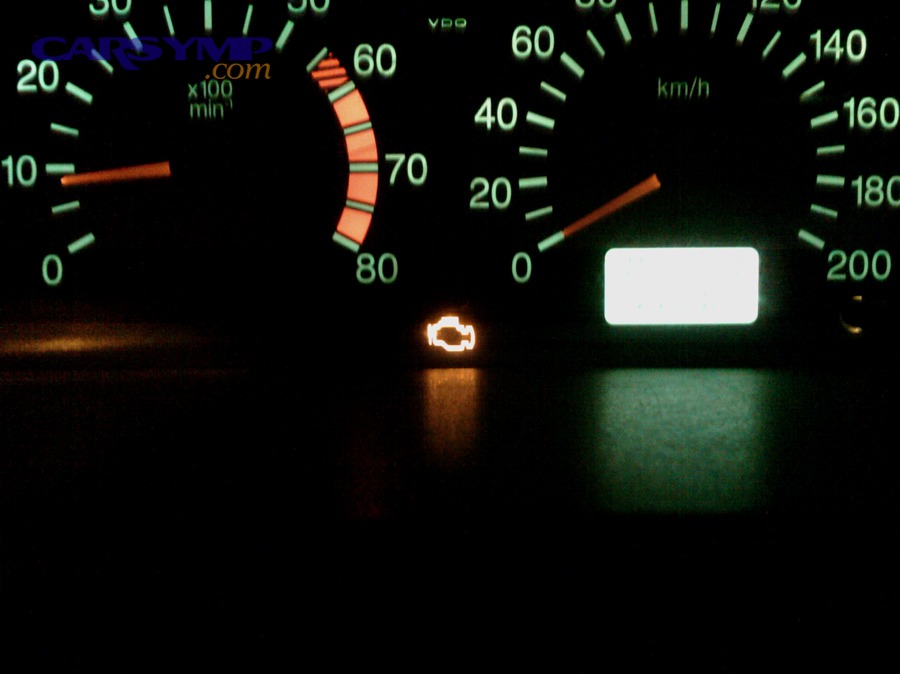
In practical terms, a mildly degraded converter often shows up as an emissions-related fault (for example, efficiency codes) while the car still feels mostly normal. However, a heavily clogged converter can choke the engine, create excessive backpressure, and cause bogging, surging, or stalling—especially under load or at highway speeds.
To make a safe call in real time, use a quick triage rule: if the vehicle can maintain speed without jerking, the engine temperature stays stable, and there is no burning smell or glowing heat under the car, a short “drive-to-diagnose” trip may be reasonable.
However, if you notice dramatic power loss, repeated stalling, harsh shaking, or a strong sulfur/rotten-egg smell paired with heat, you should treat it as a stop-driving scenario, because a failing converter can overheat when unburned fuel reaches it.
Theo nghiên cứu của Texas Commission on Environmental Quality từ Vehicle Emissions & Inspection Program, vào 05/2019, bề mặt bộ chuyển đổi có thể đạt nhiệt độ rất cao trong điều kiện tải lớn và cần tránh tiếp xúc với vật liệu dễ cháy.
What makes driving dangerous when the converter is failing?
Driving becomes dangerous when the converter failure creates restriction, overheating, or unstable engine operation—because those three conditions can lead to stalling in traffic, engine damage, or in rare cases a fire hazard from extreme heat.
Next, it helps to understand why the converter can run so hot: it is designed to catalyze reactions that convert pollutants, and that chemical work generates heat, especially when extra fuel or oxygen enters the exhaust stream.
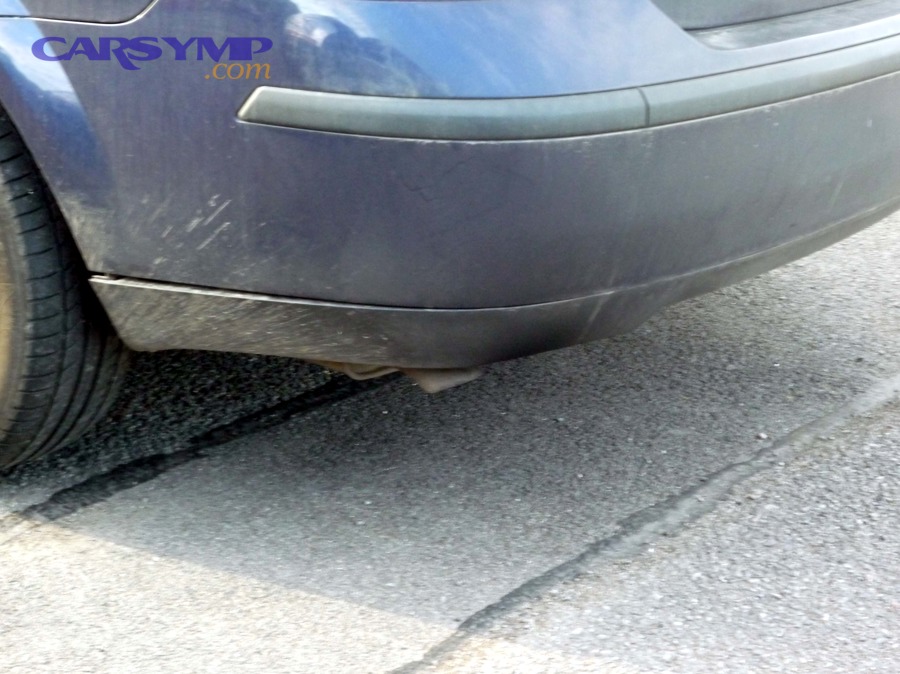
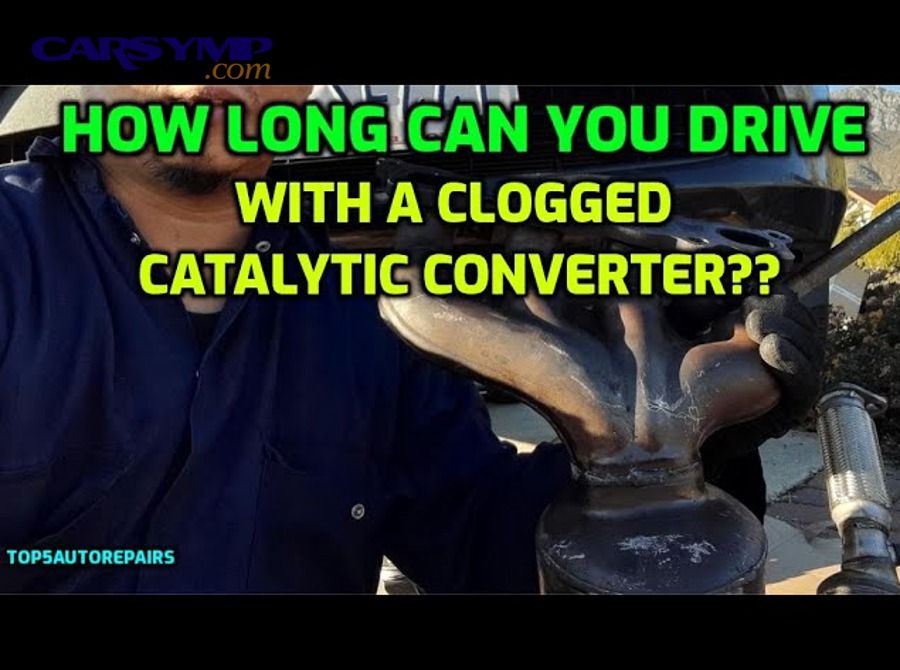
Risk #1: Exhaust restriction and backpressure. If the honeycomb substrate melts or breaks apart, it can block flow. The engine then struggles to “breathe out,” which can cause a severe power drop, hesitation, overheating, or even a no-start condition in extreme cases.
Risk #2: Overheating from misfire or rich running. When cylinders misfire, unburned fuel can ignite inside the converter. That can push temperatures beyond normal operating ranges, accelerating internal melting and turning a mild issue into a major restriction.
Risk #3: Sudden drivability events. A restricted exhaust can produce unpredictable behavior—fine at idle but nearly dead under load. That inconsistency is dangerous because it can appear “OK” until you merge onto a highway or climb a hill.
To connect these risks to daily driving, think in terms of “load.” Short, flat, low-speed trips may feel manageable, while high load (steep grades, towing, hard acceleration, long highway pulls) is where the problem becomes obvious and more harmful.
Theo nghiên cứu của United States Environmental Protection Agency từ Office of Transportation and Air Quality, vào 01/2017, các tiêu chuẩn khí thải lịch sử đã hướng tới mức giảm rất lớn cho xe mới, cho thấy vai trò then chốt của bộ xúc tác trong kiểm soát ô nhiễm.
Which symptoms mean “stop driving” versus “drive to a shop”?
You should stop driving if symptoms indicate severe restriction or overheating, while you can often drive to a shop if symptoms are mild, stable, and not accompanied by misfire, overheating, or dangerous smells.
To make this actionable, use the symptom severity as the main divider, then confirm with how the car behaves under light throttle versus moderate load.
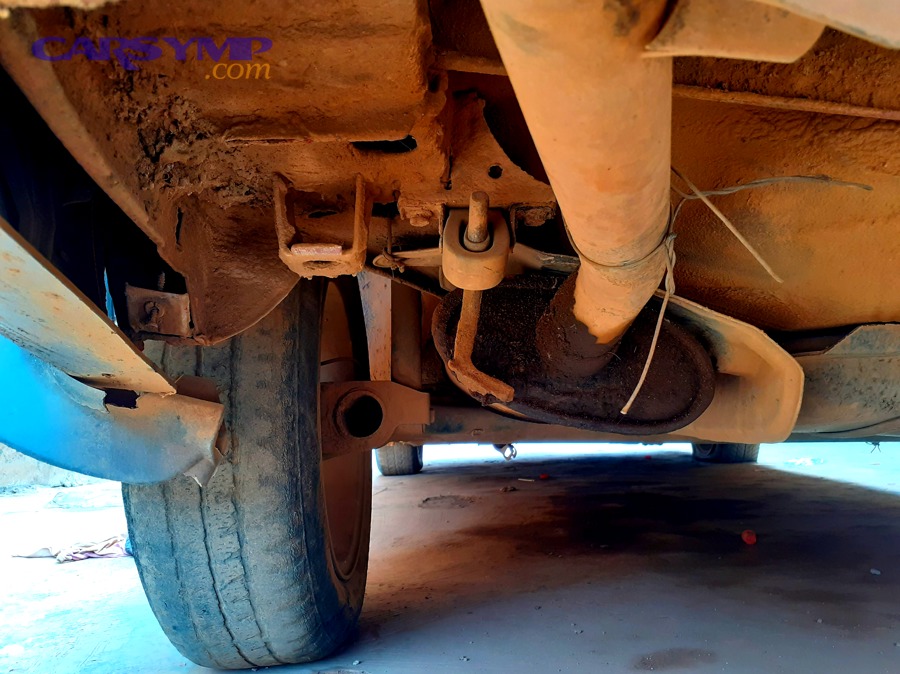
This table helps you decide what your next move should be based on what you feel, smell, and see while driving.
| What you notice | What it often suggests | Safer next step |
|---|---|---|
| Flashing check-engine light, strong shaking, raw-fuel smell | Active misfire feeding fuel into the converter (overheating risk) | Stop driving; tow; address misfire first |
| Severe power loss under load, won’t rev past a point, frequent stalling | Significant restriction/backpressure | Stop driving; tow to avoid engine damage |
| Temp gauge rising, heat smell under floor, glowing red in darkness | Extreme exhaust heat (converter and nearby parts very hot) | Stop driving; let cool; tow |
| Check-engine light on, mild power loss, still drives smoothly | Efficiency issue or early restriction | Drive gently to diagnose soon |
| Occasional sulfur smell, slightly worse fuel economy | Mixture/efficiency issues; not always restriction | Schedule diagnosis; avoid hard driving |
Next, use a “two-minute driveway test” mindset: start the engine, listen for rattling under the car (broken substrate), check for misfire, and watch the temperature gauge on a short loop. If anything escalates quickly, treat it as a tow situation.
However, if symptoms stay consistent and mild, the safest way to drive is to keep RPM moderate, avoid heavy throttle, and head directly to diagnostics rather than “seeing if it goes away.”
To keep the flow tight, the key hook is this: stalling + overheating + misfire are the three red flags that turn a converter problem into an immediate safety issue.
How long can you drive, and what changes the timeline?
You can sometimes drive days to weeks with a mildly degraded converter, but you may only have minutes to hours if the converter is actively clogging, overheating, or being fed by misfires or oil burning.
Next, the timeline depends less on the dashboard light and more on the root cause that is damaging the converter, because the converter often “fails as a victim” of another problem.
Timeline accelerator #1: Misfire. A misfiring cylinder sends oxygen and fuel into the exhaust. Inside the converter, that mixture can burn and spike temperatures, melting the substrate faster than normal driving would.
Timeline accelerator #2: Rich fuel trims or leaking injectors. A car that runs rich (too much fuel) can overheat and poison the catalyst over time. If the rich condition is severe, the converter can be damaged quickly.
Timeline accelerator #3: Oil or coolant consumption. Burning oil (worn rings, valve seals, turbo seals) or coolant (head gasket issues) coats the catalyst with ash or deposits that reduce efficiency and can contribute to clogging.
Timeline accelerator #4: Short trips and cold operation. Frequent cold starts can increase contaminant loading and delay proper operating temperature, complicating diagnosis and sometimes worsening deposits.
To connect this to your decision, ask a simple question: “Is the car getting worse each drive?” If power loss is increasing, stalling is appearing, or heat smells intensify, your timeline is shrinking and you should stop driving.
Theo nghiên cứu của MDPI từ Journal of Manufacturing and Materials Processing, vào 06/2021, dải nhiệt hoạt động hiệu quả thường được đề cập quanh 400–800°C và vượt ngưỡng có thể thúc đẩy lão hóa nhiệt của vật liệu xúc tác.
Will a bad catalytic converter damage the engine or transmission?
Yes, a bad catalytic converter can damage the engine (and indirectly stress the transmission) when it becomes restricted, because high backpressure and trapped heat can raise exhaust temperature, reduce power, and push the engine to work harder for the same output.
Next, it’s important to separate “emissions efficiency failure” from “flow restriction,” because efficiency failure mainly affects emissions and fuel economy, while restriction can become a true drivability and durability problem.
Engine risks when restricted: loss of volumetric efficiency (less air in, less exhaust out), higher exhaust manifold pressure, increased heat in the cylinder head area, and in severe cases valve or piston stress from abnormal operating conditions.
Transmission stress (indirect): when the engine cannot make normal torque, the transmission may hunt for gears, downshift more often, and generate extra heat—especially in automatics on hills or during towing.
Sensor and control risks: unusual exhaust flow can distort oxygen sensor readings and fuel trims. That can create a feedback loop where the engine runs richer than it should, further heating the converter and worsening the restriction.
To keep the flow logical, the “móc xích” is this: restriction causes power loss, power loss increases throttle demand, increased throttle demand increases heat, and heat accelerates converter damage.
That’s why the safest move is to diagnose the underlying cause (misfire, rich running, oil burning) before you commit to major exhaust work, because otherwise the same cause can ruin the next converter too.
What should you do immediately if you must drive?
If you must drive, the safest method is to reduce heat and load with a short, gentle route, while monitoring temperature and drivability, and stopping immediately if power collapses, the engine overheats, or misfire becomes obvious.
To begin, treat this like a controlled “limp strategy,” not normal driving, and plan your route to avoid highways, steep grades, and long idle time in traffic.
Step 1: Check the dash for urgent warnings. A flashing check-engine light suggests active misfire on many cars. If it’s flashing, don’t “test your luck”—stop and tow.
Step 2: Drive like you’re protecting heat-sensitive parts. Keep RPM moderate, accelerate slowly, and avoid wide-open throttle. Heat and backpressure rise fast under heavy load.
Step 3: Limit trip length and stop if it worsens. If the car begins to surge, loses speed on mild hills, or starts to smell hot under the floor, pull over safely and shut down to cool.
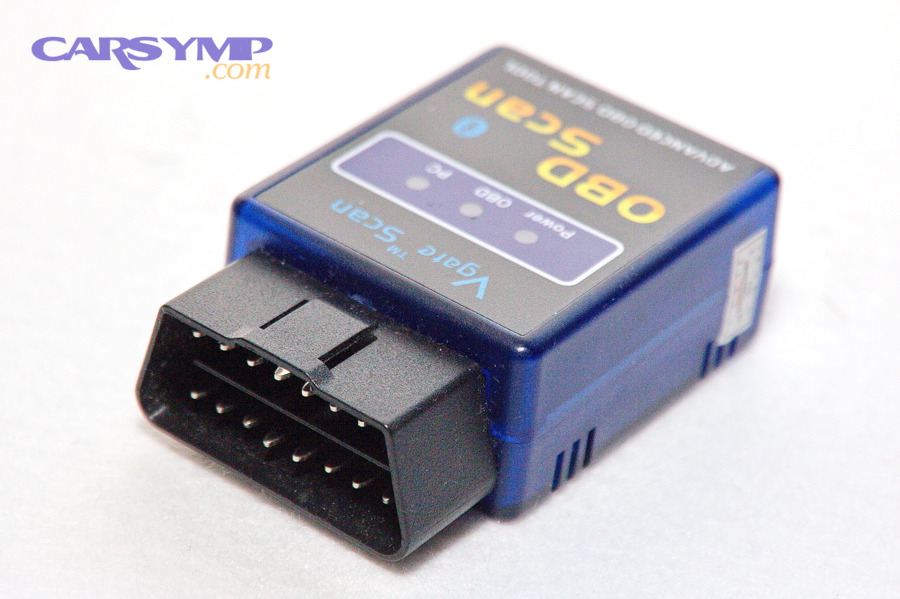
Step 4: Use simple monitoring if available. If you have an OBD scan tool, watch coolant temperature, misfire counts (if supported), and fuel trims. Big positive trims can hint at exhaust leaks or sensor issues; big negative trims can suggest rich running.
Step 5: Prioritize the real root cause. If the engine is misfiring, fix that first—continuing to drive with misfire can destroy a converter quickly, even if the converter was only marginal before.
Theo nghiên cứu của Texas Commission on Environmental Quality từ Mobile Source Division, vào 08/2014, nhiệt độ bề mặt hệ thống xả có thể đủ cao để gây nguy cơ cháy khi đỗ trên cỏ khô hoặc gần vật liệu dễ bắt lửa.
How to confirm the converter is the problem before spending money?
You can confirm a converter problem by combining codes, live data, and restriction tests, because relying on one symptom alone can lead you to replace the wrong part.
Next, the smartest path is to rule out the common “look-alikes” first—misfires, intake leaks, exhaust leaks, and faulty sensors—then test for restriction if power loss is present.
1) Read the codes and freeze-frame data. Efficiency-related codes can point toward catalyst performance, but the freeze-frame (RPM, load, temp) tells you when it happened—often during steady cruise when the system tests itself.
2) Look at fuel trims and oxygen sensor behavior. Upstream sensors should switch; downstream sensors should be steadier when the converter is working. If both look the same, it can indicate poor catalyst storage, but it can also reflect sensor issues or leaks.
3) Check for misfire and rich running. Misfires, leaking injectors, and ignition problems must be solved first. Otherwise, any converter you install is at risk.
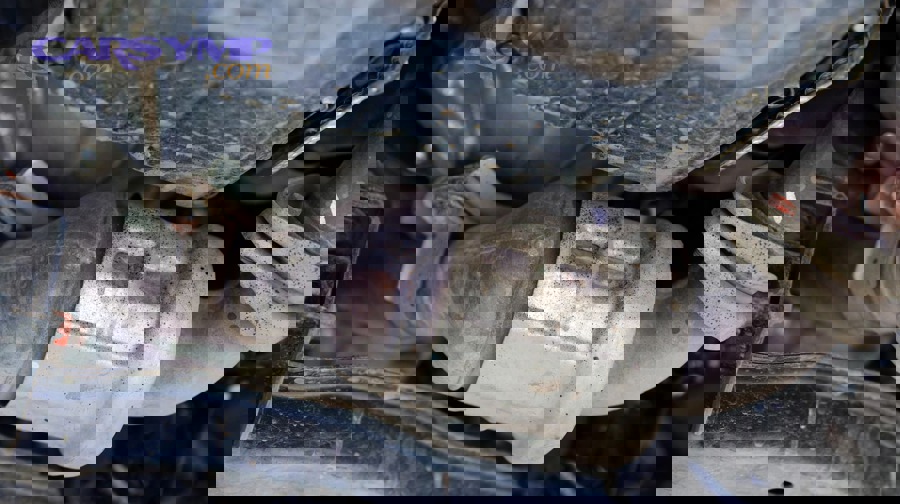
4) Test for restriction if you have power loss. A backpressure gauge installed in the upstream O2 sensor port is a common method. Another approach is a vacuum test: vacuum dropping steadily with RPM can hint at exhaust restriction.
5) Use temperature logic carefully. Comparing inlet vs outlet temperature can help, but it can mislead if the engine is running rich or misfiring. Temperature is a clue, not a verdict.
To tie this section together, the “móc xích” is: diagnose the cause first, confirm restriction second, and only then decide whether the converter itself is the primary failure.
Also, if you’re building internal content links, this is where you can naturally reference Converter vs O2 sensor vs exhaust leak diagnosis as a deeper decision tree in your knowledge base, without turning this page into a parts list.
What fixes are available, and what drives the price?
You can fix the issue by addressing the root cause (misfire, fuel mixture, oil burning), restoring exhaust flow if it’s restricted, and then choosing the correct hardware solution for your vehicle and emissions requirements.
Next, the price is driven by vehicle design and regulation: engine size, number of converters, integrated manifold catalysts, sensor count, labor access, and whether your region requires a certified unit.
Fix path A: Solve the upstream problem first. If misfires, leaking injectors, or ignition faults are present, repairing those can sometimes stabilize symptoms and prevent a new converter from failing quickly.
Fix path B: Restore exhaust flow if restricted. If the converter is physically clogged or melted, the restriction typically does not “heal.” In that case, exhaust flow has to be restored by replacing the damaged section.
Fix path C: Confirm sensor and leak integrity. A small exhaust leak upstream can pull oxygen into the exhaust and confuse readings. Likewise, aging sensors can report misleading signals that trigger efficiency faults.
To keep your reader-oriented flow, explain cost drivers in plain language: tighter packaging near the engine means higher labor; multiple catalytic elements mean higher parts cost; stricter emissions rules can limit which parts are legal.
At this point in the article (not in headings or the opening sapo), you can naturally mention catalytic converter replacement as the common end-stage solution when restriction is confirmed, while still emphasizing that preventing repeat failure starts with correcting the original cause.
Also, it’s helpful to connect readers to a separate pricing hub (for example, a dedicated cost estimator page) without forcing numbers into every scenario, because local labor rates and parts availability vary widely.
Can you pass an emissions test or inspection with a failing converter?
No, you usually cannot reliably pass an emissions test with a failing converter, because the system is designed to detect reduced catalytic efficiency and many jurisdictions will fail a vehicle for stored emissions faults or incomplete readiness checks.
Next, even if the car “runs fine,” the test process often looks for two things: trouble codes and readiness status, which means a vehicle can fail before tailpipe numbers are even measured.
Why it fails: if the catalyst efficiency monitor detects that oxygen storage is not behaving as expected, it can set a fault and illuminate the light. Many inspection programs treat that as an automatic fail.
Why quick resets backfire: clearing codes might turn the light off temporarily, but it also resets readiness monitors. If the monitors are not “ready” by test time, the vehicle can fail for incompleteness.
What drivers misunderstand: a converter issue is often intertwined with engine operation. If misfires, rich running, or leaks remain, the system may re-flag the fault quickly, making “drive until it passes” an unreliable strategy.
To maintain a clean flow, the hook is simple: passing requires both a healthy catalyst function and a stable engine that supports it, so diagnosis is the shortest path to a lasting pass.
Theo nghiên cứu của United States Environmental Protection Agency từ Transportation Air Pollution & Climate Change Program, vào 01/2017, các mốc chính sách cho thấy yêu cầu giảm phát thải đã định hình cách kiểm tra và giám sát hệ thống kiểm soát khí thải trên xe hiện đại.
Supplementary: Prevention, compliance, and longevity strategy for a healthier exhaust system
The best long-term strategy is to prevent repeat converter damage by controlling the conditions that overheat or poison it, while staying compliant with emissions rules and building habits that keep exhaust temperatures predictable.
Next, this supplementary layer matters because many converters fail twice: once from an underlying engine issue, and again because the underlying issue was never fully corrected.
How can you prevent premature converter failure with driving and maintenance habits?
Yes, you can reduce failure risk by keeping the engine in proper tune, avoiding prolonged misfires, and minimizing conditions that dump raw fuel into the exhaust.
Next, focus on the high-leverage habits: fix ignition problems early, address fuel injector leaks promptly, and do not ignore rough idle or hesitation that suggests misfire under load.
Specifically, regular maintenance that supports clean combustion—fresh spark plugs on schedule, correct air filtration, and prompt repair of vacuum leaks—reduces the chance of rich running that overheats the catalyst.
Also, if your vehicle burns oil, manage the root cause and check PCV function, because oil ash can coat the catalyst and reduce its active surface area over time.
What should you know about emissions compliance and “legal” parts choices?
Compliance depends on where you register the vehicle, because some regions require certified emissions components and will reject parts that do not meet local standards.
Next, the safest approach is to match the vehicle’s emissions certification and ensure the part is appropriate for your engine family, sensor setup, and onboard monitoring system.
In practice, legality is not only about “will it fit,” but also whether it supports the vehicle’s catalyst monitor behavior so the system can complete tests without recurring faults.
To keep your readers protected, encourage them to verify documentation and avoid “too-cheap-to-be-true” parts that may trigger repeat lights and repeated labor.
How do theft, physical damage, or exhaust modifications change the risk?
They change risk dramatically, because missing or damaged components can create leaks, alter sensor readings, increase noise and fumes, and in some cases create unsafe heat exposure under the vehicle.
Next, physical impacts that crack the substrate can cause rattling and partial blockage that worsens over time as pieces shift in the housing.
If the exhaust has been modified, ensure sensor placement and sealing are correct, because even small upstream leaks can pull oxygen and mimic catalyst inefficiency in the data.
Finally, treat exhaust work as a system: when one section changes, the rest of the system’s readings and flow patterns change too.
What are smart “next-step” checkpoints after repairs to avoid repeat problems?
You can reduce repeat failures by confirming misfires are truly gone, verifying fuel trims return to normal ranges, and ensuring no exhaust leaks exist before you rely on the vehicle for long trips.
Next, do a controlled road test at varied loads and watch for returning hesitation or heat smells, because those are early indicators that something upstream remains unresolved.
To complete the loop, keep an eye on maintenance intervals and respond quickly to new warning lights, because converter lifespan is strongly tied to how long the engine runs with an underlying fault.
At this stage, it’s also natural to reference a deeper guide on Catalytic converter failure symptoms (in body text only) so readers can cross-check early signs before the issue becomes a restriction.
Summary hook: if you’re asking can you drive with a bad catalytic converter, the safest answer is “only briefly and only when symptoms are mild,” because restriction, misfire, and overheating are the conditions that turn a manageable problem into an urgent one.