


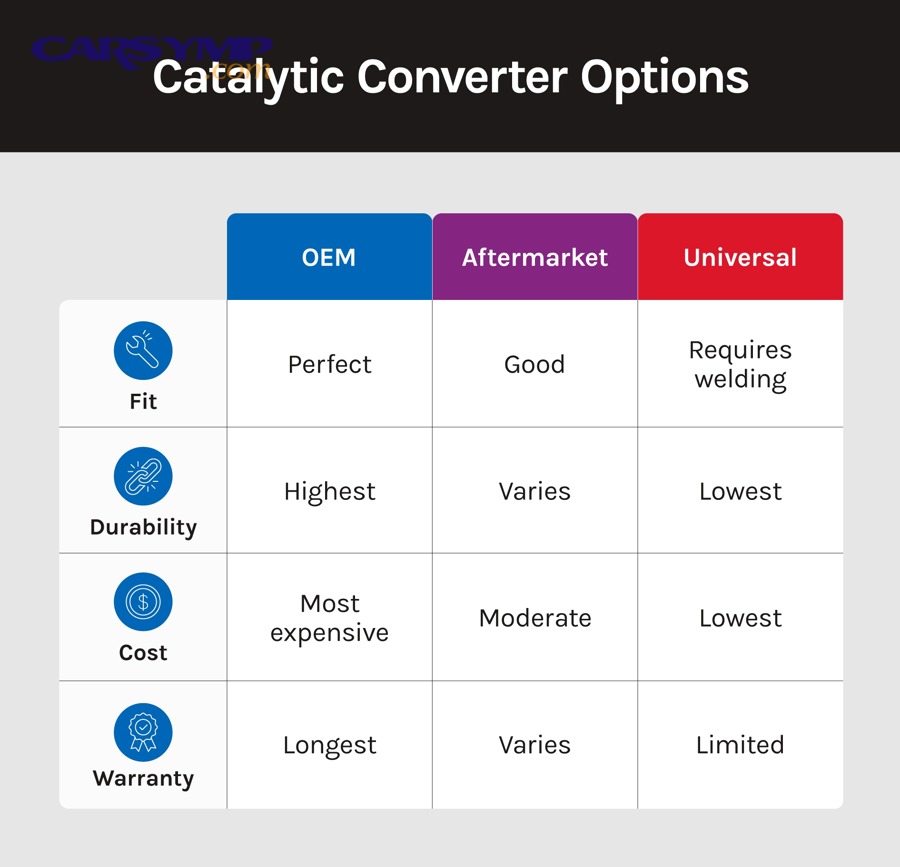
Replacement options: OEM vs aftermarket legality depends on where the vehicle is registered, how it’s used, and whether the part keeps the emissions system working as designed. In most cases, aftermarket is legal when it meets the right performance, labeling, and application rules—while OEM is often the least controversial route when rules are strict or inspections are picky.
Beyond “legal or not,” most drivers also want a clear buying framework: what to check before you pay, what to ask the shop, and what documentation prevents a failed inspection or a denied warranty. That’s where a few practical checkpoints matter more than brand names.
Next, it’s important to connect legality to real-world outcomes: inspection results, check-engine light behavior, and the “hidden” costs of a wrong application. Those details are usually what separate a smooth fix from a redo.
To begin, “Giới thiệu ý mới” matters here: legality isn’t a single rule—it’s a chain of rules, paperwork, and correct installation steps that must match your vehicle and your state program.
Is aftermarket replacement legal in the U.S., and when does OEM matter more?
Yes—aftermarket replacement can be legal, but only when it does not disable, bypass, or “tamper” with emissions controls and is installed under the allowed conditions for your vehicle and region. Next, understanding the federal baseline helps you spot where OEM becomes the safer legal default.
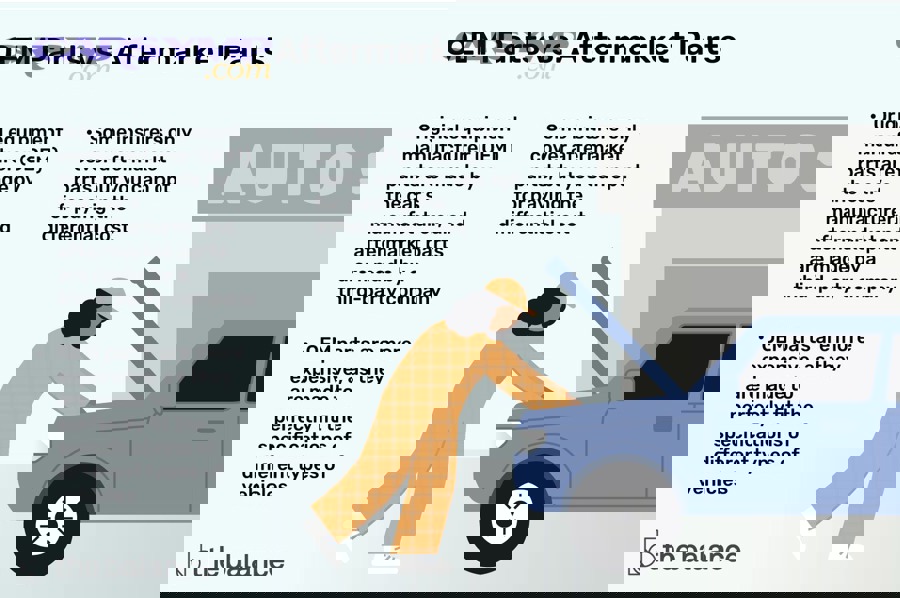
At the federal level, the Clean Air Act prohibits knowingly removing or rendering inoperative emissions control devices (tampering). That matters because a “replacement” that effectively reduces emissions performance—or a modification that defeats catalyst monitoring—can cross from “repair” into “tampering.”
OEM matters more when you have: (1) strict state rules (e.g., California-style requirements), (2) a vehicle in emissions warranty coverage, or (3) inspection programs that verify labels, part numbers, and approvals. Even if an aftermarket unit technically “works,” a mismatch between the part and the program’s requirements can still fail you.
Practically, think of legality as layered:
- Federal baseline: do not disable emissions controls; use properly labeled parts; follow allowed replacement situations.
- State overlay: some states require California-style approvals for certain parts or vehicle categories.
- Inspection reality: visual checks, OBD checks, and documentation checks can be stricter than what buyers expect.
The risk isn’t only theoretical: EPA enforcement materials describe civil penalties and emphasize that proof a part won’t increase emissions can be important for avoiding enforcement action.
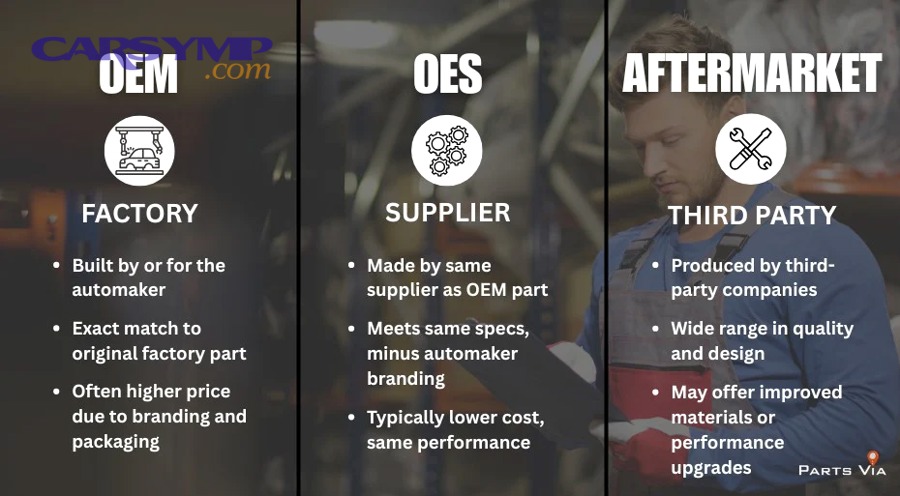
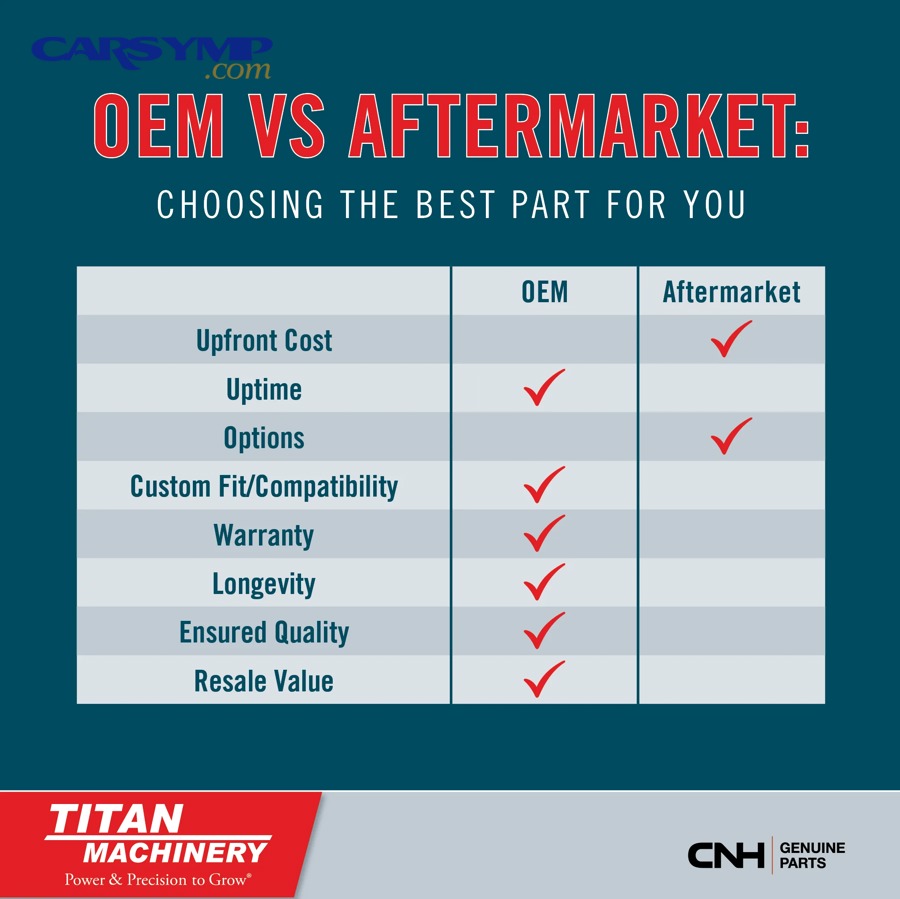
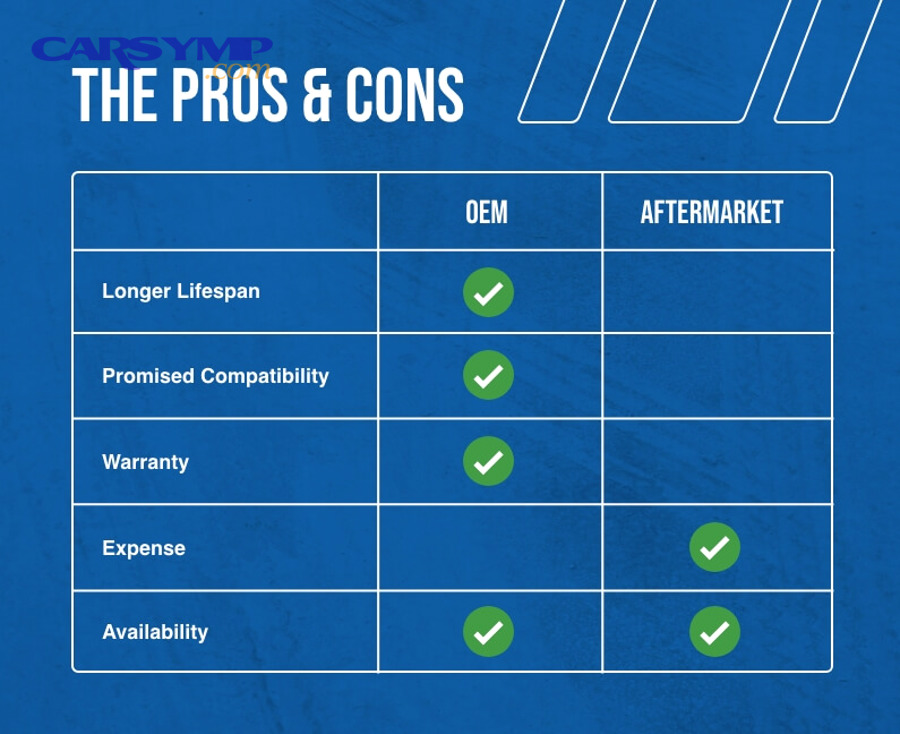
The “OEM vs aftermarket” decision is a lexical comparison: OEM is typically the strict-compliance path, while aftermarket can be the cost-optimized path—if the unit is approved and correctly applied.
The key transition: once you know federal rules, the next step is learning the state-level approval concept that changes everything in certain regions.
Theo nghiên cứu của U.S. Environmental Protection Agency từ Enforcement & Compliance Assurance, vào December 2020, việc “tampering” emissions controls là bị cấm theo Clean Air Act và có thể chịu mức phạt dân sự theo từng thiết bị/xe.
What state rules change the legality of aftermarket parts?
State rules change legality by adding approval systems (like Executive Orders), specific application lists, and inspection checks that go beyond the federal baseline. Next, once you identify your state category, you can choose the correct compliance path.
California is the clearest example: aftermarket catalytic converters must be exempted from California’s anti-tampering laws via a CARB Executive Order (EO) to be legally sold and installed in the state.
This “EO-based legality” has practical consequences:
- Specificity: approval is not “universal”—it’s tied to particular vehicle applications and configurations.
- Labeling: inspectors and shops rely on labels/EO information to verify compliance.
- Documentation: warranty cards, installation records, and vehicle details may be required.
Other states may follow federal rules, adopt California-style requirements, or land somewhere in between depending on their emissions program design. So a converter that is fine in one state may be illegal or uninspectable in another, even if it physically fits.
The transition: once you know whether your state is “EO-required,” you can evaluate what makes an aftermarket unit compliant on paper and in real inspections.
Theo nghiên cứu của California Air Resources Board từ Aftermarket Catalytic Converters program page, vào thời kỳ cập nhật hiện hành, aftermarket units phải có EO exemption để hợp pháp bán và lắp tại California.
What makes an aftermarket unit “compliant” beyond fitment?
An aftermarket unit is compliant when it meets the required performance and durability expectations, has correct labeling, and is installed on an approved application under the allowed circumstances. Next, verifying labels and warranty terms becomes your fastest screening tool.
Many drivers assume “fits” means “legal.” However, federal guidance emphasizes labeling and warranty requirements for new aftermarket converters, including a 5-year/50,000-mile warranty on the shell/end pipes and performance expectations tied to mileage when properly used and maintained.
Here are compliance signals you can actually verify:
- Correct label format: federal guidance describes label formats for new vs used units (N/… vs U/…).
- Written warranty statement: compliant manufacturers typically state compliance in warranty or application catalogs.
- Application specificity: the part must match the vehicle’s engine family and configuration constraints used by the program.
If you live in an EO-required state, compliance goes further: you need the EO number and an application match, not merely a general “49-state” claim. That’s why “legal aftermarket” is often a narrower set than buyers expect.
Transition hook: once you can read labels and warranties, the next step is applying them to your exact car so you don’t buy a part that can’t legally pass inspection.
Theo nghiên cứu của U.S. Environmental Protection Agency từ Aftermarket Catalytic Converters guidance, vào August 1986, converters hợp chuẩn cần được dán nhãn và có yêu cầu bảo hành/hiệu năng theo mốc mileage để chứng minh đáp ứng tiêu chuẩn.
How do you verify the right application so you don’t fail inspection?
You verify application by matching the part’s approval (EO or federal labeling), the vehicle’s year/make/model/engine family, and the installer’s documentation to the inspection program’s rules. Next, a simple pre-check list prevents most “wrong part” failures.
Use this pre-check framework before ordering:
- Identify program type: EO-required vs federal-only (or hybrid).
- Confirm approval identifier: EO number (if applicable) or correct federal label format.
- Match configuration: engine type, emissions package, and sensor layout must align (especially on OBD-II vehicles).
- Confirm installer paperwork: vehicle VIN, odometer, install date, shop name, and customer acknowledgements if required.
In California, detailed procedures cover labeling visibility and warranty card documentation, emphasizing that the compliance signal must remain readable after installation.
To illustrate why this matters, a compliant unit can still fail if installed in a way that hides required markings or if the paperwork is missing when inspectors or warranty reviewers ask for it. The best shops treat “proof” as part of the repair, not an afterthought.
Below is a table that helps you quickly map “what to check” to “what problem it prevents.”
| Verification Step | What You Check | What It Prevents |
|---|---|---|
| Approval ID | EO number or correct federal label format | Instant visual/administrative failure at inspection |
| Application Match | Exact vehicle/engine coverage in catalog | “Wrong part for vehicle” rejection or recurring codes |
| Label Visibility | Markings readable after install | Failure due to missing/illegible compliance markings |
| Warranty/Install Docs | VIN, mileage, date, shop details | Denied warranty claims and compliance disputes |
And to make this more concrete, here’s a practical explainer video on compliant replacement and inspection realities:
Transition: after verification, you still need to decide when OEM is the smarter legal move even if an aftermarket option exists.
Theo nghiên cứu của California Air Resources Board từ Evaluation Procedures (As Amended: September 28, 2017), vào September 2017, quy trình nhấn mạnh nhãn phải dễ đọc sau lắp và thẻ bảo hành phải ghi rõ thông tin xe/tiệm/ngày lắp.
When is OEM the safer legal choice, even if it costs more?
OEM is the safer legal choice when your vehicle may still be covered by emissions warranty, when your state’s inspection is strict about approvals, or when your vehicle’s calibration is sensitive to converter efficiency and monitoring thresholds. Next, checking warranty eligibility can save you from paying unnecessarily.
Many drivers miss a major shortcut: federal emissions warranties can cover “specified major emission control components,” including catalytic converters, for 8 years or 80,000 miles (whichever occurs first), depending on vehicle category and conditions. If you’re inside that window, OEM replacement through the manufacturer may be the most legally clean and financially efficient route.
OEM also reduces “gray area” risk when:
- EO-required region + limited coverage: if the approved aftermarket list is narrow for your model.
- High inspection friction: some stations are strict on markings and documentation.
- Prior tampering signs: missing shields, altered pipes, or sensor spacers can trigger extra scrutiny.
Transition: if OEM isn’t feasible, the next decision is how to evaluate “universal,” used, or remanufactured options without stepping into illegal territory.
Theo nghiên cứu của U.S. Environmental Protection Agency từ Transportation Air FAQ, vào March 2025, catalytic converters nằm trong nhóm “specified major emission control components” có thể được bảo hành đến 8 năm/80,000 miles theo quy định.
Are universal or used units legal, and why are they risky?
Sometimes yes, but they are risky because legality and inspection often depend on application-specific approval, known performance, and documented history—areas where universal and used parts commonly fall short. Next, treat “cheap” as a signal to verify harder, not to trust faster.
Federal guidance distinguishes new and used units, noting that used converters may only be required to meet performance requirements at the time of sale and may not carry the same warranty expectations, with remaining life depending heavily on prior use history.
Why universal and used options can become “legality traps”:
- Application mismatch: universal fit can still violate program rules if not approved for that exact vehicle configuration.
- Labeling/traceability gaps: illegible or missing markings can fail visual inspection.
- Durability uncertainty: unknown poisoning/overheating history can trigger repeat failures.
In EO-required states, universal “weld-in” designs can create labeling visibility issues and application problems, which is why procedures address label placement for likely visibility after installation.
Transition: to reduce risk, the next step is focusing on installer practices—because even a compliant part can become non-compliant if installed or documented incorrectly.
Theo nghiên cứu của U.S. Environmental Protection Agency từ Aftermarket Catalytic Converters guidance, vào August 1986, used units không bắt buộc có bảo hành tương đương và tuổi thọ còn lại phụ thuộc lịch sử sử dụng trước đó nên rủi ro cao hơn.
What installer practices protect you legally (and financially)?
Legal protection comes from correct replacement justification, correct part selection, correct labeling visibility, and signed documentation that matches the program’s rules. Next, treat paperwork as part of compliance—not “extra.”
Federal guidance describes installer requirements such as documenting the need for replacement, installing the correct unit, and (in some situations) having both customer and installer sign a statement explaining why the converter was replaced.
In California’s procedures, warranty card and reporting requirements are explicit, including capturing VIN, odometer, installation date, and shop identity, with warranty coverage that can include parts and labor in certain conditions.
Here’s a shop-ready checklist you can use (and ask the shop to confirm):
- Before removal: record VIN, mileage, symptom, and inspection findings.
- Part verification: confirm EO/application match or correct federal labeling.
- Installation quality: prevent exhaust leaks; protect sensor wiring; ensure correct flow direction if marked.
- After install: confirm no exhaust leaks and that O2 sensor data behaves normally.
- Documentation pack: invoice with part number, approval ID, and required signatures/cards.
Transition: once installation is correct, many drivers still choose the wrong unit because they misunderstand the diagnostic trigger—especially catalyst-efficiency faults that suggest “bad converter” when the real cause is upstream.
Theo nghiên cứu của California Air Resources Board từ Evaluation Procedures (As Amended: September 28, 2017), vào September 2017, thẻ bảo hành và thông tin xe/tiệm là yêu cầu trọng yếu để xác nhận tính hợp chuẩn và quyền lợi bảo hành.
How do catalyst-efficiency fault codes change your legal decision?
Catalyst-efficiency faults often push owners toward replacement, but legality and success depend on proving the converter is truly failing and choosing a compliant part for the vehicle and state program. Next, separating diagnosis from shopping prevents expensive repeat failures.
Drivers commonly encounter “P0420/P0430 code diagnosis” scenarios where a scan tool indicates catalyst system efficiency below threshold for a given bank. These codes can be triggered by genuine catalyst wear—but also by exhaust leaks, lazy oxygen sensors, misfires, or fuel control problems that damage the catalyst over time.
Why this affects legality:
- Wrong root cause → repeat failure: installing a compliant converter won’t “fix” a fueling or misfire issue; it may fail again quickly.
- Inspection timing: unresolved upstream issues can keep monitors from completing or can re-trigger the MIL.
- Part selection pressure: panic-buying a cheap unit increases the chance of buying something non-compliant for your region.
Use a disciplined approach:
- Confirm the basics: no misfire codes, no significant fuel trim problems, no exhaust leaks ahead of the converter.
- Validate sensor behavior: upstream O2 should switch; downstream should be steadier if the catalyst is working.
- Then shop legally: match approval ID + application + documentation requirements.
Transition: once the correct part is installed, your next challenge is passing OBD inspection—meaning readiness monitors must complete, and your state’s rules on readiness may be stricter than you remember.
Theo nghiên cứu của O’Reilly Auto từ How-To Hub, vào August 2025, P0420 thường mô tả “Catalyst System Efficiency Below Threshold” cho bank 1 và P0430 cho bank 2, giúp định hướng chẩn đoán trước khi quyết định thay thế.
What costs are driven by legality requirements, not just parts price?
Legal compliance can raise total cost through required approvals, higher precious-metal loading for durability, stricter warranty terms, and extra labor/documentation steps. Next, comparing “total compliant cost” is more accurate than comparing part stickers.
When people search “Catalytic converter replacement cost estimate,” they often compare OEM vs aftermarket prices without factoring compliance constraints. In EO-required regions, the approved part may cost more than a generic “49-state” unit because it must meet higher durability/compatibility expectations and carry specific warranty and labeling requirements.
Also, higher-performing converter designs generally require more robust catalyst formulations. One SAE technical paper comparing California and federal aftermarket technologies reports large emissions-performance differences after aging, indicating that stricter requirements can translate into materially different product performance (and cost).
Below is a table that explains what you’re paying for when legality is tighter.
| Cost Driver | Why It Exists | What It Protects |
|---|---|---|
| Approval & application control | EO or strict application lists | Inspection pass probability and legal compliance |
| Durability expectations | Longer warranty + performance criteria | Reduced comebacks and repeat faults |
| Labeling and traceability | Verification by inspectors/shops | Prevents counterfeit/misapplied parts |
| Documentation labor | Forms/cards/recordkeeping | Warranty claims and inspection disputes |
Transition: after cost and selection, the final compliance hurdle is post-install readiness—because a perfect install can still fail an OBD inspection if monitors aren’t set under your state’s current rules.
Theo nghiên cứu của SAE International từ SAE Mobilus (Technical Paper 2013-01-1298), vào April 2013, thử nghiệm so sánh cho thấy chênh lệch hiệu năng phát thải đáng kể giữa công nghệ aftermarket theo chuẩn California và chuẩn liên bang sau aging.
What should you do after installation to stay inspection-ready?
After installation, you must avoid new faults, ensure there are no leaks, and complete the driving conditions needed for readiness monitors under your state’s rules. Next, learn the readiness rules before scheduling the test.
Many drivers overlook “Break-in and readiness monitors after replacement” as a compliance step. Even if the repair is correct, an OBD inspection can fail if key monitors are “Not Ready,” especially after battery disconnects or recent repairs.
In California, readiness rules have tightened: the Bureau of Automotive Repair noted regulations effective October 1, 2025 requiring all readiness monitors to be set for a vehicle to pass a Smog Check inspection (with limited exceptions in specific scenarios).
Practical post-install steps:
- Check for leaks and noises: exhaust leaks upstream of sensors can skew readings and delay monitor completion.
- Verify sensor data: confirm O2 sensor signals look plausible and no new codes appear.
- Drive cycle strategy: mix steady highway cruising and city driving for several days; consult your owner’s manual for a specific drive cycle if monitors won’t set.
- Do not rush inspection: schedule only after your scan tool shows required monitors as Ready.
Transition: with the main compliance path covered, the final step is watching for less-obvious legal traps that usually appear in documentation, online purchases, and “race-only” marketing.
Theo nghiên cứu của California Bureau of Automotive Repair từ Smog Check newsletter, vào Fall 2025, quy định readiness monitors được siết chặt (hiệu lực October 1, 2025) khiến việc hoàn tất monitors trở thành điều kiện cốt lõi để pass kiểm tra.
Contextual Border: The sections above cover the main legality pathway (rules → approvals → correct application → installation → inspection readiness). Below are the less-obvious traps that often cause legal trouble even when the part “seems fine.”
Less-obvious legal traps and paperwork that decide OEM vs aftermarket
Can you legally buy online if the listing says “49-state” or “CARB compliant”?
Sometimes, but you must independently verify approval IDs and application coverage because listings can be vague or misleading. Next, treat “claims” as marketing until they match an EO number or the required label/warranty documentation.
In EO-required contexts, the EO number and approved vehicle list are the reality check; without them, “compliant” is not meaningful. CARB explains that legal sale and installation in California depends on exemption via EO for specific vehicles.
What documents should you keep to protect inspections and warranty claims?
Keep the invoice with part number/approval ID, the warranty card or written warranty statement, and the installation record with VIN, mileage, and date. Next, store a photo of the label on the installed unit if it’s accessible.
Federal guidance describes labeling formats and the importance of written warranty/catalog statements, while California procedures specify detailed warranty card fields and retention/reporting practices.
What about “race-only” or off-road parts—are they legal on street vehicles?
Generally no if they defeat or reduce emissions control function on a vehicle used on public roads, because anti-tampering rules apply broadly to emissions controls. Next, if a seller uses “for off-road use only,” assume it is not street-legal unless you have clear, program-accepted proof otherwise.
EPA enforcement materials emphasize that tampering and defeat devices are illegal and highlight the need for a documented reasonable basis that the part will not increase emissions for the intended use.
When should you stop and check for emissions warranty coverage before paying?
Stop and check whenever the vehicle is relatively new or under 80,000 miles, because the manufacturer may be responsible for major emissions components under federal warranty rules. Next, confirm warranty eligibility before choosing aftermarket solely on price.
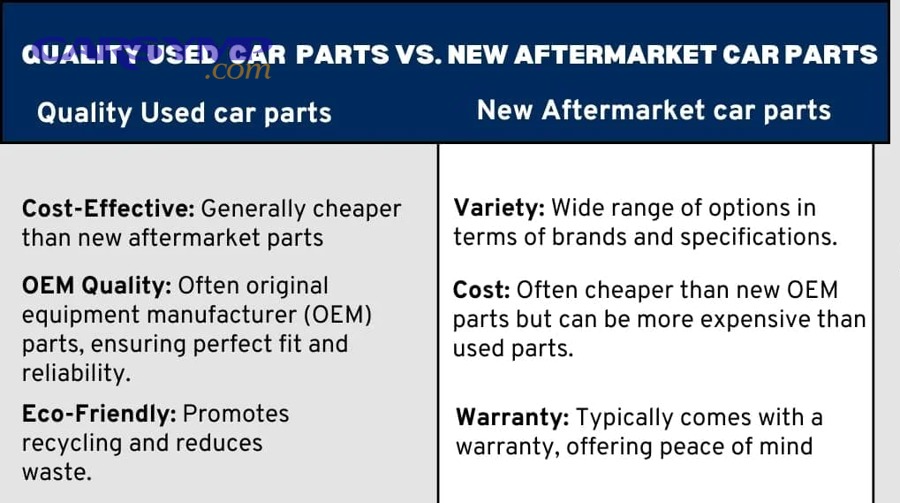
EPA explains that specified major emission control components—including catalytic converters—are covered for 8 years or 80,000 miles under federal emissions warranty provisions.
Summary hook: Replacement options: OEM vs aftermarket legality is best solved by a three-step method—identify your program, verify approval/application, and lock down installation documentation—then complete readiness before testing.