


Catalytic converter failure symptoms usually show up as a mix of power loss, a persistent check-engine light, a sulfur/rotten-egg exhaust odor, and heat-related behavior like hesitation after a highway run.
Beyond those obvious bad cat signs, drivers often notice fuel economy slipping, a “restricted” feeling under load, and inconsistent performance that changes with temperature and speed.
To diagnose correctly, you need to separate converter clues from look-alikes such as ignition misfires, vacuum leaks, and faulty oxygen sensors—because the symptoms overlap but the fixes do not.
Giới thiệu ý mới: To get started, let’s break down what a failing converter feels like, why it happens, how to confirm it safely, and what to do next without wasting money on the wrong part.
What does catalytic converter failure feel like while driving, and what are the clearest bad cat signs?
The clearest catalytic converter failure symptoms are loss of power under load, sluggish acceleration, a check-engine light tied to catalyst efficiency, and a hot, sulfur-like exhaust odor—especially after warming up.
To begin, focus on how the car behaves under stress (hills, merging, steady highway speeds), because restriction and overheating show up most clearly there.
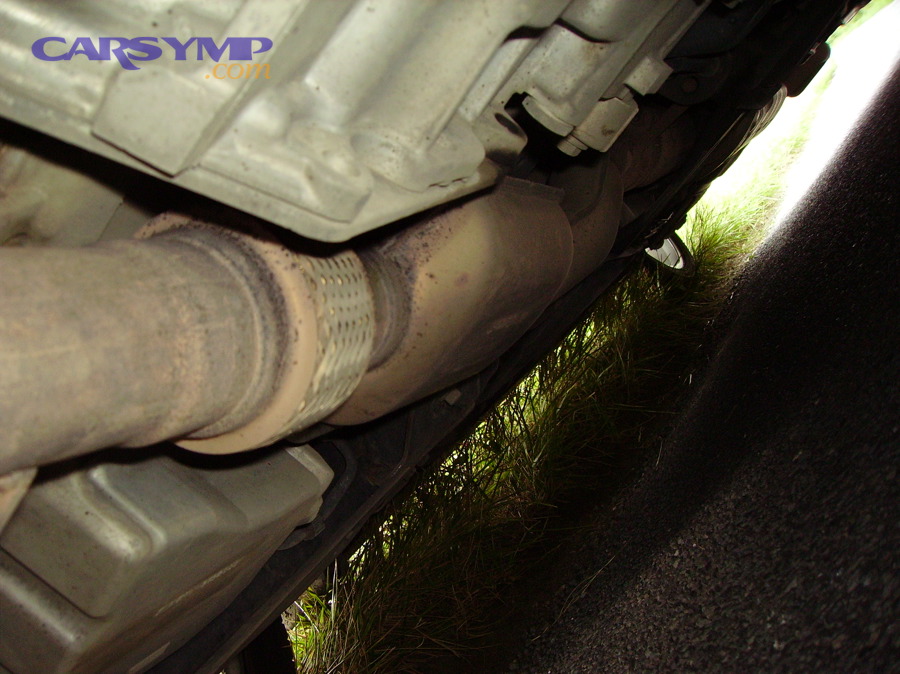
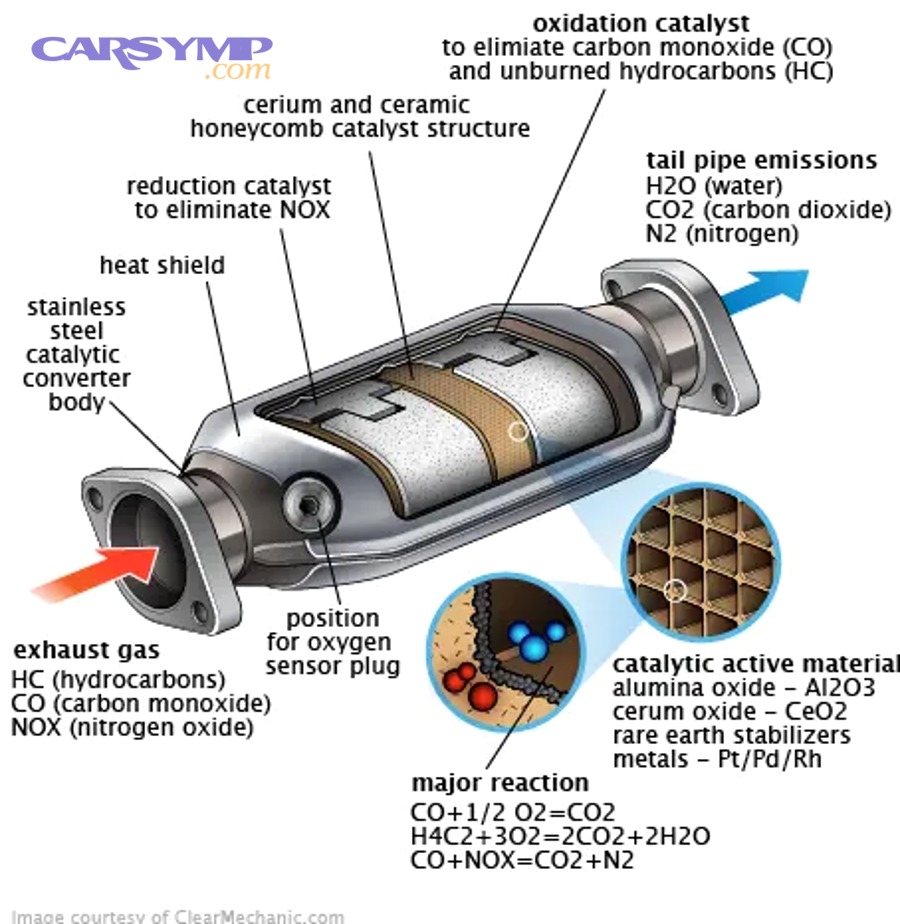
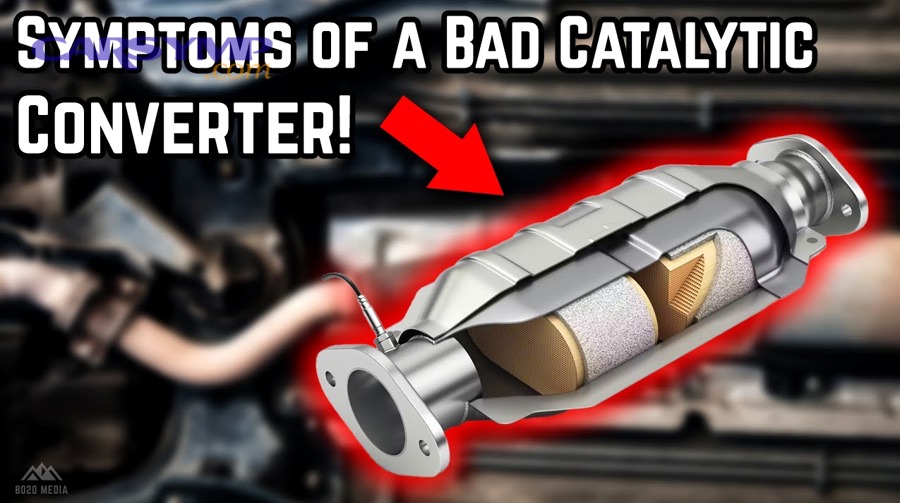
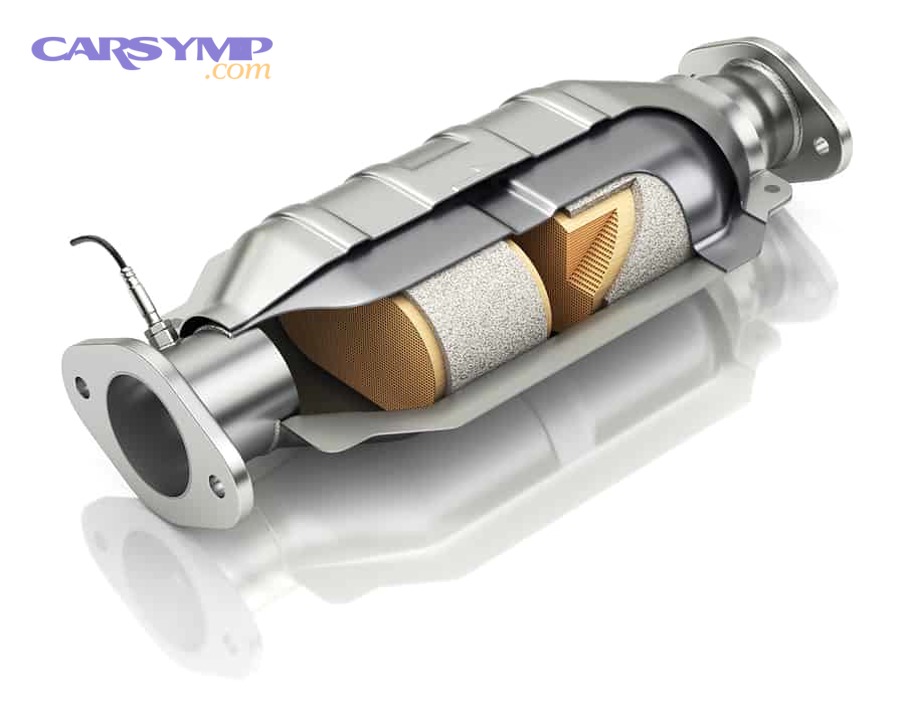
A catalytic converter sits in the exhaust stream and is designed to help “finish” chemical reactions after combustion. When it degrades, melts, clogs, or breaks internally, it changes exhaust flow and the oxygen storage behavior that the engine computer expects. That’s why many bad cat signs feel like the engine is “working hard” but not delivering.
Power loss that gets worse with speed or hills
Yes—power loss is one of the most common catalytic converter failure symptoms, because a restricted converter increases backpressure and reduces how efficiently cylinders can expel exhaust.
Next, notice whether the loss is most obvious at higher RPM or sustained load, which is where restriction becomes a bottleneck.
If the car accelerates normally for a moment and then “runs out of breath,” that pattern often points to exhaust restriction. A misfire can also cause power loss, but misfires usually feel rougher (shaking, popping) rather than smooth-but-weak.
Check-engine light plus performance change after warm-up
Often, yes—converter-related faults appear after the converter reaches operating temperature, so symptoms may be mild when cold and worse once fully warm.
However, if the check-engine light flashes, treat it as urgent because flashing typically indicates active misfire severe enough to damage the converter.
According to research published by Harvard’s Department of Chemistry in April 2020, catalytic converters can remove up to 98% of certain pollutants when operating properly, which is why efficiency monitoring becomes sensitive when the converter degrades.
Smell and heat clues under the vehicle
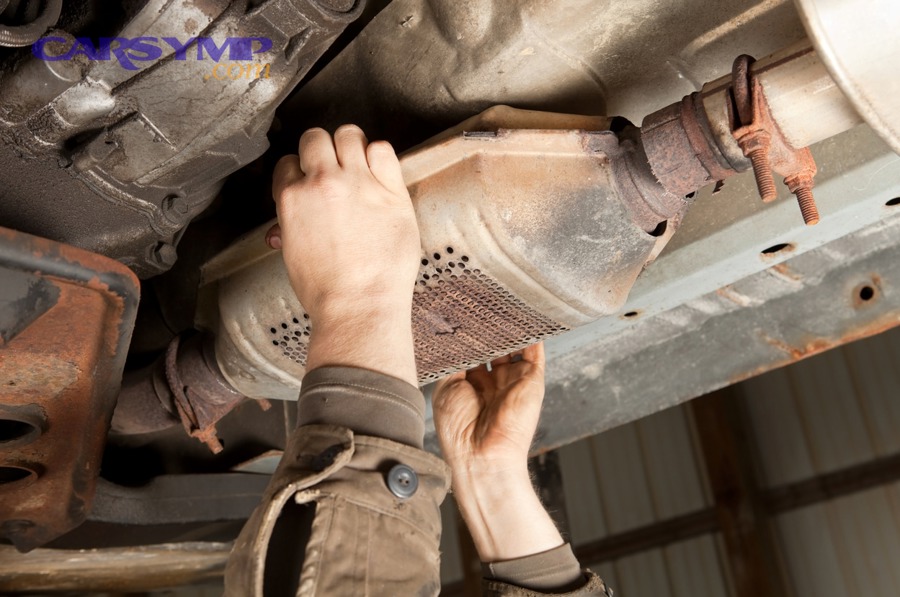
Yes—a sulfur/rotten-egg smell can be a bad cat sign when the converter isn’t processing sulfur compounds effectively, and excess heat from the floor area can appear if the converter is overloaded or partially clogged.
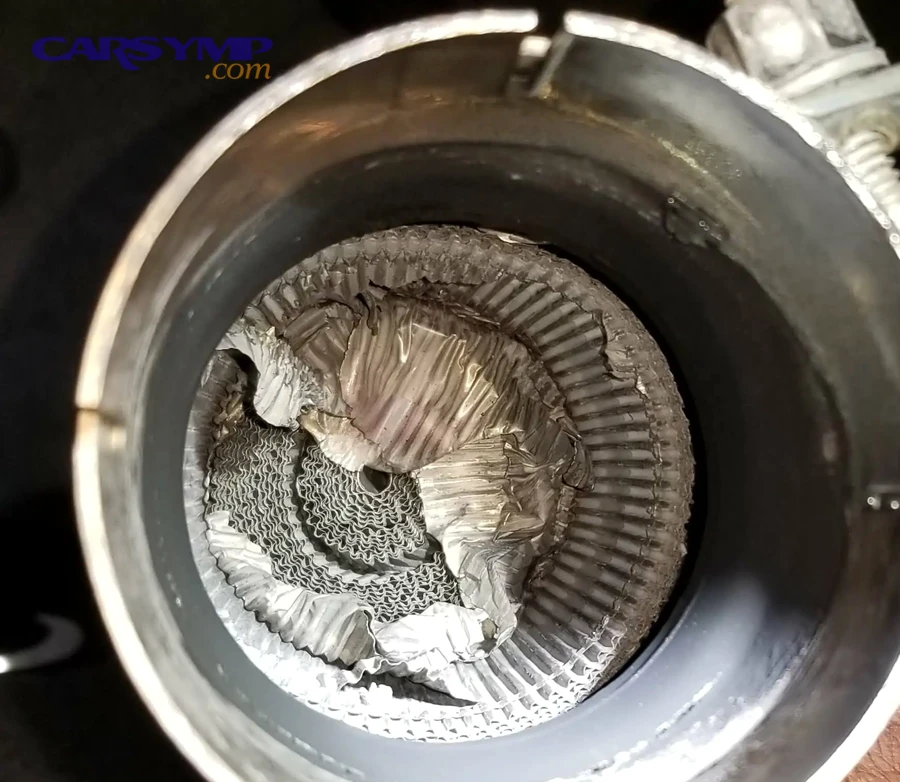
In addition, rattling noises under the car can indicate a broken substrate (the internal honeycomb) that has cracked and is moving around.
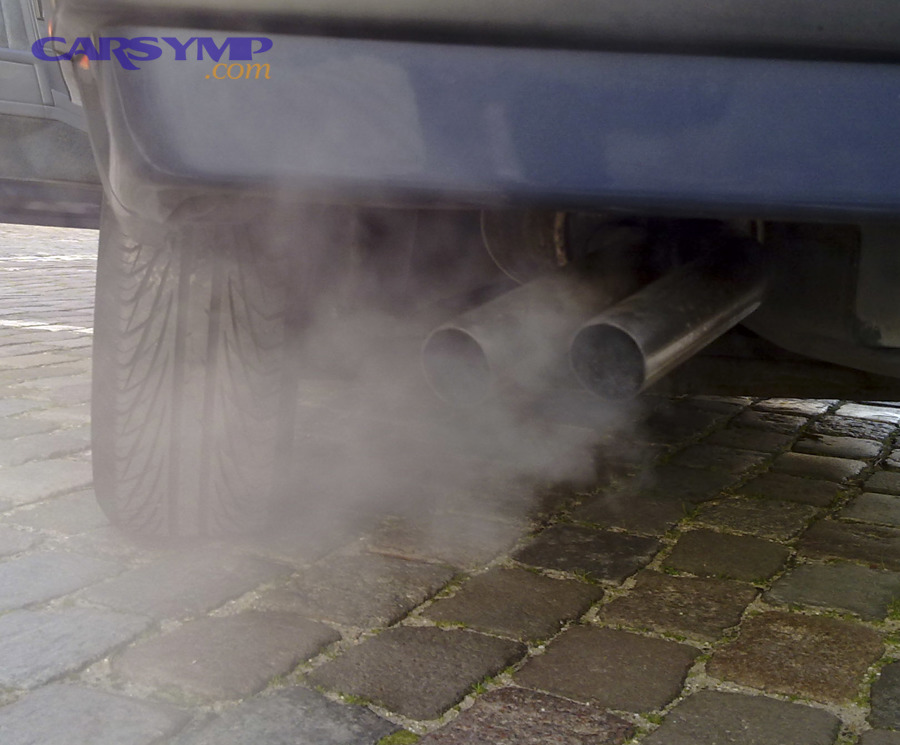
Important: A strong burning smell, visible glowing from the exhaust area at night, or smoke from under the vehicle can indicate extreme temperatures. That situation can escalate quickly.
Which bad cat signs are most reliable, and which symptoms are easy to confuse with other problems?
The most reliable bad cat signs are (1) catalyst-efficiency fault patterns on a scan tool, (2) power loss that correlates with sustained load, and (3) excessive converter heat—while rough idle alone is less reliable.
To understand this better, compare symptoms by “when they happen” (cold vs hot, idle vs load) and “how they feel” (smooth restriction vs rough combustion).
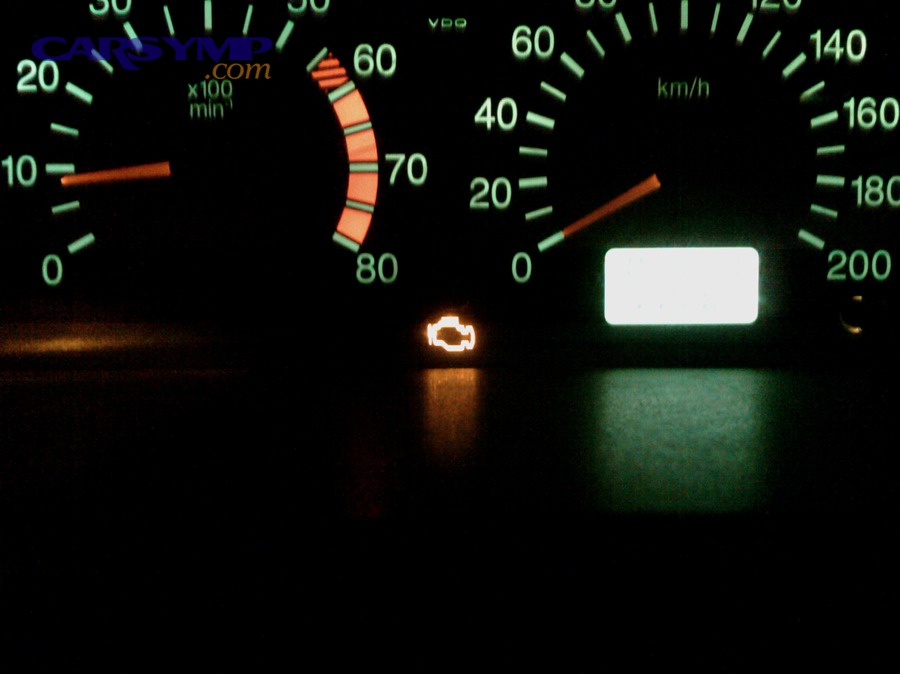
Many drivers get trapped in a loop: they see the check-engine light, feel sluggishness, and assume the converter is dead. In reality, a converter can be the victim (damaged by another fault) or the cause (restricted or chemically inactive). The key is separating cause from consequence.
Symptoms that strongly point toward the converter
Yes—these patterns are strong converter clues because they tie directly to how the catalyst stores oxygen and how exhaust flows through the honeycomb.
Next, use this checklist to see whether your symptoms behave like catalyst restriction or catalyst inefficiency.
- Restriction pattern: smooth power loss at higher RPM/load, engine feels “choked,” sometimes improves briefly after a cool-down.
- Heat pattern: floorboard heat, hot smell, or underbody heat shield noises after hard driving.
- Rattle pattern: metallic rattle under the center of the car, often at idle or when tapping the exhaust lightly (not recommended when hot).
- Efficiency pattern: check-engine light with catalyst efficiency concerns and fuel trims that look otherwise normal.
Symptoms that are commonly misdiagnosed as converter failure
No—rough idle, random stalling, or poor fuel economy alone are not exclusive catalytic converter failure symptoms, because many engine-management faults can cause the same behavior.
However, those symptoms matter because they can be the upstream issue that destroys the converter if ignored.
Common look-alikes include failing ignition coils, worn spark plugs, vacuum leaks, dirty mass airflow sensors, or fuel delivery problems. These can create misfires or rich conditions that overheat the converter.
The table below helps you distinguish converter-related behavior from common look-alike faults using the “when/where/how” pattern.
| Symptom pattern | More likely converter-related | More likely something else |
|---|---|---|
| Power loss mainly under load (hills/highway) | Restriction/clogging, internal melt-down | Weak fuel pump, clogged fuel filter, ignition breakdown under load |
| Strong rotten-egg smell after warming up | Overheating/overfueling affecting catalyst function | Rich running from misfire, leaking injector, sensor bias |
| Rattling under the car at idle | Broken catalyst substrate | Loose heat shield, exhaust hanger, muffler baffles |
| Check-engine light with catalyst efficiency concerns | Converter aging/poisoning or post-cat sensor pattern | Exhaust leak near sensors, lazy O2 sensor, misfire history |
According to a Stanford Sustainability Q&A published in August 2019, catalyst particles can gradually clump and lose surface area over time, which reduces effectiveness even without a dramatic “break.”
Why do catalytic converters fail, and what upstream issues usually trigger catalytic converter failure symptoms?
Catalytic converters fail mainly due to overheating from misfires/rich running, contamination (oil/coolant), physical damage, or normal aging that reduces catalyst surface activity.
Next, identify which failure path matches your situation, because the “why” often determines whether the new converter will survive.
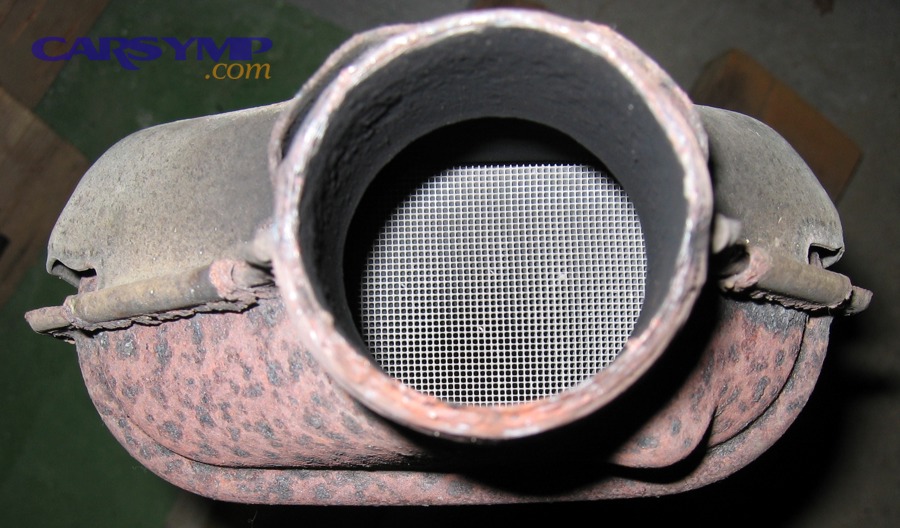
Overheating: the most common “killer”
Yes—overheating is a leading cause because unburned fuel from misfires ignites inside the converter, melting or collapsing the substrate.
To illustrate, a single severe misfire event can spike exhaust temperatures enough to damage the converter, even if the engine later “seems fine.”
- Persistent misfire (coils, plugs, injectors)
- Rich air-fuel mixture from sensor bias
- Fuel quality issues or repeated short trips that keep the system in unfavorable conditions
Contamination: oil and coolant poison the catalyst
Yes—oil burning or coolant entering the exhaust can coat the catalyst and reduce its activity, creating efficiency-related catalytic converter failure symptoms without obvious restriction at first.
Moreover, contamination can create an odor and smoke pattern that drivers mistakenly blame on the converter itself.
- Oil contamination: worn rings, valve seals, turbo seal leaks
- Coolant contamination: head gasket issues, cracked head, intake gasket leaks (engine-dependent)
Physical damage and vibration
Yes—impacts, bottoming out, or failed mounts can crack the internal monolith, causing rattle and flow disruption.
In addition, repeated thermal cycling can weaken the substrate over time, especially on older vehicles.
According to U.S. federal emissions warranty information published by the EPA, catalytic converters are considered major emissions control components with specific warranty rules, which highlights how central they are to compliance and durability.
Can a failing catalytic converter cause stalling, limp mode, or even a no-start?
Yes—a failing converter can cause stalling or limp mode, and in severe restriction cases it can prevent the engine from revving or starting normally, but it is not the most common no-start cause.
However, the deciding factor is whether the converter is restricted (flow problem) or inefficient (chemistry problem), so the next steps depend on which you suspect.
How restriction leads to stalling or limp behavior
Yes—restriction can choke the engine, raise exhaust backpressure, reduce volumetric efficiency, and make the engine struggle to breathe, especially at higher demand.
Next, watch for a pattern where the engine idles okay but dies when you try to accelerate, or where it starts and then loses power as exhaust builds up.
Severe restriction can also increase underhood heat, stress nearby sensors and wiring, and trigger protective strategies from the engine computer.
When it’s probably not the converter
No—if the engine cranks strongly but won’t fire at all, the converter is less likely than fuel/spark/immobilizer issues.
In contrast, if the engine starts but cannot rev past a certain RPM, or feels like it’s “hitting a wall,” restriction becomes more plausible.
According to an emissions-warranty regulation summary in the U.S. Code of Federal Regulations, catalytic converters are treated as major emission control components, reinforcing that many systems will set protective trouble codes when converter-related conditions are detected.
How can you confirm catalytic converter failure symptoms safely without guessing?
You can confirm converter issues by combining scan data patterns, temperature comparisons, and simple restriction checks; the best approach uses two or more methods to avoid false conclusions.
To start, use a scan tool to read codes and live sensor behavior, then verify with a heat or flow test that matches your symptom type.
Step 1: Read codes and freeze-frame data
Yes—codes help you target the right test, because a catalyst efficiency concern is different from a misfire or oxygen-sensor heater failure.
Next, note the conditions when the code set (speed, temperature, load) because those conditions often reproduce the symptom.
Converter-related patterns commonly involve catalyst efficiency monitoring behavior. A common example is a catalyst-efficiency concern that appears after warm-up and steady cruise.
Step 2: Compare temperatures carefully
Yes—temperature checks can support your diagnosis, because a working converter often shows a different heat pattern across inlet vs outlet under certain conditions.
However, treat this as supporting evidence, not a standalone verdict, because driving style, ambient temperature, and engine condition affect readings.
Use an infrared thermometer on the converter inlet and outlet area (never touch hot exhaust). If the converter is severely restricted, you may also see excessive upstream heat.
Step 3: Restriction clues without specialized tools
Yes—restriction often reveals itself through vacuum behavior and load sensitivity, even without professional backpressure gauges.
For example, if manifold vacuum drops steadily as you hold RPM, that can hint at exhaust restriction—but many variables can affect this, so confirm with another method.
- Reproduce under load: does power collapse after a minute of steady throttle?
- Listen for rattle: a loose substrate can rattle at idle or gentle revs.
- Smell and heat: sulfur odor plus high heat after normal driving strengthens the suspicion.
The table below lists practical confirmation methods and what each method is best at detecting.
| Method | Best for | Limitations |
|---|---|---|
| Scan tool + live O2 behavior | Efficiency problems, pattern-based diagnosis | Exhaust leaks and sensor issues can mimic converter failure |
| Infrared temperature comparison | Supporting evidence of abnormal heat behavior | Highly dependent on test conditions and technique |
| Load-based road test | Restriction feel and repeatability | Other faults (fuel/ignition) can also fail under load |
| Noise/rattle observation | Broken substrate | Heat shields can sound similar |
According to a Stanford Q&A published in August 2019, catalysts lose effectiveness over time as active material structure changes, which is why efficiency-type symptoms can appear gradually rather than suddenly.
What happens if you keep driving with catalytic converter failure symptoms?
Continuing to drive can turn a mild efficiency issue into severe restriction or overheating, increase emissions, and in worst cases damage the engine or create a fire risk from extreme exhaust temperatures.
Next, treat the symptom severity as your decision guide: mild and stable is different from hot, flashing, or rapidly worsening.
Risk 1: Converter meltdown and blockage
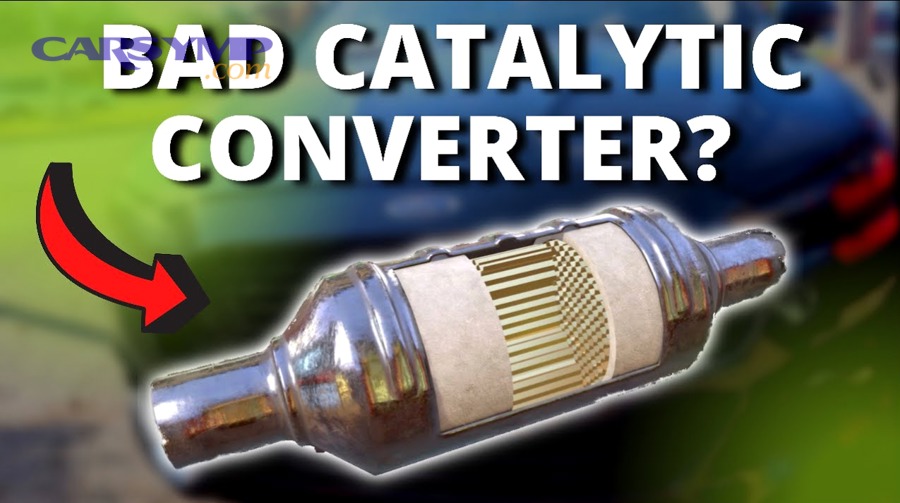
Yes—a converter that is overheated repeatedly can melt internally, collapsing passages and creating a much stronger restriction pattern.
As a result, performance can degrade quickly, fuel economy can worsen, and the vehicle may enter limp mode or stall under load.
Risk 2: Engine damage in specific layouts
Sometimes—on some vehicles where the catalyst is mounted close to the engine, a disintegrating substrate can shed material that may travel upstream in certain conditions, creating severe mechanical consequences.
Therefore, repeated warning signs are not something to “wait out.”
Risk 3: Emissions and inspection consequences
Yes—converter problems can raise tailpipe emissions and prevent readiness monitors from setting properly, which can affect compliance checks.
In addition, a vehicle can fail emissions-related evaluations if catalyst efficiency monitoring does not meet thresholds or monitors are not ready.
According to information published by the U.S. Environmental Protection Agency about emissions warranties, catalytic converters are treated as major emissions-control components, reflecting how strongly they influence compliance and why persistent problems are taken seriously.
When should you stop driving and get professional help immediately?
You should stop driving if the check-engine light is flashing, the car loses power suddenly in traffic, you smell strong burning or fuel odors, or you notice extreme heat or smoke from under the vehicle.
To begin, use a safety-first rule: if symptoms create a traffic hazard or indicate extreme heat, prioritize stopping safely and getting help.
Flashing check-engine light
Yes—a flashing light often means active misfire that can overheat and destroy the converter rapidly, so continued driving can multiply repair costs.
Next, reduce load immediately: avoid hard acceleration, pull over safely, and consider towing if the engine runs rough.
Severe restriction symptoms
Yes—if the car cannot accelerate beyond low speed, struggles to climb even small inclines, or stalls repeatedly when you press the throttle, restriction may be severe enough to be unsafe.
In addition, repeated stalls can damage other components and put you at risk in intersections or on ramps.
Underbody heat, smoke, or burning smell
Yes—extreme converter temperatures can damage heat shields, wiring, and nearby components, and in rare cases contribute to fire risk when combined with leaks and debris.
According to a Harvard Chemistry news release from April 2020, catalytic converters are designed to reduce pollutants significantly when functioning properly; when they are overheated or damaged, they can no longer perform safely or effectively.
Contextual Border: The sections above covered the core “symptoms → diagnosis → safety” path. Next, we’ll switch to deeper micro-details that change your decision-making: codes, inspection outcomes, warranty rules, and planning the fix.
Micro-details that change your next decision after you spot bad cat signs
These details help you avoid common traps: replacing the wrong part, missing an upstream engine fault, or misunderstanding inspection and warranty rules that apply to emissions components.
Next, use these micro-checks to choose the most cost-effective and durable path forward.
What catalyst-efficiency codes really mean in plain English
Yes—efficiency-related codes generally mean the converter is not storing and converting pollutants as expected under a specific test routine, but that does not automatically prove the converter is the only faulty part.
For example, small exhaust leaks near sensors, lazy oxygen sensors, or misfire history can produce similar patterns. That’s why pairing scan data with a heat/flow confirmation is the safer route.
To illustrate, the computer compares upstream and downstream oxygen sensor behavior; when they look too similar, it may interpret that as reduced catalyst activity.
According to a U.S. EPA transportation-air-pollution FAQ updated in March 2025, major emissions-control components include catalytic converters and are treated distinctly within emissions policy and warranties.
Inspection outcomes and what usually fixes them
Yes—inspection failures often come from either tailpipe emissions being high, readiness monitors not being complete, or stored diagnostic trouble codes that indicate emissions-control issues.
Next, address upstream engine faults first (misfires, rich running, oil/coolant consumption), because installing a new converter without fixing the root cause can lead to repeat failure.
In real-world terms, this is where “Emissions test implications and fixes” matter: you want the car to meet standards reliably, not just pass once.
According to the U.S. Code of Federal Regulations section on emissions warranty provisions, catalytic converters are categorized as specified major emission control components with extended coverage rules compared to many other parts.
Warranty rules drivers often miss
Yes—many drivers assume converters are always “wear items,” but in the U.S. there are emissions warranty rules that can apply depending on age, mileage, and component category.
Next, check your warranty booklet and service records, then compare to federal guidelines; “Warranty coverage for catalytic converters” is often broader than people think in specific windows.
According to the EPA’s emissions warranty information, specified major emission control components are covered for 8 years or 80,000 miles in applicable contexts, and catalytic converters are included in that major-component list.
Planning the repair without wasting money
Yes—repair planning should match the failure type: efficiency loss vs restriction vs physical break-up. Each has different priorities and risks.
Next, build your plan in this order: (1) fix the upstream cause, (2) confirm converter condition, (3) choose compliant parts, (4) verify post-repair readiness and fuel trims.
When you start budgeting, keep the phrase “Catalytic converter replacement cost estimate” in perspective: total cost depends heavily on converter location, labor time, whether sensors/fasteners are seized, and whether underlying engine issues must be corrected first.
For deeper step-by-step diagnostics and symptom mapping, you can also cross-reference internal guides and related content hubs such as carsymp.com, especially if you’re tracking multiple exhaust and drivability symptoms across different vehicles.
FAQ
This FAQ addresses the most common quick questions drivers ask after they notice catalytic converter failure symptoms, using short, direct answers and practical next steps.
Next, use these as a final validation checklist before you buy parts or schedule labor.
Can a bad oxygen sensor mimic catalytic converter failure symptoms?
Yes—a lazy or biased oxygen sensor can create fuel-mixture problems and catalyst-efficiency patterns that resemble converter issues, so you should confirm with more than one test.
In addition, an exhaust leak near the sensor can distort readings and trigger misleading results.
Do catalytic converter failure symptoms always include a rotten-egg smell?
No—some failures show no odor at all, especially “efficiency-only” aging, while restriction and overheating are more likely to produce strong smells.
However, if you do smell sulfur consistently after warm-up, treat it as a meaningful clue and check for rich running or misfires.
Is it safe to drive short distances with mild bad cat signs?
Sometimes—if symptoms are mild, stable, and there is no flashing light, no severe power loss, and no overheating smell, short cautious driving may be possible.
But if the light flashes, power collapses, or heat/smoke appears, stop driving and seek help.
Will replacing the converter fix the check-engine light immediately?
Not always—the computer may require drive cycles to complete readiness checks, and if an upstream fault remains, the light may return.
Therefore, confirm fuel trims, misfire counters, and sensor operation after the repair rather than assuming the new part guarantees success.
What’s the biggest mistake people make after spotting catalytic converter failure symptoms?
The biggest mistake is replacing the converter without fixing the root cause (misfire, rich running, oil/coolant contamination), which often causes repeat failure and higher long-term cost.
According to a Stanford Sustainability Q&A published in August 2019, catalyst effectiveness can degrade with structural changes over time, which means you need both correct diagnosis and correct prevention to avoid recurring issues.