


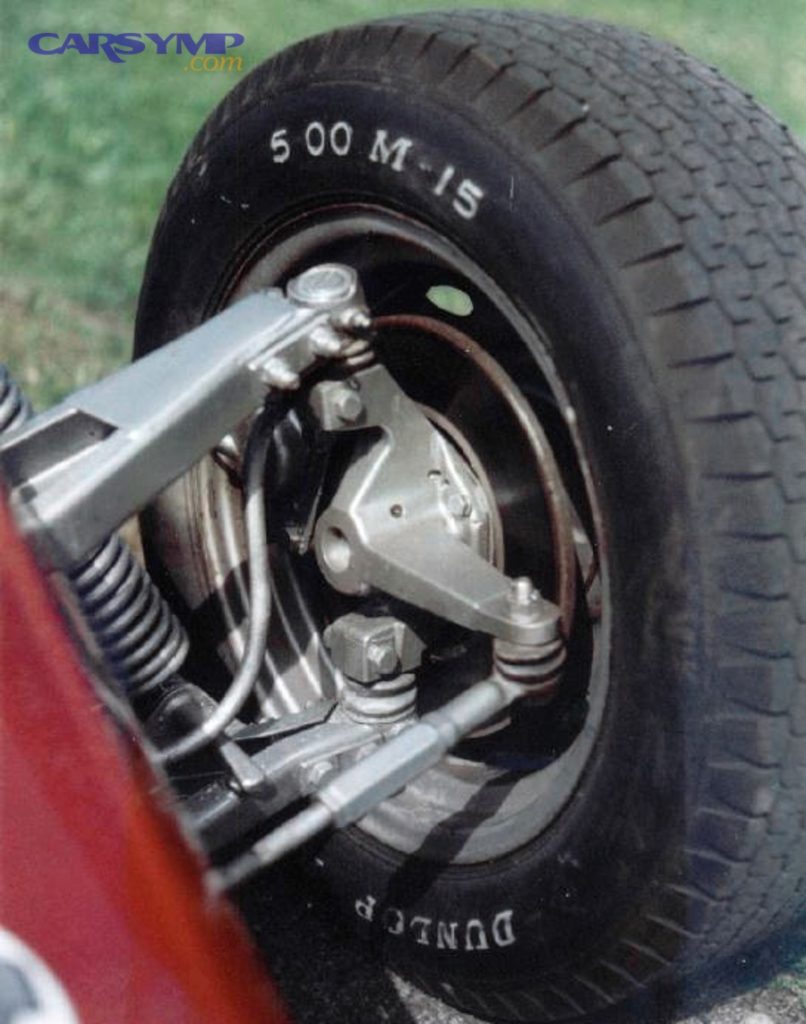
Ball joint vs tie rod vs control arm diagnosis is a comparison problem: the “right” suspect depends on whether the symptom is steering play, suspension clunk, or bushing drift under load.
Beyond the obvious noises, you can narrow the fault by matching where the looseness shows up (at 12–6, at 3–9, or as whole-arm movement) and when it happens (braking, turning, bumps, or steady cruising).
Next, you’ll learn a practical test sequence that keeps the logic clean—so you don’t replace parts twice or chase alignment forever.
To begin, “Giới thiệu ý mới”: we’ll map symptoms to components, then confirm with a safe driveway inspection method.
Which component is most likely bad based on your symptom set?
Ball joints most often create vertical looseness and loaded clunks, tie rods most often create steering play and toe-related wander, and control arms most often create bushing-driven thumps, braking drift, and geometry changes over bumps—so the “most likely” part is the one that matches your dominant symptom. To connect the dots, start with the “feel category” before touching tools.
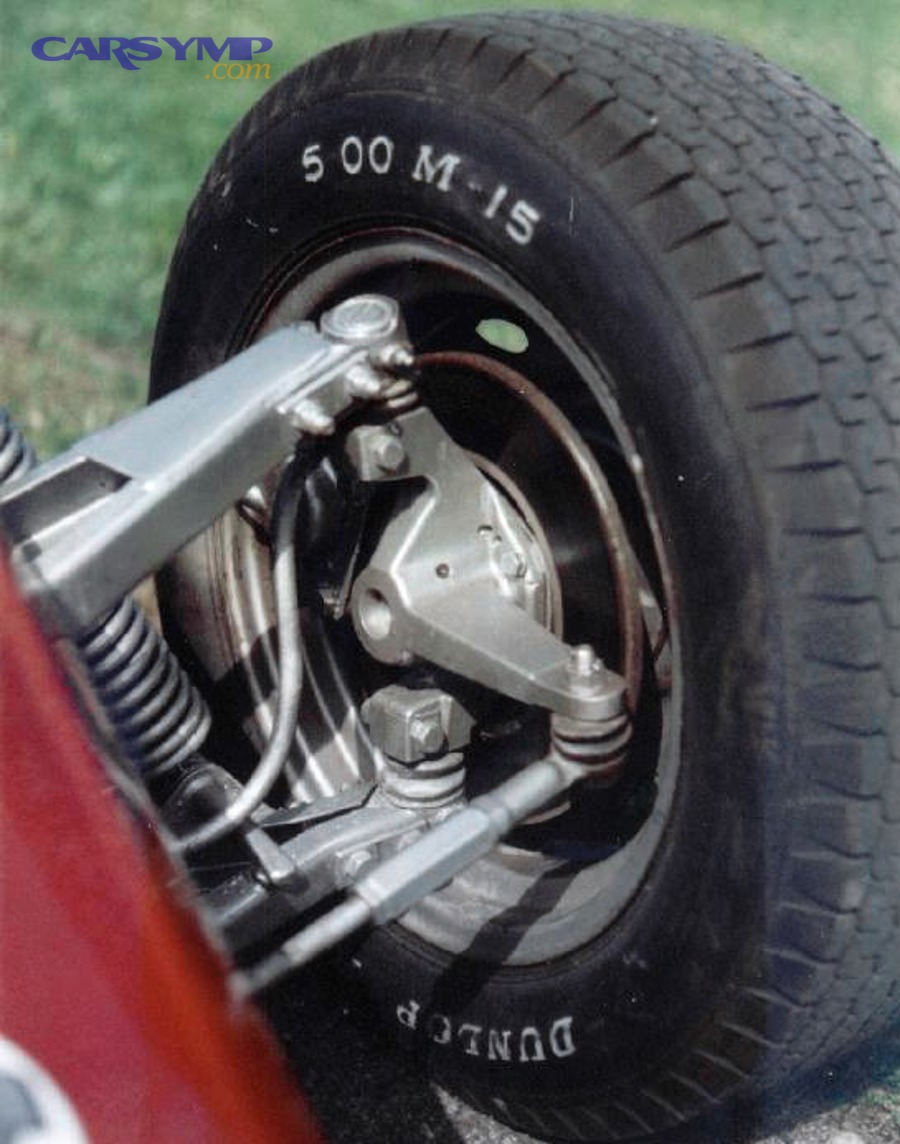
Specifically, a tie-rod issue tends to feel like the steering wheel is “talking back” (loose on-center, delayed response), while a ball-joint issue tends to feel like the wheel assembly is no longer tightly guided in the knuckle under load, and a control-arm issue tends to feel like the whole wheel position shifts slightly when forces reverse (brake to gas, bump to rebound).
According to a report by the U.S. National Highway Traffic Safety Administration from its Office of Defects Investigation (ODI), in February 2005 the agency summarized unusually high complaint rates and separation incident counts for certain front suspension ball joint designs, underscoring why symptom-based screening matters before parts fail outright.
Fast “triage” checklist to pick the first suspect
Start with one quick question: is the symptom primarily steering-control (direction changes), load-transfer (braking/acceleration), or bump-response (vertical motion)? Then follow with one transition: After that, confirm with the matching hands-on test.
- Steering-control dominant: loose steering wheel, wander, requires constant correction → start with tie rod (inner/outer) and steering rack play.
- Load-transfer dominant: pulls or clunks when braking, shifts when accelerating, “darting” over road seams → start with control-arm bushings and ball joint under load.
- Bump-response dominant: clunk over potholes, pop on driveway ramps, creak at low speed over uneven surfaces → start with ball joints and control-arm bushings, then sway links.
One table that maps symptoms to the highest-probability part
This table contains the most common symptom-to-part matches and helps you choose the first inspection target (not a guaranteed diagnosis). Use it to reduce guessing and keep your testing sequence efficient.
| Symptom you notice | Most likely culprit | Why it fits | Best confirm test |
|---|---|---|---|
| Steering feels loose on-center; car wanders | Tie rod (inner/outer) | Toe changes with small steering inputs | Hands at 3–9 shake; watch joint movement |
| Clunk when hitting bumps, especially at low speed | Ball joint or control-arm bushing | Vertical load causes joint/bushing to shift | 12–6 rock + pry-bar check (loaded vs unloaded) |
| Clunk/pull when braking or accelerating | Control-arm bushing (rear bushing common) | Arm shifts under fore–aft force reversal | Brake-torque test + visual bushing cracks |
| Rapid inner/outer edge tire wear | Tie rod / alignment issue | Toe error scrubs tire edges quickly | Check toe symptoms + alignment measurement |
| Vehicle feels unstable in corners; “floating” wheel | Ball joint / control-arm joint/bushing | Knuckle guidance or arm location is compromised | Loaded joint inspection + road test pattern |
What does each part do, and how are they mechanically different?
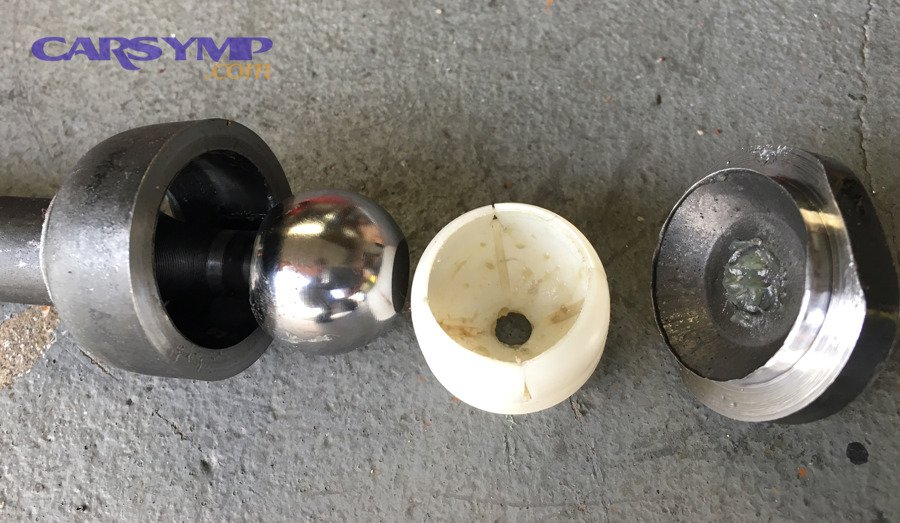
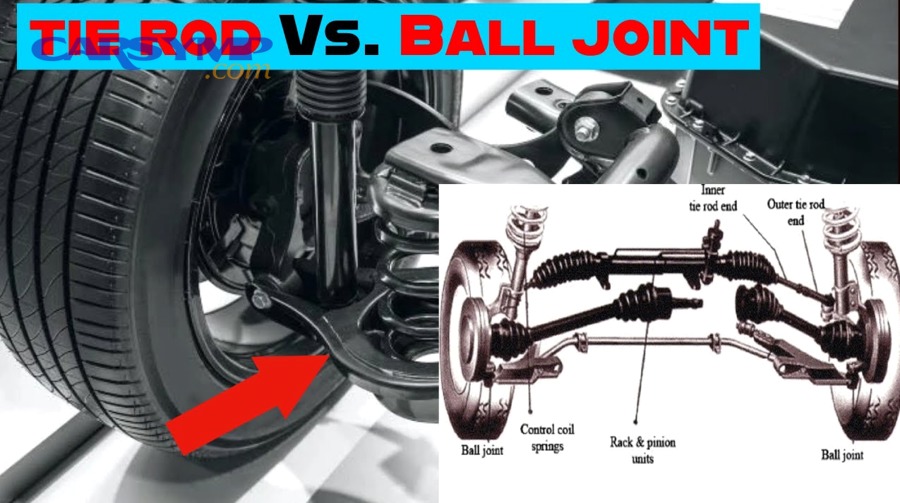
A ball joint is a spherical pivot that lets the knuckle move while staying located, a tie rod is a steering link that sets toe and transmits rack motion, and a control arm is the structural locator that positions the wheel via bushings and a joint—so each fails in a way that matches its job. Next, we’ll connect function to failure patterns.
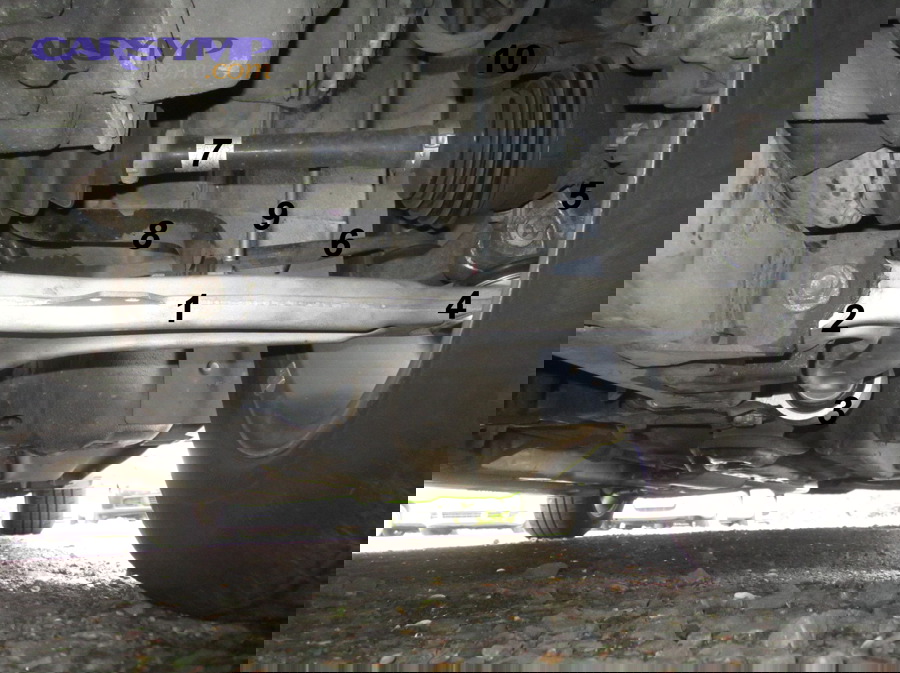
Think in “constraint directions”:
- Ball joint: allows rotation in multiple planes but must resist separation and excessive play. When it wears, the knuckle can move relative to the arm in ways you can feel as a clunk, especially when loaded.
- Tie rod (inner + outer): primarily controls toe (in/out angle) and converts steering rack movement into wheel angle. When it wears, the wheel can steer slightly without your command, producing wander, shimmy, or a vague wheel.
- Control arm: defines the wheel’s path through suspension travel via bushings (isolating NVH) and a ball joint (or integrated joint). When bushings degrade, the arm shifts fore–aft or laterally, changing caster/toe dynamically.
How failures show up differently: play vs compliance vs separation risk
Ball joints and tie rods are “play” failures (clearance grows), while control-arm bushings are “compliance” failures (rubber deforms too much), and severe ball-joint wear can become “separation risk.” To keep the flow, use this rule: play is felt as looseness; compliance is felt as a delayed shift under force.
According to a report by the U.S. National Highway Traffic Safety Administration from its Office of Defects Investigation (ODI), in November 2004 the agency identified a total of 164 separation incidents in a population it reviewed, along with crash and injury allegations—illustrating why a “play” complaint should be taken seriously when it escalates.
How do noises differ: clunk, knock, pop, creak, and when they appear?
Ball joints tend to clunk or pop when the suspension loads/unloads, tie rods tend to knock with steering input or on rough surfaces, and control-arm bushings tend to thump on braking/acceleration transitions or creak at low-speed body roll—so timing is your most reliable clue. After that, we’ll match each noise to a repeatable test.
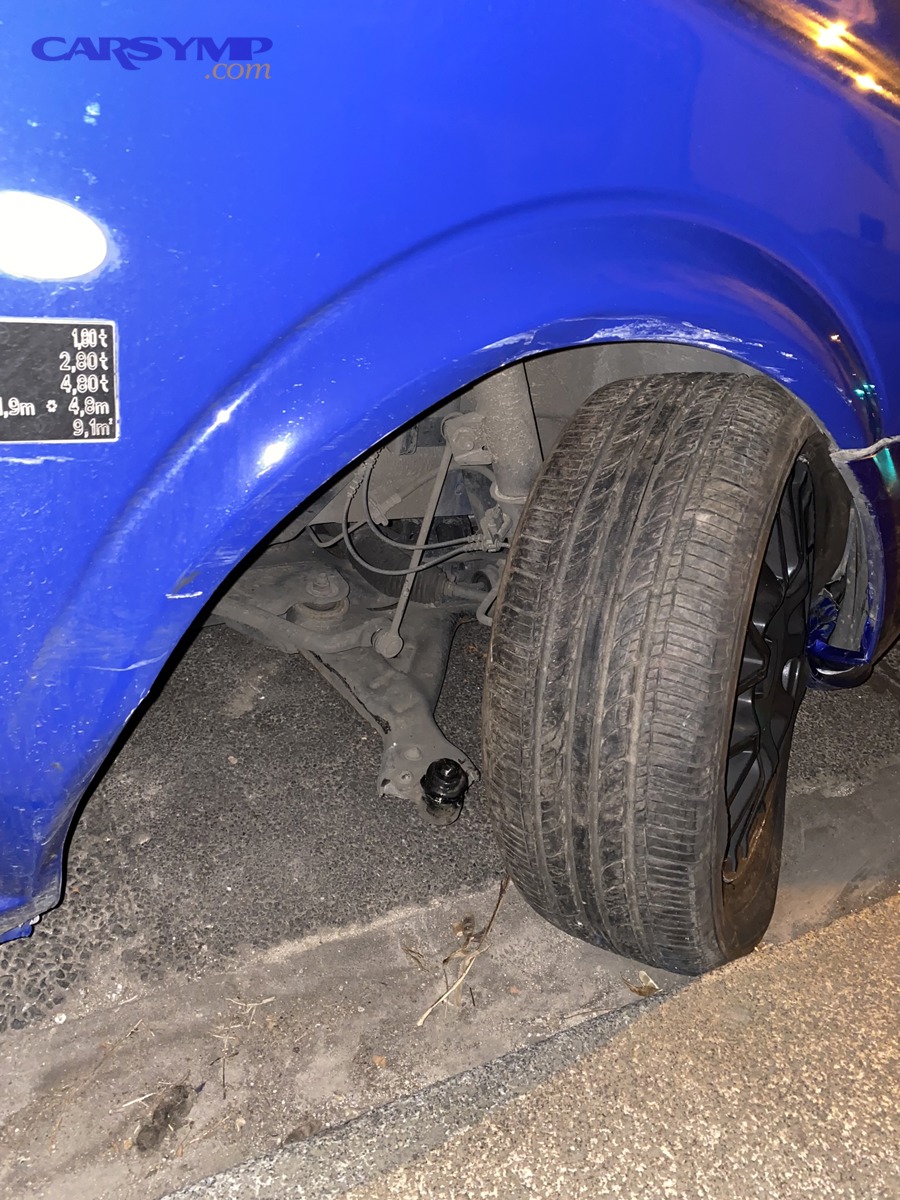
Use “trigger-based listening”:
- Clunk over a single bump: often a ball joint or bushing shifting once under load.
- Rapid knocking on washboard roads: often tie rod end play, sway links, or steering rack looseness.
- Pop when turning into a driveway: often a ball joint binding or shifting at an extreme angle, or a bushing tearing under twist.
- Creak at low speed: often dry/aged bushings or a ball joint with compromised boot and lubrication.
Where the noise travels: steering wheel vs floor vs pedal
If you feel it mostly in the steering wheel, it’s more likely steering linkage (tie rod, rack). If it’s mostly in the floor/firewall under braking, it’s more likely control-arm bushings. If it’s a “corner clunk” you can localize to one wheel over bumps, it’s commonly ball joint or bushing at that corner. To move forward, we’ll turn these impressions into measured checks.
What steering symptoms point to tie rods rather than ball joints?
If your steering wheel has free play, the car wanders, or toe-related tire scrub appears, tie rods are usually a higher-probability cause than ball joints—because tie rods directly control toe and steering response. Next, confirm by checking lateral play at the wheel and watching the joint.
Key “tie-rod leaning” signals:
- Loose-on-center feel: you move the steering wheel slightly before the car responds.
- Wander at highway speed: constant micro-corrections, especially in crosswinds.
- Steering shimmy: vibration that changes with steering angle or bumps.
- Edge tire wear + feathering: toe that’s off or changing dynamically.
The 3–9 wheel shake test and what “good” looks like
With the front end safely lifted, hands at 3 and 9 o’clock, push–pull firmly: if you see the outer tie rod stud moving in its socket, or the inner joint “clicking” at the rack, that’s a strong indicator. Then transition: however, you must rule out wheel bearing play that can mimic looseness by checking 12–6 separately.
Toe clues that are hard to fake
Toe problems often create a “darty” feel and rapid feathering across the tread blocks. To illustrate, toe-in/toe-out is the angle the tires point relative to the vehicle centerline; a worn tie rod can let toe change on the fly.
What vertical play and corner-load symptoms point to ball joints?
If you get a clunk when the suspension compresses, feel looseness at 12–6, or notice the wheel seems to “tilt” under load, ball joints become the leading suspect—because they locate the knuckle while allowing motion. After that, the crucial step is testing the joint in the correct loaded or unloaded state for your suspension design.
Ball joints can be loaded differently depending on vehicle design (some are “loaded” by the vehicle weight; others are not). That’s why a simple lift-and-shake can miss a worn joint if you unload it incorrectly.
Loaded vs unloaded testing: the mistake that causes misdiagnosis
On many suspensions, the lower ball joint carries the vehicle load; on some designs, the upper joint or a different geometry changes what’s loaded. Specifically, if you lift the vehicle by the frame and let the control arm hang, you may unload a joint that only shows play under weight. To keep the flow, match your lifting point to your goal: lift by the control arm to keep the joint loaded when needed, or lift by the frame to unload it when that’s the correct method.
Visual boot failure: a small tear that predicts big wear
A torn boot allows grease loss and contamination, accelerating wear. Look for grease sling, dry cracking, or a boot that has collapsed. If the boot is compromised and you already have noise or play, the probability increases that the joint is the root cause rather than a secondary symptom.
What braking, acceleration, and “drift” symptoms point to control arms and bushings?
If the car pulls during braking, clunks when you transition from brake to throttle, or feels like the wheel moves fore–aft over bumps, control-arm bushings are often the most likely cause—because they set the arm’s position under force reversals. Next, confirm by inspecting bushing cracks and observing arm movement under load.
Control arms are “big levers” with rubber interfaces. When rubber tears or softens, the arm can shift just enough to change caster/toe dynamically, which feels like instability rather than simple looseness.
The braking pull that disappears after alignment (then comes back)
If an alignment temporarily improves the problem but it returns quickly, suspect compliance: the alignment settings may be correct statically, but the arm shifts under real forces. Then transition: therefore, you’re not chasing “numbers,” you’re chasing moving geometry.
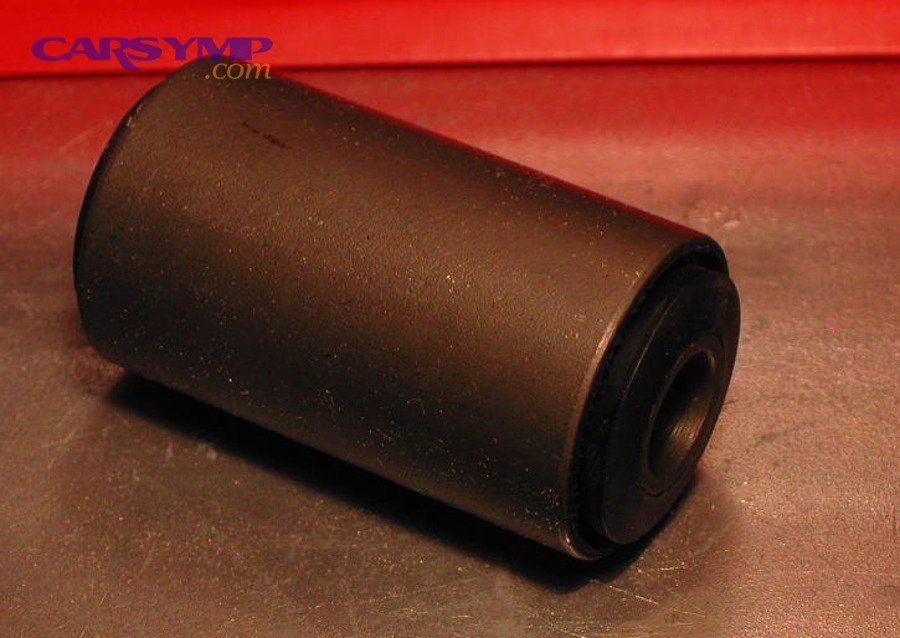
What a healthy bushing looks like vs a failed one
A healthy bushing sits centered with intact rubber and no fluid leakage (for hydraulic bushings). A failed bushing often shows cracked rubber, separation, deformation, or leaked fluid. To illustrate bushing construction, here’s a representative bushing component image.
How to do a safe driveway diagnosis in ~15 minutes
You can diagnose most ball joint, tie rod, and control arm problems at home by combining a safe lift, two wheel-shake tests (3–9 and 12–6), and a visual/lever inspection—so you isolate play vs compliance quickly. Next, follow the steps in order to avoid false positives.
Safety first: use a flat surface, wheel chocks, and jack stands; never rely on a jack alone. If you’re not confident lifting the vehicle, stop here and use the symptom tables to communicate clearly to a shop.
Step 1: Visual scan before lifting (boots, leaks, shifted hardware)
Look for torn dust boots, fresh grease, shiny “witness marks” where metal has been rubbing, and bushings that look offset or split. After that, check the tire tread with your hand for feathering (a toe clue) and scan for uneven edge wear.
Step 2: Lift correctly and do the 3–9 test for steering linkage
Lift the front end and support it on stands. With hands at 3–9, push/pull. Watch the outer tie rod end and the inner joint area. If the wheel moves and the steering rack doesn’t, that’s linkage play; if the rack moves but the wheel doesn’t, that’s a different issue. Then transition: however, confirm that the movement isn’t from a loose wheel bearing by also doing 12–6.
Step 3: Do the 12–6 test for vertical play (ball joints vs bearings)
With hands at 12–6, rock the wheel. If you feel movement, watch whether the knuckle-to-arm joint is moving (ball joint) or the hub assembly is moving (wheel bearing). To make the distinction clearer, have a helper apply the brake: bearing play often changes with the brake applied, while ball-joint play often does not.
Step 4: Use a pry bar to separate “play” from “soft bushing compliance”
With the vehicle safely supported, use a pry bar to gently load the control arm near the bushing and ball joint. A worn ball joint may show a distinct click or visible vertical movement at the stud. A worn bushing may show the arm shifting in the bushing sleeve or rubber tearing open. Next, repeat the pry in the fore–aft direction to mimic braking forces.
Step 5: Confirm with a short, controlled road test pattern
Drive slowly on a quiet street: do gentle brake-to-throttle transitions, shallow turns, and one controlled bump. Listen for single-event clunks vs repeated knocks. Then transition: finally, compare what you hear to what you saw—your diagnosis is strongest when the same corner “votes” the same way twice.
How to read tire wear and alignment clues without guessing
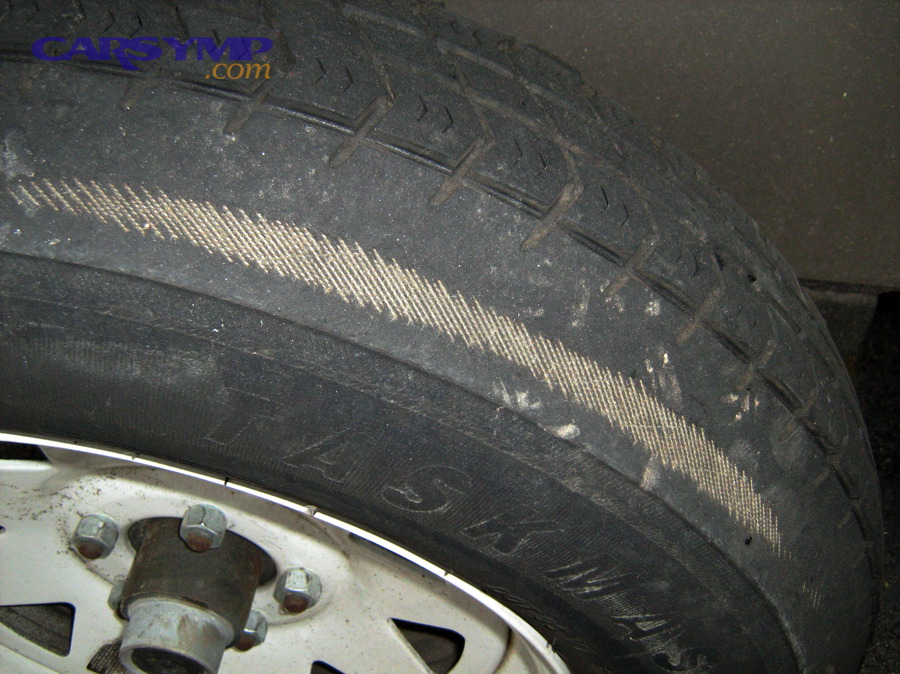
Tire wear patterns help separate toe-driven steering linkage issues from camber/caster changes caused by control arms and ball joints—so the tread becomes your “data log.” Next, use the pattern to decide whether to prioritize tie-rod inspection or bushing/joint inspection.
Common patterns:
- Feathering across tread blocks: often toe error (tie rods, alignment, rack).
- Inside-edge wear: can be camber-related, but also toe-out under load (bushing compliance).
- Cupping/scalloping: can be shocks/struts, but also loose joints causing bounce irregularity.
- Localized shoulder wear: can be pressure or cornering habits; verify before blaming suspension parts.
Camber and caster clues that suggest control-arm geometry change
Camber and caster don’t usually change because of tie rods alone; they change when a structural locator shifts (control arm) or a joint allows unintended knuckle movement (ball joint). To illustrate the caster idea visually (wheel trailing behavior), here’s a caster-angle concept image.
When alignment “numbers” lie: dynamic toe under braking
A vehicle can align perfectly on a rack yet still wander if the control-arm bushing allows dynamic toe change. Then transition: therefore, if you have braking pull plus fresh alignment plus quick tire wear return, inspect bushings again before adjusting toe repeatedly.
Is it safe to keep driving, and what are the red-line warning signs?
No, it’s not safe to keep driving if you have severe joint play, visible separation, or a wheel that changes angle under load—because loss of steering or suspension control can happen suddenly; instead, limit driving and arrange inspection or towing. Next, use the red-line list below to decide urgency.
- Wheel visibly leaning (camber suddenly different on one side).
- Metal-on-metal grinding or loud repeated clunks on small bumps.
- Steering pull or wander that worsens rapidly over days, not months.
- Boot destroyed + grease gone + measurable play in any steering/suspension joint.
- Any sign of separation (stud pulled out, knuckle no longer located).
According to a report by the U.S. National Highway Traffic Safety Administration from its Office of Defects Investigation (ODI), in July 2010 the agency cited separation incidents and crash allegations in a ball-joint-related investigation summary, reinforcing that “drive-it-and-see” is the wrong strategy once separation signs appear.
Repair decisions, cost logic, and longevity factors
This section expands the context after the main diagnostic border: once you’ve identified the likely part, the smartest repair is the one that restores geometry reliably, prevents repeat alignment issues, and matches how the joint is built into your suspension. Next, we’ll cover the practical “replace what” decisions.
Replace the joint alone or the whole arm?
If the ball joint is pressed/riveted into the arm and the bushings are also aged, replacing the entire arm often restores both joint tightness and bushing stiffness in one move, reducing repeat labor. If bushings are excellent and the joint is serviceable, replacing only the joint can be reasonable.
In many markets, shops quote ball joint replacement either as “joint-only” or “arm assembly” because labor differs sharply; that’s why you should ask which method is being quoted and whether bushings are included.
How pricing typically breaks down (without guessing a single number)
A “Ball joint replacement cost estimate” is usually the sum of parts (joint or arm), labor time (which depends on press work, corrosion, and access), and a post-repair alignment when geometry is affected. If a quote excludes alignment after steering or suspension work that can change toe, expect extra costs later.
When you must do an alignment afterward
Tie rods directly set toe, so alignment (or at least toe setting) is strongly recommended after tie-rod work. Control arms often influence caster/camber and can shift toe, so alignment is typically recommended after control-arm replacement. Ball joints may or may not require alignment depending on design and whether the arm position changes, but many vehicles still benefit from a check—especially if tire wear was present beforehand.
Longevity: what accelerates wear and what prevents repeat failures
Heat, road salt, torn boots, and impacts (curbs/potholes) accelerate wear. To reduce repeat issues, prioritize quality parts, ensure boots are intact, torque fasteners at ride height when required (for bushings), and avoid “cheap alignment fixes” that mask compliance problems. For more symptom-based cross-checking and terminology consistency, some drivers keep a personal reference list from sites like carsymp.com so they can describe noises and handling changes more clearly at the shop.
FAQ
How can I tell if it’s a ball joint or a wheel bearing?
If the play is mainly at 12–6 and you can see movement at the joint between the knuckle and control arm, suspect the ball joint; if the movement is at the hub and changes when the brake is applied, suspect a wheel bearing. Next, confirm with a pry-bar check and a short road test for growling vs clunking.
Can a bad tie rod cause clunking over bumps?
Yes, especially if the joint has enough clearance to “tap” when the wheel jolts, but tie-rod clunks typically pair with steering looseness or a knock you can provoke by gently wiggling the steering wheel while stopped. Then transition: however, a single heavy clunk on compression often points more toward a ball joint or control-arm bushing.
What should I ask a shop to check so I don’t get upsold?
Ask them to demonstrate the play or movement visually with the vehicle lifted: show the joint movement during a 3–9 and 12–6 test, and show bushing shift with a pry bar. After that, ask whether the wear is “play” (joint) or “compliance” (bushing), because the fix differs.
When does “driveable” become “don’t drive” for a worn ball joint?
The phrase How long you can drive with a bad ball joint depends on severity, but once you have measurable play, a torn boot with grease loss, loud repeat clunks, or any visible wheel-angle change, you should treat it as urgent and minimize driving. Then transition: in practical terms, “don’t drive” is the moment the wheel’s position is no longer stable under load or you suspect separation risk.