


DIY work on front suspension can be rewarding, but it becomes high-stakes when a single fastener, boot, or taper fit is mishandled.
Many people start because they want to save labor cost and learn the job, yet they underestimate the tool forces, rust variables, and geometry checks involved.
Another common motivation is chasing a noise or looseness, but misdiagnosis can send you replacing the wrong joint while the real problem keeps growing.
Giới thiệu ý mới: the safest approach is to understand the specific failure modes first, then decide whether your setup, tools, and skill level truly match the job.
Are DIY suspension joint jobs truly risky for most home garages?
Yes—DIY work on load-bearing steering/suspension joints is risky because failure can cause loss of steering control, severe injury during the repair, or rapid premature wear after installation.
To begin, it helps to separate “garage risks” (what can hurt you during the job) from “road risks” (what can fail afterward and endanger everyone).
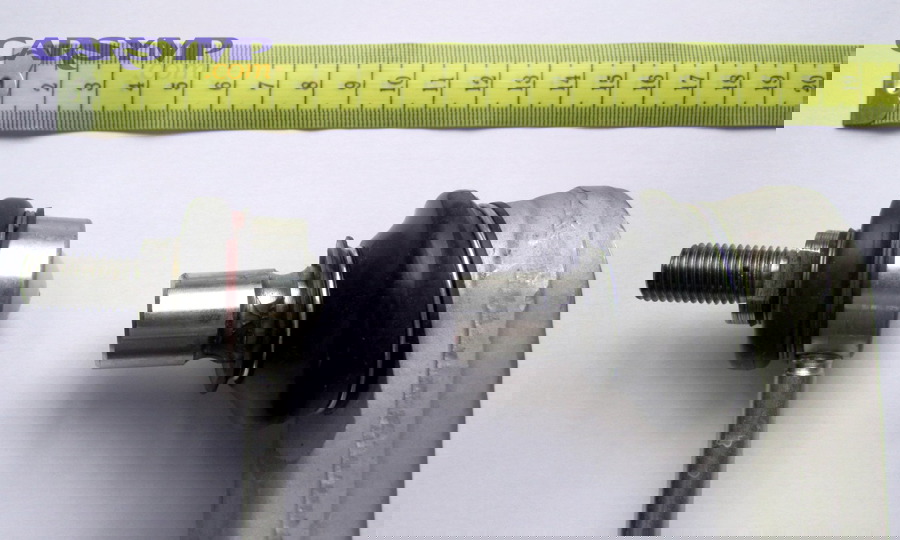
Why the risk level is higher than typical brake or fluid DIY
These joints carry vehicle weight while also allowing steering and suspension travel, so the margin for error is smaller than with many other service tasks.
Next, the forces involved are not subtle: you may be separating a tapered stud fit, compressing a press-fit joint, and reassembling with torque-and-angle style discipline.
Unlike cosmetic or convenience repairs, a small mistake can create a cascade: loose taper fit → fretting → play → boot damage → contamination → accelerated wear → separation risk.
According to research by GEM Waev, LLC from its Safety Recall Bulletin, in December 2024, incorrectly torqued ball joint retainer fasteners could lead to separation and a loss of steering control, increasing crash risk.
Risk is not only “will it fall apart,” but “will it handle correctly”
A joint can be “installed” yet still wrong: boot twisted, stud nut under-torqued, cotter pin misaligned, or press-in shell cocked in the bore.
Then, even if nothing separates immediately, steering feel and tire wear can degrade quickly, creating instability in emergency maneuvers.
According to research by NHTSA from the National Center for Statistics and Analysis, in March 2018, about 2% of crashes studied had a critical reason attributed to vehicle component failure or degradation.
That 2% is not “ball joints,” but it’s a sober reminder: when vehicle hardware fails, it can become the decisive link in a crash chain.
What “acceptable DIY” looks like in one sentence
DIY can be reasonable only when you can lift and support the vehicle safely, apply correct torque and fitment practices, and verify the geometry and joint seating after assembly.
So, before turning a wrench, define your stop-points: if you can’t meet any one of those three, the safest decision is to outsource the critical step.
What can go wrong while lifting and supporting the vehicle?
The biggest immediate danger is a vehicle shift or fall because jacks are for lifting, not for holding, and uneven ground or poor support can turn a routine step into a crushing injury.
After that, the next risk is “stored energy” from suspension springs and control arms moving unexpectedly once hardware is loosened.
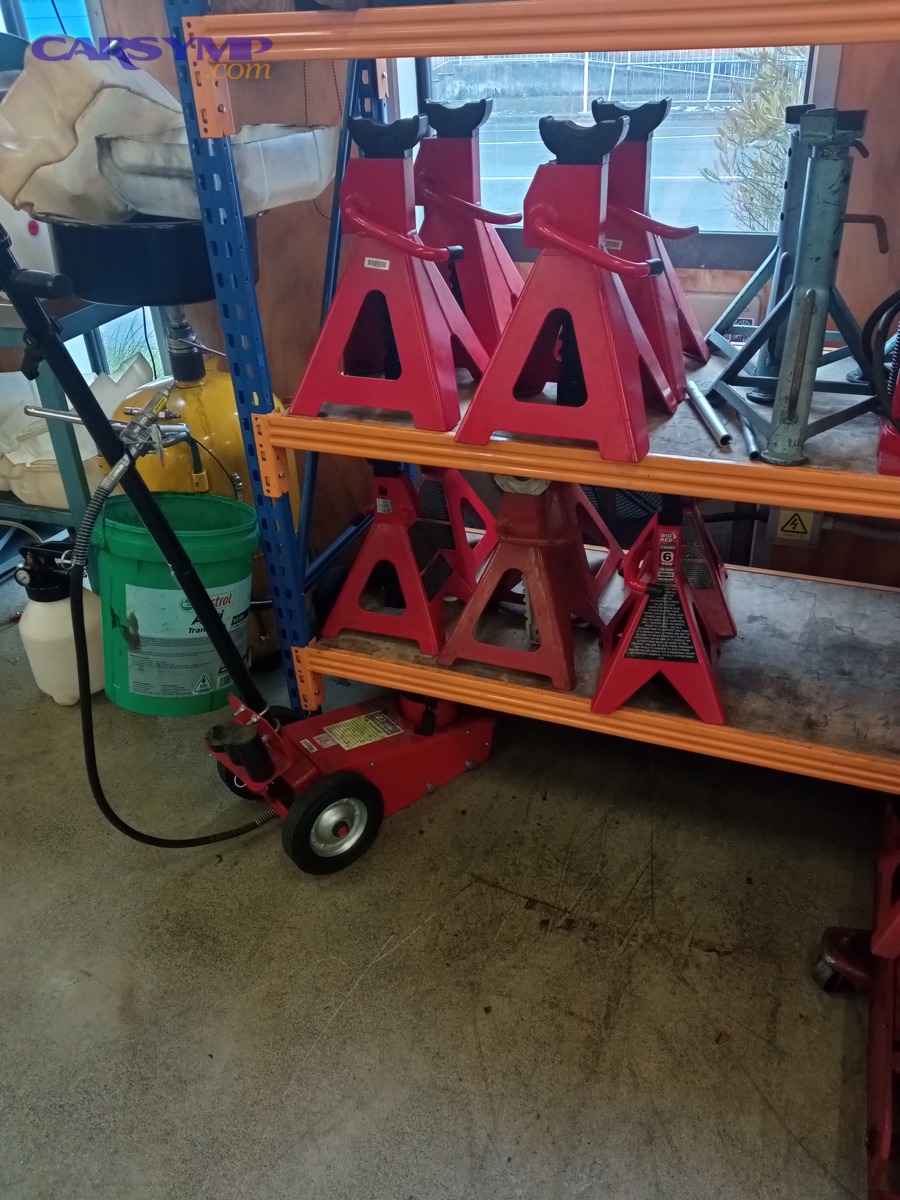
Jack and stand failure modes that DIYers underestimate
Common errors include lifting on the wrong point, placing stands on unstable surfaces, using mismatched stand heights, or leaving the car supported by a jack alone.
To understand why this matters, consider that a small lateral bump while you’re prying on a knuckle can shift the vehicle’s center of gravity off a stand saddle.
According to research by the New York State Department of Health from the FACE program, in its vehicle-repair fatal-injury summary (published in the late 2010s), multiple deaths were documented where vehicles fell off jacks or jack stands and crushed workers.
Even if you’re not a professional shop, gravity doesn’t care—your setup must be at “shop safety” standards.
Suspension movement: where “stored energy” can surprise you
When you disconnect a joint, a control arm can swing, a knuckle can drop, or a strut can shift, especially if the sway bar link is still loaded.
Next, avoid working in the path of movement: keep hands out of pinch zones and support the knuckle/control arm with a jack or strap before separation.
If you’re separating a tapered stud, anticipate the “pop”—that release can be sudden enough to move tools or hands into harm’s way.
Personal protection is not optional here
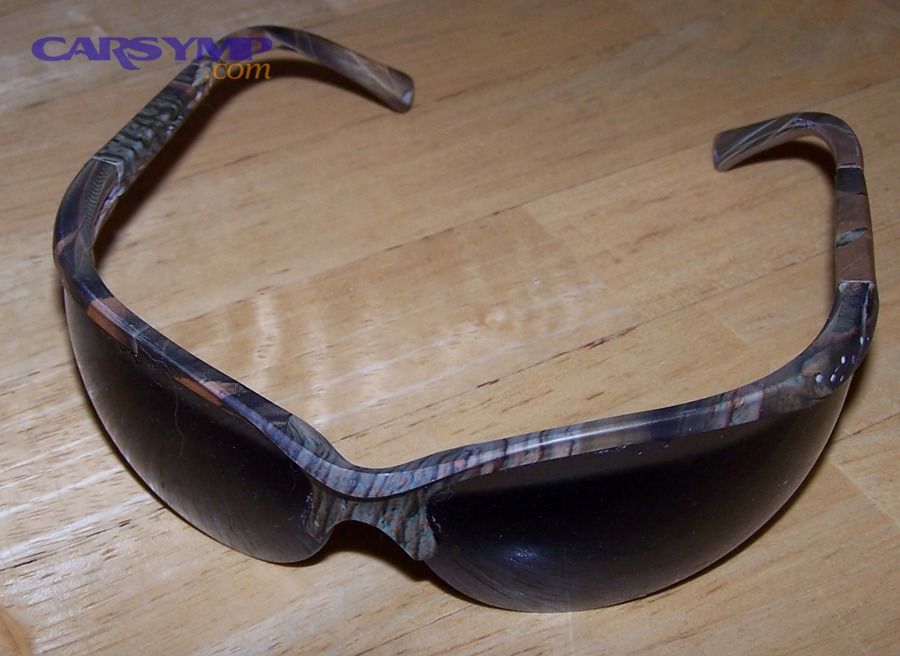
Eye protection matters because rust scale, dirt, and metal fragments can fly when you use a separator tool, hammer, or impact gun.
To reduce this risk, treat PPE like another tool: safety glasses, gloves that still allow dexterity, and closed-toe shoes with a stable stance.
How do separation and removal steps create tool and part-damage hazards?
Removal is risky because you’re overcoming high friction fits—tapered studs and press fits—and the methods used (impact, leverage, pressing) can injure you or permanently damage the knuckle or control arm.
Next, choosing the right separation method is often the difference between a clean job and a spiral of broken boots, bent parts, or cracked housings.
Tapered stud separation: “pickle fork” damage vs puller control
A wedge-style fork can work, but it commonly tears dust boots and can deform sealing surfaces, so it’s best reserved when the joint is being discarded anyway.
In contrast, a screw-type puller or separator tool applies controlled force, reducing collateral damage and helping you keep hands out of the blast zone.
To connect this to diagnosis, many people mix up symptoms and jump to replacement; doing “Ball joint vs tie rod vs control arm diagnosis” in your head first helps you avoid destroying the wrong part during disassembly.
Press-fit removal: the “cockeyed press” problem
Pressing a joint out requires the press cups to be perfectly aligned; if the press loads at an angle, you can mushroom the joint shell, gouge the bore, or crack thin cast areas.
Next, remember that rust turns a press-fit into a fight: higher force means higher consequences if a cup slips or the press frame shifts.
A dedicated C-frame press can be effective, but only if adapters match the joint diameter and you keep the press screw lubricated to prevent binding and sudden release.
Heat, hammering, and “bigger tools” can backfire
People escalate to heat and heavy hammering when parts are seized, but uncontrolled impacts can deform knuckles, alter bearing races, or damage CV joints and ABS wiring nearby.
So, if you find yourself adding bigger hammers or prolonged torch time, that’s a strong signal you’ve crossed into “professional equipment” territory.
At that point, the safest move is often removing the whole control arm/knuckle assembly and having the joint pressed with a shop press by someone experienced.
What installation mistakes create real road-safety risk after the job?
The most dangerous mistakes are those that allow the joint to loosen, slip, or separate: incorrect torque, damaged boots, contaminated tapers, or an improperly seated press-fit shell.
Next, think like an inspector: assume nothing is “fine” until you can verify seating, torque, and retention features step-by-step.
Incorrect torque and retention: the silent failure path
Stud nuts and retainer fasteners are not “snug plus feel”—they’re engineered to clamp tapers and prevent micro-movement that accelerates wear.
To make this concrete, if a fastener is too loose, the taper can fret; if over-torqued, threads or studs can be damaged, both leading to instability.
According to research by GEM Waev, LLC from its Safety Recall Bulletin, in December 2024, ball joint retainer fasteners not torqued to specification could lead to separation and increased crash risk.
Even outside recalls, the physics is the same: clamp force is safety.
Contamination and boot damage: how “small” mistakes become big
Grease or dirt on the tapered stud can reduce friction conditions and change how the taper seats, while a nicked boot invites water and grit that accelerate internal wear.
To illustrate, service instructions often explicitly warn to keep the taper and threads clean and to avoid damaging the boot during assembly.
According to research by Honda from its Service Bulletin procedures, in August 2012, instructions emphasize wiping grease contamination off the tapered section and ensuring the boot is not damaged before final tightening.
This is why “it looks installed” is not enough—cleanliness is part of mechanical integrity.
Press-in seating errors: bore damage and loose fit
If the joint is press-in style, any scoring or distortion of the bore can prevent proper interference fit, leading to creeping or rotation in the control arm over time.
Next, understand that repeat repairs can enlarge the receptacle; if the joint doesn’t fit tightly, you may need an appropriate oversized solution rather than forcing a standard part.
According to research by MOOG from its technical guidance, worn or enlarged receptacles can require specific fitment approaches to restore proper seating.
This is where “Press-in vs bolt-on ball joint differences” matters in the real world: the retention strategy changes the entire risk profile of DIY work.
Fastener reuse and missing “one-time” hardware
Many suspension assemblies use one-time-use nuts, bolts, or cotter pins because clamping behavior and locking features degrade after removal.
So, skipping a new cotter pin, reusing a deformed lock nut, or ignoring a torque-to-yield spec can turn a correct-looking job into a delayed failure.
When in doubt, follow the factory service manual hardware guidance, not forum shortcuts, because that guidance is designed around fatigue and vibration realities.
How do you decide whether DIY is the wrong call for your situation?
DIY is the wrong call if you cannot guarantee safe support, correct tooling, correct torque, and post-install verification—because any one missing piece can compromise safety.
Next, use “stop rules” that trigger a professional handoff before you break parts or create a hard-to-diagnose handling issue.
Stop rule #1: you lack the right press/separator and adapters
If the joint is press-fit and you don’t have a proper press kit or shop press access, improvisation becomes the risk—not the joint itself.
To be clear, rental tools can work, but only if you can match cups to diameters and maintain alignment throughout the press stroke.
If you can’t confidently explain how you’ll avoid cocking the joint, you should not proceed.
Stop rule #2: severe rust, seized fasteners, or damaged bores
Heavy corrosion changes everything: it increases force requirements and makes it easier to tear threads, crack cast parts, or enlarge bores.
Next, recognize when the “job” is actually a restoration fight; that’s when professional heat tools, air hammers, and presses become safety equipment, not convenience.
Also note that some vehicles integrate the joint into the control arm, making full control arm replacement safer and often more predictable than pressing a standalone joint.
Stop rule #3: you can’t verify torque specs and procedures
If you don’t have reliable service information (torque specs, sequence, and special notes), you’re guessing on the most safety-critical part of the job.
To connect that to real-world outcomes, reputable aftermarket guidance stresses that improper torque can cause symptoms, damage, or failures, not just “minor” issues.
According to research by MOOG from its technical tip on torquing, incorrect torque can lead to stud damage or loose seating issues that mimic failure and create risk.
Stop rule #4: you can’t do a proper post-repair verification
If you cannot check for play correctly, verify boot position, confirm cotter pin alignment, and arrange alignment if required, you’re leaving safety to chance.
And if you’re asking “How long you can drive with a bad ball joint” as your decision framework, that’s already a sign to stop and get a professional inspection—because the safe answer depends on wear severity and can change suddenly.
How can you reduce DIY risk if you still choose to proceed?
You reduce risk by following a disciplined system: controlled lifting, correct separation methods, clean assembly practices, torque verification, and conservative post-install testing.
After that, the key is to convert “I think” into “I measured/verified,” especially around torque and joint seating.
A step-by-step safety checklist you should follow every time
Start with flat ground, wheel chocks, and stands positioned on approved support points; then add a secondary safety measure such as keeping the jack lightly supporting as a backup.
Next, lay out tools before lifting: correct sockets, breaker bar, separator tool, torque wrench, new cotter pins, and any one-time-use hardware.
Then control movement: support the knuckle/control arm so the suspension doesn’t drop unexpectedly when you separate the joint.
Finally, clean and assemble: keep the taper dry and clean, protect the boot, and torque to spec in the correct sequence before any road testing.
Use torque like a process, not a moment
Torque accuracy depends on correct seating, clean threads, correct lubrication assumptions, and stable wrench positioning, not just reading a number.
So, tighten to specification, align cotter pin holes by tightening further (not loosening), and re-check after initial seating if the procedure requires it.
According to research by Honda from its service procedure details, in August 2012, instructions emphasize not aligning castellated nuts by loosening and to install a new cotter pin after correct torque.
Prefer controlled-force tools over impact-and-hope
A separator puller and properly sized press adapters reduce random shock loads that can damage knuckles, bearings, or boots.
Next, if you must use impact, use it for fastener removal only when the threads and surrounding components are protected and you can still finish with a torque wrench.
This is also where “ball joint replacement” as a phrase misleads DIYers: the job is not just swapping a part; it’s restoring a precise mechanical interface under high load.
Use a risk table to choose the safest “path” for your vehicle
This table summarizes common DIY failure modes, their consequences, and what prevents them, so you can choose a safer plan before you start turning bolts.
| DIY failure mode | Why it happens | Likely consequence | Best prevention |
|---|---|---|---|
| Vehicle shifts on stands | Wrong lift point, uneven surface, lateral force during separation | Crush injury, severe vehicle damage | Flat ground, correct points, quality stands, secondary support |
| Taper not seated / under-torqued | “Feel-tight” approach, wrong torque data, rushed assembly | Fretting, play, potential separation | Service info, torque wrench, correct cotter pin method |
| Boot torn or pinched | Pickle fork use, careless handling, misalignment while tightening | Water ingress, accelerated wear | Correct separator, protect boot, verify after tightening |
| Press-fit joint cocked | Adapter mismatch, press misalignment, rust resistance | Bore damage, loose fit, repeat failure | Correct adapters, slow pressing, stop if misalignment appears |
| Skipping alignment check | Assuming geometry unchanged | Tire wear, pull, instability | Professional alignment if required, careful test drive |
What should you verify immediately after reassembly before normal driving?
You should verify joint seating, retention hardware, torque completion, and steering/suspension movement clearance before any real road speed.
Next, treat the first drive as a controlled test, not a return to normal—because early symptoms are your warning system.
Static checks: what you can confirm in the driveway
Check cotter pins (new, correctly bent), ensure boots are not twisted, confirm ABS wires and brake hoses are routed correctly, and confirm fasteners are torqued.
Next, cycle steering lock-to-lock with the vehicle still safely supported to verify no binding, rubbing, or unexpected cable tension.
If you disturbed tie rod ends or moved strut/knuckle interfaces, plan for alignment—because toe/camber changes can be subtle yet dangerous at highway speed.
Road test checks: what to watch for in the first 10 minutes
Start at low speed: listen for clunks over small bumps, feel for steering wander, and test gentle braking and turning in a safe area.
Then increase gradually: if any knock, pull, or vibration appears, stop and re-check—because those signals often indicate seating or torque issues.
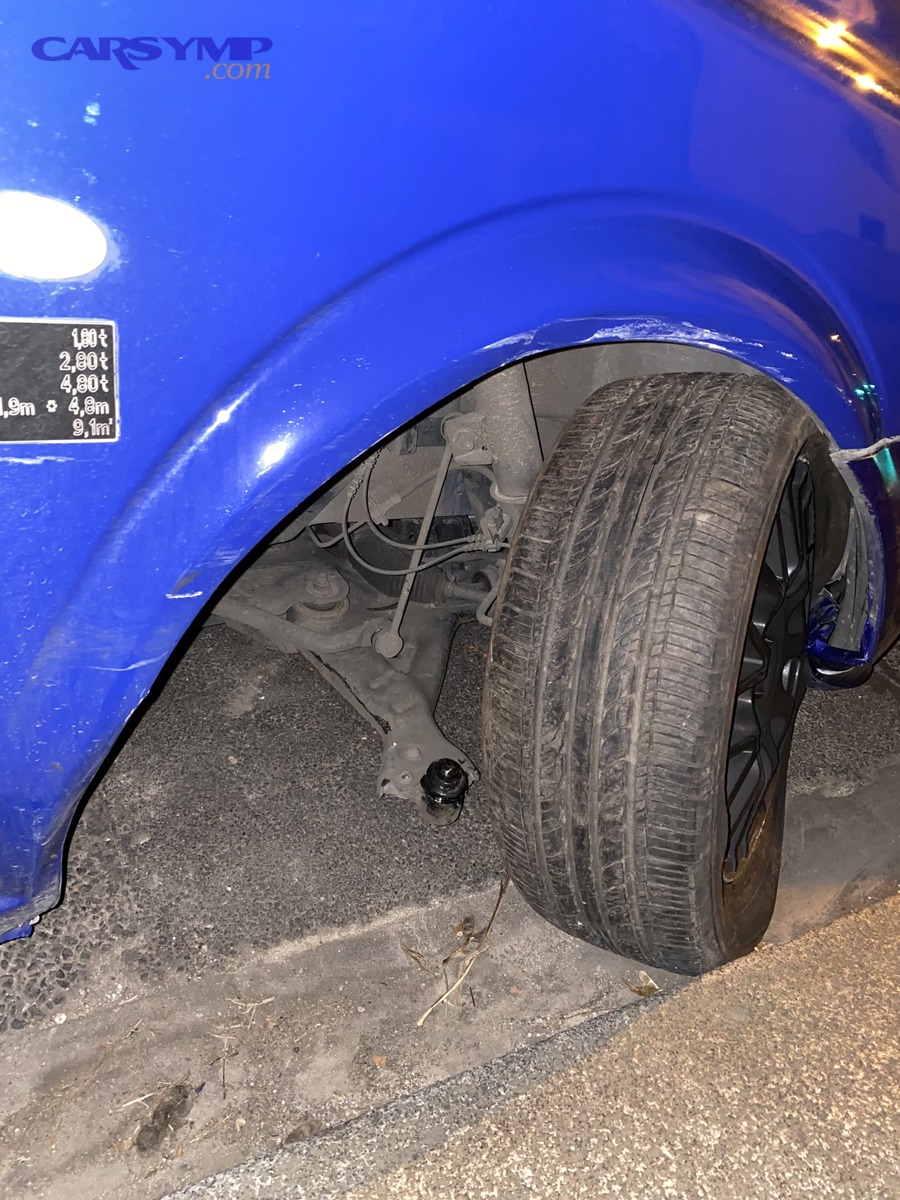
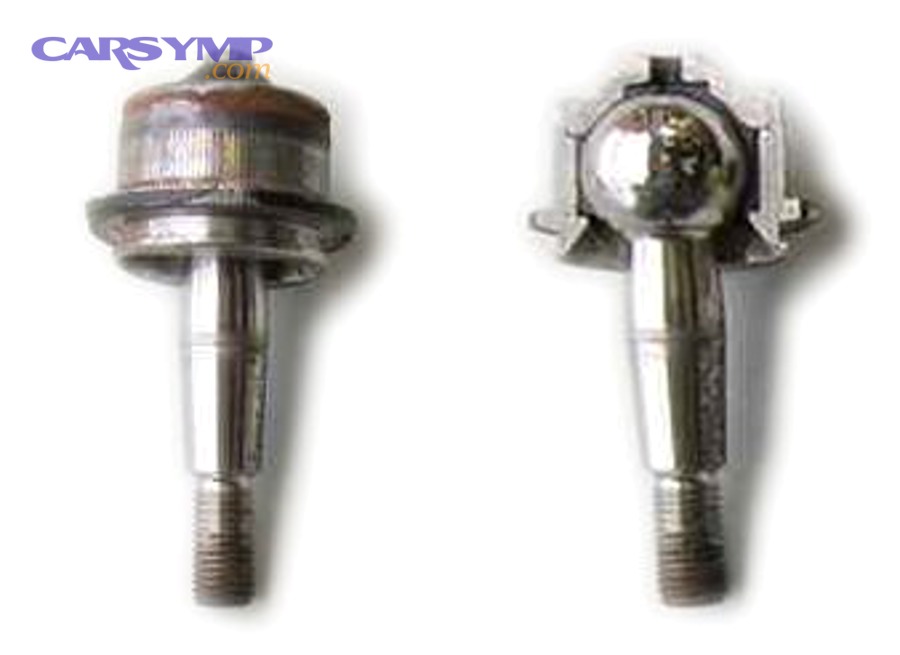
Remember that a failed joint can change wheel angle dramatically, as seen in real-world failure photos, so any abnormal geometry feel is a serious red flag.
When to re-check torque and hardware
Some procedures warrant re-checking torque after initial seating, especially if the joint was difficult to seat or if the design uses locking features that settle.
Next, inspect again after a short drive: look for boot grease weeping, moved cotter pins, or witness marks indicating movement at the taper interface.
According to research by MOOG from its educational guidance on ball joints, severe wear can lead to stud separation and immediate loss of control, which is why any post-repair looseness must be addressed immediately.
Contextual Border: when you move from “can I do it” to “should I do it”
The line is simple: if you cannot prove correct seating, torque, and safe support with your current tools and information, the smartest move is to stop—even if you’re halfway through.
After that border, the most helpful content is not another “step,” but rare edge cases and quick FAQs that prevent expensive mistakes.
Edge Cases, Pro Tips, and Quick FAQs
Edge case: oversized bores, repeat repairs, and the “it won’t press tight” problem
If a press-in joint feels too easy to install, that’s not good luck—it can mean the receptacle is worn or enlarged, and the joint may not retain correctly under load.
Next, don’t “fix” looseness with adhesives unless the service information explicitly allows it; the correct solution is usually a properly engineered fit strategy for that application.
Pro tip: how to avoid boot damage during separation and tightening
Use controlled separators when you want to preserve adjacent parts, and keep prying tools away from rubber; during tightening, visually confirm the boot lip sits evenly and is not pinched.
Next, if a boot is compromised, treat the joint as contaminated—because grit intrusion accelerates wear and can undo your work quickly.
Quick FAQ: “Do I always need an alignment afterward?”
Often, yes. If you disturbed any component that sets toe/camber/caster—like tie rod ends, strut-to-knuckle bolts, or control arm positioning—alignment is strongly recommended.
Next, even when the joint itself doesn’t “set” alignment, the removal process can shift relationship points and create tire wear or pull that you won’t notice until it’s severe.
Quick FAQ: “What’s the biggest single DIY mistake to avoid?”
Skipping verified torque and retention. Most catastrophic outcomes trace back to loose or incorrectly tightened fasteners, missing cotter pins, or improper seating.
Next, remember the real goal is not finishing fast—it’s finishing with proof: correct torque, intact boots, proper routing, and a controlled test drive.