


A reliable ball joint replacement cost estimate usually lands in the “few hundred dollars” range per joint, but the final number depends on how your suspension is built, how difficult the joint is to access, and what else needs attention at the same time.
To plan a realistic budget, you need to separate the quote into parts, labor, and add-on services (especially alignment), then match those line items to your car’s design and your local labor rates.
Next, you’ll learn how different suspension layouts, joint styles, and shop practices change pricing—so you can compare quotes without guessing.
Giới thiệu ý mới: below is a practical, step-by-step way to read estimates like a technician would, then decide what to fix now versus what can wait.
What is a typical ball joint replacement cost estimate for most drivers?
For many mainstream vehicles, a realistic estimate is roughly $200–$500 per joint, with the biggest swing coming from labor complexity and whether you’re replacing only the joint or the entire control arm assembly.
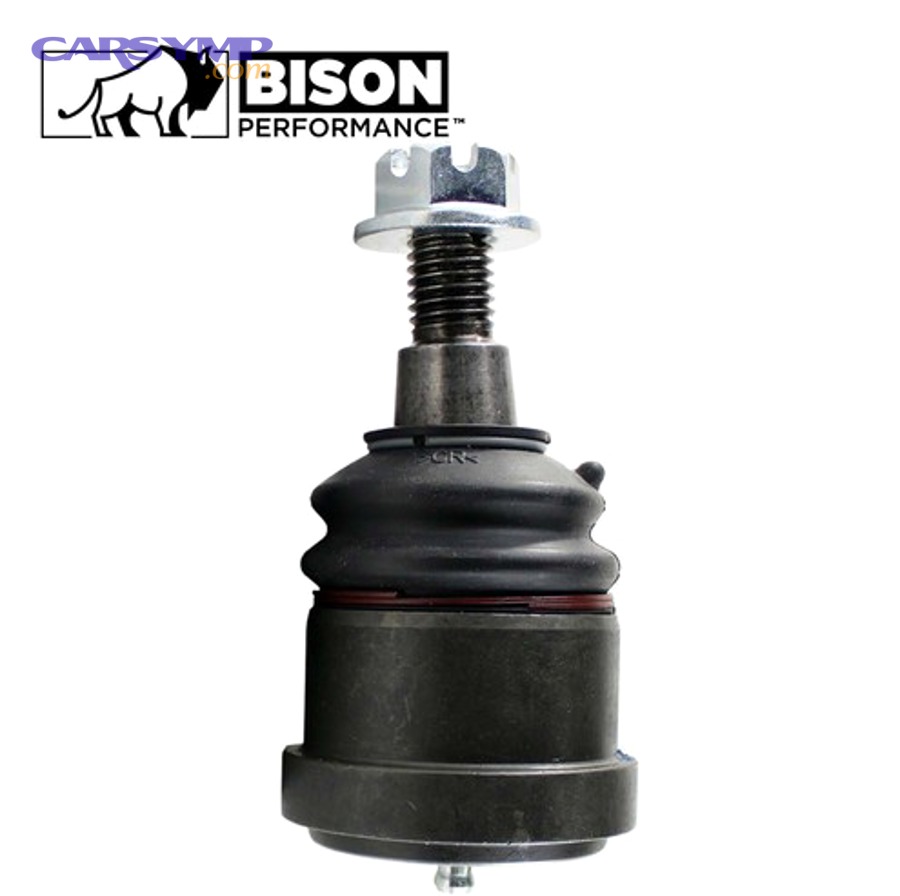
To connect the estimate to your car, start by identifying whether your joint is serviceable (joint-only) or packaged into a larger assembly, because that single detail can double the parts cost and change labor time.
Many public estimators show a national average range that helps you sanity-check a shop quote. Theo nghiên cứu của RepairPal từ bộ phận Fair Price Estimator, vào October 2025, chi phí trung bình cho dịch vụ này nằm trong khoảng $305–$471, trong đó labor $211–$310 và parts $94–$161.
However, treat any “average” as a starting point—not a verdict. A compact sedan with an easy-to-access bolt-on joint might be close to the low end, while a truck with press-in joints, rust, or seized hardware can land much higher.
To make the number actionable, ask the shop to confirm these three items in writing:
- Which joint(s) are being replaced (upper, lower, left, right).
- Parts type (standalone joint vs integrated arm/joint assembly).
- What’s included (alignment, shop supplies, taxes/fees, and any “related repairs”).
Once you have those line items, you can compare quotes fairly—because “$450” can mean completely different work depending on what’s bundled.
Which factors change your estimate the most: vehicle design, labor rate, or location?
All three matter, but vehicle design usually drives labor time first, and location drives the hourly rate—together they explain most price differences for the same job.
To see the “why” behind the quote, compare two shops’ labor calculations: if the hourly rate is similar but the hours are very different, your suspension layout and procedure complexity are likely the reason.
Labor rates vary widely by region and shop type, and suspension access determines how many billed hours the job requires. Theo nghiên cứu của J.D. Power từ nhóm Shopping Guides, vào July 2023, labor charges thường rơi vào khoảng $80–$200/giờ, và quy trình thay thế có thể mất 1–3 giờ tùy xe.
Here are the factors that most reliably move your estimate up or down:
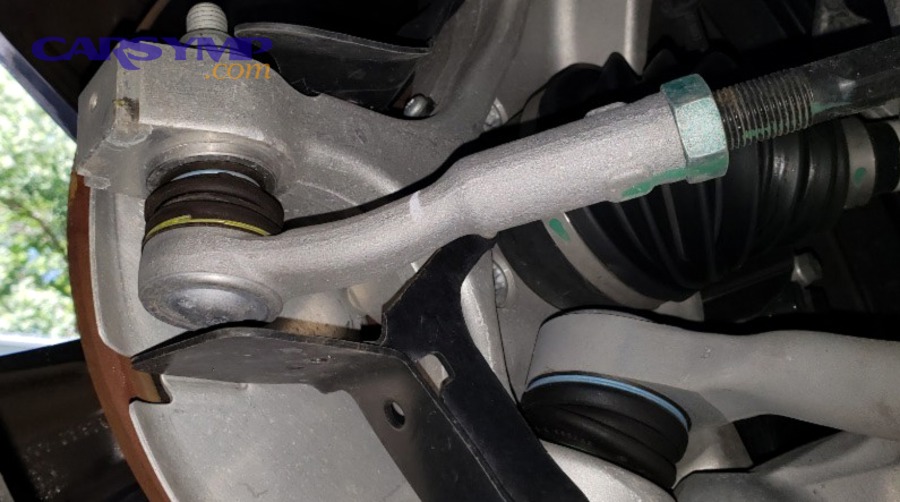
- Suspension architecture: MacPherson strut setups often have fewer upper joints (or none), while double-wishbone and many trucks can have upper and lower joints per side.
- Press-in vs bolt-in: Press-in joints can require special tools and careful seating; bolt-in joints tend to be quicker.
- Rust belt reality: Corrosion can turn a “routine” procedure into a fight—seized pinch bolts, frozen tapers, and damaged boots increase time.
- Shop specialization: A shop that does suspension daily can be more efficient (fewer hours) even if the hourly rate is higher.
Now that you know what moves the price, the next step is to understand what you’re actually buying when you choose parts—because parts selection is where the quote can quietly change from “joint-only” to “full assembly.”
How do parts choices (OEM, aftermarket, greaseable) reshape the total cost?
Parts selection changes cost by shifting you between joint-only replacement and assembly replacement, and by changing longevity—especially when comparing sealed versus greaseable designs.
To choose wisely, match the part to your goal: if you want maximum predictability and long-term fit, OEM-style parts can make sense; if you’re balancing budget and acceptable durability, quality aftermarket may be enough.
Most quotes “feel expensive” because owners underestimate how often modern vehicles package the joint into a larger assembly. Theo nghiên cứu của RepairPal từ bộ phận Estimator, vào October 2025, phần parts trung bình được ghi nhận trong khoảng $94–$161 (mang tính tham chiếu), nhưng chi phí thực tế có thể tăng mạnh nếu xe yêu cầu thay cụm lớn hơn.
Use this parts decision map to keep your estimate grounded:
- Standalone serviceable joint: The joint is sold separately; parts cost can be lower, but labor may be higher if it’s press-in and requires careful installation.
- Integrated control arm assembly: The joint comes attached to a new arm (often with new bushings). Parts cost rises, but labor can sometimes drop because it’s “remove/replace” rather than press-work.
- Greaseable vs sealed: Greaseable joints can be maintained and may last longer in harsh conditions if serviced properly; sealed joints are simpler but fully disposable.
To keep the quote honest, ask: “Is the recommended part a joint-only replacement, or a control arm assembly?” If a shop switches to a full arm without explaining why, you might be paying for convenience rather than necessity—unless the bushings or arm are worn too.
Next, let’s translate “labor” from a vague number into the specific steps that generate billed hours—because this is where estimates vary the most between vehicles.
Why can labor swing so much, and what does the shop’s billed time actually include?
Labor varies because the job can range from a straightforward bolt-on swap to a complex press-in procedure involving seized tapers, tight access, and safety-critical torqueing—plus any steps required to restore alignment and handling.
To decode labor, request an itemized estimate that shows hours for each operation, then compare those operations to your suspension type and the shop’s stated process.
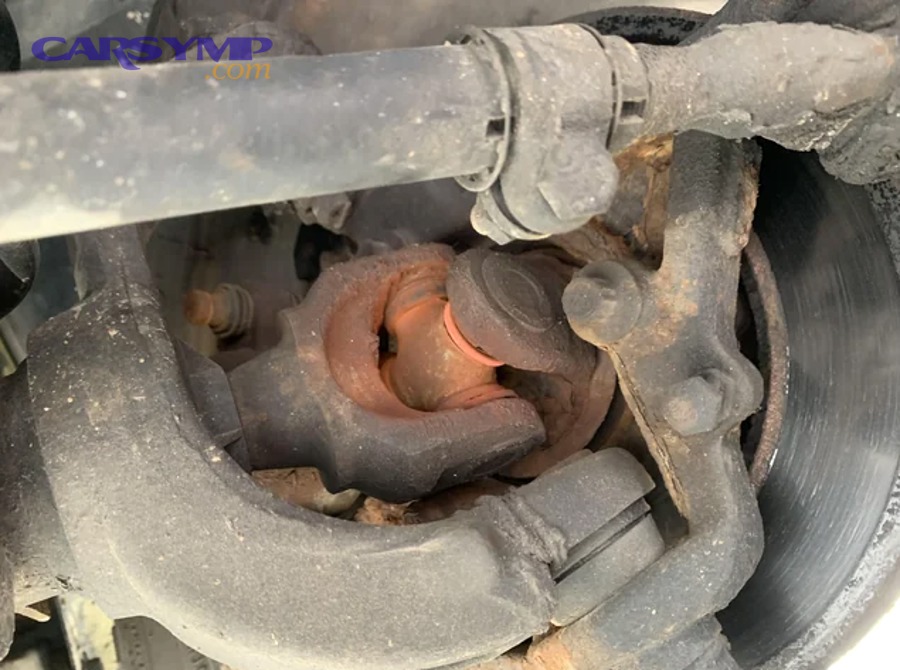
Many estimates summarize labor as a single number, but the “hidden” time often comes from safe disassembly and dealing with tensioned suspension components. Theo nghiên cứu của J.D. Power từ nhóm Shopping Guides, vào July 2023, quy trình thay thế thường mất khoảng 1–3 giờ, nhưng con số này có thể tăng khi vị trí khó tiếp cận hoặc cần thêm thao tác.
When you read a quote, look for these labor drivers:
- Access and disassembly: Wheel removal, brake hardware movement, sway bar link clearance, and opening space to separate the knuckle from the control arm.
- Taper separation: Separating the stud from the knuckle can be quick—or it can eat time if it’s seized.
- Press work: Pressing an old joint out and a new one in requires correct adapters and straight seating; mistakes risk premature failure.
- Hardware replacement: Cotter pins, pinch bolts, and one-time-use fasteners may be required for safety.
- Final checks: Torque-to-spec, boot inspection, and a steering/suspension verification test drive.
Here’s a practical trick: if the shop’s estimate includes a line item literally called “Ball joint replacement labor time”, ask what vehicle-specific labor guide they’re using and whether the time includes alignment or excludes it. That single question often reveals why one quote lists 2.0 hours while another lists 4.5 hours.
To avoid surprise charges, ask whether the estimate assumes “normal conditions” or includes contingency for corrosion. If your car has lived through winter salt, the realistic estimate should acknowledge that risk up front.
Next, we’ll connect cost to strategy—because replacing one joint now versus bundling both sides can change your total spend and your safety margin.
Should you replace one side or both, and what add-ons belong in the same visit?
In most cases, replacing both sides on the same axle is the most efficient choice when wear is age-related, because it reduces repeat labor, helps handling stay balanced, and makes alignment a single event instead of a recurring cost.
To decide confidently, treat the quote as a “bundle decision”: you’re not only buying parts—you’re buying labor access, alignment, and an opportunity to prevent uneven tire wear.
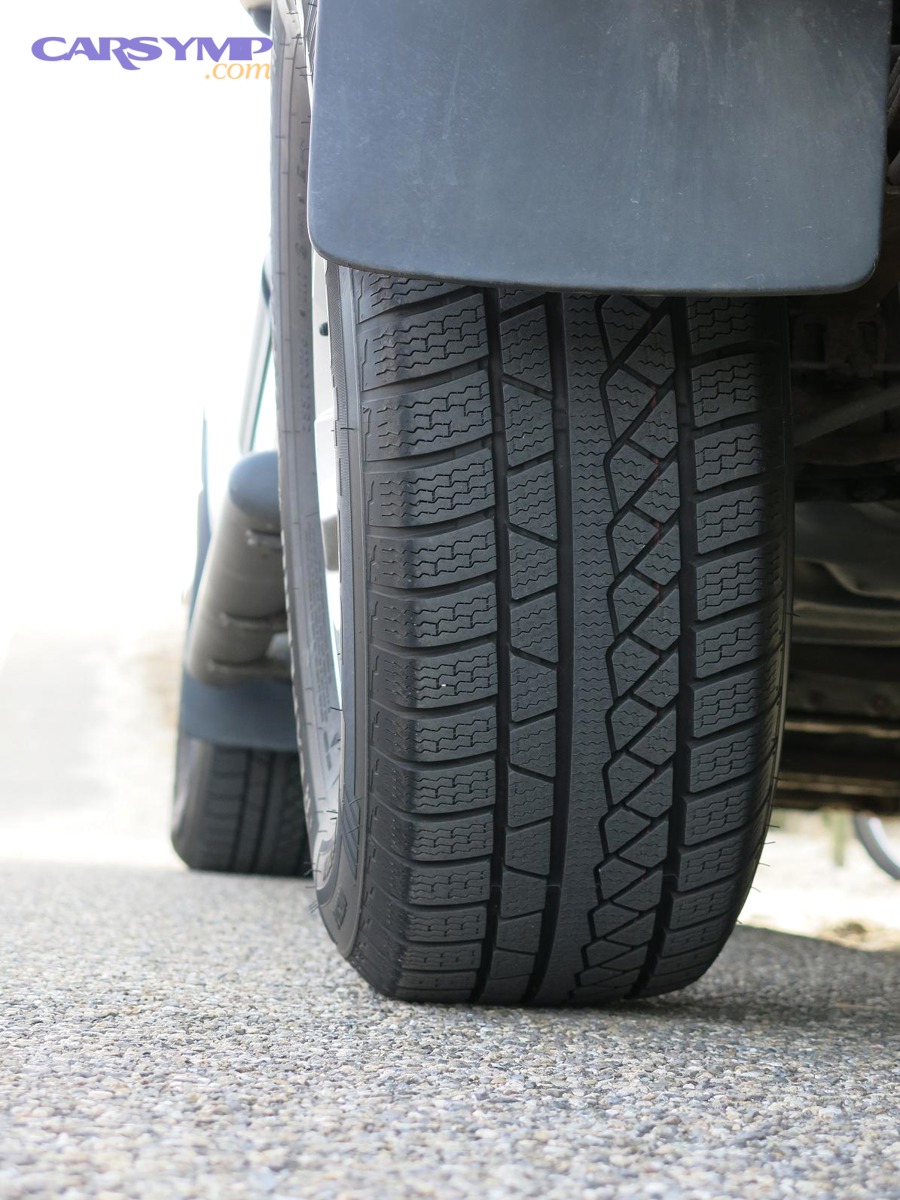
After suspension work, alignment is often the difference between a repair that “feels done” and one that quietly destroys tires over the next few months. Theo nghiên cứu của RepairPal từ bộ phận Repair Recommendations, vào October 2025, khuyến nghị phổ biến là thực hiện four-wheel alignment sau khi thay khớp cầu, và nếu lốp đã mòn lệch rõ rệt thì nên cân nhắc thay lốp.
These are the add-ons that most commonly belong in the same visit (and why):
- Alignment: Prevents pulling, uneven wear, and steering instability—especially after a joint that affects camber/caster movement.
- Control arm bushings inspection: If bushings are cracked or sloppy, installing a new joint alone may not restore stability.
- Tie rod end/steering link check: Play elsewhere can mimic joint wear; fixing only one piece can leave symptoms behind.
- Tire condition review: If abnormal wear already exists, alignment alone can’t restore a damaged tread pattern.
At this point, it’s helpful to connect pricing to diagnosis, because many owners get conflicting explanations: you hear “joint,” “tie rod,” and “control arm” tossed around interchangeably. If your notes include the phrase “Ball joint vs tie rod vs control arm diagnosis”, treat it as a reminder to confirm exactly which component has measurable play and how the shop verified it (lift test, pry bar test, boot condition, and movement direction).
Once the scope is clear, you can choose: do one side now if damage is isolated (impact, torn boot on one joint), or do both sides if wear is symmetric (age/mileage, both boots cracked, similar play).
Next, let’s focus on quote hygiene—how to verify a shop estimate, avoid paying twice, and keep warranty coverage meaningful.
How can you verify an estimate and avoid paying for “extra” work you don’t need?
You can validate a quote by demanding specific proof of looseness, an itemized parts list, and a clear explanation of what’s included—then comparing that to a second estimate from a shop that specializes in suspension and alignment.
To make comparisons fair, keep every quote aligned on the same scope: same sides, same parts type (joint-only vs assembly), and the same post-repair checks.
When a quote looks high, the problem is often not the repair—it’s the lack of transparency. Theo nghiên cứu của J.D. Power từ nhóm Shopping Guides, vào July 2023, phần chi phí có thể tăng bởi các dịch vụ bổ sung như wheel alignment (thường khoảng $50–$150) và các gói thay nhiều khớp có thể giảm chi phí labor nếu được gộp hợp lý.
Use this verification checklist:
- Ask for demonstration: With the vehicle lifted safely, ask the tech to show the play (direction and magnitude) and point to the joint boot condition.
- Demand itemization: Parts brand/part numbers, labor hours, shop supplies, and alignment as separate lines.
- Clarify “related repairs”: If they recommend an entire control arm, ask which bushing or mount failed and why joint-only replacement is not advised.
- Confirm warranty terms: Coverage length, what voids it (e.g., no alignment), and whether labor is covered or parts-only.
- Check symmetry logic: If one side is worn, ask whether the opposite side was inspected and what the measured result was.
Also watch for “estimate creep.” Shops may quote a low number, then add time for rust, seized hardware, or a damaged pinch bolt. A professional shop will warn you up front and include contingency language rather than surprising you at pickup.
If you’re comparing DIY versus shop repair, keep in mind that “ball joint replacement” is not just swapping a part—it’s restoring a safety-critical pivot point under load. A cheaper DIY parts bill can be wiped out by tool costs, errors in press seating, or having to redo the job later.
Next, we’ll address the question that often sits behind cost anxiety: safety and urgency—because the smartest estimate is the one you act on before the failure becomes dangerous or expensive.
When is it urgent, and what are the real risks of delaying the repair?
It becomes urgent when there is measurable play, a torn/leaking boot, or symptoms like clunking and wandering steering—because a severely worn joint can separate and cause sudden loss of control.
To prioritize correctly, think in terms of failure modes: a mildly worn joint may worsen gradually, but a compromised joint or hardware interface can fail abruptly—especially under bumps, braking, or turning loads.
Safety agencies have documented cases where ball-joint-related separations can lead to wheel movement outboard and vehicle control loss. Theo nghiên cứu của NHTSA từ tài liệu Safety Recall Report (24V-132), vào February 2024, rủi ro được mô tả là việc mất lực kẹp có thể dẫn đến UCA tách khỏi knuckle và wheel falling outboard, gây nguy cơ tai nạn “without prior warning.”
This is where many drivers ask a very specific question: “How long you can drive with a bad ball joint”. The safest answer is: it depends on severity, but you should avoid extended driving until it’s inspected and scheduled for repair—because the worst-case outcome is not “more noise,” it’s separation.
Use this urgency ladder:
- Stop driving (or drive only to a repair facility): visible boot failure with grease loss, obvious vertical play, severe clunking, steering instability, or uneven tire wear that’s rapidly worsening.
- Limit driving and schedule soon: mild-to-moderate play confirmed on inspection, early clunks over bumps, or consistent pulling that suggests alignment changes.
- Monitor but inspect regularly: no measurable play yet, but aging boots, minor noise that isn’t reproduced in testing, or borderline movement within spec.
Even if the vehicle still “drives fine,” delaying can increase total cost: a failing joint can accelerate tire wear, stress other suspension parts, and turn a single repair into a larger front-end rebuild.
After covering the main pricing and safety decisions, the remaining value is in the uncommon details that cause surprise invoices. The next section is a focused extension—use it to prevent cost traps rather than to learn basics.
Rare cost traps and smart strategies that keep your estimate predictable
Why “assembly replacement” can be cheaper overall than joint-only
Sometimes a control arm assembly costs more in parts but less in total because it bundles bushings and reduces complex press labor—especially when the old joint is seized or the arm is already worn.
To decide, compare two totals: joint-only parts + higher labor versus assembly parts + potentially lower labor. Theo nghiên cứu của RepairPal từ bộ phận Cost Breakdown, vào October 2025, phần labor thường chiếm tỷ trọng lớn trong tổng chi phí, nên giảm giờ công đôi khi tiết kiệm hơn so với cố giảm tiền phụ tùng.
Practically, assembly replacement is often the cleaner fix when the bushings are cracked, the arm is corroded, or your vehicle uses a design where joint-only service is technically possible but time-consuming and failure-prone.
How rust and seized hardware quietly add 30–90 minutes (or more)
Rust can turn simple steps—like separating a tapered stud or removing a pinch bolt—into the longest part of the job, and shops may add time if they must cut hardware or replace damaged fasteners.
To control this, ask the shop whether the estimate assumes “clean hardware” or includes a corrosion allowance. Theo nghiên cứu của NHTSA từ tài liệu Safety Recall Advanced Communication, vào February 2024, các chi tiết như pinch bolt bị hư hại có thể làm mất lực kẹp—đây là ví dụ điển hình cho thấy hardware không chỉ ảnh hưởng thời gian mà còn liên quan trực tiếp tới an toàn.
A good shop will warn you about the rust-belt premium, and a great shop will show you the hardware condition before proceeding with extra labor.
Why alignment is not optional when symptoms included tire wear or pull
If your original symptoms include uneven tire wear, pull, or wandering steering, skipping alignment risks turning your new parts into a temporary bandage while tires continue to wear incorrectly.
To link the cost to outcomes, treat alignment as insurance: it protects tire life and verifies that the front end is stable after the repair. Theo nghiên cứu của J.D. Power từ nhóm Shopping Guides, vào July 2023, wheel alignment sau thay thế thường được nêu trong khoảng $50–$150, và việc bỏ qua có thể làm tăng chi phí dài hạn do mòn lốp.
If a shop recommends alignment, ask whether they will include a printout (before/after) to prove the angles were corrected—this also helps if you need warranty support later.
DIY savings are real, but the safety and tool costs can erase them
DIY can lower the bill, but it also shifts risk to you: improper press seating, wrong torque, or damaged boots can cause early failure—and tool costs (press kits, stands, torque wrench) can narrow the savings.
To decide responsibly, compare your total DIY cost (parts + tools + alignment) with a shop quote that includes warranty. Theo nghiên cứu của RepairPal từ bộ phận DIY Guidance, vào October 2025, nhiều trường hợp được đánh giá là mức độ DIY trung bình và cần đặc biệt cẩn trọng khi làm việc với các bộ phận có lực căng và yêu cầu nâng đỡ xe an toàn.
If you still plan to DIY, do not treat the job as “just a part swap.” You’re restoring steering geometry and a load-bearing pivot—small mistakes have outsized consequences.
FAQ
What should an itemized estimate include so I can compare shops fairly?
A fair estimate should list parts brand/type (joint-only vs assembly), labor hours, hourly rate, shop supplies/fees, and whether alignment is included; if anything is bundled, ask the shop to break it out so you can compare apples to apples.
Is the average price per joint or per axle?
Most public ranges are shown per repair operation and may reflect replacing one joint, but many real-world invoices are per side or per axle because shops often recommend doing both sides together; confirm exactly which joints are included before you compare totals.
Does replacing the joint always fix clunking and vibration?
Often it helps, but not always—because similar symptoms can come from worn bushings, tie rods, wheel bearings, or strut mounts; insist on a demonstrated diagnosis of looseness and a post-repair road test to confirm the symptom is resolved.
How do I know whether I’m paying for quality parts or just a higher markup?
Ask for the part number, warranty terms, and whether the part is greaseable or sealed; a reputable shop will explain why they chose that part and how it fits your use case (commuting, heavy loads, rough roads) rather than hiding behind a generic “premium” label.