


Preventing future punctures is one of the most valuable investments any cyclist can make — not just in equipment, but in knowledge and habit. Flat tyres are not purely bad luck. The majority of punctures are predictable, and with the right combination of tyre choice, inflation management, maintenance routines, and riding technique, most cyclists can dramatically reduce how often they experience a flat. This guide brings together every proven method, from the most foundational fixes to the most advanced system upgrades, to help you ride further and stop more often by choice rather than by necessity.
Understanding what causes a puncture is the essential starting point, because prevention only works when it targets the right problem. There are two fundamentally different puncture types — penetration flats caused by sharp objects cutting through the tyre casing, and pinch flats caused by impact — and each one requires a different set of countermeasures. Getting clear on which type you are experiencing most often will sharpen every decision you make afterward, from which tyres you buy to how you set your pressure.
Equipment plays a decisive role in puncture prevention, and the gap between a puncture-prone tyre and a puncture-resistant one is far larger than most new cyclists expect. The type of tyre, the construction of the inner tube, and whether you choose to use sealant or a liner all compound together to either protect or expose your ride. Understanding how each product works — and more importantly, what its limits are — allows you to build a layered defence rather than relying on a single solution.
Maintenance and riding habits are the often-overlooked dimensions of puncture prevention that no product can fully replace. Regularly inspecting your tyres for embedded debris, monitoring tread wear, and choosing your road line thoughtfully all reduce puncture risk in ways that cost nothing but attention. Below, this guide covers every layer of puncture prevention in full — from the root causes to the most advanced tubeless and sealant systems available today.
What Actually Causes Punctures on a Bike?
A puncture occurs when a foreign object or impact force breaches the tyre casing and creates a hole in the inner tube, causing air to escape — either slowly or suddenly — depending on the size and nature of the damage.
To understand prevention, it helps to first understand the mechanism. There are two primary puncture types, and recognising which one you are dealing with is the foundation of every prevention strategy that follows.
A penetration puncture happens when a sharp object — a piece of glass, a nail, a thorn, or a fragment of flint — cuts through the outer tyre rubber, works its way through the casing, and eventually pierces the inner tube. These punctures can be immediate if the object is large enough, or gradual if a small fragment embeds in the tread and slowly works inward under the rolling pressure of each rotation. A slow leak is often the result of a tiny penetration that took days to fully breach the tube, while a sharp nail will cause near-instant deflation.
An impact puncture, commonly called a pinch flat or snakebite flat, operates entirely differently. It requires no sharp object at all. Instead, it occurs when the tyre is compressed so forcefully — typically by hitting a pothole, kerb, root, or sharp edge — that the inner tube gets momentarily trapped and squeezed between the tyre casing and the rim. The result is a distinctive pair of parallel slits in the tube, resembling a snakebite. This type of flat is especially common in under-inflated tyres, because a softer tyre has less resistance to that full compression.
What Is a Pinch Flat and Why Does It Keep Happening?
A pinch flat is a type of impact puncture where the inner tube is compressed against the rim during a sudden impact, creating two small parallel holes — the defining “snakebite” pattern — without any sharp object being involved.
If you are getting repeated pinch flats, the most likely explanation is chronically low tyre pressure. An under-inflated tyre does not have enough air volume to cushion the impact of obstacles, which means the tube reaches the rim with every significant bump. The fix is consistent pressure management. However, the terrain you ride also matters: cobblestones, potholed urban roads, rocky MTB trails, and dropped kerbs are all high-risk environments for pinch flats regardless of pressure, because the impact forces involved can exceed what any reasonable inflation level can absorb.
Why Do Some Cyclists Get More Punctures Than Others?
Some cyclists get more punctures than others because of a combination of tyre quality, route choice, inspection habits, and riding technique — not simply bad luck.
Tyre age and condition are significant contributors. Worn rubber is thinner and offers less resistance to penetration. A tyre that has covered thousands of kilometres may look acceptable at a glance but have tread worn thin enough that glass barely needs to work to reach the tube. Route selection also matters enormously — a cyclist who regularly rides through debris-heavy gutters and post-storm roads will puncture far more frequently than one who rides on clean, well-maintained surfaces. Beyond these factors, the cyclist who never inspects their tyres between rides is accumulating embedded glass and flint across multiple sessions, setting up a series of punctures that feel random but are entirely traceable to an overlooked inspection habit.
Does Tyre Pressure Really Prevent Punctures?
Yes, correct tyre pressure is one of the single most effective puncture prevention measures available, because it directly eliminates the conditions that cause pinch flats and reduces tyre deformation around sharp objects.
Maintaining the right pressure keeps the tyre casing firm enough to resist compression under impact, which removes the primary cause of pinch flats. It also keeps the tyre profile consistent, ensuring the contact patch behaves as the manufacturer intended. Both under-inflation and over-inflation carry risks, which makes a pressure gauge a genuinely essential piece of kit — not an optional extra.
The table below outlines the recommended pressure ranges by bike type, which serve as a practical starting baseline for most riders.
| Bike Type | Recommended PSI Range | Key Puncture Risk at Wrong Pressure |
|---|---|---|
| Road bike | 100–140 psi | Under-inflation: pinch flats; Over-inflation: tyre damage from vibration |
| Mountain bike | 30–50 psi | Under-inflation: rim strikes; Over-inflation: reduced grip, harsh impact transfer |
| Urban / commuter | 60–80 psi | Under-inflation: pinch flats on kerbs and potholes |
Always check the tyre sidewall for the manufacturer’s specific recommended range, as these figures vary between tyre models and constructions. Add your body weight as a variable — heavier riders should run closer to the upper end of the recommended range to maintain adequate casing stiffness.
How Often Should You Check Your Tyre Pressure to Avoid Flats?
Tyre pressure should be checked before every road ride, at minimum weekly for mountain bikes and commuters, and recalibrated seasonally to account for temperature-driven pressure changes.
Specifically, butyl inner tubes lose approximately 1–3 psi per day under normal conditions, which means a road tyre that was correctly inflated on Monday morning may be noticeably soft by Thursday. Latex tubes lose pressure even faster. For mountain bikers, where the consequences of a pinch flat can include a crash on technical terrain, a pre-ride squeeze and gauge check is a low-effort habit with a high safety return. In cold weather, air pressure drops as temperatures fall — a tyre correctly inflated at 20°C in a warm garage may lose several psi by the time you reach a cold road, making temperature-adjusted inflation especially important during winter training months.
What Are the Best Tyre Types for Preventing Future Punctures?
There are four main tyre categories for puncture prevention — road racing, endurance/training, winter/commuter, and MTB-specific — each offering a different balance of protection, weight, and rolling performance based on the demands of the intended use.
The construction of a tyre is the single biggest factor in its puncture resistance. Manufacturers achieve this through a range of technologies: Kevlar reinforcement belts sandwiched between the tread and casing, bead-to-bead protective layers that extend protection to the sidewall, and thicker rubber compounds under the tread contact area. The trade-off is weight and, in some cases, a modest rolling resistance increase — both of which are inconsequential for everyday riders but meaningful for competitive racing.
Are Puncture-Resistant Tyres Worth It for Everyday Riders?
Yes, puncture-resistant tyres are absolutely worth it for everyday riders, commuters, and training cyclists, because the protection gains substantially outweigh the minor weight and speed penalties in any non-racing context.
For a cyclist commuting to work or completing weekend sportives, the weight difference between a race tyre and a training tyre with a Kevlar belt is rarely perceptible during the ride. However, the difference in flat frequency is significant. Experienced commuters report puncture intervals extending from every few hundred kilometres on race-spec tyres to well over 3,000 kilometres on quality training or commuter tyres with reinforced belts. The cost of puncture-resistant tyres is also quickly offset by the reduced consumption of inner tubes, patches, and the time cost of roadside repairs — a practical consideration that is easy to underestimate.
Which Tyre Is Better for Puncture Prevention: Road vs. Training vs. Winter?
Winter and commuter tyres offer the best puncture protection, training and endurance tyres offer the best balance of protection and performance, and road racing tyres prioritise weight and speed at the direct expense of puncture resistance.
To put this in concrete terms: a summer road racing tyre may use 0.6mm of rubber in the tread area and offer minimal puncture belt protection, designed to be as light and fast-rolling as possible. A training or endurance tyre from the same brand will typically use 1mm or more of rubber and incorporate a reinforced belt, accepting a small weight penalty for considerably greater durability. A winter or commuter tyre pushes protection further still, often using bead-to-bead reinforcement and harder, more abrasion-resistant compounds to handle the glass-strewn, debris-heavy conditions of winter roads and urban routes. For a tyre puncture repair situation to be a rarity rather than a regularity, matching the tyre to the actual riding conditions is the simplest and most impactful upgrade available.
What Inner Tube Options Help Prevent Punctures?
There are four main inner tube options for puncture prevention: standard butyl tubes, thicker thorn-resistant tubes, pre-slimed sealant-filled tubes, and latex tubes — each offering a different level of protection and performance trade-off.
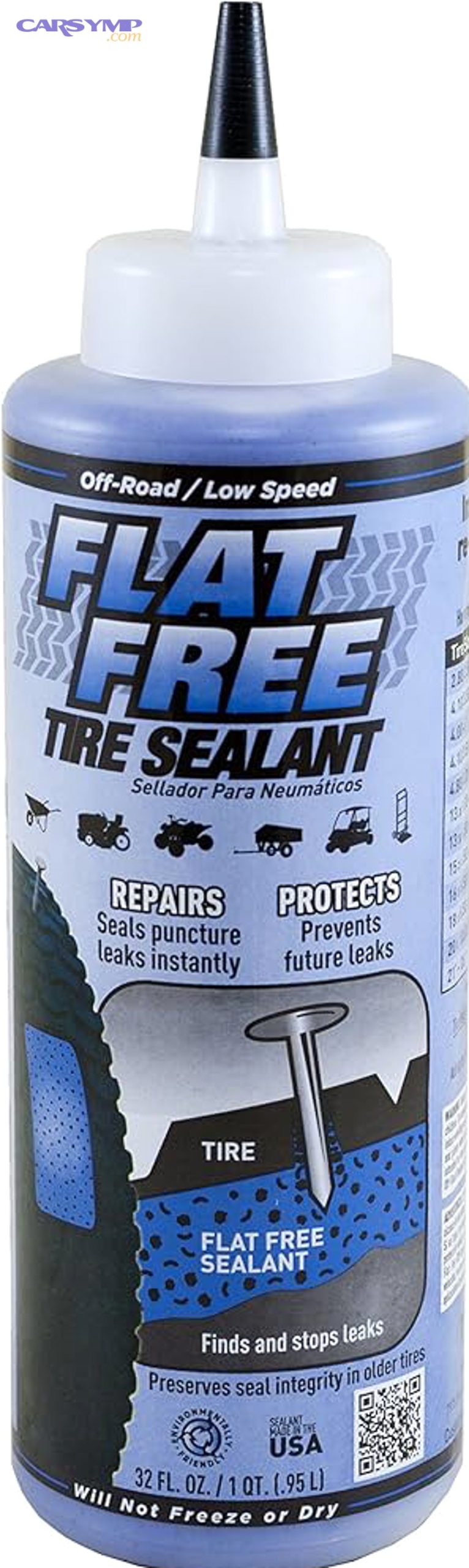
The inner tube is often overlooked as a prevention variable because most attention goes to the outer tyre. However, the tube is the component that actually fails in a penetration puncture, and upgrading it is frequently one of the most cost-effective prevention improvements available.
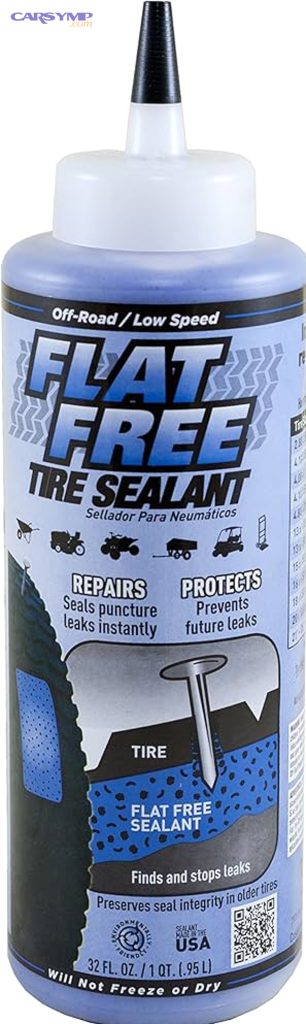
Do Sealant-Filled Inner Tubes Actually Stop Punctures?
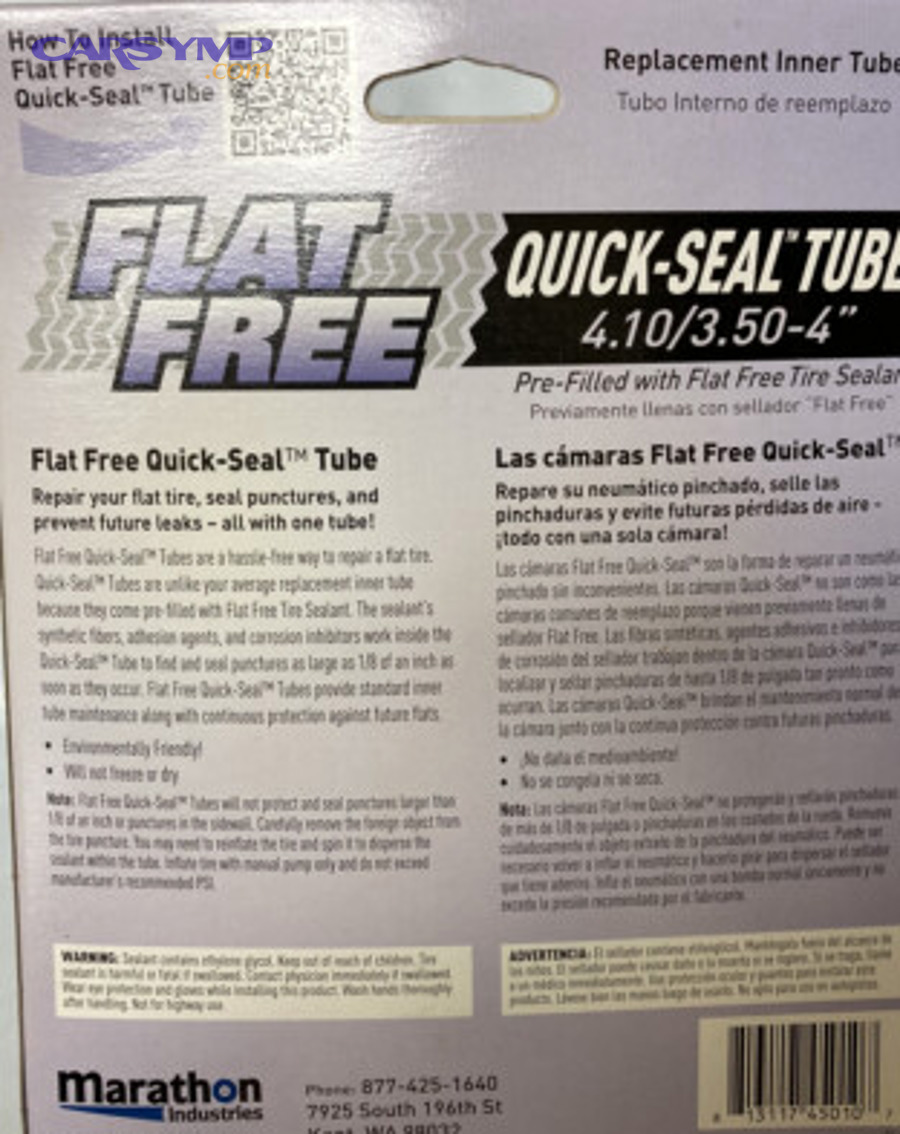
Yes, sealant-filled inner tubes genuinely prevent many small penetration punctures by sealing holes automatically as they form, though they are not effective against pinch flats, large gashes, or sidewall cuts.
The mechanism relies on liquid sealant — either mechanical (containing small rubber fibres or particles) or latex-based — coating the inside of the tube. When a small sharp object creates a hole, air pressure forces the sealant into the breach, where the particles or latex solidify and seal the leak before significant air loss occurs. Mechanical sealants are effective for longer periods but only plug rather than permanently repair holes, meaning a plugged hole can reopen during re-inflation. Latex-based sealants create a more durable repair but degrade over time — typically becoming ineffective within a few months — requiring periodic replacement.
For cyclists considering a DIY puncture repair kit as a backup for rides, it is worth noting that sealant-treated tubes often complicate traditional patch repairs, as the sealant coats the inner surface and can prevent patch adhesive from bonding correctly. Using pre-slimed tubes as prevention does not eliminate the need to carry repair tools, but it meaningfully reduces the frequency with which those tools are needed.
Should You Use Tyre Liners to Prevent Punctures?
Yes, tyre liners can be an effective supplementary puncture prevention tool in high-debris environments, though they add meaningful weight and carry a small risk of internal abrasion if they shift during riding.
A tyre liner is a thin strip of extruded plastic that sits between the outer tyre and the inner tube, adding a physical barrier that sharp objects must penetrate before reaching the tube. They are most valuable for urban commuters riding through glass-heavy routes, cyclists in thorn-prone rural areas, and cargo or utility bike riders where ride weight is not a concern. The weight addition — typically 6 ounces or more per pair — is noticeable on performance bikes and adds measurably to rolling resistance. The installation must also be done carefully to ensure the liner sits flat and does not shift or fold during use, as a displaced liner edge can cause abrasion punctures from the inside — the exact problem it was meant to prevent. For riders in areas with exceptional debris levels, liners combined with a good training tyre and correct pressure represent a robust layered approach.
How Do You Inspect and Maintain Tyres to Avoid Future Flats?
Tyre maintenance for puncture prevention involves three consistent practices: post-ride debris inspection, regular tyre wear assessment, and rim tape condition checks — all of which catch developing problems before they become roadside failures.
Most punctures that cyclists experience as “random” are in fact the result of something that could have been caught during a two-minute inspection. Glass fragments embed in tread and work inward gradually; deep cuts in the casing weaken the tyre’s structural resistance; and worn tread reduces the distance a sharp object must travel before reaching the tube. Building a simple inspection habit removes the randomness from the puncture equation.

What Should You Look for When Checking Your Tyres for Puncture Risk?
There are four key things to check when inspecting tyres for puncture risk: embedded sharp objects in the tread, tread depth and wear patterns, sidewall condition, and rim tape coverage over spoke holes.
Embedded debris is the most time-sensitive issue. A fragment of glass lodged in the tread has not yet caused a puncture — but it will, usually within the next few rides, as rolling pressure pushes it deeper with each rotation. The best time to check is immediately after a ride, before the next session. Run a finger lightly across the tread to feel for anything that should not be there, then use a pin, nail, or small tool to flick the fragment out — directing it away from your face as you do. Any resulting hole that reaches the casing canvas should be taken seriously.
Tread wear is assessed by looking for flattened patches, thinning rubber, or the appearance of the casing threads beneath the surface. Worn tyres provide dramatically less penetration resistance and should be replaced promptly rather than nursed through additional kilometres.
Sidewall condition matters because sidewall punctures are often unrepairable and can result in sudden, dangerous deflation. Cracks, bulges, or cuts that expose the canvas are immediate replacement indicators.
Rim tape is frequently overlooked but protects the inner tube from metal spoke nipples, sharp rim edges, and spoke hole burrs. A rim tape that has shifted, torn, or degraded leaves the tube exposed to mechanical damage from the inside — a cause of unexplained repeat punctures that is easily missed without a full inspection.
When Should You Replace Your Tyres to Prevent Repeat Punctures?
Tyres should be replaced when visible canvas appears in the tread, when cuts reach the casing, when sidewall cracking is present, or when puncture frequency suddenly increases for no clear external reason.
Beyond these structural indicators, inner tubes also benefit from routine replacement. As a general maintenance standard, replacing inner tubes annually during a full service removes the risk of tube degradation — micro-cracks, valve stem weakening, and rubber thinning from age — contributing to vulnerability. A tube that has been patched multiple times is also structurally weaker than a new one, and cycling on a tyre and tube combination that are both aged increases cumulative puncture risk significantly. When evaluating How long a repaired tire lasts, most professional mechanics note that a properly patched inner tube can remain functional for hundreds of kilometres, but a tyre whose casing has been compromised should not be trusted for extended use regardless of how the tube beneath it has been treated.
What Riding Habits Help Prevent Punctures in the Future?
There are five core riding habits that help prevent future punctures: correct road line selection, forward hazard scanning, group hazard communication, controlled impact absorption technique, and speed management on debris-risk surfaces.
Equipment provides the foundation, and maintenance maintains it — but riding habits determine how much stress that equipment faces in the first place. Two cyclists on identical bikes can have dramatically different puncture rates depending purely on how they ride. These habits cost nothing, require no tools, and improve with practice.
Does Where You Ride on the Road Affect How Often You Get Punctures?
Yes, road position directly affects puncture frequency because glass, grit, and debris concentrate heavily in road gutters, edges, and areas of low traffic flow — the exact zones many cyclists default to riding through.
The gutter is the most debris-dense part of the road. Rain washes glass, flint, and sharp particles to the edges, where they accumulate undisturbed. Meanwhile, the tyre tracks left by cars represent a slightly more compressed, smoother tarmac surface that also benefits from the mechanical sweeping effect of repeated car tyre contact. Riding in these tracks — where it is safe to do so — exposes your tyres to less debris and, often, a marginally better road surface. On single-track rural roads, debris can also accumulate in the crown of the road if traffic is light. The practical habit is to scan for debris concentration and ride the cleanest available line, which requires looking further ahead than most new cyclists instinctively do — at least 10 to 15 metres, rather than just in front of the wheel.
Can Riding Technique Alone Reduce Your Puncture Rate?
Yes, riding technique — particularly impact absorption and obstacle avoidance — measurably reduces puncture frequency, especially pinch flats on rough terrain and pothole-heavy roads.
The technique known as “riding light” involves using the arms and legs as shock absorbers, actively unweighting the bike over obstacles rather than sitting rigidly and letting the full impact transfer directly to the rim. On a mountain bike, this is a core skill taught early. On a road bike, it is less commonly discussed but equally valuable — a rider who lifts slightly out of the saddle and bends their elbows to absorb a pothole impact can reduce the force transferred to the rim by a meaningful amount, directly reducing the pinch flat risk of that impact. At the more advanced end, the ability to bunny-hop a pothole entirely removes the risk of that impact causing any flat at all. Even without that skill, approaching known hazards at reduced speed and with a controlled, stable body position reduces both the impact force and the probability of catching the worst part of the hazard at the worst angle.
Is a Tubeless Tyre System the Most Effective Long-Term Solution for Preventing Punctures?
Yes, a tubeless tyre system is the most comprehensive long-term puncture prevention solution currently available to cyclists, because it simultaneously eliminates pinch flats entirely and provides automatic sealant-based protection against the majority of penetration punctures.
By removing the inner tube from the equation, tubeless tyres remove the component that actually fails in a pinch flat. There is no tube to be compressed against the rim. In addition, the liquid sealant that coats the inside of a tubeless tyre seals small penetration holes — from thorns, glass fragments, and small nails — before meaningful air loss occurs, often without the rider noticing anything happened at all. This dual protection addresses both primary puncture types simultaneously.
The trade-offs are real and should be considered honestly. Tubeless setup is more involved than fitting a standard tube — it requires tubeless-ready rims and tyres, valve stems, rim tape, and sealant, and the initial setup can be messy. Sealant maintenance is an ongoing requirement: the liquid degrades over time and must be topped up or replaced to remain effective. Changing tubeless tyres to suit trail conditions — swapping between a wet-weather and dry-weather tyre, for example — is more inconvenient than swapping a tubed tyre. For mountain biking, where the advantages of pinch-flat elimination on technical terrain are the greatest, these trade-offs are widely considered well worth accepting. For road cycling, the adoption of tubeless has grown substantially in recent years as rim and tyre compatibility has improved and the setup process has become more straightforward.
How Does Tubeless Sealant Prevent Punctures Differently Than Tube Sealant?
Tubeless sealant prevents punctures differently from tube sealant because it coats the entire inner tyre casing directly — not a tube — allowing it to reach and seal holes in both the tread and the sidewall zone more effectively, though it degrades faster and requires more active maintenance.
In a tube sealant setup, the liquid fills the inner tube and seals holes from the inside of the tube. In a tubeless setup, the sealant is in direct contact with the inner surface of the tyre casing itself. This means it can respond to punctures across the full tyre surface, including areas where a tube sealant might not circulate effectively. Latex-based tubeless sealants — the most common type — permanently seal holes by solidifying in the breach, but their working lifespan is approximately 2–7 months depending on conditions and climate, after which they dry out and lose effectiveness. Regular riders in warm, dry climates may need to replenish sealant more frequently than those in cooler, wetter environments where the sealant dries more slowly.
What Is the Difference Between Latex and Butyl Inner Tubes for Puncture Resistance?
Latex inner tubes offer higher puncture resistance through elastic deformation around sharp objects, while butyl tubes offer greater convenience, affordability, and air retention — making butyl the better choice for most everyday riders and latex the better choice for performance-focused cyclists who accept its maintenance demands.
The Plug vs patch repair comparison becomes relevant here in a specific way: latex tubes, due to their elasticity, can stretch around small sharp objects rather than being immediately pierced, which is the primary mechanism behind their puncture resistance claims. However, latex loses air pressure quickly — requiring daily inflation — is more expensive than butyl, and offers no guarantee of puncture prevention. Butyl tubes in standard 1mm thickness are the reliable everyday choice. Super-lightweight butyl variants with 0.6mm walls offer weight savings but significantly increase vulnerability, making them appropriate only for race-day use where every gram counts and the risk of a flat is accepted as part of the trade-off.
Does Rim Tape Actually Prevent Punctures — and Which Type Is Best?
Yes, rim tape genuinely prevents punctures by creating a barrier between the inner tube and the spoke holes, rim edges, and metal burrs that would otherwise cause abrasion damage from the inside — and tubeless-specific tape offers the best combination of durability and sealing performance.
Rim tape is one of the most overlooked components in the puncture prevention system. Every spoke hole in a rim creates a potential puncture point — a sharp edge or metal burr that the inner tube presses against under inflation pressure and with every bump. Cloth rim tape is the traditional solution and works adequately for standard tubed setups. Plastic rim tape is more durable and easier to replace. For tubeless setups, a dedicated tubeless rim tape is required, as it must create an airtight seal across the rim bed to maintain pressure without a tube. This tape is typically wider, more adhesive, and more robust than standard options. Rim tape should be inspected and replaced any time a tyre is removed for a full service — it is a low-cost component that is cheap to replace and expensive to ignore.
Are Solid Tyre Inserts or Foam Inserts a Realistic Puncture-Free Alternative?
Solid tyre inserts and foam inserts are a realistic puncture-free alternative for specific use cases — primarily urban commuting, cargo bikes, and e-bikes in high-debris environments — but they are not suitable for performance road or mountain bike riding due to their significant handling and comfort penalties.
Solid inserts replace the air entirely, meaning there is genuinely no air to lose and no tube to puncture. This makes them mechanically immune to both penetration and pinch flats. However, the absence of air also removes the primary damping mechanism of a tyre. The ride becomes noticeably harsher, rolling resistance increases, and handling — particularly cornering feel and traction — changes in ways that most performance cyclists find unacceptable. For a delivery rider covering urban kilometres at low speed, these trade-offs are easily acceptable. For a road cyclist or mountain biker where ride quality, speed, and handling precision matter, solid inserts remain a last resort rather than a practical upgrade. It is also worth noting that some foam insert systems — designed for MTB use — are positioned not as full tyre replacements but as rim protection tools used alongside tubeless tyres, providing a physical buffer that prevents rim strikes even when the sealant cannot seal a hole fast enough, and allowing a controlled, rideable deflation rather than a sudden flat.
In summary, preventing future punctures is not a single fix but a layered system: the right tyre for the conditions, inflation maintained consistently within the correct range, an inner tube or tubeless setup that adds a further barrier, regular inspection to catch embedded debris before it causes a problem, and riding habits that reduce the stress placed on every component. Each layer compounds the others — a well-inflated puncture-resistant tyre with sealant, ridden with attention to road surface and line choice, represents a combination that reduces the puncture rate to a fraction of what an unprotected setup would experience. Whether you are a daily commuter, a weekend road rider, or a technical mountain biker, every one of these principles applies — scaled to your context, your terrain, and the riding you actually do.