


A tire puncture repair typically costs between $10 and $50 at most shops, though the final price depends heavily on the type of repair performed, the location of the damage, and where you take your vehicle. For a simple plug, drivers often pay as little as $5 to $20. A professional internal patch runs $10 to $30, while the industry-preferred patch-plug combo lands between $20 and $50. In the worst-case scenario — when the damage is unrepairable — a full tire replacement can cost anywhere from $50 to over $300.
Understanding the difference between repair methods is just as important as knowing the price range. A plug is a quick, inexpensive fix inserted from the outside of the tire, while a patch requires dismounting the tire to bond a rubber seal to the inner liner. The patch-plug combo combines both techniques and is widely considered the most reliable permanent solution. Each method carries a different cost, a different level of durability, and a different set of use cases that drivers should weigh before authorizing any repair.
Not every punctured tire can be fixed — and knowing when to repair versus replace can save you from wasting money on a temporary fix or, worse, risking a blowout on the highway. Factors like puncture size, damage location, remaining tread depth, and the tire’s overall condition all determine whether a repair is even possible. A puncture in the tread center under ¼ inch is almost always repairable; one in the sidewall almost never is.
Beyond the decision to repair or replace, there are real, practical ways to reduce or completely eliminate your out-of-pocket cost. Road hazard warranties, national chain repair policies, big-box membership benefits, and DIY plug kits all offer paths to cheaper — or even free — tire puncture repair. Below is a complete breakdown of everything you need to know before walking into a tire shop.
What Is a Tire Puncture Repair — and What Does the Service Actually Include?
Tire puncture repair is a professional auto service — classified under tire maintenance — that restores an air-tight seal in a punctured tire using one of three primary methods: a plug, a patch, or a combination of both, depending on the size and location of the damage.
To better understand why prices vary so widely, it helps to know exactly what each repair type involves. Specifically, the process, tools, and labor required differ significantly between a plug and a patch, and those differences translate directly into cost.
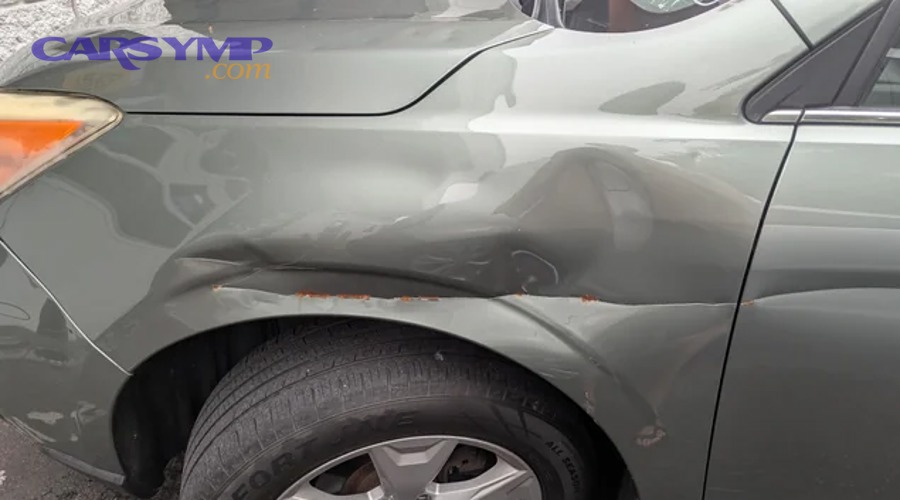
What Is a Tire Plug and How Does It Work?
A tire plug is a sticky, rubber-coated string or cylinder inserted directly into the puncture hole from the outside of the tire, sealing the air leak without removing the wheel from the vehicle. The process takes less than 15 minutes and requires only a reamer tool and a plug insertion tool — both included in basic DIY kits sold at auto parts stores.
Because no dismounting or rebalancing is involved, a plug is the fastest and cheapest repair option available. However, most tire industry professionals classify plugs as a temporary fix. A plug alone does not bond to the tire’s inner liner, meaning it can work loose over time — especially under highway driving conditions or temperature fluctuations. Drivers who receive a plug repair should plan to follow up with a proper patch or patch-plug combo at the next opportunity.
What Is a Tire Patch and How Is It Different From a Plug?
A tire patch is a vulcanized rubber piece applied to the inside of the tire’s liner after the wheel has been dismounted from the rim, the puncture area has been buffed clean, and the inner surface has been chemically prepped. Unlike a plug, which fills the puncture channel from outside, a patch seals the inner liner from the inside — creating a more structurally sound, airtight repair.
The patch process requires a tire machine to break the bead and dismount the tire, which adds labor time and cost compared to a plug. However, a correctly applied patch is considered a permanent repair that should last the remaining life of the tire. Most professional tire shops will also rebalance the tire after remounting it, which contributes to the slightly higher price point of $10–$30 for this service.
What Is a Patch-Plug Combo Repair and Is It Better?
A patch-plug combo — sometimes called a “mushroom plug” — is the industry-standard permanent repair recommended by organizations such as the Tire Industry Association (TIA) and most tire manufacturers. In this method, a plug seals the puncture channel from the inside out, while a patch bonds over the plug base and the surrounding inner liner, creating a dual-layer seal.
This combination addresses the two failure points that make a plug-only or patch-only repair less reliable on its own: the plug fills the void left by the puncture object, and the patch prevents air migration through the inner liner. Most reputable shops perform this as their default tire puncture repair, with the cost typically bundled into a single service price of $20 to $50 that includes dismount, repair, remount, and rebalance.
How Much Does Tire Puncture Repair Cost on Average?
There are four main price tiers for tire puncture repair, ranging from $5 for a DIY plug kit to $300 or more for a full tire replacement, based on the severity of the damage and the method required to fix it.
To make it easier to compare options, the table below summarizes average costs for each repair type based on real quotes from national sources including Kelley Blue Book, Yelp, and Jerry.ai.
| Repair Type | DIY Cost | Professional Cost | Notes |
|---|---|---|---|
| Tire Plug | $5–$10 (kit) | $5–$20 | Temporary fix; no dismount needed |
| Tire Patch | N/A | $10–$30 | Permanent; requires dismount |
| Patch-Plug Combo | N/A | $20–$50 | Industry-recommended standard |
| Full Tire Replacement | N/A | $50–$300+ | Required for unrepairable damage |
This table covers the standard range for passenger vehicles; specialty tires such as run-flats or large truck tires typically fall at the higher end of each range.
How Much Does a Tire Plug Cost?
A professional tire plug costs between $5 and $20 at most shops, making it the least expensive repair option available. Some national tire chains — particularly those where you previously purchased your tires — will plug a tire at no charge as a customer retention service. For drivers who prefer to handle it themselves, a basic DIY plug kit from an auto parts store runs $5 to $10 and typically includes enough rubber plugs for 10 or more repairs.
The trade-off for this low cost is that a plug is not a permanent solution. Industry guidelines from the TIA specify that an external-only plug repair does not meet the standard for a safe, permanent fix — and drivers should treat it as a temporary measure until a proper internal patch or combo repair can be performed.
How Much Does a Tire Patch Cost?
A standard internal tire patch costs between $10 and $30 at most professional shops. This range typically includes dismounting the tire from the rim, cleaning and buffing the puncture zone, applying the patch, remounting the tire, and rebalancing it before placing it back on the vehicle. If a shop quotes the patch and balancing separately, expect to add $10 to $20 for the rebalancing service alone.
Because a patch requires shop equipment that isn’t practical for roadside DIY use, this repair is exclusively a professional service. It delivers long-term value — a correctly applied patch is considered permanent — making the modest price premium over a plug well justified for any driver planning to keep their tires for another season or more.
How Much Does a Patch-Plug Combo Repair Cost?
The patch-plug combination repair typically costs $20 to $50 and is the service most reputable tire shops default to when a puncture qualifies for repair. This price generally bundles everything: dismount, inside inspection, plug insertion, patch application, remount, and rebalance. Some shops may charge separately for valve stem service or TPMS (tire pressure monitoring system) relearn procedures, which can add $5 to $50 depending on the vehicle.
Drivers should specifically ask whether rebalancing is included in the quote, as some shops list it as an add-on. When rebalancing is bundled, the combo repair represents the best cost-per-mile value of any tire puncture repair option — providing a permanent fix for less than the cost of dinner at most restaurants.
How Much Does It Cost to Replace a Tire Instead of Repairing It?
A full tire replacement costs between $50 and $300 or more, depending on the tire’s size, brand, speed rating, and the vehicle it serves. Standard passenger car tires for everyday vehicles typically fall in the $75 to $150 range per tire, while performance, run-flat, or specialty tires can push well past $200 per unit. Installation — including mounting, balancing, and disposal fees — adds another $15 to $45 per tire at most shops.
Replacement becomes necessary when the damage is unrepairable: sidewall punctures, holes larger than ¼ inch, tires with dangerously low tread depth, or tires that have been driven flat and suffered internal liner damage. When comparing repair at $15–$50 against replacement at $75–$300+, the financial argument for repairing a puncture when it is safely possible becomes immediately clear.
What Factors Affect How Much a Tire Puncture Repair Costs?
Six main factors affect the final cost of a tire puncture repair: damage location, puncture size, tire type and size, the type of shop you choose, your geographic market, and additional service fees attached to the repair.
Understanding these variables in advance helps drivers avoid pricing surprises and make more informed decisions when getting quotes. More specifically, two of these factors — damage location and shop type — tend to have the largest individual impact on what you will actually pay.
Does the Location of the Puncture Change the Repair Cost?
Yes, the location of the puncture is one of the most decisive cost factors in tire puncture repair because it determines whether a repair is possible at all. Punctures in the central tread area — the portion of the tire that contacts the road — are the most affordable to fix because they are accessible from the inside and structurally stable enough to hold a patch.
- Central tread zone: Repairable if ≤ ¼ inch; standard repair costs apply ($10–$50)
- Shoulder zone (where tread meets sidewall): Borderline repairable; many shops decline; costs may rise as fewer shops will service it
- Sidewall: Cannot be safely repaired under any standard; full replacement required ($50–$300+)
The sidewall contains the tire’s structural steel belts and load-bearing cords. Any breach in this area compromises the tire’s ability to handle road stress and inflation pressure, making a patch structurally ineffective regardless of its size.
Does Tire Type or Size Affect the Repair Price?
Yes, tire type and size directly influence repair pricing, with specialty tires adding $10 to $80 or more above standard passenger tire rates. The key categories that affect cost include:
- Standard passenger tires: Base pricing applies; $10–$50 for most repairs
- Run-flat tires: Many shops refuse to repair these; stiff sidewalls complicate the dismounting process, and some manufacturers void the run-flat warranty after any puncture
- Large truck or SUV tires (18″+ rims): Surcharges of $10–$30 are common due to heavier handling and equipment requirements
- Low-profile or high-performance tires: Add $10–$30 due to greater risk of bead damage during dismount and the precision required in balancing
Drivers of vehicles equipped with run-flat tires should call ahead to confirm whether a shop can service their specific tire before bringing the vehicle in, as many service providers simply do not carry the equipment or training required.
Does the Type of Shop You Choose Change What You Pay?
Yes, shop type is one of the most controllable cost variables for drivers, with prices for the same repair varying by as much as $80 depending on where the work is done. The table below summarizes typical pricing by shop category based on aggregated real-world data.
| Shop Type | Typical Repair Cost | Notes |
|---|---|---|
| Local independent mechanic | $10–$25 | Lowest prices; quality varies |
| National tire chain | $15–$40 | Standardized pricing; often includes warranty |
| Big-box retailer (Costco, Walmart) | Free–$15 | Free for members/prior customers at some locations |
| Dealership | $80–$100+ | Highest labor rates; recommended only for specialty vehicles |
For most standard puncture repairs, a national tire chain or big-box retailer offers the best combination of price, service quality, and warranty coverage.
Are There Hidden Fees That Increase the Total Tire Repair Bill?
Yes, several add-on fees can increase the quoted repair cost by $10 to $50, and shops are not always upfront about them until after the work is done. Drivers should ask specifically about each of the following before authorizing any repair:
- Rebalancing fee: $10–$20 if not bundled with the repair quote
- Valve stem replacement: $5–$15; often recommended alongside any dismount service
- TPMS sensor service or relearn fee: $10–$50, depending on whether the sensor requires programming after the tire is remounted
- Fix-a-Flat / sealant cleanup surcharge: $10–$30 added when the driver previously used an aerosol sealant, which coats the inner liner and sensor and must be cleaned before a proper patch can be applied
Requesting an all-inclusive written estimate before work begins is the most effective way to prevent surprise charges from inflating a $20 repair into a $70 bill.
Can Every Punctured Tire Be Repaired — or Does It Need to Be Replaced?
No — not every punctured tire can be repaired. A tire is repairable only when the puncture is located in the central tread zone, measures ¼ inch (6mm) or less in diameter, and the tire retains sufficient tread depth and structural integrity to safely hold a repair.
This is one of the most important questions a driver can ask before agreeing to any service, because repairing a tire that should be replaced creates a false sense of security and a genuine road hazard. To better understand the repairability threshold, consider each condition individually.
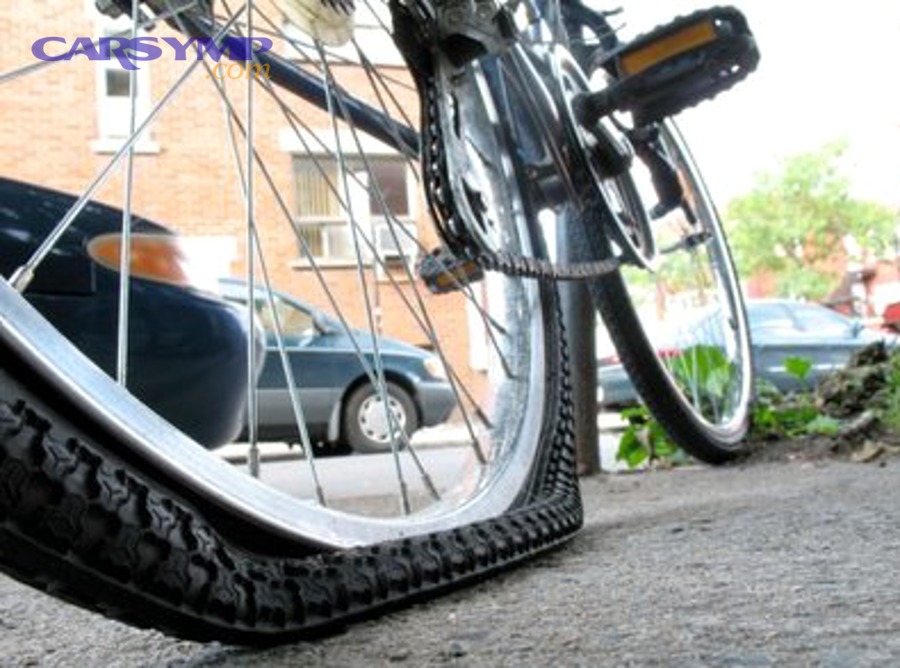
What Size Puncture Is Too Large to Repair?
A puncture larger than ¼ inch (6mm) in diameter cannot be safely repaired under the standards established by the Tire Industry Association and most tire manufacturers. At this size, the structural damage to the tire’s inner cords and liner becomes too extensive for a patch to provide a reliable, airtight seal over the long term.
Irregular-shaped punctures — caused by screws, bolts, or road debris with non-circular profiles — may also exceed repairability limits even when the measured diameter appears small, because the surrounding rubber and cord structure is often torn rather than cleanly punctured. When multiple punctures are present, the TIA standard permits repair only if the holes are at least 16 inches apart and no more than two punctures exist on the same tire.
How Much Tread Depth Is Too Little to Justify a Repair?
A tire with 4/32 inch of tread depth or less is generally considered too worn for a professional repair, as most reputable shops will decline to service it. At this depth, the tire is approaching the end of its safe service life, and investing $20–$50 in a repair on a tire that needs replacement within weeks or months offers poor value and potentially creates liability for the shop.
The legal minimum tread depth in most U.S. states is 2/32 inch, at which point the tire is required by law to be replaced. Drivers should check their tread depth with a penny or quarter test before bringing a punctured tire in for repair — if Lincoln’s head is fully visible on a penny inserted into the groove, the tread is at 2/32 inch or below, and replacement is the appropriate path regardless of the puncture.
Is It Safe to Repair a Tire That Has Already Been Patched Before?
Yes, a previously patched tire can be repaired again, provided the new damage is in a different area of the tread zone that meets all standard repairability criteria and the existing patch remains structurally sound. However, most professional shops apply a two-patch maximum guideline — a tire with two existing repairs is considered a higher risk for failure and should be evaluated carefully before a third repair is attempted.
If the new puncture is in the same area as an existing patch, repair is generally not possible — the inner liner in that zone has already been buffed and bonded, and a second patch in the same location will not adhere reliably. In this situation, a new tire is the recommended solution.
How Does Tire Patch Cost Compare to Tire Plug Cost — Which Is the Better Value?
A tire patch wins on durability and long-term value, while a tire plug is best for immediate cost savings and roadside emergency use — and the patch-plug combo is the optimal choice when a permanent fix is the goal.
This Plug vs patch repair comparison comes down to three criteria: upfront price, repair permanence, and appropriate use case. More specifically, the cheapest option in the short term is not always the most economical choice when you factor in the likelihood of needing a follow-up repair.
Is a Tire Plug Cheaper Than a Tire Patch?
Yes — a tire plug costs $5 to $20 compared to $10 to $30 for a patch, making it the more affordable upfront option by a margin of $5 to $15. For a driver stranded roadside with a nail in their tread, a plug gets them back on the road quickly and inexpensively.
However, the true cost comparison must account for the follow-up repair. A plug that works loose or fails requires another service visit — and if the tire sustains additional damage in the interim from low pressure, the driver may end up replacing the tire entirely. A patch or combo repair performed at the outset eliminates that risk and costs only $10 to $30 more than a plug alone.
When Should You Choose a Patch Over a Plug?
Choose a patch or patch-plug combo when the puncture is larger than a few millimeters, located near the edge of the tread, or when a permanent fix is required for safety or vehicle warranty reasons. Choose a plug only as a temporary emergency measure when dismounting equipment isn’t available and the driver needs to travel safely to a repair facility.
The practical rule endorsed by most certified tire technicians is straightforward:
- Plug: Emergency roadside fix for small, central tread punctures — get to a shop within 24 to 48 hours for a permanent repair
- Patch: Permanent fix for punctures in accessible tread zones on tires with adequate depth
- Patch-plug combo: Best practice for any puncture that warrants a professional repair; eliminates the need for a follow-up visit and provides maximum long-term reliability
According to repair data aggregated by Jerry.ai, a patch-plug combo repair — when bundled with rebalancing — delivers a cost-per-mile value that is significantly lower than any repair requiring a return visit or early tire replacement.
How Can Drivers Reduce or Avoid Tire Puncture Repair Costs Entirely?
Drivers can reduce or eliminate tire puncture repair costs through four main strategies: taking advantage of free repair policies at national chains, activating road hazard warranty coverage, using a DIY plug kit for minor tread punctures, and being aware of specialty surcharges that can be avoided with the right shop.

These approaches are often overlooked because drivers assume repair is always a paid service. In reality, a significant portion of routine patch and plug repairs are performed at no charge — if you know where to go and what to ask.
Which Tire Shops Offer Free Puncture Repairs — and What Are the Conditions?
Several major national tire retailers — including Discount Tire, America’s Tire, and Costco Tire Center — offer free tire puncture repair to customers who purchased their tires from that location. Some locations extend the courtesy to all customers regardless of purchase history, particularly for simple plug repairs that take less than 15 minutes.
The standard conditions for a free repair include: the tire must be repairable under TIA guidelines (tread zone puncture, ≤ ¼ inch), the tread must have adequate remaining depth, and the tire must not have been previously damaged by driving on it while flat. Customers who know their tires were purchased at a chain location should always ask about complimentary repair before assuming the service carries a charge.
Does a Road Hazard Warranty or Tire Insurance Cover Puncture Repair Costs?
Yes — a road hazard warranty typically covers the full cost of a tire puncture repair, including the patch-plug combo and rebalancing, with no out-of-pocket cost to the driver. These warranties are sold at the point of tire installation for $10 to $25 per tire and cover damage caused by road debris, nails, screws, and potholes for the life of the tire.
It is important to note that manufacturer warranties do not cover road damage — they cover only manufacturing defects. Road hazard coverage must be purchased separately. Additionally, some comprehensive auto insurance policies include tire repair coverage or roadside assistance with tire service; drivers should review their policy documents or call their insurer before paying out of pocket for any repair. Preventing future punctures is also addressed by some premium road hazard packages, which include free tire rotation and inspection intervals that catch slow leaks before they become flats.
Is a DIY Tire Repair Kit Worth It — and How Much Does It Cost?
Yes, a DIY tire plug kit is a worthwhile investment for most drivers, costing just $5 to $20 at any auto parts retailer and providing the ability to perform a temporary roadside plug repair when stranded away from a service center. A standard kit includes a reamer tool, a plug insertion tool, and a pack of rubber plug strings — typically enough for 10 or more repairs.
DIY kits work best for small, clean punctures located in the center of the tread. They are not appropriate for sidewall damage, large or irregular holes, or situations where the tire has been driven flat for any distance. One commonly overlooked risk is the use of aerosol sealants such as Fix-a-Flat: while these cans ($10–$15) offer a no-tool emergency option, the foam sealant coats the inner liner and TPMS sensor, potentially adding a $10 to $30 cleanup surcharge when the tire is later professionally repaired. For drivers who carry a plug kit instead, this surcharge is entirely avoidable.
Do Electric Vehicle Tires Cost More to Repair Due to Foam Liners?
Yes — electric vehicle tires equipped with acoustic foam liners cost $30 to $80 more to repair than standard tires because the foam insert must be carefully removed, inspected, and reinstalled as part of the repair process, adding significant labor time that standard tire equipment and training is not always designed for.
Several EV models — including certain Kia EV6, BMW i-series, and some Tesla variants — use foam-lined tires to reduce cabin road noise, a design feature that creates a niche repair challenge. Many independent shops and even some tire chains are unfamiliar with the process, which is why dealer quotes of $80 to $100 for what would otherwise be a $20 patch are common among EV owners. Drivers of foam-lined EV tires should specifically ask whether a shop has experience with acoustic liner tires before dropping off the vehicle — choosing the right shop can save $50 or more on a single repair. Preventing future punctures through regular tire rotation and pressure checks is especially valuable for EV owners, given the premium cost of servicing these specialized tires.
Tire repair pricing referenced throughout this article is based on aggregated data from Kelley Blue Book, Yelp cost guides, and Jerry.ai repair estimate databases, reflecting U.S. national averages as of 2024–2025. Actual costs vary by region, shop, and vehicle type.