


A whine, grind, or clunk is not “just a noise”—it’s often your car telling you which system is under stress and when the failure mode is happening. The fastest way to diagnose it is to match sound character (whine vs grind vs clunk) with timing (idle, accelerating, cruising, decelerating, braking, turning, bumps, shifting).
Next, you can narrow the suspect list by recreating the noise safely: does it appear only under load, only at a specific speed, only while turning, or only when braking? Each pattern points toward a different mechanical relationship (rotating parts, friction surfaces, mounts, or driveline lash).
Then, you can do a few simple checks—without tools beyond a flashlight—to separate “driveable today” from “tow it now.” The goal is not to replace a technician, but to arrive at a shop with clearer symptoms, fewer guesses, and a safer decision.
Introduce a new idea: once you understand the sound-and-conditions pattern, you can use a structured checklist to move from “mystery noise” to a short list of likely causes.
What does “whine vs grind vs clunk” mean in car noise diagnosis?
There are three main noise types—whine, grind, and clunk—based on how the sound is produced: harmonic vibration (whine), friction/metal contact (grind), and impact or driveline lash (clunk). To better understand the difference, focus on what the noise sounds like and what it needs in order to happen (speed, load, braking, or bumps).
What is a “whine” noise in a vehicle?
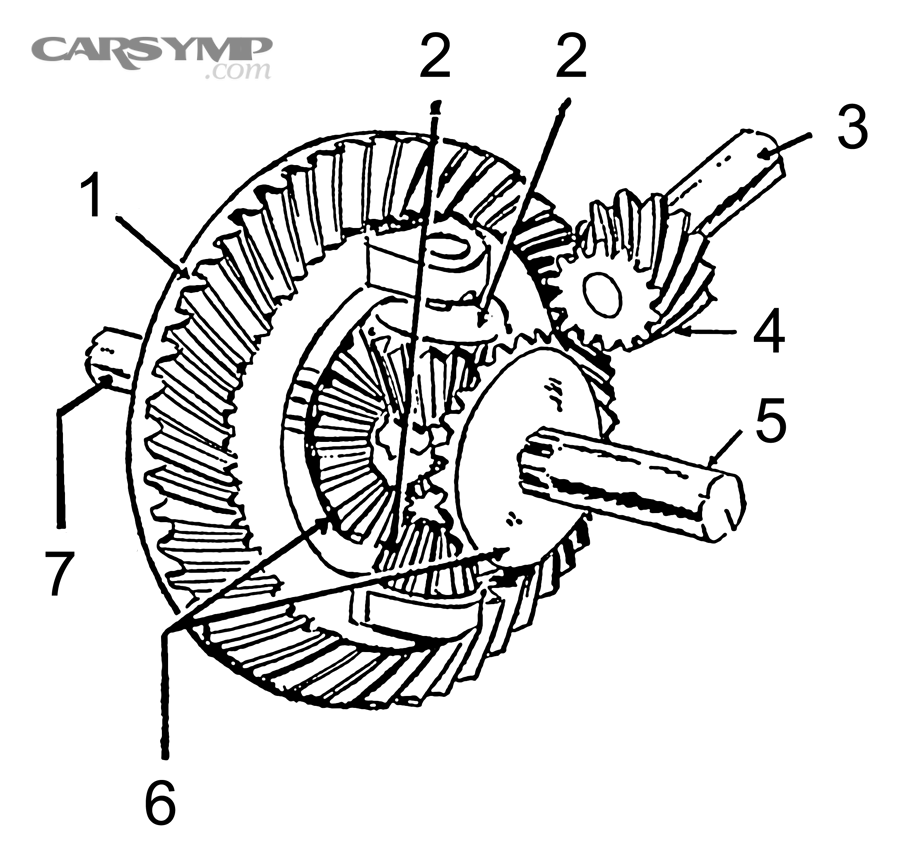
A whine is a high-pitched, smooth, steady tone that usually rises and falls with rotational speed. Most whines come from gears, bearings, pumps, or electric motors—parts that create a repeating vibration as they spin.
Common real-world whine descriptions:
- “It sounds like a faint siren.”
- “A turbine-like noise that gets louder with speed.”
- “A tone that changes when I accelerate or let off.”
Typical whine sources:
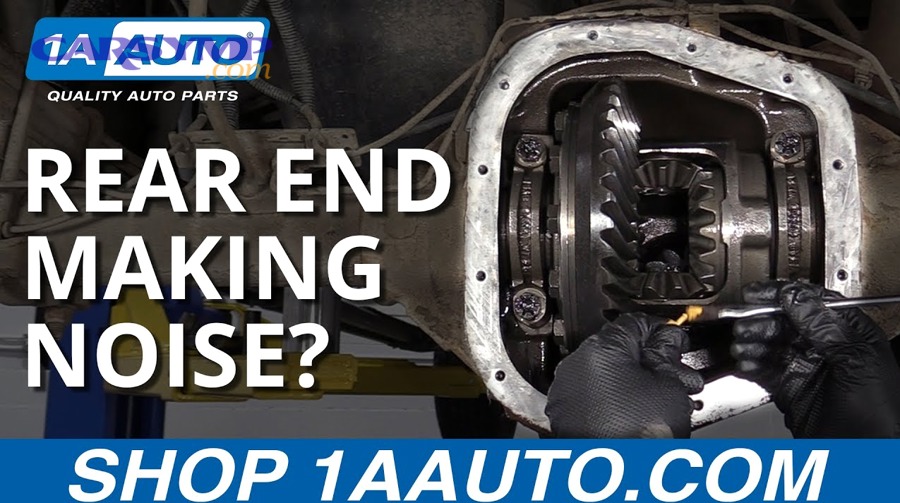
- Differential / final drive gears (often load-dependent)
- Transmission input/output bearings
- Power steering pump (often steering-related)
- Alternator bearings (engine-RPM related)
What is a “grind” noise in a vehicle?
A grind is a rough, scraping, growling, or metal-on-metal sound caused by friction or damaged rolling surfaces. It often signals contact where there shouldn’t be contact, or a bearing/rotor surface that is no longer smooth.
Common grind descriptions:
- “Metal rubbing metal.”
- “A harsh growl that gets worse quickly.”
- “A scraping sound that appears while braking.”
Typical grind sources:
- Brake pads worn to the backing plate
- Warped/damaged brake rotors or trapped debris
- Wheel bearings with pitted races
- Transmission synchro damage (manual) during shifts
Brake wear indicators are specifically designed to make an audible warning when pads are worn, and many drivers first notice a problem as a noise rather than a pedal feel change. (firestonecompleteautocare.com)
What is a “clunk” noise in a vehicle?
A clunk is an impact sound—one or more parts shifting, striking, or taking up slack suddenly. Clunks usually come from mounts, joints, suspension links, or driveline lash (free play in the drivetrain).
Common clunk descriptions:
- “A thunk when I shift into Drive/Reverse.”
- “One clunk when I hit a bump.”
- “A knock when I get on/off the gas.”
Typical clunk sources:
- Worn engine/transmission mounts
- CV joints / U-joints with excessive play
- Loose suspension components (sway bar links, control arm bushings, ball joints)
- Exhaust contacting the body under movement
Quick comparison table: whine vs grind vs clunk
This table summarizes what each noise usually needs in order to happen and what it commonly points to.
| Noise type | Sound character | Most tied to | What usually changes it | Most common systems |
|---|---|---|---|---|
| Whine | Smooth, high-pitched tone | Speed & load | Acceleration vs coast | Transmission/diff, bearings, pumps |
| Grind | Harsh scrape/growl | Friction/rough surfaces | Braking, turning load, speed | Brakes, wheel bearings, drivetrain damage |
| Clunk | Single/periodic thunk | Movement & slack | Shifts, bumps, throttle on/off | Mounts, suspension joints, driveline lash |
According to a study by The University of Texas at Arlington from the Mechanical and Aerospace Engineering program, in 2020, minimizing drivetrain gear transmission error—the main excitation for axle gear whine—can improve overall noise and vibration behavior. (mavmatrix.uta.edu)
How can you identify the noise by when it happens—idle, acceleration, cruising, or deceleration?
Timing is the fastest filter: whine is often speed/load-related, grinding is often friction-related, and clunks often appear during transitions (shift, bump, throttle on/off). More importantly, when you link the noise to engine RPM vs vehicle speed vs load, you separate engine accessories from drivetrain from wheels.
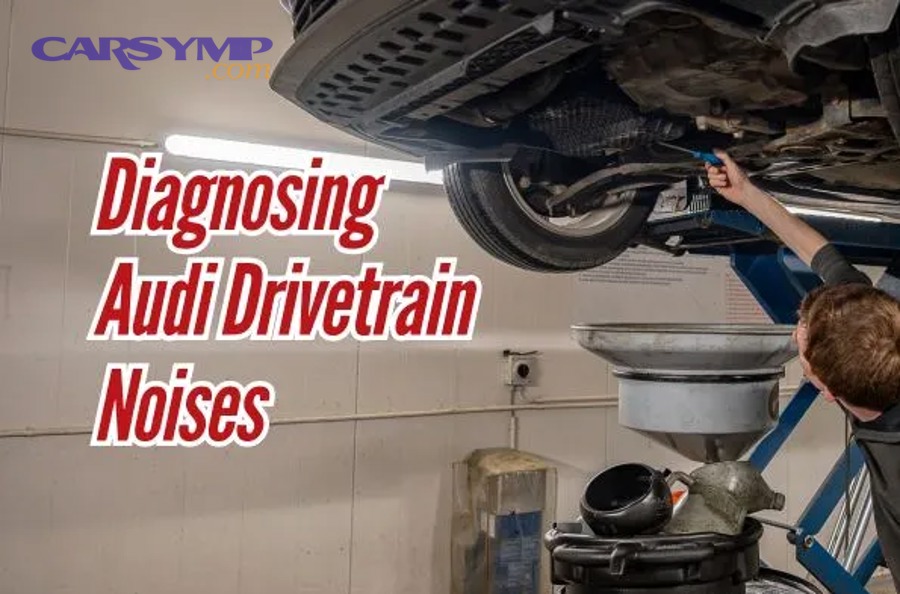
Is the noise tied to engine RPM or vehicle speed?
If the pitch or frequency rises when you rev the engine in Park/Neutral, it’s likely engine-speed related (accessory drive, alternator, belt-driven pump). If it rises only when the car is moving, it’s more likely wheel-speed related (wheel bearings, tires, brakes, axles, differential).
Practical test (safe, stationary):
- In Park/Neutral, lightly raise RPM from idle to ~2,000.
- Noise changes: suspect accessory/belt-driven components.
- Noise unchanged: suspect something that needs vehicle motion (wheels/drivetrain).
What does it mean if the noise happens only during acceleration?
Acceleration loads the drivetrain and changes gear tooth contact patterns, bearing loads, and joint angles. A whine that appears on-throttle and fades off-throttle often points toward differential whine, transmission bearing load differences, or turbocharger whine (if turbocharged and tied to boost).
A clunk on takeoff or when you get back on the gas often points toward driveline lash, worn mounts allowing powertrain twist, or loose suspension components shifting under torque.
What does it mean if the noise happens during deceleration or coasting?
Deceleration reverses load direction in the driveline and often changes which gear faces carry load. A whine only on coast can indicate differential gear pattern or pinion bearings, while a clunk when you lift off the gas often indicates mounts or driveline slack taking up in the opposite direction.
What does “noise in neutral vs in gear” tell you?
This is a major clue for driveline and gearbox issues. If it happens in Neutral with the clutch engaged (manual) or in Park/Neutral (automatic), suspect engine accessories or input-side rotating parts. If it happens only in gear, suspect geartrain load, output bearings, CV axles, differential, or components that only spin under drive.
Noise in neutral vs in gear clues are especially useful for separating engine accessory noises from geartrain-related whine and early bearing issues inside the transmission.
What are typical “manual gearbox bearing noise symptoms” by condition?
Manual transmissions have distinct patterns because the clutch can isolate rotating assemblies. Manual gearbox bearing noise symptoms commonly include whine in gear that changes with road speed, noises that change when you press the clutch, and growl or grind during shifts that can suggest synchro wear or clutch disengagement problems.
How do turning, braking, bumps, and shifting change the diagnosis?
Turning, braking, bumps, and shifting act like “stress tests” that load specific parts, so changes in the noise during these actions often reveal the failing system. Next, use one variable at a time—turn gently, brake lightly, go over a small bump—to see which action reliably changes the sound.
Does the noise change when you turn left or right?
A noise that gets louder when turning one direction often indicates a wheel bearing or outer CV joint being loaded. Turning loads the outside wheels more than the inside, so a growl that increases on one turn direction can help you isolate the side to inspect.
If you suspect wheel bearings, research shows that bearing noise and vibration can be measured and linked to defect mechanisms and deformation effects, supporting the idea that changing load can change the sound you hear. (mdpi.com)
Does the noise appear only during braking?
Braking concentrates forces in the rotor/pad interface and caliper hardware. Grinding only during braking often points to worn pads, debris between pad and rotor, or rotor damage, while a clunk on initial brake application can point to loose caliper hardware or suspension bushings shifting under brake torque.
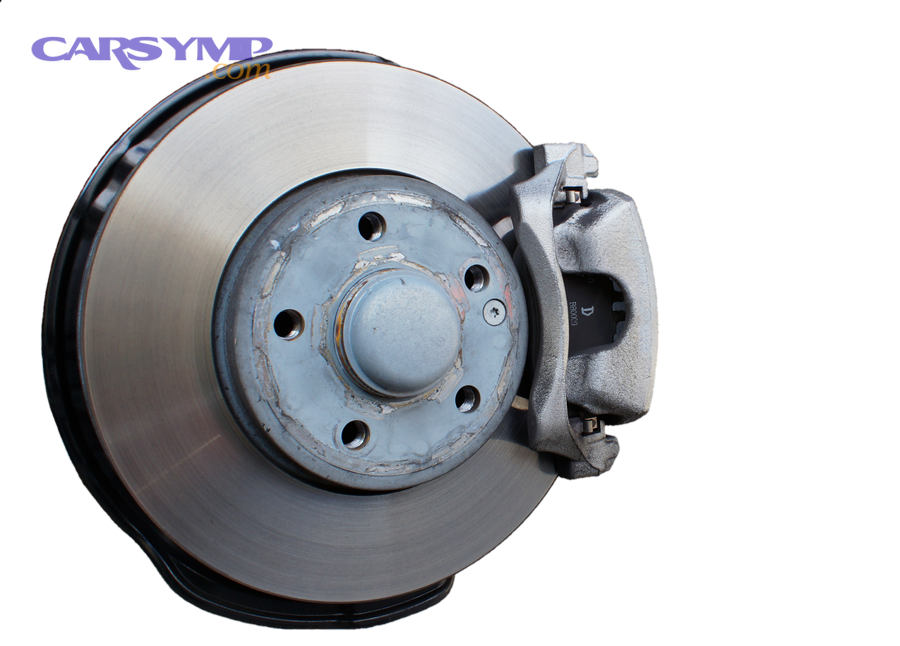
Brake wear indicators are designed to alert the driver audibly when pads are worn, which is why some brake problems “announce themselves” as noise first. (firestonecompleteautocare.com)
Does the noise happen over bumps or potholes?
Bumps create fast suspension movement and can reveal looseness. A single clunk over bumps often indicates sway bar links, strut mounts, control arm bushings, or exhaust movement, while repeated clunks on rough roads can indicate worn ball joints, loose heat shields, or loose underbody panels.
Does the noise happen during shifting or when selecting Drive/Reverse?
Shifting introduces torque reversal and mount loading. A clunk when selecting Drive/Reverse often points to mount wear or driveline slack, while a grind when engaging gears in a manual can indicate clutch disengagement problems or synchro wear.
This is where Transmission/gearbox noise types and meanings become practical: clunks are often lash or mounts, whines are often gear or bearing harmonics, and true grinding while shifting is often friction or synchro engagement.
What are the most likely causes of whine vs grind vs clunk by system?
Whine most often comes from gears/bearings/pumps, grind most often comes from brakes/bearings/metal contact, and clunk most often comes from mounts/joints/loose suspension hardware. More specifically, the best way to avoid guesswork is to group causes by system and then match them to your timing and trigger tests.
What drivetrain and transmission issues cause a whine?
Common whine sources include differential ring-and-pinion wear or setup issues, pinion bearings, and transmission input/output bearings. If you’re doing gearbox noise diagnosis, note whether the sound changes by gear selection: noise in every gear tied to speed suggests a bearing or differential, while noise in one gear suggests wear isolated to that gear set.
According to a study by The University of Texas at Arlington from the Mechanical and Aerospace Engineering program, in 2020, optimizing hypoid gear parameters to reduce transmission error helps control axle gear whine and overall NVH behavior. (mavmatrix.uta.edu)
What brake and wheel-end issues cause grinding?
Common grind sources at the wheel end include brake pads worn through to the backing plate, rotor damage, debris trapped between a dust shield and rotor, and wheel bearing roughness that produces a growl or grind that changes with speed and turning load.
Red flags that point strongly toward brakes include grinding that appears only during braking, a scraping sound at low speed that worsens with gentle pedal application, and persistent noise beyond temporary surface rust effects.
What suspension and mount issues cause clunks?
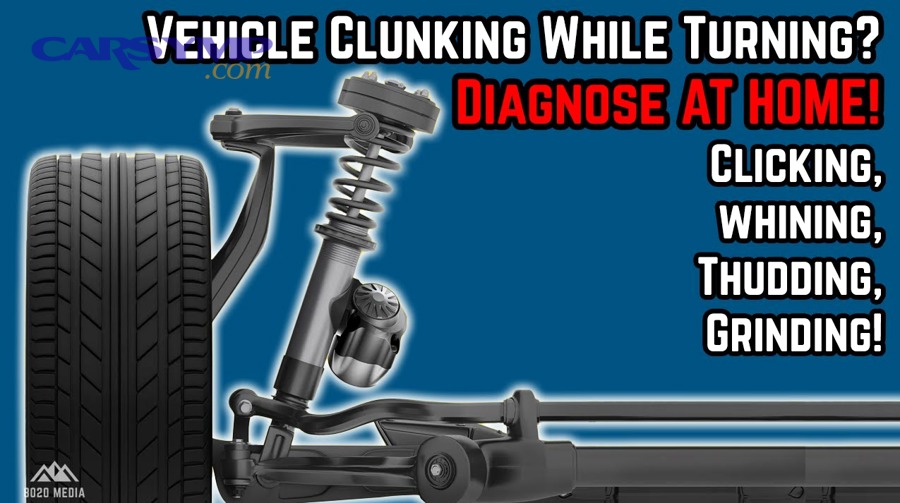
Common clunk sources include sway bar end links and bushings, control arm bushings, ball joints, and engine/transmission mounts. A mount-related clunk often feels like a “thud” through the floor or firewall during torque transitions, such as shifting or throttle on/off.
What about tires—can they mimic whine or grind?
Yes, tires can mimic other faults. Cupped tires can sound like a bearing growl, aggressive tread can create a whine that changes with road surface, and uneven wear can create a rhythmic hum that shifts with speed. Before you assume drivetrain failure, note whether the sound changes on different pavement.
Mini decision map (sound → likely system)
This short map helps you choose the next test:
- High-pitch whine that changes with throttle: differential/transmission bearings/gears
- Grinding only when braking: brake pads/rotors/shields
- Growl that changes when turning: wheel bearing or CV joint load
- Clunk on bumps: suspension links/bushings
- Clunk on shift or throttle on/off: mounts/driveline slack
What safe DIY checks can drivers do to narrow the diagnosis before a shop visit?
You can narrow whine vs grind vs clunk with five safe checks—sound logging, condition testing, visual inspection, heat/smell check, and “do-not-drive” screening—without lifting the vehicle. Then, you bring a clearer symptom story to a technician, which speeds diagnosis and reduces parts swapping.
How do you “log” the noise so it becomes diagnosable?
A good noise report answers “when, how, and what changes it.” Record speed range, engine RPM range, gear selection, throttle state, whether it happens while turning/braking/over bumps, temperature effects, and any recent work. A short phone recording can help, but capture it safely and avoid distraction.
What quick checks help confirm brake-related grinding?
Do these without tools: look through the wheel for obvious pad thickness or rotor scoring, compare odors near each wheel after a short drive (without touching hot parts), and listen at very low speed with the windows down while applying the brakes lightly. A brake grind often becomes more obvious during gentle pedal application.
What checks help with gearbox noise diagnosis without disassembly?
Use pattern testing: compare coast vs accelerate at the same speed, note whether the sound changes between gears (when safe), and in manuals note what happens when you press the clutch. These steps strengthen gearbox noise diagnosis because internal faults often show consistent changes with load and speed.
How can you use the “Noise in neutral vs in gear clues” safely?
Use an empty parking lot: idle in Park/Neutral, then shift into Drive while holding the brake firmly and listen for changes. If the noise appears only when in gear, the drivetrain load path is involved—helping you avoid chasing an alternator or belt issue.
What are immediate “stop driving” red flags?
Stop driving and arrange a tow if you notice grinding with reduced braking effectiveness, a clunk paired with steering looseness or unpredictable pulling, loud sudden whine with a fresh fluid leak, rapidly worsening noise, or warning lights paired with abnormal sounds.
Is it safe to keep driving with a whine, grind, or clunk?
No, it’s not automatically safe—grinding is often urgent, clunks can be safety-critical if suspension-related, and whines can be “monitorable” only if mild and stable—because each noise can indicate a different failure timeline. In addition, “safe to drive” depends on whether the noise is stable, localized, and not affecting steering or braking.

When is a whine sometimes “monitorable” (with caution)?
A mild whine that has been present for a long time, does not change suddenly, and is not accompanied by leaks, vibration, or performance changes may be monitored briefly, but it still deserves diagnosis because bearing and gear wear can accelerate.
According to a study by Marshall University from the Weisberg Department of Mechanical Engineering, in 2021, harmonic-order noise (including gear whine) was highlighted as a major contributor to sound quality at low speeds in vibroacoustic findings discussed in their NVH review. (pmc.ncbi.nlm.nih.gov)
When is grinding urgent?
Grinding is urgent when it suggests brake pad material is gone, a bearing is failing and heating up, or a rotating part is contacting a shield/body intermittently. If you suspect brakes, treat it as urgent because braking damage can compound quickly and compromise safety.
When is a clunk dangerous?
A clunk is dangerous when it involves steering and suspension joints, subframe or control arm attachment points, or mounts that allow the powertrain to move into other components. If the clunk is new and strong—especially with steering looseness, wandering, or uneven braking—do not keep driving.
A practical “risk ranking” you can use
This conservative guide helps you decide what to do next:
- Highest urgency: grinding while braking; clunk affecting steering control
- High urgency: clunk on bumps with looseness; growl that rapidly worsens; any noise plus fluid leak
- Moderate urgency: whine that increases quickly or appears suddenly
- Lower urgency (still diagnose): mild stable whine with no other symptoms
What are the less-common edge cases that mimic whine, grind, or clunk noises?
Some noises imitate whine, grind, or clunk because they resonate through the body, so a “weird sound” can come from heat shields, tires, or accessories rather than the drivetrain you suspect. Moreover, edge cases are where many DIY diagnoses go wrong—especially when one loose component creates a sound that seems like internal gearbox failure.
Can heat shields and exhaust create a “grinding” or “clunk” illusion?
Yes. Loose heat shields can rattle like a metallic grind at certain RPMs, and exhaust contact can create a thunk during engine movement. Look for noises that occur at a specific RPM even when stationary and rattles when tapping the exhaust when it is cool.
Can tires mimic wheel bearing grinding?
Yes. Cupped tires can produce a rhythmic growl that rises with speed and changes with pavement type. Check whether the sound changes dramatically on new asphalt vs rough concrete and whether the perceived location shifts over time.
Can accessories create a whine that sounds like transmission trouble?
Yes. Alternator bearings, idlers, and pumps can whine with RPM and echo into the cabin. If the whine follows engine RPM in Park/Neutral, suspect accessories before assuming drivetrain failure.
What edge cases matter for Transmission/gearbox noise types and meanings?
A few common “gotchas” in Transmission/gearbox noise types and meanings include wheel bearing growl mistaken for gear whine because both rise with speed, a mount clunk mistaken for internal transmission engagement problems, and a tire howl mistaken for differential whine. If you use timing tests (RPM vs speed) plus Noise in neutral vs in gear clues, you usually avoid these traps.