


Replacing a transmission solenoid yourself can be risky for most car owners because the job often fails at the diagnosis stage, not the wrenching stage. A solenoid code or rough shifting symptom does not always mean the solenoid itself is bad; low or burnt fluid, wiring faults, TCM issues, valve body wear, and internal clutch damage can produce similar complaints. That is why the safest answer is not “never do it,” but “only do it after you confirm the fault, understand the access method, and know what damage a wrong repair can trigger.” (autozone.com)
The first practical question is whether the repair is merely difficult or genuinely high-risk. Some vehicles allow relatively straightforward pan access, while others require deeper valve body work, careful fluid-level procedures, or model-specific steps that raise the chance of contamination, misassembly, or drivability issues after the repair. In manufacturer bulletins, some code groups call for a solenoid body, some for a valve body, and some for broader inspection when the fluid condition suggests clutch damage.
The second big issue is cost control. DIY work can save labor, but it can also turn a part-level repair into a larger transmission bill if you use the wrong fluid, miss contamination in the strainer, over-tighten pan bolts, or replace a single component when the real problem is elsewhere. Several service references explicitly warn that contamination, burnt fluid, or non-reproduced codes require more careful diagnostic paths than simply swapping a solenoid. (static.nhtsa.gov)
The third issue is decision-making: whether you should attempt a transmission solenoid replacement, choose a shop, or expand the repair to the valve body area. Introduce a new idea: the best way to reduce risk is to move from symptoms to evidence, from evidence to repair scope, and from repair scope to post-repair verification. (sonnax.com)
Is DIY solenoid replacement risky for most car owners?
Yes, DIY solenoid replacement is risky for most car owners because misdiagnosis, contamination, and installation errors can quickly turn a manageable repair into a major transmission problem. (autozone.com)
To better understand that risk, you need to separate ordinary mechanical difficulty from transmission-specific consequences. A brake job punishes mistakes with noise or uneven wear; a transmission repair can punish them with persistent shifting faults, limp mode, clutch damage, or repeat labor. That difference explains why many seemingly simple solenoid jobs still deserve caution.
What makes DIY solenoid replacement safe enough or too risky?
DIY solenoid replacement becomes reasonable only when the fault is confirmed, access is straightforward, and the vehicle does not require advanced programming or complex valve body work afterward.
Specifically, the repair becomes safer when the transmission pan can be removed cleanly, the solenoid is accessible without disturbing a large number of check balls or separator plates, and the service information clearly lists torque specs, fluid type, and refill procedure. It becomes riskier when the transmission has no conventional dipstick, needs temperature-based fluid-level setting, or buries the solenoid inside a control assembly where one wrong step affects multiple hydraulic circuits. Nissan’s bulletin language is especially blunt about ordered procedure, warning that CVT damage may occur if the steps are not followed in order. (static.nhtsa.gov)
A second safety threshold is your diagnostic ability. If you cannot read codes, inspect fluid condition, verify wiring, or interpret how the vehicle behaves during shifts, you are guessing. Sonnax notes that solenoid-related complaints often overlap with pressure complaints, wrong gear starts, delayed engagements, flares, slips, and clutch failures, which means the part named in the code is not always the full story. (sonnax.com)
A third threshold is contamination control. Automatic transmissions are hydraulically sensitive. Sonnax’s valve body guidance stresses that the valve body must be clean and dry because contamination can plug passages and alter readings; that same principle applies during actual repair. Once dirt, lint, RTV excess, or metallic debris enters the wrong place, the transmission may shift worse after the job than before it. (sonnax.com)
Which warning signs mean you should not attempt the repair yourself?
You should not attempt the repair yourself when the symptoms suggest broader transmission damage, uncertain diagnosis, or a procedure beyond basic pan-and-solenoid service. (static.nhtsa.gov)
More specifically, stop and escalate the job if you find very dark or black fluid with a burnt odor, large contamination in the strainer, metal debris beyond light fuzz, multiple performance codes that return on a road test, or slipping in several ranges. GM service bulletins distinguish between cases where fluid remains red and translucent and cases where burnt fluid points toward clutch inspection, not just part replacement. Acura’s exchange-program document likewise says that if there is a large amount of contamination in the strainer, do not replace solenoids or clear codes because the problem will recur. (static.nhtsa.gov)
You should also step back when the car shows symptoms that may belong to the TCM rather than the solenoid alone. AutoZone’s TCM overview lists unusual shifting behavior, delayed or harsh changes, and being stuck in a single gear as TCM-related possibilities. If those same symptoms can come from a module, a wiring fault, a valve body issue, or a true solenoid failure, a home repair without further testing becomes a gamble rather than a repair plan. (autozone.com)
According to GM service bulletins published through NHTSA in 2023, certain current DTC groups combined with burnt, dark fluid require clutch-plate inspection in addition to solenoid body or valve body work, showing that fluid condition can change the correct repair path entirely. (static.nhtsa.gov)
What are the biggest DIY solenoid replacement risks?
There are four main DIY solenoid replacement risks: misdiagnosis, mechanical or installation damage, fluid-related mistakes, and false savings that become higher total repair costs. (sonnax.com)
Below, those risks connect directly to the title’s core concern. A transmission solenoid replacement is not dangerous because a solenoid is mysterious; it is dangerous because one wrong assumption affects diagnosis, hydraulic control, and post-repair behavior at the same time. (autozone.com)
Can misdiagnosis lead you to replace the wrong part?
Yes, misdiagnosis can absolutely lead you to replace the wrong part because solenoid symptoms overlap with fluid, valve body, clutch, wiring, and control-module problems. (autozone.com)
For example, delayed shifts, harsh shifts, limp mode, slipping, and check-engine lights all sound like classic shift-solenoid complaints. AutoZone describes those as common signs of a bad shift solenoid. But Sonnax explains that the same family of complaints can also stem from pressure-control issues, clutch-related failures, wrong gear starts, and root-cause hydraulic problems. In other words, the symptom may be real while the named part is only the messenger. (autozone.com)
This is where the phrase “Valve body vs single solenoid repair decision” matters. In some cases, replacing one solenoid is appropriate. In others, the correct fix is a valve body, a solenoid body plus valve body, a learned-adaptation procedure, or an internal inspection because the clutch plates have already suffered. Manufacturer bulletins make that distinction by code groups and fluid condition rather than by a universal “replace the bad solenoid” rule. (static.nhtsa.gov)
A misdiagnosis also wastes clean fluid, fresh gaskets, and your labor time. Worse, it can create false confidence: the car may improve briefly after being disturbed, reset, or refilled, only to return with the same complaint because the real problem remained in the valve body or clutch pack. (sonnax.com)
What damage can happen during removal and installation?
The most common removal and installation damage includes broken connectors, stripped bolts, pinched seals, contamination, and reassembly mistakes that disrupt fluid control.
Specifically, transmission work punishes impatience. A pan that is pried off carelessly can distort the flange. A filter can be installed incorrectly. A gasket can shift. Bolts can be tightened unevenly or beyond spec. AutoZone’s fluid-service instructions emphasize clean sealing surfaces, proper gasket placement, and recommended torque during pan reinstallation, and that advice becomes even more important when the pan has to come off for a solenoid job.
Once you move beyond the pan, the risk rises further. Valve body assemblies may contain small parts, separator plates, and precise hydraulic paths. Sonnax repeatedly treats valve body cleanliness and inspection as precision work, not casual parts swapping. If you disturb components without documentation, lay bolts out randomly, or mix hardware lengths, you may finish the job with a transmission that still shifts poorly or now behaves unpredictably. (sonnax.com)
On some vehicles, even the service sequence matters as much as the parts. Nissan’s bulletin warns that non-warrantable CVT damage may occur if steps are not followed in order. That is a strong reminder that “mechanically possible” is not the same as “procedurally safe.” (static.nhtsa.gov)
Which fluid-related mistakes create the most transmission risk?
The highest fluid-related risks are using the wrong ATF, setting the wrong fluid level, ignoring contamination, and skipping filter or gasket service when the pan is already open.
This is where “Fluid and filter service during solenoid replacement” becomes more than a convenience item. If the pan comes down to access the solenoid, the filter, gasket, and fluid condition are already part of the repair context. AutoZone’s transmission-fluid instructions explicitly mention replacing the pan gasket and filter and ensuring proper gasket placement and torque. That does not mean every vehicle uses the same service pattern, but it does mean skipping those basics can undermine the repair you are trying to protect.
Fluid condition also changes your diagnostic conclusion. GM bulletins repeatedly divide decisions by whether fluid is red and translucent or dark and burnt. Acura’s program document goes farther by using strainer contamination as a decision point and warning not to replace solenoids when contamination is heavy because the problem will recur. Those are not cosmetic details. They are evidence that the hydraulic environment may already be damaged. (static.nhtsa.gov)
Finally, the wrong fill level can create symptoms that look like a failed repair. Too little fluid can cause aeration and delayed engagement; too much can also upset operation. Vehicles without a simple dipstick often require specific temperature or procedure windows, which is why the refill step is often harder than the bolt-removal step.
How can a DIY repair increase total cost instead of saving money?
A DIY repair increases total cost when cheap parts decisions, repeated fluid purchases, towing, and second-round labor erase the labor savings from doing the work yourself. (sonnax.com)
The cost trap usually follows a predictable pattern. First, the owner buys one solenoid because it is cheaper than a full diagnosis. Next, the pan comes off, fluid drains out, and the car is down. Then the code returns, the shift complaint remains, or a leak develops. After that, the owner buys more fluid, another gasket, maybe a filter, and finally pays a shop to diagnose the same problem properly. By then, the “cheap” repair has paid for itself twice without fixing anything.
The “Valve body vs single solenoid repair decision” also changes cost math. If the true issue lies in wear, contamination, or hydraulic control beyond one electrical component, single-part replacement can be a false economy. Some remanufactured control solenoid assemblies are sold ready to install with seals and testing already handled, which may cost more upfront but reduce rework compared with piecemeal trial-and-error. (autozone.com)
According to Acura service guidance published via NHTSA, if a large amount of contamination is found in the strainer, replacing solenoids or clearing DTCs is not recommended because the problem will recur, which directly supports the point that an incomplete repair often costs more than a correct one. (static.nhtsa.gov)
What should you check before deciding to replace a solenoid yourself?
You should check four things before starting: confirmed fault evidence, fluid condition, repair access complexity, and the exact tools and service information required.
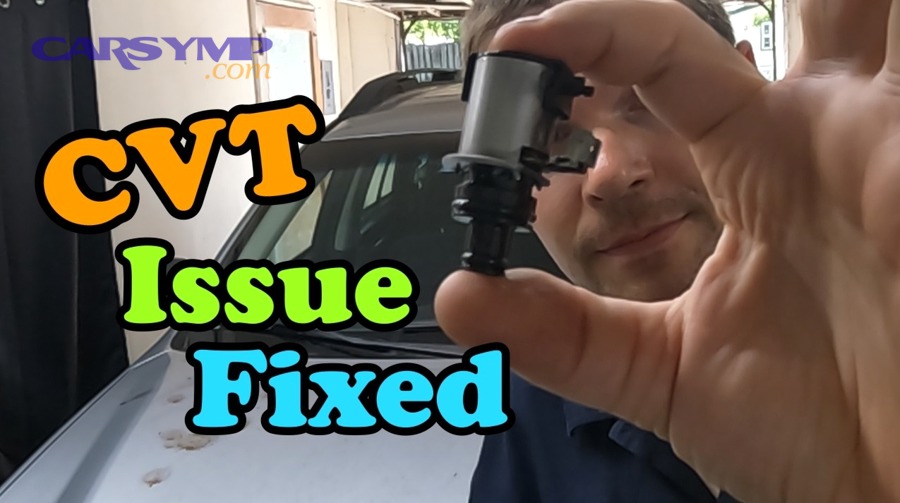
That checklist turns guesswork into triage. Once you confirm what the vehicle is doing, what the scan data says, what the fluid looks like, and how deep the repair goes, you can decide whether a transmission solenoid replacement is a DIY task or a shop task. (autozone.com)
| Checkpoint | What to verify | Why it matters |
|---|---|---|
| Codes and symptoms | Current DTCs, repeatability, shift behavior, limp mode | Prevents replacing a solenoid for a non-solenoid problem |
| Fluid condition | Color, odor, contamination, strainer debris | Burnt or contaminated fluid can point to deeper damage |
| Repair scope | Pan access only or valve body removal | Deeper access increases complexity and error risk |
| Support requirements | Torque specs, refill method, relearn need, part number accuracy | Missing service data creates avoidable post-repair issues |
The table above shows the minimum pre-repair checks that separate a verified repair path from an expensive assumption. Each item directly affects whether DIY work is sensible or not.
What tests help confirm the solenoid is actually the problem?
The best confirmation combines DTCs, symptom reproduction, fluid inspection, wiring checks, and model-specific diagnostic steps rather than relying on one code alone. (autozone.com)
To begin, read the fault codes and distinguish history codes from current, repeatable faults. GM bulletins explicitly separate DTCs that are current or return on a road test from those that do not reproduce, and in some non-reproduced cases the prescribed next step is a fast-learn procedure rather than parts replacement. That means a code alone is not the full diagnosis. (static.nhtsa.gov)
Then inspect the fluid and strainer. Burnt odor, black fluid, or heavy contamination can move the repair from “replace a component” to “inspect for clutch damage.” Acura’s guidance makes contamination a decision gate, not a side note. (static.nhtsa.gov)
After that, verify the electrical side. Check harness condition, connector fit, grounds where the platform is known to require them, and whether the TCM or battery health is part of the diagnostic tree. GM’s bulletin includes battery, TCM, and transmission ground voltage-loss checks in certain cases before authorizing major control assembly replacement. (static.nhtsa.gov)
Which tools, parts, and information are required before starting?
You need the correct fluid, correct parts, a clean work setup, the service procedure, and at least basic diagnostic capability before you remove anything.
More specifically, gather the exact transmission fluid specification, pan gasket or sealant requirement, filter if applicable, torque wrench, drain equipment, brake cleaner or equivalent cleaning supplies, lint-free towels, and the right sockets and harness-release tools. AutoZone’s fluid service instructions call out tools, clean mating surfaces, filter and gasket replacement, and bolt torque; those basics matter even more when the fluid service is attached to a deeper solenoid job.
You also need service information for the actual transmission code, not just the vehicle model. The same make may use different units across engines, years, or trims. That is why solenoid location, refill procedure, and relearn requirements cannot be guessed from a generic forum answer. (sonnax.com)
Should you replace only one solenoid or inspect the whole valve body area?
Replace only one solenoid when the fault is well isolated; inspect the wider valve body area when symptoms, contamination, or platform history suggest a broader hydraulic issue. (static.nhtsa.gov)
This comparison matters because it changes repair scope, parts budget, and outcome reliability. A single-solenoid fix is attractive when access is easy, the code path is narrow, fluid is clean, and the transmission has no signs of broader slip or wear. A valve body inspection becomes smarter when performance codes overlap, shift complaints span multiple ranges, or the design is known for pressure-control and wear issues. Sonnax’s technical material frequently treats valve body diagnosis as the center of modern transmission troubleshooting, not a side branch. (sonnax.com)
This is the exact place where the “Valve body vs single solenoid repair decision” should be made calmly, before parts are ordered. If the fluid says one thing and the code says another, trust the full diagnostic picture rather than the cheapest part. (static.nhtsa.gov)
Is DIY solenoid replacement better than professional repair?
DIY solenoid replacement wins on labor savings, professional repair wins on diagnosis and verification, and the better choice depends on access, certainty, and the cost of being wrong.
That comparison is the real buying decision behind the title. Most readers are not asking whether a solenoid exists; they are asking whether they should attempt the job, pay a shop, or stop before a small issue becomes a transmission overhaul. (autozone.com)
When is DIY solenoid replacement a reasonable choice?
DIY is a reasonable choice when diagnosis is confirmed, access is limited to a controlled service area, and the platform does not demand advanced calibration or extensive valve body work.
A good DIY scenario looks like this: one repeatable complaint, one confirmed code path, clean or acceptable fluid, clear service instructions, known torque specs, correct parts in hand, and no signs of widespread transmission distress. In that scenario, a careful owner can handle a transmission solenoid replacement much like other fluid-system service jobs: slowly, cleanly, and by the book.
The hidden key is that the owner must know what “success” looks like before starting. If the plan includes proper refill, leak check, code clearing where appropriate, and a controlled road test afterward, DIY has a better chance of staying a repair instead of becoming a diagnostic detour. (static.nhtsa.gov)
When is professional repair the smarter option?
Professional repair is smarter when the diagnosis is uncertain, the fluid is burnt or contaminated, or the repair requires valve body strategy, advanced testing, or relearn procedures. (static.nhtsa.gov)
A shop becomes the better choice when the transmission slips in multiple gears, has several related codes, needs pressure testing, or may involve module, harness, or internal clutch issues. Sonnax’s diagnostic material shows why: solenoid performance complaints often demand root-cause analysis, not just parts replacement. A professional setup can test pressures, evaluate hydraulic circuits, and compare observed behavior to platform-specific failure patterns faster than a trial-and-error DIY approach. (sonnax.com)
Professional repair also makes sense when the vehicle is valuable, the transmission is known to be sensitive, or downtime matters more than saving labor. In those cases, paying for certainty often costs less than paying twice for uncertainty. (sonnax.com)
What is the difference between saving money upfront and reducing total repair risk?
Saving money upfront cuts the first invoice; reducing total repair risk cuts the chance of repeat failure, added damage, and unnecessary parts replacement. (sonnax.com)
That difference matters because labor savings are easy to measure while risk savings are easy to ignore. A homeowner can see the price difference between a solenoid and a shop estimate, but cannot see the hidden cost of a wrong diagnosis, contaminated work area, second fluid fill, or damaged control assembly until after the vehicle is back apart.
In short, the better decision is not the cheapest path today. It is the path most likely to produce one correct repair. (static.nhtsa.gov)
How can car owners reduce DIY solenoid replacement risks if they still do the job?
Car owners reduce DIY solenoid replacement risks by preparing thoroughly, controlling cleanliness, following exact fluid procedures, and verifying the repair before regular driving.
This section closes the main question with action rather than theory. If you still choose a transmission solenoid replacement at home, your goal is not only to install the part but to protect the transmission from your own process.
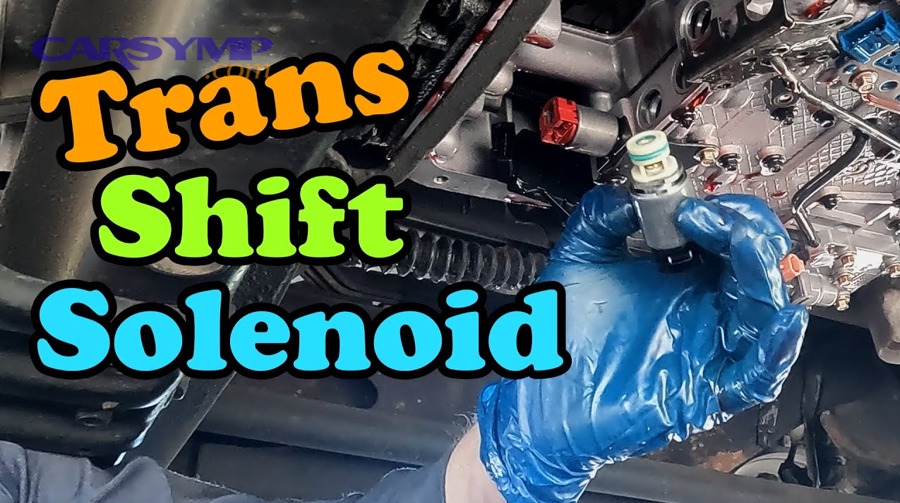
What preparation steps lower the chance of damaging the transmission?
The most effective preparation steps are verifying the exact part, organizing the work area, documenting disassembly, and planning the refill and verification steps before opening the transmission.
Start by confirming the transmission code, not just the car model. Then confirm part numbers, seals, and whether you need a complete control-solenoid assembly or only a single serviceable unit. Lay out a clean bench, label connectors, photograph each stage, and keep bolts grouped by location. These habits sound basic, but they protect you from the most common home-repair mistakes: installing the wrong part, misrouting a harness, or reassembling from memory.
Next, plan fluid service as part of the job. “Fluid and filter service during solenoid replacement” should not be an afterthought when the pan is already off and the filter is accessible. If the service information for your vehicle calls for a filter, gasket, or exact temperature-based level procedure, prepare that before the first bolt comes out.
What post-repair checks confirm the transmission is safe to drive?
The key post-repair checks are proper fluid level, leak inspection, code status, shift behavior on a controlled road test, and any required relearn or adaptation procedure. (static.nhtsa.gov)
First, verify the fluid level exactly as the service procedure requires. Then inspect the pan, harness area, and any disturbed fittings for leaks. After that, clear codes only when appropriate, then drive the vehicle in a short, controlled test that confirms engagement quality, upshifts, downshifts, and any previous complaint. GM guidance specifically references road-test results, commanded shift evaluation, and in some cases a fast-learn procedure when codes do not reproduce. (static.nhtsa.gov)
Do not confuse “it moved” with “it is fixed.” A safe post-repair result means the previous complaint is gone, no new complaint appears, and the transmission behaves normally across the conditions that used to trigger the fault. If it does not, stop there instead of layering more parts onto an uncertain diagnosis. (sonnax.com)
According to GM bulletins published in 2023, road-test results, DTC reproduction, and fast-learn procedures are part of the diagnostic and repair-validation path, which supports the idea that a successful solenoid repair is verified by behavior and data, not by installation alone. (static.nhtsa.gov)
What related technical issues can be mistaken for a bad solenoid?
The most commonly mistaken issues are valve body wear, wiring faults, TCM problems, adaptation problems, and internal clutch damage that happen to trigger solenoid-related symptoms or codes. (sonnax.com)
This supplementary section expands the topic beyond the primary yes-or-no decision. It helps you avoid the most expensive mistake in all transmission diagnosis: fixing the name of the code instead of the cause of the complaint. (sonnax.com)
How is a bad solenoid different from valve body wear or internal clutch problems?
A bad solenoid is an electromechanical control fault, while valve body wear and clutch problems are hydraulic or friction-system faults that can produce similar shift complaints. (autozone.com)
That difference matters because the repair logic changes completely. A true solenoid failure may respond to a targeted component replacement. Valve body wear may demand inspection, rebuilding, or replacement of the control assembly. Internal clutch damage moves the conversation toward transmission removal and overhaul. GM bulletins show this progression clearly by instructing broader inspection when fluid is burnt or when specific code groups point beyond isolated component failure. (static.nhtsa.gov)
Sonnax also notes that valve body problems account for a large share of transmission issues in certain platforms, and that the diagnostic routine often points there. That is why a “single bad solenoid” story should always be tested against the broader hydraulic picture. (sonnax.com)
Can wiring, connectors, or the TCM cause the same symptoms as a failed solenoid?
Yes, wiring, connector, battery-ground, and TCM problems can cause the same symptoms as a failed solenoid because they interrupt or distort control of the shift system. (autozone.com)
AutoZone’s overview of bad TCM symptoms includes unusual shifting, delayed or harsh gear changes, and being stuck in one gear. GM diagnostic guidance likewise includes battery health, TCM, and transmission ground voltage-loss checks in specific cases before replacement decisions are made. That means electrical integrity is not a side check; on some vehicles it is part of the core diagnosis. (autozone.com)
A loose connector or high-resistance ground can therefore mimic a mechanical fault. Replacing a solenoid in that situation treats the consequence while leaving the cause in place. (static.nhtsa.gov)
Why do relearn procedures, calibration, or programming matter after replacement?
Relearn and calibration matter because modern transmissions adapt shift timing and pressure, so a hardware change may need software or adaptive correction before normal operation returns. (sonnax.com)
Sonnax explains that linear solenoids and modern control strategies rely on adaptive behavior as heat, wear, and contamination affect response. GM bulletins likewise reference a Transmission Service Fast Learn Procedure when certain codes are not reproduced. That tells you two things: first, adaptation is real; second, not every post-repair complaint means the new part is bad. (sonnax.com)
Some aftermarket or reman control assemblies are designed to reduce extra setup, but that does not eliminate the need to follow model-specific post-repair steps. Always check whether your platform needs relearn, initialization, or validation through scan data. (autozone.com)
Which vehicle-specific details make some solenoid jobs much riskier than others?
The riskiest vehicle-specific details are CVT procedure sensitivity, valve body design complexity, temperature-based fluid setting, and model-specific code logic that changes the correct repair scope. (static.nhtsa.gov)
One platform may let you service a shift solenoid with pan access and standard refill. Another may require control-valve removal, ordered CVT steps, or deeper disassembly where the “solenoid” is part of a larger service assembly. Nissan’s bulletin warning about ordered steps and GM’s code-group branching are good examples of why generic advice can fail on a real vehicle. (static.nhtsa.gov)
That is the final lesson behind DIY solenoid replacement risks: the job is never just about courage or basic wrenching skill. It is about matching symptoms, fluid condition, electronics, hydraulic design, and repair scope to the exact transmission in front of you. When those pieces line up, a transmission solenoid replacement can succeed. When they do not, the smartest repair may be to stop before you create a bigger one.